Ghumoopedia — Explore, Discover, Experience
Sign in

City guide · Maharashtra

Jamkhed

Jamkhed is a small town in Maharashtra’s Ahilyanagar district, situated between Ahilyanagar and Beed. Its regional importance comes less from conventional sightseeing than from its role as a centre for education, local services and an internationally recognised approach to rural healthcare.

Famous for

  • Comprehensive Rural Health Project
  • Community-based primary healthcare
  • Homeopathic education
  • Nursing education
  • Ahmednagar–Beed road corridor

Why Jamkhed matters

Jamkhed is a small town in Maharashtra’s Ahilyanagar district, situated between Ahilyanagar and Beed. Its regional importance comes less from conventional sightseeing than from its role as a centre for education, local services and an internationally recognised approach to rural healthcare. The Comprehensive Rural Health Project (CRHP), established in Jamkhed in 1970, is known for its community-based primary-care model and has brought visitors and health professionals interested in public health and development work.

The town also has homeopathic and nursing education institutions, which contribute to its student life and service economy. For travellers, Jamkhed offers a glimpse of everyday life in the Deccan’s smaller towns rather than a major tourist circuit: local shops, markets and a Marathi-speaking community are central to the experience. Its position on the road between Ahilyanagar and Beed makes it a useful regional stop. Visitors generally come for an institutional visit, local connections or onward travel, rather than for a large collection of established tourist attractions.
Famous for: crafts, trade & products

Jamkhed is best known beyond the region for the Comprehensive Rural Health Project and its work in community-based primary healthcare. The project is an institution, not a visitor marketplace, so people coming to learn about its work should arrange their visit through the organisation rather than expect a public exhibit or walk-in attraction. The town’s homeopathic and nursing colleges are also important parts of its educational profile.

Jamkhed is not widely known for a signature textile, saree, handicraft, GI-tagged product or major manufacturing industry. Its shops and bazaar serve everyday local needs, while the surrounding rural area supports the town’s role as a service and trading centre. Visitors can browse the central market streets for routine household goods and regional food provisions, but should not expect a specialised craft district or a recognised tourist shopping strip. For locally made goods or seasonal produce, ask residents or shopkeepers what is available during the visit; stock and selection can vary. The town’s strongest identity is therefore institutional and regional, rather than based on a distinctive product line.

History

Jamkhed’s past is best understood within the wider history of the Deccan and the former Ahmednagar district. The region experienced changing rule under Deccan powers and the Marathas before it came under British administration. After independence, it remained part of Maharashtra, and its growth has been shaped chiefly by its role as a local service town serving nearby rural communities. Detailed accounts of individual rulers or major historic buildings in Jamkhed are not prominent in widely available town descriptions, so visitors should avoid assuming that it has a large, well-preserved heritage quarter.

A defining modern development began in 1970, when the Comprehensive Rural Health Project was established in Jamkhed. Its community-centred approach to primary healthcare made the town a reference point for public-health learning and rural development. Homeopathic and nursing education have further strengthened its role as an institutional centre. Today, Jamkhed’s history is closely associated with this shift from a small regional town to a place known internationally for practical rural-health work.

Food, festivals & culture

Marathi is the main language of daily life in Jamkhed; Hindi is also understood in many settings. Local meals reflect the wider Deccan and Maharashtrian food tradition. Bhakri with pithla or vegetables, rice and lentil dishes, and seasonal produce are familiar choices, while puran poli and laddoos may appear for celebrations. These are regional favourites rather than foods unique to Jamkhed, and menus vary among homes and eateries.

Ganeshotsav, Navratri, Diwali, Gudi Padwa and Holi are observed in their usual seasonal periods, alongside Eid and other community occasions. Devotional singing, bhajan and kirtan form part of religious and festival gatherings; celebrations are generally rooted in neighbourhood and family life rather than staged for visitors. Temples and mosques serve local worshippers, but Jamkhed is not especially known as a pilgrimage centre or for a single landmark shrine. Travellers are welcome to observe public celebrations respectfully, dress appropriately at places of worship and ask before photographing people or ceremonies.

Visiting the city

The cooler months, roughly October to February, are generally the most comfortable for a visit. Summer can be hot, while monsoon conditions may affect road journeys. Jamkhed is reached mainly by road, with bus and private-car connections serving nearby towns. Shirdi Airport is a nearby airport option, though travellers should check current flights and onward transport before planning. Ahilyanagar railway station is a principal rail gateway for the area; the onward journey to Jamkhed requires road transport.

The town centre and its market streets are the most convenient areas to explore on foot for everyday shops and food. Auto-rickshaws and locally available taxis can help with longer trips, including visits to institutions outside the centre. Anyone visiting the Comprehensive Rural Health Project or a college should make arrangements in advance. Jamkhed works well as a purposeful regional stop, rather than a destination with a formal sightseeing circuit.

Trips from the city

Nearest places to visit from Jamkhed

Our closest destination guides, by straight-line distance.

Ahmednagar Fort

71 km away · Ahilyanagar district

Ahmednagar Fort

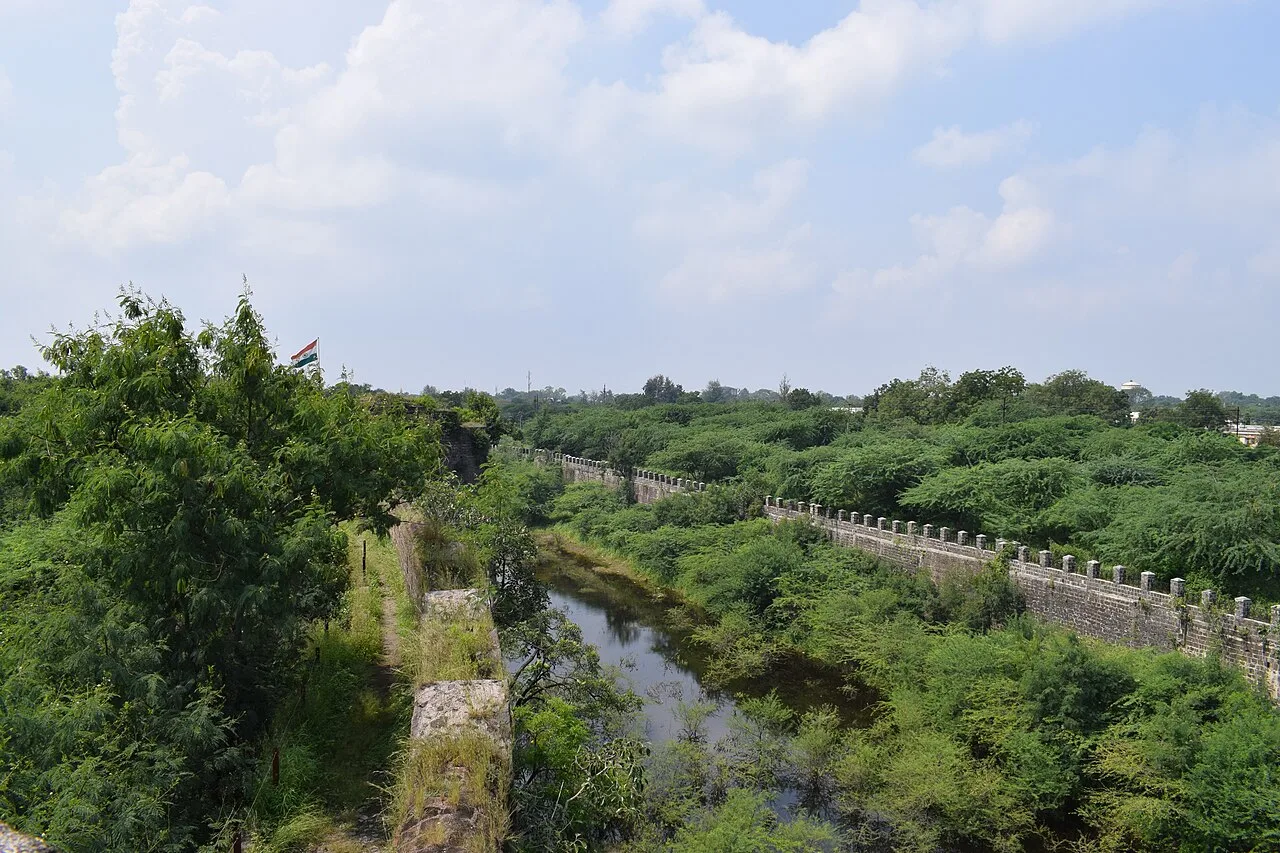
Ahmednagar Fort, in Maharashtra, is a historic stronghold associated with the Ahmednagar Sultanate, the 1803 Anglo-Maratha conflict and imprisonment under British rule, making it a point of historical interest.

84 km away · Ahilyanagar district

Hiware Bazar

Hiware Bazar is a village in Maharashtra’s Ahmednagar district, known for its irrigation system and water-conservation efforts to tackle drought and drinking-water difficulties.

Shani Shingnapur

90 km away · Ahilyanagar district

Shani Shingnapur

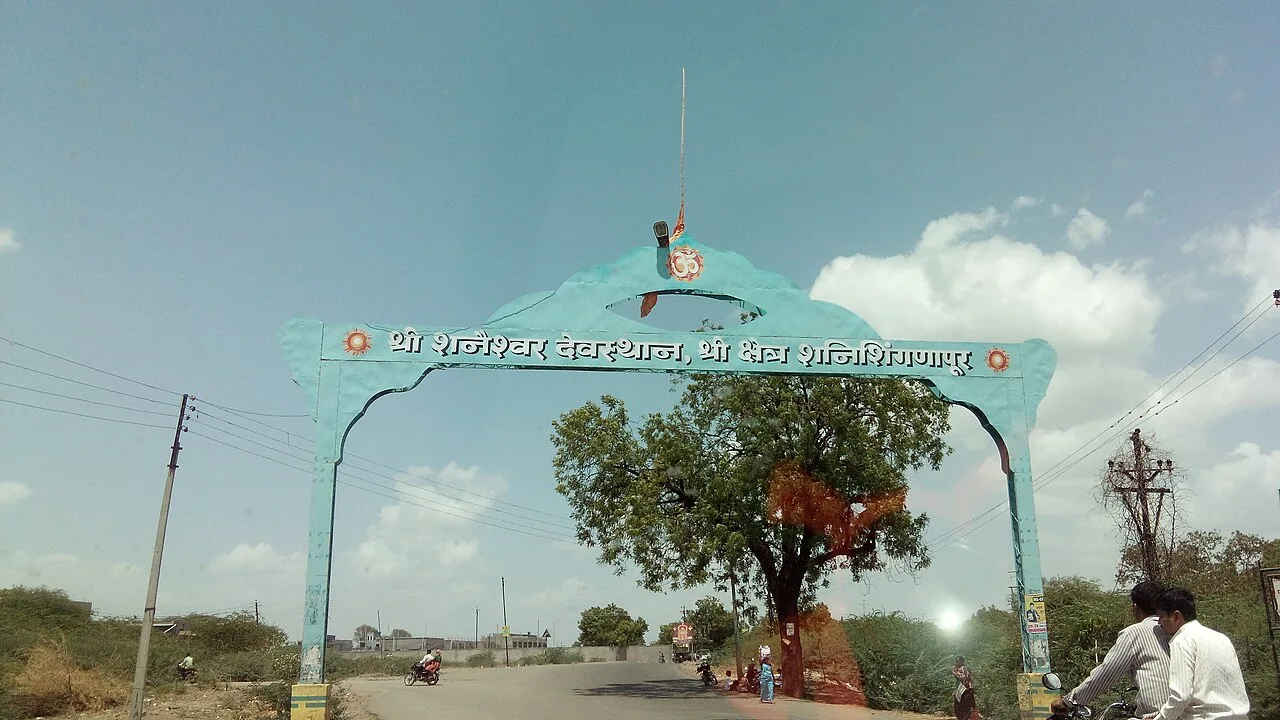
In Maharashtra, Shani Shingnapur is a village visited for its temple to Shani, the Hindu deity linked to the graha Saturn.

97 km away · Ahilyanagar district

Ralegan Siddhi

Ralegan Siddhi is a village in Maharashtra’s Ahmednagar District, noted for environmental conservation and renewable energy. Travellers may visit to see its measures for protecting soil, retaining rainwater and generating local power.

Tulja Bhavani Temple

118 km away · Dharashiv district

Tulja Bhavani Temple

Tulja Bhavani Temple is a 12th-century shrine to goddess Bhavani in Tuljapur, Maharashtra. It is counted among India’s 51 Shakti Pithas and the state’s four major Shakti shrines.

Vithoba Temple

118 km away · Solapur district

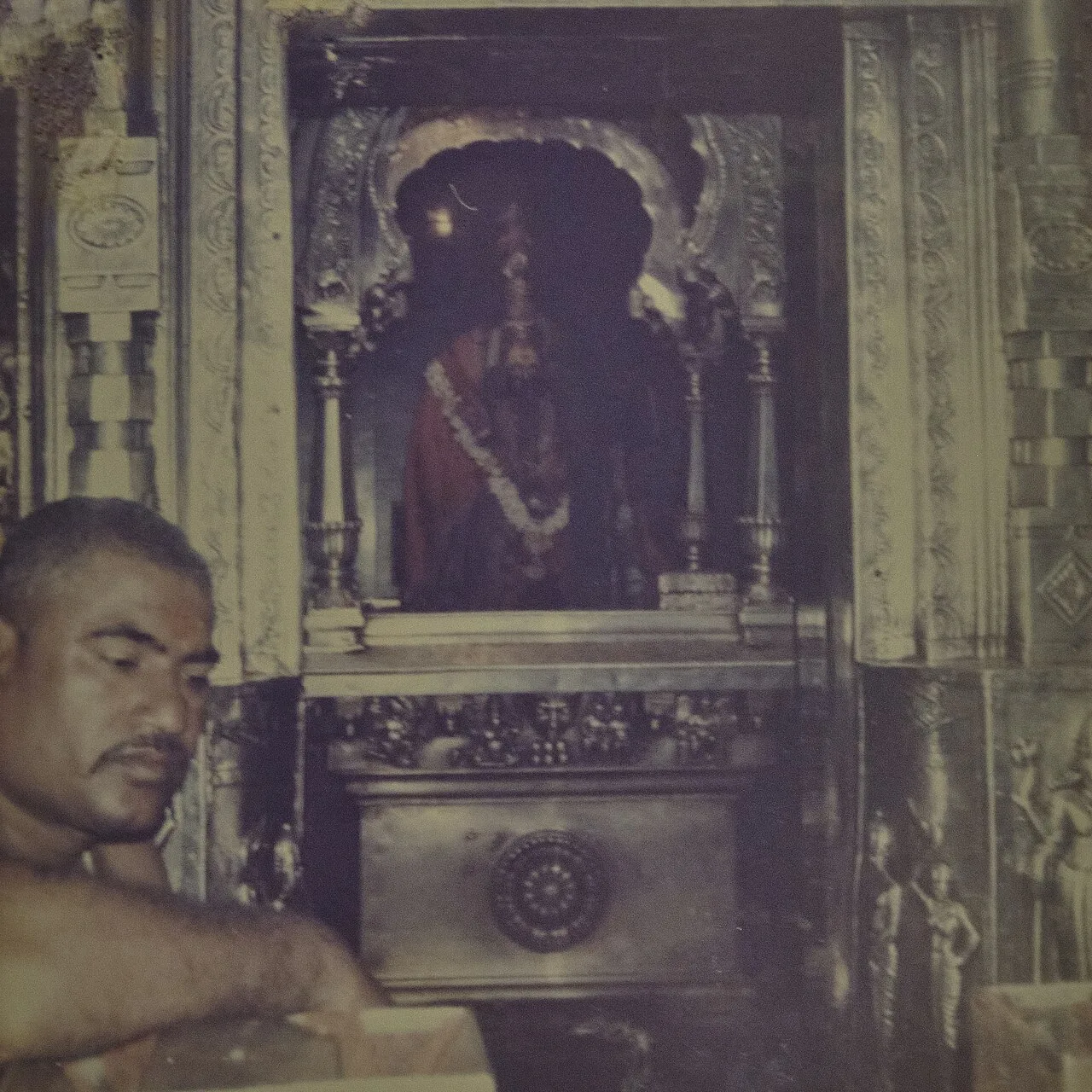
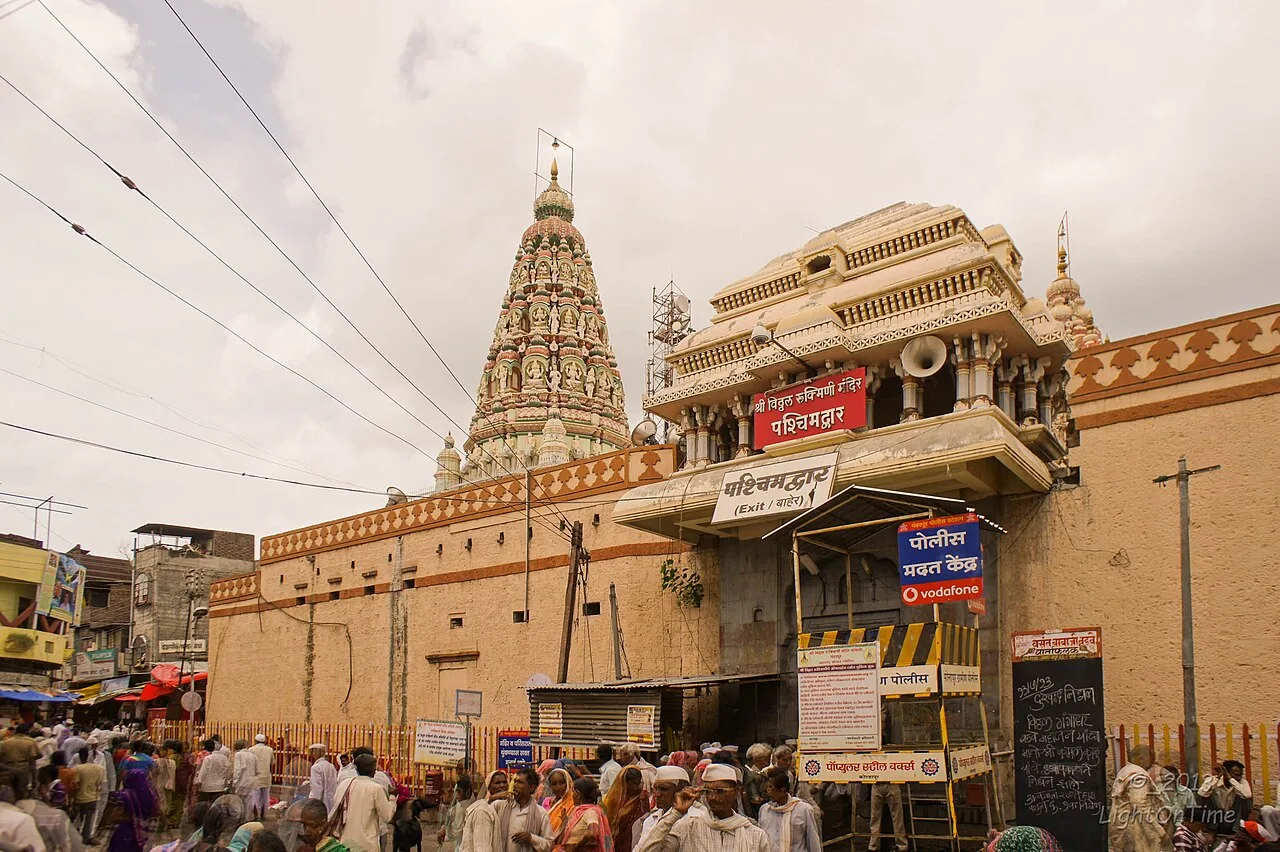
Vithoba Temple

The Vithoba Temple, also called Shri Vitthal-Rukmini Mandir, is a Hindu shrine in Pandharpur, Maharashtra. Devotees visit to worship Vithoba and Rakhumai and join major Warkari pilgrimages.

Shri Vaijnath Temple

129 km away · Beed district

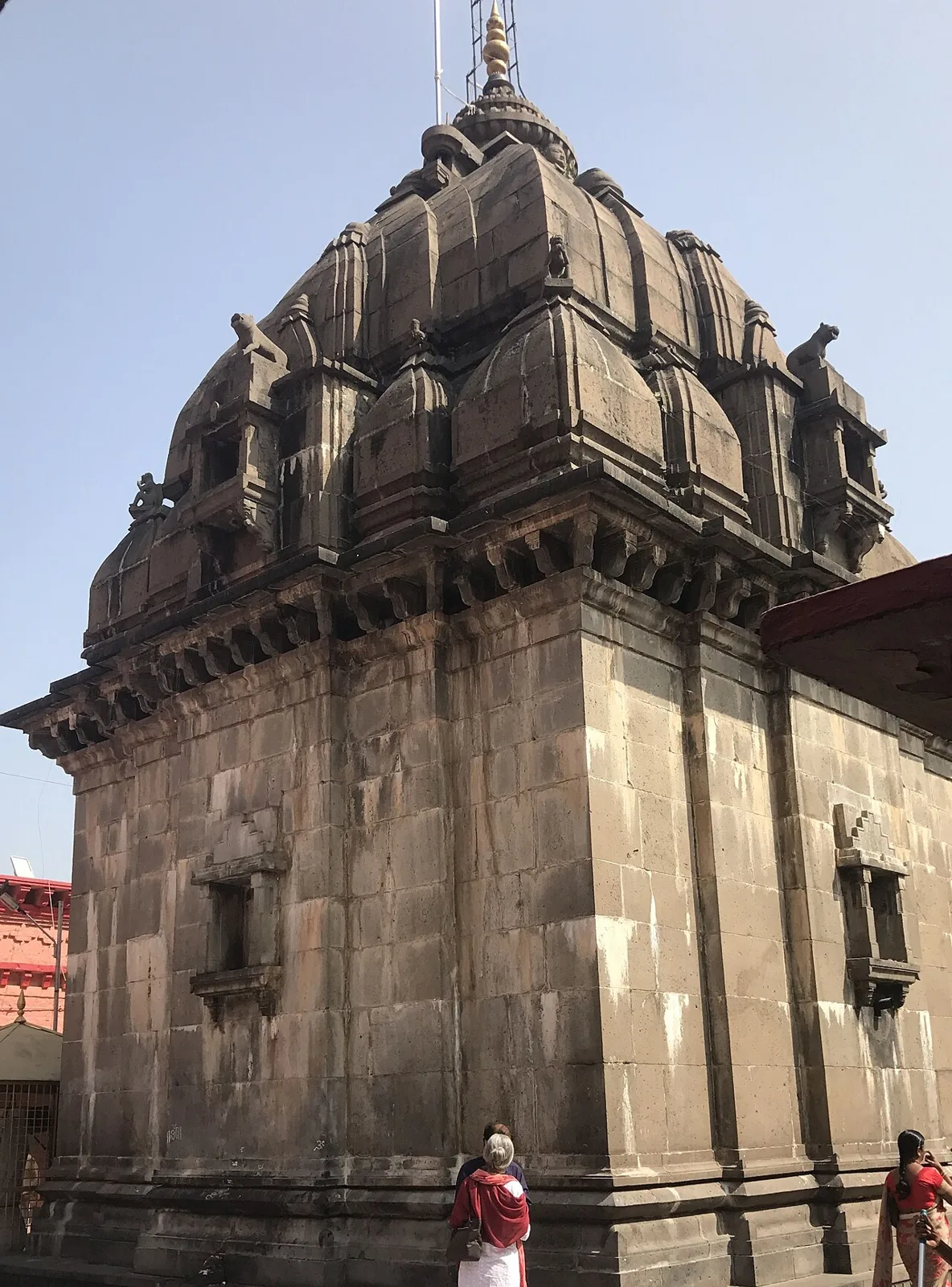
Shri Vaijnath Temple

Shri Vaijnath Temple is a Shiva shrine at Parli Vaijnath in Maharashtra’s Beed district. Worshippers visit to perform abhishekam, and the temple is regarded as the fifth of Shiva’s twelve Jyotirlingas.

Bibi Ka Maqbara

130 km away · Chhatrapati Sambhajinagar district

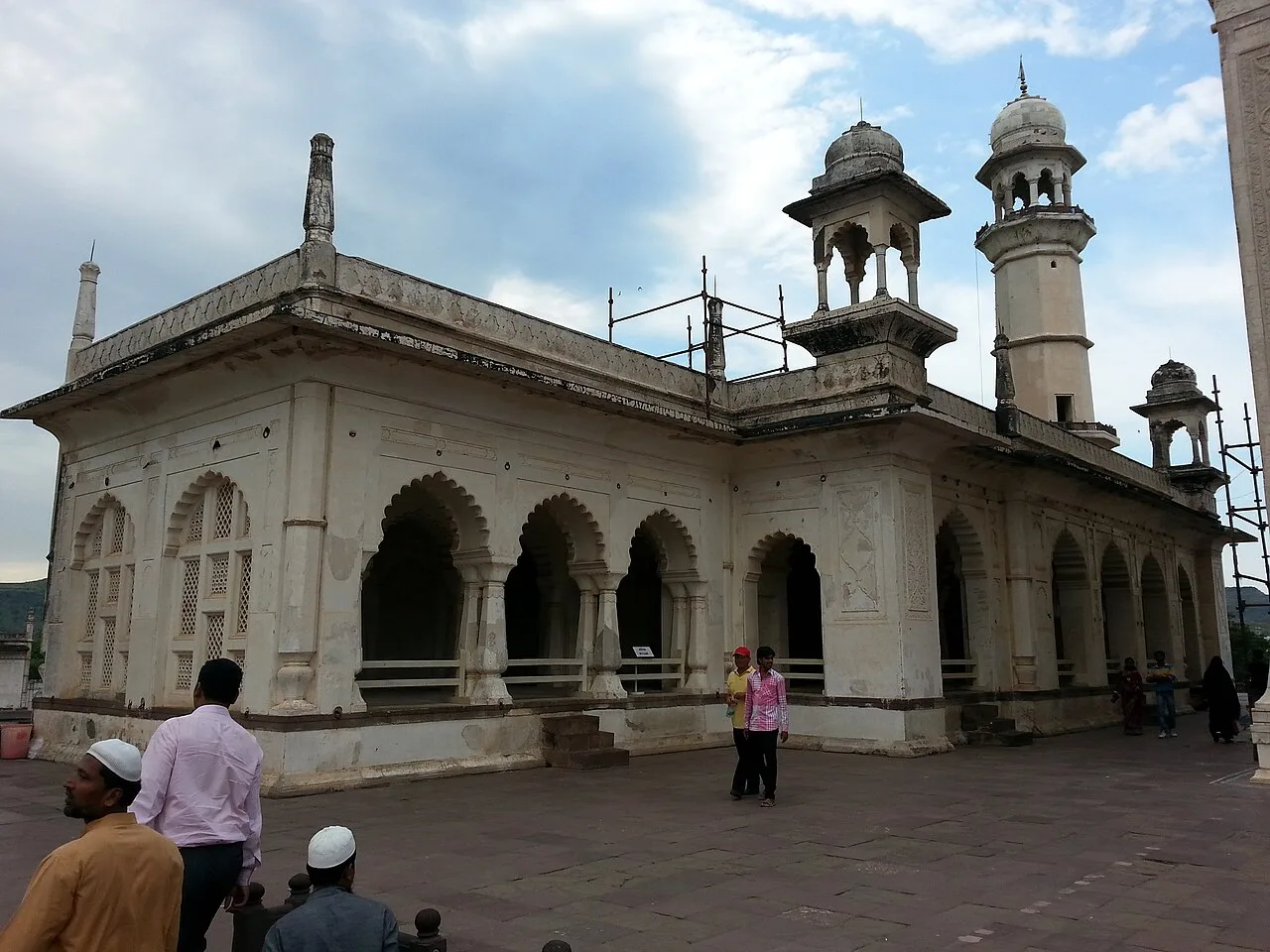
Bibi Ka Maqbara

Bibi Ka Maqbara is a Mughal mausoleum in Aurangabad, Maharashtra, built for Dilras Banu Begum. Visitors come to see its resemblance to the Taj Mahal and its place in the region’s history.

Map

Jamkhed on the map

  1. 1Ahmednagar Fort
  2. 2Hiware Bazar
  3. 3Shani Shingnapur
  4. 4Ralegan Siddhi
  5. 5Tulja Bhavani Temple
  6. 6Vithoba Temple
  7. 7Shri Vaijnath Temple
  8. 8Bibi Ka Maqbara

Maharashtra

Other cities to explore