Ghumoopedia — Explore, Discover, Experience
Sign in
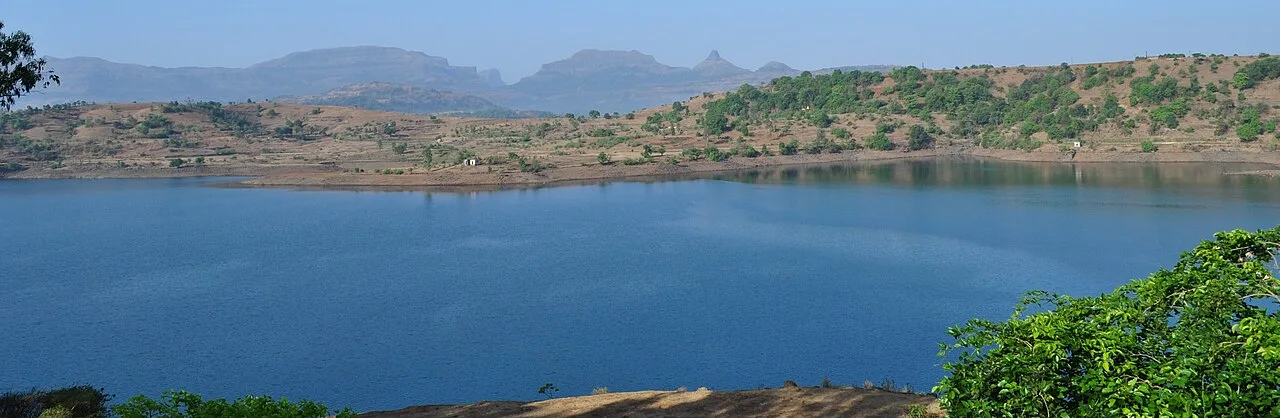
Bhandardara, near Shahapur

City guide · Maharashtra

Shahapur

Shahapur is a town in Thane district, within the Mumbai Metropolitan Region, whose importance extends well beyond its local market and municipal role. The surrounding region contains major reservoirs and catchments that help supply water to Mumbai, linking the town to one of India’s largest urban centres.

Famous for

  • Mumbai's water reservoirs
  • Mahuli Fort nearby
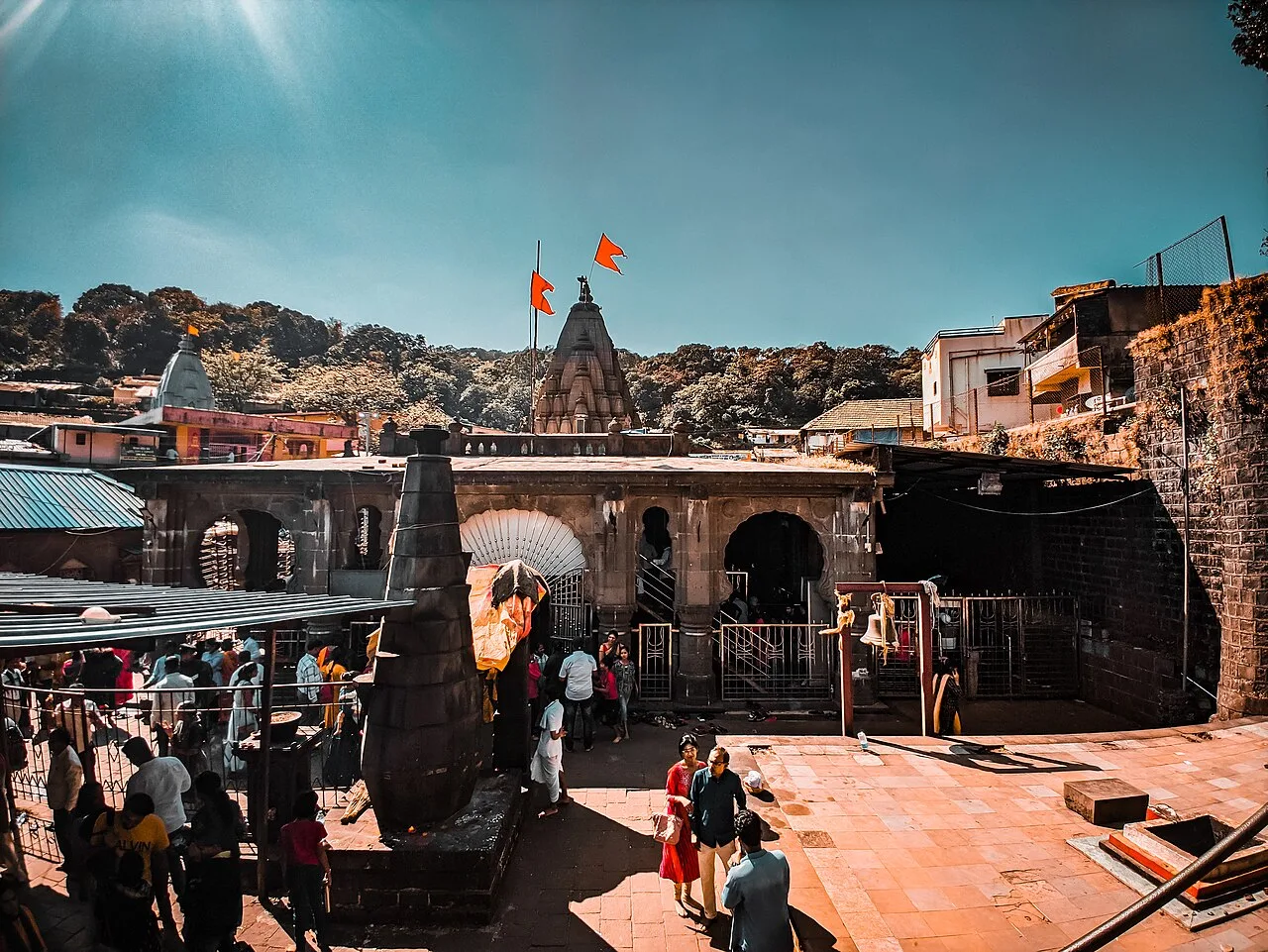
  • Manas Mandir Jain temple
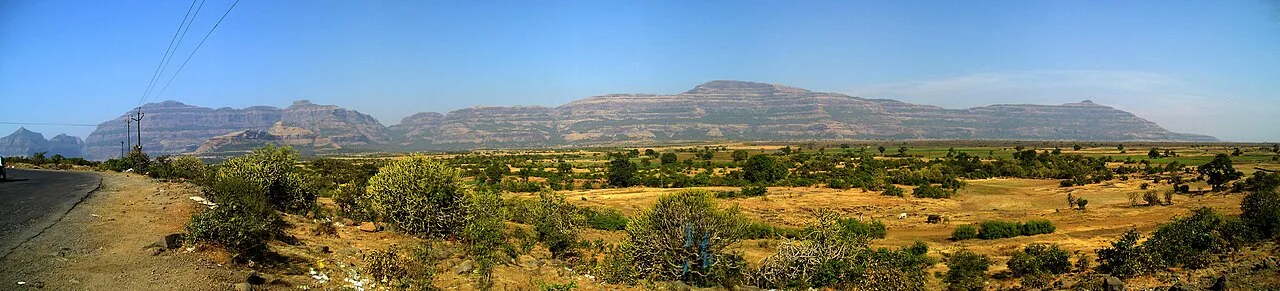
  • Western Ghats foothills

Why Shahapur matters

Shahapur is a town in Thane district, within the Mumbai Metropolitan Region, whose importance extends well beyond its local market and municipal role. The surrounding region contains major reservoirs and catchments that help supply water to Mumbai, linking the town to one of India’s largest urban centres. Its setting near the Western Ghats also gives it a greener, more rural character than the metropolitan suburbs to the south.

Visitors use Shahapur as a base for exploring nearby landscapes and heritage sites, including the hilltop Mahuli Fort and the forested hills around it. Manas Mandir, a prominent Jain temple, is another local draw. The town itself offers everyday services, shops and transport connections for nearby villages, while its position along road and rail routes supports travel between the Mumbai region and the interior. Shahapur is best understood as both a practical regional centre and a gateway to reservoirs, hill country and nearby historic sites.
Famous for: crafts, trade & products

Shahapur is not especially known for a signature textile, handicraft or GI-tagged product. Its best-known contribution is infrastructural: reservoirs and catchments in the surrounding area form part of the water system serving Mumbai. The Bhatsa and Tansa reservoirs are associated with this wider region, although access to waterworks and protected catchment land may be restricted. Visitors should follow local rules rather than treating dam sites as open attractions.

The town’s shops and market serve residents and travellers, with everyday groceries, household goods and regional produce rather than a specialised tourist bazaar. For local purchases, explore the central market streets and ask vendors about seasonal produce from nearby villages. There is no well-established citywide craft market or recognised Shahapur-made souvenir; visitors seeking handmade goods may find more options through individual rural sellers or organised community outlets in the wider district. Manas Mandir is a significant religious institution and visitor destination, but it is not a centre for a particular commercial craft. Shahapur’s stronger identity lies in its water infrastructure, transport links and access to the surrounding hills.

History

Shahapur developed as a settlement and service centre for the villages of the northern Thane region. Its wider landscape has a deeper military history: nearby Mahuli Fort occupies a strategic hill position and passed through the hands of Deccan powers and the Marathas. The fort is closely associated with the history of the region, though the town itself is not defined by a single royal capital or a well-documented sequence of courtly rule.

During British rule, the district’s transport and administrative networks helped connect settlements such as Shahapur with larger centres. In the modern period, roads, rail access through nearby Asangaon and the growth of Mumbai’s metropolitan region strengthened the town’s role as a local hub. The development of major water infrastructure in the surrounding area brought additional regional importance, as reservoirs and catchments became part of the supply system for Mumbai. Today Shahapur combines its municipal-town functions with a landscape shaped by transport, water management and nearby historic sites.

Food, festivals & culture

Daily life in Shahapur reflects the Marathi-speaking culture of Thane district, alongside Hindi and other languages used by residents and visitors. The town’s food is broadly Maharashtrian: rice, bhakri, lentils, vegetables and dishes such as pithla are common regional fare. There is no single sweet or dish that defines Shahapur specifically; small eateries and local shops offer familiar everyday meals rather than a distinct culinary trail.

Ganeshotsav, usually celebrated in the monsoon season, brings community gatherings and decorated neighbourhood shrines. Navratri and Dussehra take place in autumn, followed by Diwali celebrations, while Holi is marked near the end of winter. Temples, mosques and other places of worship serve local communities; Manas Mandir is a notable Jain pilgrimage site in the area. In the wider rural belt, Adivasi communities maintain their own traditions, including Tarpa music and dance at cultural gatherings. These customs are part of the region’s diversity rather than a performance guaranteed for visitors.

Visiting the city

The cooler months, roughly November to February, are comfortable for exploring Shahapur and nearby heritage sites. The monsoon brings lush hills and full streams, but trails can become slippery and some outdoor plans may need to change. The nearest useful railway station is Asangaon, which connects the area with Mumbai and other points on the Central line. The nearest major airport is Chhatrapati Shivaji Maharaj International Airport in Mumbai.

Auto-rickshaws, local buses and hired vehicles are practical ways to reach places beyond the town centre; arrange transport in advance for hill or reservoir-area visits. Explore Shahapur’s central market for everyday town life, and visit Manas Mandir for its Jain temple complex. Mahuli Fort and the surrounding foothills make a rewarding day trip for walkers, subject to local access conditions. Reservoirs and catchment areas may have restricted entry, so check locally before travelling.

Trips from the city

Nearest places to visit from Shahapur

Our closest destination guides, by straight-line distance.

Bhandardara

45 km away · Ahilyanagar district

Bhandardara

Bhandardara is a village in Maharashtra’s Ahilyanagar district, beside the Pravara River in the Western Ghats. Visitors come for Wilson Dam and Arthur Lake, as well as nearby forts and Mount Kalsubai.

Bhimashankar Temple

48 km away · Pune district

Bhimashankar Temple

In Pune district, Maharashtra, Bhimashankar Temple is a Shiva shrine and one of the twelve Jyotirlinga sites, attracting pilgrims to its mountain location.

Harishchandragad

48 km away · Ahilyanagar district

Harishchandragad

Harishchandragad is a hill fort in Maharashtra’s Ahilyanagar district, within the Western Ghats. Visitors come to see its rock-cut caves, temples, water cisterns and Kedareshwar cave shrine.

Sanjay Gandhi National Park

48 km away · Mumbai Suburban district

Sanjay Gandhi National Park

Covering 103.84 square kilometres in Mumbai, Sanjay Gandhi National Park is a protected area in Maharashtra. More than two million people visit it each year.

Kanheri Caves

52 km away · Mumbai Suburban district

Kanheri Caves

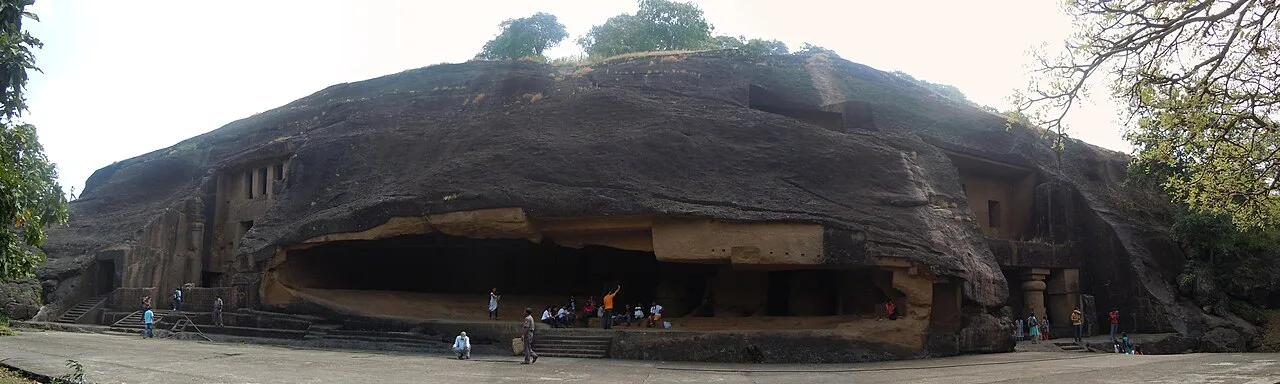
Kanheri Caves is a Buddhist monastic complex carved into a basalt hillside in Mumbai’s Sanjay Gandhi National Park. Visitors explore its caves, worship halls, sculptures and ancient water systems.

Matheran

52 km away · Raigad district

Matheran

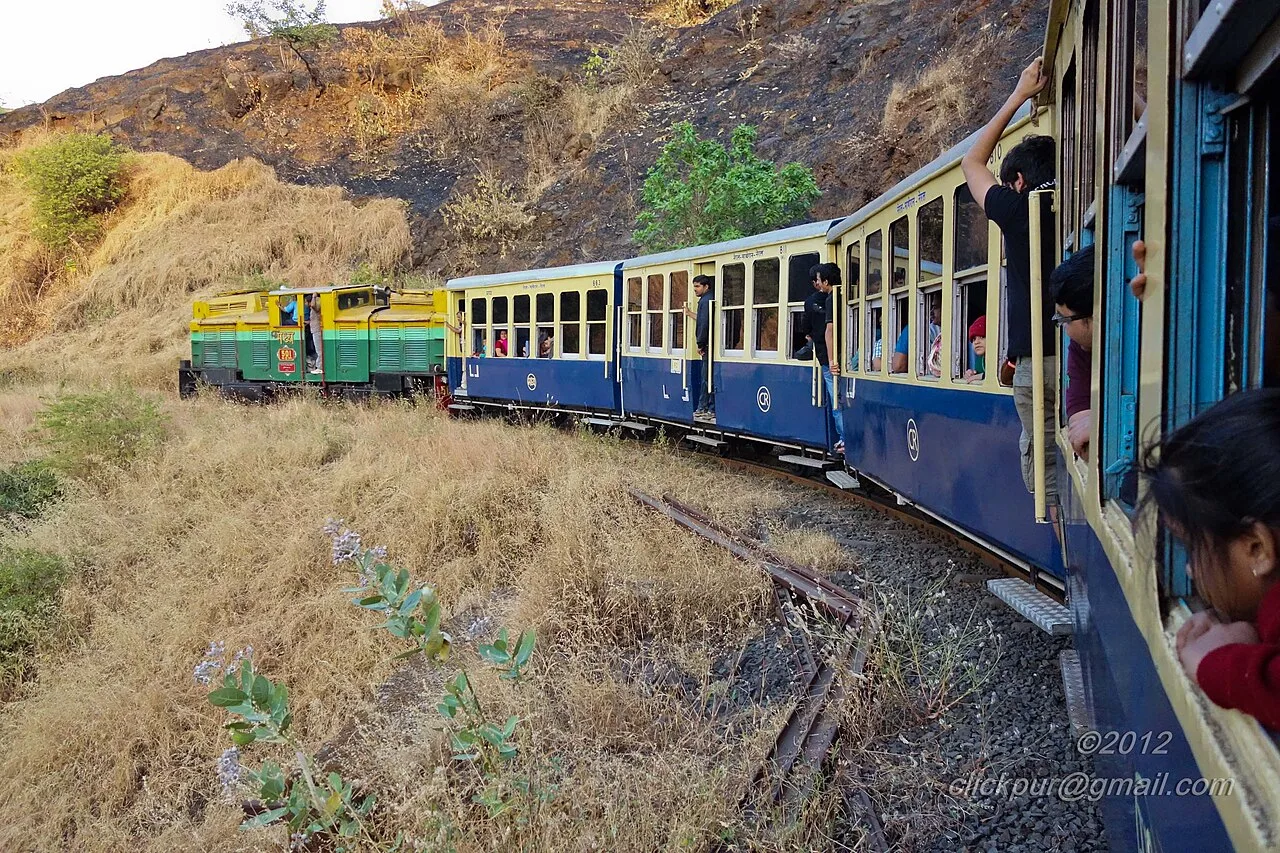
Matheran is a hill town in Maharashtra’s Raigad district, known for its limited motor traffic, Western Ghats setting and preserved colonial-era buildings.

Powai Lake

56 km away · Mumbai Suburban district

Powai Lake

An artificial lake in Mumbai’s Powai suburb, Powai Lake is a popular local attraction, with major educational institutions and urban neighbourhoods nearby.

Trimbakeshwar Temple

58 km away · Nashik district

Trimbakeshwar Temple

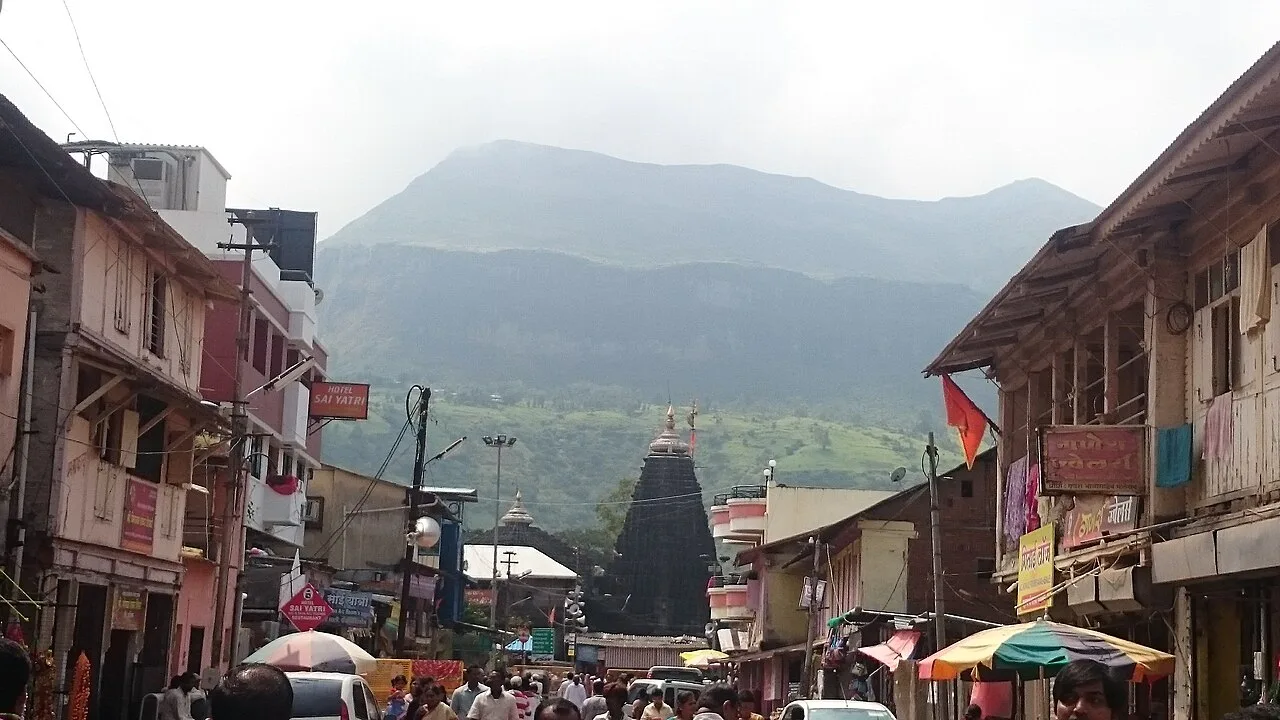
Trimbakeshwar Temple is a Shiva shrine in Maharashtra’s Nashik district and one of the twelve jyotirlingas. Visitors come to worship, perform Hindu rites and connect with the Godavari’s beginnings.

Map

Shahapur on the map

  1. 1Bhandardara
  2. 2Bhimashankar Temple
  3. 3Harishchandragad
  4. 4Sanjay Gandhi National Park
  5. 5Kanheri Caves
  6. 6Matheran
  7. 7Powai Lake
  8. 8Trimbakeshwar Temple

Maharashtra

Other cities to explore