Ghumoopedia — Explore, Discover, Experience
Sign in

City guide · Maharashtra

Shirpur

Shirpur is a town and taluka headquarters in Dhule district, in northern Maharashtra. Its location on the route linking Agra and Mumbai has helped make it a regional centre for travel, services and trade.

Famous for

  • Shirpur Pattern
  • Gold refining
  • Pataleshwar temple
  • Balaji temples
  • Thalner fort
  • NMIMS Shirpur campus

Why Shirpur matters

Shirpur is a town and taluka headquarters in Dhule district, in northern Maharashtra. Its location on the route linking Agra and Mumbai has helped make it a regional centre for travel, services and trade. Agriculture remains important in the surrounding area, particularly cotton and maize, while a gold refinery, sugar factory and paper mill add an industrial dimension. The town is also known for its higher-education campus of Narsee Monjee Institute of Management Studies (NMIMS).

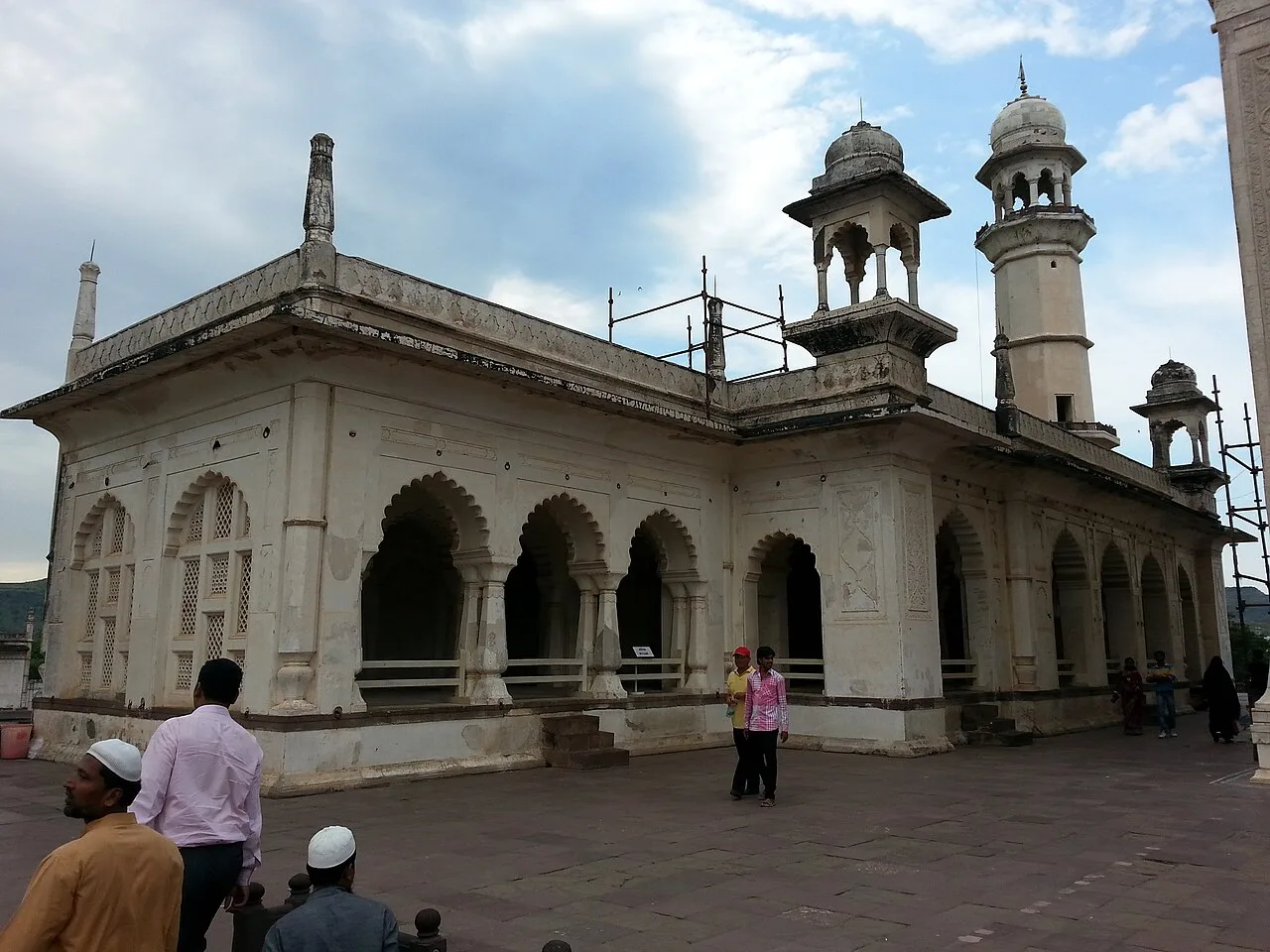
Visitors come for Shirpur’s temples and for nearby historic places, especially Thalner, associated with the Faruqi rulers of Khandesh. The Pataleshwar temple beside the Arunavati River is a local place of worship and the setting for an annual fair. Shirpur is widely associated with the Shirpur Pattern, a programme of groundwater conservation and irrigation works developed in response to water scarcity. This work has brought attention to the town beyond its role as a market and transport centre. Together, its religious sites, water-conservation efforts, educational institutions and agricultural and industrial activity give Shirpur a distinctive place in the region.
Famous for: crafts, trade & products

Shirpur is best known for its gold-refining industry, alongside a sugar factory and paper mill. The town also serves an agricultural hinterland where cotton and maize are major crops. These products are part of the area’s economy, though Shirpur is not especially associated with a named textile tradition, handicraft or GI-tagged product. Visitors looking for locally made goods can browse general shops and markets in town; there is no single specialist craft market identified as a signature attraction.

The Shirpur Pattern is another widely recognised local initiative: a set of water-conservation and groundwater-recharge works intended to improve water storage in drought-affected areas. It is an important part of the town’s public identity, rather than a product to buy. Education is also prominent. NMIMS has a Shirpur campus, with engineering and management studies among its offerings, and the town has pharmacy and aviation education institutions. For visitors, the most distinctive local purchases are likely to be everyday goods and farm produce available through ordinary town shops, rather than a specific souvenir or craft. The refinery and industrial sites are part of Shirpur’s economy, not established visitor attractions.

History

The history of the Shirpur region is closely linked to Khandesh and the Tapi River. Thalner, in the taluka, was an early capital of the Faruqi kings and a fortified centre with commercial importance. Its fort stands near the river, while old temples at the site reflect its longer religious history. The name Thalner is associated with the local Thaleshwar temple. The area later formed part of wider political changes in Khandesh, although a detailed account of Shirpur’s colonial-era development is not well established in commonly available local summaries.

In the modern period, Shirpur grew as an agricultural, industrial and educational centre. Subhas Colony, named for freedom fighter Subhas Chandra Bose, was established in the early 1960s and was later divided, with Adarsh Nagar forming part of its development. Since 2004, water-conservation works known as the Shirpur Pattern have focused on improving groundwater recharge and storage. Industry, including gold refining, sugar processing and paper production, and the growth of higher education have further shaped the town’s recent profile.

Food, festivals & culture

Shirpur’s cultural life reflects its position in northern Maharashtra and the mix of town and farming communities in the surrounding taluka. Marathi is widely used, alongside Hindi; Ahirani is also spoken in the wider Khandesh region. Everyday food follows local Maharashtrian and Khandeshi traditions, with grains, pulses and seasonal produce forming a familiar part of meals. Jowar bhakri and pithla are common regional dishes, though the town is not especially known for a signature sweet or a distinct food speciality.

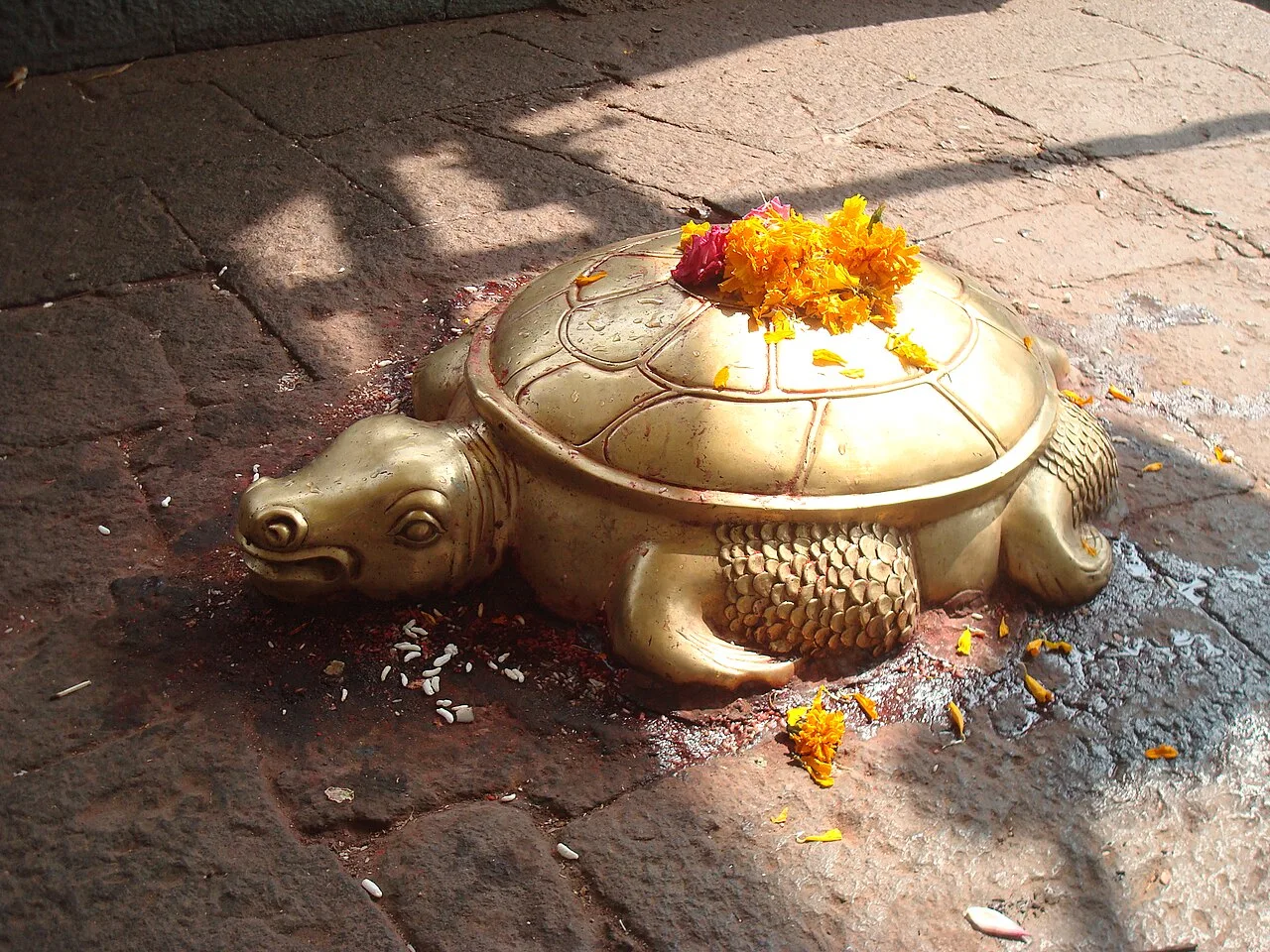
Places of worship are important gathering points. Pataleshwar, also known as the Khanderao or Malhar temple, stands near the Arunavati River and hosts Shirpur’s annual fair, usually held in February. The town’s two Balaji temples, along with Jain temples and shrines dedicated to Krishna, Dattatreya and other deities, add to its varied religious landscape. Hindu festivals such as Ganesh Chaturthi and Diwali are observed in their usual seasons, while Jain observances are marked by the local Jain community. Marathi devotional singing and regional folk performance form part of festive life, though no single local music or dance form defines Shirpur.

Visiting the city

The cooler months, from roughly November to February, are generally the most comfortable time to visit; summers can be very hot, while monsoon conditions vary. A small private airport is located at Tande village near Shirpur. For commercial air travel, check connections through larger regional airports, including Indore. Nardana and Amalner are nearby railway stations; Bhusaval is a prominent rail junction serving the wider region. Confirm current connections before travelling.

Shirpur is reachable by road, with bus links to towns in Maharashtra, Gujarat and Madhya Pradesh. Local travel is usually by auto-rickshaw, taxi or bus. In town, explore the Pataleshwar temple area by the Arunavati River, the Balaji temples in Patilwada and Rajputwada, and the central neighbourhoods around local shops. Thalner, with its fort and old temples, makes a worthwhile excursion within the taluka.

Trips from the city

Nearest places to visit from Shirpur

Our closest destination guides, by straight-line distance.

Ajanta Caves

123 km away · Chhatrapati Sambhajinagar district

Ajanta Caves

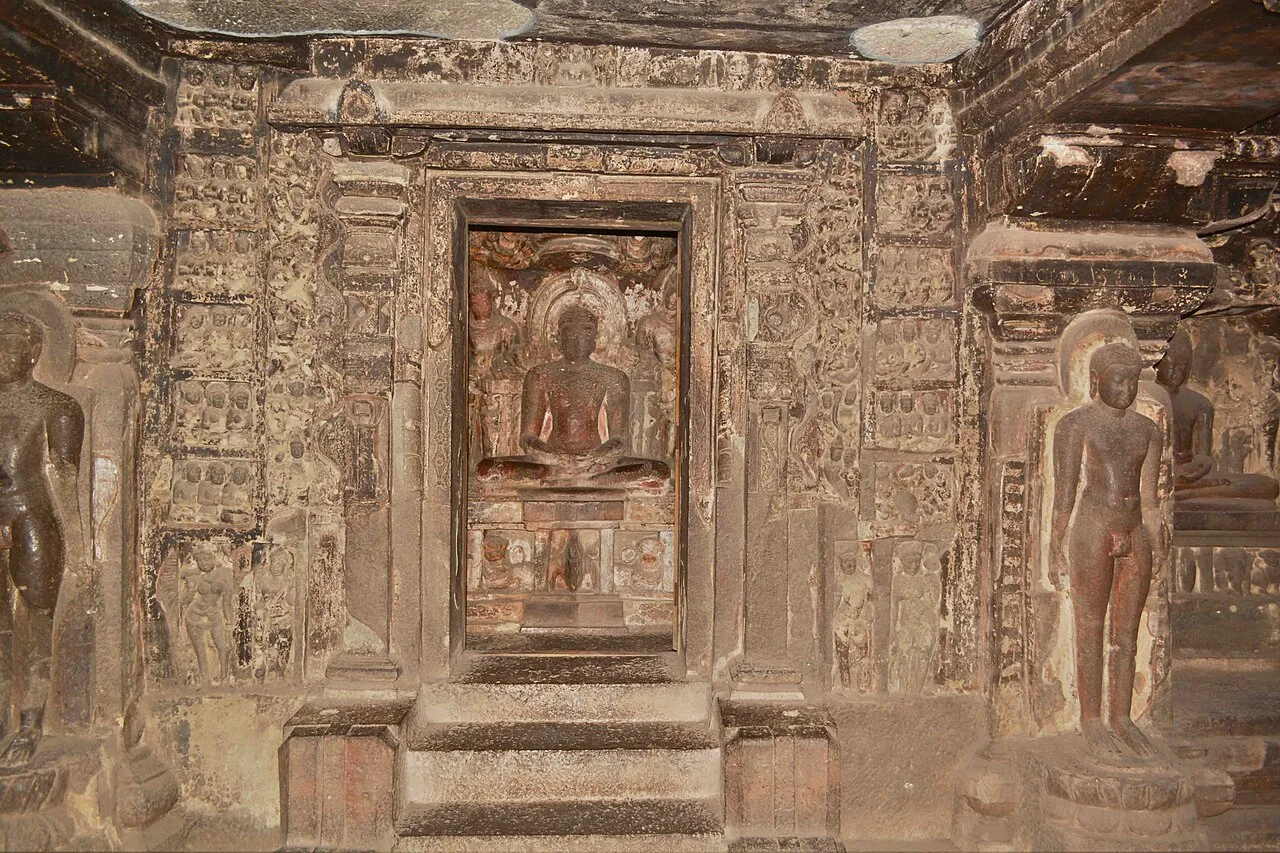
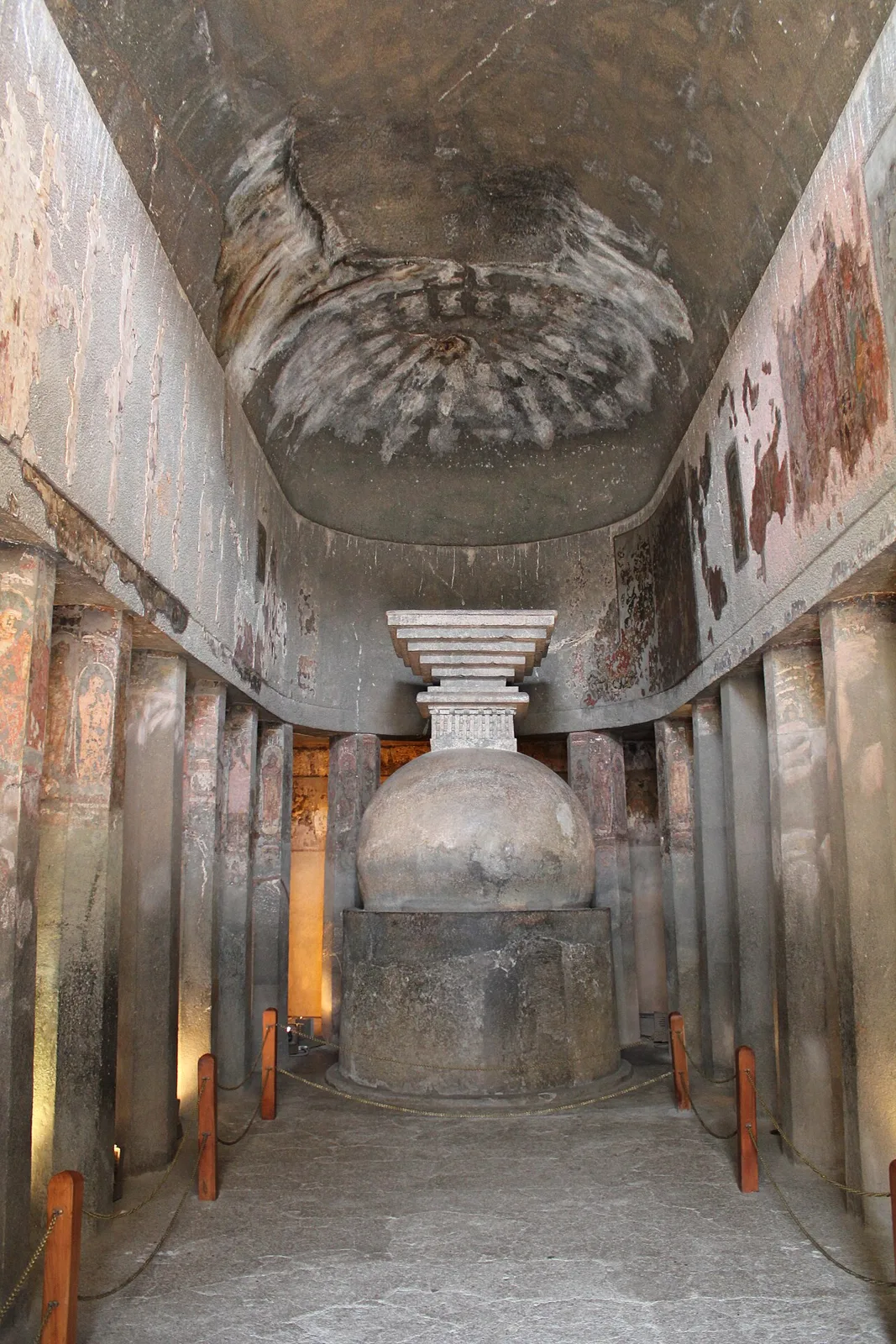
Ajanta is a group of 30 Buddhist caves in Maharashtra, known for its ancient paintings, sculptures and religious architecture. Visitors come to explore the site’s artistic and monastic heritage.

Saptashrungi

147 km away · Nashik district

Saptashrungi

Saptashrungi is a Hindu pilgrimage destination in Maharashtra, where the goddess is believed to dwell among seven peaks. Devotees visit its temple, which holds an important place in Shakti Peetha traditions.

Ellora Caves

150 km away · Chhatrapati Sambhajinagar district

Ellora Caves

Ellora, in Maharashtra’s Chhatrapati Sambhajinagar district, is a UNESCO World Heritage Site. Visitors explore its Hindu, Buddhist and Jain monuments, including the remarkable Kailash temple carved from rock.

Ghrishneshwar Temple

150 km away · Chhatrapati Sambhajinagar district

Ghrishneshwar Temple

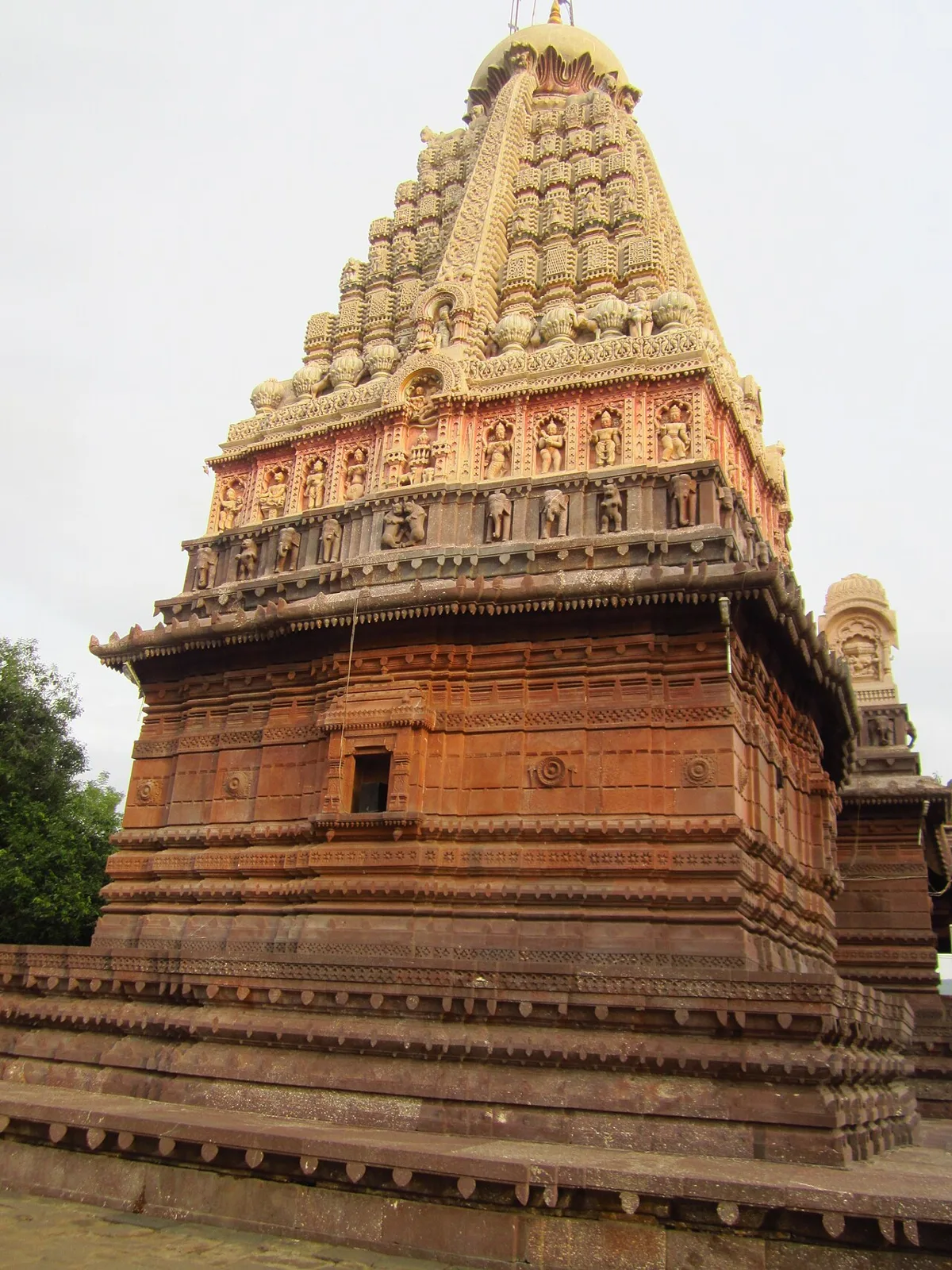
Ghrishneshwar Temple is a Shiva shrine in Verul, Maharashtra, and one of the twelve Jyotirlingas. Visitors come to worship Shiva at this nationally protected temple.

Daulatabad Fort

160 km away · Chhatrapati Sambhajinagar district

Daulatabad Fort

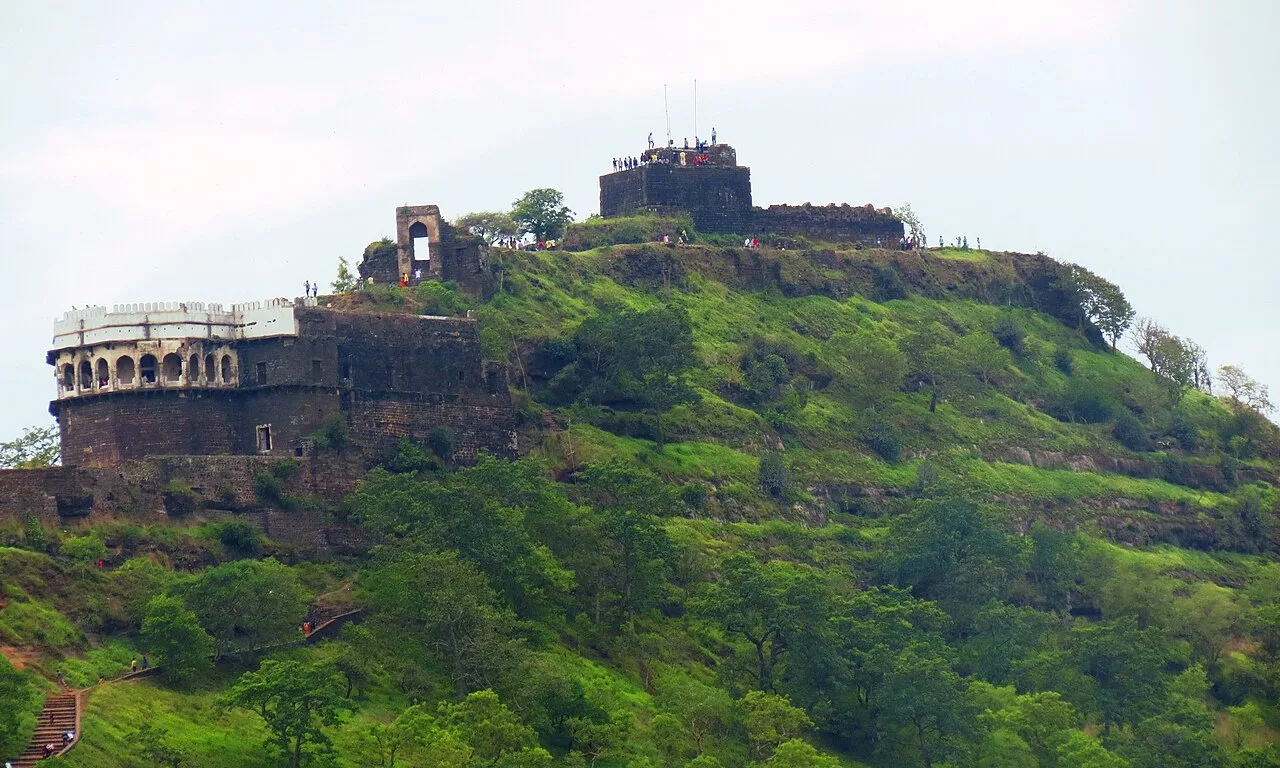
Daulatabad Fort is a historic stronghold in Maharashtra, first known as Devagiri. Visitors explore its history as a Yadava seat, briefly a Delhi Sultanate capital, and later an Ahmadnagar centre.

Aurangabad Caves

165 km away · Chhatrapati Sambhajinagar district

Aurangabad Caves

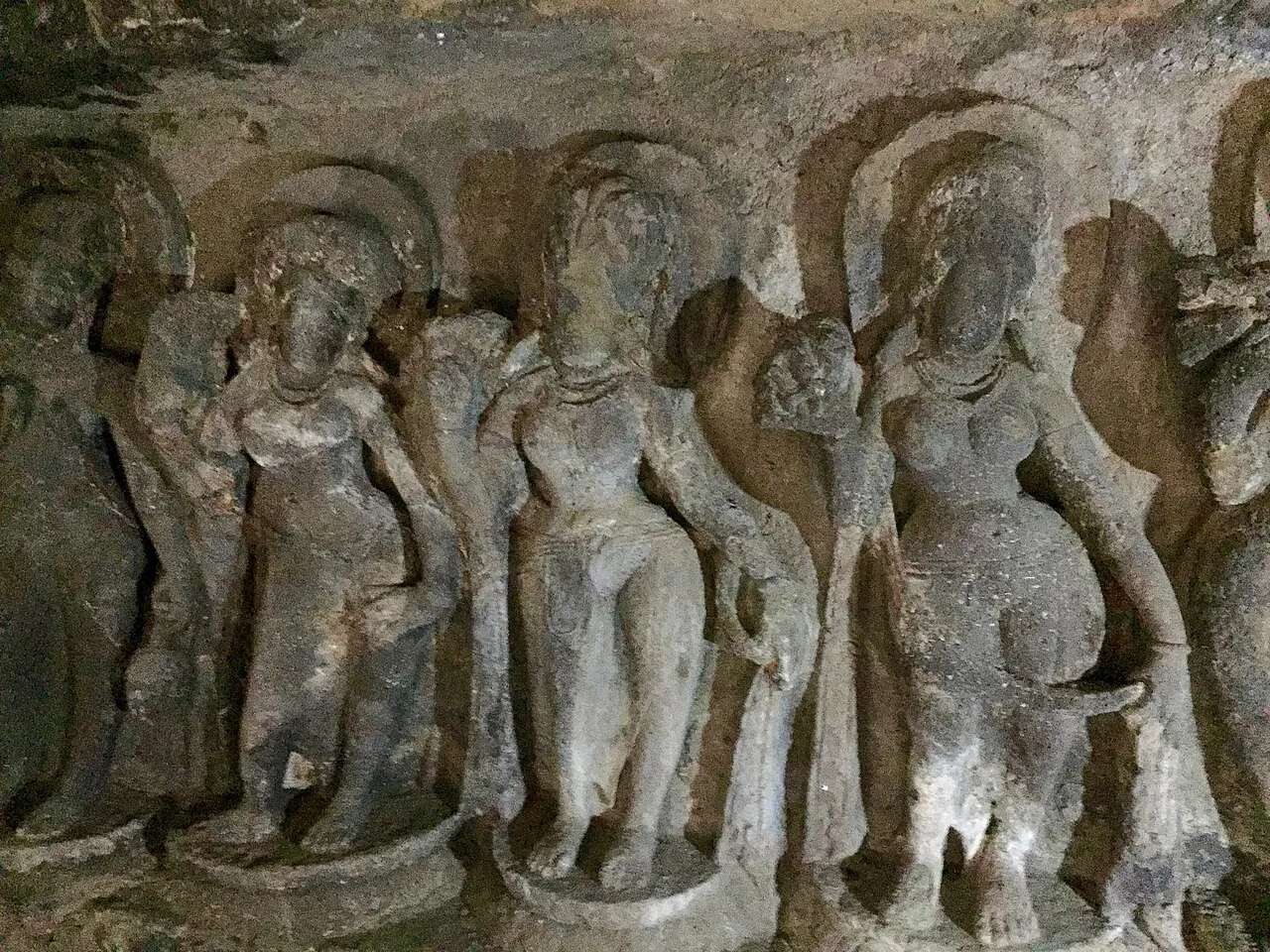
Near Aurangabad in Maharashtra, this hill complex contains twelve Buddhist sanctuaries excavated in basalt. Visitors explore its cave architecture and carvings, which represent several Buddhist traditions and include a range of deities.

Bibi Ka Maqbara

167 km away · Chhatrapati Sambhajinagar district

Bibi Ka Maqbara

Bibi Ka Maqbara is a Mughal mausoleum in Aurangabad, Maharashtra, built for Dilras Banu Begum. Visitors come to see its resemblance to the Taj Mahal and its place in the region’s history.

Shirdi Sai Baba Temple

180 km away · Ahilyanagar district

Shirdi Sai Baba Temple

The Shirdi Sai Baba Temple is a pilgrimage destination in Maharashtra, visited because of its association with Sai Baba, the nineteenth-century Indian saint closely connected with the town.

Map

Shirpur on the map

  1. 1Ajanta Caves
  2. 2Saptashrungi
  3. 3Ellora Caves
  4. 4Ghrishneshwar Temple
  5. 5Daulatabad Fort
  6. 6Aurangabad Caves
  7. 7Bibi Ka Maqbara
  8. 8Shirdi Sai Baba Temple

Maharashtra

Other cities to explore