Ghumoopedia — Explore, Discover, Experience
Sign in

City guide · Maharashtra

Ghatanji

Ghatanji is a municipal town in Yavatmal district and an important service and market centre for nearby villages. Often called Cotton City, it is closely connected to the region’s cotton-growing economy: farmers bring produce to local markets, while ginning and pressing units process cotton for trade.

Famous for

  • Cotton trade
  • Ginning and pressing mills
  • Sant Maroti Maharaj fair
  • Hemadpanti Nrusimha temple
  • Regional cattle market

Why Ghatanji matters

Ghatanji is a municipal town in Yavatmal district and an important service and market centre for nearby villages. Often called Cotton City, it is closely connected to the region’s cotton-growing economy: farmers bring produce to local markets, while ginning and pressing units process cotton for trade. Its shops and weekly cattle market also serve people from surrounding rural areas.

The town draws pilgrims to the shrine of Brahmalin Shree Sant Maroti Maharaj, near the Waghadi River, and to its historic Nrusimha temple, noted for Hemadpanti-style architecture. The annual Sant Maroti Maharaj fair, held around January and February at Azad Maidan, is a major gathering; Dahi Handi is a highlight. The river and nearby dam, along with forested surroundings, add to Ghatanji’s local character. Visitors can experience a working Vidarbha market town as well as its religious traditions, rather than a large, purpose-built tourist destination.
Famous for: crafts, trade & products

Cotton is Ghatanji’s best-known agricultural product and a foundation of local commerce. The town’s Agriculture Produce Market Committee (APMC) provides a place for agricultural trade, while ginning and pressing factories serve cotton growers and buyers in the area. Birla Cotsyn, locally remembered as Jamod Ginning, is among the established names associated with this industry. The weekly cattle market is another draw for traders and residents from across the surrounding countryside.

Ghatanji is not especially known for a particular saree, handicraft or GI-tagged product. Visitors interested in its trade can explore the APMC and market area, especially when agricultural activity is under way, and ask locally about access to operating mills; factory visits should not be assumed to be open to the public. Everyday shops offer general goods for nearby villages. The town also has schools, colleges and vocational and IT training institutes that serve the wider area, including SPM Science and Gilani Arts, Commerce College, Samarth High School and Junior College, and an ITI. Jawahar Navodaya Vidyalaya is located at Belora, outside the town.

History

Ghatanji is described locally as an old town. Its name is associated with Ghati and Anji, neighbouring settlements that came together in the town’s development. A historic Nrusimha temple is built in the Hemadpanti style, named for Hemadpant, a minister in the Seuna Yadava court at Devagiri in the thirteenth century. The temple’s architectural tradition points to an older regional heritage, though a precise construction date for the shrine is not established here.

Over time, Ghatanji developed as a centre for the villages around it, with agriculture shaping both its markets and livelihoods. Cotton cultivation encouraged the growth of the APMC and ginning and pressing businesses, including the locally known Jamod Ginning. Its cattle market added to its role as a regional trading town. In modern times, municipal administration, educational institutions and vocational training have broadened its services beyond agriculture. Its identity today reflects this mix of historic places of worship, rural commerce and town-based education. Specific details of colonial-era administration are not well established, so the town’s history is best understood through these local institutions and enduring economic links.

Food, festivals & culture

The annual fair honouring Brahmalin Shree Sant Maroti Maharaj is Ghatanji’s best-known public celebration. It takes place around January and February at Azad Maidan, with Dahi Handi serving as a principal occasion during the month-long gathering. The shrine near the Waghadi River is an important place of pilgrimage, while the historic Nrusimha temple draws worshippers from Maharashtra and neighbouring states. Hindu festivals such as Ganesh Chaturthi, Navratri and Diwali are also observed, though customs and scale vary among families and communities.

Marathi is the main language of everyday life; Hindi and other regional languages may also be heard. Food is broadly in keeping with Vidarbha and Maharashtrian home cooking, with staples such as bhakri, rice, lentils and seasonal vegetable dishes. There is no single signature sweet or distinctive local cuisine reliably associated with the town. Festival gatherings, devotional observances and the weekly market are central to its social life. Visitors may encounter bhajans and other devotional singing at religious events, alongside the music and dance styles commonly enjoyed across the region.

Visiting the city

The cooler months, roughly November to February, are generally more comfortable for exploring Ghatanji; January and February also coincide with the Sant Maroti Maharaj fair. Summers can be very hot, while monsoon travel may be affected by rain. The nearest major airport is Dr. Babasaheb Ambedkar International Airport in Nagpur. Wani railway station is a useful mainline railhead for the area; check current onward connections before travelling, as Ghatanji itself has limited public transport links.

Local shared vehicles, buses and auto-rickshaws can help with trips around town, though availability varies. Explore the central market and APMC area for a sense of its trading life, then visit the Nrusimha temple and the Sant Maroti Maharaj shrine by the Waghadi. Azad Maidan is a focal point during the annual fair. Belora, home to Jawahar Navodaya Vidyalaya, lies outside town and is best visited with local transport arranged in advance.

Trips from the city

Nearest places to visit from Ghatanji

Our closest destination guides, by straight-line distance.

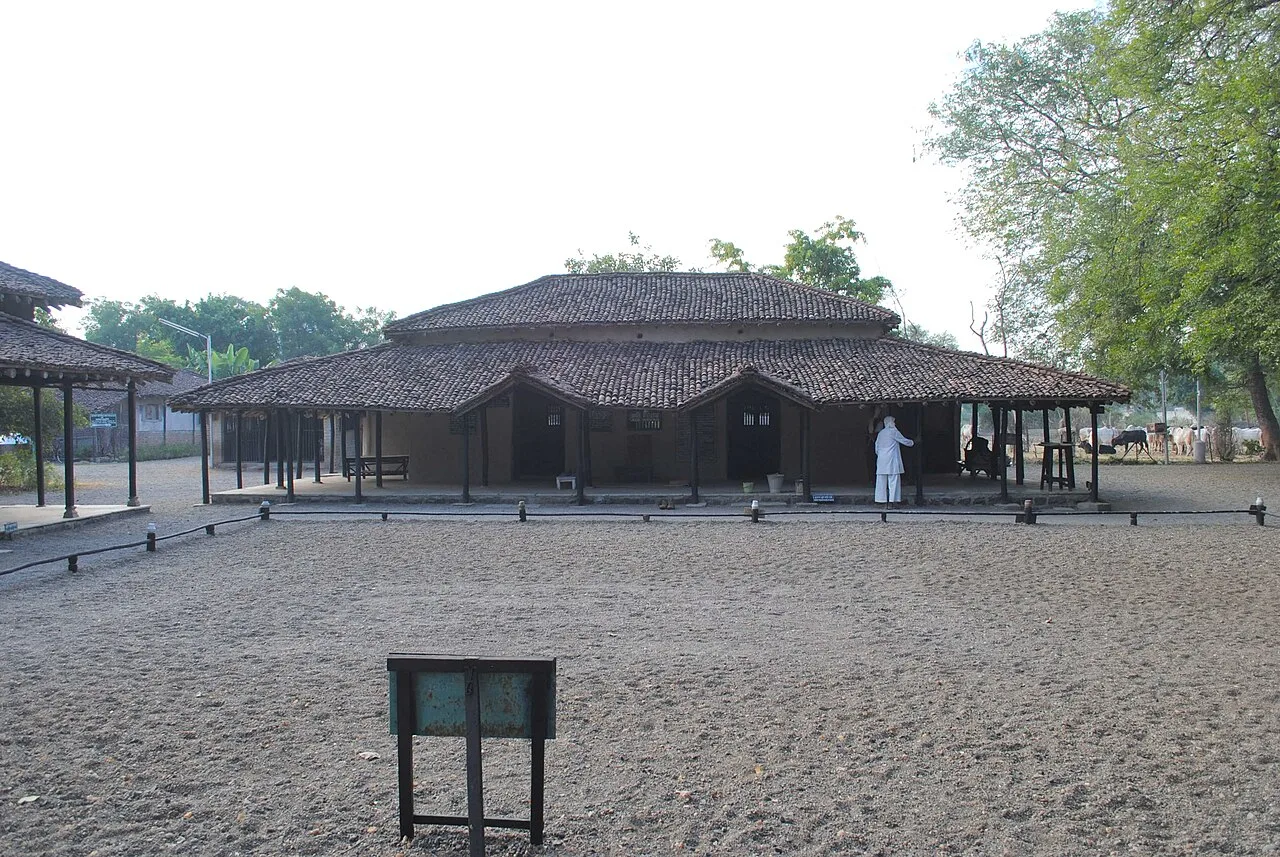
Sevagram Ashram

75 km away · Wardha district

Sevagram Ashram

Sevagram Ashram, in Wardha district, Maharashtra, is known as Mahatma Gandhi’s ashram and home from 1936 until his death in 1948. People visit for its connection with his life.

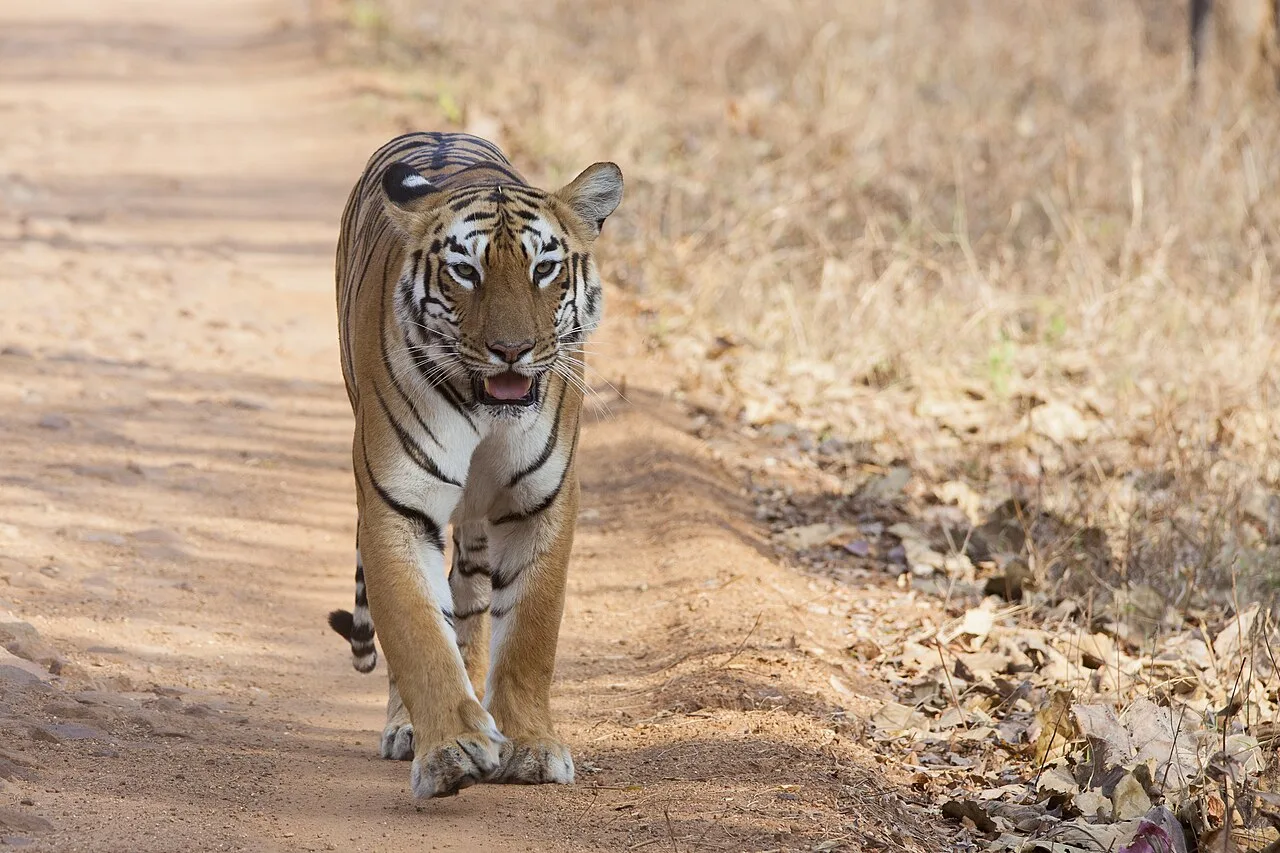
Tadoba Andhari Tiger Reserve

114 km away · Chandrapur district

Tadoba Andhari Tiger Reserve

Set in Maharashtra’s Chandrapur district, Tadoba Andhari Tiger Reserve combines a national park and wildlife sanctuary within a protected area. Visitors come to experience its forests and wildlife.

Chikhaldara

134 km away · Amravati district

Chikhaldara

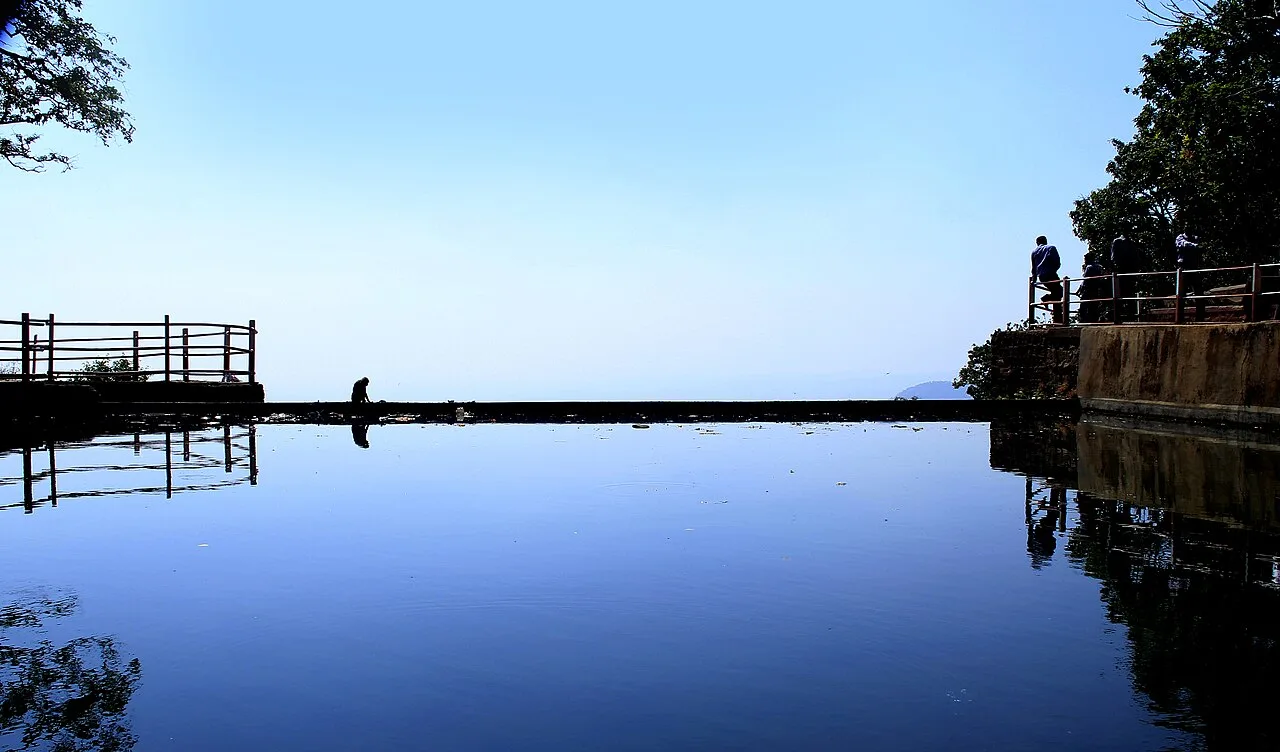
Chikhaldara is a hill settlement and municipal council in Maharashtra’s Amravati district. Visitors come for its highland setting, coffee-growing area and nearby wildlife at the Melghat Tiger Project.

Deekshabhoomi

135 km away · Nagpur district

Deekshabhoomi

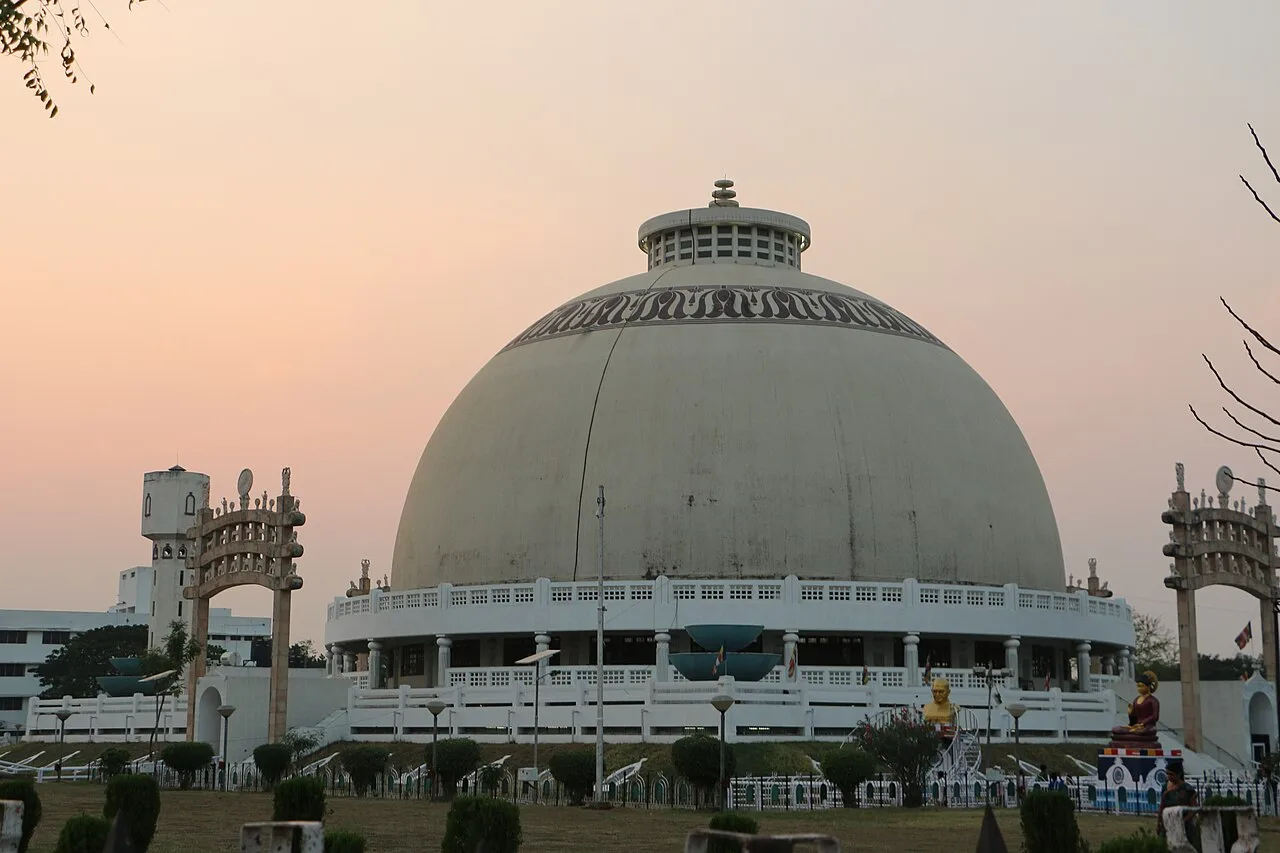
Deekshabhoomi is a Navayana Buddhist memorial in Nagpur, where B. R. Ambedkar and a vast following embraced Buddhism in 1956. Pilgrims visit to mark the conversion and its continuing significance.

Aundha Nagnath Temple

149 km away · Hingoli district

Aundha Nagnath Temple

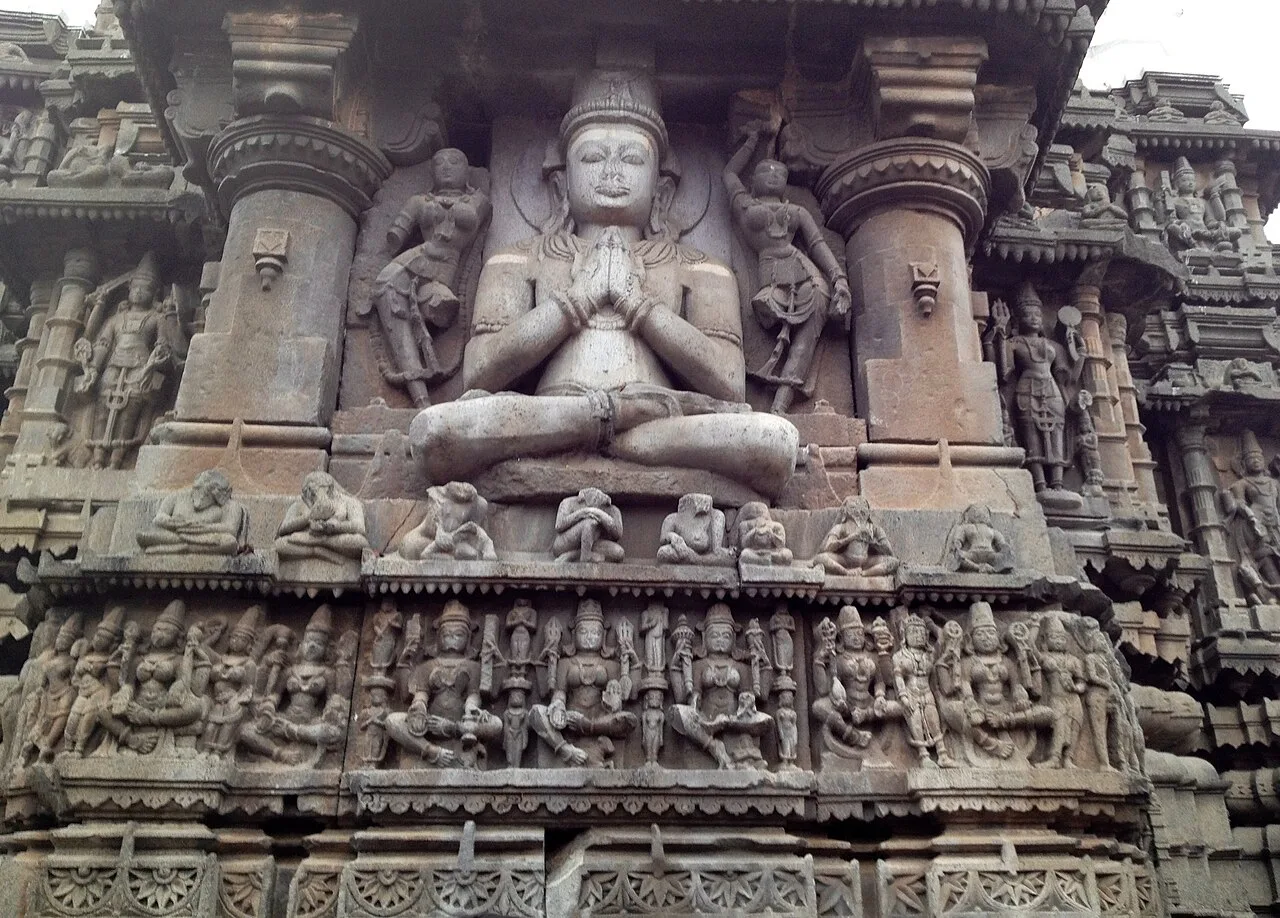
Aundha Nagnath Temple is an old Shiva shrine in Maharashtra’s Hingoli district, regarded as the eighth of the twelve Jyotirlinga shrines. Visitors come for its religious importance, historical associations and distinctive architecture.

Hazur Sahib

151 km away · Nanded district

Hazur Sahib

Takht Sachkhand Sri Hazur Abchalnagar Sahib is one of Sikhism’s five takhts, in Nanded, Maharashtra. Visitors come to worship and remember Guru Gobind Singh at the site associated with his death and cremation.

Ramtek Fort Temple

175 km away · Nagpur district

Ramtek Fort Temple

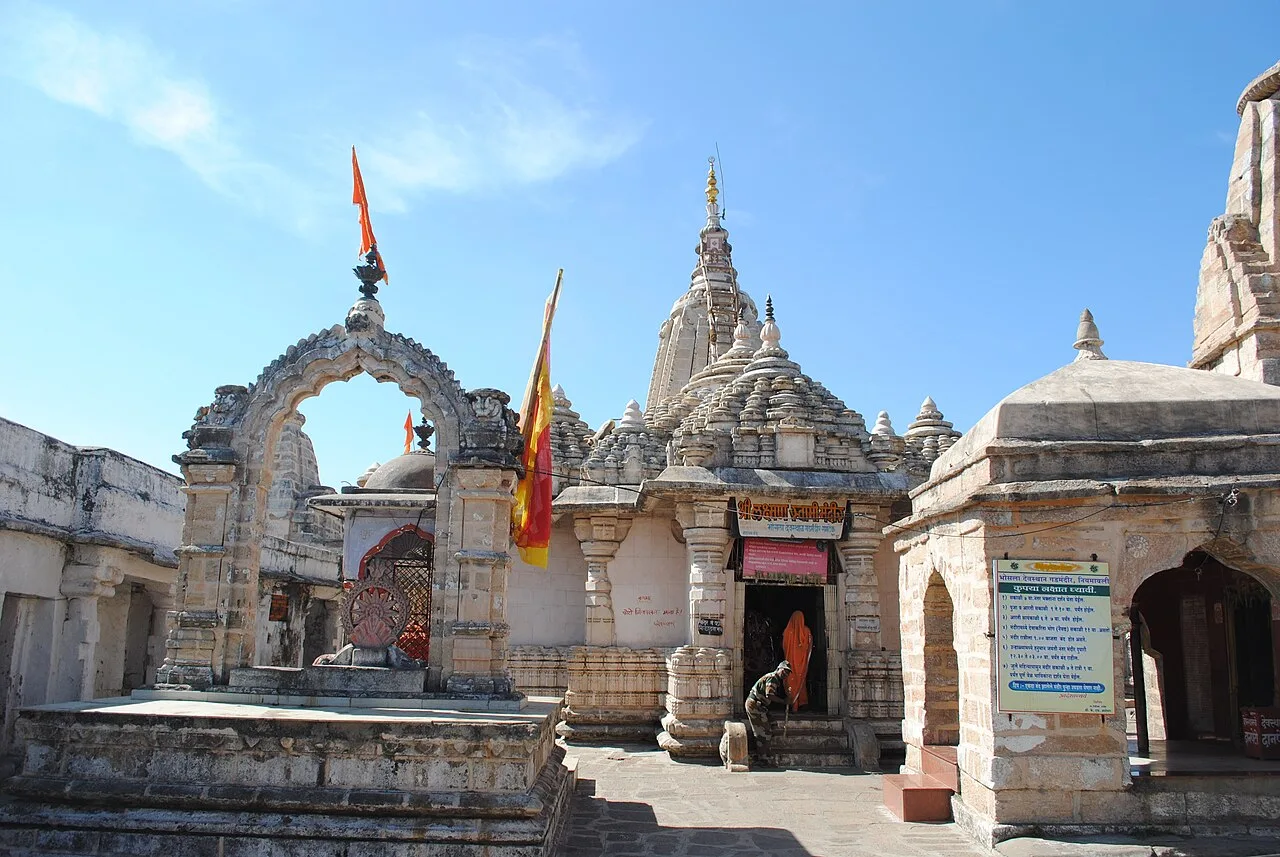
Ramtek Fort Temple is a Hindu pilgrimage site in Maharashtra, visited for its shrines on Ramtek Hill and its association with Rama and the Vakataka dynasty.

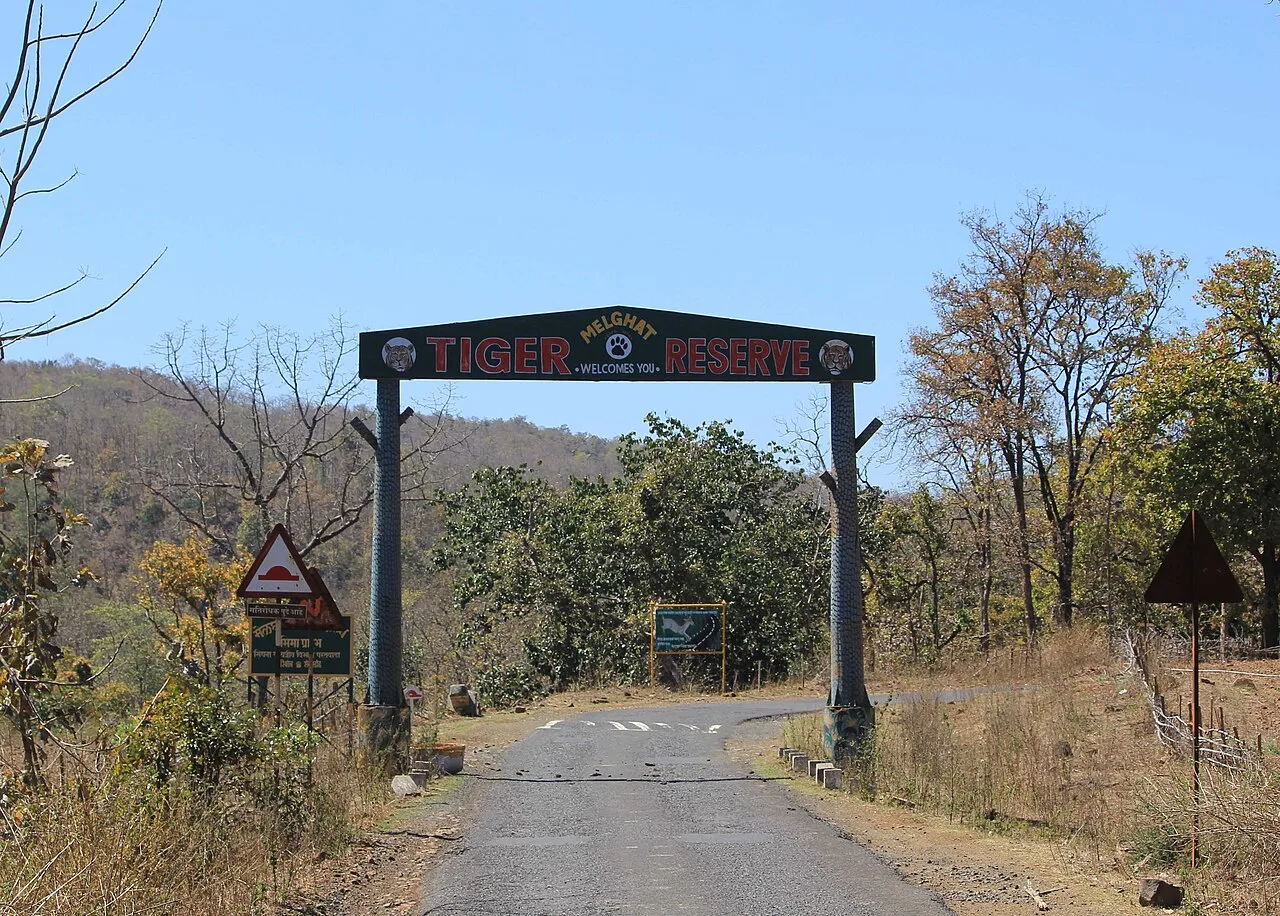
Melghat Tiger Reserve

186 km away · Amravati district

Melghat Tiger Reserve

Melghat Tiger Reserve is a protected area in northern Amravati district, Maharashtra. Visitors come to experience its wildlife and learn about its place in India’s Project Tiger programme.

Map

Ghatanji on the map

  1. 1Sevagram Ashram
  2. 2Tadoba Andhari Tiger Reserve
  3. 3Chikhaldara
  4. 4Deekshabhoomi
  5. 5Aundha Nagnath Temple
  6. 6Hazur Sahib
  7. 7Ramtek Fort Temple
  8. 8Melghat Tiger Reserve

Maharashtra

Other cities to explore