Ghumoopedia — Explore, Discover, Experience
Sign in
Tulja Bhavani Temple, near Murum

City guide · Maharashtra

Murum

Murum is a municipal-council town in Dharashiv district, formerly known as Osmanabad district, in Maharashtra’s Marathwada region. At an elevation of about 548 metres, it sits in the Deccan plateau landscape and serves as a local centre for nearby villages.

Famous for

  • Regional agricultural trade
  • Marathwada civic life
  • Deccan plateau setting
  • Local festival traditions

Why Murum matters

Murum is a municipal-council town in Dharashiv district, formerly known as Osmanabad district, in Maharashtra’s Marathwada region. At an elevation of about 548 metres, it sits in the Deccan plateau landscape and serves as a local centre for nearby villages. Its everyday importance comes less from large-scale tourism than from civic services, shops and the movement of people and goods through the surrounding countryside.

Visitors may find Murum useful as a base or stop while exploring this part of southeastern Maharashtra. The wider region offers historic sites, temples and rural scenery, while the town itself gives a quieter view of local market life. Murum is not widely associated with a single landmark, craft or signature product, so expectations are best set for a modest regional town rather than a major sightseeing destination. Its appeal lies in its local character, its position between larger centres and the chance to experience ordinary life in Marathwada.
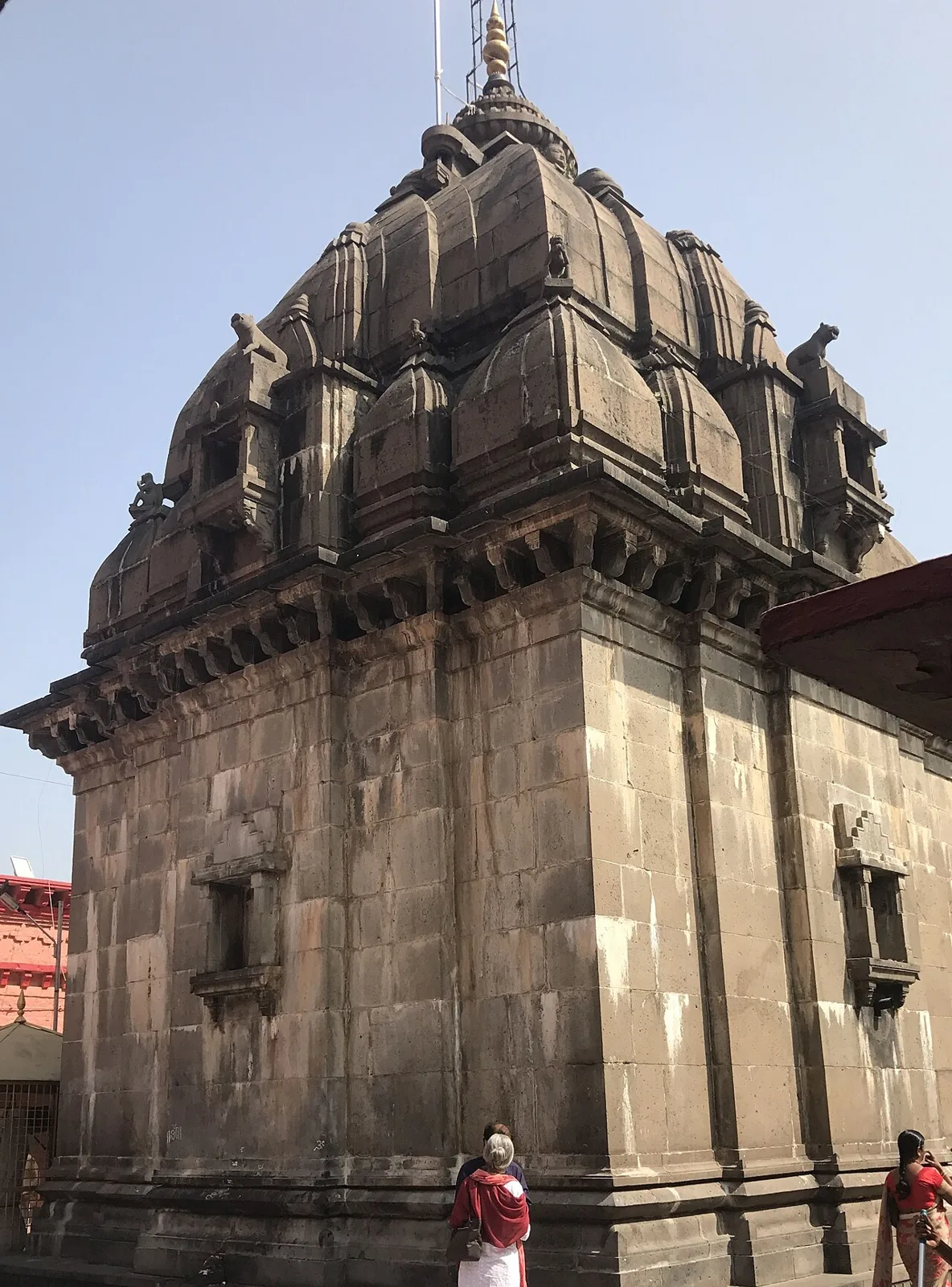
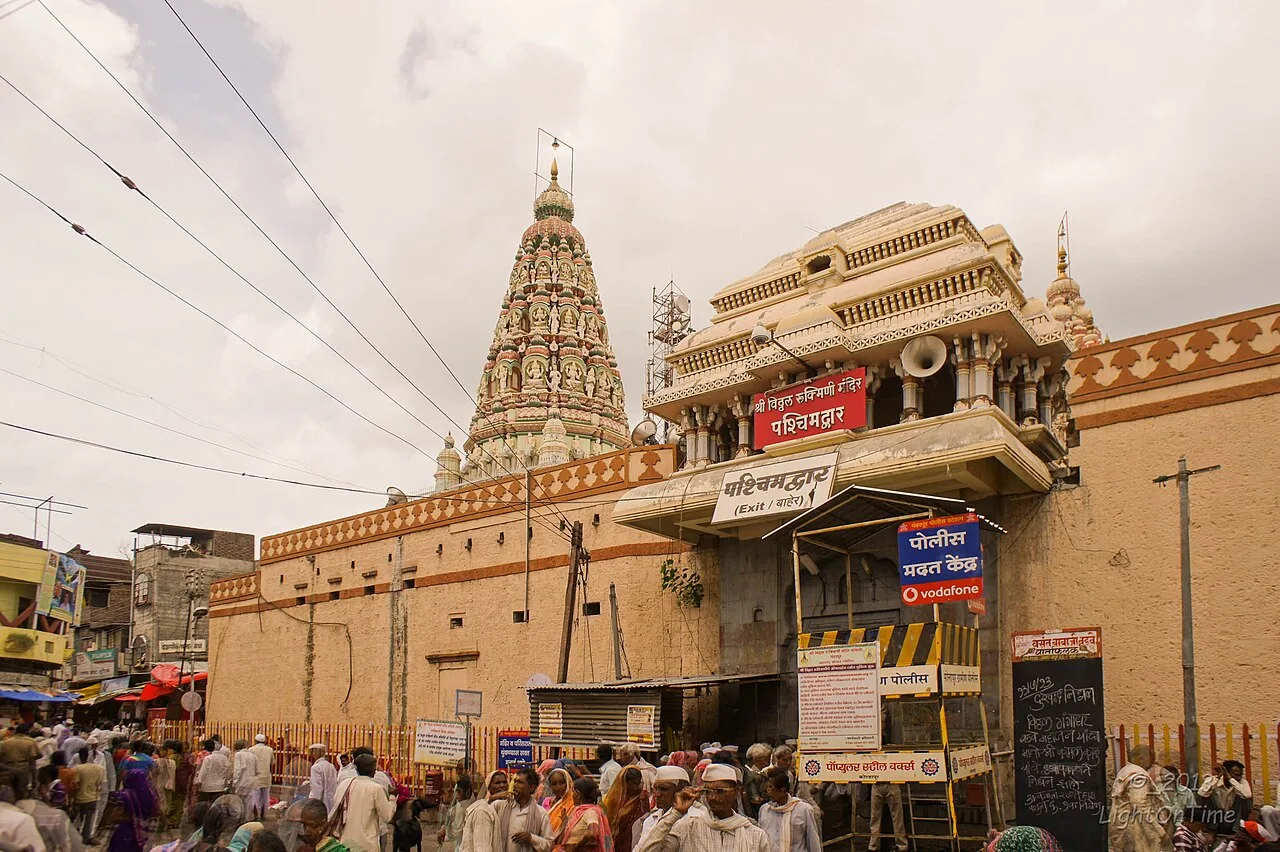
Famous for: crafts, trade & products

There is no well-established signature saree or craft market to seek out, so visitors should not expect specialist shopping districts. The town’s practical role is more closely connected to local commerce and the needs of surrounding settlements.

For everyday goods and regional produce, look to the town’s shops and market area. Agriculture in the wider Marathwada countryside includes food crops such as millets and pulses, though availability varies by season and no particular crop should be treated as Murum’s exclusive product. Small retailers and market sellers are the most likely places to find locally sourced goods. The town is not known for a major industrial attraction or a dedicated visitor-facing institution. Travellers interested in crafts or branded regional products may need to look in larger towns across the district or region, and should check locally for current market days and what is available.

History

Murum’s history is best understood within the broader story of Marathwada, rather than through a well-documented local dynasty or major monument. The region passed through successive Deccan political powers, including the Bahmani and later Deccan sultanates, before coming under Maratha influence. In the modern period, Marathwada formed part of the princely state of Hyderabad under the Nizam. It joined India in 1948 and became part of Maharashtra when the state was formed in 1960.

Murum developed as a settlement serving the agricultural hinterland, with local commerce and public services supporting nearby villages. Its present municipal-council status reflects that civic role. Detailed accounts of the town’s own early growth and colonial-era institutions are limited, so it is more accurate to place its development in the context of regional administration, road links and the gradual expansion of local services than to assign it an unsupported founding date or a specific ruling house.

Food, festivals & culture

Marathi is the main language of everyday life in Murum. Urdu is also used by some residents, and Kannada may be heard given the town’s position near the Karnataka border. Meals in the area commonly draw on Marathwada and Deccan cooking: jowar bhakri, pithla, lentils, rice and spicy chutneys are familiar choices. Puran poli and other home-style sweets may appear during celebrations, though menus vary between households and eateries.

Ganesh Chaturthi, usually celebrated in the monsoon season, and Diwali in autumn are prominent Hindu festivals; Gudi Padwa marks the Marathi New Year in spring. Eid is observed by Muslim residents, alongside other community and family occasions. Bhajans, kirtan and devotional singing are part of local religious gatherings, while folk music and dhol rhythms feature at festive events. Temples and mosques serve as important places of worship and community life; visitors should dress respectfully and follow local customs.

Visiting the city

The cooler months, roughly October to February, are generally the most comfortable for visiting. Summers can be hot, while the monsoon brings rain and greener countryside. Solapur Airport is the nearest named airport, but flight availability may be limited; check current services before planning around it. For rail travel, Solapur Junction is a major regional railhead, while Dharashiv station may also be useful depending on the route. Murum is reached most conveniently by road from surrounding towns.

Auto-rickshaws and local road transport can help with short trips, though availability may vary. Explore the central market and civic area for everyday town life, and ask locally about nearby places of worship or countryside routes. For wider excursions, arrange transport in advance and confirm road conditions and return options.

Trips from the city

Nearest places to visit from Murum

Our closest destination guides, by straight-line distance.

Tulja Bhavani Temple

44 km away · Dharashiv district

Tulja Bhavani Temple

Tulja Bhavani Temple is a 12th-century shrine to goddess Bhavani in Tuljapur, Maharashtra. It is counted among India’s 51 Shakti Pithas and the state’s four major Shakti shrines.

Shri Vaijnath Temple

117 km away · Beed district

Shri Vaijnath Temple

Shri Vaijnath Temple is a Shiva shrine at Parli Vaijnath in Maharashtra’s Beed district. Worshippers visit to perform abhishekam, and the temple is regarded as the fifth of Shiva’s twelve Jyotirlingas.

Vithoba Temple

122 km away · Solapur district

Vithoba Temple

The Vithoba Temple, also called Shri Vitthal-Rukmini Mandir, is a Hindu shrine in Pandharpur, Maharashtra. Devotees visit to worship Vithoba and Rakhumai and join major Warkari pilgrimages.

Hazur Sahib

176 km away · Nanded district

Hazur Sahib

Takht Sachkhand Sri Hazur Abchalnagar Sahib is one of Sikhism’s five takhts, in Nanded, Maharashtra. Visitors come to worship and remember Guru Gobind Singh at the site associated with his death and cremation.

Aundha Nagnath Temple

204 km away · Hingoli district

Aundha Nagnath Temple

Aundha Nagnath Temple is an old Shiva shrine in Maharashtra’s Hingoli district, regarded as the eighth of the twelve Jyotirlinga shrines. Visitors come for its religious importance, historical associations and distinctive architecture.

Ahmednagar Fort

232 km away · Ahilyanagar district

Ahmednagar Fort

Ahmednagar Fort, in Maharashtra, is a historic stronghold associated with the Ahmednagar Sultanate, the 1803 Anglo-Maratha conflict and imprisonment under British rule, making it a point of historical interest.

243 km away · Ahilyanagar district

Hiware Bazar

Hiware Bazar is a village in Maharashtra’s Ahmednagar district, known for its irrigation system and water-conservation efforts to tackle drought and drinking-water difficulties.

Lonar Lake

243 km away · Buldhana district

Lonar Lake

Lonar Lake is a saline, soda-rich lake in Maharashtra’s Buldhana district, set within a meteorite-impact crater. Visitors come to see its unusual geological formation and recognised conservation status.

Map

Murum on the map

  1. 1Tulja Bhavani Temple
  2. 2Shri Vaijnath Temple
  3. 3Vithoba Temple
  4. 4Hazur Sahib
  5. 5Aundha Nagnath Temple
  6. 6Ahmednagar Fort
  7. 7Hiware Bazar
  8. 8Lonar Lake

Maharashtra

Other cities to explore