Ghumoopedia — Explore, Discover, Experience
Sign in
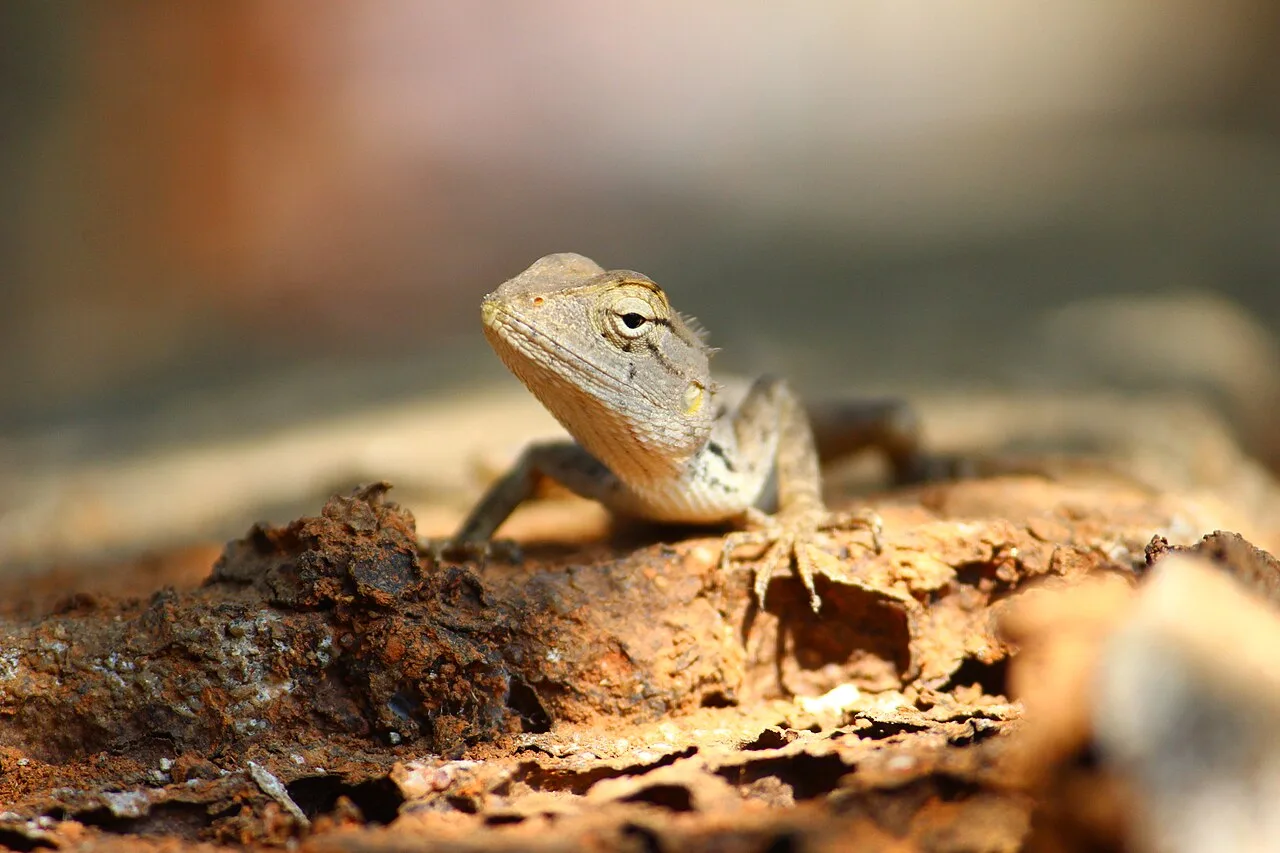
Navegaon National Park, near Desaiganj

City guide · Maharashtra

Desaiganj

Desaiganj, also known as Navi Wadsa, is a town and municipal council in Wadsa taluka, Gadchiroli district, in eastern Maharashtra. Its position on the Wainganga River and its role as a local centre make it an important point of reference for nearby villages.

Famous for

  • Wainganga riverside setting
  • Navi Wadsa name
  • Nearby Juni Wadsa
  • Wadsa taluka services

Why Desaiganj matters

Desaiganj, also known as Navi Wadsa, is a town and municipal council in Wadsa taluka, Gadchiroli district, in eastern Maharashtra. Its position on the Wainganga River and its role as a local centre make it an important point of reference for nearby villages. The older settlement of Juni Wadsa lies about two kilometres to the south-west, giving the area a distinctive connection between an established village and a newer town centre.

Desaiganj is more useful as a base for everyday regional travel and services than as a destination built around major monuments or resorts. Visitors encounter a working market town, with shops and local amenities serving the surrounding countryside. The river provides a notable natural setting, while the nearby older settlement offers a glimpse of the locality’s earlier pattern of habitation. Its appeal lies in this combination of rural surroundings, river landscape and practical role within Gadchiroli district, rather than in a widely known signature attraction.

Famous for: crafts, trade & products

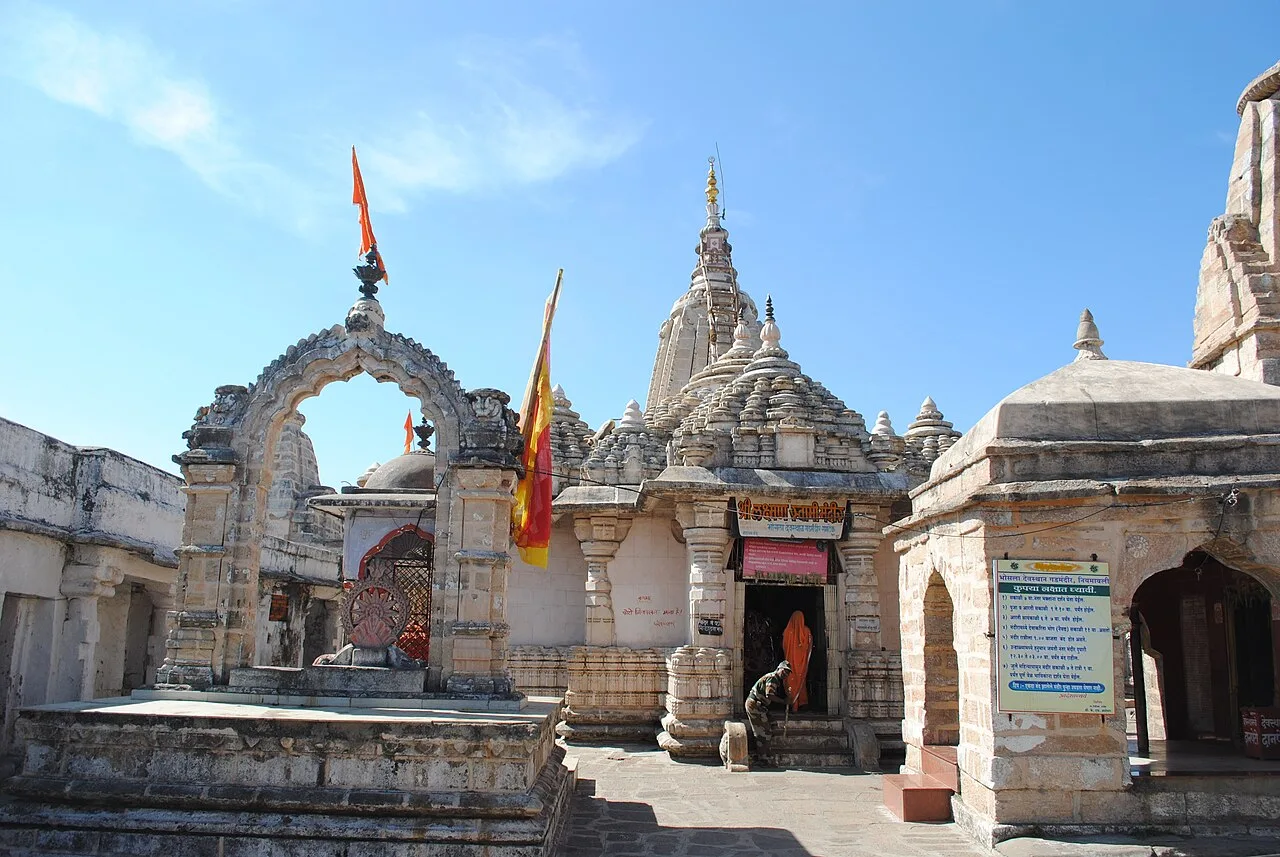
Desaiganj is best understood as a local service and trading centre, rather than as a specialised textile or handicraft destination. Its shops and market area cater chiefly to residents of the town and surrounding villages, with everyday household goods, food items and locally used supplies. Visitors can explore the central market streets for a sense of daily commerce and to find routine necessities.

The town is not widely identified with a particular saree tradition, craft, industrial product or GI-tagged speciality. Nor is there a well-established visitor market devoted to a single local product. Regional produce and goods may appear in ordinary shops and markets, but availability varies. For a more distinctive shopping experience, ask locally about seasonal market days and products brought in from nearby villages. Desaiganj’s principal significance in trade is its role in connecting rural communities with services and retail, rather than a nationally recognised export or craft industry. The town’s municipal and taluka-centre functions also contribute to its importance in the district.

History

The history of Desaiganj is closely tied to the relationship between the newer town, Navi Wadsa, and the older village of Juni Wadsa, situated about two kilometres to the south-west. Their names preserve this distinction: “Navi” means new and “Juni” means old. The Wainganga River has long been an important feature of the local landscape and settlement pattern.

Rather than being known chiefly for a royal court or a major colonial-era monument, Desaiganj developed as a centre serving the surrounding rural area. Its growth reflects the gradual concentration of trade, public services and transport around the newer settlement. The wider region’s administrative context also changed over time: Gadchiroli became a separate district in 1982, strengthening the importance of its towns as local service centres. Today, Desaiganj’s municipal status and role within Wadsa taluka are central to its identity. A detailed, widely documented chronology of local rulers or colonial-era events is not a defining part of the town’s public profile.

Food, festivals & culture

Everyday food in Desaiganj reflects eastern Maharashtra and the wider Vidarbha region. Rice, lentils, seasonal vegetables and boldly seasoned curries are common elements of home-style meals; local eateries generally serve familiar Maharashtrian and Indian dishes. The town is not especially known for a signature sweet or a dish unique to Desaiganj, so visitors should treat food as a regional experience rather than seek a single famous speciality.

Marathi is widely used, and Hindi is also understood; languages spoken across the wider district include local tribal languages. Ganeshotsav, usually celebrated in late monsoon, and Diwali in autumn are important parts of the annual calendar. Holi in spring, Navratri in autumn and Makar Sankranti in midwinter are also observed. Neighbourhood temples and shrines provide places for worship and festival gatherings. Folk music and dance traditions are part of the broader region’s cultural life, though performances are more likely to be associated with community celebrations than with a regular visitor programme.

Visiting the city

The cooler months, roughly November to February, are generally the most comfortable time to visit. Summers can be hot, while the monsoon brings rain and greener surroundings. The nearest railway station serving the town is Wadsa railway station. The nearest major airport is Dr. Babasaheb Ambedkar International Airport in Nagpur; onward travel requires a road or rail connection.

Auto-rickshaws and local road transport are practical ways to get around, with availability depending on the time and destination. The central market area is a useful place to begin for shops and everyday services. Visitors can also explore the Wainganga riverside where access is public and safe, and make a short visit to Juni Wadsa to see the older settlement. Check local conditions before planning walks near the river, especially during the monsoon.

Trips from the city

Nearest places to visit from Desaiganj

Our closest destination guides, by straight-line distance.

Navegaon National Park

40 km away · Gondia district

Navegaon National Park

Navegaon National Park is in Gondia district, Maharashtra, within the Arjuni Morgaon subdivision. Visitors are drawn by wintering migratory birds at its lake and the park’s varied forest cover.

Tadoba Andhari Tiger Reserve

71 km away · Chandrapur district

Tadoba Andhari Tiger Reserve

Set in Maharashtra’s Chandrapur district, Tadoba Andhari Tiger Reserve combines a national park and wildlife sanctuary within a protected area. Visitors come to experience its forests and wildlife.

Ramtek Fort Temple

108 km away · Nagpur district

Ramtek Fort Temple

Ramtek Fort Temple is a Hindu pilgrimage site in Maharashtra, visited for its shrines on Ramtek Hill and its association with Rama and the Vakataka dynasty.

Deekshabhoomi

109 km away · Nagpur district

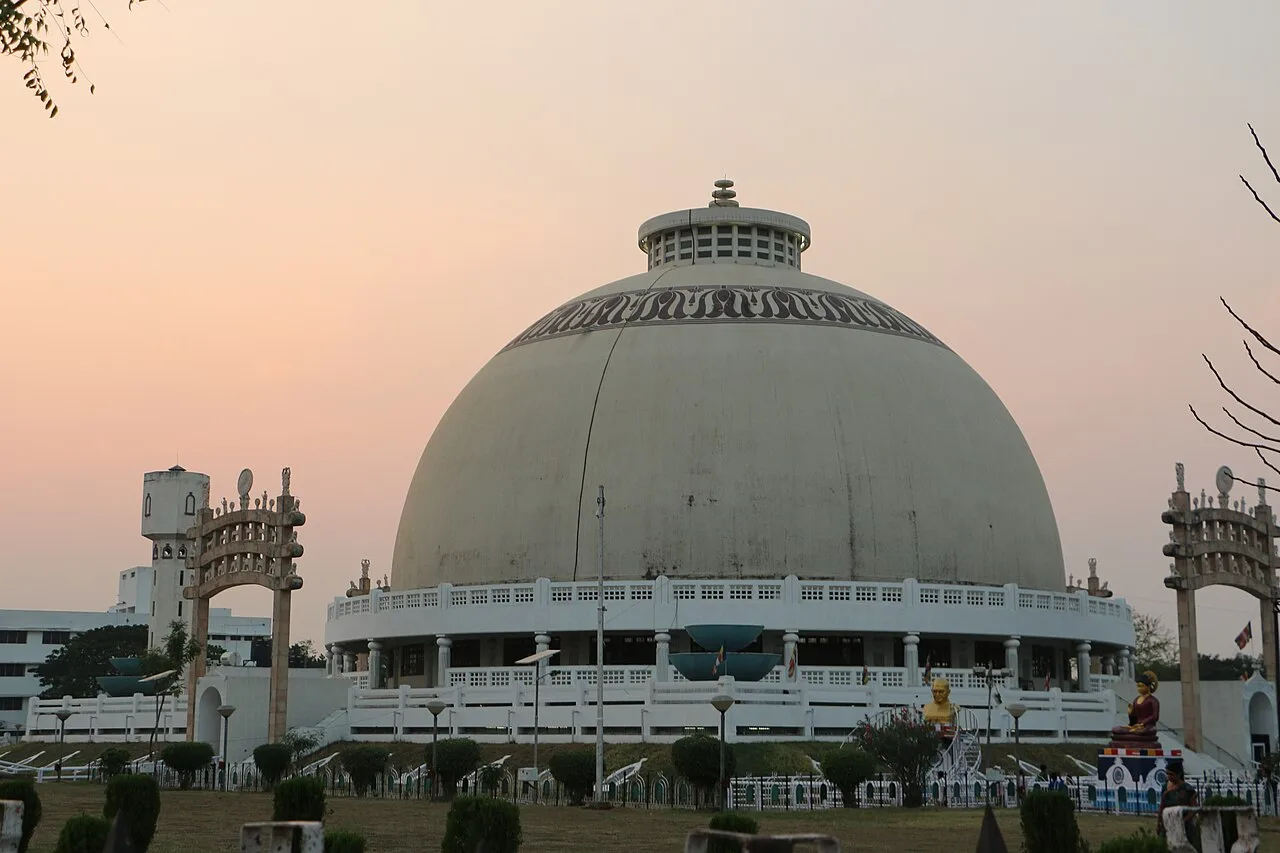
Deekshabhoomi

Deekshabhoomi is a Navayana Buddhist memorial in Nagpur, where B. R. Ambedkar and a vast following embraced Buddhism in 1956. Pilgrims visit to mark the conversion and its continuing significance.

Sevagram Ashram

136 km away · Wardha district

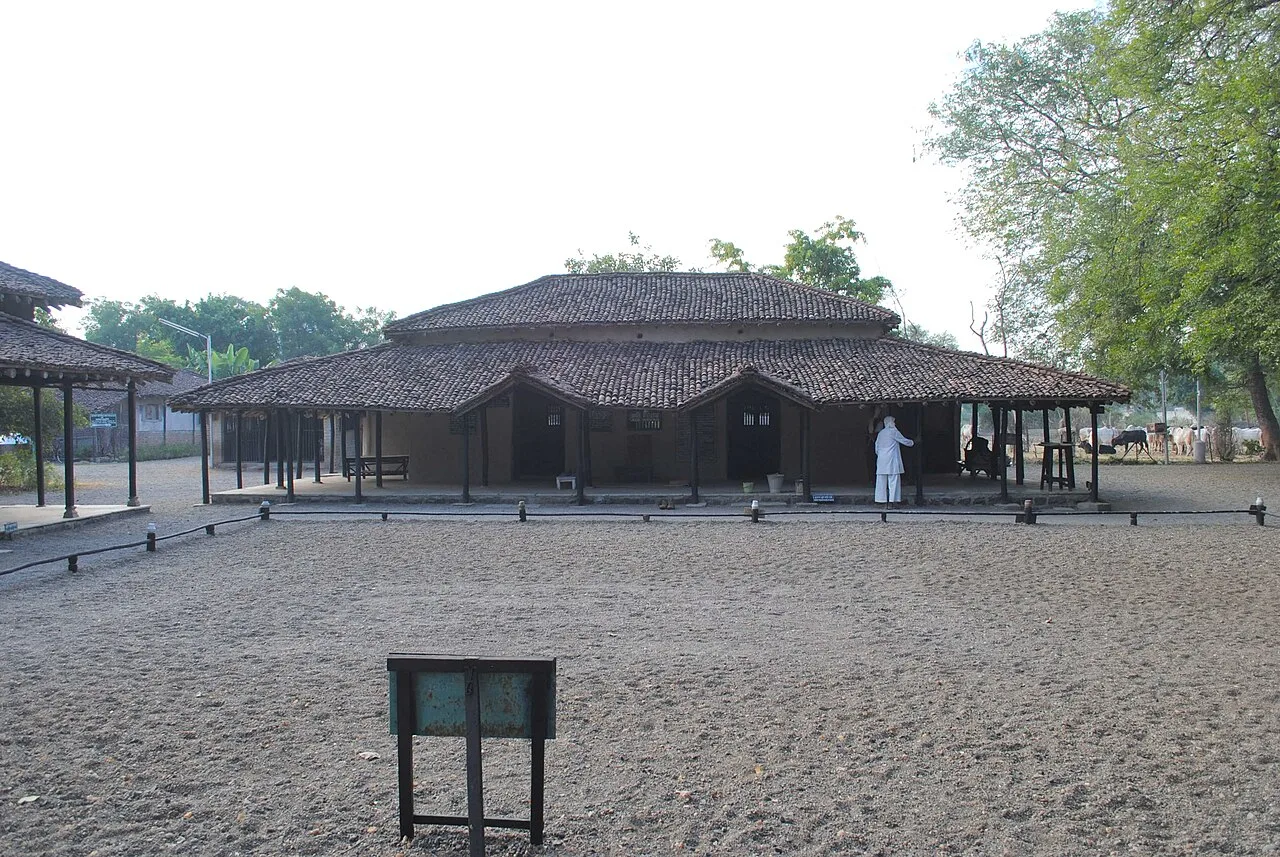
Sevagram Ashram

Sevagram Ashram, in Wardha district, Maharashtra, is known as Mahatma Gandhi’s ashram and home from 1936 until his death in 1948. People visit for its connection with his life.

Pench Tiger Reserve

140 km away · Nagpur district

Pench Tiger Reserve

Pench Tiger Reserve spans Madhya Pradesh and Maharashtra, with its Maharashtra section in Nagpur district. People visit to experience its protected landscape and wildlife.

Chikhaldara

242 km away · Amravati district

Chikhaldara

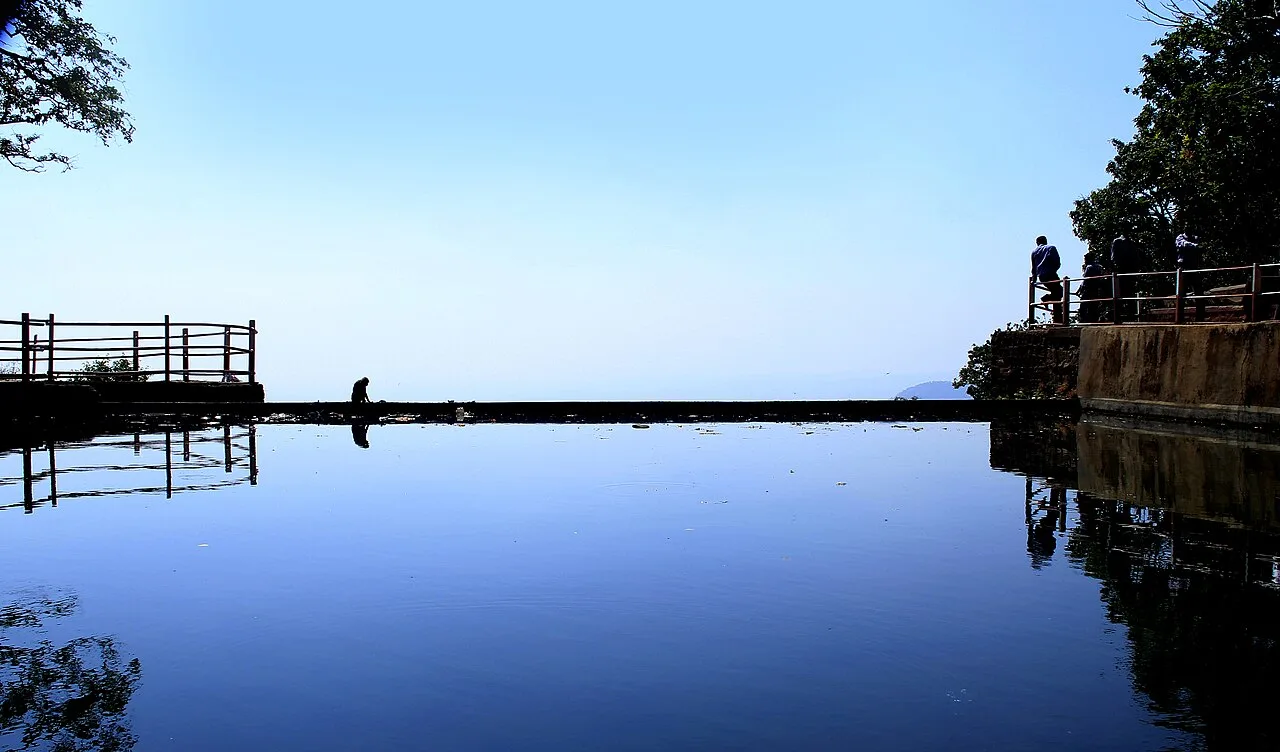
Chikhaldara is a hill settlement and municipal council in Maharashtra’s Amravati district. Visitors come for its highland setting, coffee-growing area and nearby wildlife at the Melghat Tiger Project.

Melghat Tiger Reserve

301 km away · Amravati district

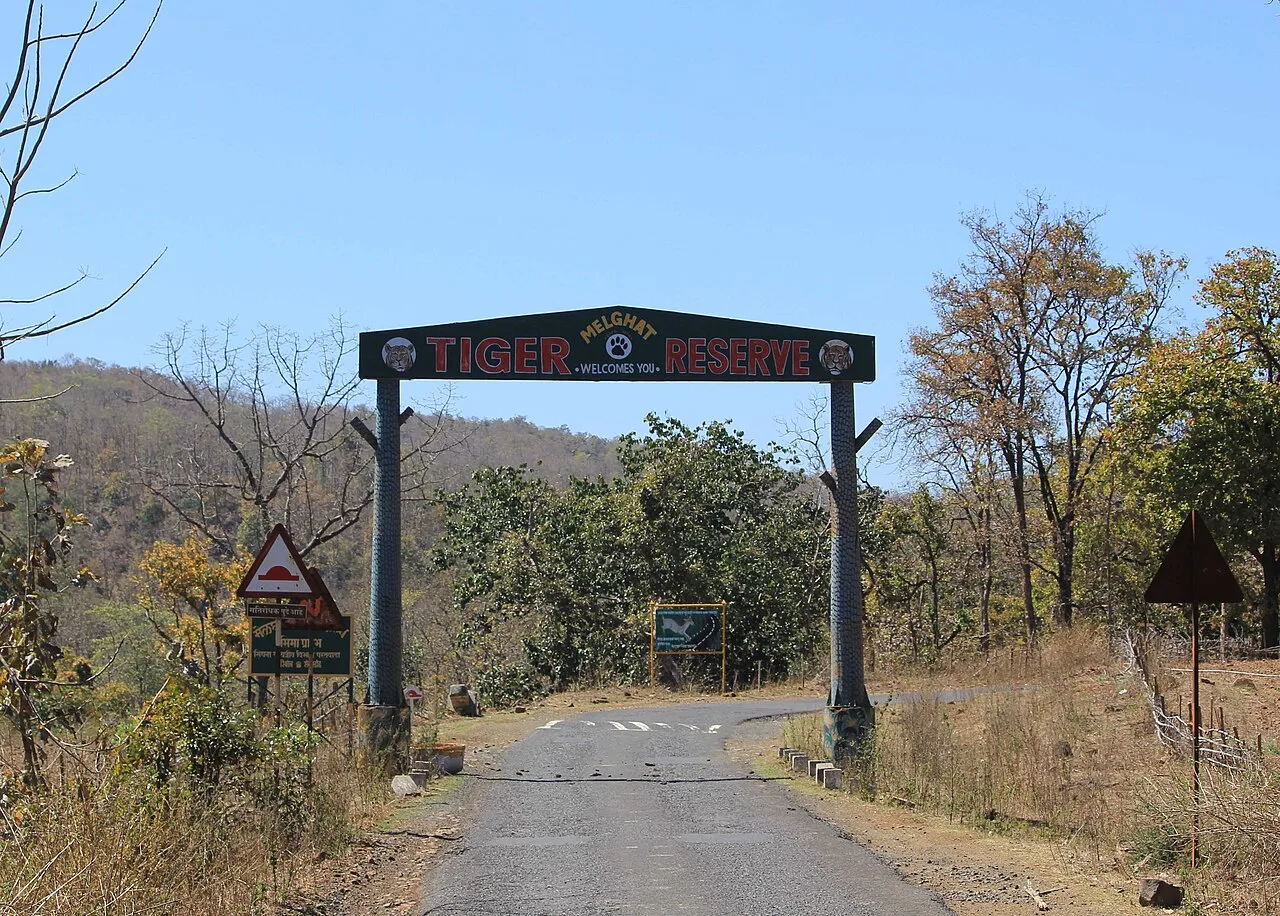
Melghat Tiger Reserve

Melghat Tiger Reserve is a protected area in northern Amravati district, Maharashtra. Visitors come to experience its wildlife and learn about its place in India’s Project Tiger programme.

Map

Desaiganj on the map

  1. 1Navegaon National Park
  2. 2Tadoba Andhari Tiger Reserve
  3. 3Ramtek Fort Temple
  4. 4Deekshabhoomi
  5. 5Sevagram Ashram
  6. 6Pench Tiger Reserve
  7. 7Chikhaldara
  8. 8Melghat Tiger Reserve

Maharashtra

Other cities to explore