Ghumoopedia — Explore, Discover, Experience
Sign in

City guide · Maharashtra

Yavatmal

Yavatmal is the administrative headquarters of Yavatmal district and an important service and trading centre in eastern Vidarbha. Set on the Deccan plateau, it serves surrounding agricultural communities, with cotton a prominent crop in the district and a longstanding part of local commerce.

Famous for

  • Cotton trade
  • Shakuntala railway heritage
  • Berar-era history
  • Vidarbha district headquarters

Why Yavatmal matters

Yavatmal is the administrative headquarters of Yavatmal district and an important service and trading centre in eastern Vidarbha. Set on the Deccan plateau, it serves surrounding agricultural communities, with cotton a prominent crop in the district and a longstanding part of local commerce. Government offices, education, healthcare and retail give the city a regional role beyond its own urban area.

Visitors come for the town’s history and as a convenient starting point for exploring the wider district. Yavatmal was once linked to the cotton trade by the Shakuntala narrow-gauge railway, a notable remnant of the colonial era whose service is now closed. The city itself is not defined by a single major monument or a widely known regional craft; its appeal lies in its central-Vidarbha setting, local markets and everyday Marathi city life. Its position between Amravati and Nagpur also makes it a practical stop for people travelling through the region.
Famous for: crafts, trade & products

Cotton is Yavatmal’s best-known product, reflecting the crop’s importance across the surrounding district. The city functions as a market and service centre for this agricultural hinterland, and cotton-related trade and processing have shaped its economy. Local shops and markets also serve nearby towns and villages with clothing, household goods and daily necessities.

Yavatmal is not especially associated with a distinct, widely documented saree tradition, handicraft or GI-tagged product. Visitors looking for textiles can browse general garment and fabric shops in the central market areas, but should not expect a specialist weaving quarter or a signature city-made textile. Produce and other goods vary with the season and local supply. The historic Shakuntala railway is an important part of the city’s transport heritage rather than a product or active tourist train; its former role was tied to moving cotton. For locally made crafts, ask at established shops or visitor-facing institutions for current options, since availability can change and the city does not have a single celebrated craft market.

History

Yavatmal was formerly known as Yeoti or Yeotmal. Its name has more than one suggested Marathi derivation, including words associated with a mountain and a ridge or plateau. The Ain-i-Akbari records a pargana in the area as Yot-Lohara, reflecting an older administrative landscape.

The region passed through the hands of the Bahmani, Ahmadnagar and Mughal powers before coming under Maratha rule. It became part of the Nagpur kingdom under the Bhonsles and later entered the British-administered Berar. Under colonial rule, cotton transport helped shape the area’s economy; the Shakuntala narrow-gauge railway is a surviving reminder of that era, though services have ceased. Yavatmal’s municipal council was first constituted in 1869 and established again in 1894. The town remained in Madhya Pradesh after independence, moved to Bombay State in the 1956 reorganisation, and became part of Maharashtra when the state was formed in 1960. It is now the district’s administrative headquarters.

Food, festivals & culture

Daily life in Yavatmal reflects the Marathi-speaking culture of Vidarbha. Marathi is the principal language, while Hindi and Urdu are also heard. Meals commonly draw on the region’s hearty home cooking: bhakri with pithla or vegetable preparations, lentils, rice and seasonal produce. Poha is a familiar breakfast, while sweets such as puran poli and local shop-made mithai are enjoyed on festive occasions; these are regional favourites rather than exclusive Yavatmal specialties.

Ganeshotsav and Navratri bring public celebrations and devotional gatherings, generally around late summer and autumn; Diwali and Holi are also widely observed. Eid is celebrated by the city’s Muslim community. Religious life is expressed through temples, mosques, churches and other neighbourhood places of worship. Folk and devotional forms from Maharashtra, including bhajans and performances associated with regional traditions, may feature at community events, though Yavatmal is not known for one distinctive local dance or musical style. Festival dates follow the religious calendar and vary each year.

Visiting the city

The cooler months, roughly October to February, are generally the most comfortable for exploring Yavatmal. Summers can be very hot, while the monsoon brings rain and greener countryside. The nearest major airport is Dr. Babasaheb Ambedkar International Airport in Nagpur. Wardha Junction is a useful major railhead; Yavatmal’s historic Shakuntala narrow-gauge service is no longer operating, so check current rail connections before planning a journey.

Within the city, auto-rickshaws, local buses and taxis are practical ways to get around. The central market and older town streets offer a look at everyday commerce and local life, while the main civic and transport areas are useful points for finding services. Yavatmal also works as a base for onward travel around the district; arrange transport in advance for destinations outside town.

Trips from the city

Nearest places to visit from Yavatmal

Our closest destination guides, by straight-line distance.

Sevagram Ashram

67 km away · Wardha district

Sevagram Ashram

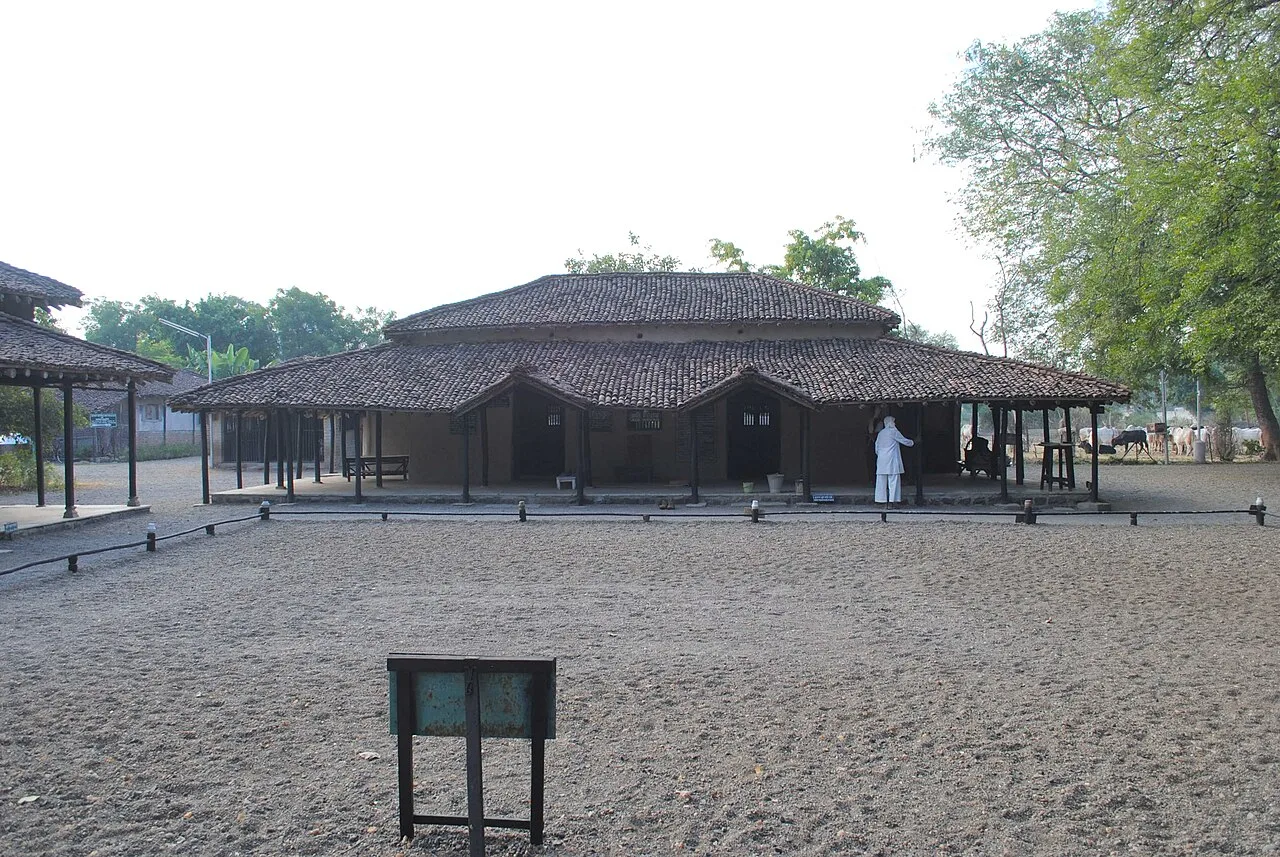
Sevagram Ashram, in Wardha district, Maharashtra, is known as Mahatma Gandhi’s ashram and home from 1936 until his death in 1948. People visit for its connection with his life.

Chikhaldara

100 km away · Amravati district

Chikhaldara

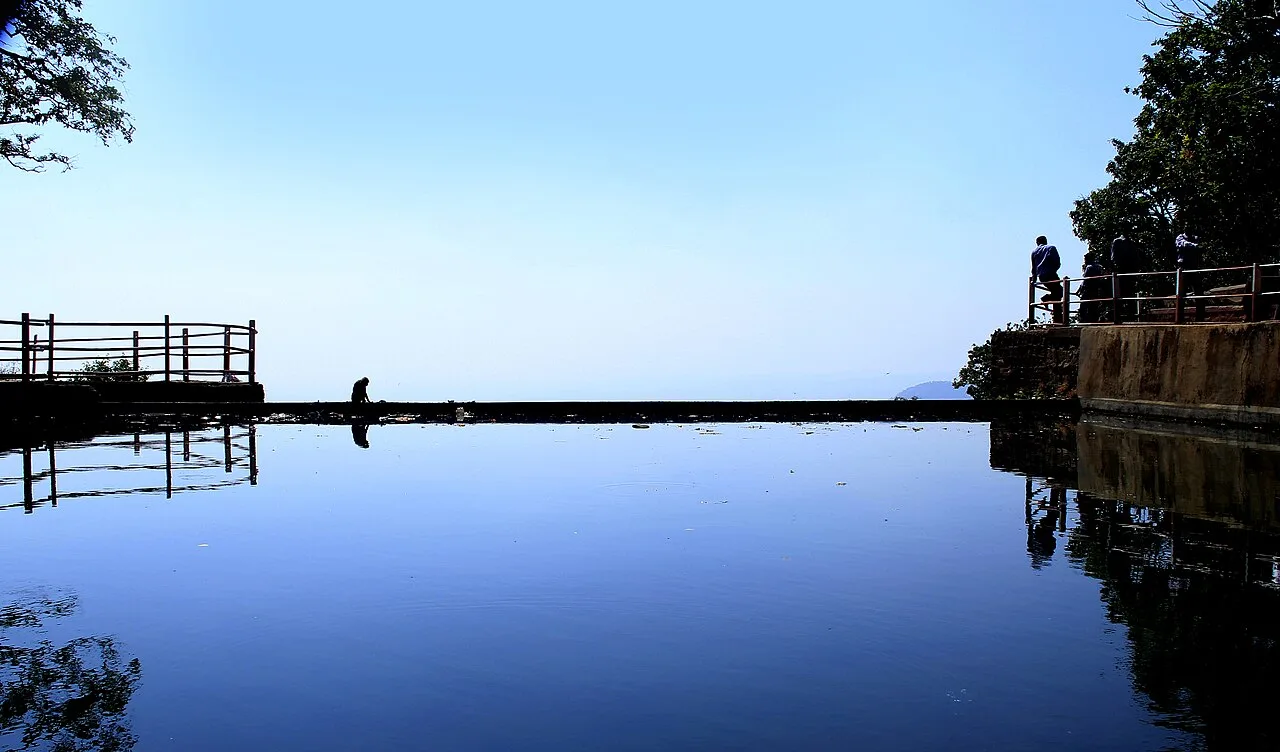
Chikhaldara is a hill settlement and municipal council in Maharashtra’s Amravati district. Visitors come for its highland setting, coffee-growing area and nearby wildlife at the Melghat Tiger Project.

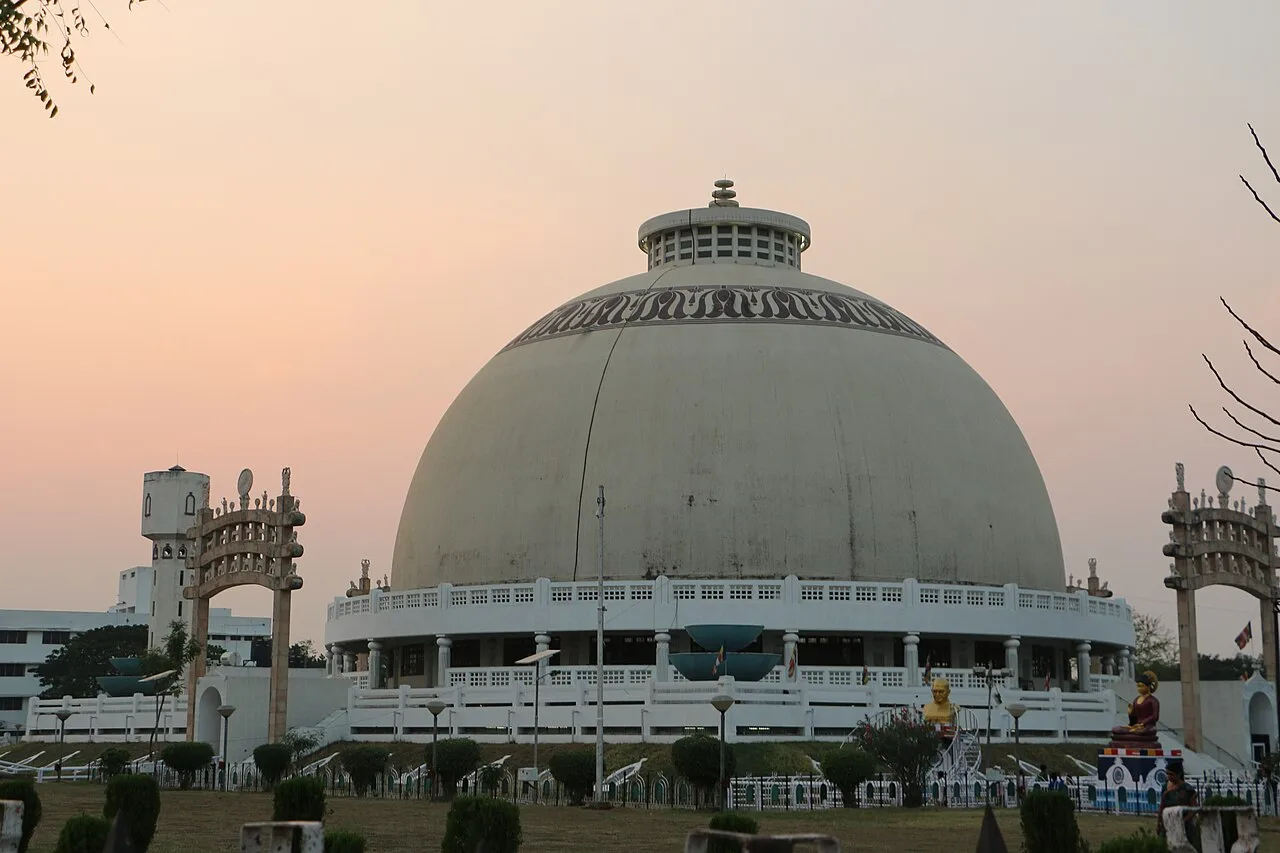
Deekshabhoomi

127 km away · Nagpur district

Deekshabhoomi

Deekshabhoomi is a Navayana Buddhist memorial in Nagpur, where B. R. Ambedkar and a vast following embraced Buddhism in 1956. Pilgrims visit to mark the conversion and its continuing significance.

Tadoba Andhari Tiger Reserve

133 km away · Chandrapur district

Tadoba Andhari Tiger Reserve

Set in Maharashtra’s Chandrapur district, Tadoba Andhari Tiger Reserve combines a national park and wildlife sanctuary within a protected area. Visitors come to experience its forests and wildlife.

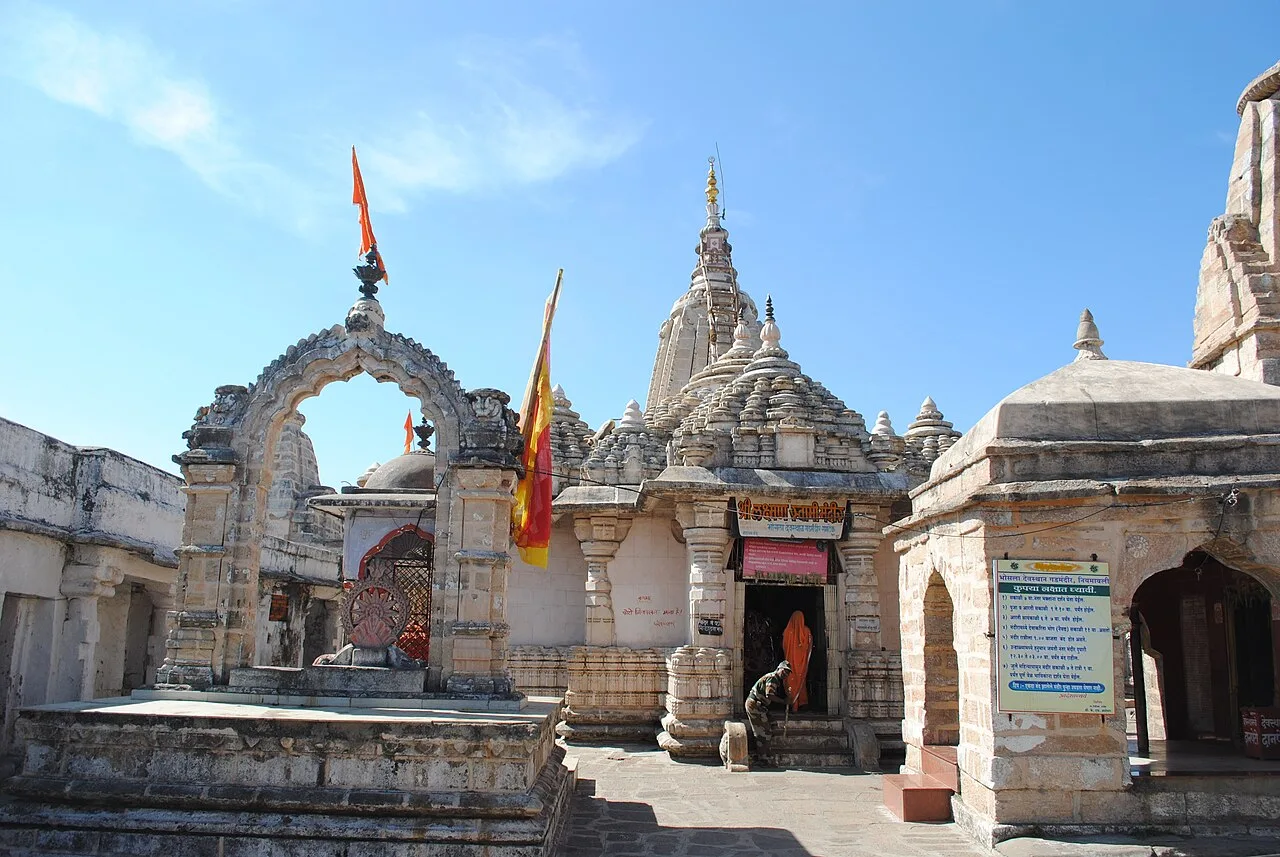
Aundha Nagnath Temple

148 km away · Hingoli district

Aundha Nagnath Temple

Aundha Nagnath Temple is an old Shiva shrine in Maharashtra’s Hingoli district, regarded as the eighth of the twelve Jyotirlinga shrines. Visitors come for its religious importance, historical associations and distinctive architecture.

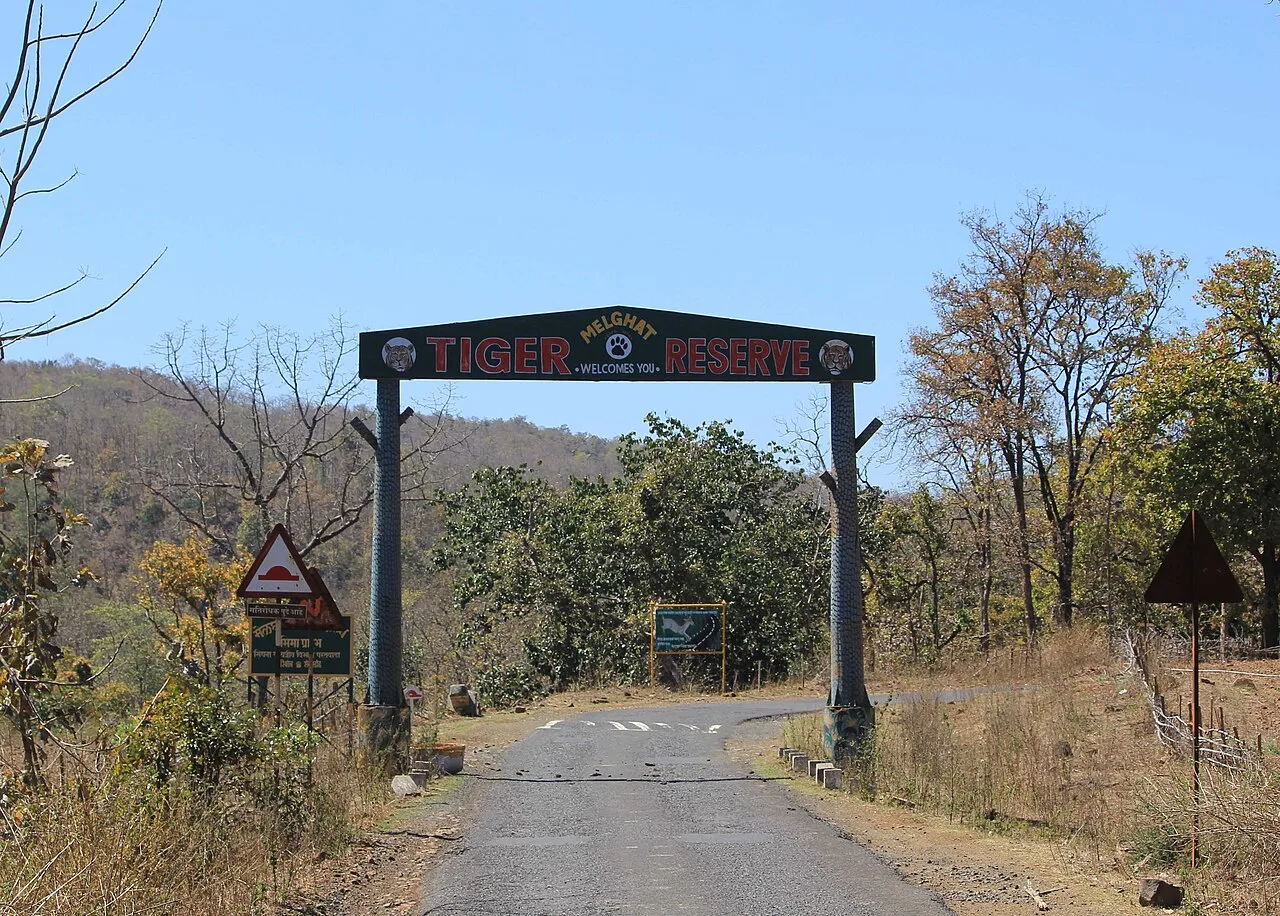
Melghat Tiger Reserve

152 km away · Amravati district

Melghat Tiger Reserve

Melghat Tiger Reserve is a protected area in northern Amravati district, Maharashtra. Visitors come to experience its wildlife and learn about its place in India’s Project Tiger programme.

Hazur Sahib

162 km away · Nanded district

Hazur Sahib

Takht Sachkhand Sri Hazur Abchalnagar Sahib is one of Sikhism’s five takhts, in Nanded, Maharashtra. Visitors come to worship and remember Guru Gobind Singh at the site associated with his death and cremation.

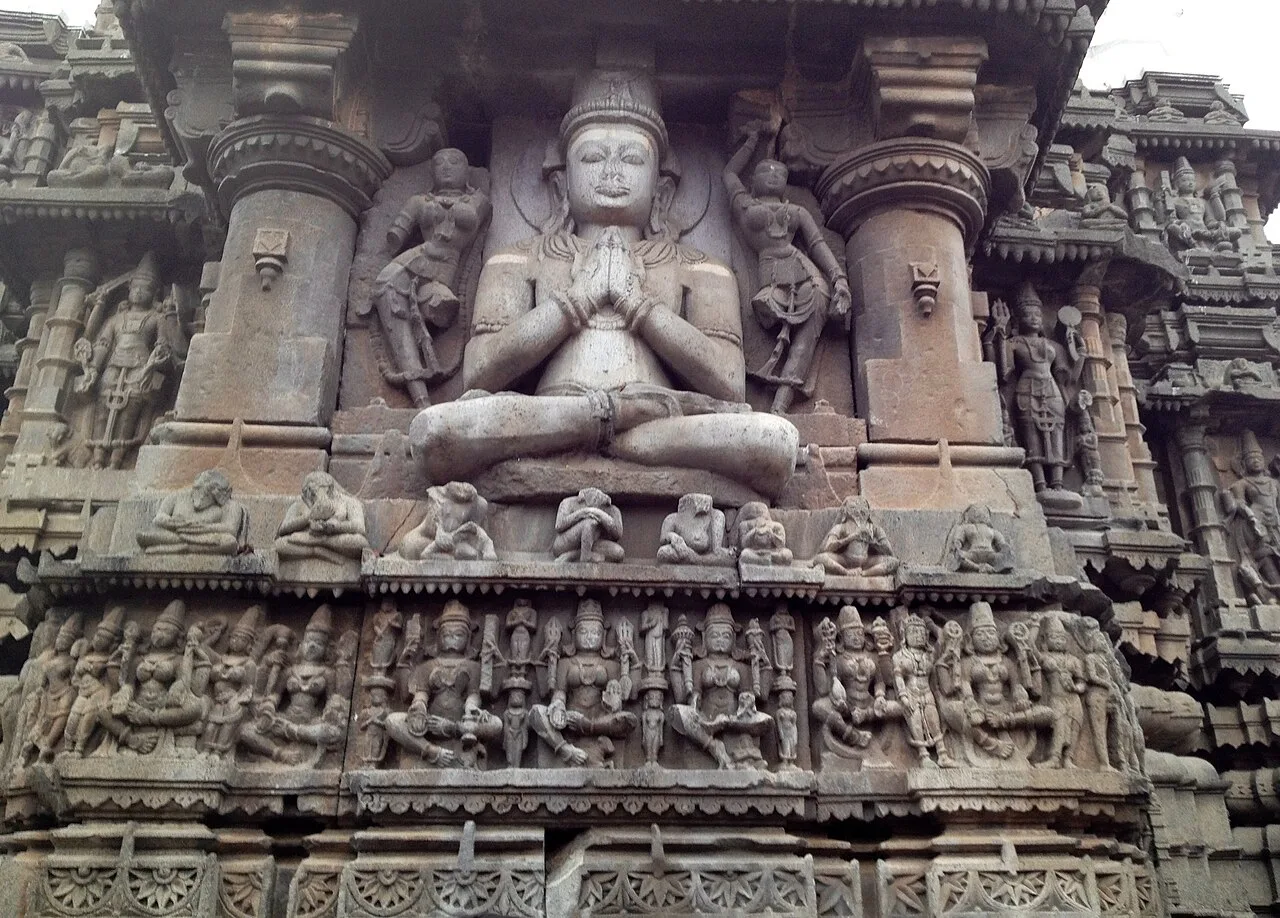
Ramtek Fort Temple

167 km away · Nagpur district

Ramtek Fort Temple

Ramtek Fort Temple is a Hindu pilgrimage site in Maharashtra, visited for its shrines on Ramtek Hill and its association with Rama and the Vakataka dynasty.

Map

Yavatmal on the map

  1. 1Sevagram Ashram
  2. 2Chikhaldara
  3. 3Deekshabhoomi
  4. 4Tadoba Andhari Tiger Reserve
  5. 5Aundha Nagnath Temple
  6. 6Melghat Tiger Reserve
  7. 7Hazur Sahib
  8. 8Ramtek Fort Temple

Maharashtra

Other cities to explore