Ghumoopedia — Explore, Discover, Experience
Sign in
Vithoba Temple, near Akluj

City guide · Maharashtra

Akluj

Akluj is a town in Malshiras tehsil, Solapur district, on the right bank of the Nira River. Its importance today comes from its role as a regional centre for farming, trade and everyday services.

Famous for

  • Akluj Fort
  • Akalai Devi temple
  • Nira River
  • Agricultural markets
  • Historic cotton trade

Why Akluj matters

Akluj is a town in Malshiras tehsil, Solapur district, on the right bank of the Nira River. Its importance today comes from its role as a regional centre for farming, trade and everyday services. Agricultural activity shapes the surrounding landscape and supports local businesses, while the town’s hospitals, shops and hotels serve residents and visitors from nearby areas.

Akluj’s appeal also lies in its history. The old fort recalls the town’s importance during the medieval and Maratha periods, and the Akalai Devi temple is a local place of worship. Visitors can explore these sites, see the Nira-side setting and experience a busy market town rather than a large tourist centre. Cotton once featured prominently in Akluj’s trade, though that activity has largely faded. Today, farming and commerce are more central to its identity. Its position between the Solapur region and western Maharashtra makes it a useful base for local journeys and a place where historical landmarks sit alongside the routines of a working agricultural town.
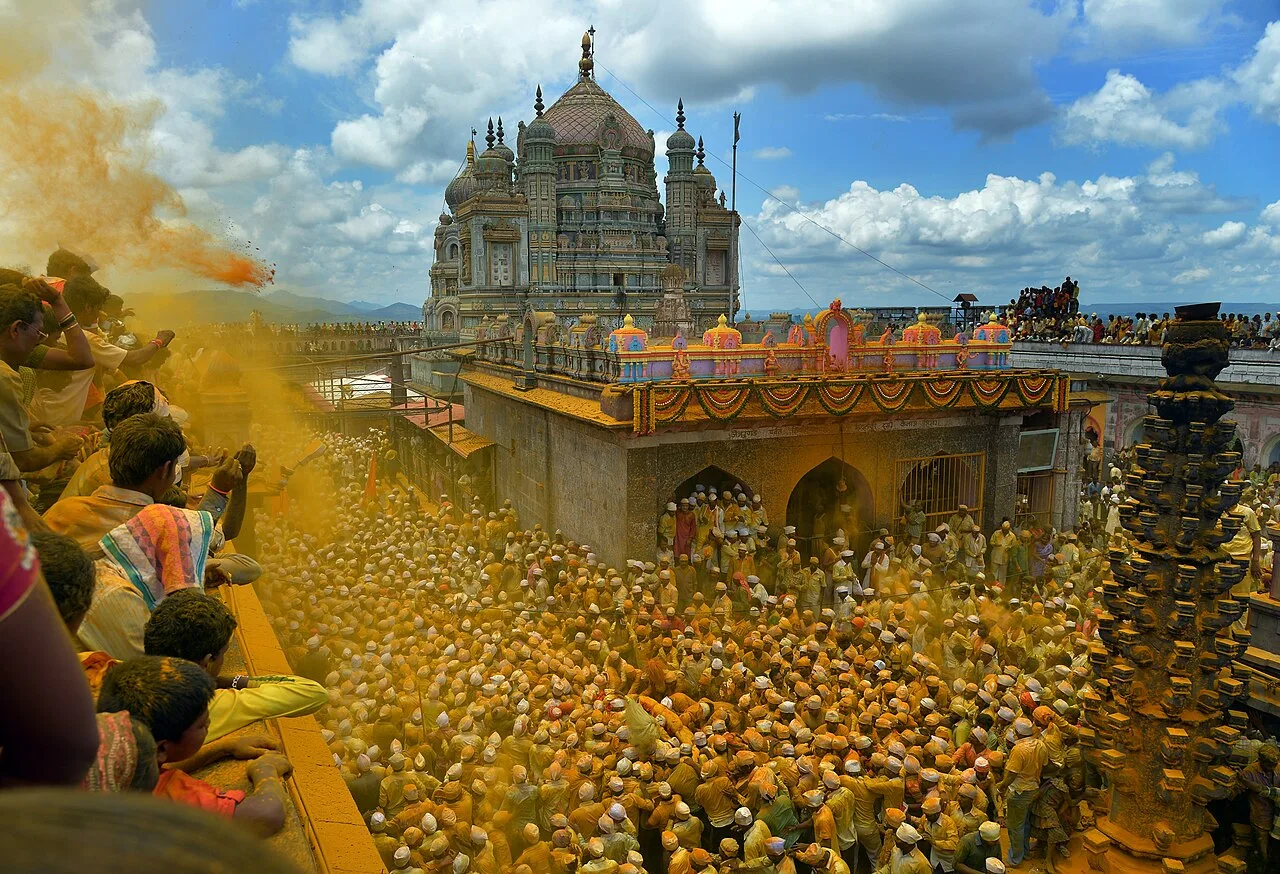
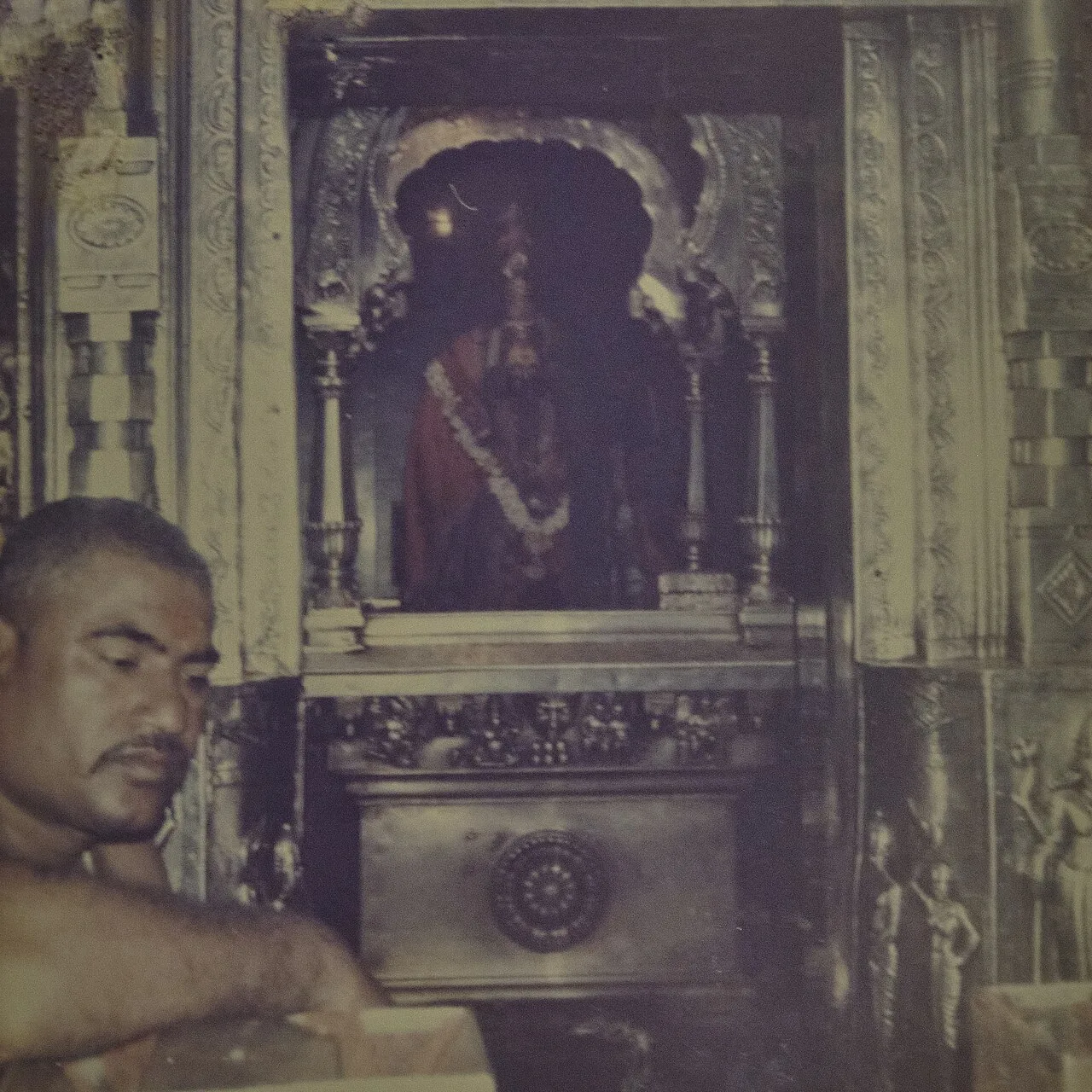
Famous for: crafts, trade & products

Akluj is best known for its agricultural surroundings and its past as a cotton-trading town. Cotton commerce has diminished, and the town is not widely associated with a distinctive textile tradition, handicraft or GI-tagged product. Its current trade is more closely connected to farming and the everyday needs of nearby communities. Farm produce and supplies are part of the local commercial landscape, although the mix varies with season and availability.

For visitors, the town’s general market and shops are the practical places to look for household goods, food and locally available produce. There is no widely established craft district or specialist souvenir market, so Akluj is better approached as a regional service and trading centre than as a shopping destination for a signature product. Small businesses have grown alongside agriculture, and local shops provide a sense of how the surrounding area works. The fort and Akalai Devi temple are notable local landmarks, but they are places to visit rather than sources of a particular craft or manufactured souvenir. Ask locally about seasonal produce and market activity during your stay.

History

Akluj’s name is commonly linked to Akalai Devi, regarded as the village deity. Local historical accounts associate the fort’s origins with Raja Singhan in the 13th century. After the Yadavas, the area came under Mughal and later British influence. During Mughal rule, Akluj was also known as Asadpur; Aurangzeb is said to have renamed it S’adnagar in 1689. Mughal officials were posted at the fort, and accounts place Diler Khan and Sambhaji there in 1679.

The fort remained relevant in the Maratha period. Peshwa Baji Rao II stayed there in 1802 after his loss of power, and British general Arthur Wellesley halted at Akluj in 1803 during his march towards Pune. The town was once a significant cotton-trading centre, but that trade has since declined. In modern times, Akluj has developed as an agricultural and commercial hub, with businesses and services expanding around its historic core. Vijaysinh Mohite-Patil, later Maharashtra’s deputy chief minister, served as the town’s sarpanch.

Food, festivals & culture

Daily life in Akluj reflects the farming communities of the Solapur region. Marathi is the principal local language; Hindi and other languages may also be heard in shops and public places. Meals commonly draw on Maharashtrian home cooking, with staples such as bhakri, vegetables, lentils and seasonal ingredients. Visitors can look for familiar regional dishes at local eateries, though menus vary and Akluj is not especially known for a single signature food or sweet.

Ganesh Chaturthi, Navratri, Diwali and Holi are observed in the town and surrounding villages, with festivities shaped by local temple and community traditions. The Akalai Devi temple is an important place of worship, and smaller temples serve neighbourhoods and nearby settlements. Bhajans and kirtan are part of devotional life; folk music and dance may feature at celebrations and community events. Akluj’s cultural character is closely tied to Marathi-speaking rural life, seasonal rhythms and the movement between town markets and surrounding farms.

Visiting the city

The most comfortable time to visit is generally October to February, when conditions are cooler and drier. September can also be pleasant after the monsoon. Summer heat can be intense, while the rains bring changing road and river conditions. Pune International Airport is the main practical air gateway for many visitors, with the onward journey made by road. Pandharpur railway station is a nearby railhead; check current services and onward transport before travelling.

Akluj is best explored by road. Auto-rickshaws and local taxis can help with trips around town, while a car is useful for visiting sites beyond the centre. Allow time for Akluj Fort, the Akalai Devi temple, the Nira riverbank and the town market. The central market area offers a view of everyday commercial life, while the fort and temple provide a more historical and devotional focus.

Trips from the city

Nearest places to visit from Akluj

Our closest destination guides, by straight-line distance.

Vithoba Temple

41 km away · Solapur district

Vithoba Temple

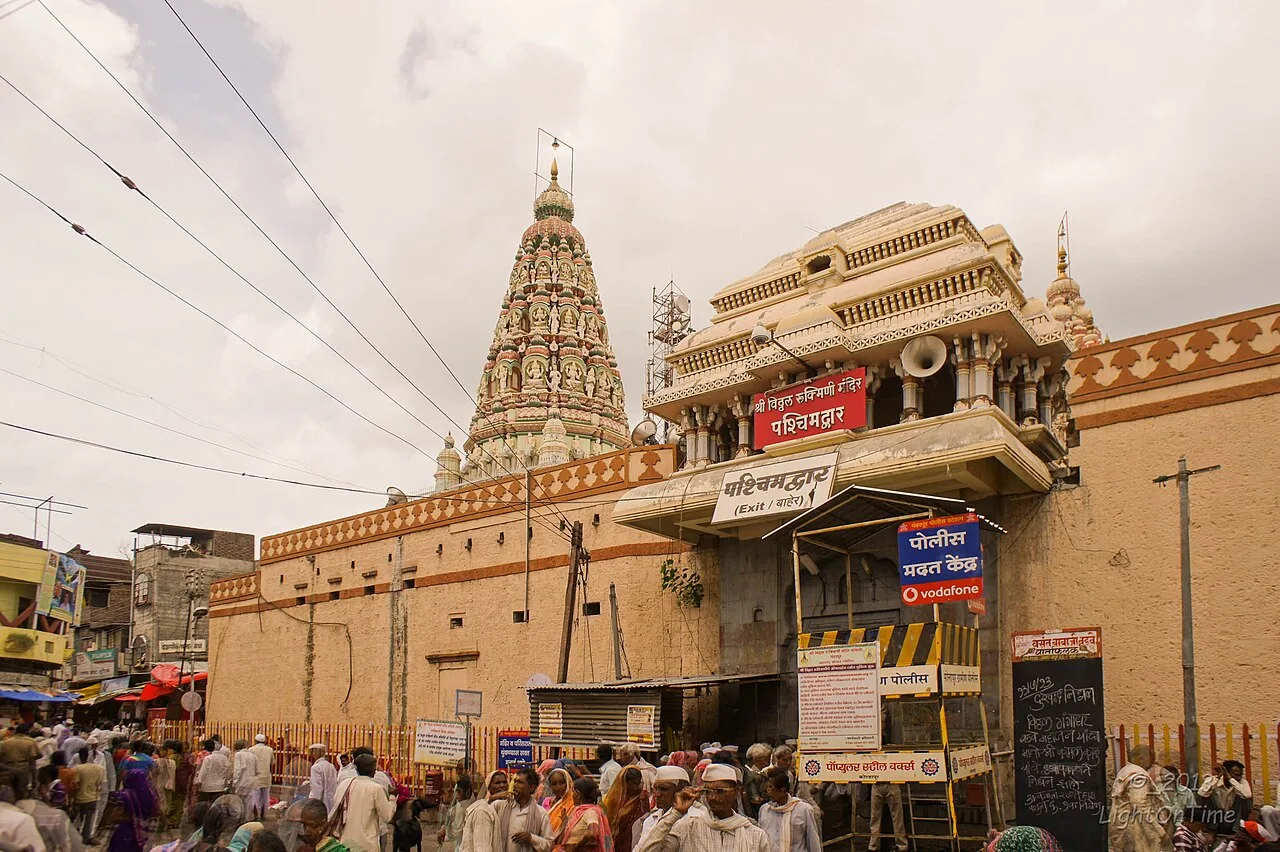
The Vithoba Temple, also called Shri Vitthal-Rukmini Mandir, is a Hindu shrine in Pandharpur, Maharashtra. Devotees visit to worship Vithoba and Rakhumai and join major Warkari pilgrimages.

Jejuri

100 km away · Pune district

Jejuri

Jejuri, a city with a municipal council in Pune district, Maharashtra, is known for the Khandoba Mandir, an important Hindu pilgrimage site for communities across the state.

Tulja Bhavani Temple

118 km away · Dharashiv district

Tulja Bhavani Temple

Tulja Bhavani Temple is a 12th-century shrine to goddess Bhavani in Tuljapur, Maharashtra. It is counted among India’s 51 Shakti Pithas and the state’s four major Shakti shrines.

Kaas Plateau

128 km away · Satara district

Kaas Plateau

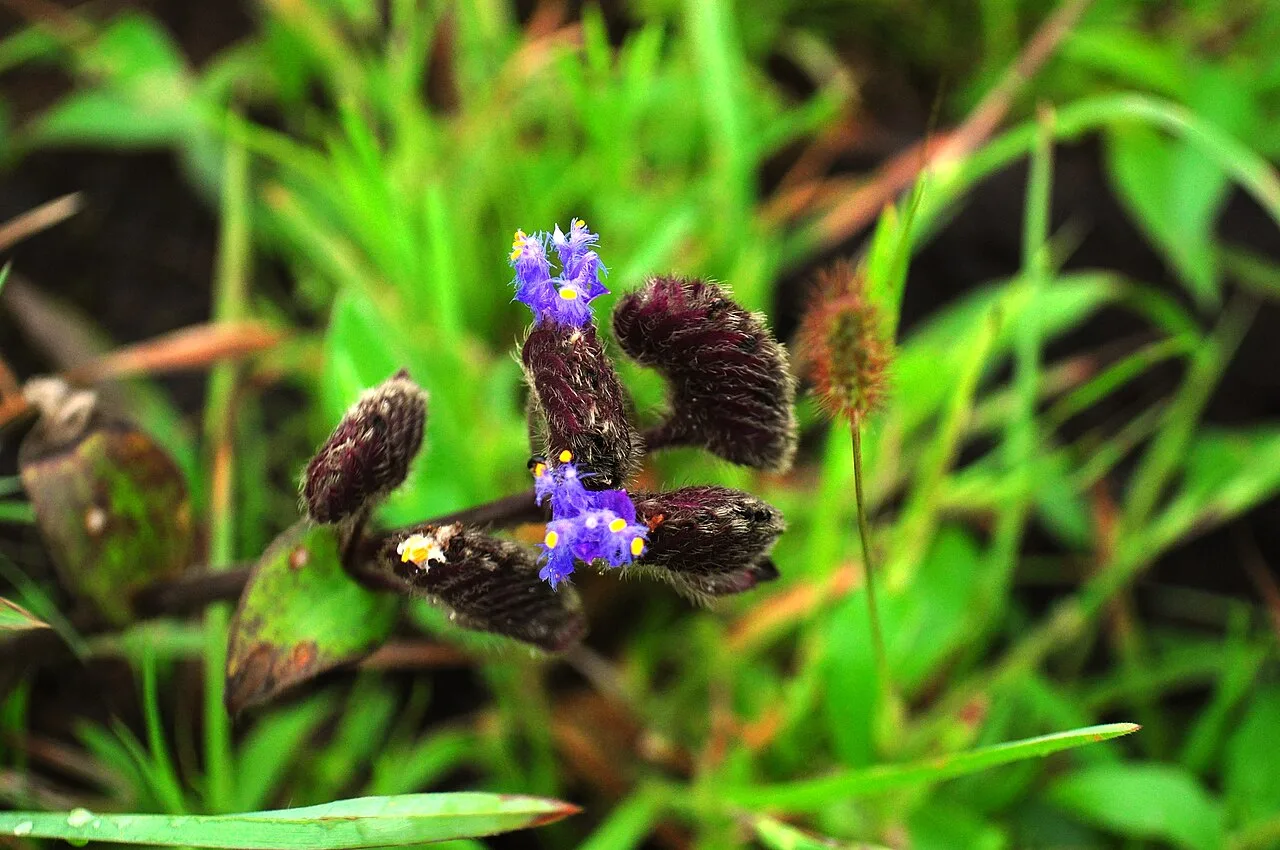
Kaas Plateau is a high basalt tableland and reserve forest in Maharashtra’s Satara district. Its seasonal wildflowers, endemic butterflies and distinctive plants make it a destination for nature visits, especially in August and September.

Panchgani

129 km away · Satara district

Panchgani

Panchgani, also known as Paachgani, is a hill station in Maharashtra’s Satara district with municipal-council status. Visitors come throughout the year, and its many convent boarding schools are also well known.

Thoseghar Falls

129 km away · Satara district

Thoseghar Falls

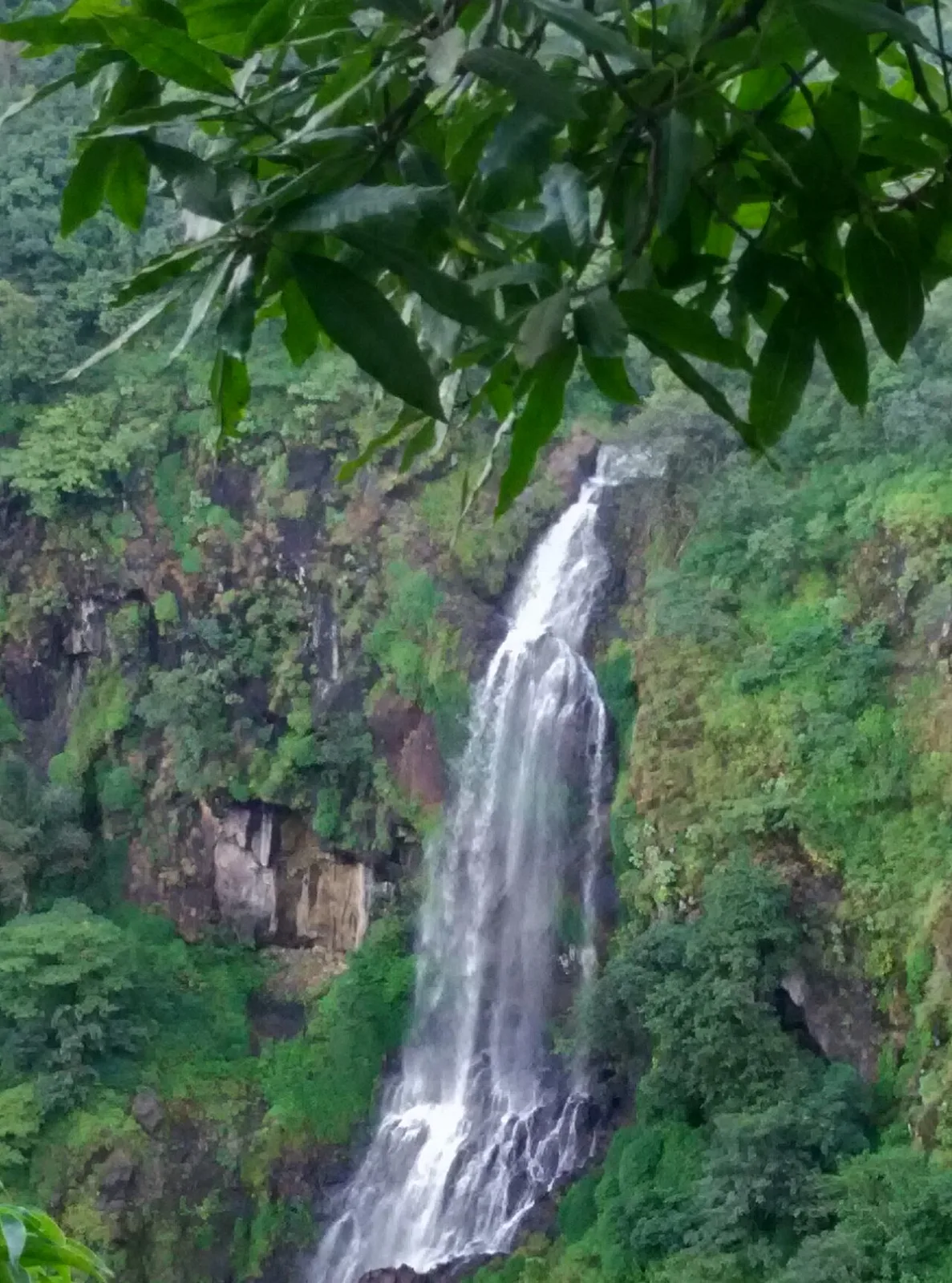
Thoseghar Falls is a series of cascades near Thoseghar village in Maharashtra’s Satara district. Visitors come to see the waterfalls, especially during the monsoon, when rainfall swells their flow.

131 km away · Ahilyanagar district

Ralegan Siddhi

Ralegan Siddhi is a village in Maharashtra’s Ahmednagar District, noted for environmental conservation and renewable energy. Travellers may visit to see its measures for protecting soil, retaining rainwater and generating local power.

133 km away · Satara district

Bhilar (Book Village)

Bhilar is a village in Maharashtra’s Satara district, known as the Book Village. Visitors may be drawn by its distinctive association with books.

Map

Akluj on the map

  1. 1Vithoba Temple
  2. 2Jejuri
  3. 3Tulja Bhavani Temple
  4. 4Kaas Plateau
  5. 5Panchgani
  6. 6Thoseghar Falls
  7. 7Ralegan Siddhi
  8. 8Bhilar (Book Village)

Maharashtra

Other cities to explore