Ghumoopedia — Explore, Discover, Experience
Sign in
Ajanta Caves, near Bhokardan

City guide · Maharashtra

Bhokardan

Bhokardan is a town in Maharashtra’s Jalna district whose importance rests on a long history and its continuing role as a local administrative centre. It is identified with Bhogavardhana, an ancient settlement associated with the trade routes linking central India with Pratishthana, the Satavahana capital.

Famous for

  • Ancient Bhogavardhana
  • Satavahana-era archaeology
  • Historic trade connections
  • Kelana river setting

Why Bhokardan matters

Bhokardan is a town in Maharashtra’s Jalna district whose importance rests on a long history and its continuing role as a local administrative centre. It is identified with Bhogavardhana, an ancient settlement associated with the trade routes linking central India with Pratishthana, the Satavahana capital. Archaeological finds point to a once-active centre of craft production and exchange, making the town of interest to visitors curious about the Deccan’s early history.

The old settlement stands on low hills beside the Kelana river, and remnants of its fortifications can still be seen around the town. The former fort area now accommodates tehsil offices, giving this historic core a present-day civic role. Bhokardan is not a large, developed heritage destination, so visits are best approached as a chance to see its historic setting and learn about the region’s past rather than expect a curated archaeological complex. Its combination of ancient associations, visible traces of the old town and everyday life in rural Maharashtra gives it a distinctive place in the district.
Famous for: crafts, trade & products

Bhokardan is best known for its archaeological past rather than for a widely recognised textile, saree or handicraft industry. Excavations at an ancient settlement near the town uncovered coins, seals, pottery, beads and objects made from materials including ivory, shell and glass. Finds associated with ivory carving have drawn particular scholarly interest because they point to connections between Deccan workshops and long-distance trade. Many of the excavated objects, including an ivory female figure, are preserved at the history museum of Dr. Babasaheb Ambedkar Marathwada University in Chhatrapati Sambhajinagar; visitors should check locally before planning a museum visit.

There is no established, widely documented Bhokardan GI-tagged product or signature craft market to seek out. The town’s shops and local markets mainly serve residents’ everyday needs, and visitors can browse them for ordinary household goods and regional provisions rather than a specialised souvenir. For locally made crafts or products, ask shopkeepers about current availability; stock and makers may vary. Bhokardan’s strongest connection to production is historical: its excavated beads and ivory objects suggest that craftwork once formed part of a broader trading economy.

History

Bhokardan is identified by historians with Bhogavardhana, an ancient settlement mentioned in literary and inscriptional traditions. It lay on a route between Ujjayini and Pratishthana and was among the important towns of the Satavahana period. References to donations by people associated with the city at the Buddhist sites of Bharhut and Sanchi reflect its place in wider religious and commercial networks. Excavations begun after the discovery of ancient mounds in 1958, and further work in 1973–74, revealed remains from early and later Satavahana as well as post-Satavahana occupation.

The town’s importance declined after the Satavahanas, and its medieval history is less well documented. In the later Peshwa period it came under the Nizam of Hyderabad. Bhokardan remained part of Hyderabad State until its integration into India in 1948. Following the reorganisation of states, it became part of Maharashtra in 1960. Ruins of the old fortifications survive, while the former fort area now serves as the location of tehsil offices.

Food, festivals & culture

Everyday life in Bhokardan reflects the wider culture of the Marathwada region. Marathi is the principal language, while Hindi and Urdu may also be heard. Local meals typically draw on familiar Maharashtrian home cooking, with bhakri, pithla, lentils, rice and seasonal vegetables among the kinds of food visitors may encounter. Sweets and festive dishes vary by household and occasion; the town is not especially known for a distinct regional sweet or a signature food product.

Ganeshotsav is celebrated during the monsoon season, while Diwali falls in autumn and Holi near the end of winter. Makar Sankranti, usually in January, is another seasonal observance. The scale and customs of celebrations vary across neighbourhoods and families. Temples and mosques serve local communities, and worship and festivals are part of the town’s daily and seasonal rhythms. There is no widely documented local performance tradition that defines Bhokardan; music and celebrations are more closely connected to religious events, family gatherings and regional popular culture.

Visiting the city

The cooler months, roughly October to February, are generally the most comfortable time to visit. Summers can be hot, while monsoon travel may bring rain. The nearest airport with regular regional connections is Chhatrapati Sambhajinagar Airport. Jalna Railway Station is a principal railhead for reaching the area; onward travel to Bhokardan is by road. Confirm current road and rail connections before setting out.

Auto-rickshaws and local taxis can help with short trips, though availability may vary. The old town around the former fort and tehsil offices is a good place to start, with the Kelana riverbank offering a sense of the settlement’s landscape. Ask locally about access to the archaeological mounds: they are historic sites, but should not be assumed to operate as visitor facilities. Bhokardan also works as a quiet stop while exploring towns and heritage sites in the wider Jalna region.

Trips from the city

Nearest places to visit from Bhokardan

Our closest destination guides, by straight-line distance.

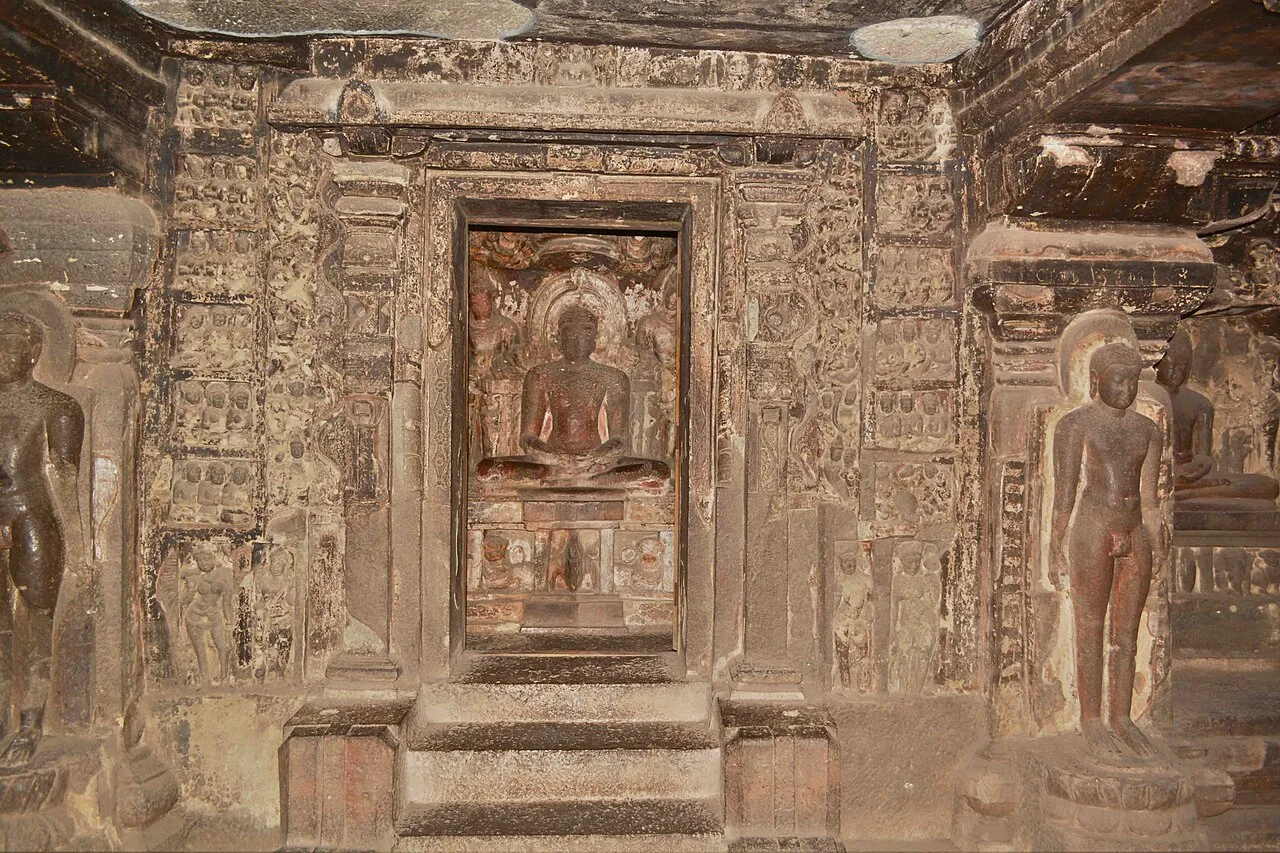
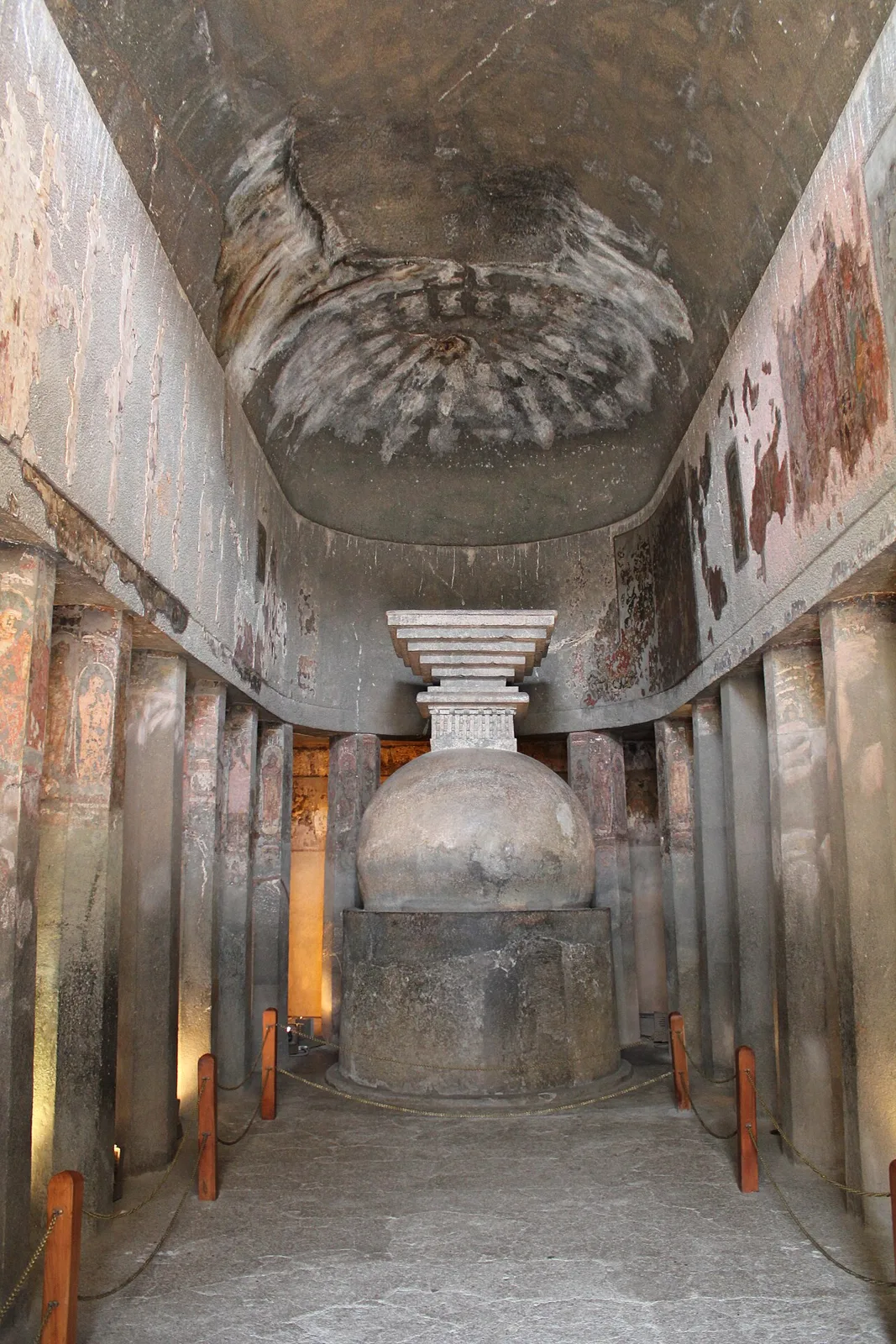
Ajanta Caves

34 km away · Chhatrapati Sambhajinagar district

Ajanta Caves

Ajanta is a group of 30 Buddhist caves in Maharashtra, known for its ancient paintings, sculptures and religious architecture. Visitors come to explore the site’s artistic and monastic heritage.

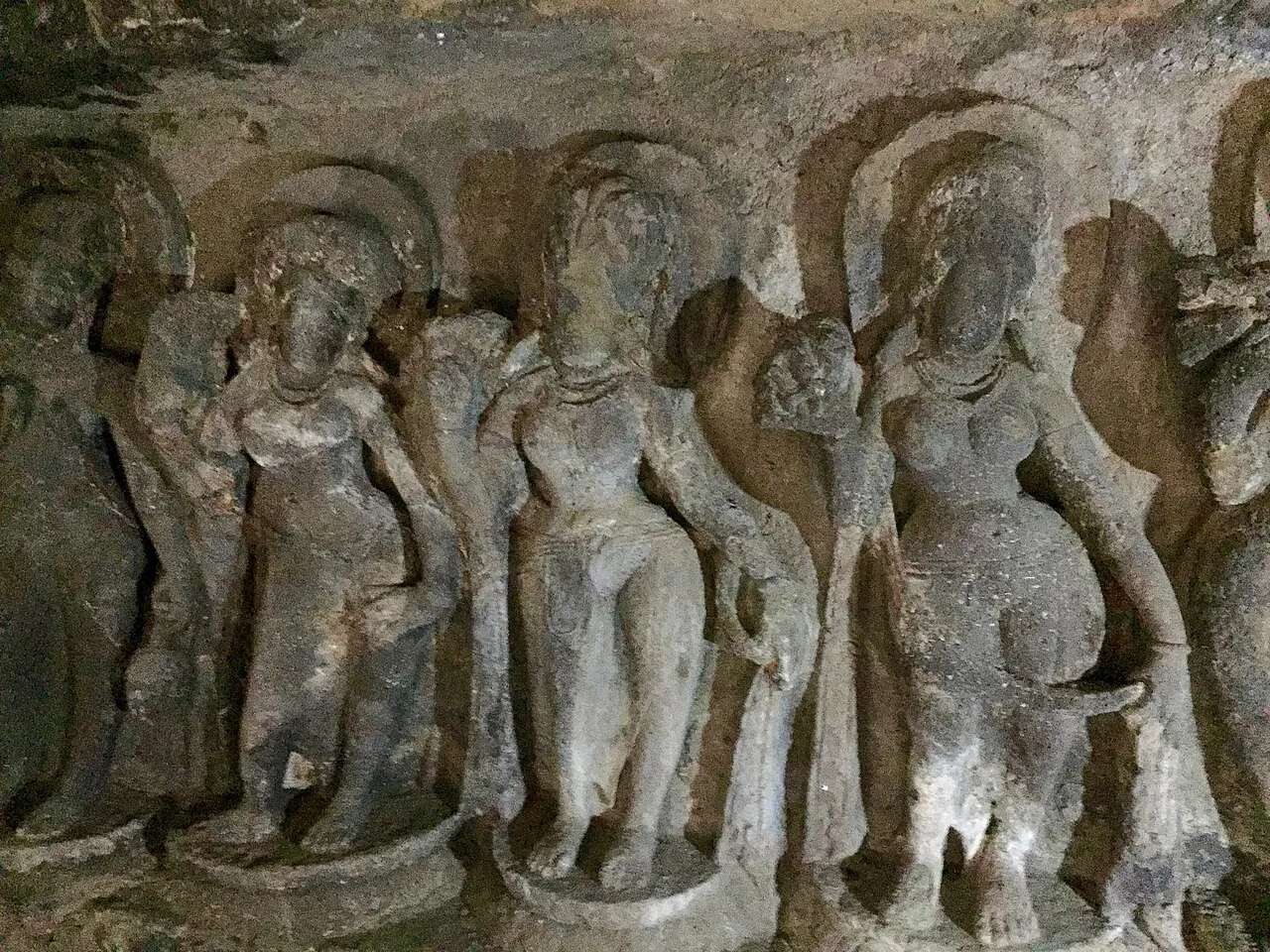
Aurangabad Caves

61 km away · Chhatrapati Sambhajinagar district

Aurangabad Caves

Near Aurangabad in Maharashtra, this hill complex contains twelve Buddhist sanctuaries excavated in basalt. Visitors explore its cave architecture and carvings, which represent several Buddhist traditions and include a range of deities.

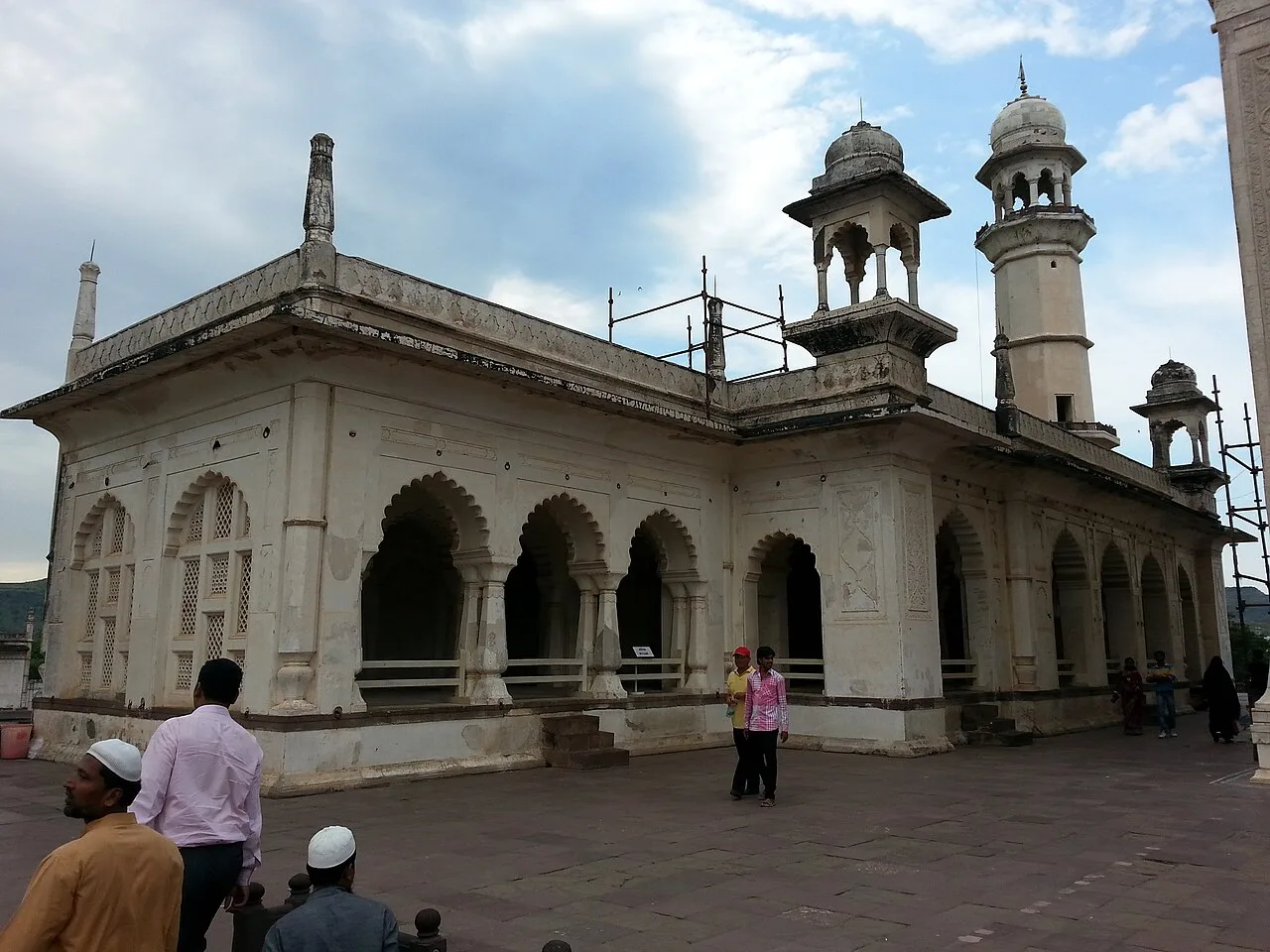
Bibi Ka Maqbara

61 km away · Chhatrapati Sambhajinagar district

Bibi Ka Maqbara

Bibi Ka Maqbara is a Mughal mausoleum in Aurangabad, Maharashtra, built for Dilras Banu Begum. Visitors come to see its resemblance to the Taj Mahal and its place in the region’s history.

Ellora Caves

67 km away · Chhatrapati Sambhajinagar district

Ellora Caves

Ellora, in Maharashtra’s Chhatrapati Sambhajinagar district, is a UNESCO World Heritage Site. Visitors explore its Hindu, Buddhist and Jain monuments, including the remarkable Kailash temple carved from rock.

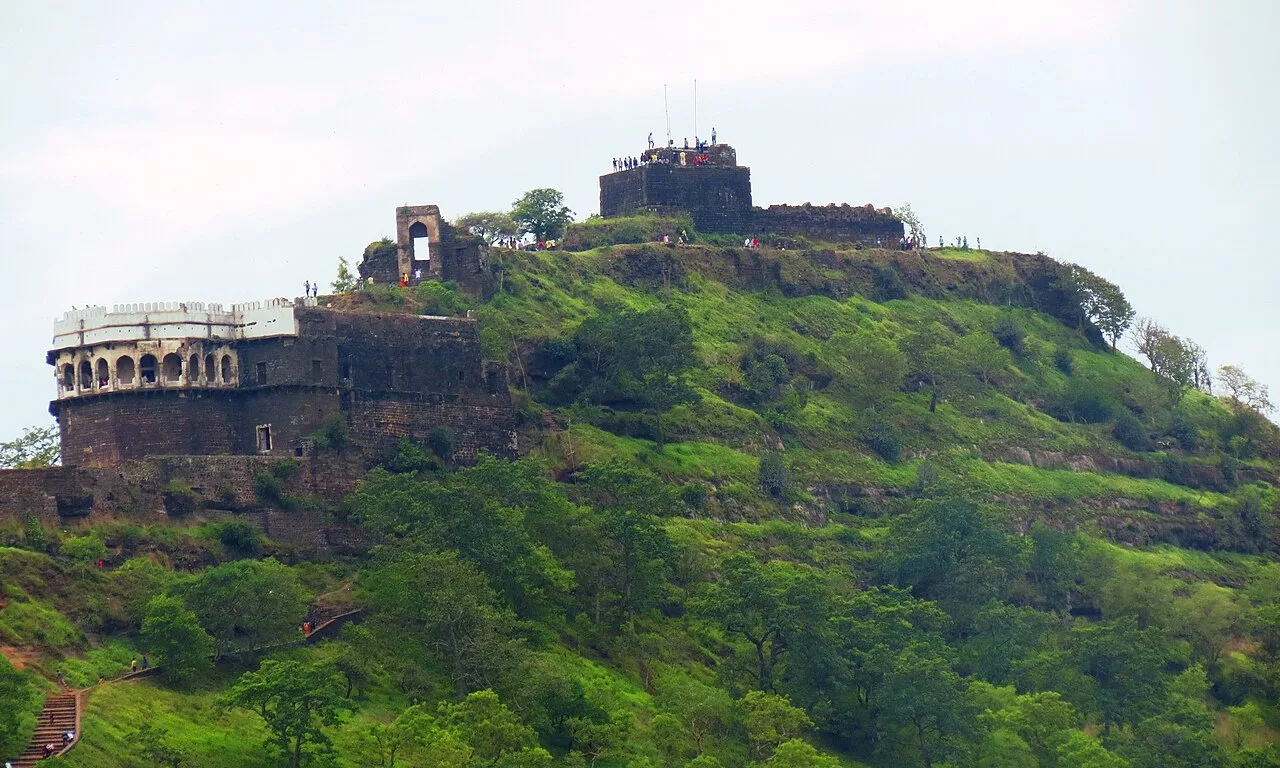
Daulatabad Fort

68 km away · Chhatrapati Sambhajinagar district

Daulatabad Fort

Daulatabad Fort is a historic stronghold in Maharashtra, first known as Devagiri. Visitors explore its history as a Yadava seat, briefly a Delhi Sultanate capital, and later an Ahmadnagar centre.

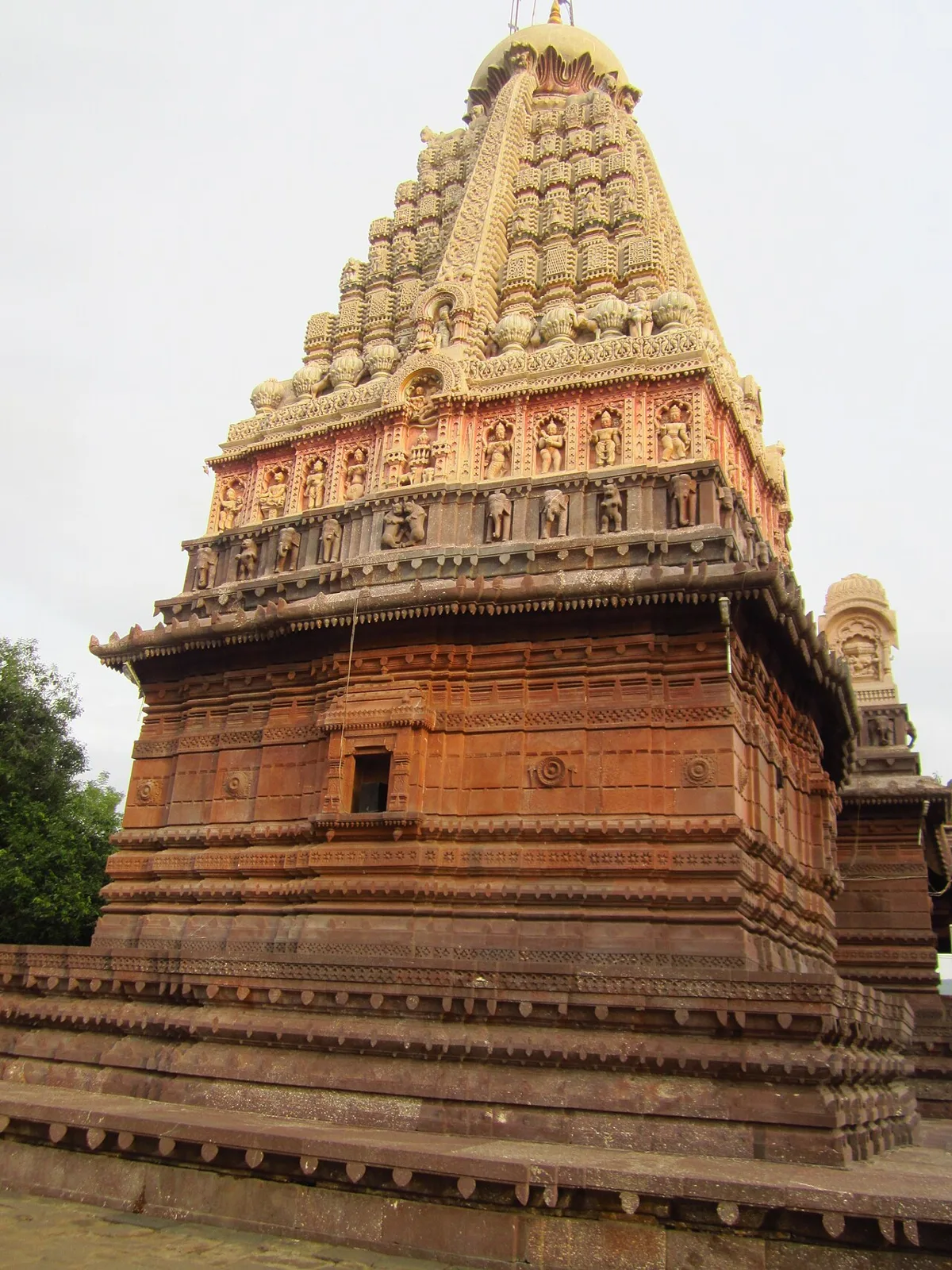
Ghrishneshwar Temple

68 km away · Chhatrapati Sambhajinagar district

Ghrishneshwar Temple

Ghrishneshwar Temple is a Shiva shrine in Verul, Maharashtra, and one of the twelve Jyotirlingas. Visitors come to worship Shiva at this nationally protected temple.

Lonar Lake

83 km away · Buldhana district

Lonar Lake

Lonar Lake is a saline, soda-rich lake in Maharashtra’s Buldhana district, set within a meteorite-impact crater. Visitors come to see its unusual geological formation and recognised conservation status.

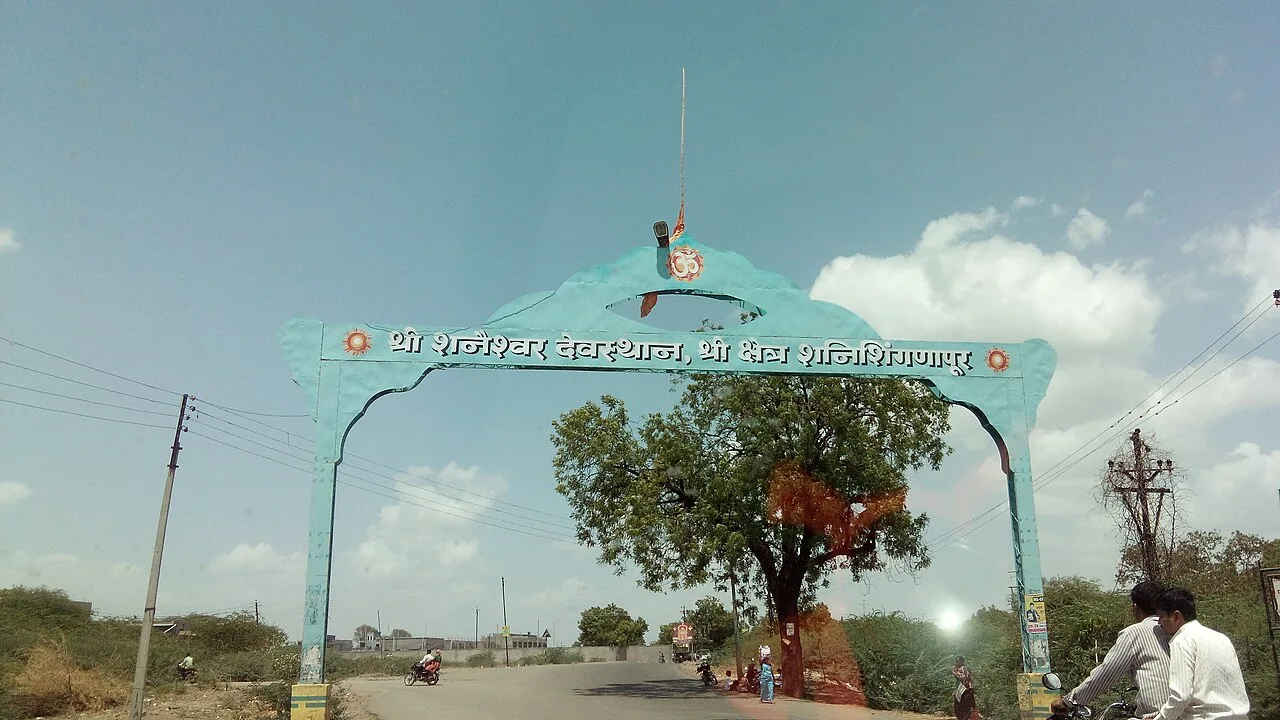
Shani Shingnapur

138 km away · Ahilyanagar district

Shani Shingnapur

In Maharashtra, Shani Shingnapur is a village visited for its temple to Shani, the Hindu deity linked to the graha Saturn.

Map

Bhokardan on the map

  1. 1Ajanta Caves
  2. 2Aurangabad Caves
  3. 3Bibi Ka Maqbara
  4. 4Ellora Caves
  5. 5Daulatabad Fort
  6. 6Ghrishneshwar Temple
  7. 7Lonar Lake
  8. 8Shani Shingnapur

Maharashtra

Other cities to explore