Ghumoopedia — Explore, Discover, Experience
Sign in
Jyotiba Temple, near Tasgaon

City guide · Maharashtra

Tasgaon

Tasgaon is an agricultural town in Sangli district, best known for grape cultivation and raisin production. Its vineyards and produce trade connect it with the wider economy of southern Maharashtra, while agro-based businesses add to its role as a local commercial centre.

Famous for

  • Tasgaon grapes
  • Raisin production
  • Historic Ganpati Temple
  • Siddheshwar Temple
  • Patwardhan heritage

Why Tasgaon matters

Tasgaon is an agricultural town in Sangli district, best known for grape cultivation and raisin production. Its vineyards and produce trade connect it with the wider economy of southern Maharashtra, while agro-based businesses add to its role as a local commercial centre. It is also the administrative headquarters of Tasgaon Taluka, serving nearby villages with markets and public services.

Visitors come for the town’s historic Ganpati Temple, its older religious sites and the chance to see a landscape shaped by viticulture. The temple reflects Tasgaon’s Patwardhan-era heritage; the surrounding region offers a glimpse of farming and seasonal grape activity. Tasgaon is not principally known for textiles or handicrafts: its strongest identity is agricultural, especially its grapes and raisins. Marathi is the main language of daily life, and local festivals bring worshippers and residents together at temples and in the town centre. Tasgaon’s combination of farm-based trade, regional administration and Maratha history gives it importance beyond its modest urban footprint.

Famous for: crafts, trade & products

Tasgaon’s best-known products are fresh grapes and raisins. Vineyards around the town supply local trade, while raisin processing turns part of the harvest into a product that can be stored and transported. The town’s market areas and agricultural produce yards are the most practical places to see the trade at work; seasonal fruit shops and sellers offer grapes when they are in season. Visitors interested in viticulture can look for farms on the outskirts, although access and harvest activity vary by season.

Tasgaon is not widely identified with a distinctive saree, textile tradition or handicraft industry, and its local reputation is primarily tied to agriculture rather than craft production. Agro-based businesses and produce trading support the local economy. The town’s products are part of the broader agricultural commerce of Sangli district, but visitors should not assume that a particular Tasgaon product carries a geographical indication. For a sense of the town’s commercial life, explore the central market streets and produce-trading areas, where everyday retail and farm commerce meet.

History

Tasgaon’s past reaches back to the Yadava period: a copper-plate inscription associated with the reign of Krishna (Krishnadeva) records the settlement’s early importance. In 1758, the French traveller Anquetil du Perron described Tasgaon as a fortified town with walls, towers and a moat.

The town’s best-known historic chapter began when Narayanrao Peshwa granted Tasgaon as a jagir to Parshuram Bhau Patwardhan in 1774. The Tasgaon Sansthan was formalised in 1808 under the Patwardhan dynasty. Parshuram Bhau initiated the Ganpati Temple in 1779, and his son Appa Patwardhan completed it in 1799. British rule brought the end of the sansthan: it was annexed in 1848 under the Doctrine of Lapse, during Ganpatrao Patwardhan’s rule. After independence, Tasgaon became part of South Satara district in 1949; the district was renamed Sangli in 1960. Its later growth has been closely linked to agriculture, grape cultivation and local administration.

Food, festivals & culture

Marathi is the everyday language of Tasgaon, and local life reflects the traditions of southern Maharashtra. Ganeshotsav is especially meaningful because of the town’s historic Ganpati Temple; celebrations typically fall in the monsoon season. Diwali in autumn, Gudi Padwa in spring, and Navratri and Dussehra in autumn are also observed, with worship and community gatherings centred on homes and temples. The Siddheshwar Temple is another important place of worship.

The local table draws on familiar Maharashtrian cooking: jowar bhakri, pithla or zunka, seasonal vegetables and spicy curries are common regional fare. Grapes are a distinctive local fruit, and raisins feature in shops and household cooking. Visitors can look for these foods in everyday eateries and market shops rather than expecting a single signature restaurant dish. Bhajan, devotional singing and music at religious events form part of the town’s cultural life; celebrations may also include community performances and processions. Customs and menus vary between households and across the seasons.

Visiting the city

The cooler months, roughly November to February, are generally the most comfortable time to visit. Summers can be very hot, while the June–September monsoon brings most of the region’s rain. Kolhapur Airport is the nearest commonly used airport for Tasgaon. Tasgaon has its own railway station; Miraj Junction is the principal rail hub for the surrounding area and offers wider connections.

Within town, auto-rickshaws and local buses are useful for getting around, while a hired vehicle can help with visits to vineyards and nearby villages. Begin around the central Ganpati Temple and market streets, then visit Siddheshwar Temple. The produce-trading areas are lively during the day, and the outskirts provide a view of the grape-growing landscape. Farm visits should be arranged locally, as access depends on the property and season.

Trips from the city

Nearest places to visit from Tasgaon

Our closest destination guides, by straight-line distance.

Jyotiba Temple

53 km away · Kolhapur district

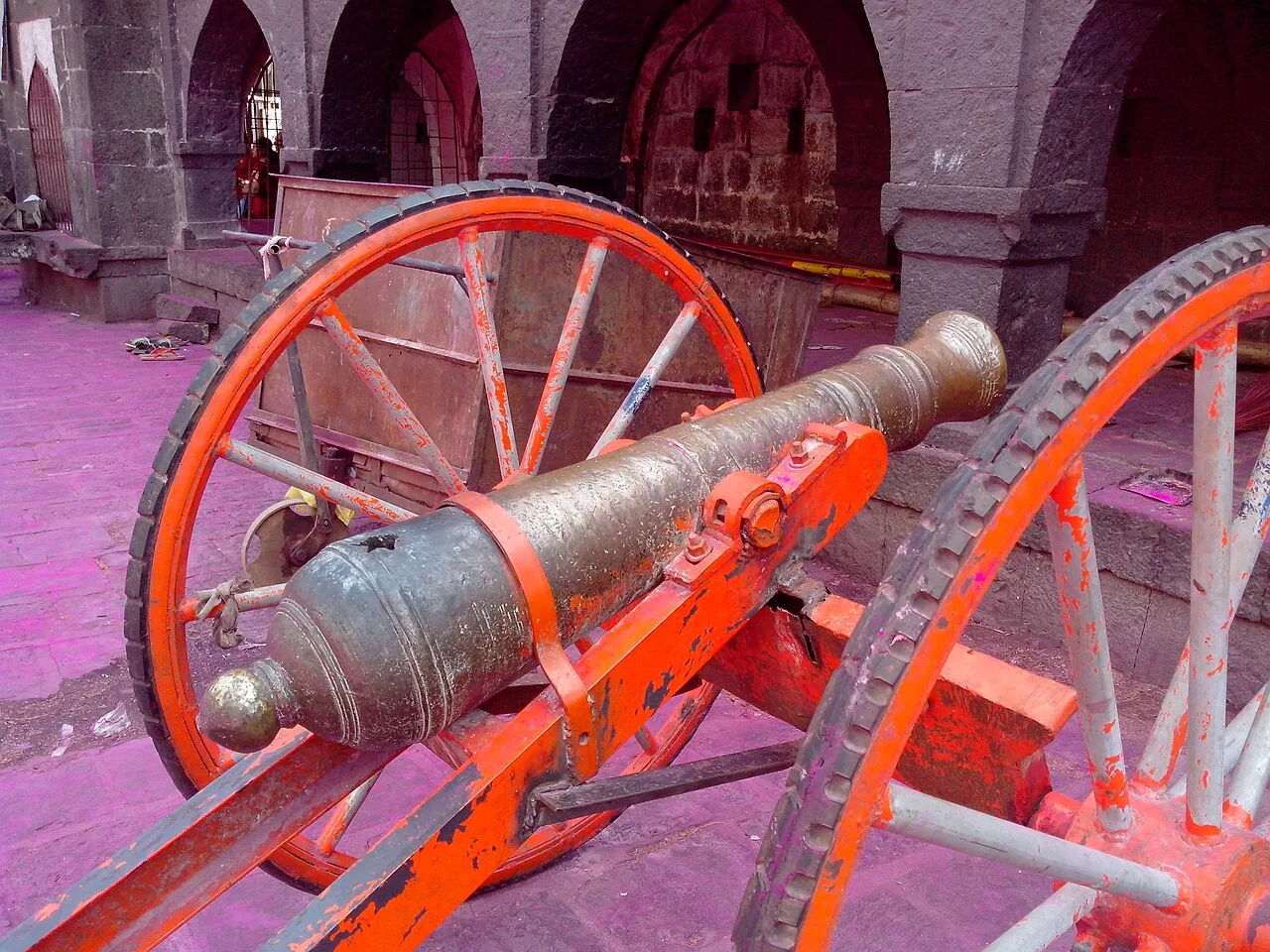
Jyotiba Temple

Near Wadi Ratnagiri in Maharashtra’s Kolhapur district, Jyotiba Temple is a Hindu place of worship. People visit the shrine and its annual fair, held at full moon in Chaitra and Vaishakha.

Mahalakshmi Temple, Kolhapur

54 km away · Kolhapur district

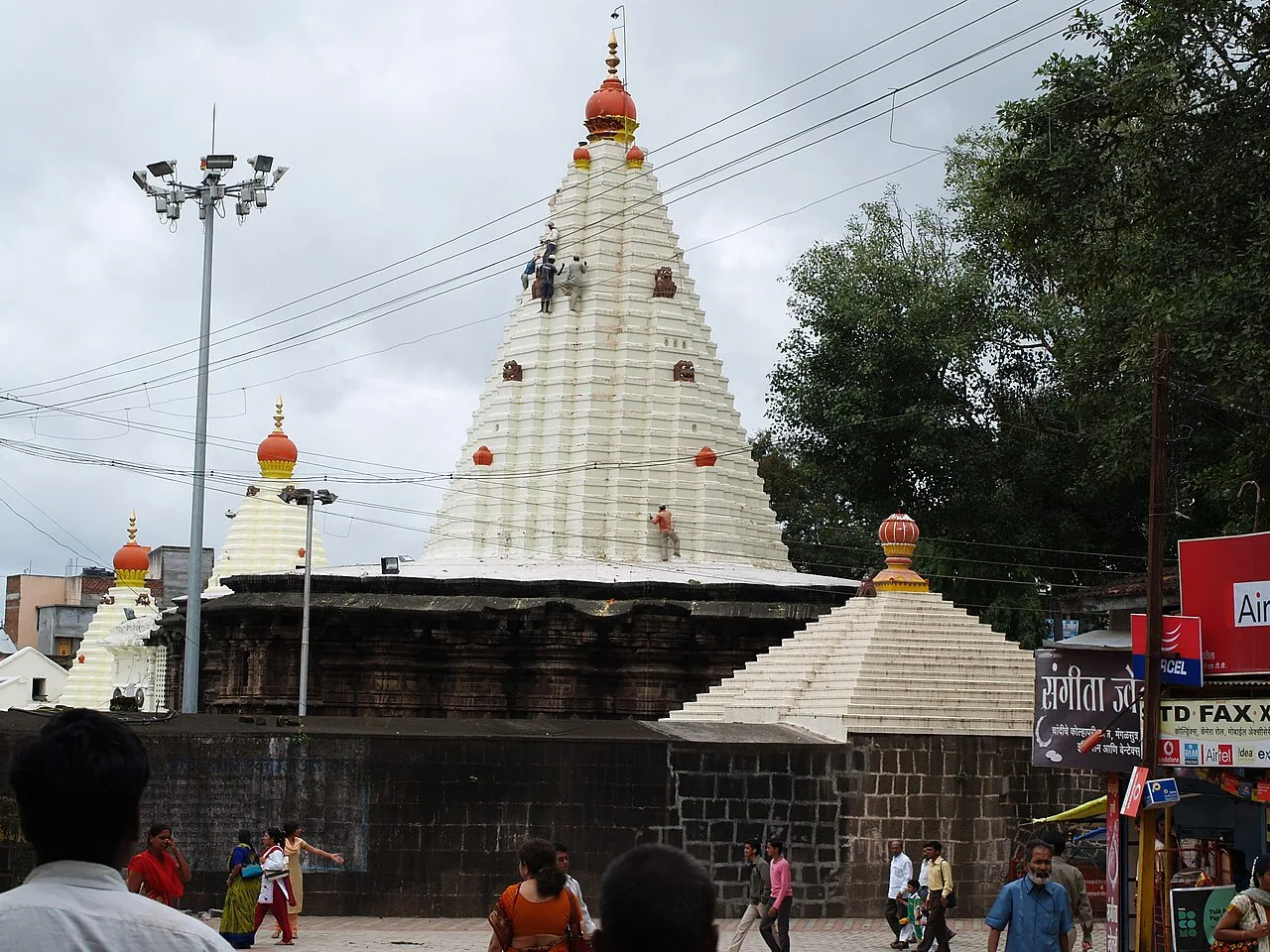
Mahalakshmi Temple, Kolhapur

The Mahalakshmi Temple, also called Ambabai Mandir, is a shrine in Kolhapur district, Maharashtra, dedicated to Goddess Mahalakshmi and visited as part of Hindu pilgrimage.

Rankala Lake

57 km away · Kolhapur district

Rankala Lake

Rankala Lake is a freshwater lake in Kolhapur, Maharashtra. Visitors can come to see a lake within the city and spend time beside its waters.

Panhala Fort

58 km away · Kolhapur district

Panhala Fort

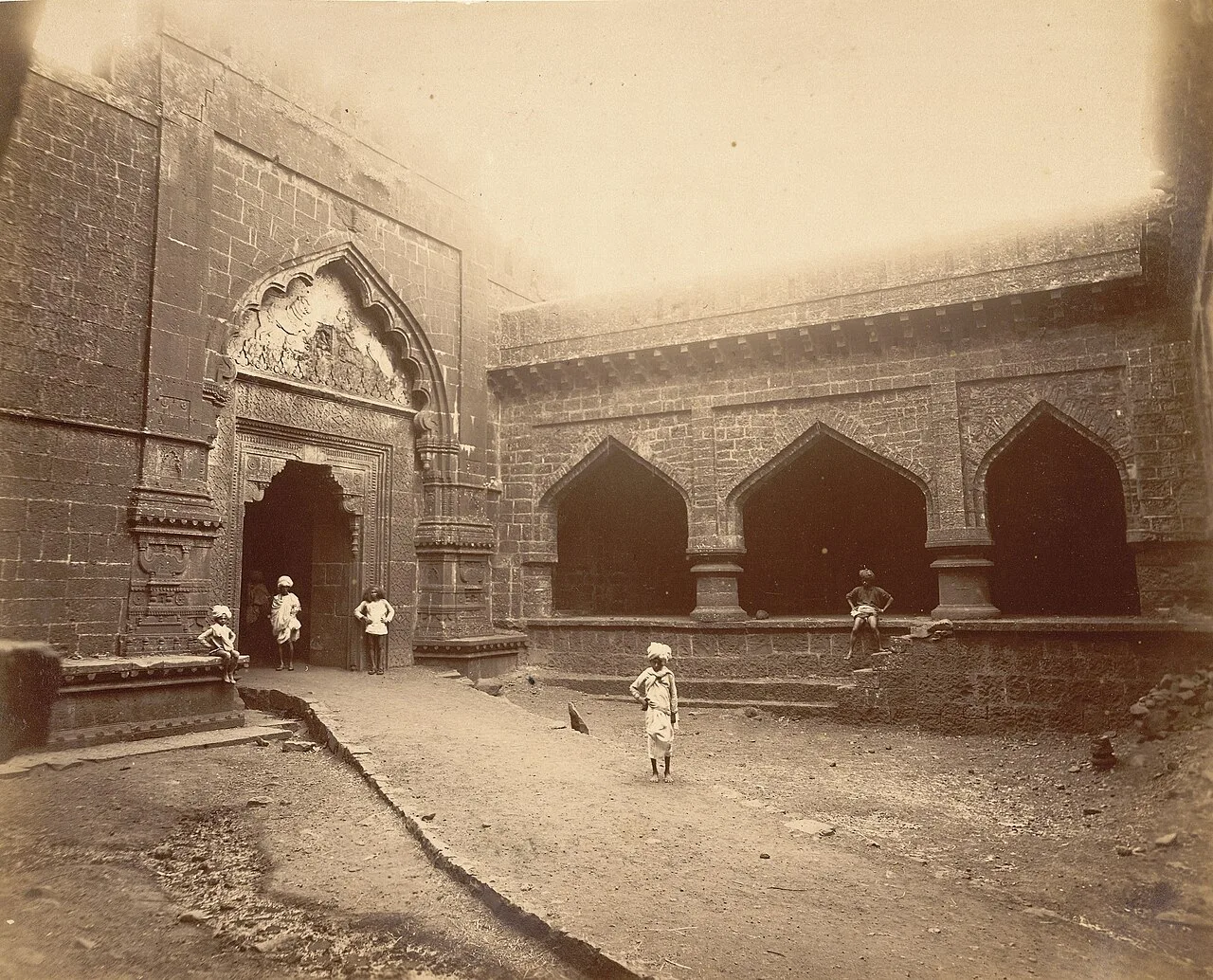
Panhala Fort is a hilltop stronghold in Kolhapur district, Maharashtra, overlooking a Western Ghats pass. Visitors come to see its surviving structures and explore its connections with Deccan conflicts and Tarabai.

Thoseghar Falls

102 km away · Satara district

Thoseghar Falls

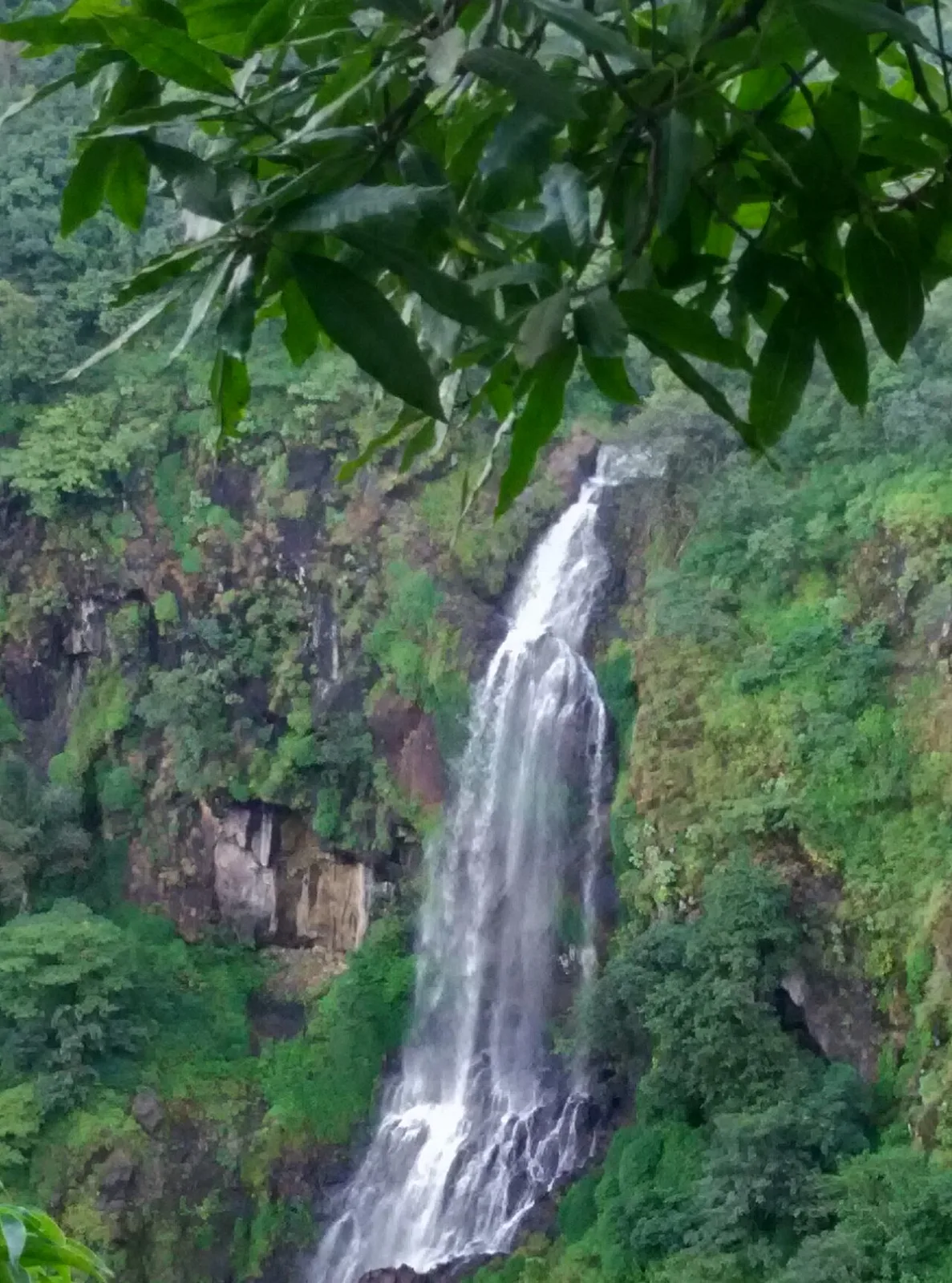
Thoseghar Falls is a series of cascades near Thoseghar village in Maharashtra’s Satara district. Visitors come to see the waterfalls, especially during the monsoon, when rainfall swells their flow.

Vithoba Temple

105 km away · Solapur district

Vithoba Temple

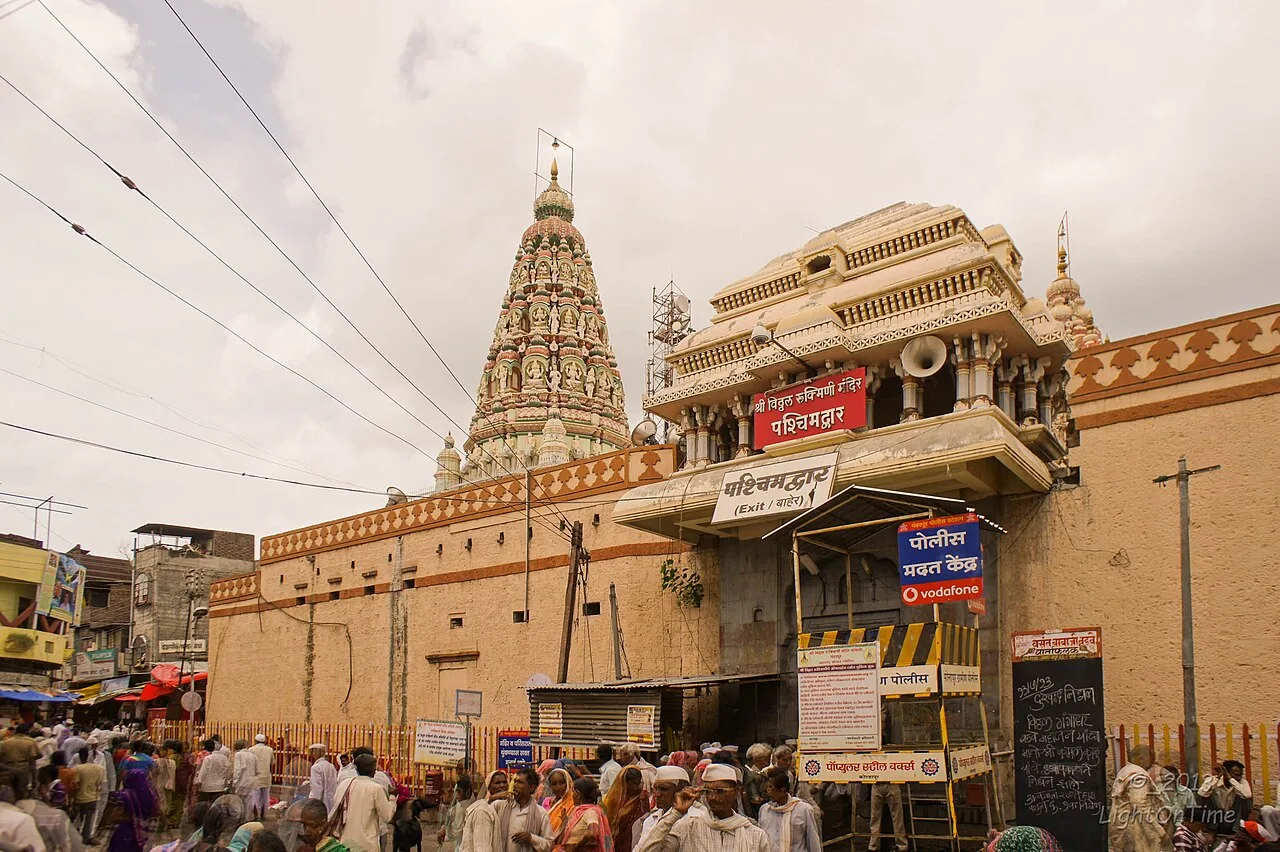
The Vithoba Temple, also called Shri Vitthal-Rukmini Mandir, is a Hindu shrine in Pandharpur, Maharashtra. Devotees visit to worship Vithoba and Rakhumai and join major Warkari pilgrimages.

Kaas Plateau

112 km away · Satara district

Kaas Plateau

Kaas Plateau is a high basalt tableland and reserve forest in Maharashtra’s Satara district. Its seasonal wildflowers, endemic butterflies and distinctive plants make it a destination for nature visits, especially in August and September.

Panchgani

130 km away · Satara district

Panchgani

Panchgani, also known as Paachgani, is a hill station in Maharashtra’s Satara district with municipal-council status. Visitors come throughout the year, and its many convent boarding schools are also well known.

Map

Tasgaon on the map

  1. 1Jyotiba Temple
  2. 2Mahalakshmi Temple, Kolhapur
  3. 3Rankala Lake
  4. 4Panhala Fort
  5. 5Thoseghar Falls
  6. 6Vithoba Temple
  7. 7Kaas Plateau
  8. 8Panchgani

Maharashtra

Other cities to explore