Ghumoopedia — Explore, Discover, Experience
Sign in

City guide · Maharashtra

Dhule

Dhule is a major service, transport and commercial centre in the Khandesh region of northwestern Maharashtra. Set on the banks of the Panzara River, it serves as the district headquarters and a regional base for administration, education, healthcare and industry.

Famous for

  • Khandesh textile trade
  • Power-loom and edible oil
  • Panzara River setting
  • Historic Laling heritage
  • Highway-linked regional hub

Why Dhule matters

Dhule is a major service, transport and commercial centre in the Khandesh region of northwestern Maharashtra. Set on the banks of the Panzara River, it serves as the district headquarters and a regional base for administration, education, healthcare and industry. Its location at the meeting point of important highways makes it a useful stop for journeys between parts of Maharashtra, Gujarat and Madhya Pradesh, while Dhule railway station provides a rail connection to the wider network.

The city’s economy includes textile and power-loom activity, edible-oil businesses and other manufacturing, supported by industrial areas and regional offices. Its appeal to visitors lies less in a single headline attraction than in its role as a gateway to Khandesh, its river-side setting and its layers of local and colonial-era history. Nearby Laling is associated with the area’s earlier political history. Dhule’s mix of old neighbourhoods, busy commercial streets and expanding urban districts offers a glimpse of a working regional city beyond Maharashtra’s best-known tourist circuits.
Famous for: crafts, trade & products

Dhule is associated with Khandesh’s cotton and textile economy. Power looms and textile businesses contribute to the city’s industrial character, alongside edible-oil processing and trade. The area has a history of cotton trading and local cloth production, but Dhule is not especially identified with one signature saree, handicraft or widely recognized GI-tagged product. Visitors looking for textiles can explore clothing and fabric shops in the central commercial areas; local residents can point out current wholesale markets and manufacturers. Edible-oil retailers and distributors are another part of the city’s trade landscape.

Industrial activity is concentrated in and around designated industrial areas, including those served by the Maharashtra Industrial Development Corporation. Dhule also has a role as a regional administrative centre, with transport and government offices supporting the wider district. Rather than a destination for a single specialty market, it is best understood as a practical place to find everyday clothing, household goods and locally traded products. Ask shopkeepers about Khandeshi-made goods and current local producers, since availability can vary.

History

Dhule was once a small settlement subordinate to Laling, which held importance as a local administrative centre. The area passed through the hands of regional Arab rulers, the Mughals and the Nizam before coming under Peshwa authority in the late eighteenth century. Conflict and famine left the town largely deserted in 1803. It was repopulated the following year under Balaji Balwant, who made Dhule his headquarters for managing the Laling and Songir territories.

After British occupation in 1818, Dhule was selected as the headquarters of the newly formed Khandesh district. Public offices were built, and incentives encouraged traders and residents to settle there. The town grew as a centre for cotton and linseed trade, with local cloth production also taking place. A severe flood in 1872 damaged homes and property. During British rule the town was known as Dhulia and developed civic facilities, including a civil hospital established in 1825. In modern times, industrial areas, highways and regional institutions have strengthened its role as a centre for northern Maharashtra.

Food, festivals & culture

Dhule’s food reflects the broader Khandesh and Maharashtrian kitchen, often with bold chilli heat and seasonal ingredients. In local eateries, visitors may find dishes such as bhakri with vegetables or lentils, zunka, bharit and shev-based curries; recipes and spice levels differ from one household and restaurant to another. Sweets and snacks are available in the city’s everyday confectionery shops, though Dhule is not defined by one signature sweet. Asking for a milder version is sensible if you are unaccustomed to spicy food.

Marathi is widely used, alongside Hindi and Ahirani, a regional Khandeshi language. Ganeshotsav, usually celebrated in late summer, and Navratri in autumn bring public gatherings, devotional music and dance. Diwali, Holi, Makar Sankranti and Eid are also observed by the city’s diverse communities. Lavani and lezim are part of the wider regional performance tradition. Temples, mosques, churches and other places of worship serve neighbourhood communities; visitors should dress respectfully and follow local customs.

Visiting the city

The cooler months, roughly October to February, are generally the most comfortable time to visit. Summers can be very hot, while the monsoon brings rain. Dhule has no major commercial airport of its own; Jalgaon Airport is the nearest named airport, but check current flight connectivity before planning around it. Dhule railway station is the city’s main station. Buses and auto-rickshaws are useful for getting around, and taxis can be arranged for longer trips or nearby sites.

Old Dhule offers a sense of the city’s earlier layout, while Devpur, Walwadi and the surrounding commercial districts show its newer, everyday urban life. The Panzara River area and nearby Laling can be included in a regional outing. Confirm local access and transport arrangements before setting out.

Trips from the city

Nearest places to visit from Dhule

Our closest destination guides, by straight-line distance.

Ajanta Caves

103 km away · Chhatrapati Sambhajinagar district

Ajanta Caves

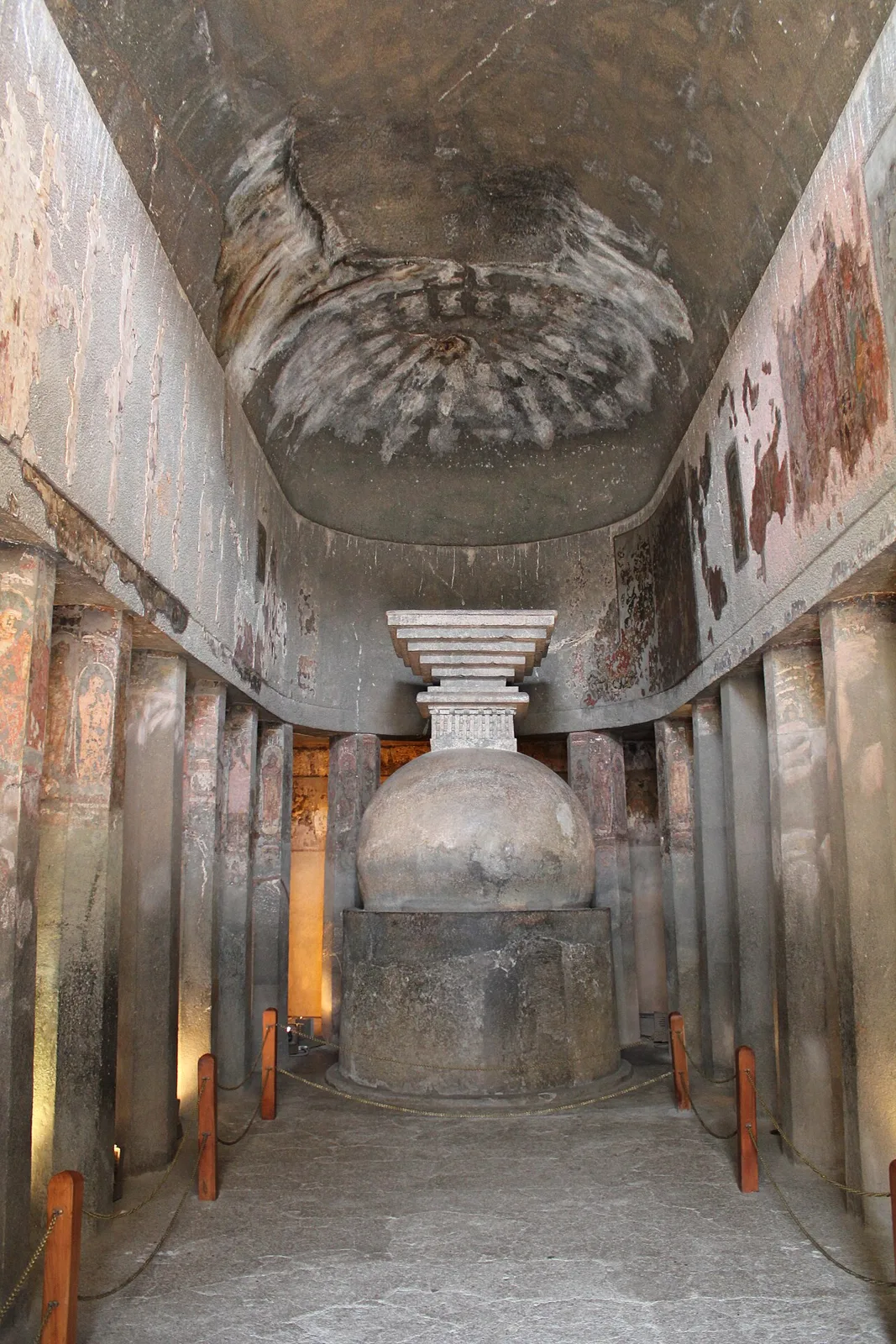
Ajanta is a group of 30 Buddhist caves in Maharashtra, known for its ancient paintings, sculptures and religious architecture. Visitors come to explore the site’s artistic and monastic heritage.

Ellora Caves

106 km away · Chhatrapati Sambhajinagar district

Ellora Caves

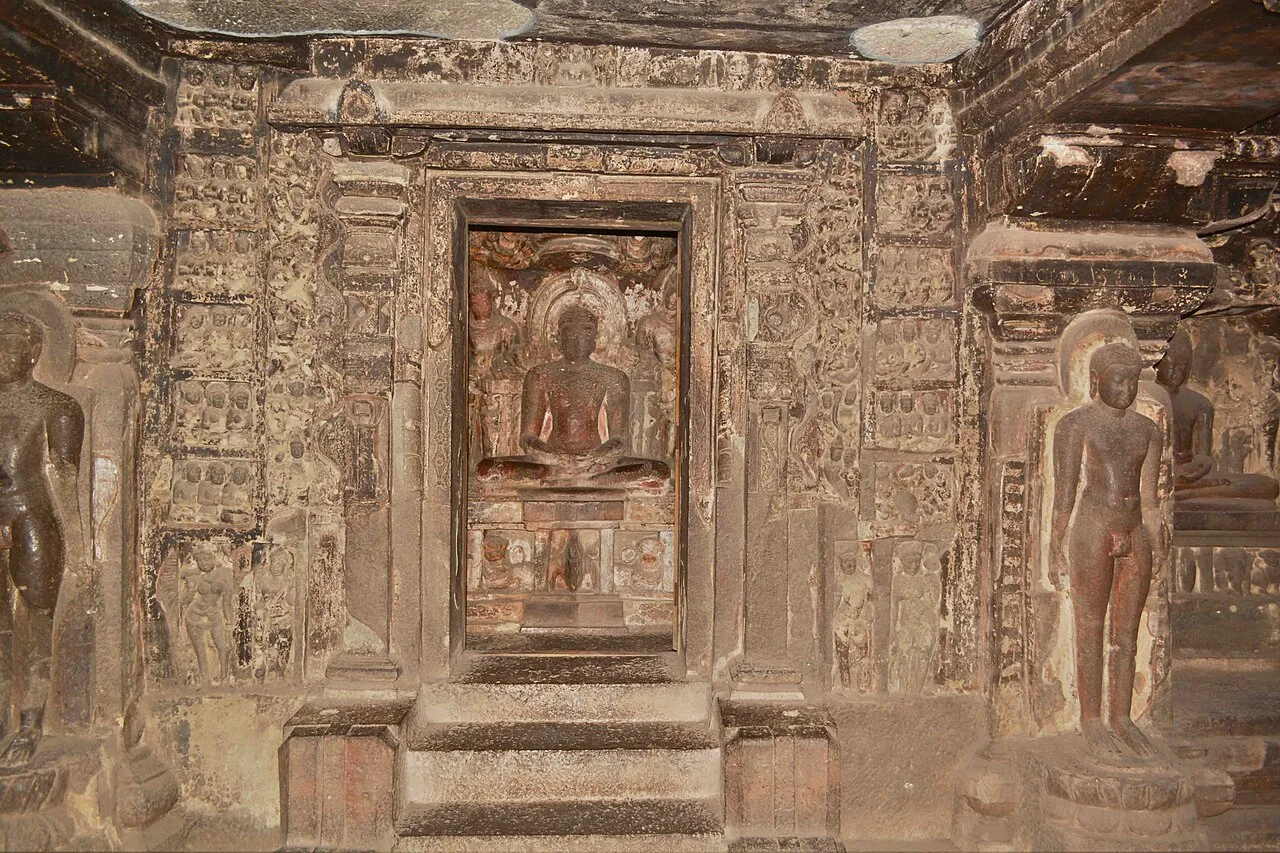
Ellora, in Maharashtra’s Chhatrapati Sambhajinagar district, is a UNESCO World Heritage Site. Visitors explore its Hindu, Buddhist and Jain monuments, including the remarkable Kailash temple carved from rock.

Ghrishneshwar Temple

106 km away · Chhatrapati Sambhajinagar district

Ghrishneshwar Temple

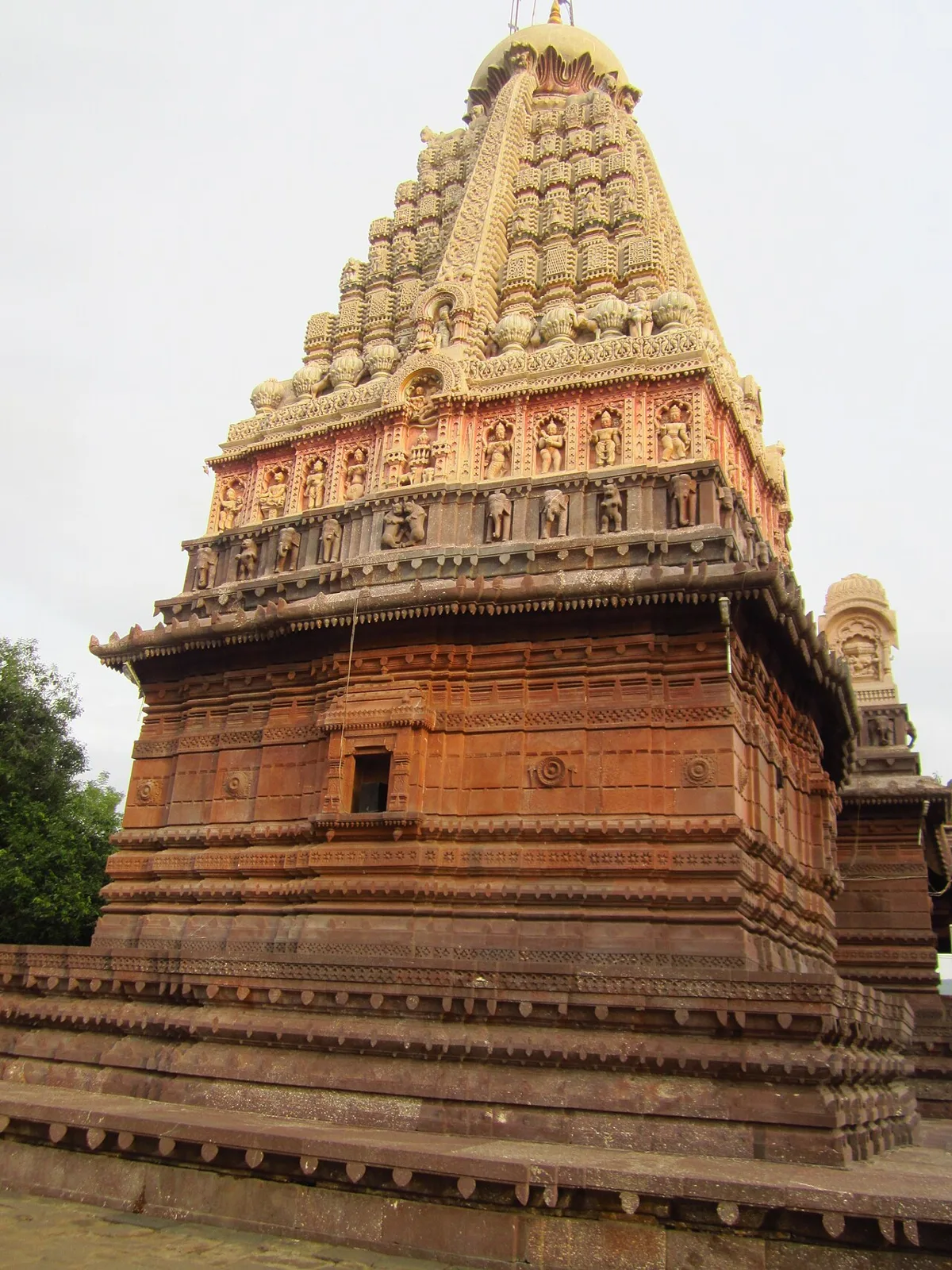
Ghrishneshwar Temple is a Shiva shrine in Verul, Maharashtra, and one of the twelve Jyotirlingas. Visitors come to worship Shiva at this nationally protected temple.

Saptashrungi

107 km away · Nashik district

Saptashrungi

Saptashrungi is a Hindu pilgrimage destination in Maharashtra, where the goddess is believed to dwell among seven peaks. Devotees visit its temple, which holds an important place in Shakti Peetha traditions.

Daulatabad Fort

116 km away · Chhatrapati Sambhajinagar district

Daulatabad Fort

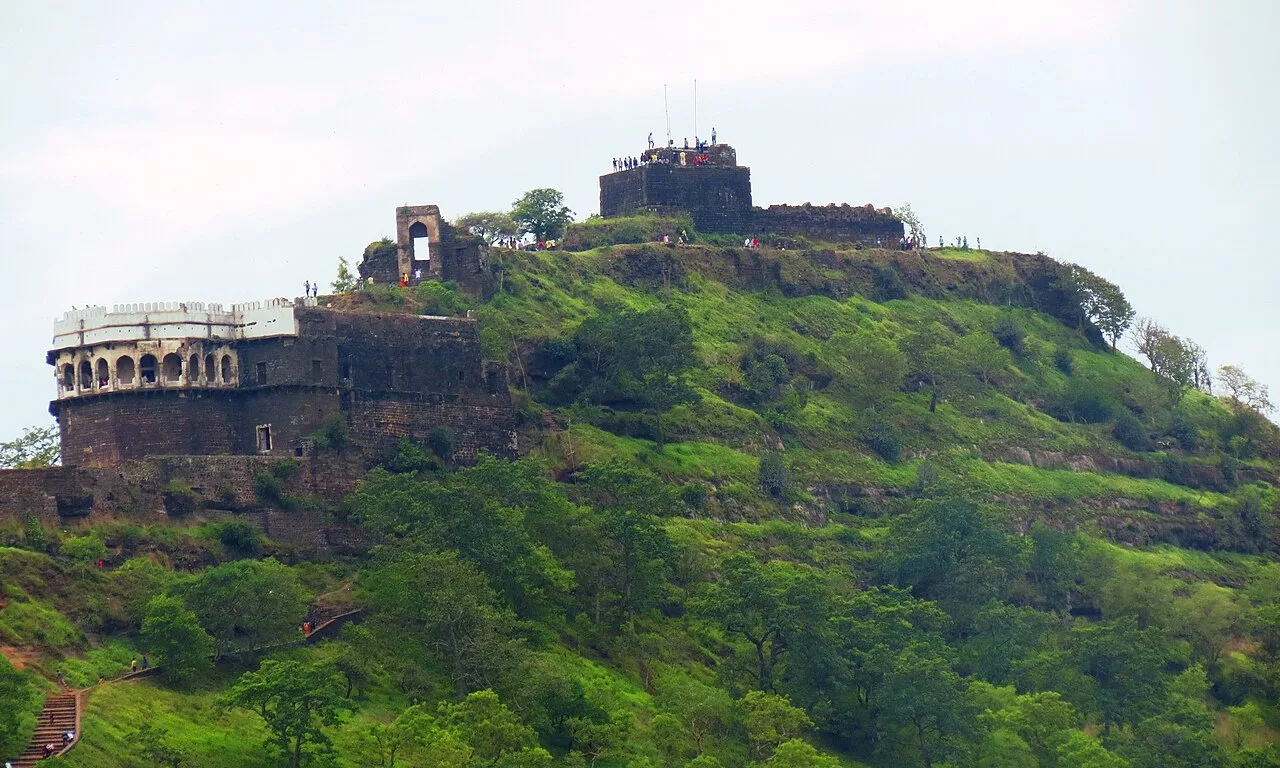
Daulatabad Fort is a historic stronghold in Maharashtra, first known as Devagiri. Visitors explore its history as a Yadava seat, briefly a Delhi Sultanate capital, and later an Ahmadnagar centre.

Aurangabad Caves

123 km away · Chhatrapati Sambhajinagar district

Aurangabad Caves

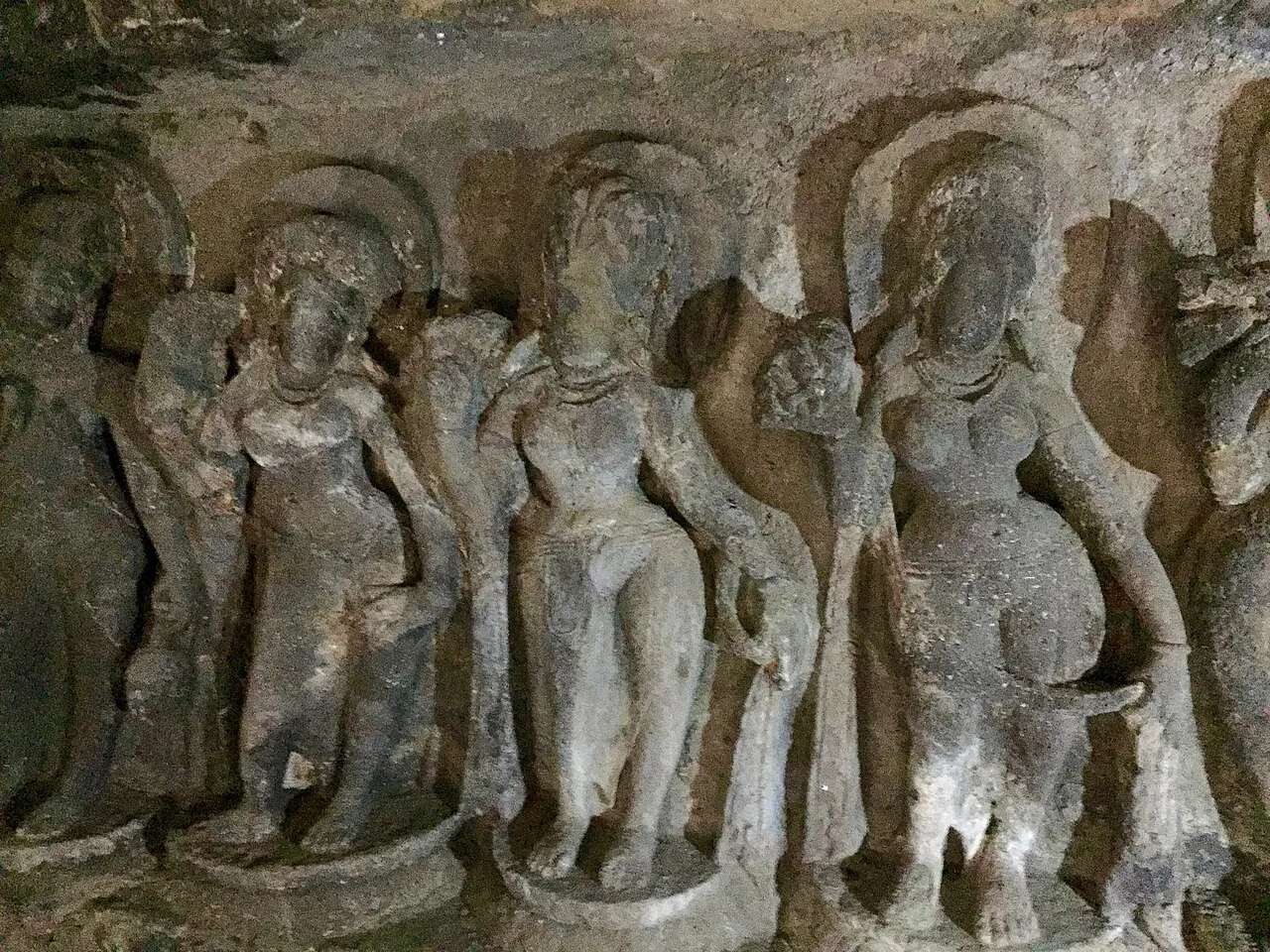
Near Aurangabad in Maharashtra, this hill complex contains twelve Buddhist sanctuaries excavated in basalt. Visitors explore its cave architecture and carvings, which represent several Buddhist traditions and include a range of deities.

Bibi Ka Maqbara

125 km away · Chhatrapati Sambhajinagar district

Bibi Ka Maqbara

Bibi Ka Maqbara is a Mughal mausoleum in Aurangabad, Maharashtra, built for Dilras Banu Begum. Visitors come to see its resemblance to the Taj Mahal and its place in the region’s history.

Shirdi Sai Baba Temple

130 km away · Ahilyanagar district

Shirdi Sai Baba Temple

The Shirdi Sai Baba Temple is a pilgrimage destination in Maharashtra, visited because of its association with Sai Baba, the nineteenth-century Indian saint closely connected with the town.

Map

Dhule on the map

  1. 1Ajanta Caves
  2. 2Ellora Caves
  3. 3Ghrishneshwar Temple
  4. 4Saptashrungi
  5. 5Daulatabad Fort
  6. 6Aurangabad Caves
  7. 7Bibi Ka Maqbara
  8. 8Shirdi Sai Baba Temple

Maharashtra

Other cities to explore