Ghumoopedia — Explore, Discover, Experience
Sign in
Tadoba Andhari Tiger Reserve, near Ghugus

City guide · Maharashtra

Ghugus

Ghugus is an industrial town in Chandrapur district, in Maharashtra’s Vidarbha region. Its importance comes chiefly from coal mining and related activity, which connect it to the wider mineral and energy economy of eastern Maharashtra.

Famous for

  • Coal mining and trade
  • Cement manufacturing
  • Wardha River setting
  • Vidarbha industrial town

Why Ghugus matters

Ghugus is an industrial town in Chandrapur district, in Maharashtra’s Vidarbha region. Its importance comes chiefly from coal mining and related activity, which connect it to the wider mineral and energy economy of eastern Maharashtra. The Wardha River flows alongside the town, while road and rail links connect it with Chandrapur and other centres in the district.

Ghugus is not primarily a sightseeing destination. Visitors are more likely to come for work, family visits or as part of travel through the Chandrapur region. The town’s markets and everyday street life offer a glimpse of an industrial community shaped by workers, local businesses and movement between nearby settlements. Travellers exploring the district may also plan trips to Chandrapur or to regional nature destinations, though Ghugus itself is best understood as a working town rather than a tourist hub. Its coal economy, river setting and place in the region’s industrial network are what make it distinctive today.
Famous for: crafts, trade & products

Ghugus is best known for coal and the industries associated with it. Mining and coal handling have shaped local employment and commerce, linking the town to the broader Wardha Valley coal belt. Cement manufacturing is another part of its industrial profile. These are working industries rather than visitor-facing attractions, so access to operational sites may be restricted; visitors should not assume that mines or factory premises are open for tours.

The town is not widely recognised as a centre for a particular textile, handicraft or GI-tagged product. For everyday shopping, residents and visitors rely on local market areas and shops selling groceries, household goods, clothing and prepared food. These are the most practical places to experience the town’s commercial life or pick up routine supplies. Speciality shopping and a wider choice of regional goods are more readily found in Chandrapur. Ghugus’s best-known products and trade are therefore industrial, while its local bazaars serve the needs of the town and surrounding communities.

History

Ghugus’s growth is closely associated with the mineral resources of the Wardha Valley, especially coal. As mining and related industrial activity expanded in the region, the settlement developed as a place for workers, businesses and services supporting that economy. Its position beside the Wardha River and its connections with other towns helped sustain this growth, although the town’s modern identity is more industrial than heritage-focused.

The wider Chandrapur region has a much older political history, including rule by Gond dynasties, followed by Maratha influence and British administration. Those regional changes shaped the district’s administration and transport links, but Ghugus’s prominence grew chiefly through modern resource extraction and industry rather than as a former royal capital. In recent decades, mining, manufacturing and the needs of a growing local community have continued to define its development. The result is a practical, working town embedded in the economic life of eastern Maharashtra.

Food, festivals & culture

Daily life in Ghugus reflects the mix of communities drawn to an industrial town in Vidarbha. Marathi is widely used, with Hindi also common; other regional languages may be heard among residents and workers. Everyday meals follow Maharashtrian and Vidarbha tastes, with rice or bhakri, lentils, vegetables and spicy curries. Local eateries and market stalls are the simplest places to try familiar regional snacks and meals; Ghugus is not especially known for a signature sweet or a distinct food tradition.

Ganesh Chaturthi, usually celebrated in the monsoon season, brings devotional gatherings, while Diwali in autumn, Holi near the end of winter and Makar Sankranti in January are observed by many residents. Navratri and the rural harvest festival of Pola are also part of the wider regional calendar. Community celebrations vary by neighbourhood and faith. Temples, mosques and other places of worship serve local residents, though Ghugus is not known for a major pilgrimage complex. Music and dance are most visible during festival events and family celebrations rather than as formal visitor attractions.

Visiting the city

The cooler months from November to February are generally the most comfortable for visiting. Summers can be very hot, while monsoon rain may affect road journeys. Dr. Babasaheb Ambedkar International Airport in Nagpur is the nearest major airport. Ghugus has a local railway station; Chandrapur railway station is a larger regional railhead for connections beyond the immediate area.

Auto-rickshaws and local road transport are useful for getting around, with private vehicles offering more flexibility for trips outside town. Explore the central market area for everyday shops and food, and the neighbourhoods near the Wardha River for a sense of the town’s setting. Industrial sites are not generally visitor attractions, and access may be restricted. Ghugus works best as a short stop or a base for practical visits in the Chandrapur region, rather than as a conventional sightseeing destination.

Trips from the city

Nearest places to visit from Ghugus

Our closest destination guides, by straight-line distance.

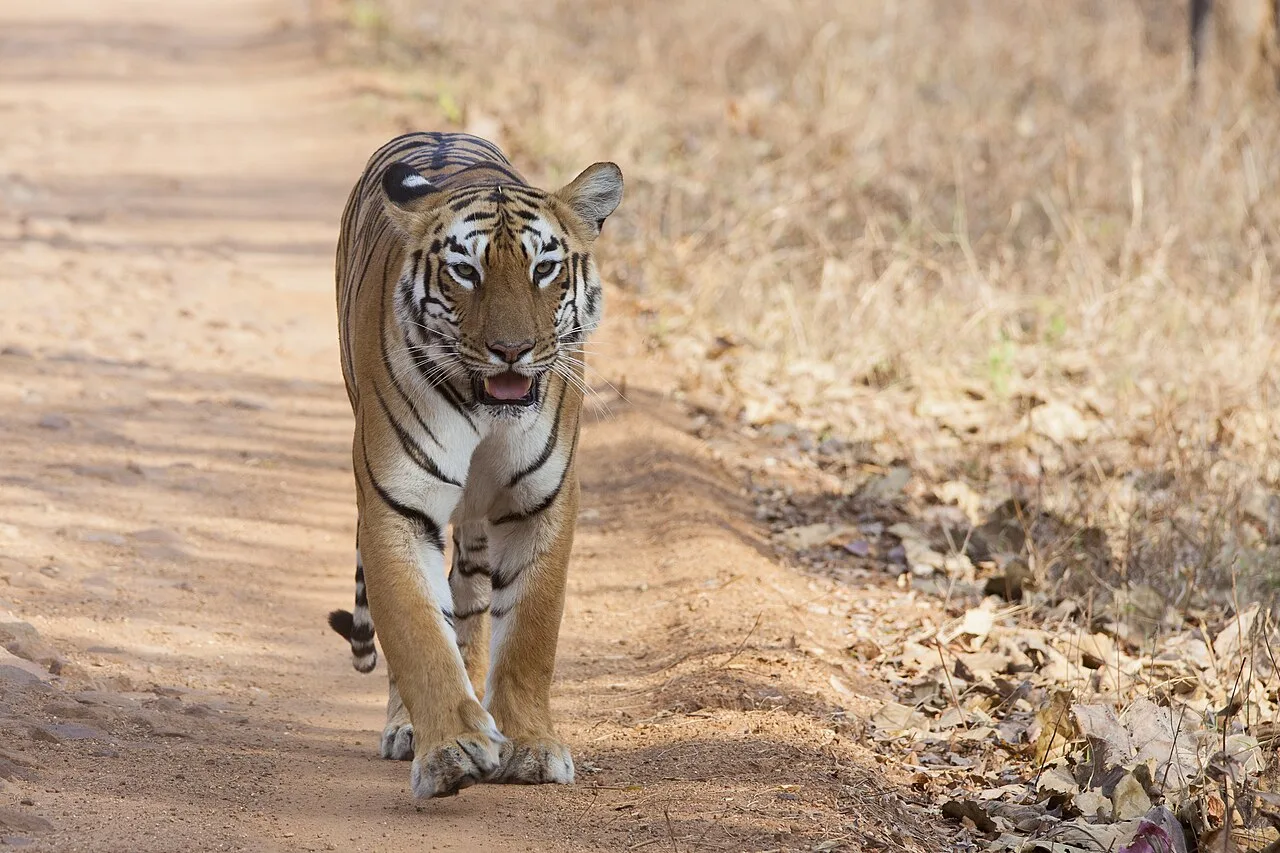
Tadoba Andhari Tiger Reserve

47 km away · Chandrapur district

Tadoba Andhari Tiger Reserve

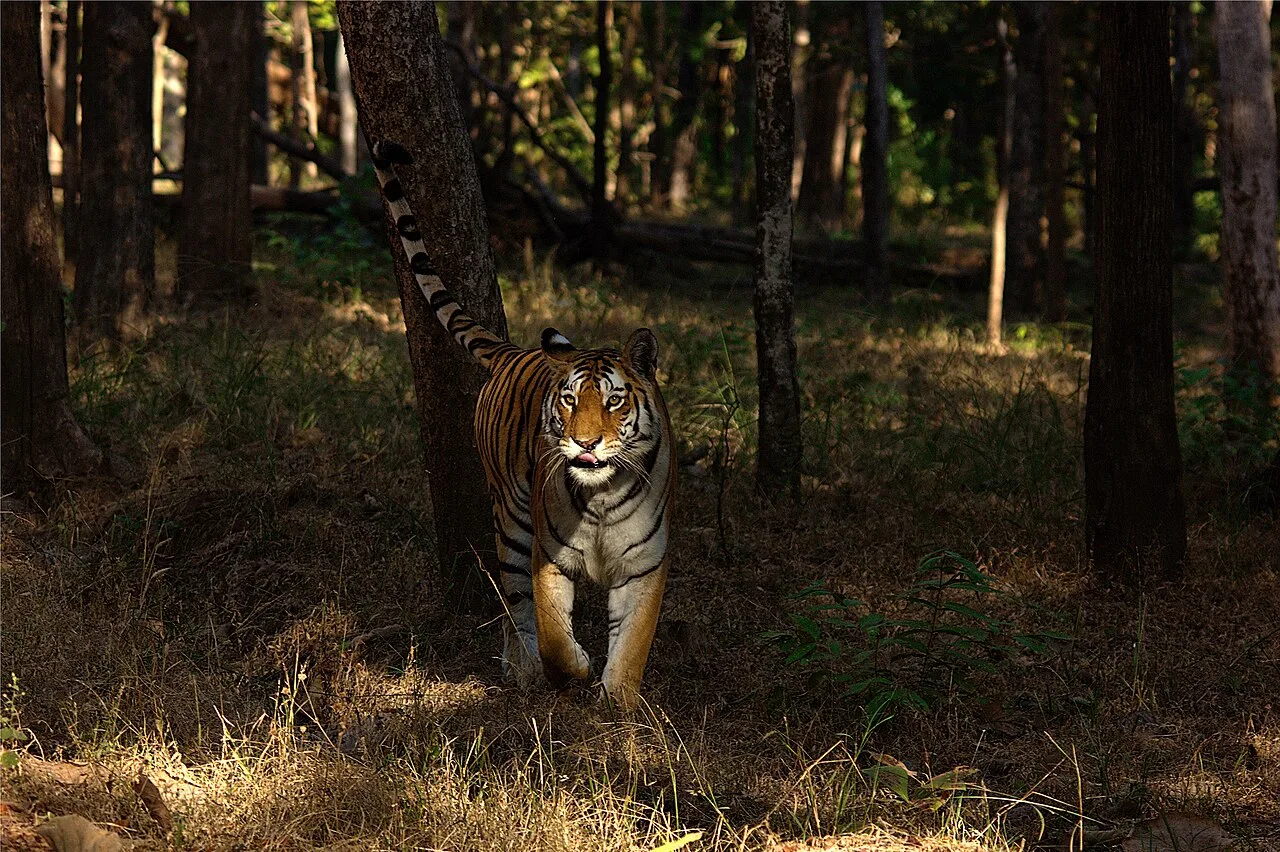
Set in Maharashtra’s Chandrapur district, Tadoba Andhari Tiger Reserve combines a national park and wildlife sanctuary within a protected area. Visitors come to experience its forests and wildlife.

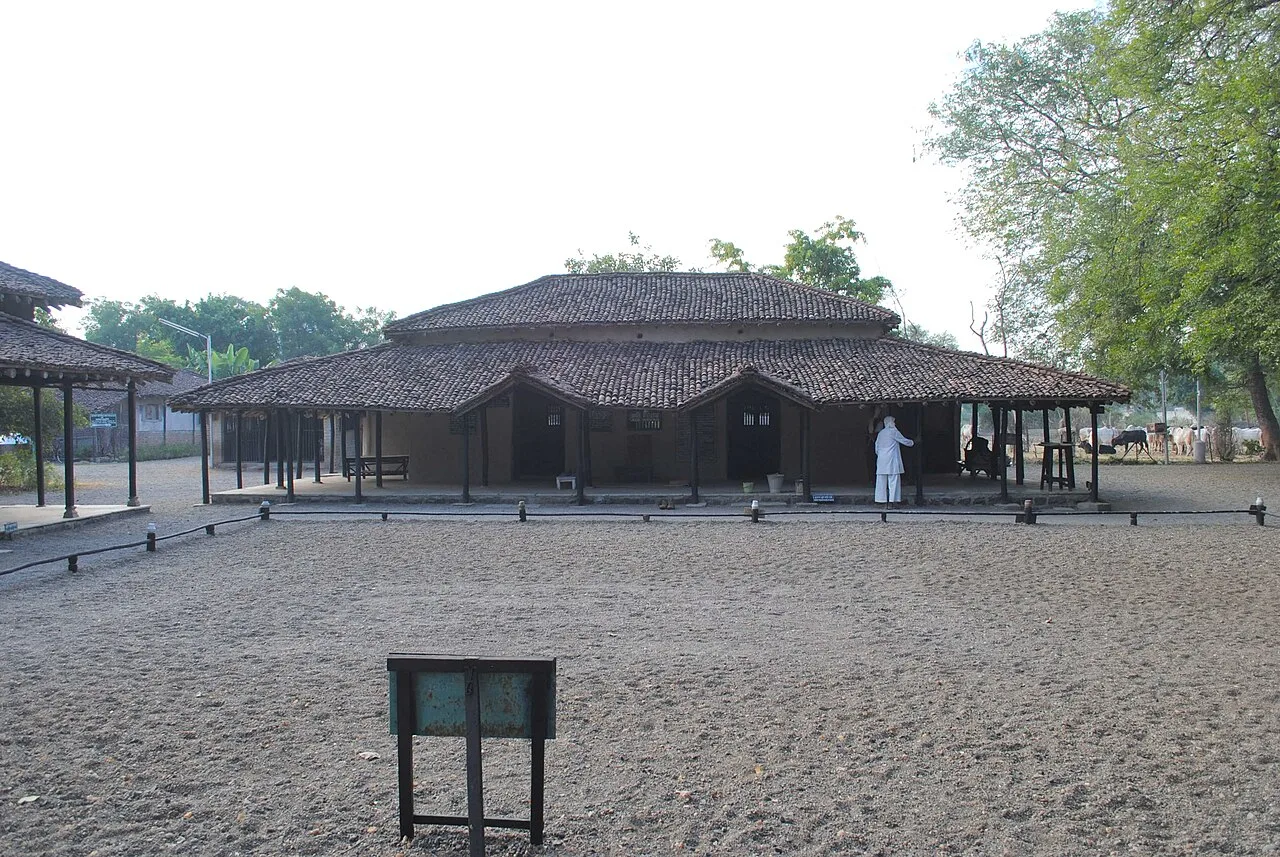
Sevagram Ashram

100 km away · Wardha district

Sevagram Ashram

Sevagram Ashram, in Wardha district, Maharashtra, is known as Mahatma Gandhi’s ashram and home from 1936 until his death in 1948. People visit for its connection with his life.

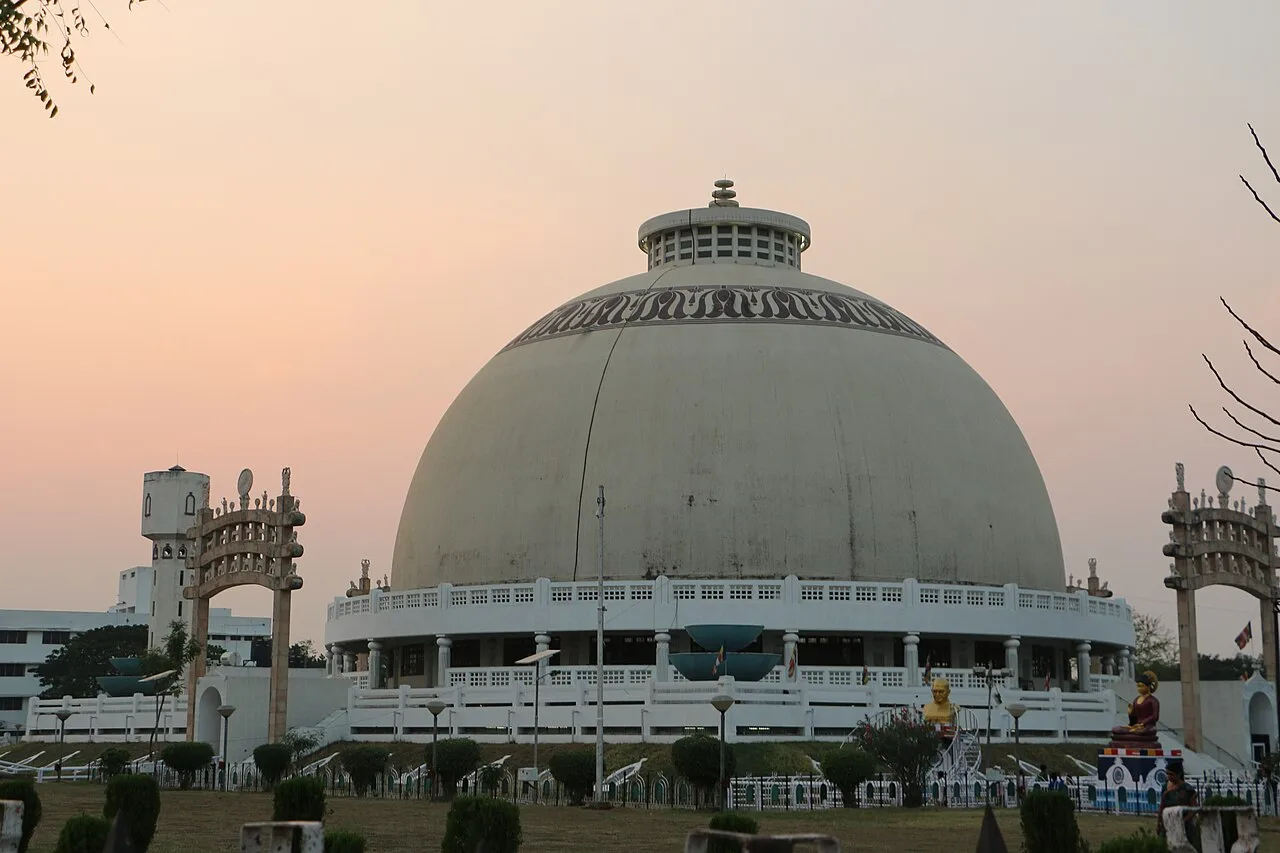
Deekshabhoomi

132 km away · Nagpur district

Deekshabhoomi

Deekshabhoomi is a Navayana Buddhist memorial in Nagpur, where B. R. Ambedkar and a vast following embraced Buddhism in 1956. Pilgrims visit to mark the conversion and its continuing significance.

Navegaon National Park

156 km away · Gondia district

Navegaon National Park

Navegaon National Park is in Gondia district, Maharashtra, within the Arjuni Morgaon subdivision. Visitors are drawn by wintering migratory birds at its lake and the park’s varied forest cover.

Ramtek Fort Temple

164 km away · Nagpur district

Ramtek Fort Temple

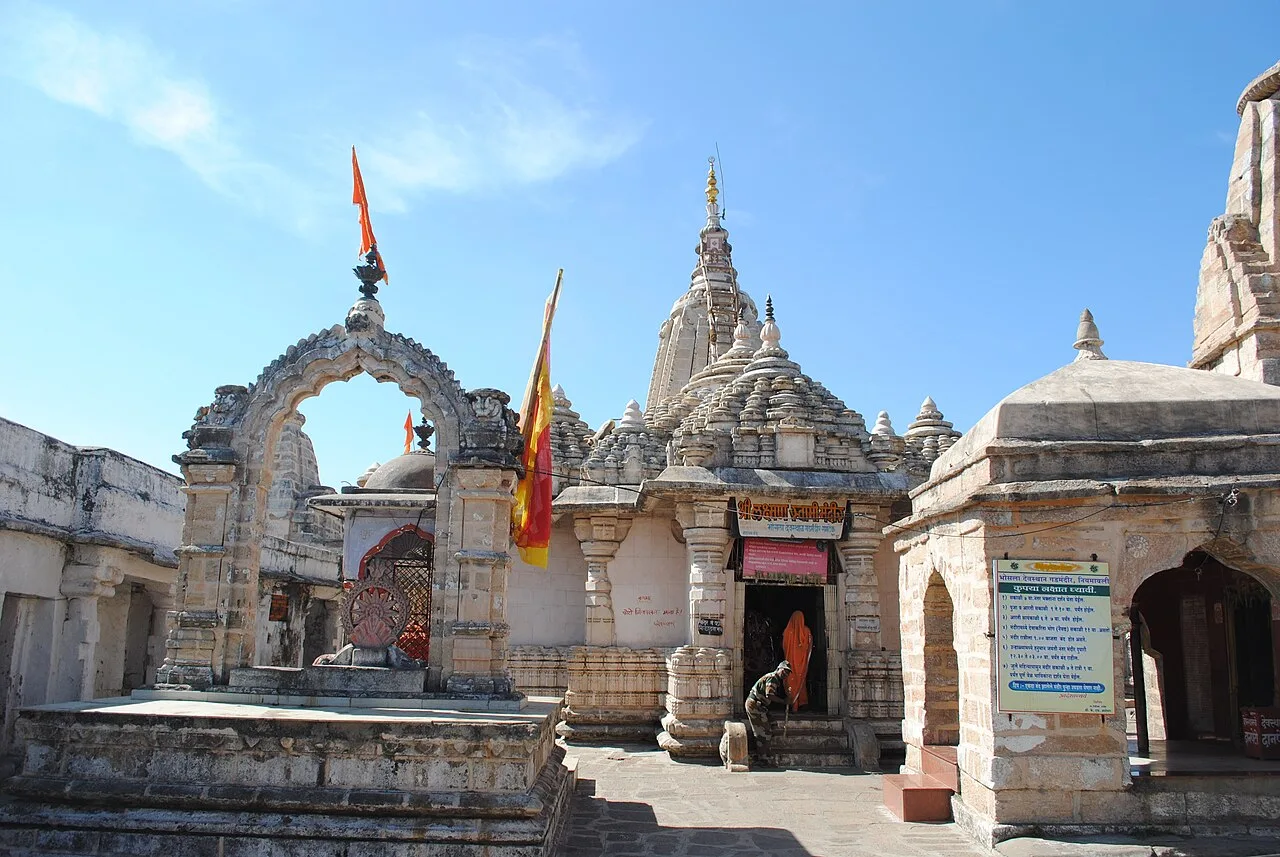
Ramtek Fort Temple is a Hindu pilgrimage site in Maharashtra, visited for its shrines on Ramtek Hill and its association with Rama and the Vakataka dynasty.

Pench Tiger Reserve

196 km away · Nagpur district

Pench Tiger Reserve

Pench Tiger Reserve spans Madhya Pradesh and Maharashtra, with its Maharashtra section in Nagpur district. People visit to experience its protected landscape and wildlife.

Chikhaldara

202 km away · Amravati district

Chikhaldara

Chikhaldara is a hill settlement and municipal council in Maharashtra’s Amravati district. Visitors come for its highland setting, coffee-growing area and nearby wildlife at the Melghat Tiger Project.

Hazur Sahib

207 km away · Nanded district

Hazur Sahib

Takht Sachkhand Sri Hazur Abchalnagar Sahib is one of Sikhism’s five takhts, in Nanded, Maharashtra. Visitors come to worship and remember Guru Gobind Singh at the site associated with his death and cremation.

Map

Ghugus on the map

  1. 1Tadoba Andhari Tiger Reserve
  2. 2Sevagram Ashram
  3. 3Deekshabhoomi
  4. 4Navegaon National Park
  5. 5Ramtek Fort Temple
  6. 6Pench Tiger Reserve
  7. 7Chikhaldara
  8. 8Hazur Sahib

Maharashtra

Other cities to explore