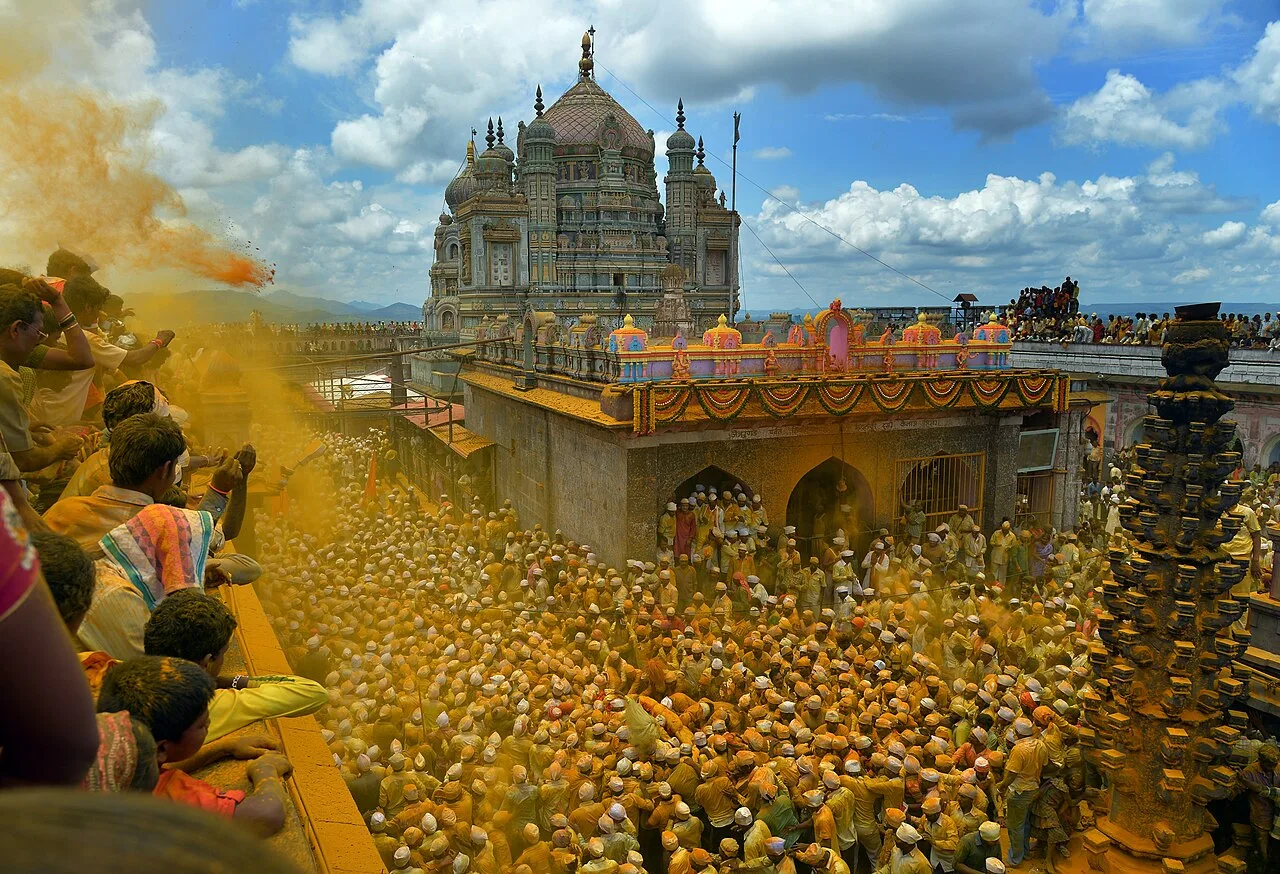
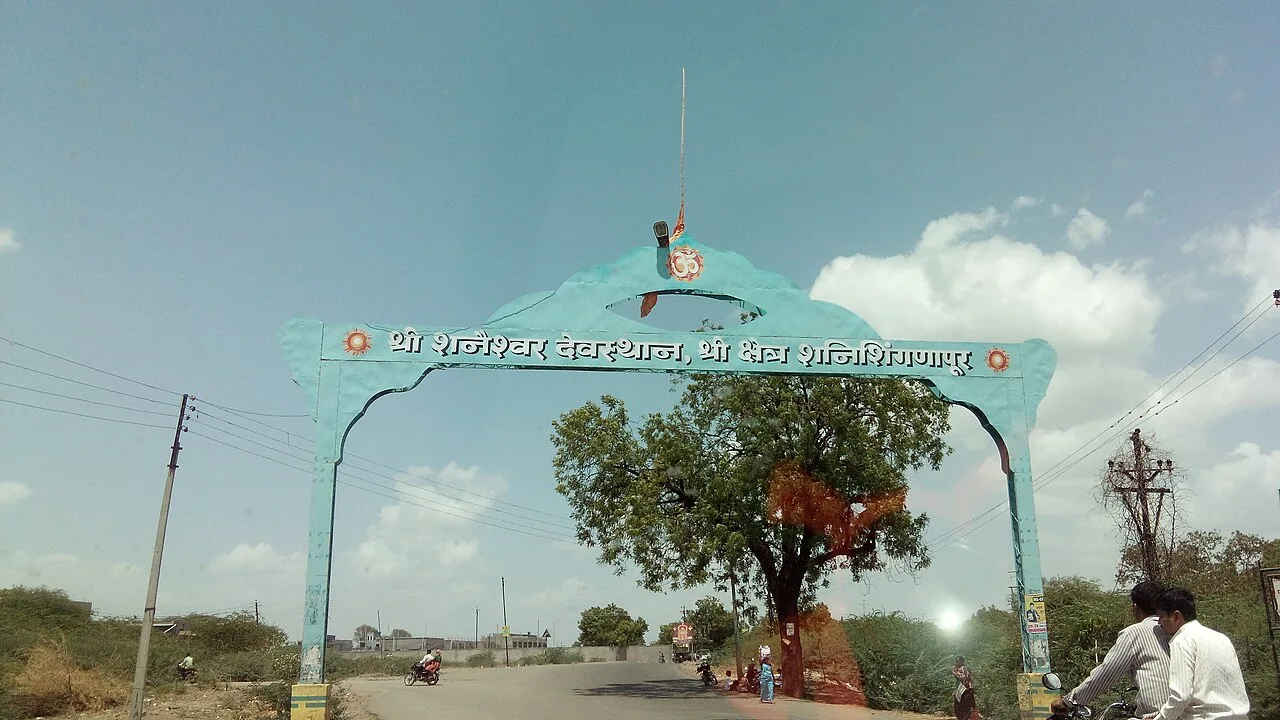
Kati’s history belongs to the wider Deccan region, long shaped by the movement of kingdoms, trade and changing administrative boundaries. The Solapur area was governed at different times by dynasties including the Chalukyas, Rashtrakutas and Yadavas, followed by the Bahamanis. Solapur, the region’s principal historic and commercial centre, was known in older records by forms such as Sonnalage and Sonalipur. These broader histories provide context for Kati, though its own growth has been that of a rural settlement rather than a large fortified or industrial town.
Under British rule, Solapur developed as a textile and trading centre and became associated with the Indian independence movement. After the reorganisation of states, Solapur became part of Maharashtra in 1960. In the modern period, roads, rail connections, textile production and agriculture have tied settlements across the region more closely to Solapur and other district centres.