Ghumoopedia — Explore, Discover, Experience
Sign in
Shirdi Sai Baba Temple, near Manmad

City guide · Maharashtra

Manmad

Manmad is an important railway and trading town in Nashik district, set at a meeting point for routes linking Mumbai with northern Maharashtra, Pune, Marathwada and destinations farther south. Its chief significance is practical: Manmad Junction connects several major rail corridors, making the town a transfer point for passengers and freight.

Famous for

  • Manmad Junction railway station
  • Onion wholesale trade
  • Food Corporation grain warehouses
  • Central Railway engineering workshop
  • Petroleum distribution facilities
  • Sikh Gurudwara

Why Manmad matters

Manmad is an important railway and trading town in Nashik district, set at a meeting point for routes linking Mumbai with northern Maharashtra, Pune, Marathwada and destinations farther south. Its chief significance is practical: Manmad Junction connects several major rail corridors, making the town a transfer point for passengers and freight. Travellers also use it as a rail gateway for Shirdi and other places in the region.

The town’s economy reflects this transport role. Food Corporation of India grain-storage facilities, petroleum distribution infrastructure and a Central Railway engineering workshop are among its major institutions. Manmad is also a busy agricultural market, especially for onions brought by farmers from nearby villages and traded onward to larger markets. A Sikh Gurudwara adds a place of worship and a point of interest for visitors. Manmad is not primarily a conventional sightseeing destination, but its railway heritage, working markets and position in the region make it a useful stop and a revealing look at Maharashtra’s transport and trade networks.
Famous for: crafts, trade & products

Manmad is best known for wholesale trade and transport-linked industries rather than for textiles, handicrafts or a signature craft. Farmers from nearby villages bring onions and other produce to its wholesale market, with onions forming a prominent part of the trade. The market is the most relevant place to observe local agricultural commerce; wholesale activity may not be set up for casual retail purchases.

Large grain-storage warehouses administered by the Food Corporation of India are another defining feature. Petroleum companies, including Bharat Petroleum, Hindustan Petroleum and Indian Oil, have offices or facilities in the area, and a BPCL station gathers products for distribution into Maharashtra’s interior. The Central Railway engineering workshop fabricates and maintains structural railway components, including bridge girders. These are working facilities, so access may be restricted and should not be assumed. Manmad is not widely identified with a GI-tagged product or a particular local handicraft; visitors looking for crafts or regional goods are more likely to find everyday merchandise in the town’s commercial areas than a specialist craft market.

History

Manmad developed in large part because of its position on routes across the Deccan and northern India. In the era of the Holkars and Peshwas, these routes helped connect Pune with northern territories, and the town’s location gave it importance as a point of passage and exchange. Its later growth was strongly shaped by railway construction and the expansion of regional trade.

Manmad became a major junction where lines from Mumbai, Bhusawal, the Pune direction and the Secunderabad direction meet. The station also connected the metre-gauge Nizam State Railway with the Great Indian Peninsula Railway until 1948, linking different railway systems. Railway activity brought jobs and supported the town’s growth. The Central Railway engineering workshop, established in 1905, became an important centre for fabricating and maintaining railway structures. In modern times, grain storage, onion trading and petroleum distribution have added to Manmad’s role as a logistics and service centre for the surrounding region.

Food, festivals & culture

Everyday life in Manmad reflects the mix of communities and workers drawn by its railway, markets and industries. Marathi is the principal language of the region; Hindi is also widely useful, and other languages may be heard among travellers and residents. The town’s most distinctive place of worship is its Sikh Gurudwara, while Hindu and Muslim communities also observe their religious traditions.

Ganeshotsav, usually celebrated in the monsoon season, and Diwali in autumn are important parts of the wider Maharashtrian calendar. Holi is observed in spring; Eid follows the Islamic calendar, and Gurpurab brings Sikh worshippers together at the Gurudwara. Meals are generally rooted in regional Maharashtrian cooking, with dishes such as bhakri, pithla and spicy snacks familiar in the area, alongside everyday food from other communities. Lavani and tamasha are well-known Maharashtra folk forms, though Manmad is better known for transport and trade than as a dedicated performance destination.

Visiting the city

The cooler months, roughly October to February, are generally the most comfortable time to visit. Manmad Junction railway station is the town’s principal arrival point and a major connection for journeys across Maharashtra and beyond. The nearest airport is Nashik Airport at Ozar; check current flight connections before planning an air journey.

Auto-rickshaws and local road transport can help with trips around town, while taxis are useful for reaching places farther afield. The station area and central commercial streets offer a view of Manmad’s busy everyday life. The wholesale market is worth seeing for its agricultural trade, especially onion activity, though it is a working market rather than a visitor attraction. The Sikh Gurudwara is another notable stop. Railway workshops and storage or petroleum facilities are operational sites, and public access may be limited.

Trips from the city

Nearest places to visit from Manmad

Our closest destination guides, by straight-line distance.

Shirdi Sai Baba Temple

54 km away · Ahilyanagar district

Shirdi Sai Baba Temple

The Shirdi Sai Baba Temple is a pilgrimage destination in Maharashtra, visited because of its association with Sai Baba, the nineteenth-century Indian saint closely connected with the town.

Saptashrungi

57 km away · Nashik district

Saptashrungi

Saptashrungi is a Hindu pilgrimage destination in Maharashtra, where the goddess is believed to dwell among seven peaks. Devotees visit its temple, which holds an important place in Shakti Peetha traditions.

Kalaram Temple

72 km away · Nashik district

Kalaram Temple

Kalaram Temple is a Hindu shrine in Nashik, Maharashtra, devoted to Rama. Visitors come to worship at the temple, whose inner sanctuary also contains images of Sita and Lakshmana.

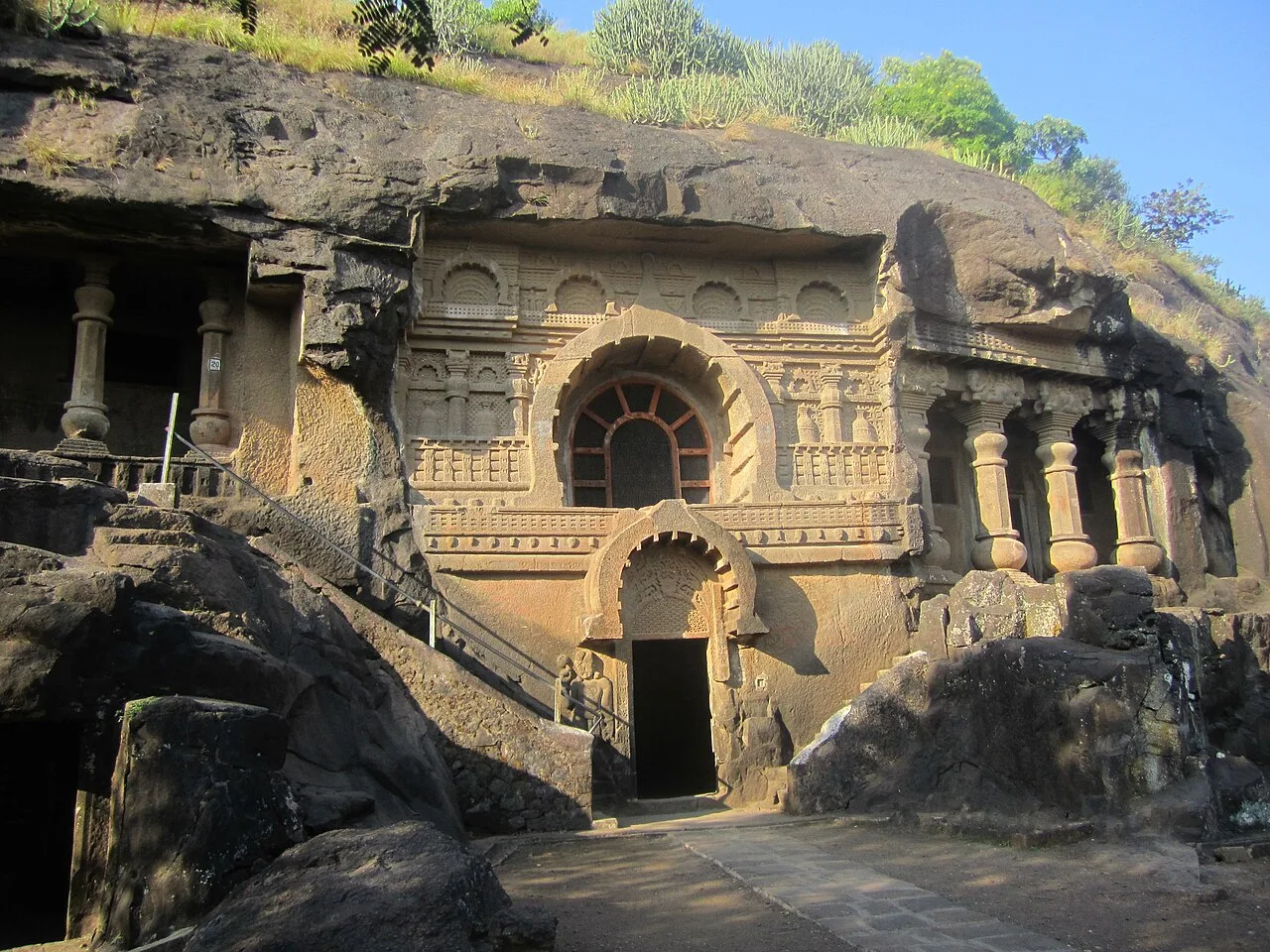
Pandavleni Caves

80 km away · Nashik district

Pandavleni Caves

Pandavleni, also called the Trirashmi and Nashik Caves, is a Buddhist and Jain complex near Nashik, drawing visitors to its religious chambers and distinctive cave architecture.

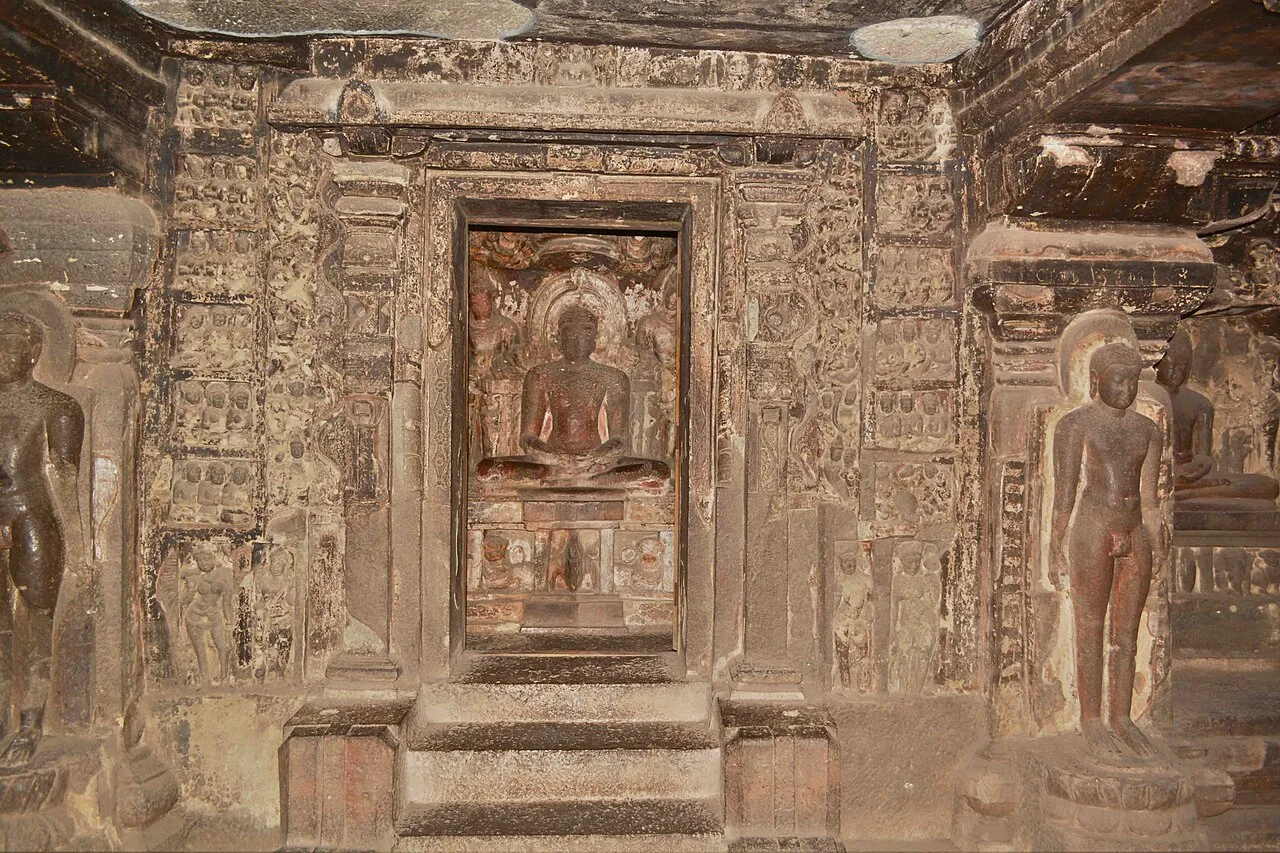
Ellora Caves

81 km away · Chhatrapati Sambhajinagar district

Ellora Caves

Ellora, in Maharashtra’s Chhatrapati Sambhajinagar district, is a UNESCO World Heritage Site. Visitors explore its Hindu, Buddhist and Jain monuments, including the remarkable Kailash temple carved from rock.

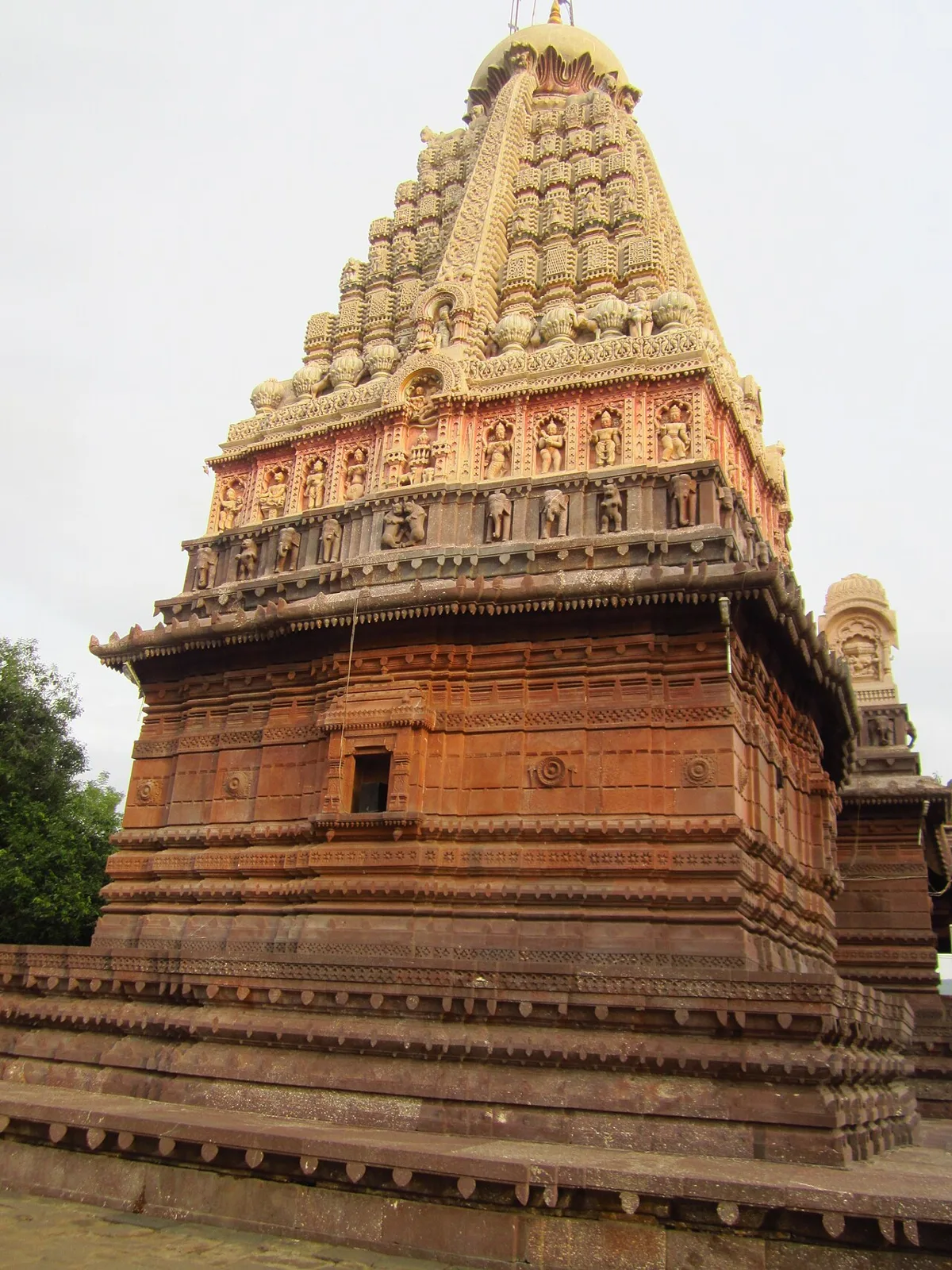
Ghrishneshwar Temple

81 km away · Chhatrapati Sambhajinagar district

Ghrishneshwar Temple

Ghrishneshwar Temple is a Shiva shrine in Verul, Maharashtra, and one of the twelve Jyotirlingas. Visitors come to worship Shiva at this nationally protected temple.

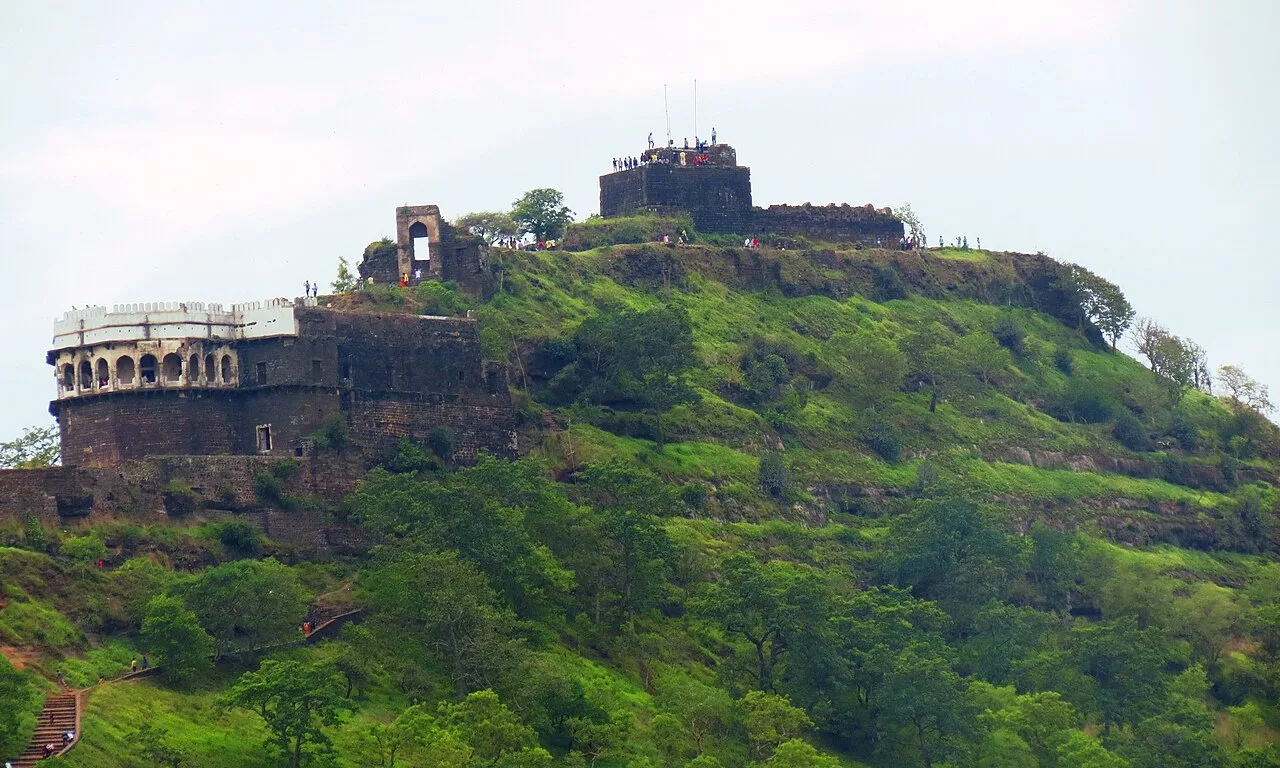
Daulatabad Fort

88 km away · Chhatrapati Sambhajinagar district

Daulatabad Fort

Daulatabad Fort is a historic stronghold in Maharashtra, first known as Devagiri. Visitors explore its history as a Yadava seat, briefly a Delhi Sultanate capital, and later an Ahmadnagar centre.

Aurangabad Caves

99 km away · Chhatrapati Sambhajinagar district

Aurangabad Caves

Near Aurangabad in Maharashtra, this hill complex contains twelve Buddhist sanctuaries excavated in basalt. Visitors explore its cave architecture and carvings, which represent several Buddhist traditions and include a range of deities.

Map

Manmad on the map

  1. 1Shirdi Sai Baba Temple
  2. 2Saptashrungi
  3. 3Kalaram Temple
  4. 4Pandavleni Caves
  5. 5Ellora Caves
  6. 6Ghrishneshwar Temple
  7. 7Daulatabad Fort
  8. 8Aurangabad Caves

Maharashtra

Other cities to explore