Ghumoopedia — Explore, Discover, Experience
Sign in

City guide · Maharashtra

Ner

Ner is a village in Maharashtra’s Dhule district, about 23 kilometres west of Dhule, set near the Panjhara River. Its position on a major road corridor connects it with Dhule and the wider Khandesh region, while farming remains central to everyday life and the local economy.

Famous for

  • Manopanchit Parshvanath Jain temple
  • Panjhara River setting
  • Agricultural produce
  • Historic Mughal-era mahal
Plan a tripHotels near Ner

Why Ner matters

Ner is a village in Maharashtra’s Dhule district, about 23 kilometres west of Dhule, set near the Panjhara River. Its position on a major road corridor connects it with Dhule and the wider Khandesh region, while farming remains central to everyday life and the local economy.

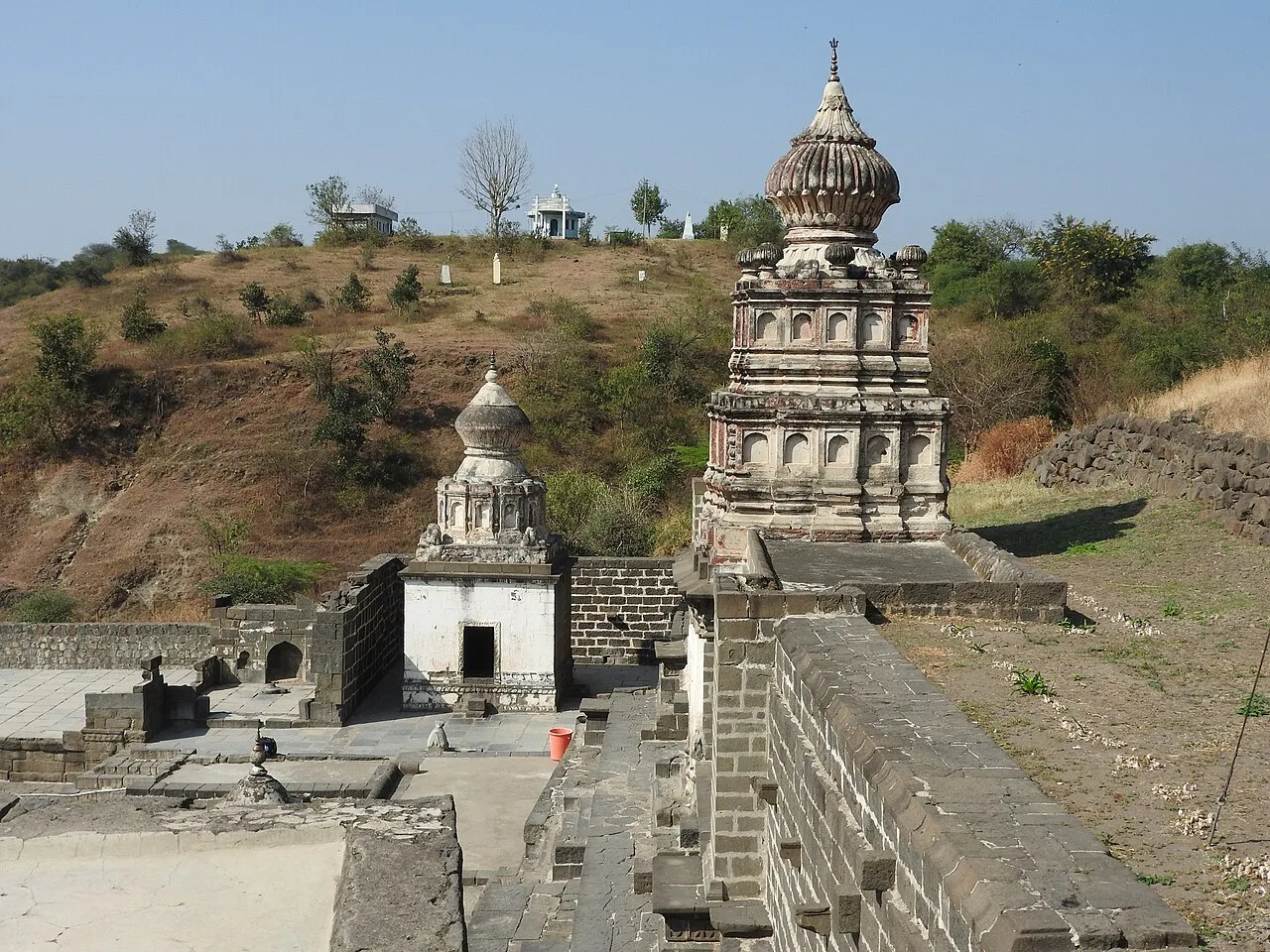
Visitors may come to see the Manopanchit Parshvanath Jain temple, a locally important place of worship associated with a distinctive image of Parshvanath. The village also retains traces of its earlier regional importance: old Muslim tombs stand along the main approach road, recalling Ner’s past as an administrative centre. Fields and the river landscape offer a quieter rural contrast to nearby Dhule. Ner is not a large urban destination, but its temple, agricultural character and layers of Khandesh history make it a worthwhile short visit for travellers exploring the district.
Famous for: crafts, trade & products

Ner is best known locally for farming rather than for a major textile, handicraft or manufacturing industry. Crops grown in the surrounding area include millet, jowar, wheat, gram, cotton, groundnuts, sugarcane and chillies. Vegetables are also an important part of production, with produce sent to markets in Surat, Nashik and Mumbai. Local shops and trading activity serve residents and nearby villages; Dhule offers a broader range of retail options.

There is no widely documented Ner-specific GI-tagged product or established craft market to seek out. The village’s principal visitor landmark is the Manopanchit Parshvanath Jain temple, described locally as about a century old and valued for its Parshvanath image. Ner also has branches of the Central Bank of India and Dhule District Central Co-operative Bank, reflecting its role as a service point for the surrounding rural area. Travellers looking to buy local produce can ask in the village or at nearby Dhule markets about what is in season; availability varies with harvests.

History

Ner formed part of Khandesh under the Faruqi rulers. Its administrative importance continued under the Mughal Empire: during Akbar’s reign, it was the headquarters of a mahal within the Sarkar of Nandurbar. The recorded annual revenue for the mahal was 722,760 daams, a reminder of the area’s place in the region’s revenue system. Muslim tombs that remain along the main road are among the visible traces of this earlier past.

The Panjhara River has also shaped village life. Ner and neighbouring settlements suffered substantial damage in the river floods of 1872. In more recent times, the village has remained closely tied to agriculture and to Dhule, which serves as the district’s main administrative centre. Ner is governed locally by a Gram Panchayat; district and block-level offices are based in Dhule. Its road connections have helped maintain links with nearby towns and markets, while farming continues to define much of its economy.

Food, festivals & culture

Life in Ner reflects the rural culture of the Khandesh region. Marathi is widely used, alongside regional Khandeshi or Ahirani speech and Hindi. Farming seasons and the harvest shape the rhythm of village life. The Manopanchit Parshvanath Jain temple is an important place of worship and a point of interest for visitors; other religious and community observances take place locally, though their scale and dates can vary.

Ganesh Chaturthi, Diwali, Holi and Makar Sankranti are commonly observed across Maharashtra and provide a seasonal backdrop to community life. Everyday food is likely to draw on familiar Khandeshi and Maharashtrian staples, including grain-based meals and seasonal vegetables, but Ner is not especially known for a signature dish or sweet. For a wider choice of regional restaurants and shops, visitors can look to Dhule. Music, devotional singing and family gatherings are part of festive occasions, with customs shaped by local households and faith communities.

Visiting the city

The cooler months, roughly from October to February, are generally the most comfortable for exploring Ner. Summers can be hot, while the monsoon brings rain and may affect rural roads. Dhule Airport at Gondur is the nearest airport, but scheduled services may be limited; check current connections before travelling. Dhule railway station is the main nearby railhead.

Ner is about 23 kilometres west of Dhule and can be reached by road. Local taxis and other road transport from Dhule are practical ways to visit; confirm onward transport locally. In Ner, explore the Manopanchit Parshvanath Jain temple, the main road and its historic tombs, and the agricultural landscape near the Panjhara River. Dhule is the best base for broader services and further district exploration.

Trips from the city

Nearest places to visit from Ner

Our closest destination guides, by straight-line distance.

Chikhaldara

82 km away · Amravati district

Chikhaldara

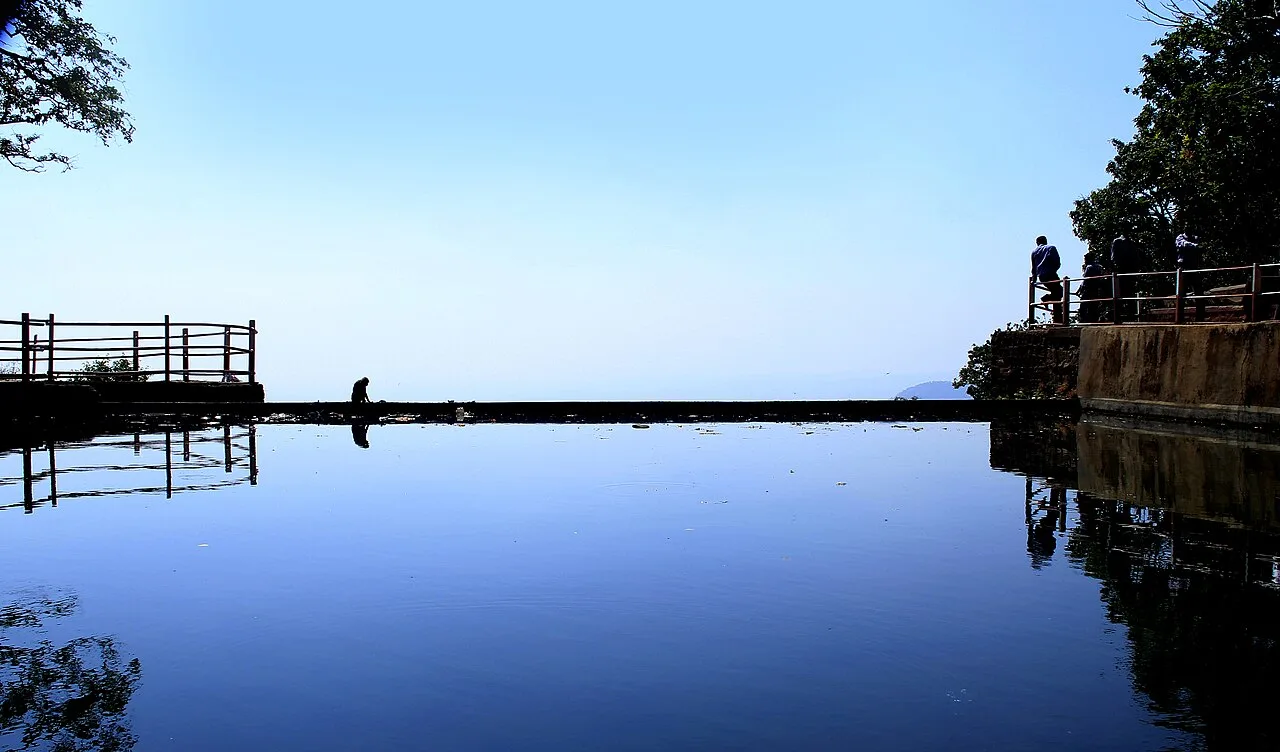
Chikhaldara is a hill settlement and municipal council in Maharashtra’s Amravati district. Visitors come for its highland setting, coffee-growing area and nearby wildlife at the Melghat Tiger Project.

Sevagram Ashram

87 km away · Wardha district

Sevagram Ashram

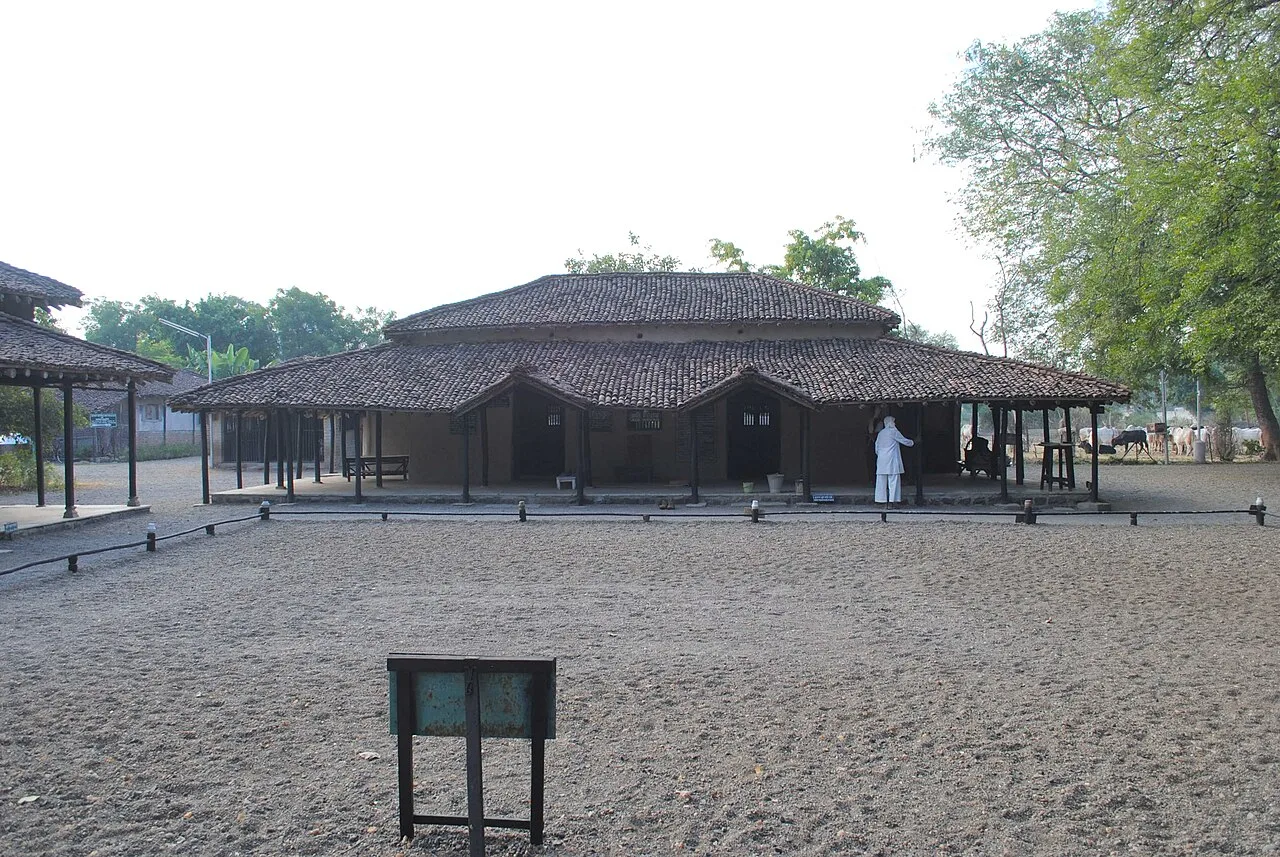
Sevagram Ashram, in Wardha district, Maharashtra, is known as Mahatma Gandhi’s ashram and home from 1936 until his death in 1948. People visit for its connection with his life.

Melghat Tiger Reserve

127 km away · Amravati district

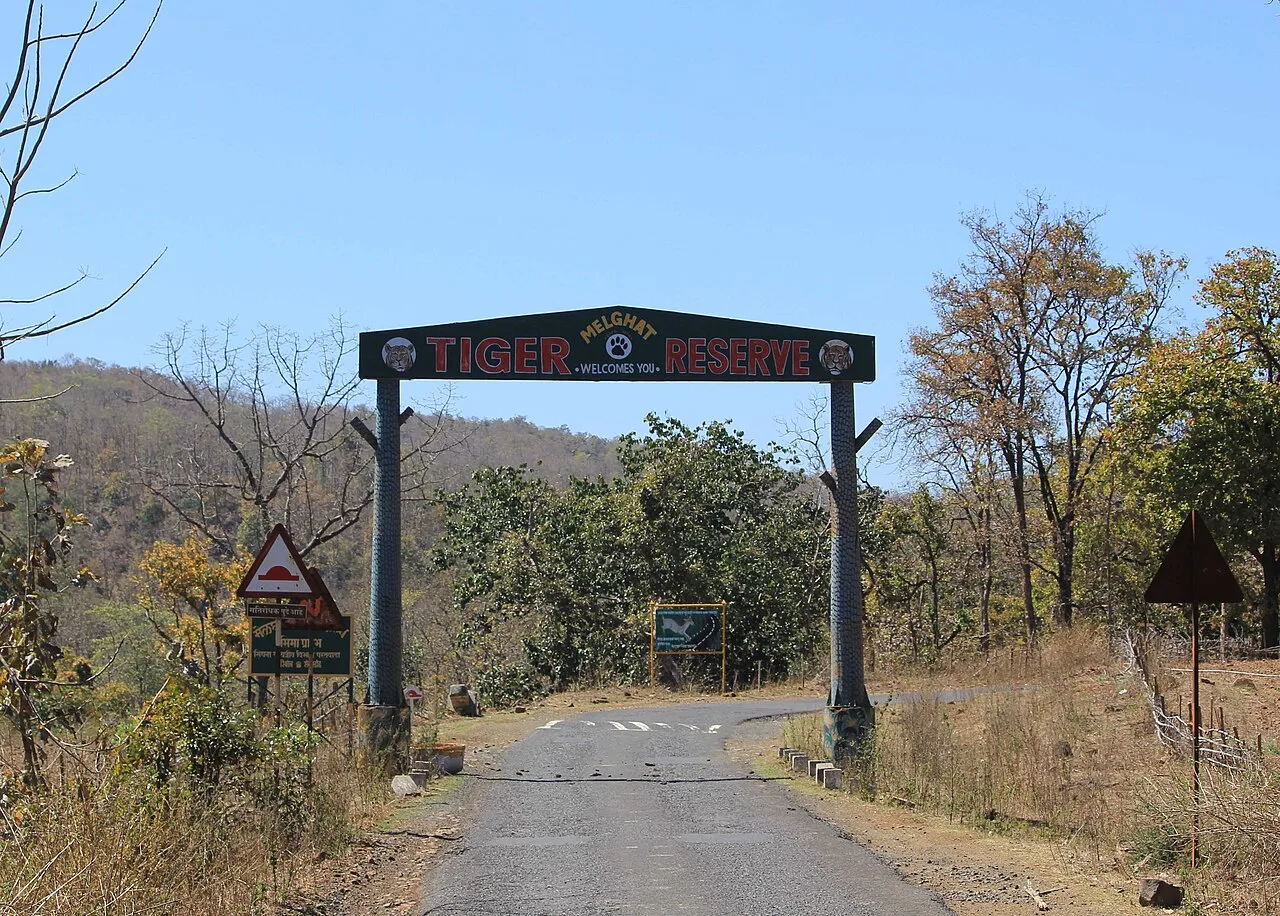
Melghat Tiger Reserve

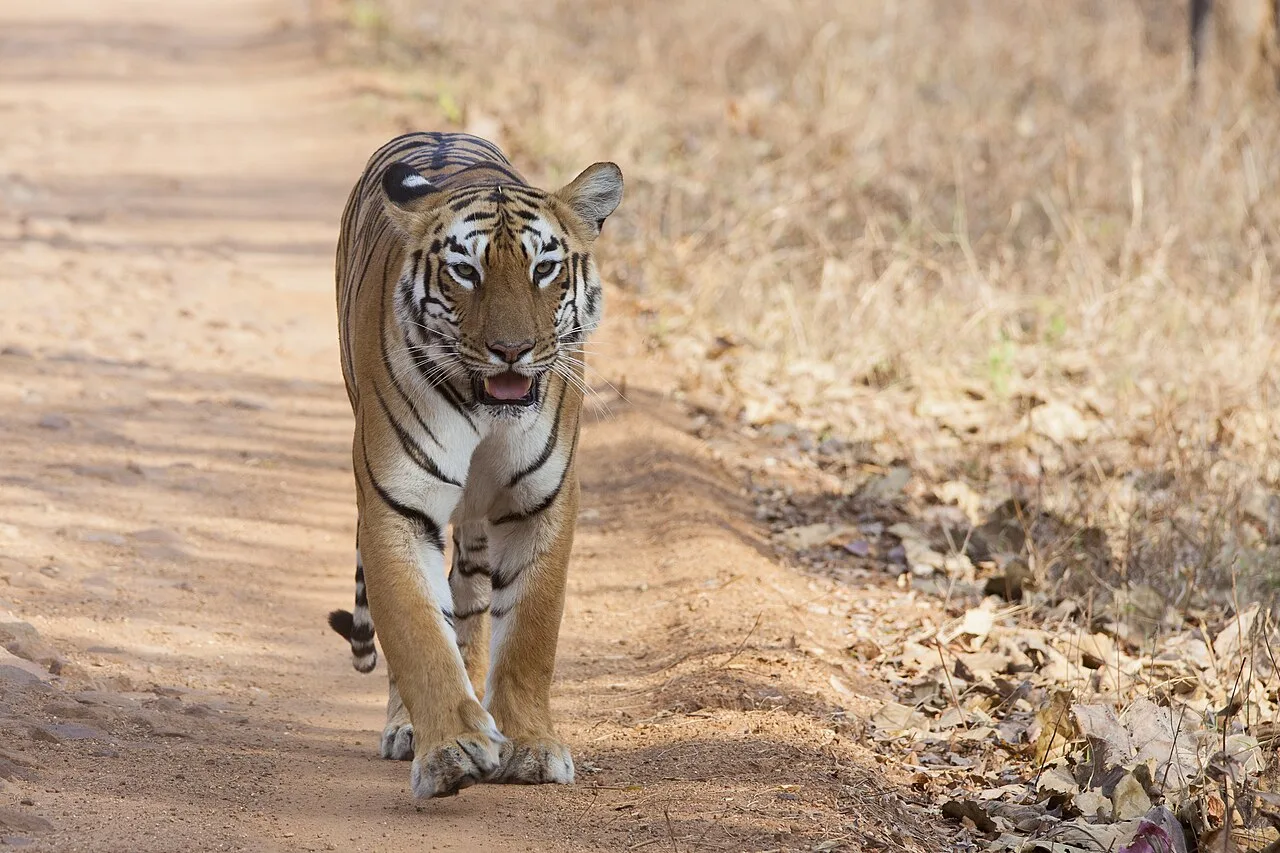
Melghat Tiger Reserve is a protected area in northern Amravati district, Maharashtra. Visitors come to experience its wildlife and learn about its place in India’s Project Tiger programme.

Aundha Nagnath Temple

137 km away · Hingoli district

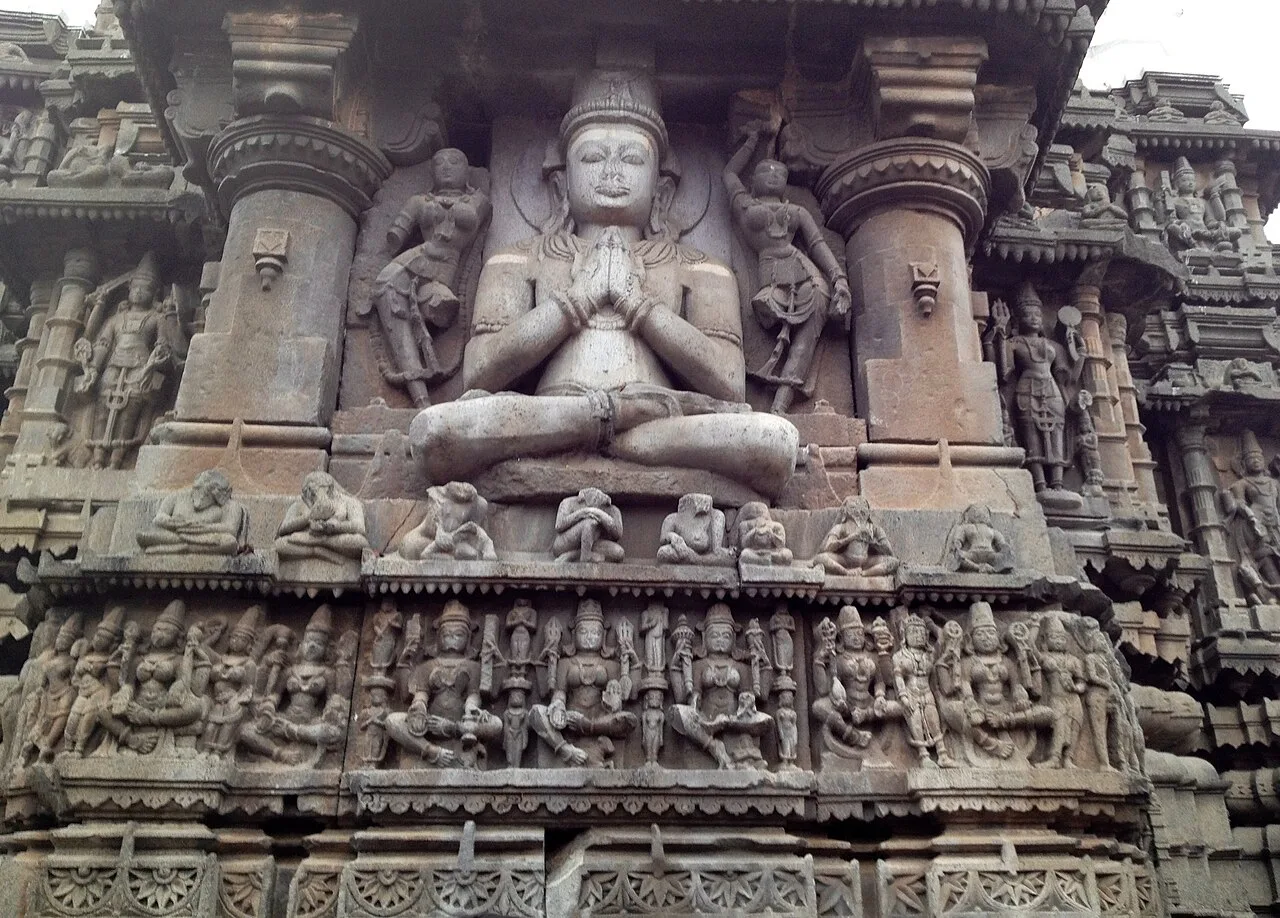
Aundha Nagnath Temple

Aundha Nagnath Temple is an old Shiva shrine in Maharashtra’s Hingoli district, regarded as the eighth of the twelve Jyotirlinga shrines. Visitors come for its religious importance, historical associations and distinctive architecture.

Deekshabhoomi

144 km away · Nagpur district

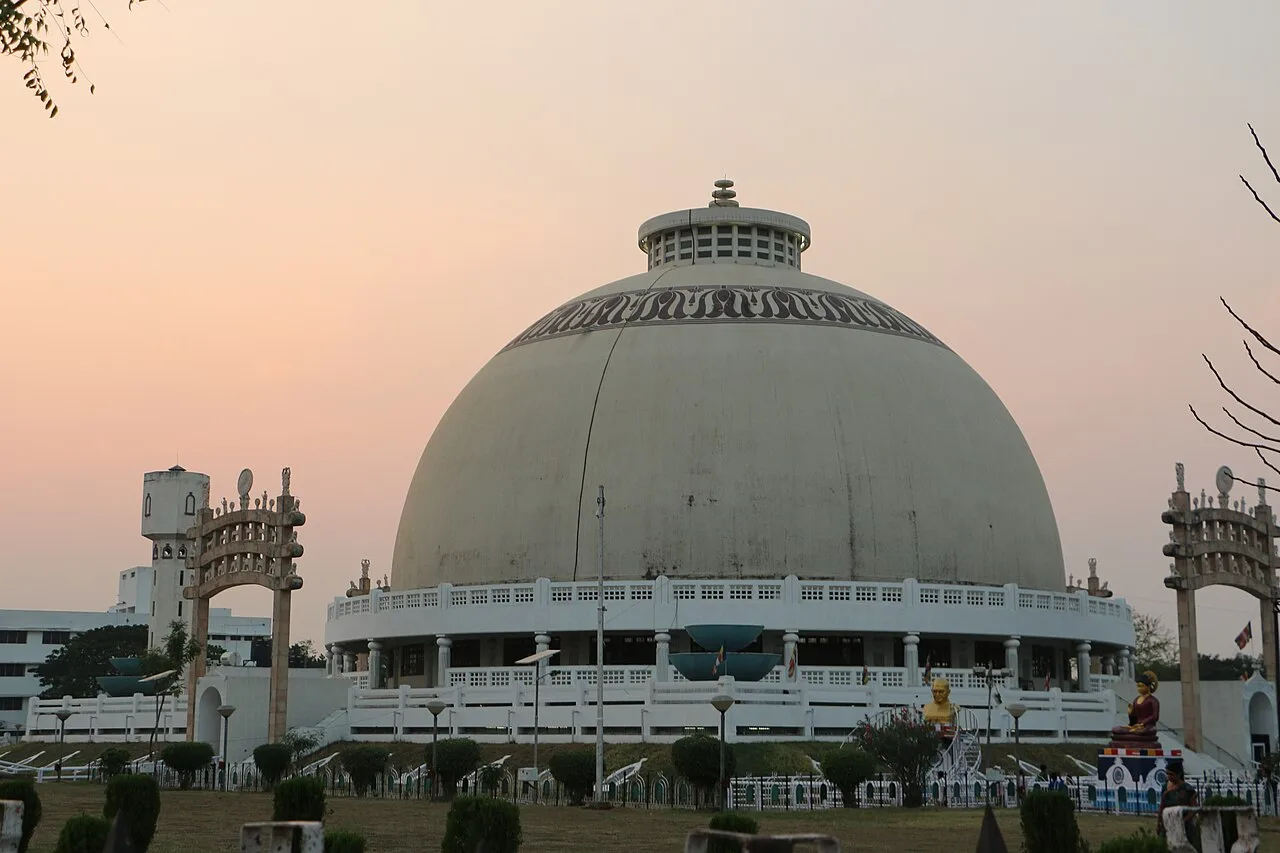
Deekshabhoomi

Deekshabhoomi is a Navayana Buddhist memorial in Nagpur, where B. R. Ambedkar and a vast following embraced Buddhism in 1956. Pilgrims visit to mark the conversion and its continuing significance.

Lonar Lake

153 km away · Buldhana district

Lonar Lake

Lonar Lake is a saline, soda-rich lake in Maharashtra’s Buldhana district, set within a meteorite-impact crater. Visitors come to see its unusual geological formation and recognised conservation status.

Hazur Sahib

159 km away · Nanded district

Hazur Sahib

Takht Sachkhand Sri Hazur Abchalnagar Sahib is one of Sikhism’s five takhts, in Nanded, Maharashtra. Visitors come to worship and remember Guru Gobind Singh at the site associated with his death and cremation.

Tadoba Andhari Tiger Reserve

162 km away · Chandrapur district

Tadoba Andhari Tiger Reserve

Set in Maharashtra’s Chandrapur district, Tadoba Andhari Tiger Reserve combines a national park and wildlife sanctuary within a protected area. Visitors come to experience its forests and wildlife.

Map

Ner on the map

  1. 1Chikhaldara
  2. 2Sevagram Ashram
  3. 3Melghat Tiger Reserve
  4. 4Aundha Nagnath Temple
  5. 5Deekshabhoomi
  6. 6Lonar Lake
  7. 7Hazur Sahib
  8. 8Tadoba Andhari Tiger Reserve

Maharashtra

Other cities to explore