Ghumoopedia — Explore, Discover, Experience
Sign in
Shirdi Sai Baba Temple, near Kopargaon

City guide · Maharashtra

Kopargaon

Kopargaon is a town in Maharashtra’s Ahmednagar district, set beside the Godavari River. Its location gives it a practical role as a local centre for nearby villages, with shops, services and transport links serving an agricultural hinterland.

Famous for

  • Godavari river setting
  • Access to Shirdi
  • Sugarcane farming
  • Regional agricultural trade
  • Marathi religious culture

Why Kopargaon matters

Kopargaon is a town in Maharashtra’s Ahmednagar district, set beside the Godavari River. Its location gives it a practical role as a local centre for nearby villages, with shops, services and transport links serving an agricultural hinterland. Farming, including sugarcane cultivation, is an important part of the surrounding economy, while the town’s markets support everyday regional trade.

For many visitors, Kopargaon is best known as a rail and road access point for Shirdi, an important pilgrimage destination a short journey away. Travellers may use the town as a stop on a wider tour of religious sites in the region, while the river offers a quieter element to a visit. Kopargaon is not primarily a resort or heritage-tourism destination; its appeal lies in its working-town character, river setting and convenient connections. Marathi life, local commerce and agriculture are more central to its identity than a single landmark or nationally renowned craft.
Famous for: crafts, trade & products

Kopargaon is associated more with agriculture and regional trade than with a signature textile, handicraft or GI-tagged product. Sugarcane cultivation is prominent in the surrounding area, and sugar processing forms part of the wider local economy. Farm produce and everyday goods move through the town’s shops and markets, which mainly serve residents and nearby communities rather than functioning as a specialist tourist bazaar.

For locally made or grown goods, browse the central shopping streets and general markets, where small retailers sell food, household supplies and seasonal produce. Visitors may also find sweets and snacks prepared in the local style, though these are not a distinct Kopargaon speciality with a widely recognised regional label. The town does not have a well-established destination market for sarees or craft souvenirs; shoppers seeking a broader selection of handicrafts and branded regional products may find more choice in larger cities nearby. Kopargaon’s significance in trade is chiefly practical: it connects rural producers and consumers with services, transport and agricultural businesses.

History

Kopargaon’s development is closely tied to its position beside the Godavari and to the farming settlements of the surrounding region. River access and cultivable land helped sustain local life, while roads and rail connections later strengthened the town’s role as a service and trading centre. Its history is part of the wider Deccan story, a region shaped over time by changing Indian kingdoms and administrations; detailed accounts of the town’s earliest growth are less prominent than those of major nearby centres.

During British rule, the area became part of the colonial administrative landscape of the Deccan. After independence, improvements in transport, irrigation and agricultural production contributed to the growth of the town and its hinterland. Sugarcane farming and sugar processing became important to the regional economy, alongside markets and services for nearby villages. Kopargaon’s present-day character reflects this gradual development: a municipal town whose importance comes from agriculture, local commerce and its position on routes used by residents and pilgrims travelling towards Shirdi.

Food, festivals & culture

Daily life in Kopargaon reflects the food and customs of inland Maharashtra. Meals commonly draw on bhakri or other flatbreads, lentils, vegetables and seasonal produce, with the level of chilli varying by household. Tea shops, snack counters and sweet shops serve residents and travellers; familiar treats such as jalebi, pedha and laddoo may be available, though none should be treated as a uniquely local speciality. Marathi is the principal language of everyday life, while Hindi and Urdu are also heard.

Ganesh Chaturthi, usually in August or September, and Diwali, generally in October or November, are major occasions, alongside Gudi Padwa in spring and Holi near the end of winter. Religious observances include Hindu festivals and Muslim celebrations, with dates for some occasions following the lunar calendar. Temples, mosques and other neighbourhood places of worship are part of the town’s community life. Music and dance are usually encountered through festival gatherings and local events rather than through a major performance venue; devotional singing and popular Marathi music are familiar parts of celebrations.

Visiting the city

The cooler, drier months from November to February are generally the most comfortable for exploring Kopargaon and the surrounding area. Summer can be hot, while the monsoon season brings rain and greener countryside. Shirdi Airport, near Kakadi, is the nearest airport serving the area. Kopargaon Railway Station is the town’s main rail station and a useful arrival point for visitors travelling onward to Shirdi.

Auto-rickshaws, taxis and local buses are practical ways to get around; confirm the route before setting out. Explore the central bazaar for everyday town life, and seek out accessible stretches beside the Godavari for a sense of the river setting. The station area and roads leading towards Shirdi are useful transport corridors, while the town itself is best treated as a convenient base or stop rather than a destination with a large sightseeing district.

Trips from the city

Nearest places to visit from Kopargaon

Our closest destination guides, by straight-line distance.

Shirdi Sai Baba Temple

13 km away · Ahilyanagar district

Shirdi Sai Baba Temple

The Shirdi Sai Baba Temple is a pilgrimage destination in Maharashtra, visited because of its association with Sai Baba, the nineteenth-century Indian saint closely connected with the town.

Shani Shingnapur

64 km away · Ahilyanagar district

Shani Shingnapur

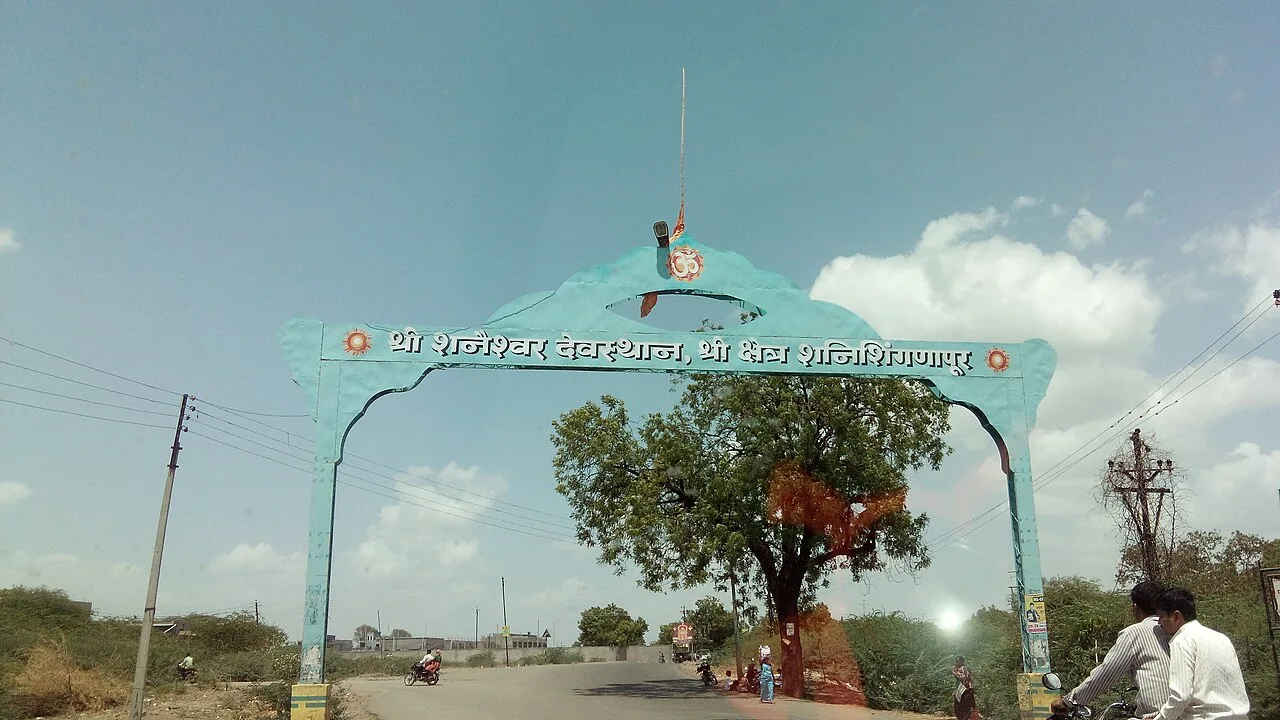
In Maharashtra, Shani Shingnapur is a village visited for its temple to Shani, the Hindu deity linked to the graha Saturn.

Kalaram Temple

72 km away · Nashik district

Kalaram Temple

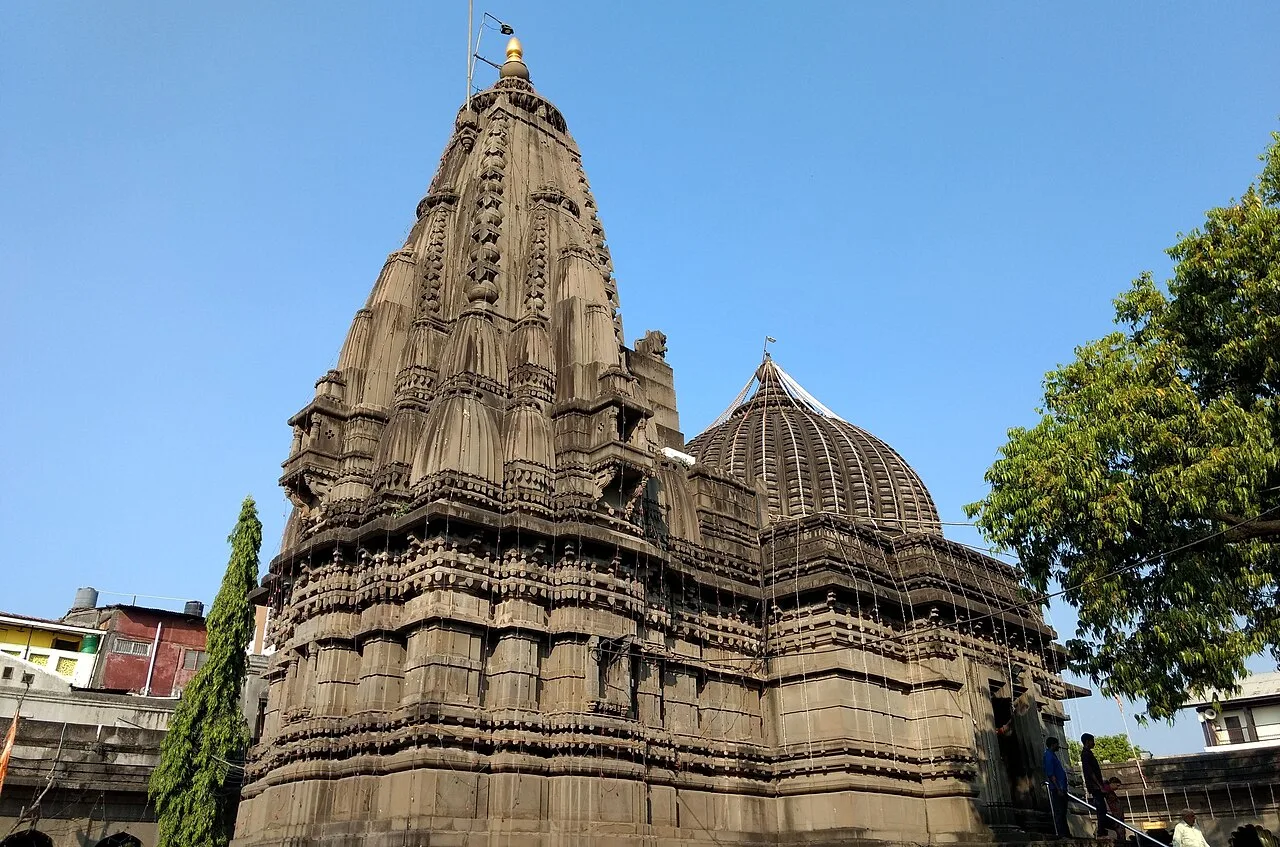
Kalaram Temple is a Hindu shrine in Nashik, Maharashtra, devoted to Rama. Visitors come to worship at the temple, whose inner sanctuary also contains images of Sita and Lakshmana.

Ghrishneshwar Temple

74 km away · Chhatrapati Sambhajinagar district

Ghrishneshwar Temple

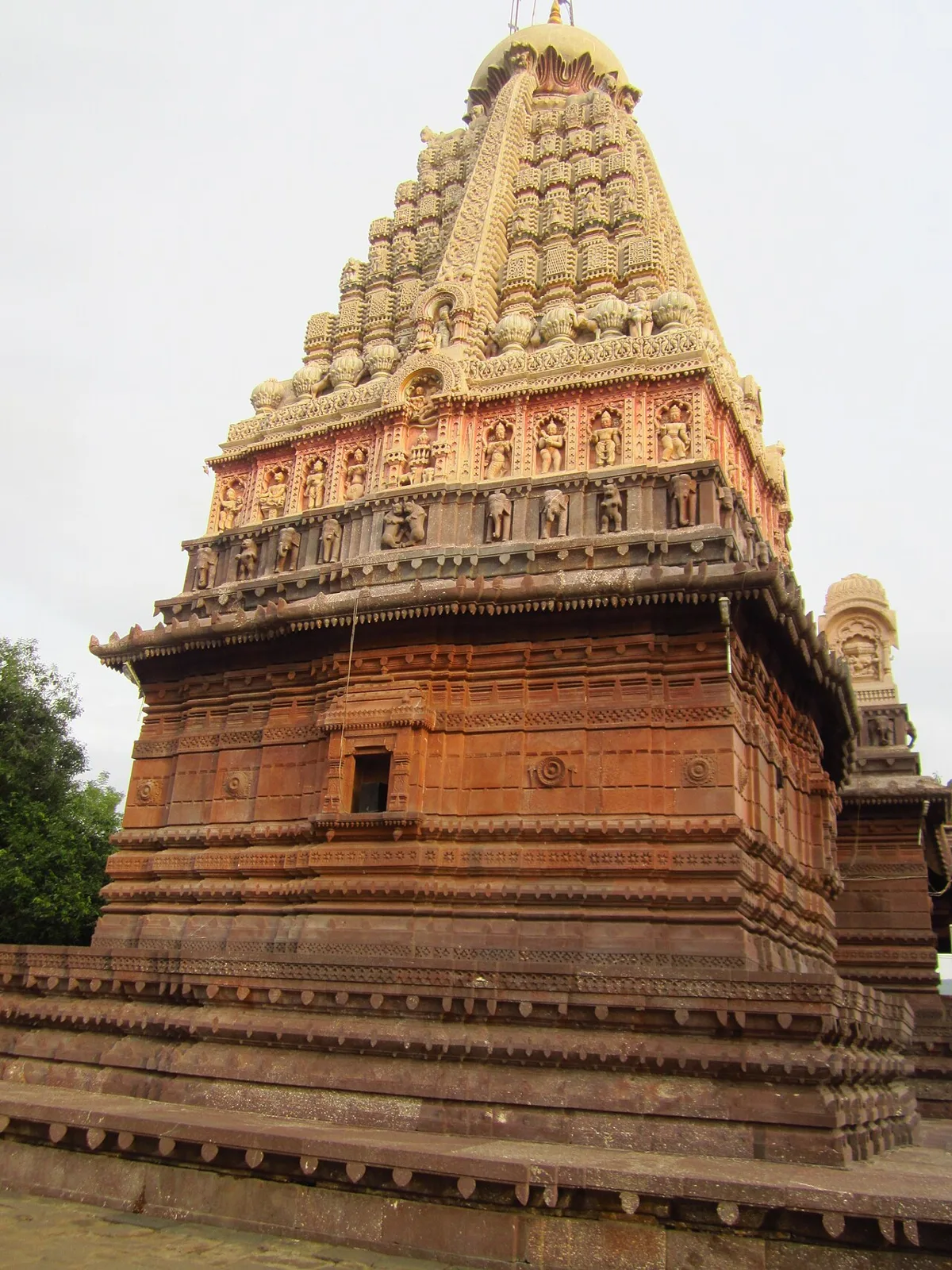
Ghrishneshwar Temple is a Shiva shrine in Verul, Maharashtra, and one of the twelve Jyotirlingas. Visitors come to worship Shiva at this nationally protected temple.

Ellora Caves

75 km away · Chhatrapati Sambhajinagar district

Ellora Caves

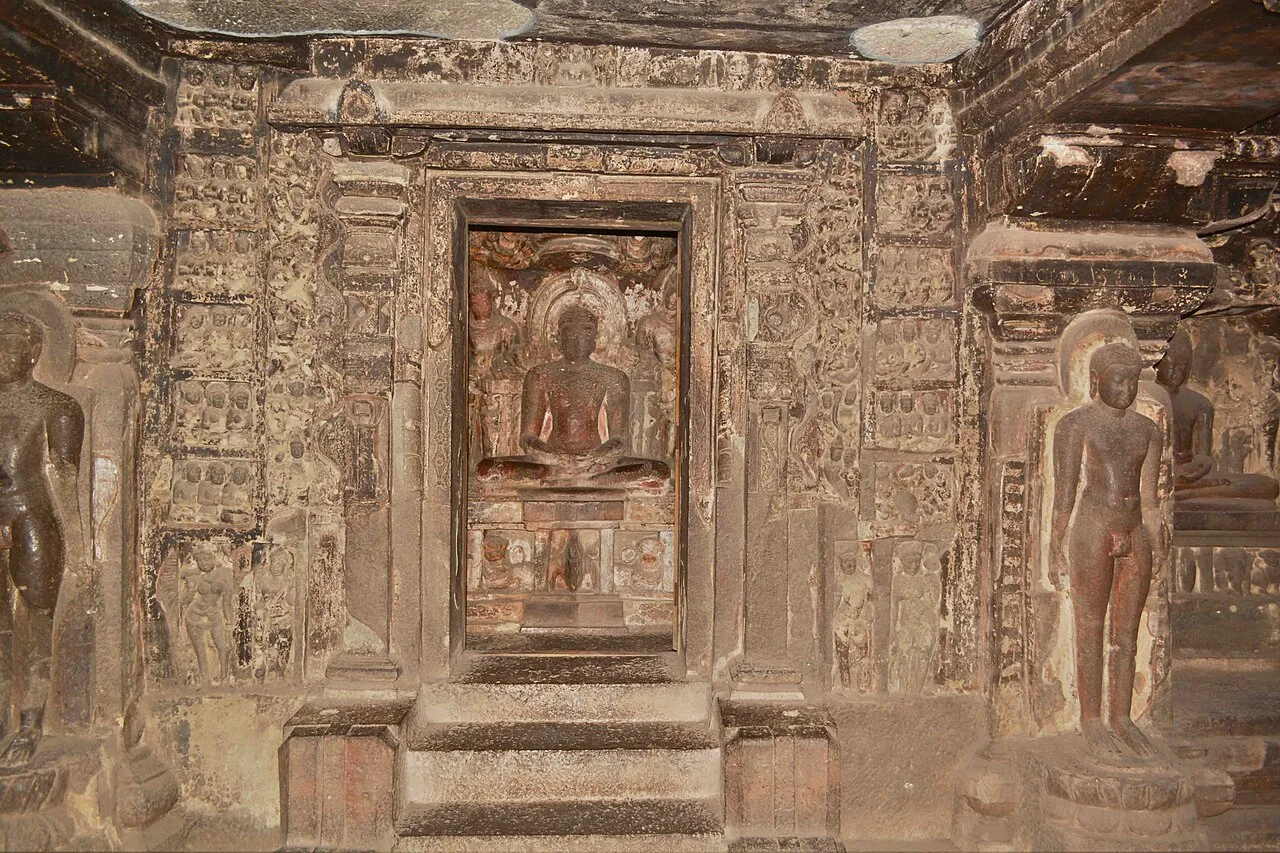
Ellora, in Maharashtra’s Chhatrapati Sambhajinagar district, is a UNESCO World Heritage Site. Visitors explore its Hindu, Buddhist and Jain monuments, including the remarkable Kailash temple carved from rock.

Pandavleni Caves

76 km away · Nashik district

Pandavleni Caves

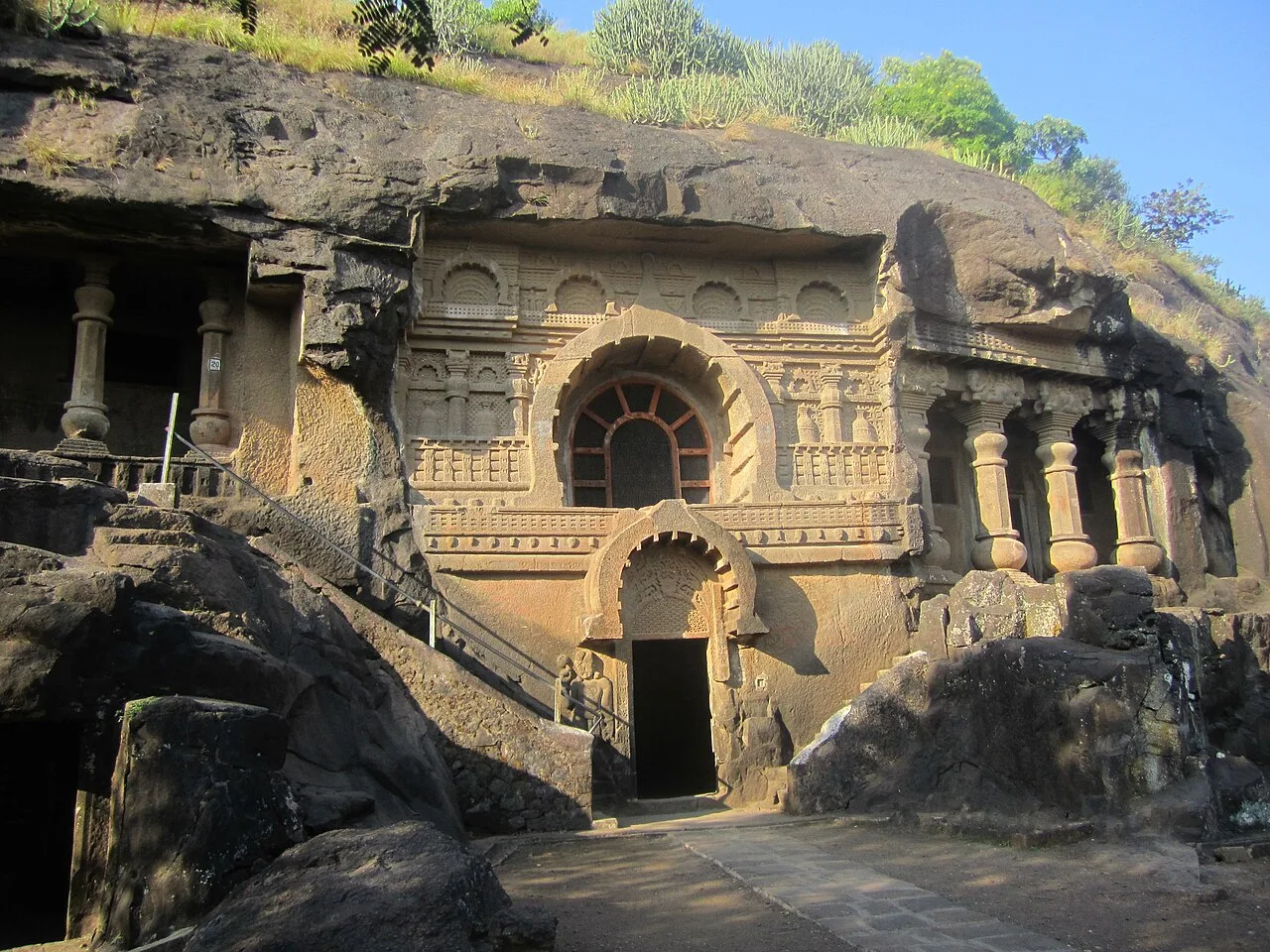
Pandavleni, also called the Trirashmi and Nashik Caves, is a Buddhist and Jain complex near Nashik, drawing visitors to its religious chambers and distinctive cave architecture.

Daulatabad Fort

77 km away · Chhatrapati Sambhajinagar district

Daulatabad Fort

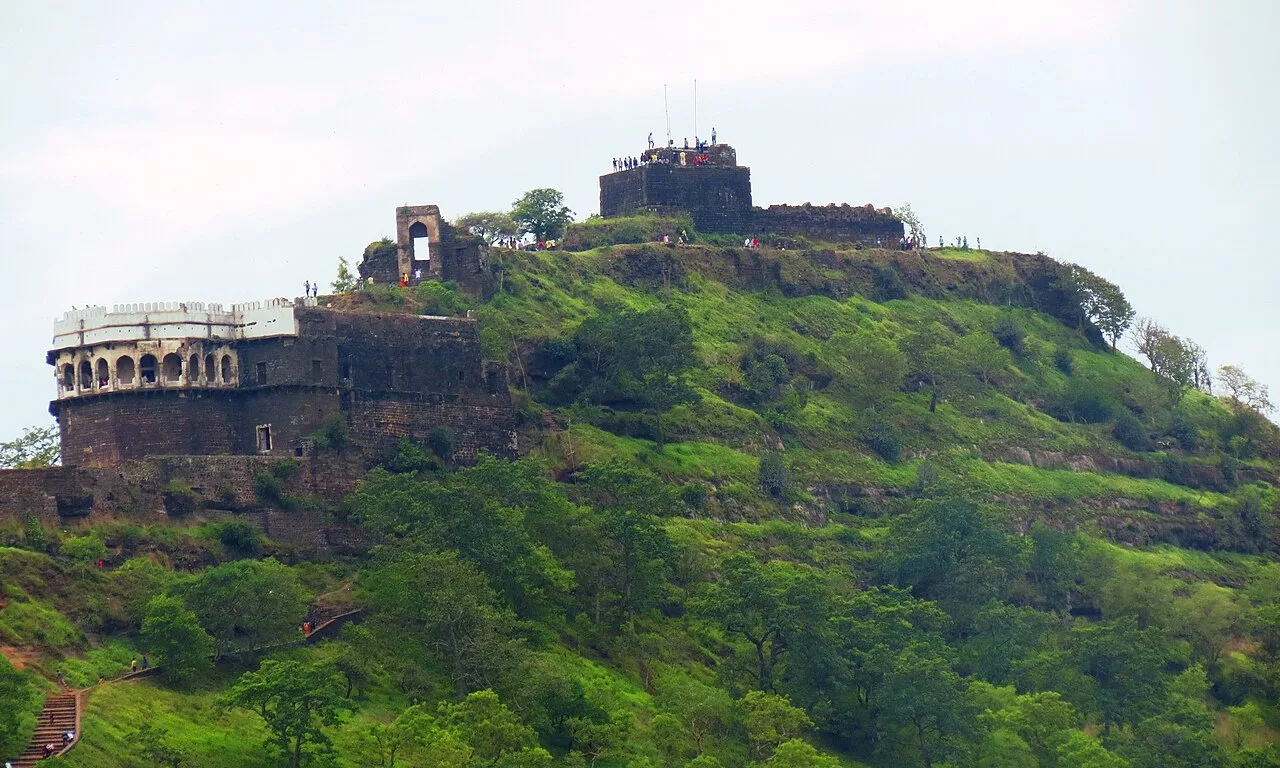
Daulatabad Fort is a historic stronghold in Maharashtra, first known as Devagiri. Visitors explore its history as a Yadava seat, briefly a Delhi Sultanate capital, and later an Ahmadnagar centre.

Saptashrungi

82 km away · Nashik district

Saptashrungi

Saptashrungi is a Hindu pilgrimage destination in Maharashtra, where the goddess is believed to dwell among seven peaks. Devotees visit its temple, which holds an important place in Shakti Peetha traditions.

Map

Kopargaon on the map

  1. 1Shirdi Sai Baba Temple
  2. 2Shani Shingnapur
  3. 3Kalaram Temple
  4. 4Ghrishneshwar Temple
  5. 5Ellora Caves
  6. 6Pandavleni Caves
  7. 7Daulatabad Fort
  8. 8Saptashrungi

Maharashtra

Other cities to explore