Ghumoopedia — Explore, Discover, Experience
Sign in
Bibi Ka Maqbara, near Paithan

City guide · Maharashtra

Paithan

Paithan is a historic town on the Godavari River in Maharashtra’s Marathwada region, about 56 kilometres south of Chhatrapati Sambhajinagar. Known in ancient times as Pratishthana, it was a major Satavahana capital and a centre of trade, religion and textile making.

Famous for

  • Paithani silk sarees
  • Sant Eknath’s shrine
  • Satavahana-era history
  • Nath Shashti pilgrimage
  • Dnyaneshwar Udyan
  • Munisuvratnath Jain temple

Why Paithan matters

Paithan is a historic town on the Godavari River in Maharashtra’s Marathwada region, about 56 kilometres south of Chhatrapati Sambhajinagar. Known in ancient times as Pratishthana, it was a major Satavahana capital and a centre of trade, religion and textile making. Its long history gives the town a significance beyond its modest size, while its riverside setting and pilgrimage traditions continue to draw visitors today.

Many come to pay their respects at the shrine of the Marathi saint Eknath, especially during Nath Shashti, an annual pilgrimage gathering. Paithan is also associated with other bhakti-era saints and with the Mahanubhava tradition. Visitors explore its Jain temple, the landscaped Dnyaneshwar Udyan and the nearby Godavari-side landscape around Jayakwadi Dam. The town is best known internationally for Paithani silk sarees, prized for their rich colours and intricate borders. Together, its living religious traditions, craft heritage and ancient remains make Paithan an important cultural destination in the region.
Famous for: crafts, trade & products

Paithan’s signature craft is the Paithani saree, a silk garment traditionally woven with colourful designs and elaborate zari borders. The name refers to the town’s historic association with the textile, and Paithani sarees and fabrics have a Geographical Indication. Weaving is also strongly associated with other Maharashtra centres, including Yeola, so visitors should ask sellers about the saree’s place of manufacture, materials and workmanship.

In Paithan, textile shops and local sellers are places to look for sarees and related fabrics; ask whether a piece is handwoven and request details of its design and zari. The craft’s heritage is part of the town’s identity, although production and retail options vary. Paithan’s ancient trade history is reflected in archaeological finds from the surrounding area, including beads, terracotta objects and coins; these are not necessarily displayed in a dedicated public collection. The town is also known for religious institutions, particularly Eknath’s shrine and the Jain temple dedicated to Munisuvratnath. Dnyaneshwar Udyan and the Jayakwadi project are prominent local attractions, rather than textile markets.

History

Paithan’s ancient name, Pratishthana, is associated with its role as a capital of the Satavahana dynasty, which ruled from the second century BCE to the second century CE. Its position on the Godavari helped it grow into a centre of commerce, with connections to markets across India and overseas. Archaeological finds from the area—including coins, beads and terracotta objects—point to activity across several periods. The town was later known as Pishtapura and came under the Chalukya ruler Pulakesin II; it also retained importance under later Deccan powers, including the Yadavas.

Paithan became an influential centre of religious life, particularly through the teachings and legacy of Sant Eknath. Maratha rulers and the Peshwas maintained ties with the town, valued both as a pilgrimage place and for its textiles. During British rule, Paithan was part of the princely state of Hyderabad under the Nizam, rather than the Bombay Presidency. Following Hyderabad’s integration into India in 1948, the town became part of Maharashtra when the state was formed in 1960. Today its heritage sits alongside the modern Jayakwadi water project and visitor facilities such as Dnyaneshwar Udyan.

Food, festivals & culture

Marathi is the main language of daily life; Hindi is also understood in many visitor-facing settings. Paithan’s strongest cultural thread is devotional: bhajans, kirtans and abhangs are associated with the bhakti tradition and the memory of Sant Eknath. The town’s temples and the Godavari draw pilgrims throughout the year. The Jain temple dedicated to Munisuvratnath is another important place of worship, reflecting Paithan’s long religious diversity.

Nath Shashti, held around the time of Phalguna, is the town’s best-known annual religious gathering, when devotees visit Eknath’s shrine. Other widely observed celebrations include Ganesh Chaturthi, Diwali and Makar Sankranti, with observances following the Hindu calendar. Local meals reflect Marathwada cooking: jowar bhakri, lentils, vegetables and spicy preparations are common, while pithla and the gram-flour dish zunka are familiar regional foods. Sweet shops and eateries serve treats popular across Maharashtra, though particular offerings vary. Paithani weaving is also part of cultural life, with its motifs and techniques carrying a strong local association.

Visiting the city

October to February is generally the most comfortable period to visit, with milder weather for sightseeing. Summer can be hot; the monsoon brings rain and greener surroundings, though conditions may affect outdoor plans. The nearest airport is Chhatrapati Sambhajinagar Airport, also known as Aurangabad Airport. The main railway connection is Chhatrapati Sambhajinagar railway station; Paithan itself is reached by road from the city.

Auto-rickshaws and local taxis can help with trips within Paithan, while a hired vehicle is useful for visiting nearby attractions. Explore the town centre and Eknath’s shrine, then visit the Jain temple and Dnyaneshwar Udyan. The Godavari riverfront and the Jayakwadi Dam area offer a change of scene; check local conditions before planning time near the water. Allow time to browse textile shops for Paithani work, and consider a road trip to Apegaon, associated with the birthplace of Sant Dnyaneshwar and his siblings.

Trips from the city

Nearest places to visit from Paithan

Our closest destination guides, by straight-line distance.

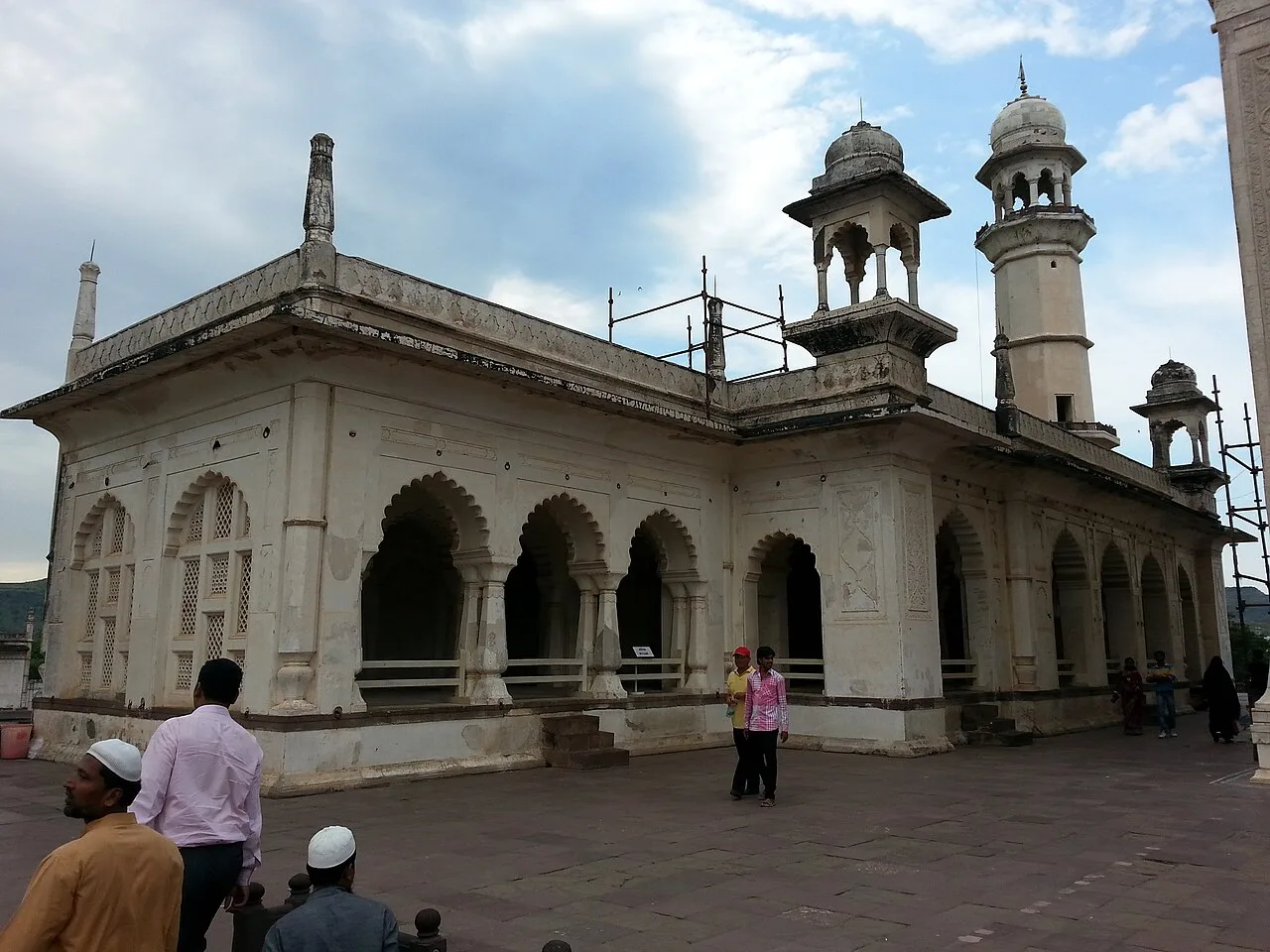
Bibi Ka Maqbara

47 km away · Chhatrapati Sambhajinagar district

Bibi Ka Maqbara

Bibi Ka Maqbara is a Mughal mausoleum in Aurangabad, Maharashtra, built for Dilras Banu Begum. Visitors come to see its resemblance to the Taj Mahal and its place in the region’s history.

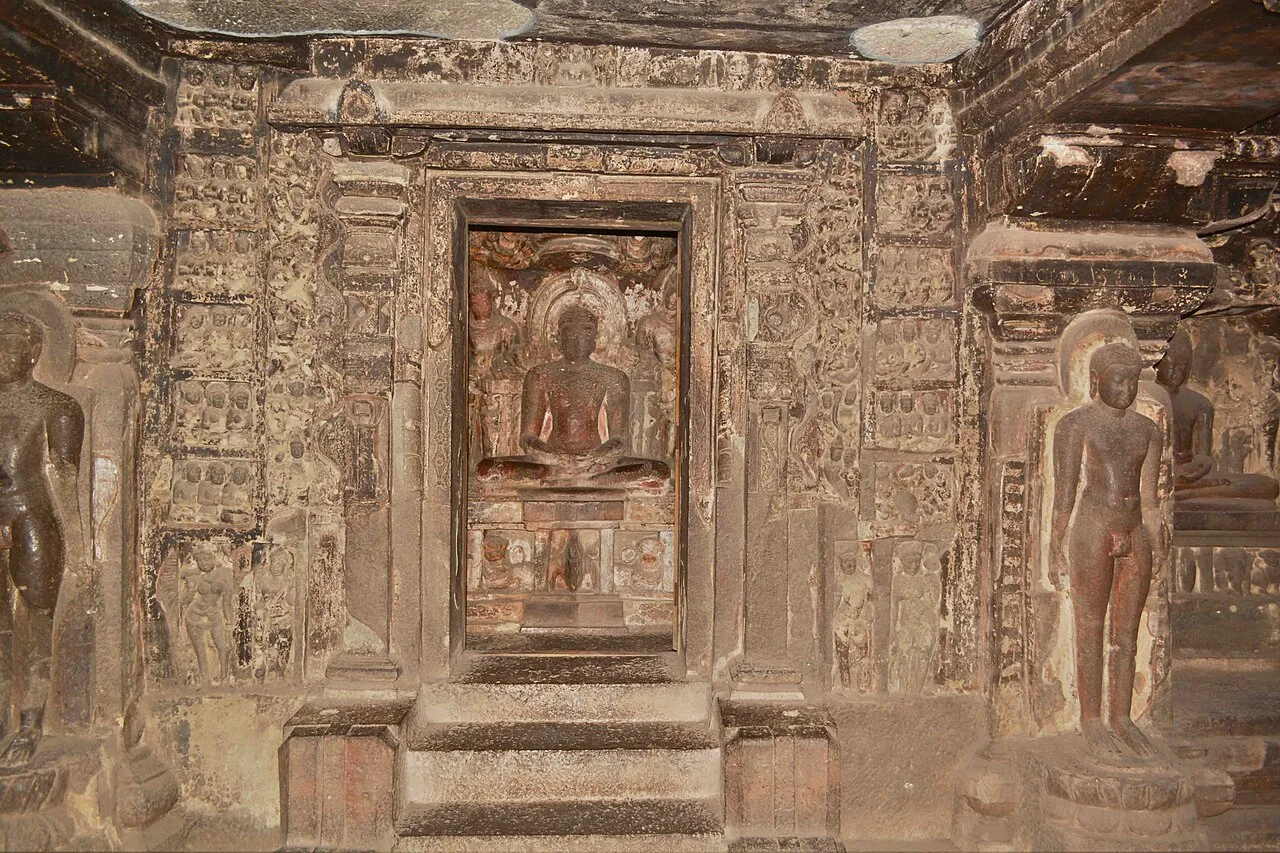
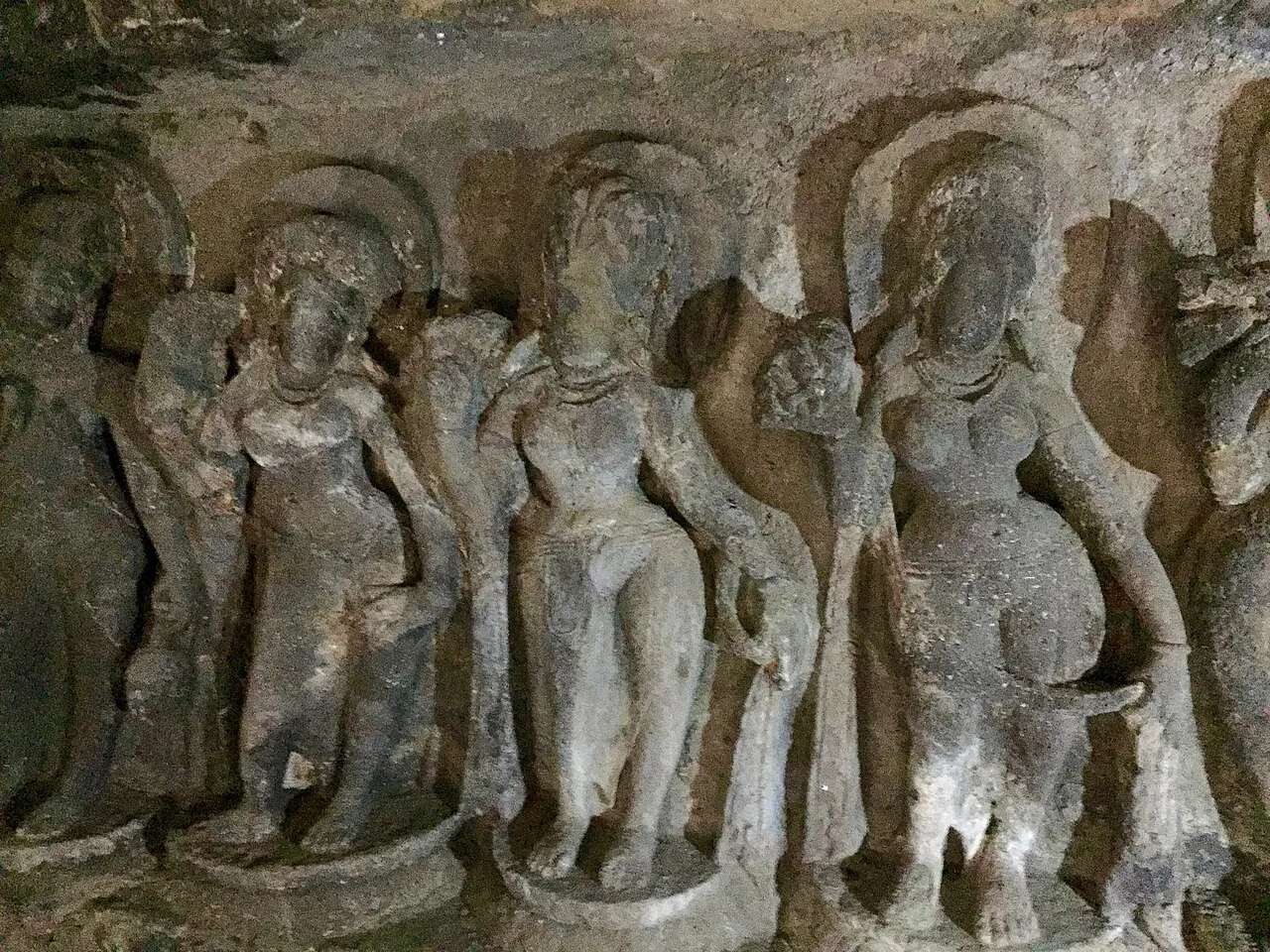
Aurangabad Caves

49 km away · Chhatrapati Sambhajinagar district

Aurangabad Caves

Near Aurangabad in Maharashtra, this hill complex contains twelve Buddhist sanctuaries excavated in basalt. Visitors explore its cave architecture and carvings, which represent several Buddhist traditions and include a range of deities.

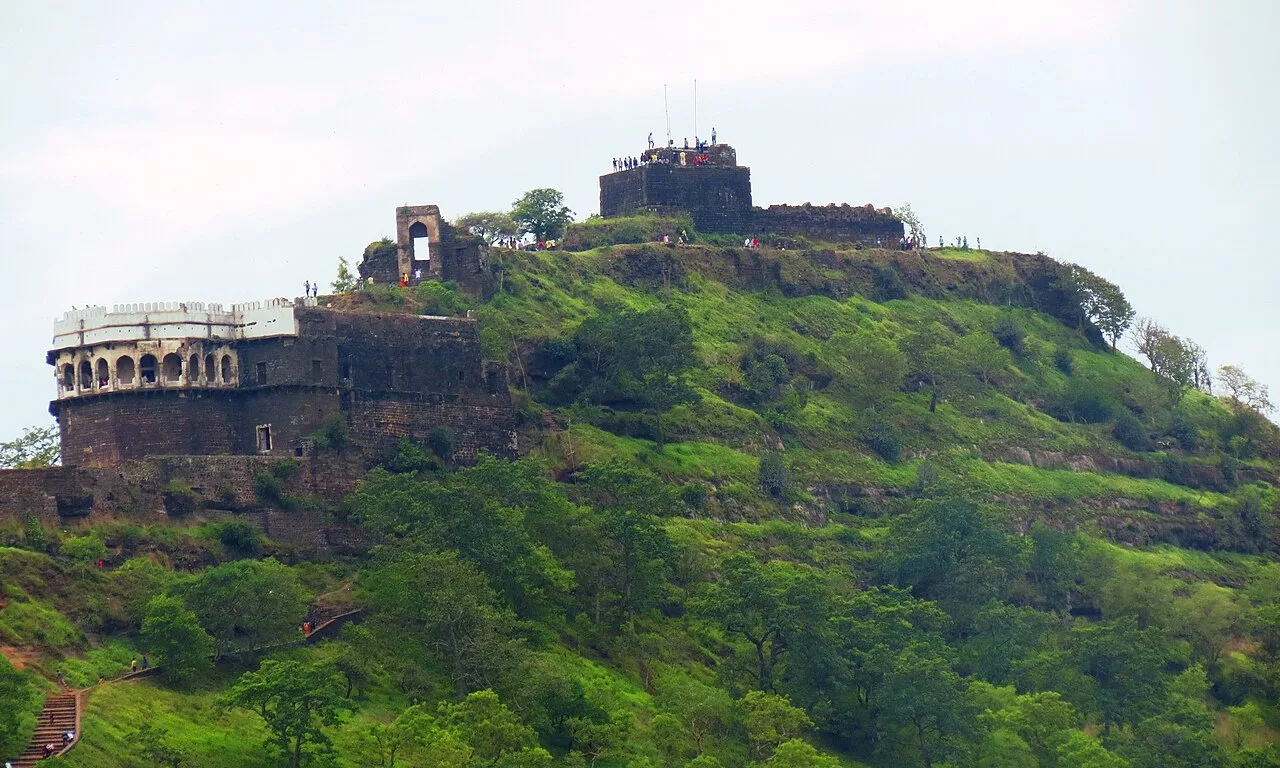
Daulatabad Fort

54 km away · Chhatrapati Sambhajinagar district

Daulatabad Fort

Daulatabad Fort is a historic stronghold in Maharashtra, first known as Devagiri. Visitors explore its history as a Yadava seat, briefly a Delhi Sultanate capital, and later an Ahmadnagar centre.

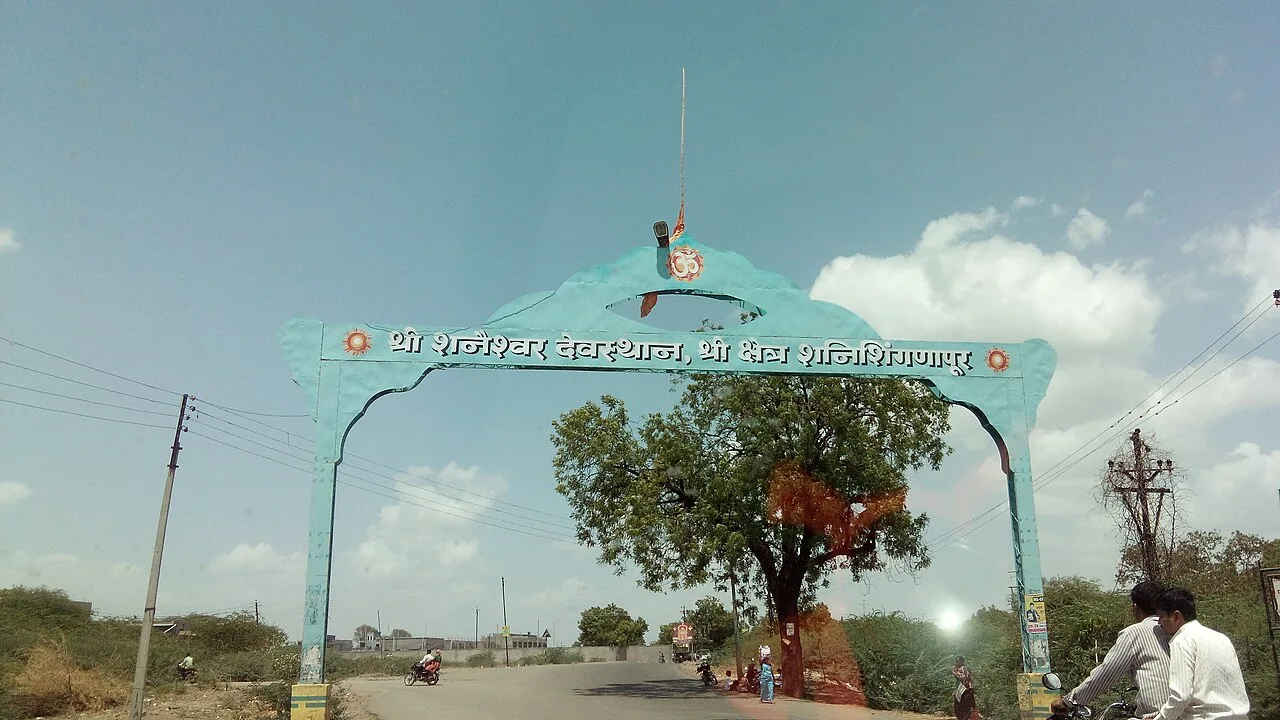
Shani Shingnapur

60 km away · Ahilyanagar district

Shani Shingnapur

In Maharashtra, Shani Shingnapur is a village visited for its temple to Shani, the Hindu deity linked to the graha Saturn.

Ellora Caves

64 km away · Chhatrapati Sambhajinagar district

Ellora Caves

Ellora, in Maharashtra’s Chhatrapati Sambhajinagar district, is a UNESCO World Heritage Site. Visitors explore its Hindu, Buddhist and Jain monuments, including the remarkable Kailash temple carved from rock.

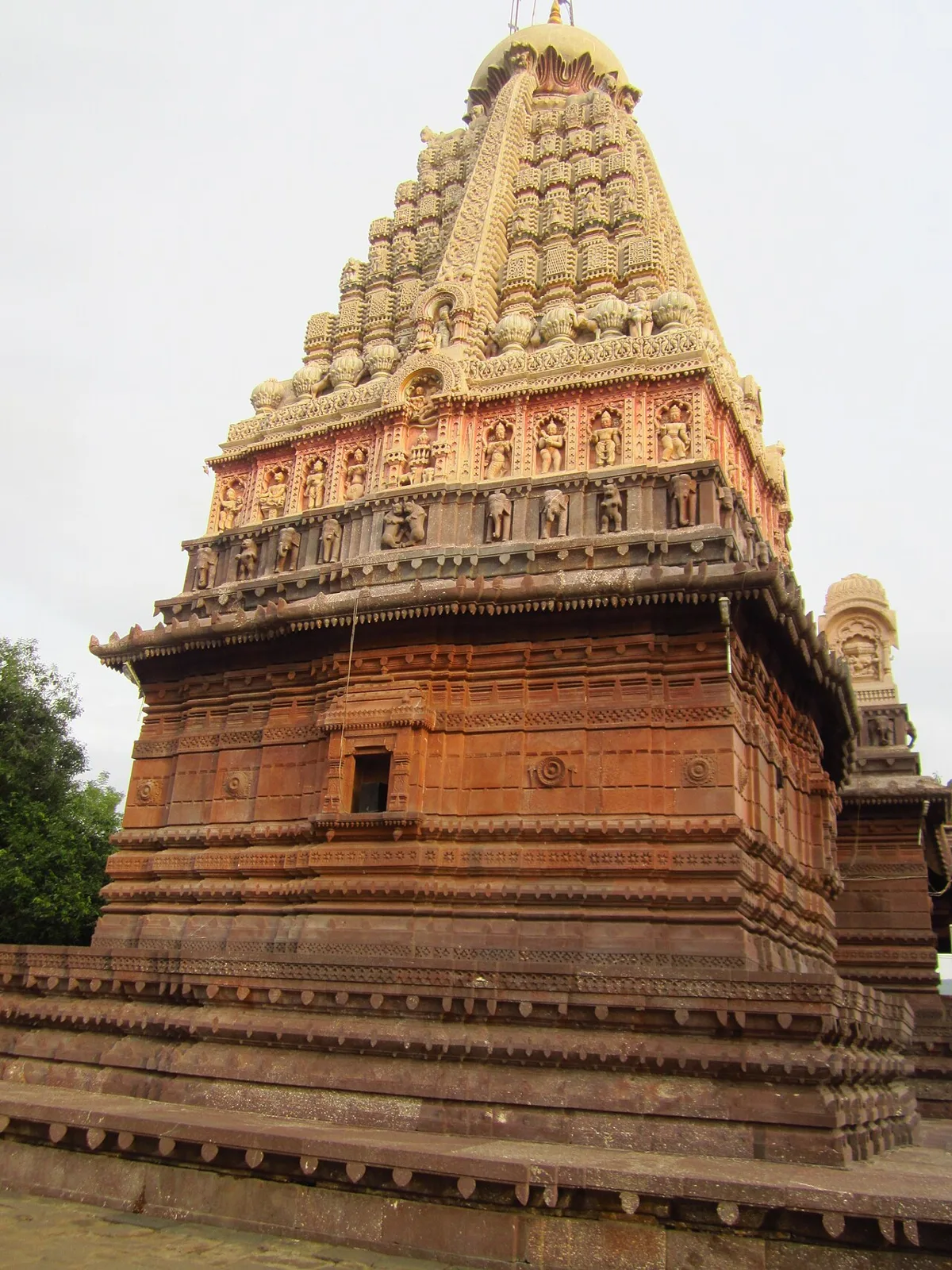
Ghrishneshwar Temple

64 km away · Chhatrapati Sambhajinagar district

Ghrishneshwar Temple

Ghrishneshwar Temple is a Shiva shrine in Verul, Maharashtra, and one of the twelve Jyotirlingas. Visitors come to worship Shiva at this nationally protected temple.

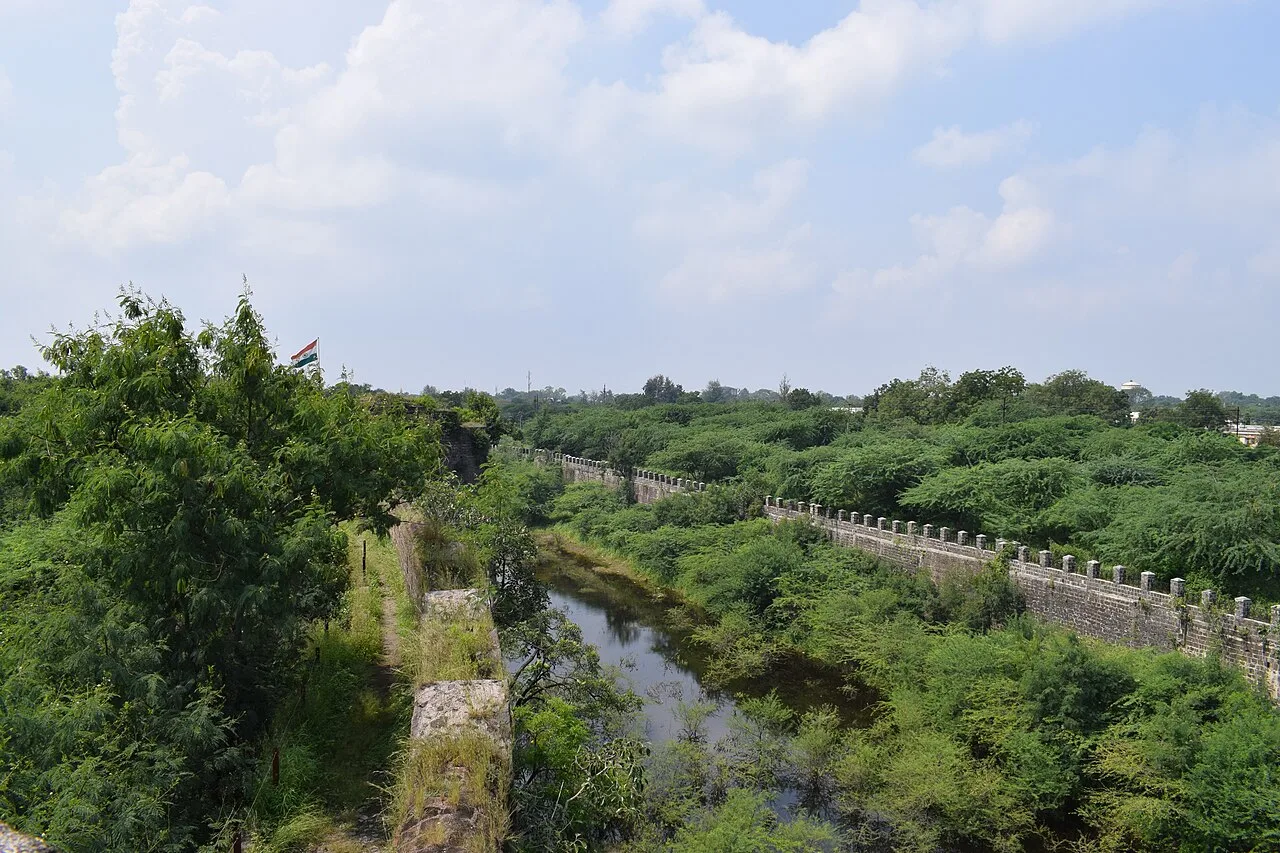
Ahmednagar Fort

78 km away · Ahilyanagar district

Ahmednagar Fort

Ahmednagar Fort, in Maharashtra, is a historic stronghold associated with the Ahmednagar Sultanate, the 1803 Anglo-Maratha conflict and imprisonment under British rule, making it a point of historical interest.

94 km away · Ahilyanagar district

Hiware Bazar

Hiware Bazar is a village in Maharashtra’s Ahmednagar district, known for its irrigation system and water-conservation efforts to tackle drought and drinking-water difficulties.

Map

Paithan on the map

  1. 1Bibi Ka Maqbara
  2. 2Aurangabad Caves
  3. 3Daulatabad Fort
  4. 4Shani Shingnapur
  5. 5Ellora Caves
  6. 6Ghrishneshwar Temple
  7. 7Ahmednagar Fort
  8. 8Hiware Bazar

Maharashtra

Other cities to explore