Ghumoopedia — Explore, Discover, Experience
Sign in
Aundha Nagnath Temple, near Parbhani

City guide · Maharashtra

Parbhani

Parbhani is an important administrative and educational centre in Maharashtra’s Marathwada region. As the headquarters of Parbhani district, it serves nearby towns and farming communities, while Vasantrao Naik Marathwada Agricultural University gives the city a wider role in agricultural education and research.

Famous for

  • Turabul Haq Dargah
  • Turabul Haq Urs
  • Vasantrao Naik Marathwada Agricultural University
  • Marathwada agriculture
  • Deccan and Nizam history

Why Parbhani matters

Parbhani is an important administrative and educational centre in Maharashtra’s Marathwada region. As the headquarters of Parbhani district, it serves nearby towns and farming communities, while Vasantrao Naik Marathwada Agricultural University gives the city a wider role in agricultural education and research. The university is a notable local institution and a reason Parbhani is associated with farming and crop development.

Visitors are drawn especially to Turabul Haq Dargah and its annual Urs, which brings together pilgrims and other visitors. The city’s character also reflects a layered past shaped by Deccan sultanates, Mughal rule and the Nizam of Hyderabad. Marathi is the main language of daily life, alongside Urdu and Hindi. Parbhani is not primarily a resort destination; it makes a useful base for experiencing the towns, religious sites and agricultural landscape of this part of Marathwada. Its appeal lies in that regional role, its shrine and its blend of histories and traditions.

Famous for: crafts, trade & products

Parbhani is better known for agriculture and education than for a signature textile, handicraft or GI-tagged product. Vasantrao Naik Marathwada Agricultural University is the city’s most prominent specialist institution, with a regional focus on agricultural teaching and research. Farming and produce trading are important to the wider district; local markets serve the surrounding countryside and handle farm goods. The crops available vary by season, so visitors can look for locally grown produce in the city’s general and produce markets.

The central bazaar areas are the most practical places to browse for everyday goods, snacks and seasonal produce, rather than for a distinct craft-shopping quarter. Parbhani does not have a widely recognised local saree tradition or a particular craft market that defines it as a destination. Visitors looking for souvenirs may find religious keepsakes and routine household goods in shops around the central town and near Turabul Haq Dargah. For agricultural connections, the university is the key institution, though access to its campus or facilities may depend on university rules. Ask local shopkeepers about the origin of produce and crafts before buying.

History

The city’s name is linked to Prabhavati, a name associated with the goddess Lakshmi and Parvati. The settlement was formerly known as Prabhavati Nagari, a reference to a temple of the goddess; Parbhani is understood as a later form of that name.

For centuries, the town and surrounding region came under successive Deccan sultanates, Mughal authority and the Nizam of Hyderabad. It remained within Hyderabad State, a princely state under British paramountcy, rather than being governed as part of British India. In 1948, after the Indian military action known as Operation Polo, Hyderabad State became part of India. Administrative reorganisation in 1956 transferred Parbhani to Bombay State; when Maharashtra was formed in 1960, the city became part of the new state.

In modern times, Parbhani developed as a district headquarters and regional service centre. The establishment of an agricultural university strengthened its role in education and farming-related research, while the city continues to serve communities across its district.

Food, festivals & culture

Everyday food reflects the broader cuisine of Marathwada and Maharashtra. Jowar bhakri, pithla, zunka, lentils, rice and spicy thecha are familiar choices; meals and sweets vary among households and eateries. Puran poli is enjoyed especially during festive occasions. Visitors can look to local restaurants and snack shops for regional thalis and simple Maharashtrian fare rather than expecting a single dish unique to Parbhani.

The annual Urs at Turabul Haq Dargah is a major religious gathering and a distinctive part of the city’s calendar. Its timing follows the Islamic calendar, so dates vary from year to year. Ganeshotsav, Diwali, Holi, Eid and other Hindu and Muslim observances are also celebrated. Marathi is widely spoken, with Urdu and Hindi also used. Religious life is visible in the city’s temples and mosques, and the Dargah is an important place of worship. Devotional singing and, during shrine gatherings, qawwali contribute to the area’s soundscape; wider Maharashtrian traditions include bhajan and folk performance.

Visiting the city

The cooler months, roughly October to February, are generally the most comfortable for exploring. Summers can be very hot, while the monsoon brings rain and changing travel conditions. The nearest airport is Nanded Airport; flight availability can vary, so check current services before planning. Chhatrapati Sambhajinagar Airport is a farther alternative. Parbhani Junction is the city’s main railway station and a convenient arrival point.

Auto-rickshaws and local taxis are useful for getting around; confirm the route before setting out. The central town and bazaar areas offer everyday city life, while Turabul Haq Dargah is a key destination for visitors. The railway-station area is convenient for arrivals and onward travel. Vasantrao Naik Marathwada Agricultural University lies beyond the central core; check access arrangements if you plan to visit its campus.

Trips from the city

Nearest places to visit from Parbhani

Our closest destination guides, by straight-line distance.

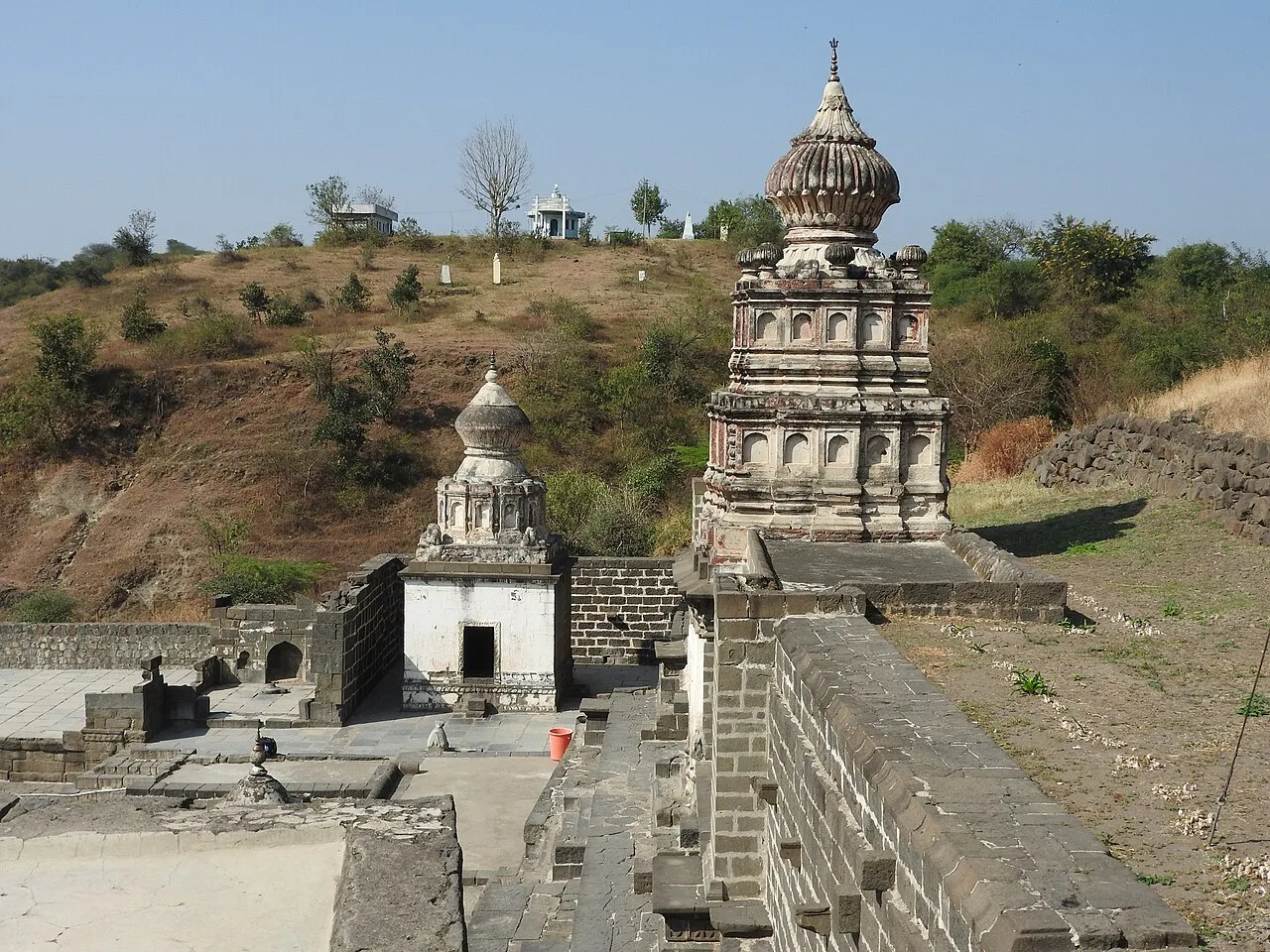
Aundha Nagnath Temple

41 km away · Hingoli district

Aundha Nagnath Temple

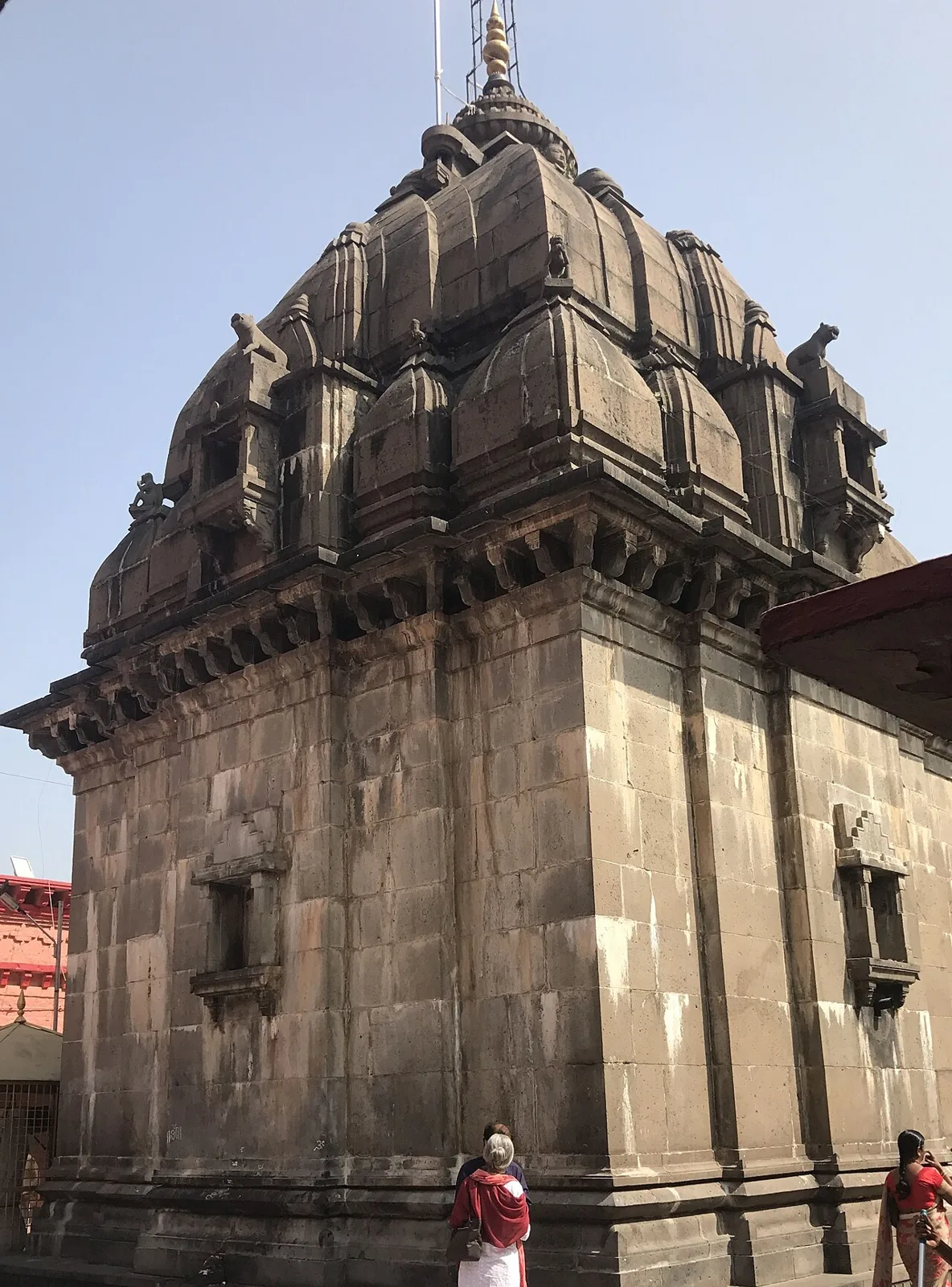
Aundha Nagnath Temple is an old Shiva shrine in Maharashtra’s Hingoli district, regarded as the eighth of the twelve Jyotirlinga shrines. Visitors come for its religious importance, historical associations and distinctive architecture.

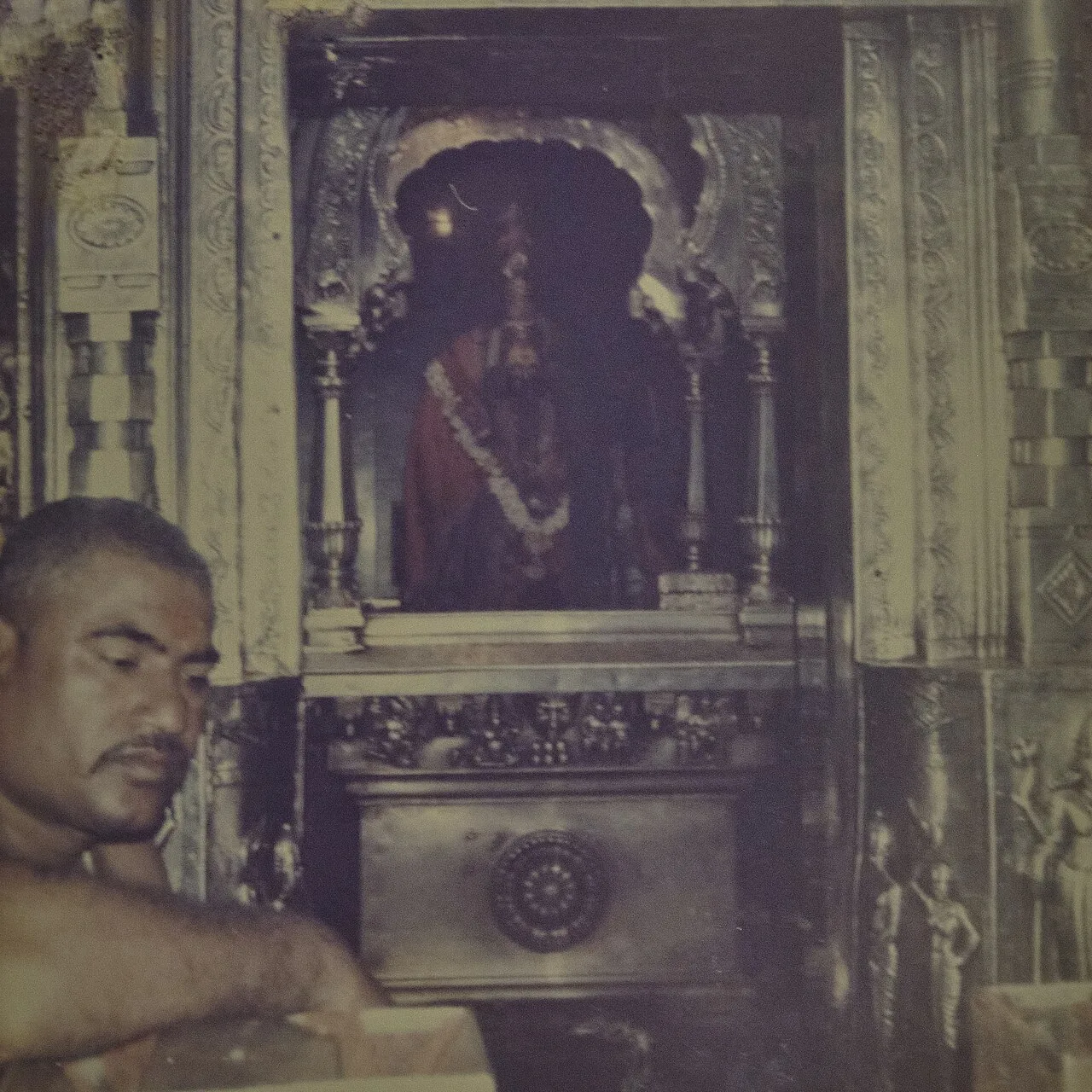
Shri Vaijnath Temple

53 km away · Beed district

Shri Vaijnath Temple

Shri Vaijnath Temple is a Shiva shrine at Parli Vaijnath in Maharashtra’s Beed district. Worshippers visit to perform abhishekam, and the temple is regarded as the fifth of Shiva’s twelve Jyotirlingas.

Hazur Sahib

59 km away · Nanded district

Hazur Sahib

Takht Sachkhand Sri Hazur Abchalnagar Sahib is one of Sikhism’s five takhts, in Nanded, Maharashtra. Visitors come to worship and remember Guru Gobind Singh at the site associated with his death and cremation.

Lonar Lake

83 km away · Buldhana district

Lonar Lake

Lonar Lake is a saline, soda-rich lake in Maharashtra’s Buldhana district, set within a meteorite-impact crater. Visitors come to see its unusual geological formation and recognised conservation status.

Tulja Bhavani Temple

155 km away · Dharashiv district

Tulja Bhavani Temple

Tulja Bhavani Temple is a 12th-century shrine to goddess Bhavani in Tuljapur, Maharashtra. It is counted among India’s 51 Shakti Pithas and the state’s four major Shakti shrines.

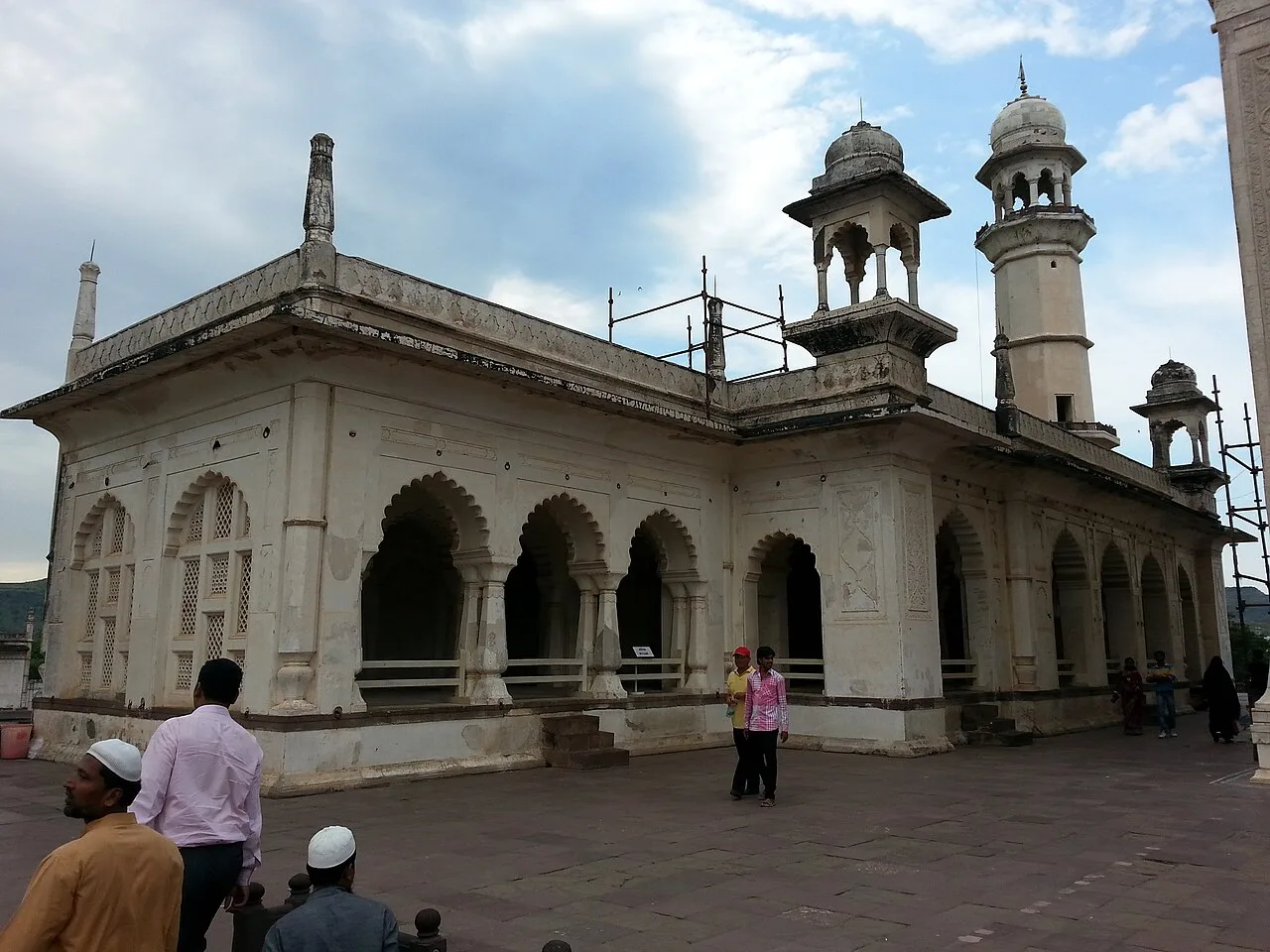
Bibi Ka Maqbara

167 km away · Chhatrapati Sambhajinagar district

Bibi Ka Maqbara

Bibi Ka Maqbara is a Mughal mausoleum in Aurangabad, Maharashtra, built for Dilras Banu Begum. Visitors come to see its resemblance to the Taj Mahal and its place in the region’s history.

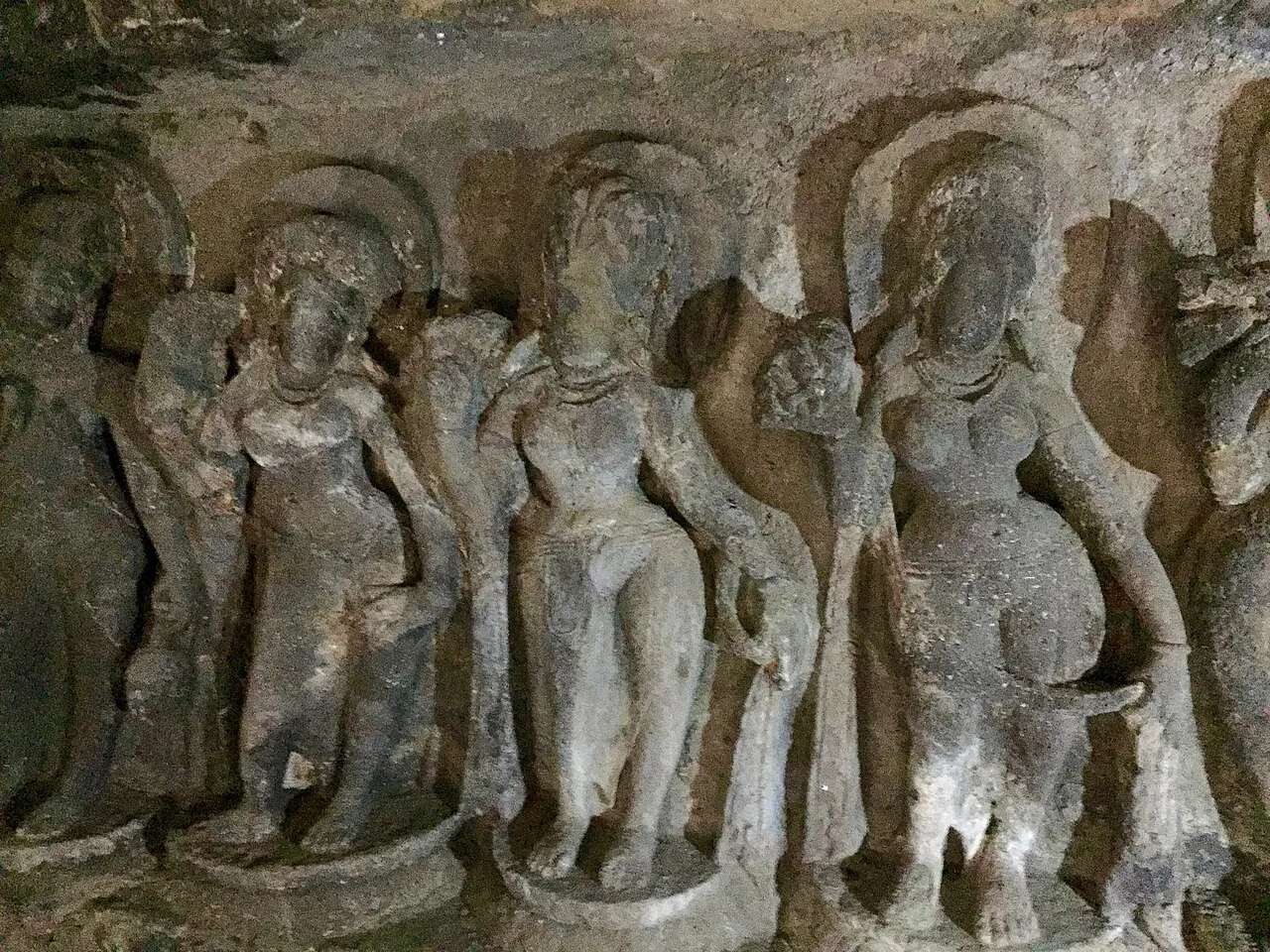
Aurangabad Caves

169 km away · Chhatrapati Sambhajinagar district

Aurangabad Caves

Near Aurangabad in Maharashtra, this hill complex contains twelve Buddhist sanctuaries excavated in basalt. Visitors explore its cave architecture and carvings, which represent several Buddhist traditions and include a range of deities.

Daulatabad Fort

180 km away · Chhatrapati Sambhajinagar district

Daulatabad Fort

Daulatabad Fort is a historic stronghold in Maharashtra, first known as Devagiri. Visitors explore its history as a Yadava seat, briefly a Delhi Sultanate capital, and later an Ahmadnagar centre.

Map

Parbhani on the map

  1. 1Aundha Nagnath Temple
  2. 2Shri Vaijnath Temple
  3. 3Hazur Sahib
  4. 4Lonar Lake
  5. 5Tulja Bhavani Temple
  6. 6Bibi Ka Maqbara
  7. 7Aurangabad Caves
  8. 8Daulatabad Fort

Maharashtra

Other cities to explore