Ghumoopedia — Explore, Discover, Experience
Sign in
Lonar Lake, near Sakharkherda

City guide · Maharashtra

Sakharkherda

Sakharkherda is a small town in Buldhana district whose importance rests chiefly on a turning point in Deccan history. A battle fought nearby in 1724 ended with the defeat and death of the Mughal commander Mubariz Khan by Nizam-ul-Mulk Asaf Jah.

Famous for

  • Battle of Sakharkherda
  • Historic name Fatehkherda
  • Deccan political history
  • Buldhana farm markets

Why Sakharkherda matters

Sakharkherda is a small town in Buldhana district whose importance rests chiefly on a turning point in Deccan history. A battle fought nearby in 1724 ended with the defeat and death of the Mughal commander Mubariz Khan by Nizam-ul-Mulk Asaf Jah. The victory helped establish the Nizam’s independent power in the Deccan, and the settlement became known as Fatehkherda, a name associated with that success.

Today, Sakharkherda serves local residents and surrounding villages through everyday trade and services, with agriculture shaping much of the area’s economy. It is not a major monument destination, and visitors should not expect a large collection of museums or developed tourist facilities. Its appeal is instead historical and regional: a chance to understand how a battle in a modest town influenced the rise of the Hyderabad state. Travellers interested in the wider story can combine a stop here with visits to other historic places in Buldhana district, including Sindkhed Raja. The town is best approached as a quiet, locally rooted stop rather than a standalone resort destination.
Famous for: crafts, trade & products

Sakharkherda is not widely associated with a signature textile, handicraft, or GI-tagged product. Its commercial life is more closely tied to the agricultural hinterland of Buldhana district. Local and nearby markets serve farmers and residents, with crops such as cotton, soybean, pulses and sorghum commonly grown across the region. Seasonal produce and everyday provisions are more representative of the town’s trade than specialist souvenir shopping.

For visitors, the central bazaar is the most practical place to look for daily goods and simple refreshments, while larger or more specialised purchases may be easier to find in bigger district towns. Traditional craftwork and locally made household items may appear in ordinary shops or market stalls, but availability varies and there is no single established craft district to seek out. The town’s best-known “product” is therefore its historical association with the battle that gave rise to the name Fatehkherda. Travellers looking for regional textiles, crafts or branded food products should treat Sakharkherda as a local-market stop, not assume that it has a dedicated tourist shopping scene.

History

Sakharkherda is remembered for the battle fought in its vicinity in 1724. Mughal authority in the Deccan was weakening as Nizam-ul-Mulk Asaf Jah sought to secure his own position. The Mughal-appointed Subhedar Mubariz Khan confronted him near Sakharkherda; Mubariz Khan was defeated and killed. The victory strengthened Asaf Jah’s authority and laid the groundwork for the Asaf Jahi dynasty, which later ruled from Hyderabad. The settlement was subsequently associated with the name Fatehkherda, meaning a place of victory.

The surrounding region also figured in the shifting fortunes of Deccan powers, including the Mughals, Nizams and Marathas. In the centuries that followed, Sakharkherda remained a small settlement rather than developing into a major administrative or industrial centre. Its modern life is linked to local agriculture, road connections and services for nearby villages. The historical event gives the town significance beyond its present-day scale, though visitors should expect limited visible evidence of the battlefield itself.

Food, festivals & culture

Life in Sakharkherda reflects the rural culture of Buldhana district and the wider Vidarbha–Marathwada border region. Marathi is the principal language of daily life; Hindi and Urdu may also be understood by some residents. Food is generally home-style Maharashtrian, with bhakri, pithla, dal, rice, seasonal vegetables and spicy thecha among familiar regional choices. Poha and other simple snacks are common, while sweets such as puran poli are associated with festive meals. These are regional foods rather than dishes unique to Sakharkherda.

Ganeshotsav, usually celebrated in the monsoon season, brings community gatherings, while Gudi Padwa in spring marks the Maharashtrian New Year. Diwali in autumn and Holi in late winter or early spring are also widely observed; Muslim residents celebrate Eid according to the lunar calendar. Local worship centres and neighbourhood gatherings form an important part of community life. Music and dance are most visible during religious occasions and social celebrations, with Marathi devotional and folk traditions part of the broader regional culture. The town is better suited to experiencing everyday local life than to seeking a formal performance programme.

Visiting the city

The cooler months, roughly from October to February, are generally the most comfortable for visiting. Summer can be very hot, while monsoon travel may bring rain and slower road journeys. Chhatrapati Sambhajinagar Airport, also known as Aurangabad Airport, is a practical air gateway; check current flight availability before planning. Malkapur railway station is a useful nearby rail access point, with the onward journey made by road. Confirm connections locally, as the final leg may require a taxi or bus.

Within Sakharkherda, walking or arranging local transport is the simplest way to see the central bazaar and older parts of the settlement. A private vehicle is useful for exploring the surrounding countryside and combining the visit with nearby historic towns such as Sindkhed Raja. Facilities for visitors are limited, so plan meals, transport and accommodation ahead, using a larger town in the region as a base if needed.

Trips from the city

Nearest places to visit from Sakharkherda

Our closest destination guides, by straight-line distance.

Lonar Lake

28 km away · Buldhana district

Lonar Lake

Lonar Lake is a saline, soda-rich lake in Maharashtra’s Buldhana district, set within a meteorite-impact crater. Visitors come to see its unusual geological formation and recognised conservation status.

Ajanta Caves

82 km away · Chhatrapati Sambhajinagar district

Ajanta Caves

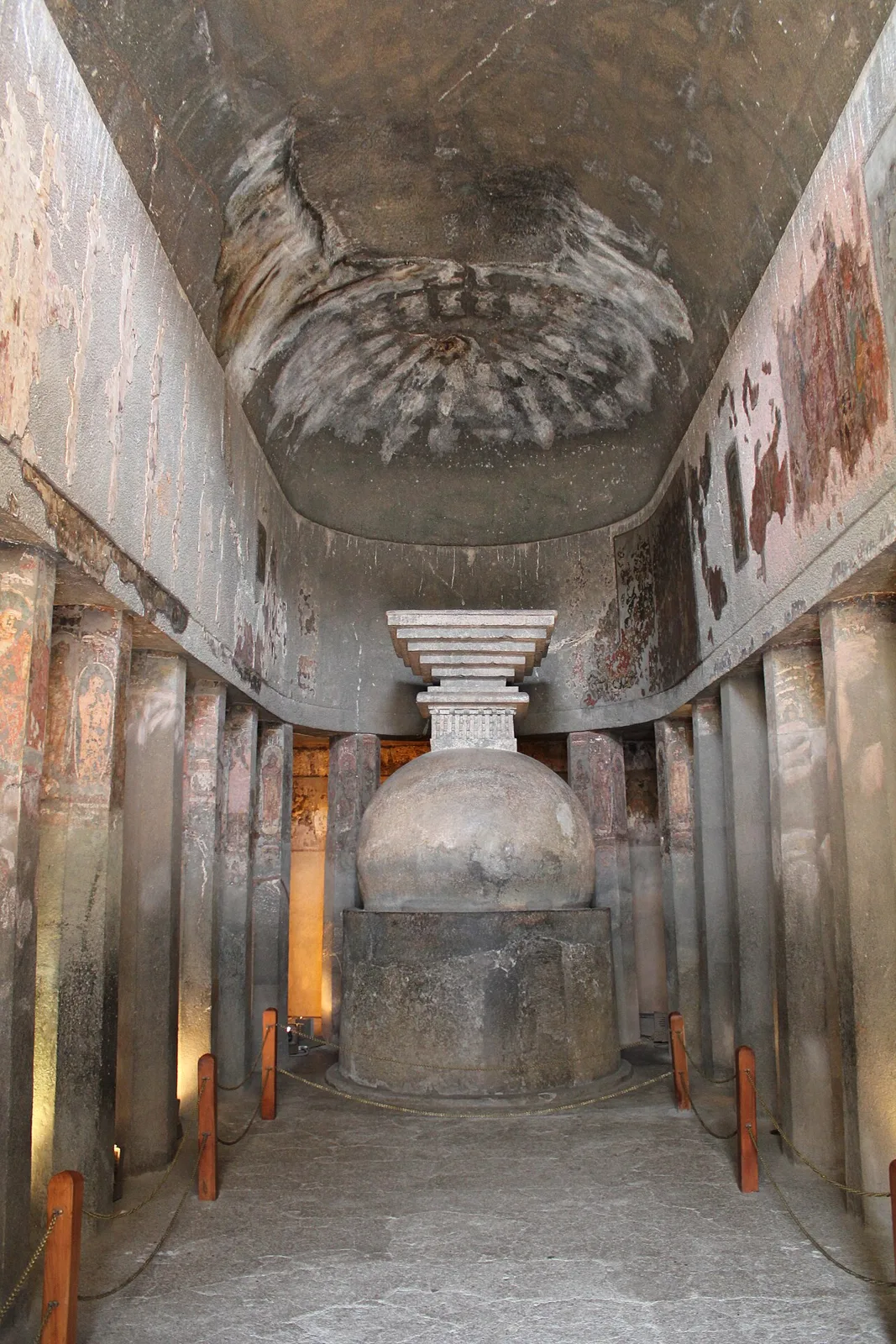
Ajanta is a group of 30 Buddhist caves in Maharashtra, known for its ancient paintings, sculptures and religious architecture. Visitors come to explore the site’s artistic and monastic heritage.

Aundha Nagnath Temple

100 km away · Hingoli district

Aundha Nagnath Temple

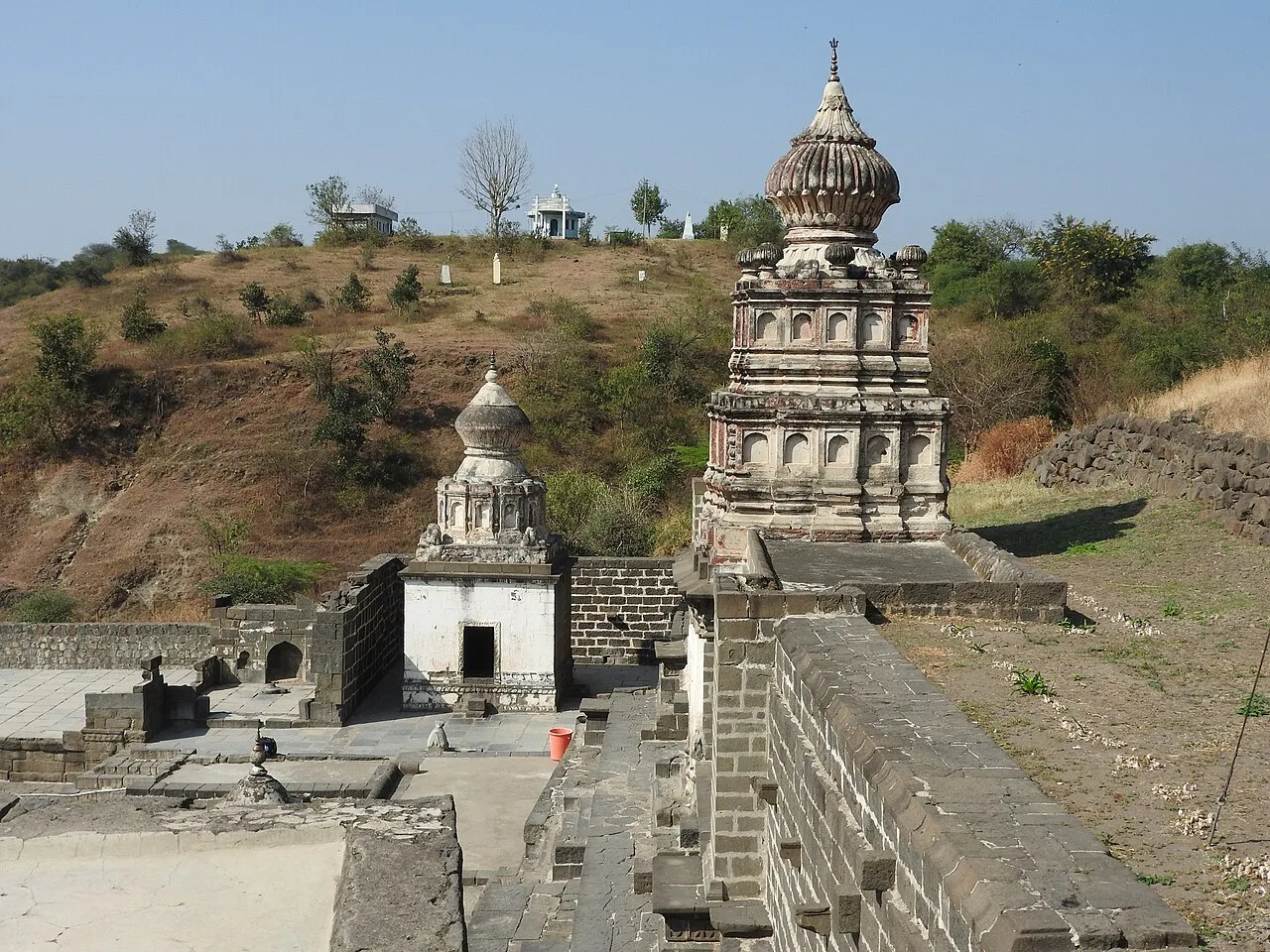
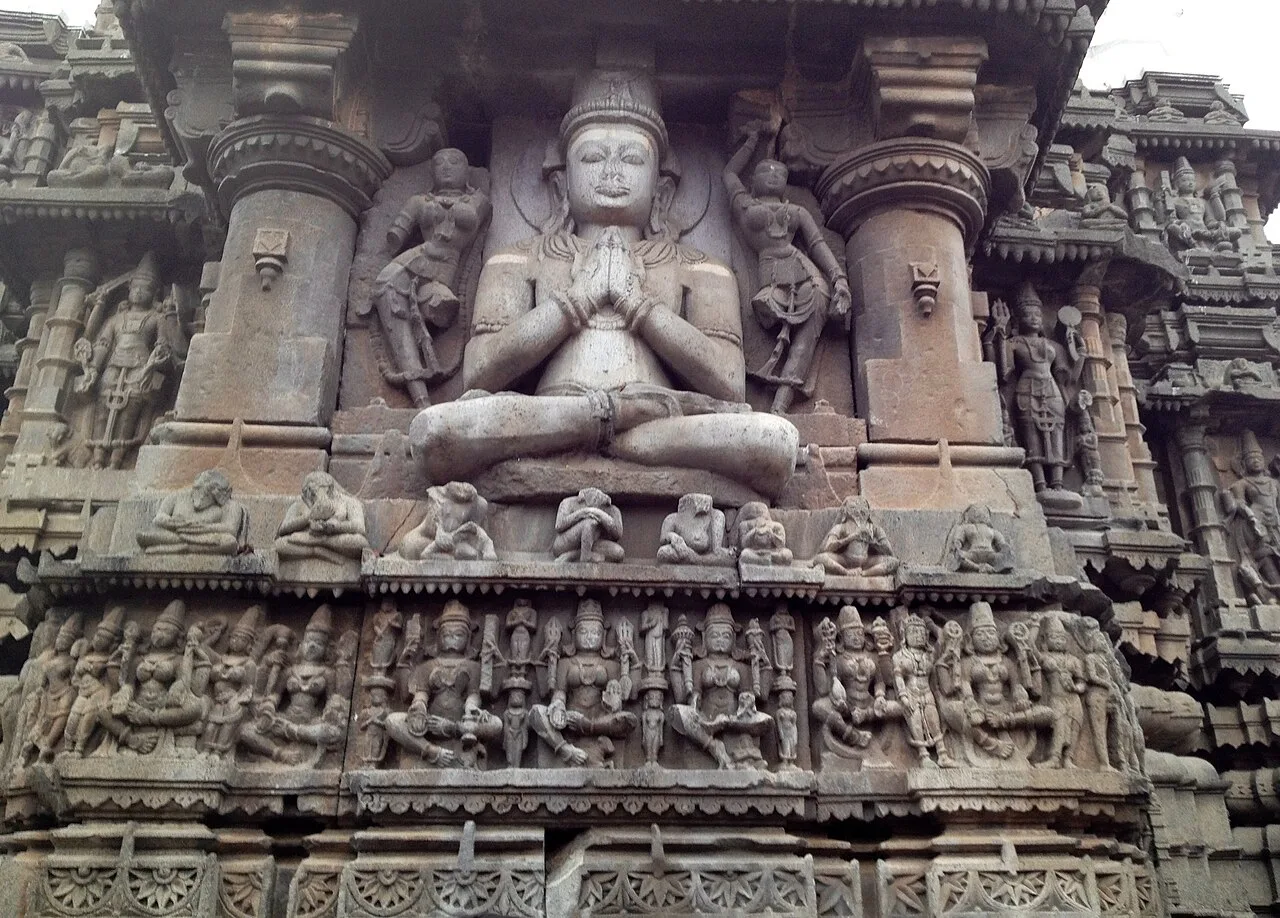
Aundha Nagnath Temple is an old Shiva shrine in Maharashtra’s Hingoli district, regarded as the eighth of the twelve Jyotirlinga shrines. Visitors come for its religious importance, historical associations and distinctive architecture.

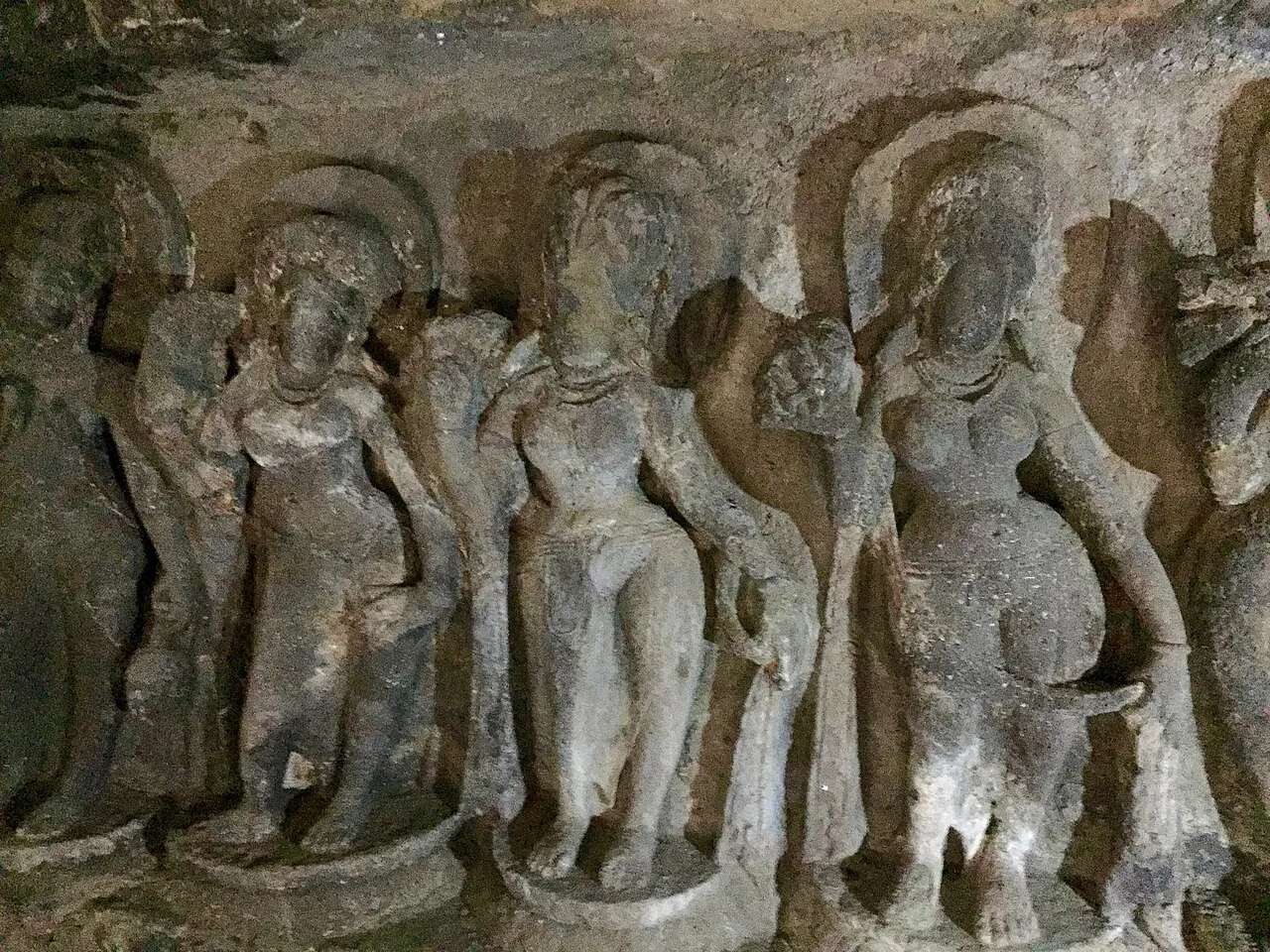
Aurangabad Caves

118 km away · Chhatrapati Sambhajinagar district

Aurangabad Caves

Near Aurangabad in Maharashtra, this hill complex contains twelve Buddhist sanctuaries excavated in basalt. Visitors explore its cave architecture and carvings, which represent several Buddhist traditions and include a range of deities.

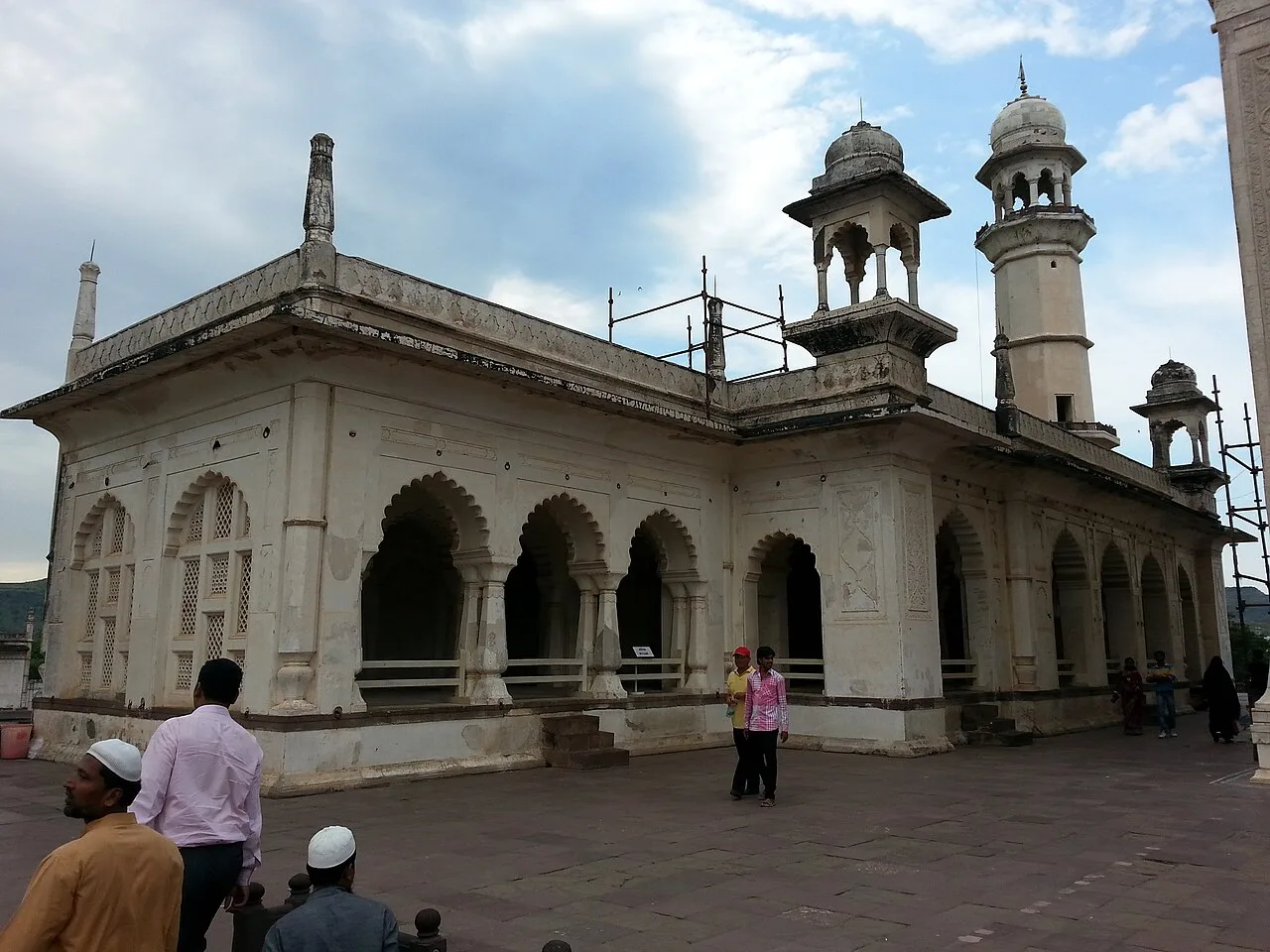
Bibi Ka Maqbara

118 km away · Chhatrapati Sambhajinagar district

Bibi Ka Maqbara

Bibi Ka Maqbara is a Mughal mausoleum in Aurangabad, Maharashtra, built for Dilras Banu Begum. Visitors come to see its resemblance to the Taj Mahal and its place in the region’s history.

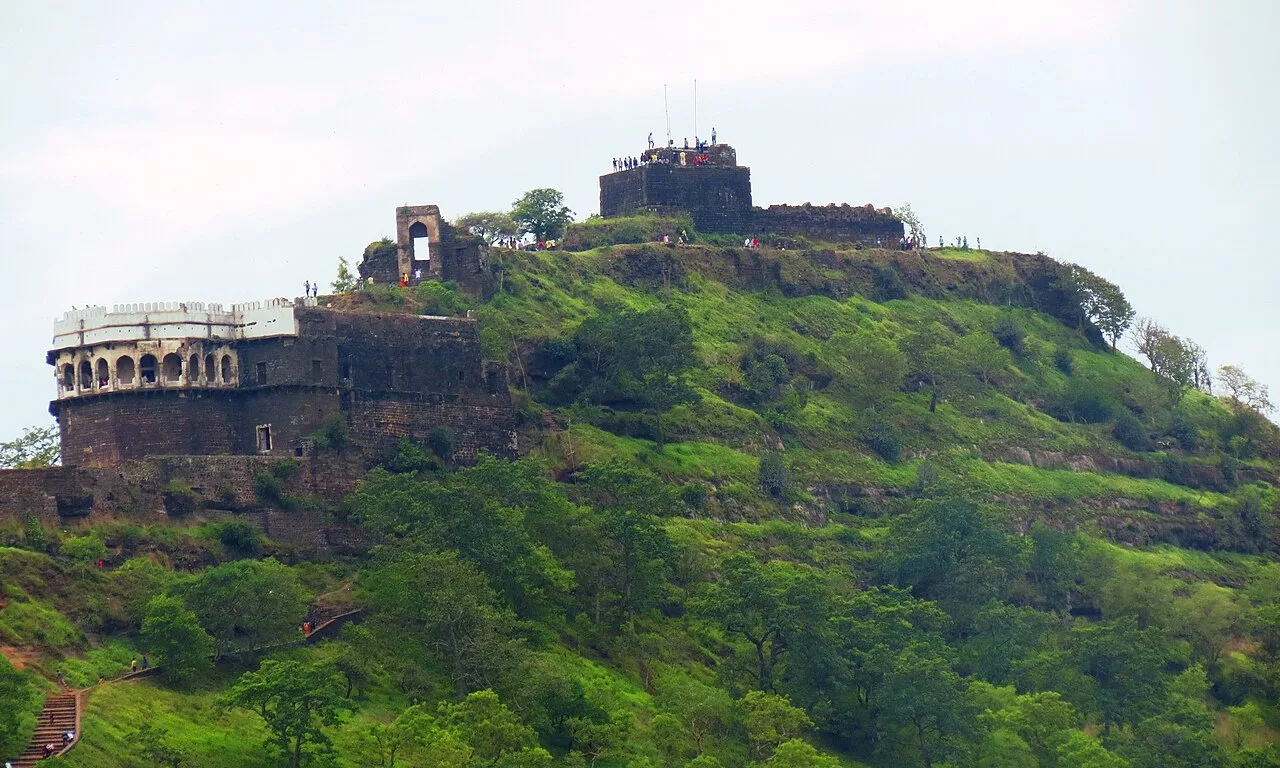
Daulatabad Fort

127 km away · Chhatrapati Sambhajinagar district

Daulatabad Fort

Daulatabad Fort is a historic stronghold in Maharashtra, first known as Devagiri. Visitors explore its history as a Yadava seat, briefly a Delhi Sultanate capital, and later an Ahmadnagar centre.

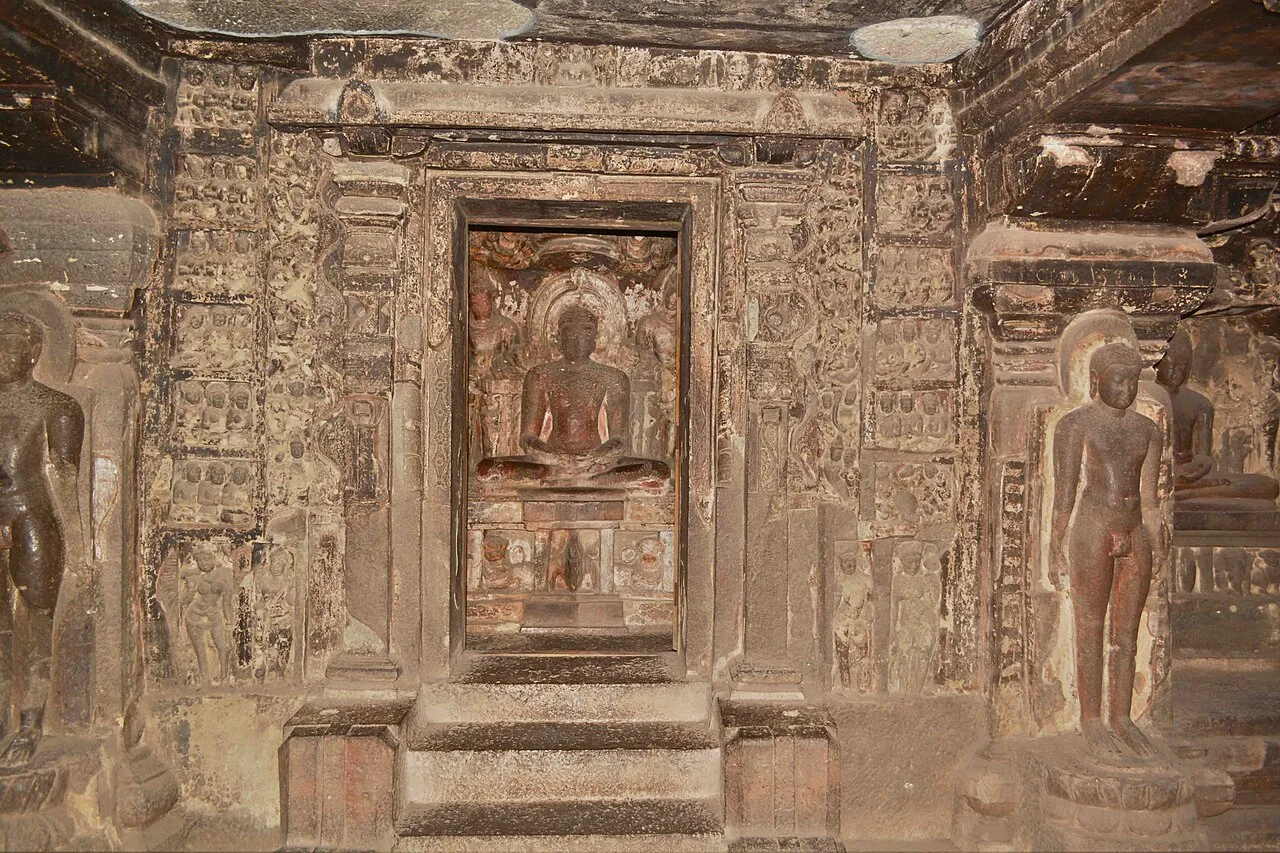
Ellora Caves

129 km away · Chhatrapati Sambhajinagar district

Ellora Caves

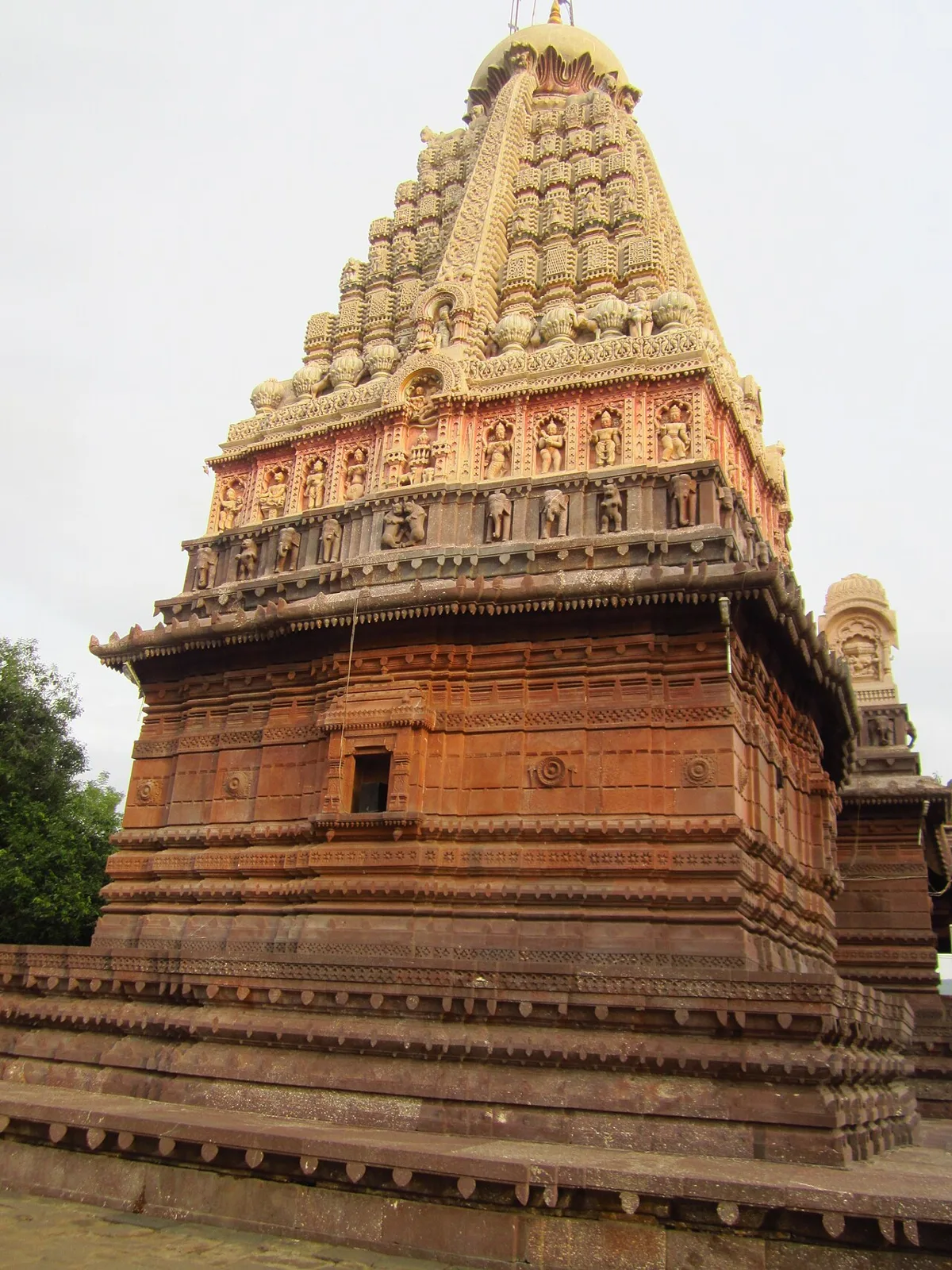
Ellora, in Maharashtra’s Chhatrapati Sambhajinagar district, is a UNESCO World Heritage Site. Visitors explore its Hindu, Buddhist and Jain monuments, including the remarkable Kailash temple carved from rock.

Ghrishneshwar Temple

130 km away · Chhatrapati Sambhajinagar district

Ghrishneshwar Temple

Ghrishneshwar Temple is a Shiva shrine in Verul, Maharashtra, and one of the twelve Jyotirlingas. Visitors come to worship Shiva at this nationally protected temple.

Map

Sakharkherda on the map

  1. 1Lonar Lake
  2. 2Ajanta Caves
  3. 3Aundha Nagnath Temple
  4. 4Aurangabad Caves
  5. 5Bibi Ka Maqbara
  6. 6Daulatabad Fort
  7. 7Ellora Caves
  8. 8Ghrishneshwar Temple

Maharashtra

Other cities to explore