Ghumoopedia — Explore, Discover, Experience
Sign in

City guide · Maharashtra

Washim

Washim is the administrative headquarters of Washim district in eastern Maharashtra, serving as a centre for government services, education, commerce and transport across a largely rural region. Its importance also reaches back to antiquity: the city was once known as Vatsagulma and was a capital of the Vatsagulma branch of the Vakataka dynasty.

Famous for

  • Vatsagulma Vakataka heritage
  • Washim Balaji Temple
  • Padmatirth sacred site
  • Cotton and soybean trade

Why Washim matters

Washim is the administrative headquarters of Washim district in eastern Maharashtra, serving as a centre for government services, education, commerce and transport across a largely rural region. Its importance also reaches back to antiquity: the city was once known as Vatsagulma and was a capital of the Vatsagulma branch of the Vakataka dynasty. That history gives Washim a distinctive place in accounts of Maharashtra’s early political past.

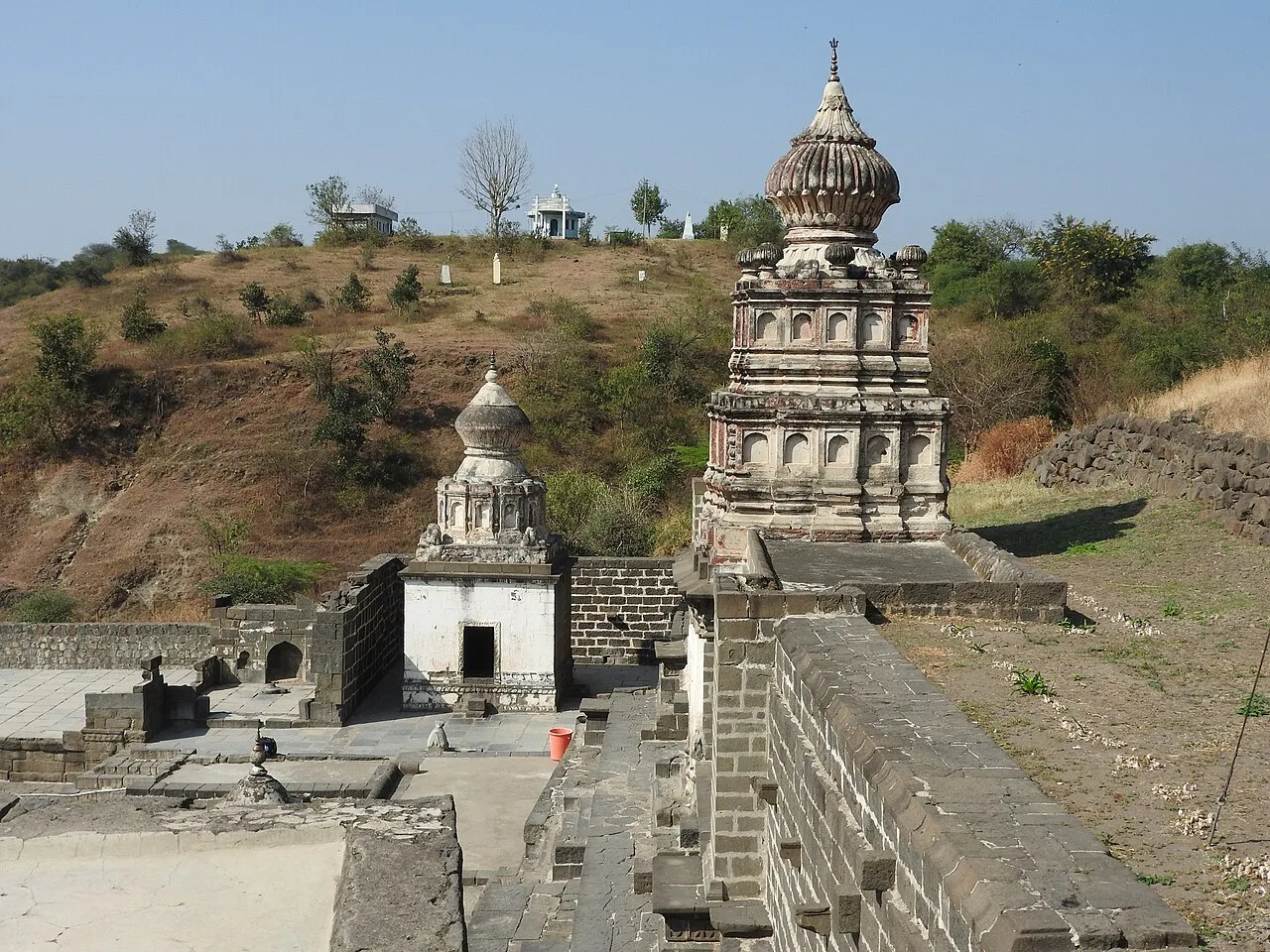
Visitors are drawn chiefly by the city’s religious sites, including the Washim Balaji Temple and the traditional sacred site of Padmatirth. The old town’s temples and busy bazaar offer a glimpse of local life, while the surrounding district’s agricultural economy shapes the movement of people and goods through the city. Washim is not a large resort destination; it is better approached as a regional centre where heritage, worship and everyday commerce meet. It also makes a practical base for exploring other places in Washim district.
Famous for: crafts, trade & products

Washim’s best-known associations are its religious landmarks and its role as a market centre for the surrounding farming region. The Balaji Temple draws worshippers, while Padmatirth is another traditional sacred site in the city. Local shops and the central bazaar serve residents and visitors with everyday goods, clothing, household items and devotional articles. The city is not especially known for a signature textile tradition or a widely recognised GI-tagged craft, so visitors looking for a particular saree or handicraft should check locally rather than assume it is made here.

Agriculture is central to the district’s trade, with cotton and soybean among the crops handled in the wider region; pulses and other farm produce also feature in local commerce. Buyers can look for seasonal produce through the town’s markets and agricultural trading areas, where availability varies with harvests. Washim’s government offices, schools and other district-level services also bring people into town. For a sense of its commercial life, explore the central market streets; for religious souvenirs and offerings, browse shops around the principal temples.

History

Washim was historically known as Vatsagulma and served as the capital of the Vatsagulma branch of the Vakataka dynasty. The Vakatakas were an important power in the Deccan, and the city’s former name preserves its connection with that period. Its religious sites and older town fabric reflect a long history of settlement, though the surviving city is also shaped by more recent administrative and commercial growth.

During British rule, district boundaries in the region changed, and the historic Washim area became associated with the separate administrative districts of Akola and Yavatmal. After independence, Washim remained within Akola district for several decades. On 1 July 1998, Washim district was created by separating it from Akola, restoring the city’s role as a district headquarters. Since then, the town has developed as a centre for public administration and services for nearby communities, alongside its continuing religious importance and agricultural trade.

Food, festivals & culture

Marathi is the principal language of daily life in Washim; Hindi and Urdu are also heard. Local meals reflect the food traditions of Maharashtra and the Vidarbha region, with bhakri, rice, lentils, vegetables and spiced preparations common in home-style cooking. Puran poli and other familiar Maharashtrian sweets may be found around festival periods, though menus and availability vary between eateries. The bazaar and small restaurants are good places to sample everyday local fare.

The Balaji Temple is an important focus of worship, and religious observances bring visitors into the town. Ganeshotsav, Navratri and Diwali are celebrated in their usual seasons, while Holi and Makar Sankranti also mark the annual calendar. Devotional singing, bhajans and kirtan are part of temple and community gatherings; broader Maharashtrian folk traditions may feature during celebrations. Washim’s places of worship include Hindu temples and other community religious sites, giving the town a varied devotional character.

Visiting the city

The cooler months, roughly October to February, are generally the most comfortable time to visit. Summers can be hot, while the monsoon brings rain and greener surroundings. The nearest airport is Akola Airport, though scheduled flight options may be limited; check current connections and consider Nagpur for a wider choice of flights. Washim Railway Station serves the town, and buses connect it with nearby cities and district centres.

Auto-rickshaws and local taxis are useful for getting around town. Start with the Balaji Temple and Padmatirth, then explore the central bazaar and older streets for a sense of local commerce and daily life. The main market area is convenient for food and shopping, while temple surroundings are best explored on foot. For visits beyond the town, arrange local transport in advance.

Trips from the city

Nearest places to visit from Washim

Our closest destination guides, by straight-line distance.

Aundha Nagnath Temple

65 km away · Hingoli district

Aundha Nagnath Temple

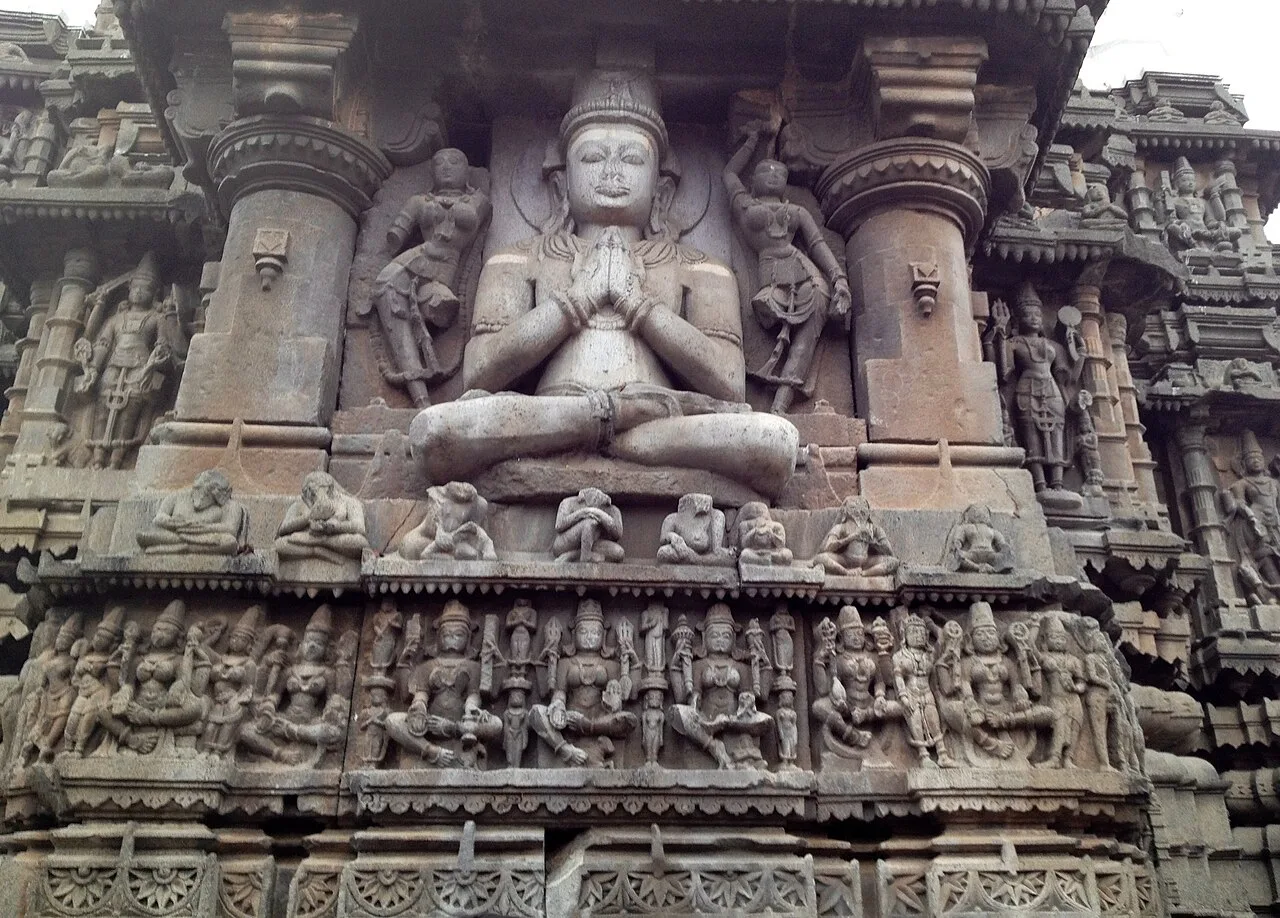
Aundha Nagnath Temple is an old Shiva shrine in Maharashtra’s Hingoli district, regarded as the eighth of the twelve Jyotirlinga shrines. Visitors come for its religious importance, historical associations and distinctive architecture.

Lonar Lake

67 km away · Buldhana district

Lonar Lake

Lonar Lake is a saline, soda-rich lake in Maharashtra’s Buldhana district, set within a meteorite-impact crater. Visitors come to see its unusual geological formation and recognised conservation status.

Hazur Sahib

108 km away · Nanded district

Hazur Sahib

Takht Sachkhand Sri Hazur Abchalnagar Sahib is one of Sikhism’s five takhts, in Nanded, Maharashtra. Visitors come to worship and remember Guru Gobind Singh at the site associated with his death and cremation.

Chikhaldara

137 km away · Amravati district

Chikhaldara

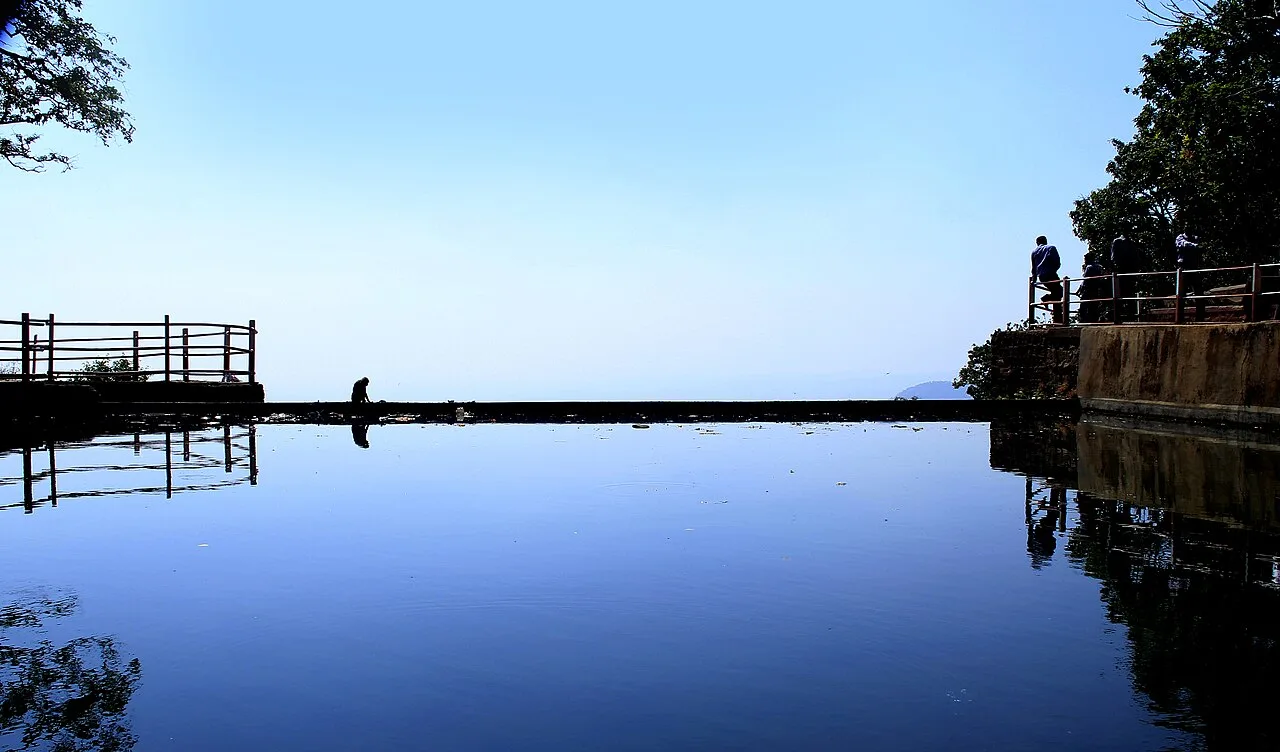
Chikhaldara is a hill settlement and municipal council in Maharashtra’s Amravati district. Visitors come for its highland setting, coffee-growing area and nearby wildlife at the Melghat Tiger Project.

Melghat Tiger Reserve

149 km away · Amravati district

Melghat Tiger Reserve

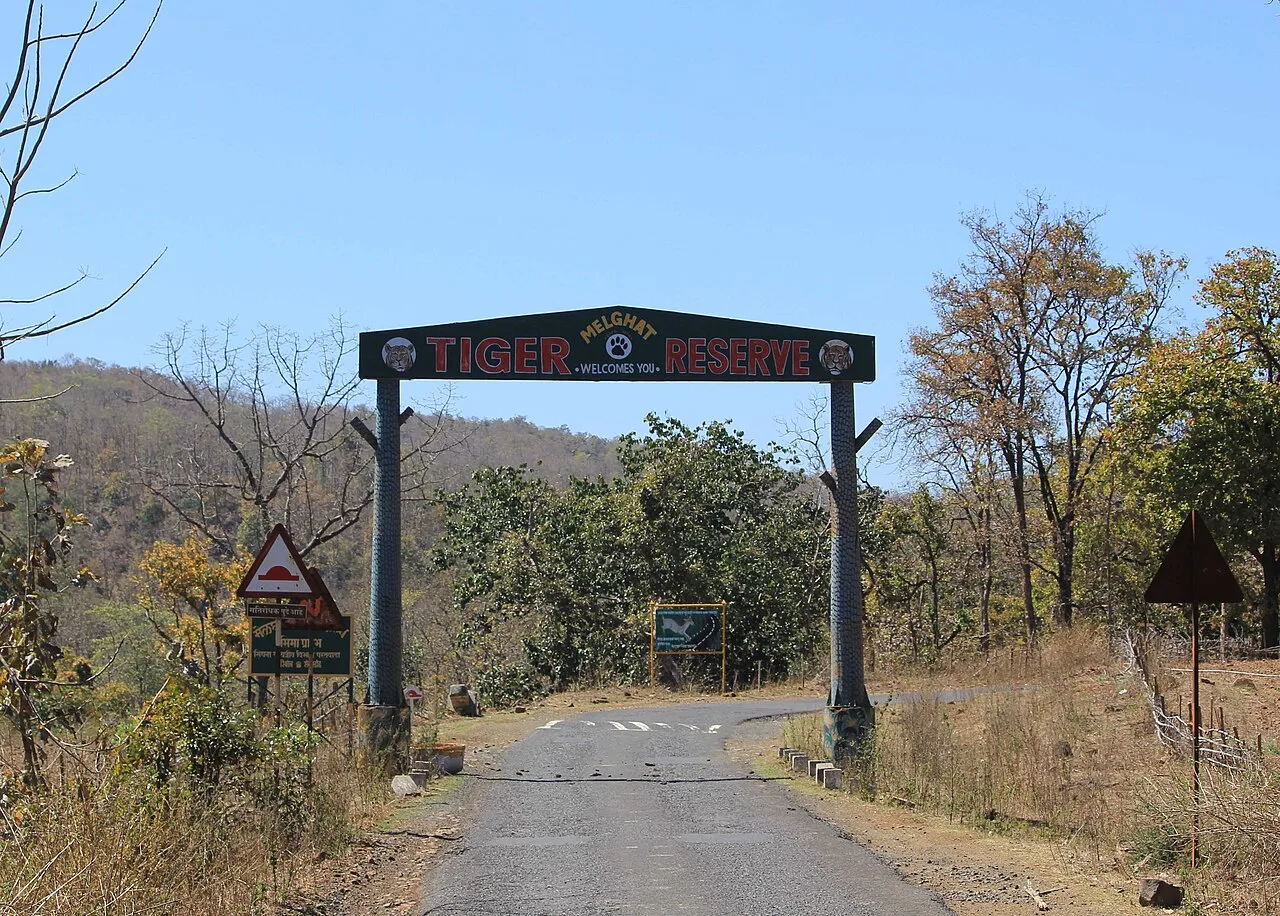
Melghat Tiger Reserve is a protected area in northern Amravati district, Maharashtra. Visitors come to experience its wildlife and learn about its place in India’s Project Tiger programme.

Shri Vaijnath Temple

154 km away · Beed district

Shri Vaijnath Temple

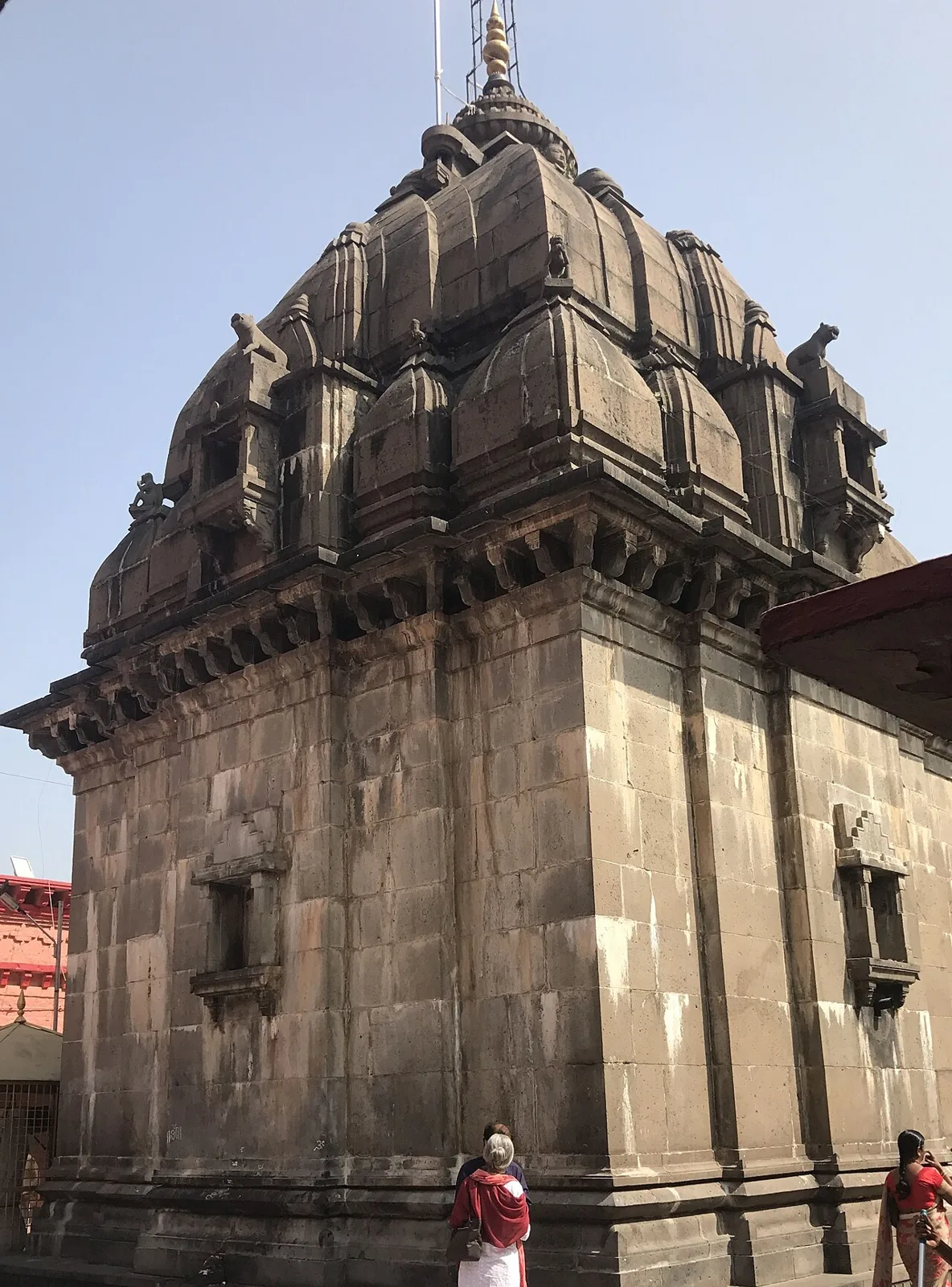
Shri Vaijnath Temple is a Shiva shrine at Parli Vaijnath in Maharashtra’s Beed district. Worshippers visit to perform abhishekam, and the temple is regarded as the fifth of Shiva’s twelve Jyotirlingas.

Ajanta Caves

157 km away · Chhatrapati Sambhajinagar district

Ajanta Caves

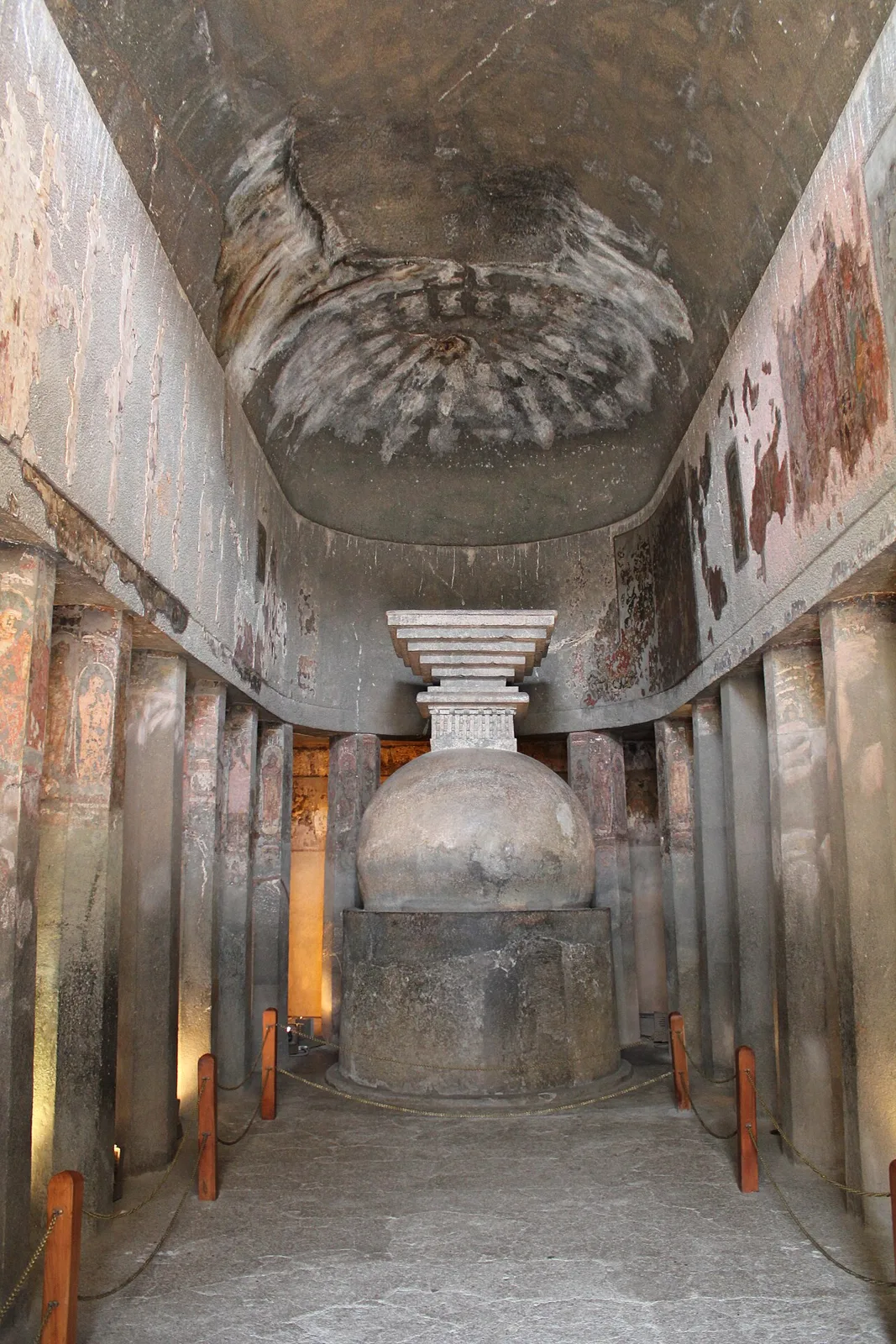
Ajanta is a group of 30 Buddhist caves in Maharashtra, known for its ancient paintings, sculptures and religious architecture. Visitors come to explore the site’s artistic and monastic heritage.

Sevagram Ashram

174 km away · Wardha district

Sevagram Ashram

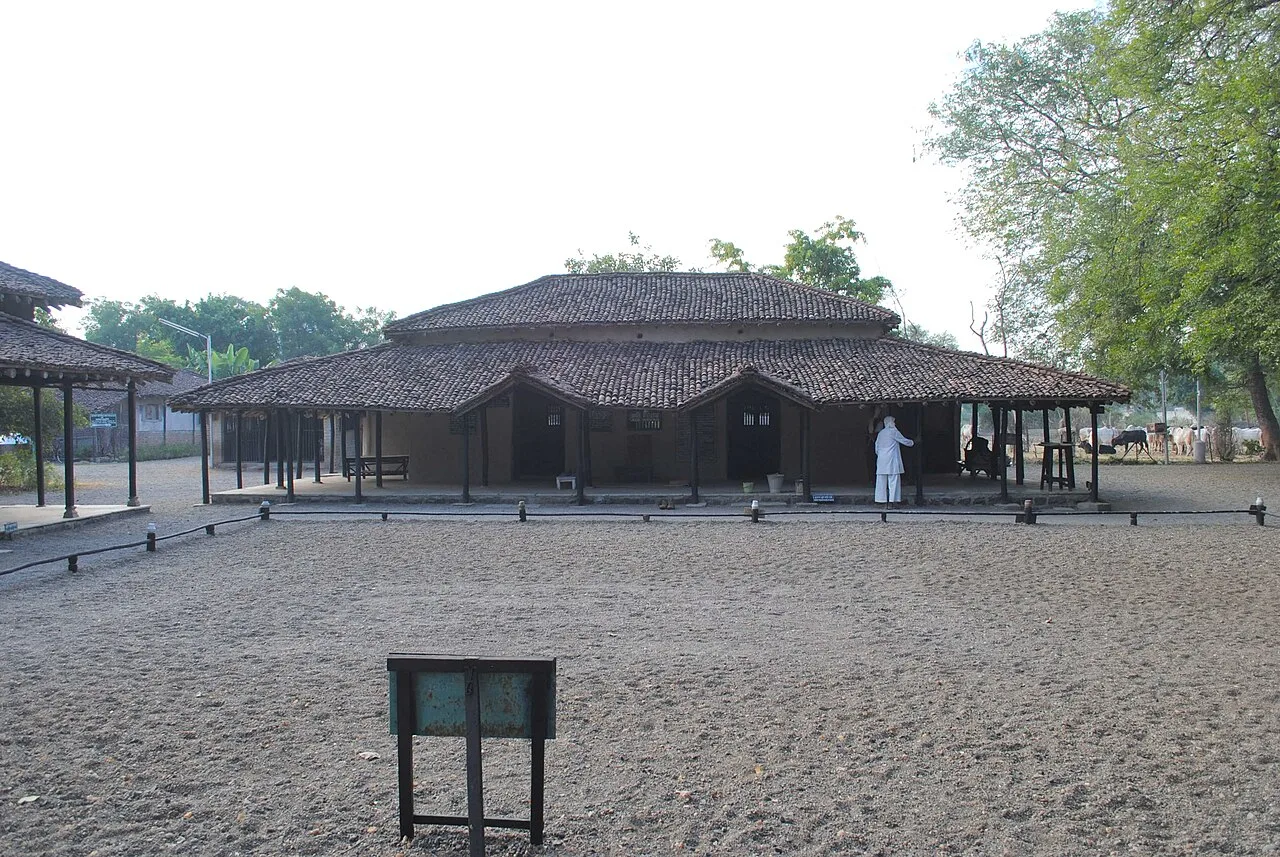
Sevagram Ashram, in Wardha district, Maharashtra, is known as Mahatma Gandhi’s ashram and home from 1936 until his death in 1948. People visit for its connection with his life.

Map

Washim on the map

  1. 1Aundha Nagnath Temple
  2. 2Lonar Lake
  3. 3Hazur Sahib
  4. 4Chikhaldara
  5. 5Melghat Tiger Reserve
  6. 6Shri Vaijnath Temple
  7. 7Ajanta Caves
  8. 8Sevagram Ashram

Maharashtra

Other cities to explore