Ghumoopedia — Explore, Discover, Experience
Sign in
Ajanta Caves, near Jamner

City guide · Maharashtra

Jamner

Jamner is a town and taluka headquarters in Jalgaon district, in Maharashtra’s Khandesh region. Its importance is chiefly regional: it serves as an administrative and commercial centre for nearby villages, connecting residents with local services, shops and markets.

Famous for

  • Khandesh regional setting
  • Jalgaon district taluka centre
  • Local agricultural trade
  • Rural Khandesh connections

Why Jamner matters

Jamner is a town and taluka headquarters in Jalgaon district, in Maharashtra’s Khandesh region. Its importance is chiefly regional: it serves as an administrative and commercial centre for nearby villages, connecting residents with local services, shops and markets. For travellers, it offers a glimpse of everyday life in the agricultural heartland of northern Maharashtra rather than the attractions of a major tourist city.

Jamner is a useful base or stop on journeys through Jalgaon district, especially for visitors interested in rural landscapes and the region’s food and traditions. The better-known destinations and transport hubs of Jalgaon and Bhusawal are within the wider area, while Jamner itself is best approached at a relaxed pace. It is not widely identified with a nationally prominent craft, monument or festival; its appeal lies in its Khandesh setting and its role in local life. Visitors can explore the town centre, sample regional dishes and use Jamner as a starting point for visits arranged locally to surrounding villages and countryside.
Famous for: crafts, trade & products

Jamner is best understood as a local service and trading centre, not as a recognised national hub for textiles, handicrafts or a specific GI-tagged product. Shops and market areas serve residents from the town and surrounding villages, with everyday goods and produce reflecting the needs of an agricultural region. Visitors looking for local specialities can browse the central bazaar and ask shopkeepers about seasonal produce and Khandeshi ingredients.

The wider Jalgaon district is associated with banana cultivation, but a particular Jamner-made product should not be assumed without checking its origin with sellers. The town is not especially known for a signature saree, craft cluster or large visitor-facing industrial attraction. For a more specialised selection of regional products, travellers can also look in larger nearby centres such as Jalgaon or Bhusawal. There is no single established craft market or institution in Jamner that visitors should expect to find; its commerce is primarily practical and locally focused.

History

Jamner’s history is tied to that of Khandesh, the wider region of northern Maharashtra. Khandesh was governed by the Faruqi sultans before coming under Mughal rule, and later passed through Maratha and British control. These changes shaped the region’s administration and trade, though the available historical record does not make Jamner a prominent seat of a major dynasty or a widely documented site of a defining event.

In the modern period, Jamner developed as a town serving the surrounding rural area. Its role as a taluka headquarters brought administrative functions alongside shops and other everyday services. Agricultural activity in the district has helped sustain links between the town and nearby villages. Today, Jamner remains a local centre within Jalgaon district, with its identity shaped more by regional connections and daily commerce than by a single landmark or historic industry.

Food, festivals & culture

Food in Jamner reflects Khandeshi and broader Maharashtrian home cooking. Meals may include bhakri, vegetable dishes and lentils, with the region’s bold, chilli-forward flavours; bharit, made with roasted eggplant, and shev bhaji are familiar Khandeshi-style dishes. What is available varies by season and by restaurant, so asking locally is a good way to find regional preparations. There is no single sweet that defines the town, though familiar Maharashtrian sweets are enjoyed during celebrations.

Marathi is widely used, and Khandeshi or Ahirani speech is part of the wider regional mix; Hindi is also understood in many settings. Ganesh Chaturthi, usually in late summer, and Navratri, generally in autumn, bring worship and community gatherings. Diwali and Holi are also observed, alongside Eid by Muslim residents. Local temples, mosques and shrines provide places for worship, while music and dance are often most visible during festivals and family celebrations rather than in regular visitor performances.

Visiting the city

The cooler, drier months from about October to February are generally the most comfortable for visiting. Summer can be very hot, while the monsoon brings rain and greener countryside. The nearest airport is Jalgaon Airport; check current flight connections before planning around it. Bhusawal Junction is a major railway gateway for the area, with Jalgaon Junction another regional option. Confirm onward transport and current rail connections before travel.

Auto-rickshaws and local vehicles are practical for getting around town; arrange a car or taxi for villages and countryside beyond it. Start with the central market and town centre for everyday commerce and food. Jamner is compact, and visitors seeking historic sights, specialist shopping or a broader range of accommodation may prefer to plan time in Jalgaon or Bhusawal as well.

Trips from the city

Nearest places to visit from Jamner

Our closest destination guides, by straight-line distance.

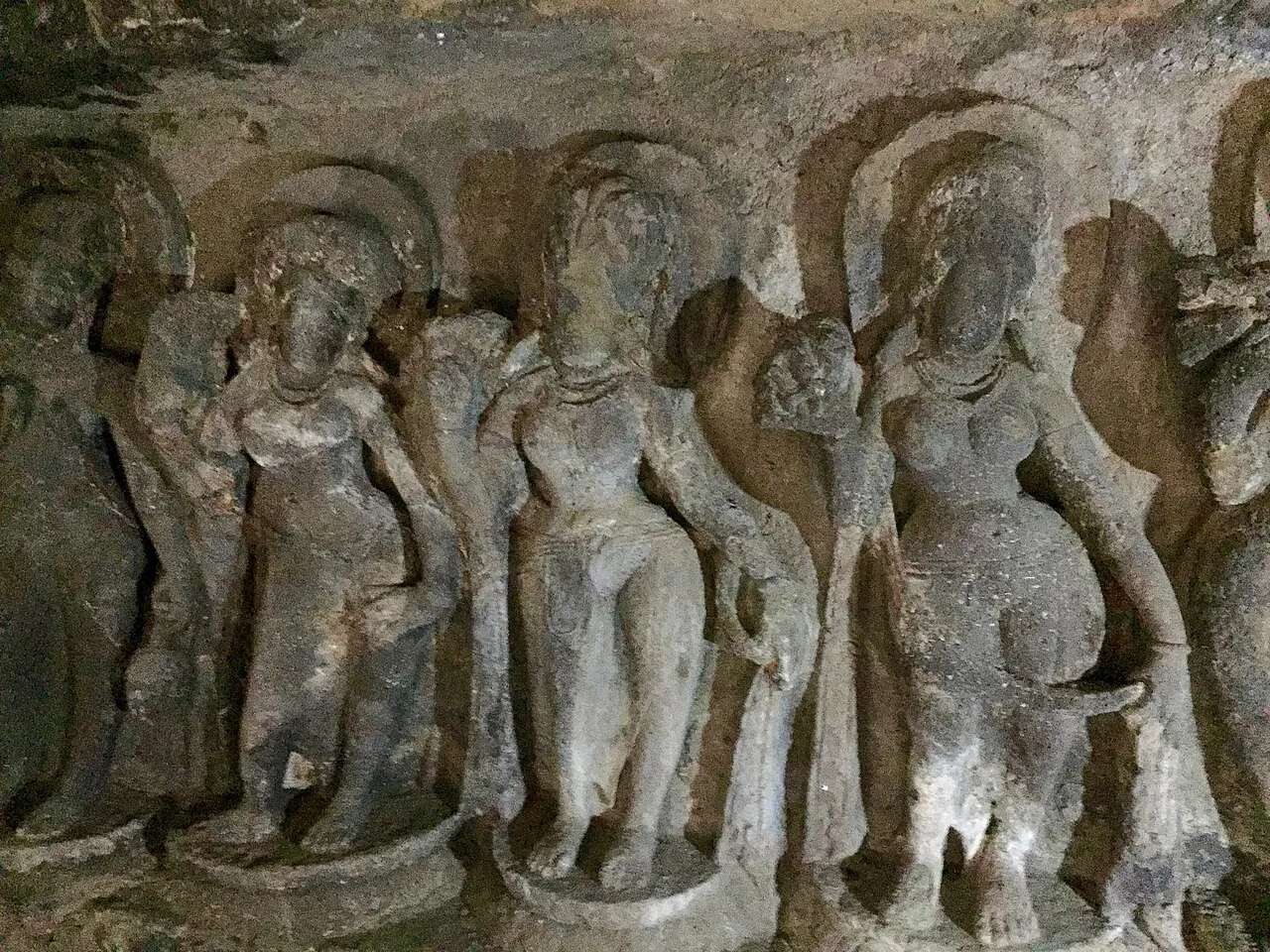
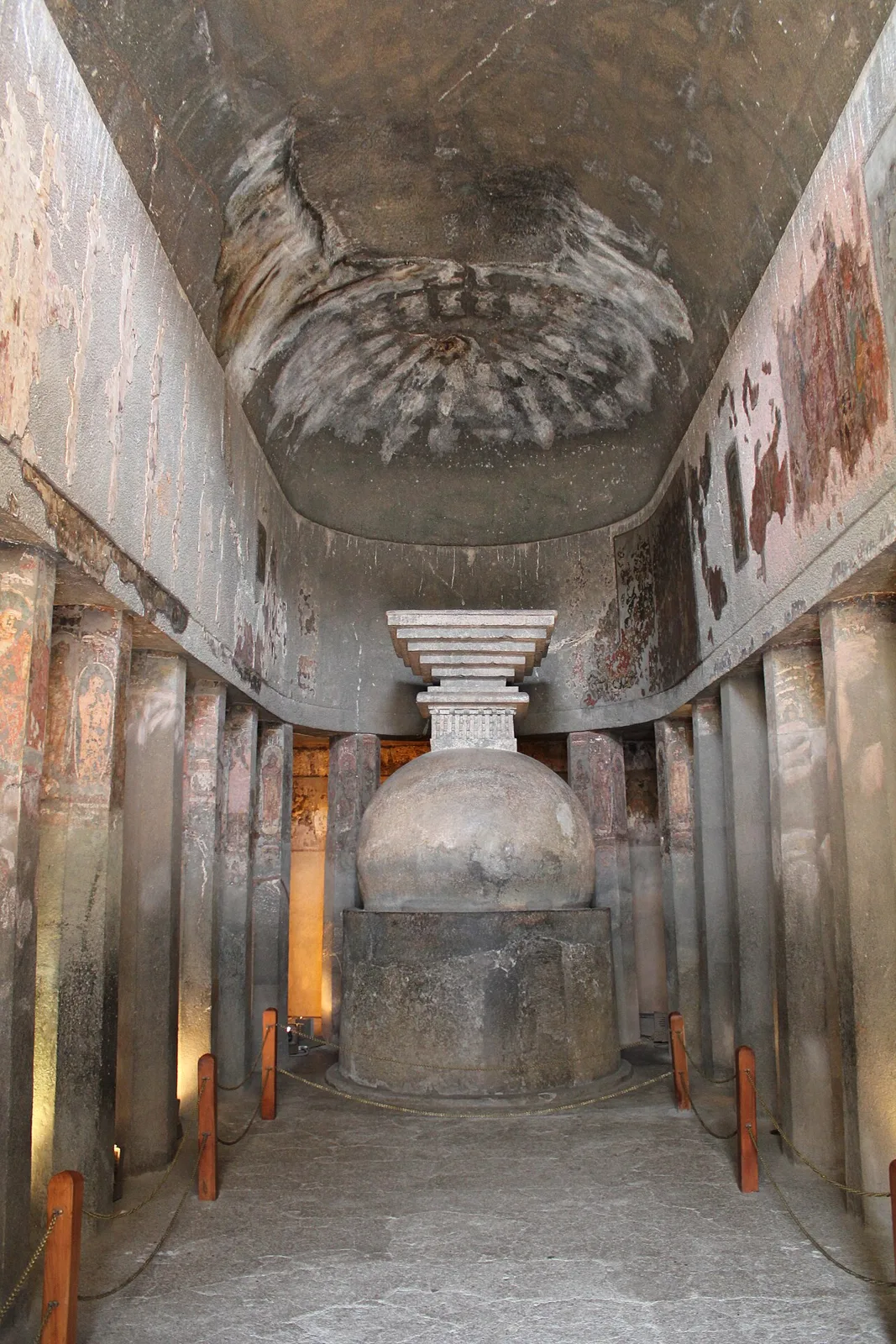
Ajanta Caves

30 km away · Chhatrapati Sambhajinagar district

Ajanta Caves

Ajanta is a group of 30 Buddhist caves in Maharashtra, known for its ancient paintings, sculptures and religious architecture. Visitors come to explore the site’s artistic and monastic heritage.

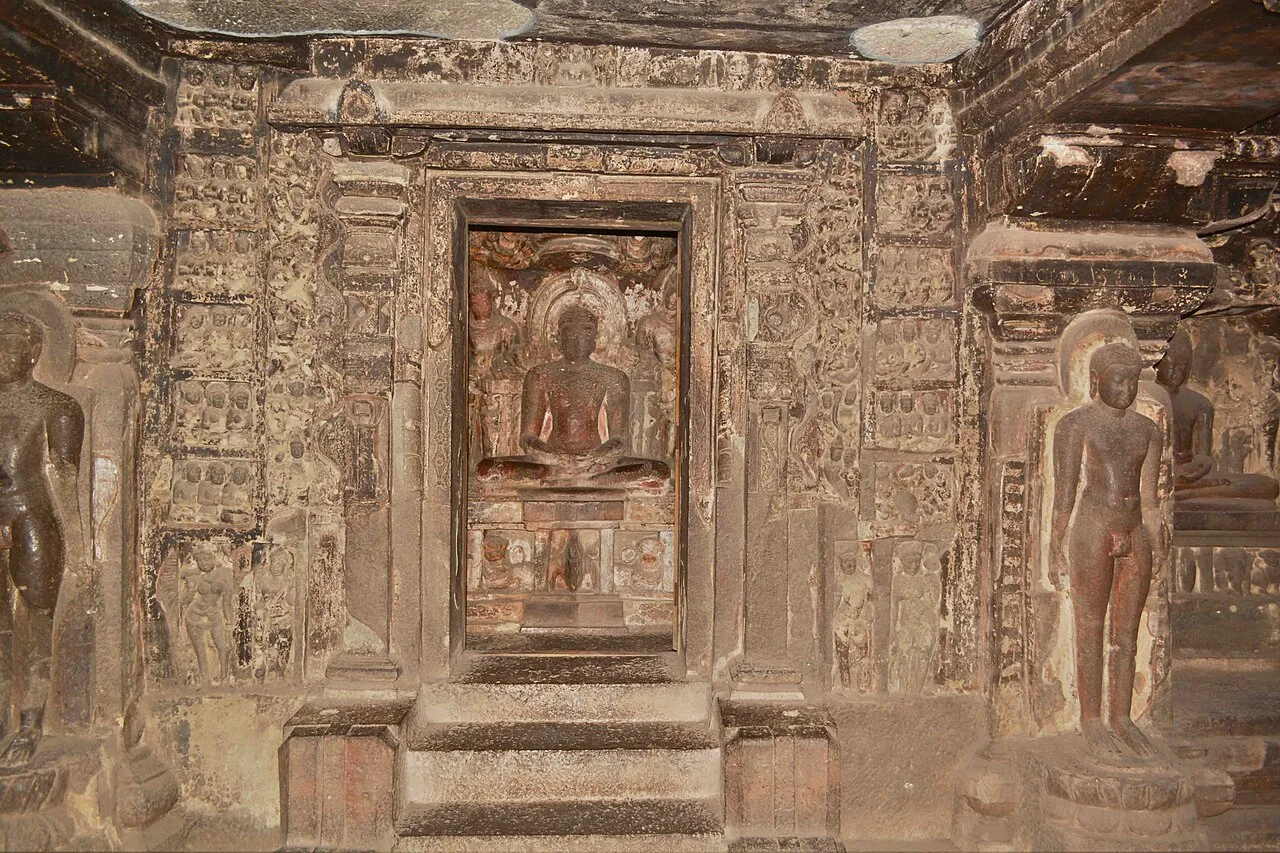
Ellora Caves

107 km away · Chhatrapati Sambhajinagar district

Ellora Caves

Ellora, in Maharashtra’s Chhatrapati Sambhajinagar district, is a UNESCO World Heritage Site. Visitors explore its Hindu, Buddhist and Jain monuments, including the remarkable Kailash temple carved from rock.

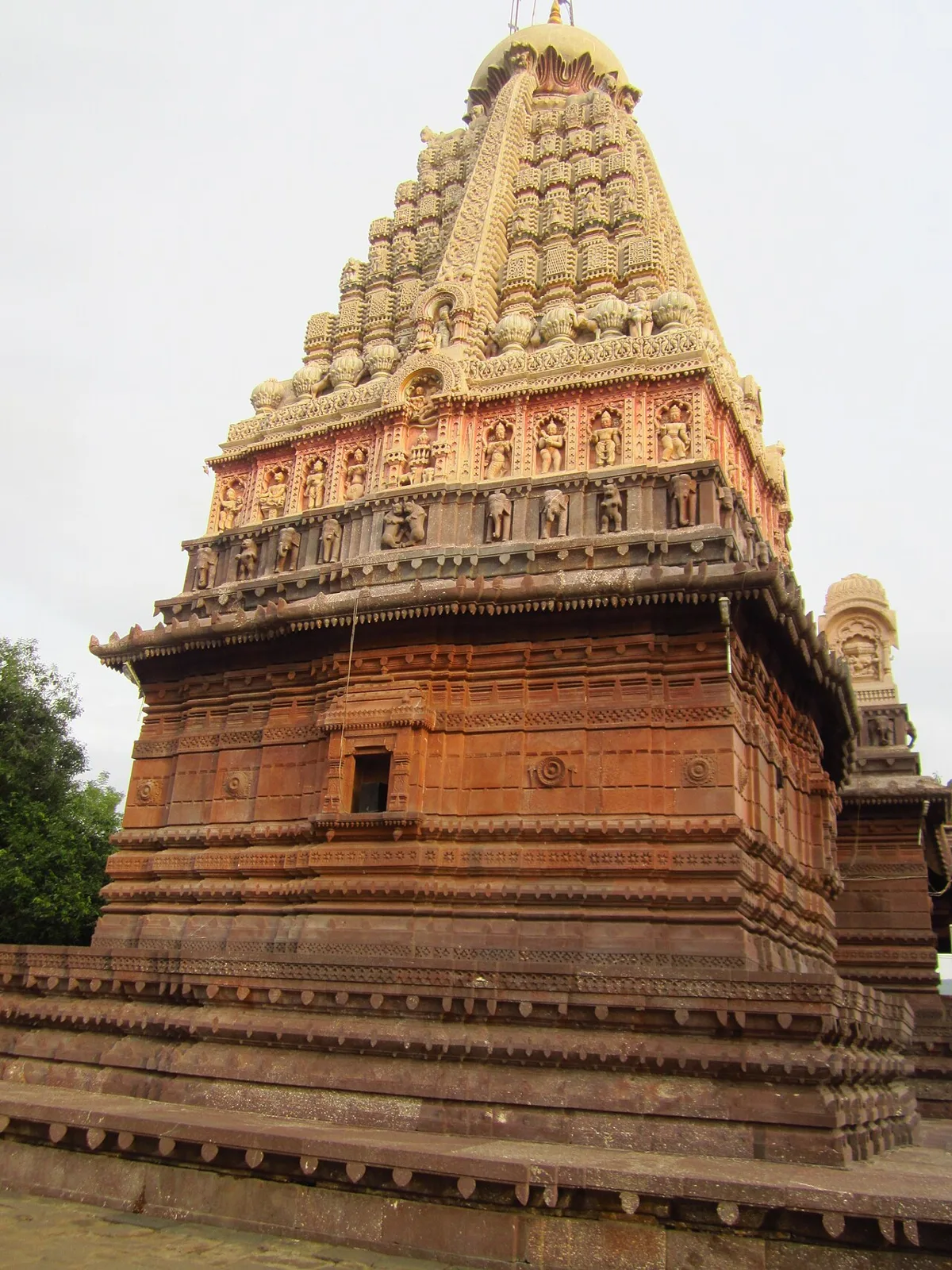
Ghrishneshwar Temple

108 km away · Chhatrapati Sambhajinagar district

Ghrishneshwar Temple

Ghrishneshwar Temple is a Shiva shrine in Verul, Maharashtra, and one of the twelve Jyotirlingas. Visitors come to worship Shiva at this nationally protected temple.

Aurangabad Caves

110 km away · Chhatrapati Sambhajinagar district

Aurangabad Caves

Near Aurangabad in Maharashtra, this hill complex contains twelve Buddhist sanctuaries excavated in basalt. Visitors explore its cave architecture and carvings, which represent several Buddhist traditions and include a range of deities.

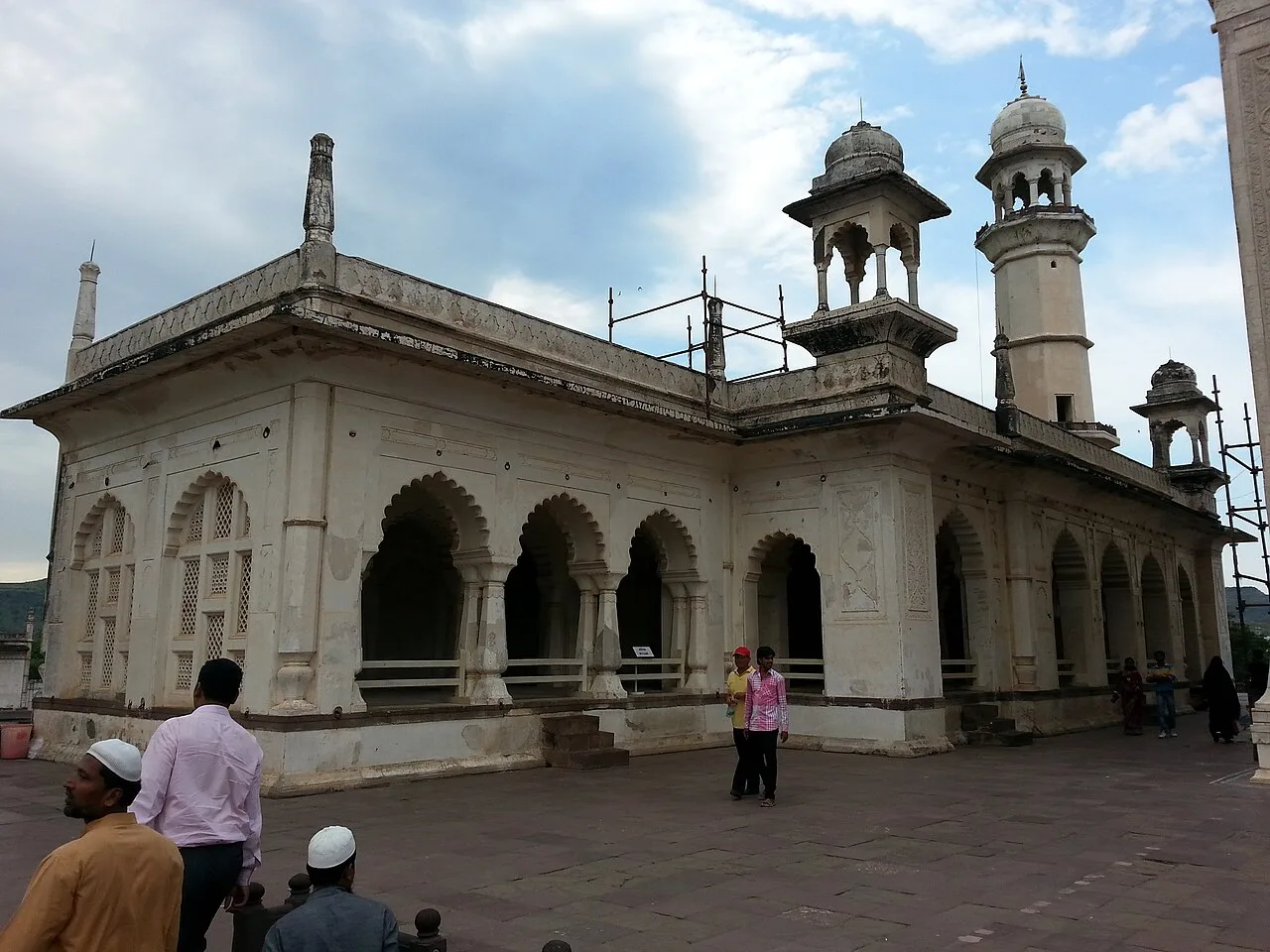
Bibi Ka Maqbara

112 km away · Chhatrapati Sambhajinagar district

Bibi Ka Maqbara

Bibi Ka Maqbara is a Mughal mausoleum in Aurangabad, Maharashtra, built for Dilras Banu Begum. Visitors come to see its resemblance to the Taj Mahal and its place in the region’s history.

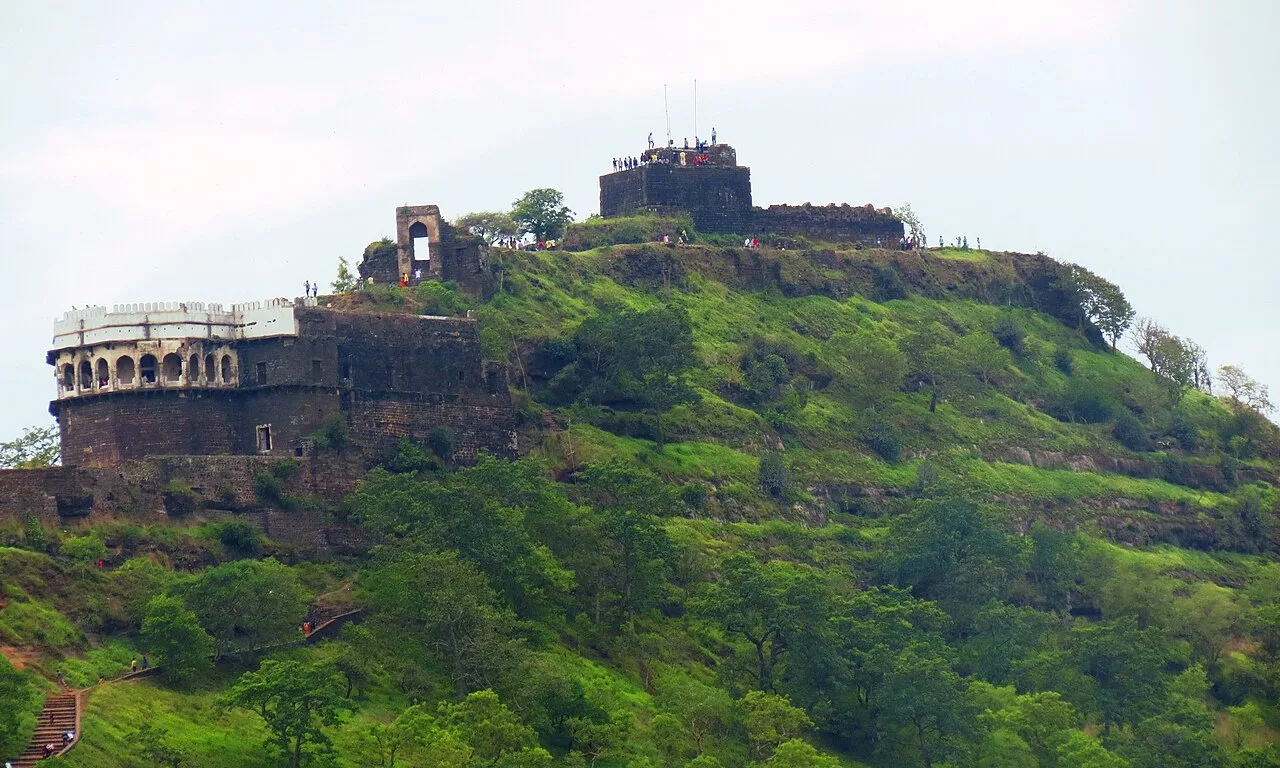
Daulatabad Fort

113 km away · Chhatrapati Sambhajinagar district

Daulatabad Fort

Daulatabad Fort is a historic stronghold in Maharashtra, first known as Devagiri. Visitors explore its history as a Yadava seat, briefly a Delhi Sultanate capital, and later an Ahmadnagar centre.

Lonar Lake

120 km away · Buldhana district

Lonar Lake

Lonar Lake is a saline, soda-rich lake in Maharashtra’s Buldhana district, set within a meteorite-impact crater. Visitors come to see its unusual geological formation and recognised conservation status.

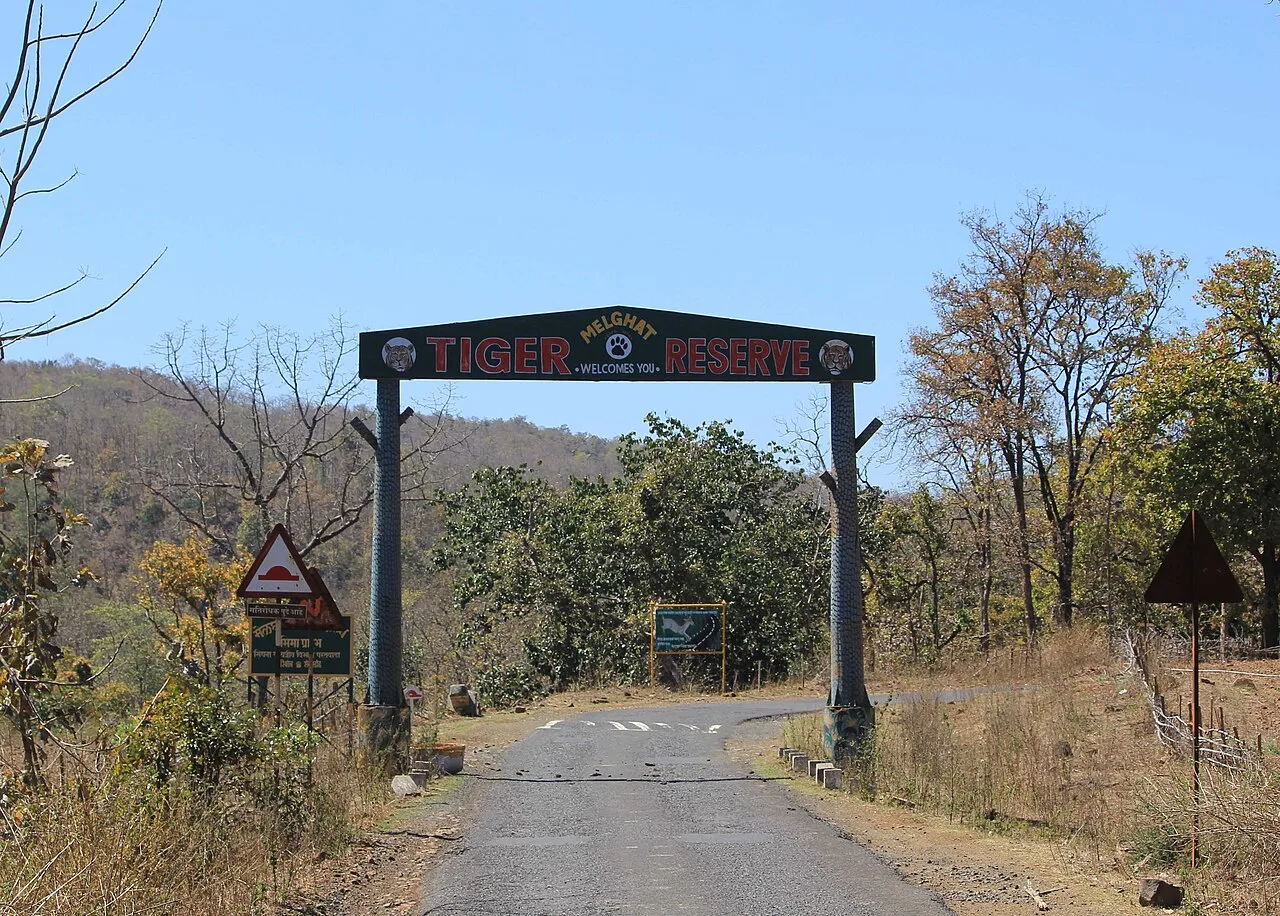
Melghat Tiger Reserve

163 km away · Amravati district

Melghat Tiger Reserve

Melghat Tiger Reserve is a protected area in northern Amravati district, Maharashtra. Visitors come to experience its wildlife and learn about its place in India’s Project Tiger programme.

Map

Jamner on the map

  1. 1Ajanta Caves
  2. 2Ellora Caves
  3. 3Ghrishneshwar Temple
  4. 4Aurangabad Caves
  5. 5Bibi Ka Maqbara
  6. 6Daulatabad Fort
  7. 7Lonar Lake
  8. 8Melghat Tiger Reserve

Maharashtra

Other cities to explore