Ghumoopedia — Explore, Discover, Experience
Sign in

City guide · Maharashtra

Talode

Talode, also called Taloda, is a municipal town in Nandurbar district, in Maharashtra’s Khandesh region. Its setting gives it much of its character: the Tapi river lies to the south, while the Satpura hills rise to the north.

Famous for

  • Taloda Garhi
  • Tapi river setting
  • Satpura foothills
  • Ashwatthama Yatra

Why Talode matters

Talode, also called Taloda, is a municipal town in Nandurbar district, in Maharashtra’s Khandesh region. Its setting gives it much of its character: the Tapi river lies to the south, while the Satpura hills rise to the north. The town serves as a local centre for nearby settlements and a starting point for exploring this less-visited part of northern Maharashtra.

Visitors are drawn by the old fort known as the Garhi, local temples and the surrounding river-and-mountain landscape. Taloda is also associated with the annual Ashwatthama Yatra, a religious journey into the Satpura hills rooted in the belief that Ashwatthama still lives. The town’s history is linked to the Bargal family and to the former princely state of Taloda. It is not a major resort destination, but its heritage and setting offer a quieter experience than Maharashtra’s better-known urban and hill destinations. Taloda matters as a regional town where local history, worship and everyday life meet at the edge of the Satpuras.
Famous for: crafts, trade & products

Taloda is not widely identified with a particular textile, handicraft, GI-tagged product or large-scale industry. Its appeal is chiefly historical and regional rather than that of a specialist shopping destination. The town’s local shops and market serve residents and visitors with everyday provisions and household goods; they are the most practical places to look for locally available produce and supplies.

Agriculture and trade in the surrounding Nandurbar region shape the local economy, but particular products should not be assumed to be exclusive to Taloda. Travellers hoping to buy a named craft or a district-specific specialty may find a wider selection in larger regional centres. In Taloda, ask shopkeepers about seasonal produce and locally made goods, and check the origin of items before treating them as local specialties. The Garhi and nearby temples are heritage sites, not craft markets. There is no widely documented dedicated market or institution in town for textiles or handicrafts, so visitors should plan shopping as a modest part of a visit rather than its main purpose.

History

Taloda’s early history is associated with Rajput chieftains, who are said to have ruled until 1631. The Bargal family, from the Khutekar Dhangar community, established its rule after that period. The family’s history is also linked to Bhojraj Bargal and his son-in-law, Malhar Rao Holkar, who spent part of his childhood in Taloda. Temples in and around the town reflect the area’s long religious life.

The old fort, known as the Garhi, is the most prominent surviving reminder of Taloda’s former status. It is traditionally described as several centuries old, though its condition has deteriorated. A local account connects the town’s name with the Marathi word tal, meaning a halt, and with forces travelling towards Surat; this explanation is part of local tradition. Taloda remained a non-salute princely state until the end of British rule and subsequently joined India. In modern times it has developed as a municipal and tehsil centre within Nandurbar district, while retaining its historic fort and regional identity.

Food, festivals & culture

Everyday life in Taloda reflects the wider Khandesh region. Marathi is widely used, and local speech may include Ahirani and languages spoken by neighbouring communities. Regional home cooking commonly features bhakri, pithla and spicy thecha, with meals and ingredients varying by household and season. Visitors will find everyday food more readily than a distinct town-specific sweet or restaurant specialty.

Ganesh Chaturthi, Diwali and Holi are among the festivals observed in the area, with celebrations following the Hindu calendar and usually falling between the monsoon and spring seasons. Taloda’s distinctive religious event is the Ashwatthama Yatra, an annual pilgrimage into the Satpura hills connected to the belief that Ashwatthama remains alive. Participation and access follow local religious customs; visitors should seek guidance from residents rather than assume the route is open or suitable for everyone. Temples around town and the Garhi form part of the local heritage. Folk music and dance belong to the broader cultural life of the region, though no single performance tradition defines Taloda alone.

Visiting the city

The cooler months, roughly October to February, are generally the most comfortable time to visit. The nearest practical rail connection is Nandurbar railway station; Surat Airport is a nearby major airport, though the onward road journey takes planning. Check current connections before travelling, as services and road conditions can change.

Local buses, shared vehicles, auto-rickshaws and hired cars are useful for getting around, while a car with a local driver can help reach sites beyond the town. Explore the Garhi, the central market and nearby temples, then take in the Tapi-side landscape or views towards the Satpura foothills. The Ashwatthama Yatra is a religious trek, not a casual sightseeing route; ask locally about access, conditions and appropriate conduct before setting out.

Trips from the city

Nearest places to visit from Talode

Our closest destination guides, by straight-line distance.

Saptashrungi

134 km away · Nashik district

Saptashrungi

Saptashrungi is a Hindu pilgrimage destination in Maharashtra, where the goddess is believed to dwell among seven peaks. Devotees visit its temple, which holds an important place in Shakti Peetha traditions.

Kalaram Temple

178 km away · Nashik district

Kalaram Temple

Kalaram Temple is a Hindu shrine in Nashik, Maharashtra, devoted to Rama. Visitors come to worship at the temple, whose inner sanctuary also contains images of Sita and Lakshmana.

Pandavleni Caves

186 km away · Nashik district

Pandavleni Caves

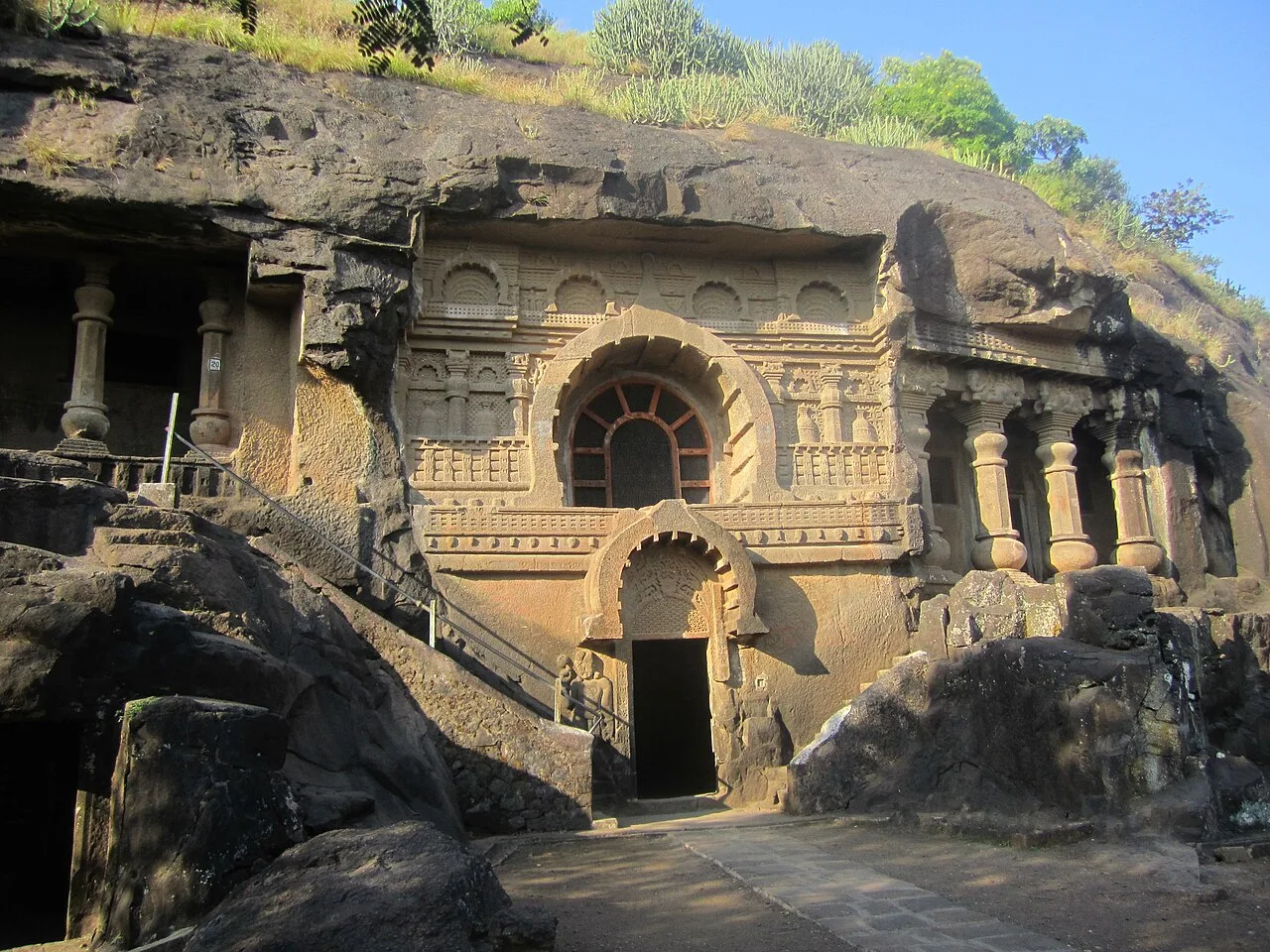
Pandavleni, also called the Trirashmi and Nashik Caves, is a Buddhist and Jain complex near Nashik, drawing visitors to its religious chambers and distinctive cave architecture.

Ajanta Caves

191 km away · Chhatrapati Sambhajinagar district

Ajanta Caves

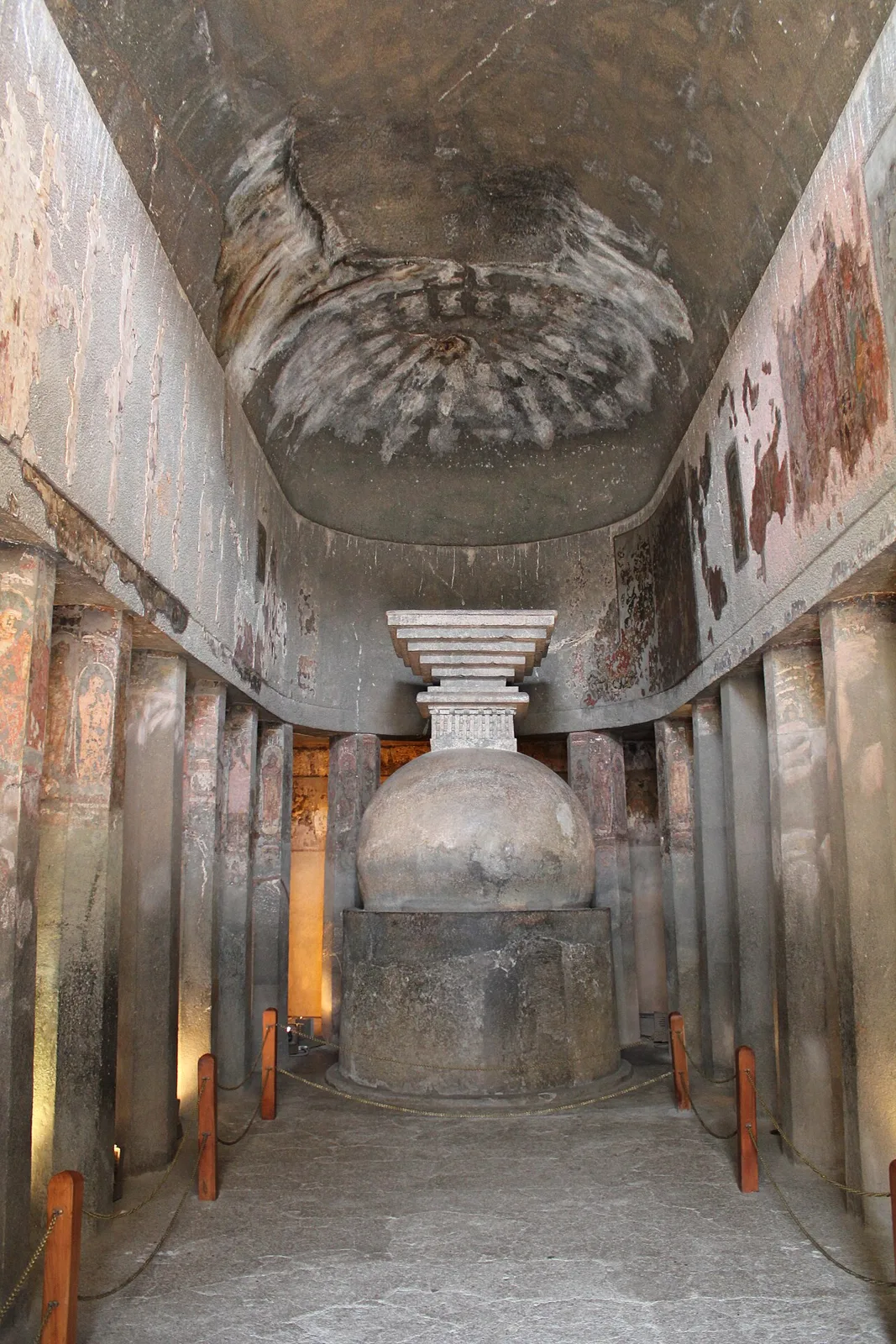
Ajanta is a group of 30 Buddhist caves in Maharashtra, known for its ancient paintings, sculptures and religious architecture. Visitors come to explore the site’s artistic and monastic heritage.

Trimbakeshwar Temple

195 km away · Nashik district

Trimbakeshwar Temple

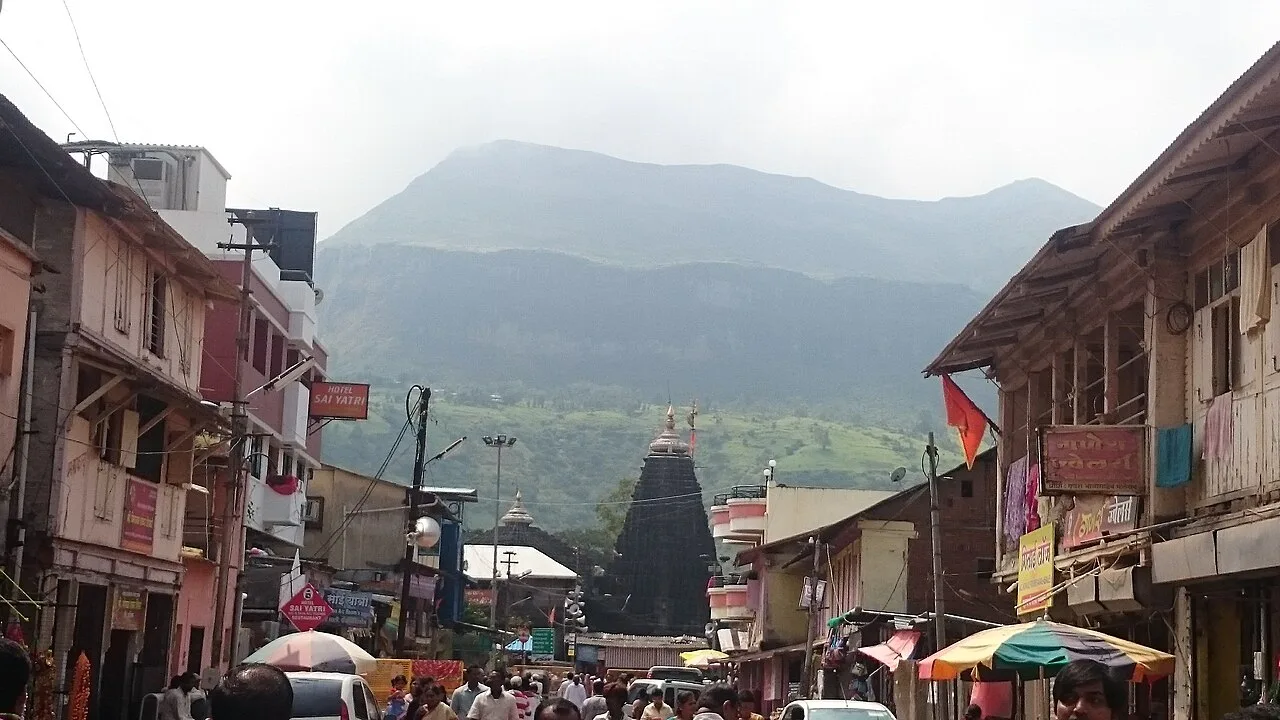
Trimbakeshwar Temple is a Shiva shrine in Maharashtra’s Nashik district and one of the twelve jyotirlingas. Visitors come to worship, perform Hindu rites and connect with the Godavari’s beginnings.

Ellora Caves

198 km away · Chhatrapati Sambhajinagar district

Ellora Caves

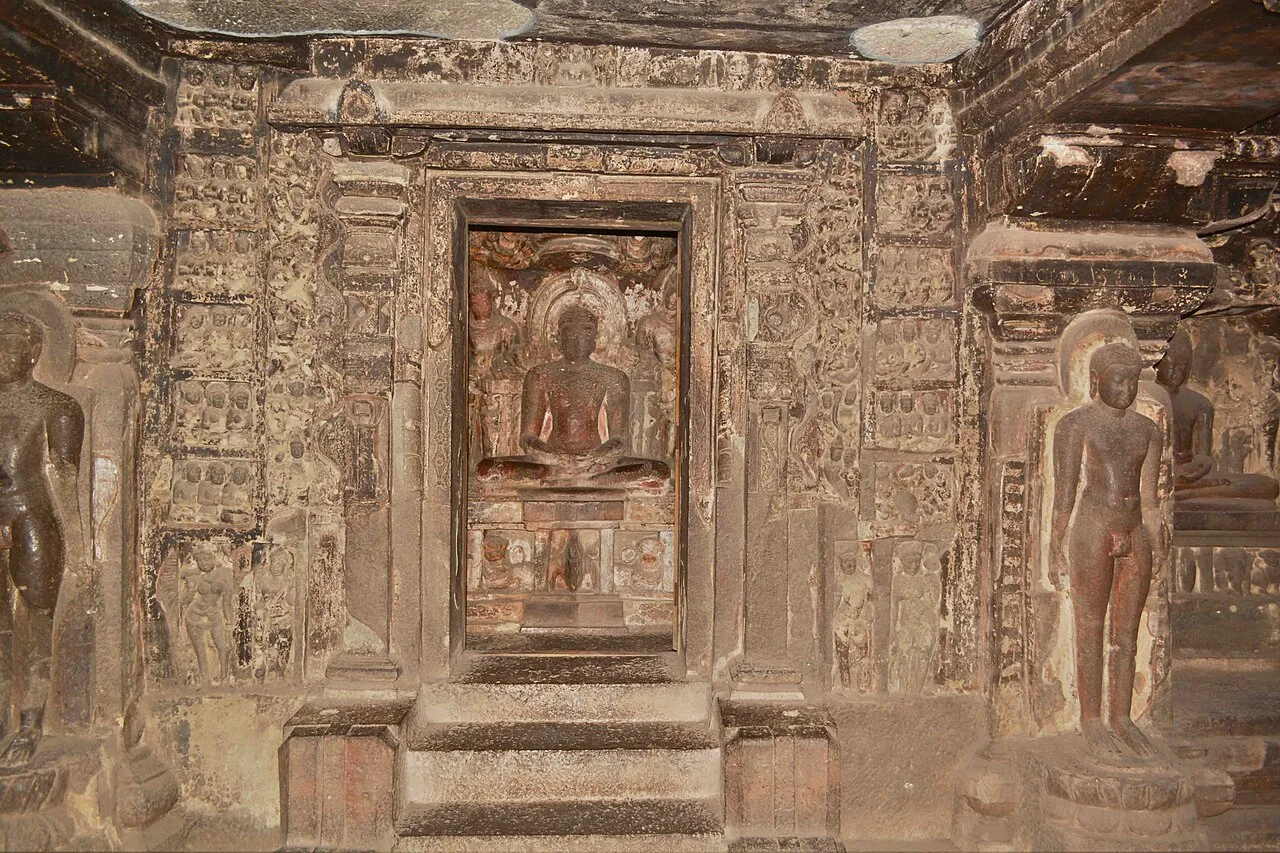
Ellora, in Maharashtra’s Chhatrapati Sambhajinagar district, is a UNESCO World Heritage Site. Visitors explore its Hindu, Buddhist and Jain monuments, including the remarkable Kailash temple carved from rock.

Ghrishneshwar Temple

198 km away · Chhatrapati Sambhajinagar district

Ghrishneshwar Temple

Ghrishneshwar Temple is a Shiva shrine in Verul, Maharashtra, and one of the twelve Jyotirlingas. Visitors come to worship Shiva at this nationally protected temple.

Shirdi Sai Baba Temple

201 km away · Ahilyanagar district

Shirdi Sai Baba Temple

The Shirdi Sai Baba Temple is a pilgrimage destination in Maharashtra, visited because of its association with Sai Baba, the nineteenth-century Indian saint closely connected with the town.

Map

Talode on the map

  1. 1Saptashrungi
  2. 2Kalaram Temple
  3. 3Pandavleni Caves
  4. 4Ajanta Caves
  5. 5Trimbakeshwar Temple
  6. 6Ellora Caves
  7. 7Ghrishneshwar Temple
  8. 8Shirdi Sai Baba Temple

Maharashtra

Other cities to explore