Ghumoopedia — Explore, Discover, Experience
Sign in
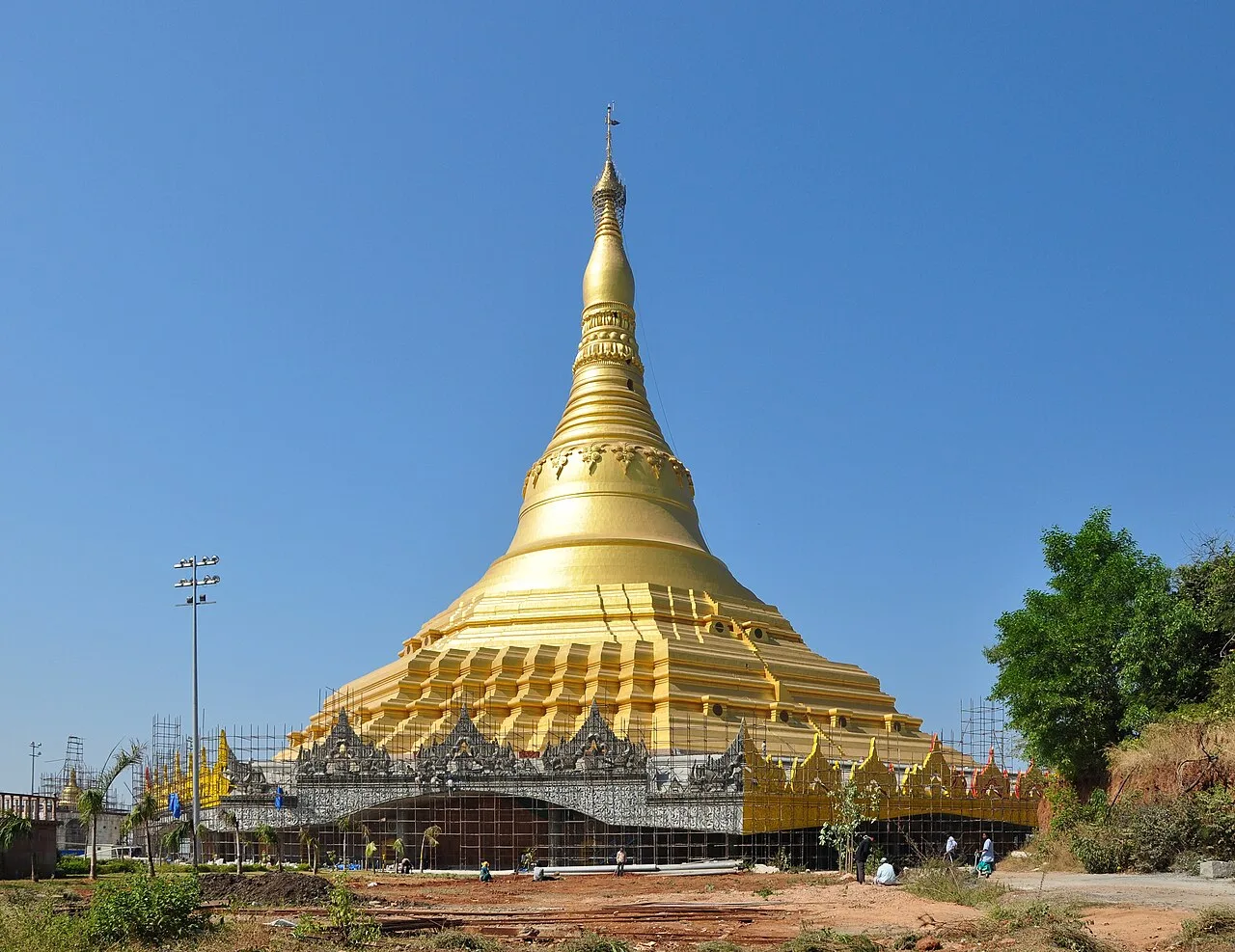
Global Vipassana Pagoda, near Vasai-Virar

City guide · Maharashtra

Vasai-Virar

Vasai-Virar is a large coastal urban centre in Palghar district, within the Mumbai Metropolitan Region. It links the historic settlements of Vasai, Nalasopara and Virar with newer neighbourhoods, serving as an important residential and transport hub north of Mumbai.

Famous for

  • Vasai Fort ruins
  • Ancient Sopara heritage
  • Koli fishing and seafood
  • East Indian cuisine
  • Coastal beaches and creeks

Why Vasai-Virar matters

Vasai-Virar is a large coastal urban centre in Palghar district, within the Mumbai Metropolitan Region. It links the historic settlements of Vasai, Nalasopara and Virar with newer neighbourhoods, serving as an important residential and transport hub north of Mumbai. Vasai Road station connects the area to the wider suburban rail network, while local markets and services support communities across the region.

Visitors come for the Portuguese-era ruins of Vasai Fort, the ancient port heritage of Sopara, coastal scenery and places of worship such as Jivdani Temple. The city also reflects a distinctive mix of Marathi, Koli and East Indian traditions. Fishing and agricultural trade have long shaped local life, while construction and technology-related work are part of its changing economy. Its broad, spread-out character means that heritage sites, beaches and busy town centres are best explored as separate stops rather than as one compact downtown.
Famous for: crafts, trade & products

Vasai has a history of silk and cotton handloom weaving and salt production, although neither defines its economy as strongly today. Fishing remains important along the coast, and the wider region trades in agricultural produce. Fresh fish and everyday local goods can be found in neighbourhood markets around Vasai Road, Nalasopara and Virar; coastal settlements offer a closer look at the fishing economy. The area is not chiefly known for a single signature saree or widely recognised GI-tagged craft.

The city’s present-day economy also includes construction, retail and technology-related services. For visitors, the most accessible places to browse are the town-centre markets and shopping streets near the main railway stations, where vendors sell food, clothing and household goods. These are practical local bazaars rather than specialist craft districts. Vasai’s historic salt-making and weaving are part of its industrial story, while the fort and older settlements offer a stronger sense of its past than a dedicated crafts market.

History

The Vasai area was part of the Devagiri Yadava realm until the early fourteenth century and later came under the Gujarat Sultanate. Sopara, also known as Shurparaka, had a much older history as a port and is associated with early Buddhist remains. In the sixteenth century, the Portuguese established a trading post and fort at Vasai. The settlement became a strategic harbour and shipbuilding centre; in 1534, the Gujarat sultan ceded Vasai and nearby territories to Portugal.

Maratha forces took Vasai in 1739, and the region later passed under British rule. Fishing, farming, salt production and weaving remained important livelihoods through subsequent changes. In 2009, Vasai, Virar, Nalasopara, Navghar-Manikpur and surrounding settlements were brought together under the Vasai-Virar municipal corporation. Rapid urban growth and links with Mumbai have since reshaped the area, while the surviving fort and Sopara’s archaeological heritage preserve traces of earlier eras.

Food, festivals & culture

Food reflects the city’s coastal setting and diverse communities. Koli households and eateries serve fish and other seafood, while Marathi home cooking commonly features rice, lentils, vegetables and seasonal preparations. The East Indian community is known for its distinctive spice blends, including bottle masala, and celebratory foods such as fugias and other breads. Local menus vary across neighbourhoods, and everyday Maharashtrian snacks are easy to find around station areas.

Ganesh Chaturthi and Navratri bring public celebrations in the late monsoon and autumn, while Narali Purnima, observed around the monsoon season, is meaningful to fishing communities. Christmas and Easter are important in the area’s Christian communities, alongside Hindu festivals and local church feasts. Marathi is widely spoken, with Hindi, Gujarati and English also heard; East Indian Marathi traditions remain part of local identity. Koli songs and dance, devotional music and church music contribute to the region’s cultural life. Temples, churches and the Jivdani shrine are prominent places of worship.

Visiting the city

October to February is generally the most comfortable season for exploring, with less rain and milder weather. The monsoon brings heavy rainfall, and flooding can disrupt movement, so check local conditions before travelling. The nearest major airport is Chhatrapati Shivaji Maharaj International Airport in Mumbai. Vasai Road is the principal railway station and a useful base for reaching other parts of the city; Nalasopara and Virar are also key stops.

Auto-rickshaws, local buses and app-based or hired cars help cover the spread-out area. Allow time between destinations. Explore Vasai Fort and the older Vasai neighbourhood, then visit Sopara for its archaeological heritage. Virar offers access to Jivdani Temple, while coastal areas such as Bhuigaon and Arnala are options for a shoreline visit. Confirm access and weather conditions before heading to beaches or fort sites.

Trips from the city

Nearest places to visit from Vasai-Virar

Our closest destination guides, by straight-line distance.

Global Vipassana Pagoda

25 km away · Mumbai Suburban district

Global Vipassana Pagoda

The Global Vipassana Pagoda is a large meditation centre near Gorai in north-west Mumbai. Visitors come to learn about Vipassana and the Buddha’s teachings, and to see its Burmese-inspired architecture.

Sanjay Gandhi National Park

25 km away · Mumbai Suburban district

Sanjay Gandhi National Park

Covering 103.84 square kilometres in Mumbai, Sanjay Gandhi National Park is a protected area in Maharashtra. More than two million people visit it each year.

Kanheri Caves

29 km away · Mumbai Suburban district

Kanheri Caves

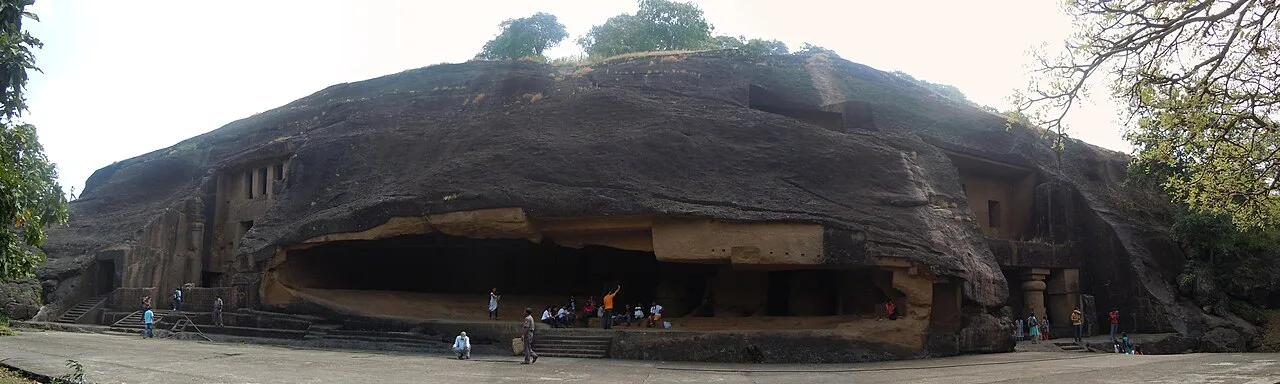
Kanheri Caves is a Buddhist monastic complex carved into a basalt hillside in Mumbai’s Sanjay Gandhi National Park. Visitors explore its caves, worship halls, sculptures and ancient water systems.

Powai Lake

38 km away · Mumbai Suburban district

Powai Lake

An artificial lake in Mumbai’s Powai suburb, Powai Lake is a popular local attraction, with major educational institutions and urban neighbourhoods nearby.

Juhu Beach

40 km away · Mumbai Suburban district

Juhu Beach

Juhu is a coastal Mumbai suburb on Salsette Island, best known for its beach. People visit the shore, and the neighbourhood is also associated with Bollywood residents.

Basilica of Our Lady of the Mount

46 km away · Mumbai Suburban district

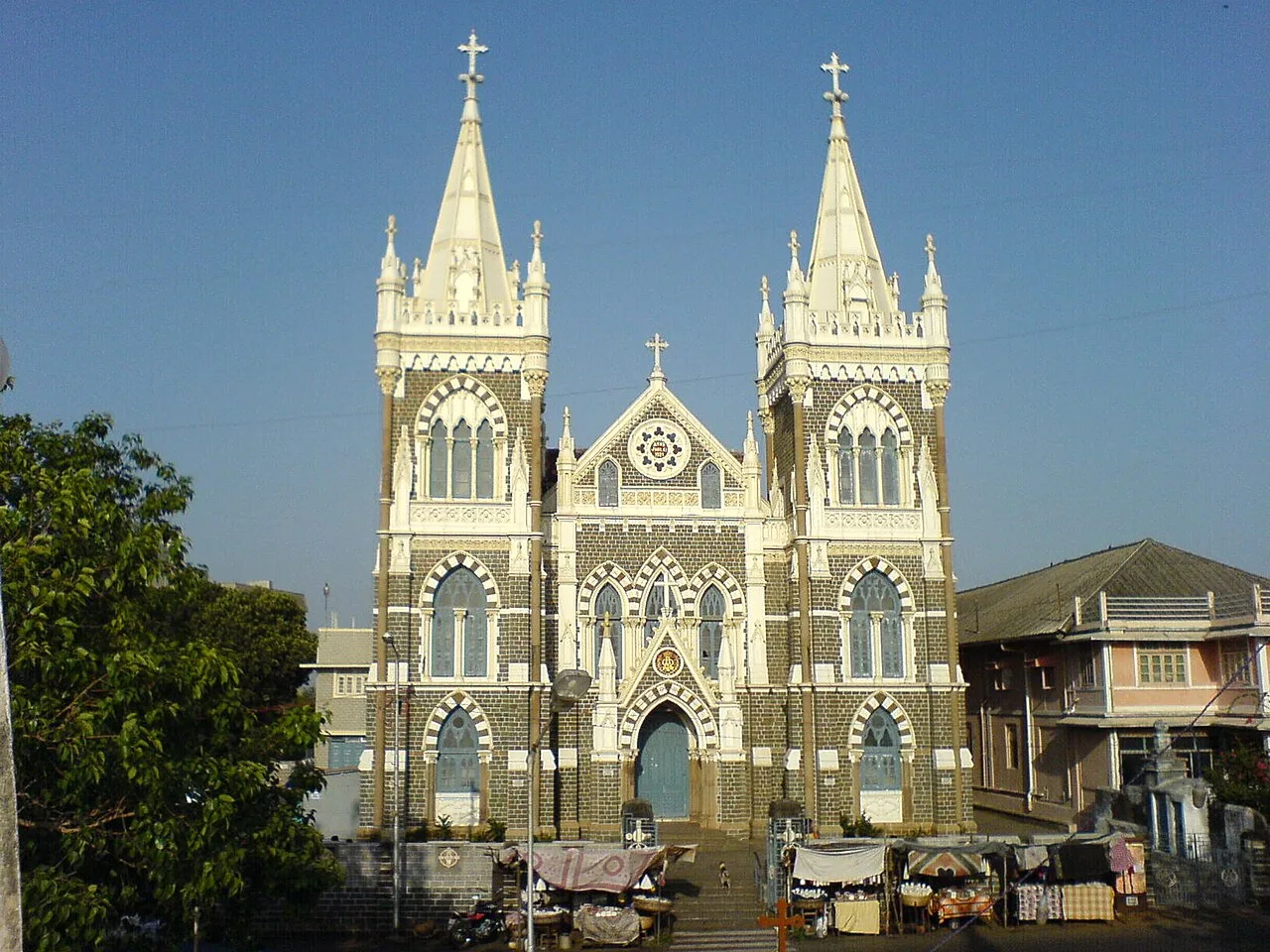
Basilica of Our Lady of the Mount

A Roman Catholic basilica and shrine in Mumbai’s Bandra neighbourhood, it draws visitors for the annual Marian feast and fair, as well as people hoping their mannat, or wish, will be fulfilled.

Siddhivinayak Temple

49 km away · Mumbai City district

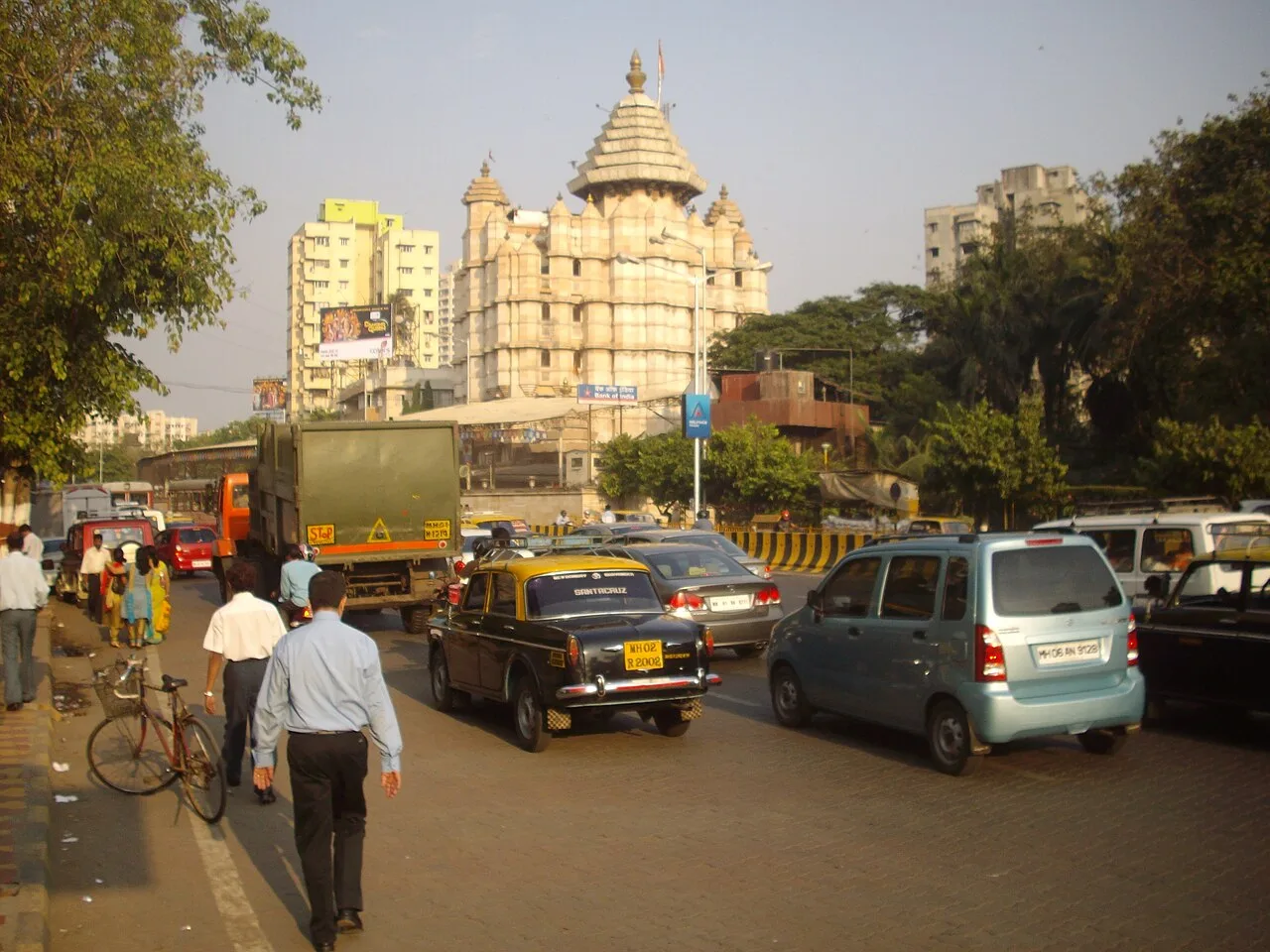
Siddhivinayak Temple

Shri Siddhivinayak Ganapati Mandir is a Hindu temple in Mumbai’s Prabhadevi neighbourhood, centred on Ganesha. People visit to worship at the Siddhi Vinayak shrine, whose name is associated with granting wishes.

Haji Ali Dargah

52 km away · Mumbai City district

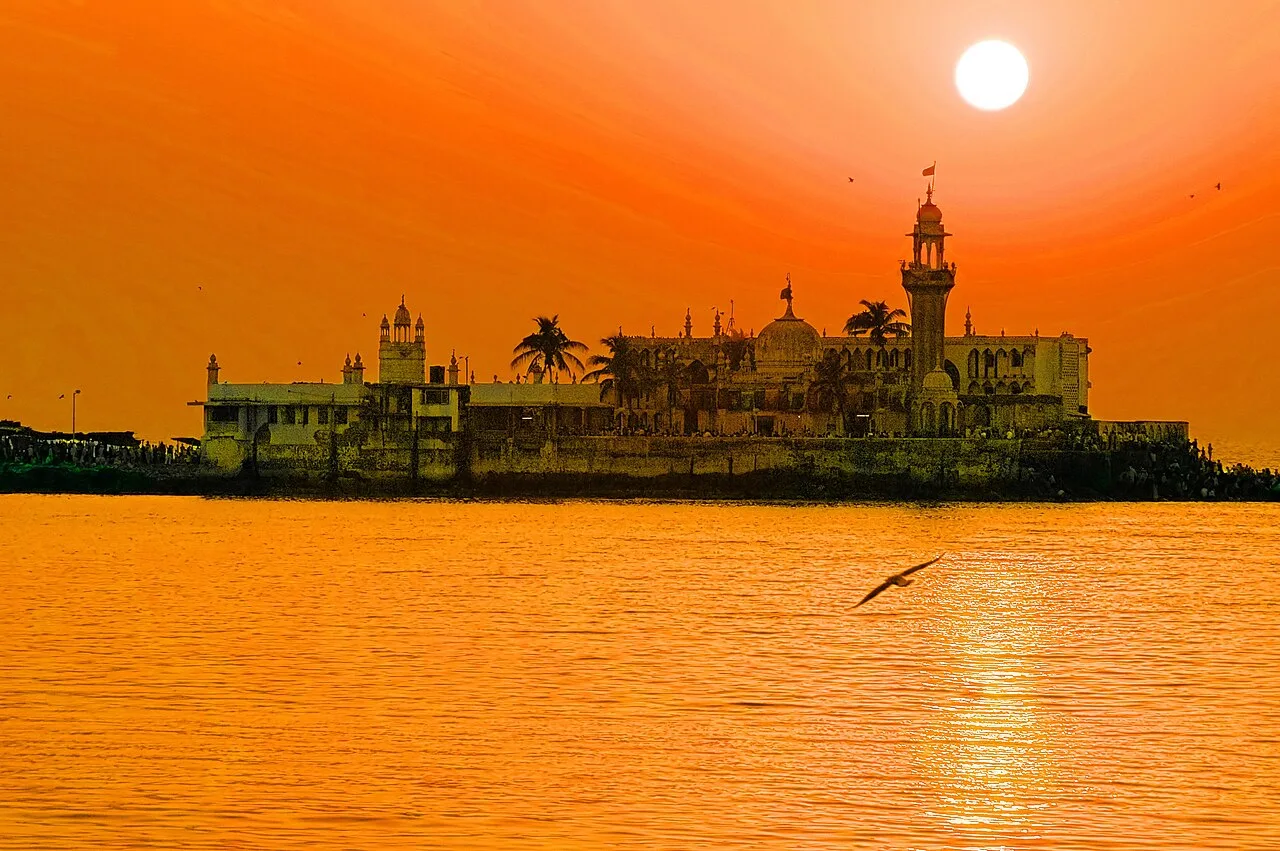
Haji Ali Dargah

Haji Ali Dargah is a Mumbai shrine containing Pir Haji Ali Shah Bukhari’s tomb. Visitors come to pay their respects and see its Indo-Islamic architecture.

Map

Vasai-Virar on the map

  1. 1Global Vipassana Pagoda
  2. 2Sanjay Gandhi National Park
  3. 3Kanheri Caves
  4. 4Powai Lake
  5. 5Juhu Beach
  6. 6Basilica of Our Lady of the Mount
  7. 7Siddhivinayak Temple
  8. 8Haji Ali Dargah

Maharashtra

Other cities to explore