
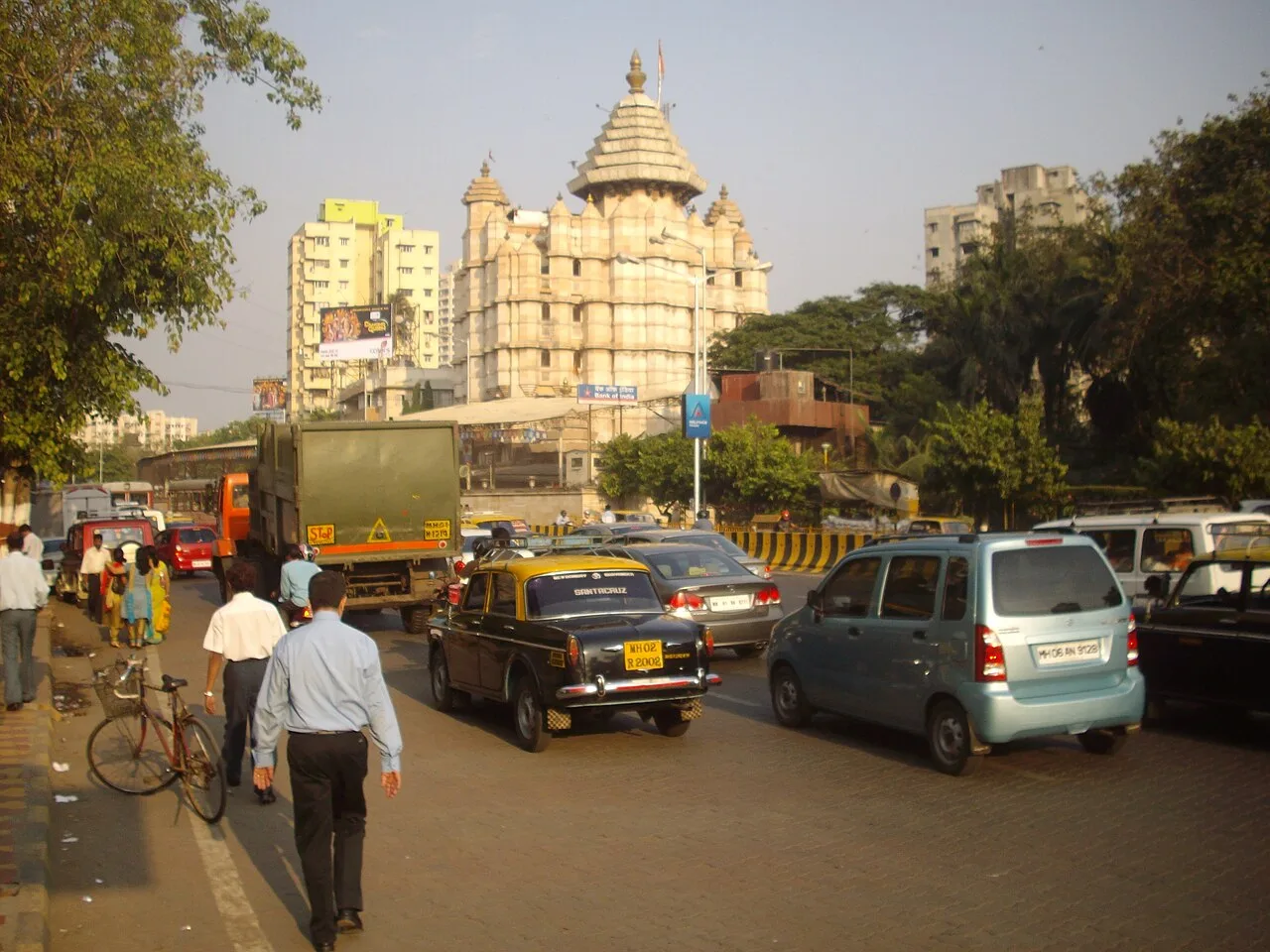
Siddhivinayak Temple
Shri Siddhivinayak Ganapati Mandir is a Hindu temple in Mumbai’s Prabhadevi neighbourhood, centred on Ganesha. People visit to worship at the Siddhi Vinayak shrine, whose name is associated with granting wishes.
Key facts · verified by Ghumoopedia editors
- Type of place
- Temple / pilgrimage site
- Best time to visit
- October to March; June to September for green monsoon landscapes on the Ghats (expect closures)
- Nearest railway station
- Dadar · about 5 km (straight line)
- Verified
- 21 Nov 2026
Plan a trip from Siddhivinayak Temple — a day-by-day route through places nearby.
In Mumbai’s Prabhadevi neighbourhood, within Mumbai City district of Maharashtra, Shri Siddhivinayak Ganapati Mandir is a Hindu place of worship centred on Ganesha. Laxman Vithu and Deubai Patil established the temple on 19 November 1801. Its principal image is known as Siddhi Vinayak, a name associated with Ganesha granting wishes, and devotees come to worship here. The central shrine stands within a small mandap. Carved wooden doors to the sanctum show the Ashtavinayaka, the eight forms of Ganesha found across Maharashtra. Gold plating covers the ceiling inside the sanctum. Carvings of these eight manifestations also decorate the temple pillars. A shrine to Hanuman stands at the temple’s perimeter. In the evening, the outer dome is lit in different colours, with the lighting changing every few hours. The Ganesha image is positioned directly below the dome. Maharashtra spans Mumbai's Gothic and Art Deco skyline, the rock-cut cave temples of Ajanta, Ellora, Karla and Elephanta, the hill forts of Chhatrapati Shivaji Maharaj, the Konkan's sea forts and beaches, and the great pilgrimages of Pandharpur, Shirdi and the Jyotirlingas. The coast is hot and humid most of the year with very heavy monsoon rain from June to September; the Western Ghats hill stations are cool and misty in the monsoon and pleasant in winter; the Deccan and Vidarbha are dry, with harsh summers above 40°C in Nagpur and Chandrapur. The usual best time to visit is October to March; June to September for green monsoon landscapes on the Ghats (expect closures). Timings, fees and access arrangements must be confirmed locally. For official information, see Maharashtra Tourism at https://www.maharashtratourism.gov.in.
Why it matters
Shri Siddhivinayak Ganapati Mandir is an important Hindu place of worship in Prabhadevi, Mumbai, dedicated to Ganesha in his form as Siddhi Vinayak. Worshippers come to pray for good fortune, success and the removal of obstacles, and the temple is a prominent part of the city’s religious life. Its public profile also makes it a familiar Mumbai landmark, drawing residents and visitors from across Maharashtra and India. The temple’s significance is rooted in living worship and local history; no UNESCO or Archaeological Survey of India designation is asserted here. It is administered by the Shri Siddhivinayak Ganpati Temple Trust. Visitors should expect busy periods, especially during major Ganesha festivals.
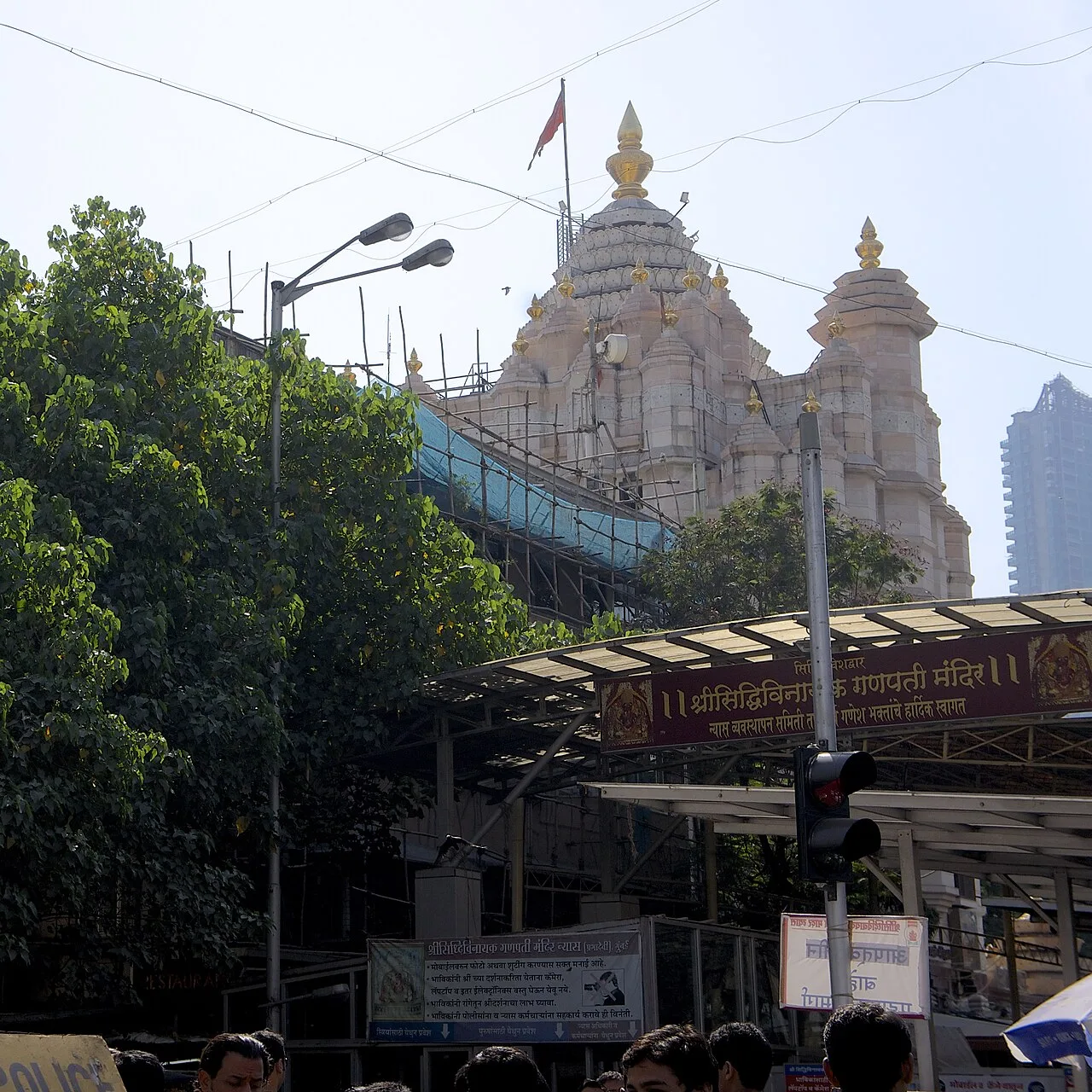
The temple’s foundation is traditionally dated to 1801. Historical accounts identify Laxman Vithu and Deubai Patil as its builders; Deubai is often described as having sponsored the shrine. It was established in what was then a less built-up part of the Mumbai region, in the area now known as Prabhadevi. The original temple was modest in scale, with a shrine to Ganesha at its centre. As Mumbai expanded and the temple’s following grew, the site was enlarged and adapted to receive more worshippers. Its present appearance reflects later building and improvement work rather than only the original structure. The temple is now managed by the Shri Siddhivinayak Ganpati Temple Trust, which oversees its religious and administrative functions. The shrine has become a major place of public devotion, particularly during Ganesha festivals. Details of individual renovation phases are not included here unless confirmed by the managing authority; visitors interested in the building’s development can consult the trust’s current information or reliable historical sources.
Origin stories & folklore
According to a popular local account, Deubai Patil helped establish the temple because she could not have children. The story says she hoped that other women who wished to have children could pray to Ganesha and receive his blessings. This is a devotional tradition, not a detail that should be treated as independently verified history. The name Siddhi Vinayak is commonly understood as referring to Ganesha who grants success or fulfilment, and worshippers may approach the deity with personal prayers and hopes. As with many living Hindu shrines, stories and explanations can vary between families and devotees; visitors should receive them respectfully as expressions of faith.
Architecture & design
The temple combines a central sanctum with spaces arranged to serve worshippers and ritual activity. Its distinctive exterior dome is illuminated in changing colours in the evenings, and the Ganesha image is positioned beneath it. The shrine is comparatively intimate within the larger temple complex. The sanctum’s wooden doors are carved with representations of the Ashtavinayaka, the eight revered forms of Ganesha associated with Maharashtra. The inner roof is plated with gold, while pillars are also described as carrying Ashtavinayaka imagery. The main image of Siddhi Vinayak is the focus of the layout, with worshippers approaching through designated areas that may be managed as queues. A Hanuman shrine stands within the temple’s periphery. The appearance visitors encounter today includes later expansion and improvements; specific construction materials or engineering details beyond these visible features should not be assumed without confirmation.
Important objects & sculptures
The principal object of devotion is the image of Ganesha in the sanctum, worshipped as Siddhi Vinayak. Common descriptions note the image’s distinctive trunk turned to the right; views may depend on access arrangements and crowd conditions. Look for the carved wooden sanctum doors, which depict the Ashtavinayaka, and for related Ashtavinayaka imagery on the pillars. The sanctum’s gold-plated inner roof is another notable feature. A Hanuman shrine is located around the temple’s periphery. These features form part of an active place of worship, not a museum display: visitors should observe from permitted areas and avoid blocking worshippers or ritual movement.
Religious significance
The temple is dedicated to Ganesha, widely revered in Hindu traditions as the remover of obstacles and a deity invoked at the beginning of new undertakings. Here he is worshipped as Siddhi Vinayak, a name associated with success or the fulfilment of wishes. Devotees offer prayers and offerings, attend aarti and other daily rites, and may visit to mark personal occasions or seek blessings. Ritual procedures and access to the sanctum are managed by temple staff and may vary with crowd levels or special observances. Visitors who do not share the faith are welcome to observe respectfully where permitted. Keep voices low, follow the queue and posted instructions, and do not interrupt worshippers or priests during ceremonies.
Visit Siddhivinayak Temple with time to observe daily prayers and rituals respectfully. Follow the posted rules on footwear, photography, phones, head covering and dress, and avoid interrupting worshippers; popular temples may have separate queues, dress codes or mobile-phone deposit counters. Ask caretakers which areas are open to visitors, and beware of unofficial 'guides' or agents offering quick darshan for a fee. A comfortable itinerary is one main visit in the morning, a local meal at midday and a short nearby stop before an afternoon return. Use the district list on this site to find other places in Mumbai City, but check the route and its condition before combining stops. If a festival is on — such as Ganeshotsav, Gudi Padwa or the Ashadhi Wari to Pandharpur — roads and stays can be busy, and the experience can be unforgettable. Leave no litter: many sites are protected by the communities around them.
Suggested itineraries
Half day: Allow 1–2 hours for the temple visit and queue; have a nearby meal; spend 1–2 hours at Shivaji Park or on a short local outing before returning. Full day: Visit the temple in the morning; take a meal break; visit Nehru Science Centre or Nehru Planetarium in Worli; finish with time at Worli Sea Face, allowing for city traffic between stops. Gentler option: Arrange a cab drop-off as close as permitted, visit at a quieter time after checking locally, take seated breaks nearby, and limit the day to the temple and one short stop.
The temple is part of Mumbai’s everyday religious life as well as a destination for pilgrims. Devotional activity includes aarti, prayer, offerings and the singing or playing of bhajans on suitable occasions. Marathi is strongly associated with the area and its traditions; Hindi and English are also commonly heard in Mumbai. Visitors may see people wearing everyday city clothing alongside traditional Indian attire, particularly for worship or festivals. Customs such as removing footwear, making an offering or covering one’s head may be followed by some devotees, but visitors should follow the temple’s current posted rules rather than assume a single practice. The temple remains an active place of worship, so its rhythms take precedence over sightseeing.
Festivals & events
Ganesh Chaturthi, usually falling in August or September, is a major period of worship for Ganesha and can bring especially large crowds to the temple and surrounding streets. The temple also observes Ganesha Jayanti, commonly called Maghi Ganesh Jayanti, which usually falls in January or February, as well as monthly observances such as Sankashti Chaturthi. The scale of rituals and visitor arrangements can change on festival days. Expect longer queues, traffic disruption and greater demand for local services during popular observances. Confirm current access arrangements with the temple trust before travelling, and allow extra time if visiting during a festival.
Local food in Maharashtra includes vada pav, misal pav, pav bhaji, poha, puran poli, modak at Ganesh Chaturthi, Kolhapuri mutton with tambda and pandhra rassa, Malvani fish curry and sol kadhi on the Konkan coast, and Nagpur oranges and saoji food in Vidarbha. Ask what is fresh that day; many small eateries cook a limited daily menu. Vegetarian travellers eat well across the state, and most towns also have fish and meat dishes. Remote sites may have no restaurant at all. Carry water and snacks, eat a proper breakfast before long drives, and ask your accommodation for a packed lunch if you are heading out early. If prasad or langar is offered, accept it according to local custom. Choose busy, clean places, drink sealed or filtered water, and carry your packaging back with you.
Shopping & local experiences
The streets around the temple may have small shops selling flowers, coconuts, sweets and other devotional offerings; follow temple guidance on what may be taken inside. Dadar’s commercial areas offer a broader selection of everyday goods, clothing and food, though market conditions vary. Mumbai sweets and snacks can make a simple local food stop, with vegetarian options widely available in the area. Treat purchases as optional, check product quality and prices directly with sellers, and avoid buying from anyone claiming that a paid offering guarantees a particular religious result.
October to March; June to September for green monsoon landscapes on the Ghats (expect closures)
The nearest principal railway station by straight-line distance is Dadar, roughly 5 km away. The nearest operating airport by straight-line distance is Chhatrapati Shivaji Maharaj International Airport, Mumbai, roughly 10 km away. These figures are calculated from map coordinates — actual road distance is longer. Mumbai and Pune are the main rail and air gateways in the west, Chhatrapati Sambhajinagar (Aurangabad) for Ajanta and Ellora, Nagpur for Vidarbha and the tiger reserves, and the Konkan Railway serves the coast down to Sindhudurg. Within Mumbai, suburban local trains on the Western, Central and Harbour lines are the fastest way around outside rush hours (roughly 8–11 am and 5–9 pm); each train has ladies' compartments, and the Metro and app cabs are more comfortable alternatives. When comparing train, bus and flight, count the complete door-to-door time: a flight saves the most time only if the onward road transfer is short, while an overnight train can save a hotel night. Book your return before you leave, because seats fill quickly on weekends, festivals and holidays. Current train numbers, timings, return services and fares are not listed here; check IRCTC and NTES for trains and the airline's own schedule for flights. No permit is needed to visit Maharashtra. Tiger safaris in Tadoba, Pench and Melghat must be booked in advance through the official online portals. Many hill forts are popular monsoon treks: since several accidents, some districts restrict access to waterfalls, forts and ghats during heavy rain — check current district orders before setting out. Ganeshotsav (August–September) brings very large crowds to Mumbai and Pune.
Confirm onward and return timings on IRCTC / NTES, the state bus operator or your airline before travel. A dash means current timings or fares have not been verified.
Getting around
Dadar is the nearest principal railway station by straight-line distance according to the guide, while Prabhadevi station is another local rail option in the area. Mumbai’s suburban trains are useful for reaching nearby neighbourhoods, though rush hours can be crowded. From a station, visitors can use an auto-rickshaw, taxi or app-based cab, or walk if comfortable with city traffic and the route. Local buses also serve the wider area. Road congestion can make journeys slow, particularly during festivals. Parking may be limited near the temple, so check locally and consider public transport rather than assuming a convenient parking space.
Hours, tickets & permissions
Entry arrangements may vary with the day, religious observances, crowd management and security requirements. The temple may organise separate queues or restrict access to particular areas, and rules for offerings, bags, phones, footwear or identification can change. Do not rely on an old online listing for current opening information, admission requirements or fees. Check the latest guidance with the Shri Siddhivinayak Ganpati Temple Trust before setting out. Follow instructions from temple staff and security personnel on arrival.
Facilities
Facilities and access arrangements can vary with crowd levels. The temple usually has staff or security personnel to direct visitors, and shoe storage or designated footwear areas may be available; confirm locally. Toilets, drinking water, food outlets, pharmacies and ATMs can generally be found in the surrounding urban neighbourhood, but their proximity and availability should not be assumed. Small shops nearby may sell devotional offerings. Parking and waiting space can be constrained, especially on festival days. The temple may have rules about bags and phones, so check current guidance before bringing belongings.
Accessibility
The temple is in a dense urban neighbourhood, where pavements, crossings and traffic can make the approach challenging. Inside, visitors may need to stand in queues and move through crowded or controlled spaces; thresholds, steps or changes in floor level may be encountered. Shade and seating may be limited while waiting, particularly during busy periods. Wheelchair access, assistance, priority arrangements and stroller access should be confirmed with the temple trust before arrival rather than assumed. Older visitors or anyone with limited mobility may find a quieter visit more manageable, and should consider travelling with a companion and allowing time for rests.
No permit is needed to visit Maharashtra. Tiger safaris in Tadoba, Pench and Melghat must be booked in advance through the official online portals. Many hill forts are popular monsoon treks: since several accidents, some districts restrict access to waterfalls, forts and ghats during heavy rain — check current district orders before setting out. Ganeshotsav (August–September) brings very large crowds to Mumbai and Pune. Carry a photo ID at all times and save the emergency number 112 and your accommodation's contact offline. Heat in summer and heavy rain in the monsoon are the main weather risks; carry water, avoid midday sun and allow extra time when roads flood. Watch your belongings in crowds and on public transport, and follow posted instructions.
Visitor rules
Follow signs and instructions from temple staff, including rules for footwear, queueing, dress, bags and entry to restricted areas. Wear clothing appropriate for a place of worship and avoid behaviour that disrupts prayer. Keep voices low, do not touch the deity or ritual objects unless invited, and do not enter priest-only or otherwise restricted spaces. Photography and mobile-phone use may be limited or prohibited in some areas. Avoid littering and use bins where provided; do not leave plastic or offerings outside designated places. Be cautious of unofficial guides or agents promising quicker access in return for payment.
Photography
The exterior dome can be an attractive subject when illuminated after dark, while daylight can help show the temple’s exterior details. Photography inside may be restricted, particularly near the sanctum or during worship; check posted rules and ask staff before taking pictures. Do not photograph people, priests or rituals without permission, and never obstruct queues for a shot. Drone use over a crowded religious site and urban neighbourhood may be restricted by law or local rules; do not fly one without all required permissions. If photography is not permitted, respect the restriction rather than relying on other visitors’ behaviour.
Choose a stay by the full journey to Siddhivinayak Temple, not just the district name. Mumbai is expensive, so book early; Colaba and Fort suit sightseeing, while Bandra and Juhu suit nightlife and beaches. In summer, check air-conditioning; in the monsoon, check that the property is accessible if roads flood. Book in advance for weekends, festivals and the peak season (October to March; June to September for green monsoon landscapes on the Ghats (expect closures)). Confirm the exact location, meals included, check-in time and cancellation terms in writing. Avoid sending money to unverified contacts or touts at stations. Carry some cash, as card and digital payments can be unreliable in remote areas.
Within the wider Mumbai City area, visitors may combine the temple with Shivaji Park in Dadar, or travel towards Worli to visit Nehru Science Centre and Nehru Planetarium. Worli Sea Face offers a public waterfront setting, though traffic and access conditions should be checked before planning a stop. Mahalaxmi Temple and Haji Ali Dargah are other well-known religious sites in Mumbai, but combining them may require additional travel time. These are separate active places with their own customs and visitor arrangements. Choose one or two stops rather than overloading the day, and check routes locally before setting out.
For couples, Siddhivinayak Temple rewards a slow pace: arrive early for soft light and fewer crowds, share a local meal and keep the evening free. Sunset on Marine Drive, a misty monsoon morning in Mahabaleshwar or a quiet Konkan beach makes the trip memorable. Public displays of affection can be frowned upon in conservative communities and at religious sites, so be discreet. Keep a buffer in your itinerary, because weather and road conditions can delay plans.
Q: How much time should I allow for a visit? A: Allow a few hours, including the queue and time to observe the temple; busy days can take longer. Q: When is a comfortable season to visit? A: October to March is generally more comfortable in Mumbai. The monsoon brings heavy rain, while festival periods can be especially crowded. Q: Is entry ticketed? A: Entry arrangements and any fees can change. Confirm current information with the temple trust before visiting. Q: Can children and elderly visitors come? A: Yes, but queues and crowds may be tiring. Check access and assistance arrangements in advance and keep children close. Q: Where can I stay nearby? A: Mumbai has accommodation across several neighbourhoods. Choose a location with convenient rail or road access and check travel conditions to Prabhadevi.
Be the first to share photos, stories, advice or a helpful contact for Siddhivinayak Temple.
Loading…