Ghumoopedia — Explore, Discover, Experience
Sign in

City guide · Maharashtra

Amalner

Amalner is a town and municipal council in Jalgaon district, in the Khandesh region of northern Maharashtra. Set beside the Bori River, it serves as a local centre for surrounding communities and is connected by rail to the wider region.

Famous for

  • Wipro’s Amalner origins
  • Bori River
  • Pratap Tatwadnyan Mandir
  • Sane Guruji’s teaching
  • Vanaspati production

Why Amalner matters

Amalner is a town and municipal council in Jalgaon district, in the Khandesh region of northern Maharashtra. Set beside the Bori River, it serves as a local centre for surrounding communities and is connected by rail to the wider region. Its story brings together education, industry and India’s independence movement, giving it a profile distinct from a purely agricultural market town.

Amalner is especially associated with the early history of Wipro. The company’s roots lie in a vanaspati ghee business established in the town, a connection that remains part of local identity. Visitors interested in intellectual history can learn about Pratap Tatwadnyan Mandir, an old philosophical centre, and the educators associated with Pratap High School, including Sane Guruji. The town is also a useful base for exploring Jalgaon district, though its appeal is more historical and local than that of a major sightseeing destination. Its railway links and central role in the tehsil make it a practical stop for travellers moving through this part of Maharashtra.
Famous for: crafts, trade & products

Amalner’s best-known industrial association is the origin of Wipro. In 1945, the business that became the company began here with the production of vanaspati ghee. The town’s history is therefore linked to food processing and manufacturing, rather than to a widely recognised textile, saree or handicraft speciality. Wipro’s early industrial presence is an important part of the city’s identity, though an operating factory should not be assumed to be open to visitors.

The town is also known for Pratap Tatwadnyan Mandir, a philosophical institution formerly known as the Indian Institute of Philosophy. Its association with teaching and intellectual exchange adds an educational dimension to Amalner’s profile. Pratap High School is connected with Sane Guruji, who taught there before becoming widely known as a writer and freedom fighter. Amalner’s central commercial areas serve everyday local shopping needs, but no particular craft market or GI-tagged product is a defining attraction. Visitors looking for locally made goods can browse the town’s general shops and ask locally about seasonal produce and regional food specialities.

History

Amalner’s history is closely tied to education, public life and the growth of industry in Jalgaon district. Rather than being chiefly known for a surviving royal complex, it is remembered for institutions and people who shaped its intellectual and social life. Pratap Tatwadnyan Mandir, formerly the Indian Institute of Philosophy, became an important centre for philosophical study. Pratap High School also played a role in the town’s educational history.

Sane Guruji, the teacher, writer and independence activist Pandurang Sadashiv Sane, taught at Pratap High School. His books include Shyamchi Aai and Bhartiya Sanskriti. Scholar Shriram Shastri Upasani also taught in Amalner and engaged with philosophical and religious studies. During the period of India’s independence movement, Sane Guruji’s activism connected the town to wider national events.

A major modern milestone came in 1945, when the business that later became Wipro began producing vanaspati ghee in Amalner. Rail connections and its role as a tehsil centre further supported the town’s development.

Food, festivals & culture

Marathi is the principal language of everyday life in Amalner. Ahirani, associated with the wider Khandesh region, is also spoken, while Hindi is commonly understood. The town’s cultural character reflects both regional traditions and its history of education and philosophical discussion. Pratap Tatwadnyan Mandir and Pratap High School are among the places most closely associated with that intellectual heritage.

Meals draw on the hearty cooking of northern Maharashtra: bhakri, lentils, seasonal vegetables and spicy accompaniments are familiar regional staples. Khandeshi food can be notably robust in flavour, though menus and recipes vary between homes and eateries. Visitors can look for local meals in the town’s ordinary restaurants and food shops; Amalner is not especially identified with a single signature sweet or packaged food.

Ganesh Chaturthi, Navratri, Diwali and Holi are observed in their usual seasons, alongside religious occasions marked by local communities. Temples and other places of worship serve neighbourhood needs, but Amalner’s best-known cultural landmarks are its educational and philosophical institutions. Music and dance are most visible during festival celebrations and community events.

Visiting the city

The cooler months, roughly November to February, are generally the most comfortable time to visit; summer can be hot, while the monsoon brings rain. Amalner has its own railway station on the Western Railway corridor, with wider connections available through Jalgaon or Bhusawal and, on the Western line, toward Surat. The nearest airport is Jalgaon Airport; check current services before planning an air connection.

Within town, auto-rickshaws and local transport are practical for getting around, while walking suits short trips in the centre. Explore the central market streets, the area around Pratap High School and Pratap Tatwadnyan Mandir, and the town’s surroundings along the Bori River where access is suitable. Ask locally before visiting institutional premises, as public access may vary. Amalner works well as a brief stop or as a base for nearby parts of Jalgaon district.

Trips from the city

Nearest places to visit from Amalner

Our closest destination guides, by straight-line distance.

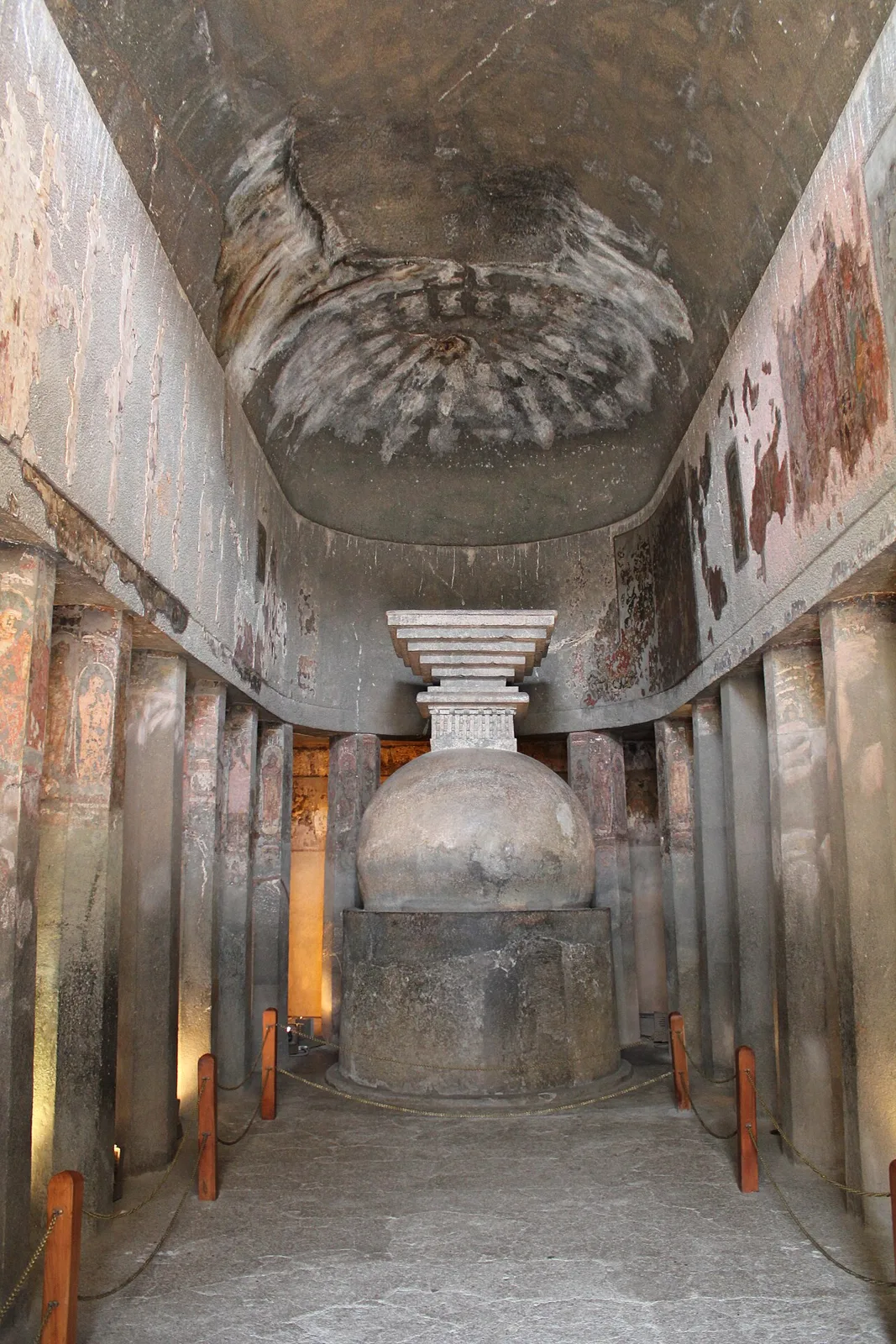
Ajanta Caves

86 km away · Chhatrapati Sambhajinagar district

Ajanta Caves

Ajanta is a group of 30 Buddhist caves in Maharashtra, known for its ancient paintings, sculptures and religious architecture. Visitors come to explore the site’s artistic and monastic heritage.

Ellora Caves

113 km away · Chhatrapati Sambhajinagar district

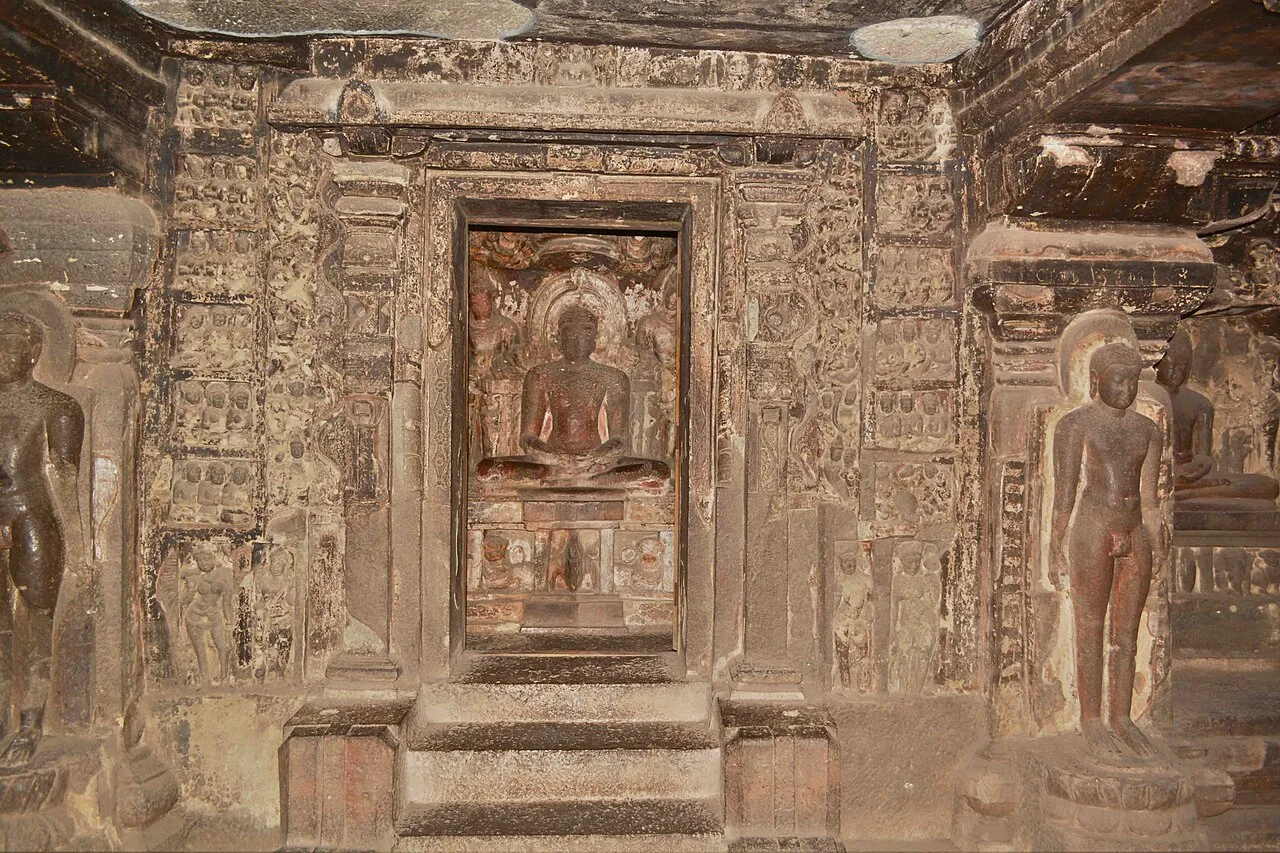
Ellora Caves

Ellora, in Maharashtra’s Chhatrapati Sambhajinagar district, is a UNESCO World Heritage Site. Visitors explore its Hindu, Buddhist and Jain monuments, including the remarkable Kailash temple carved from rock.

Ghrishneshwar Temple

113 km away · Chhatrapati Sambhajinagar district

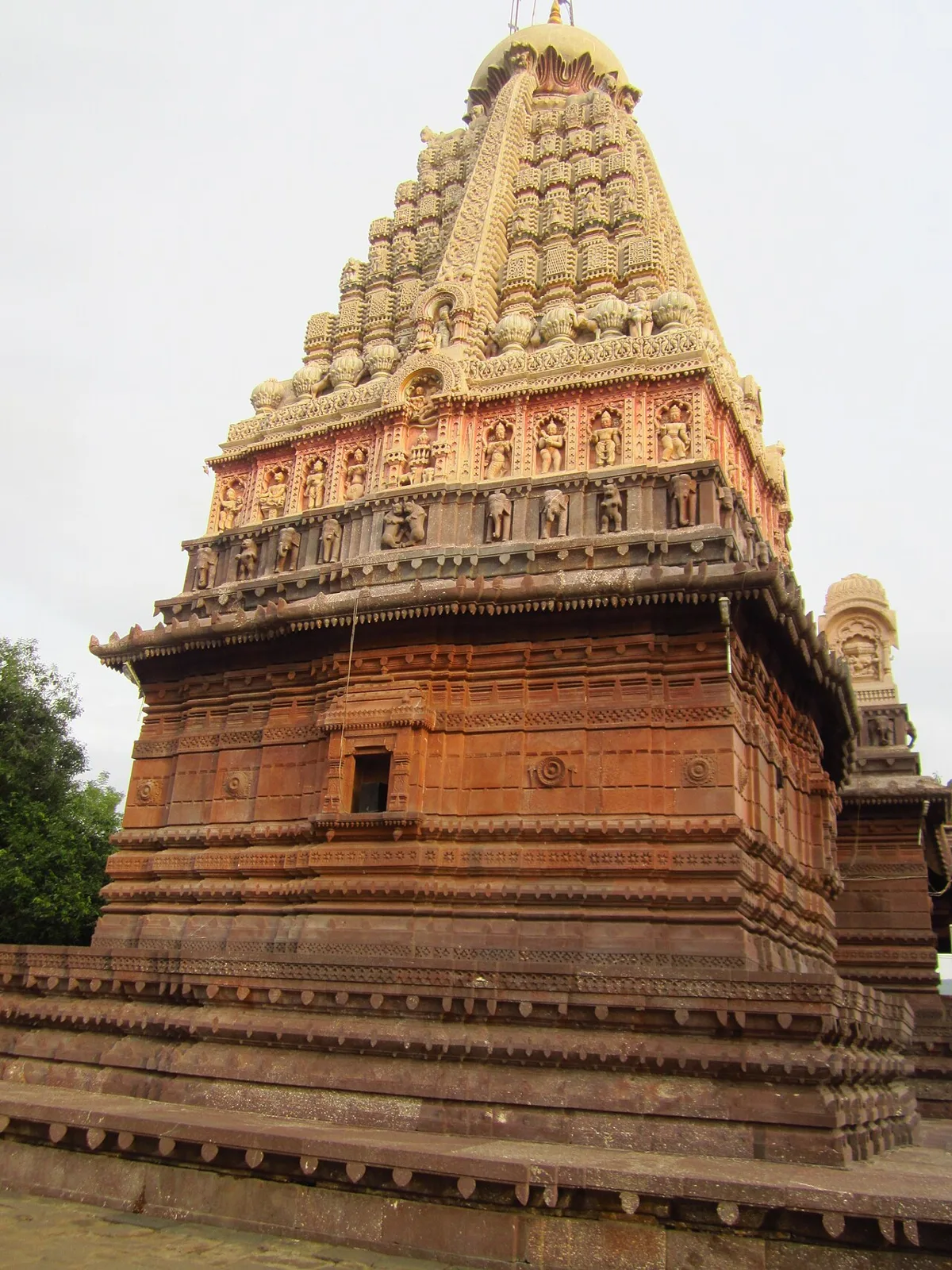
Ghrishneshwar Temple

Ghrishneshwar Temple is a Shiva shrine in Verul, Maharashtra, and one of the twelve Jyotirlingas. Visitors come to worship Shiva at this nationally protected temple.

Daulatabad Fort

123 km away · Chhatrapati Sambhajinagar district

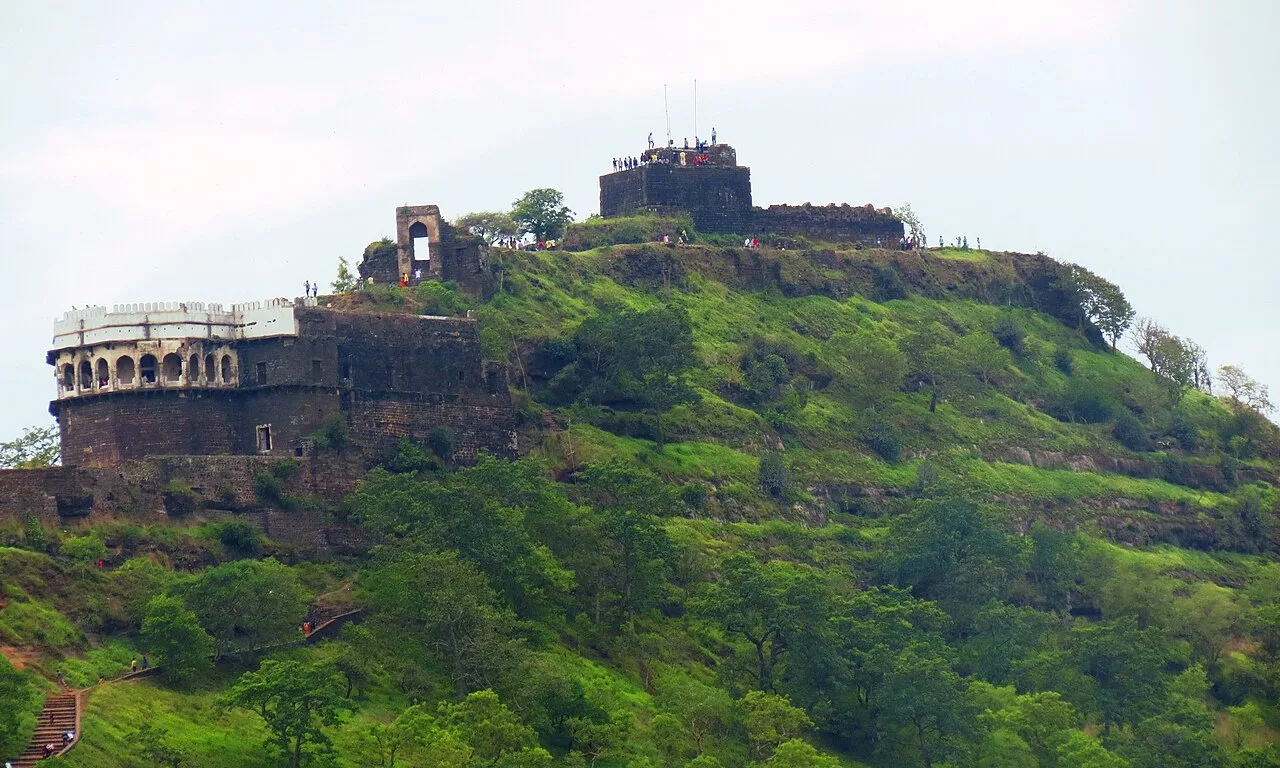
Daulatabad Fort

Daulatabad Fort is a historic stronghold in Maharashtra, first known as Devagiri. Visitors explore its history as a Yadava seat, briefly a Delhi Sultanate capital, and later an Ahmadnagar centre.

Aurangabad Caves

128 km away · Chhatrapati Sambhajinagar district

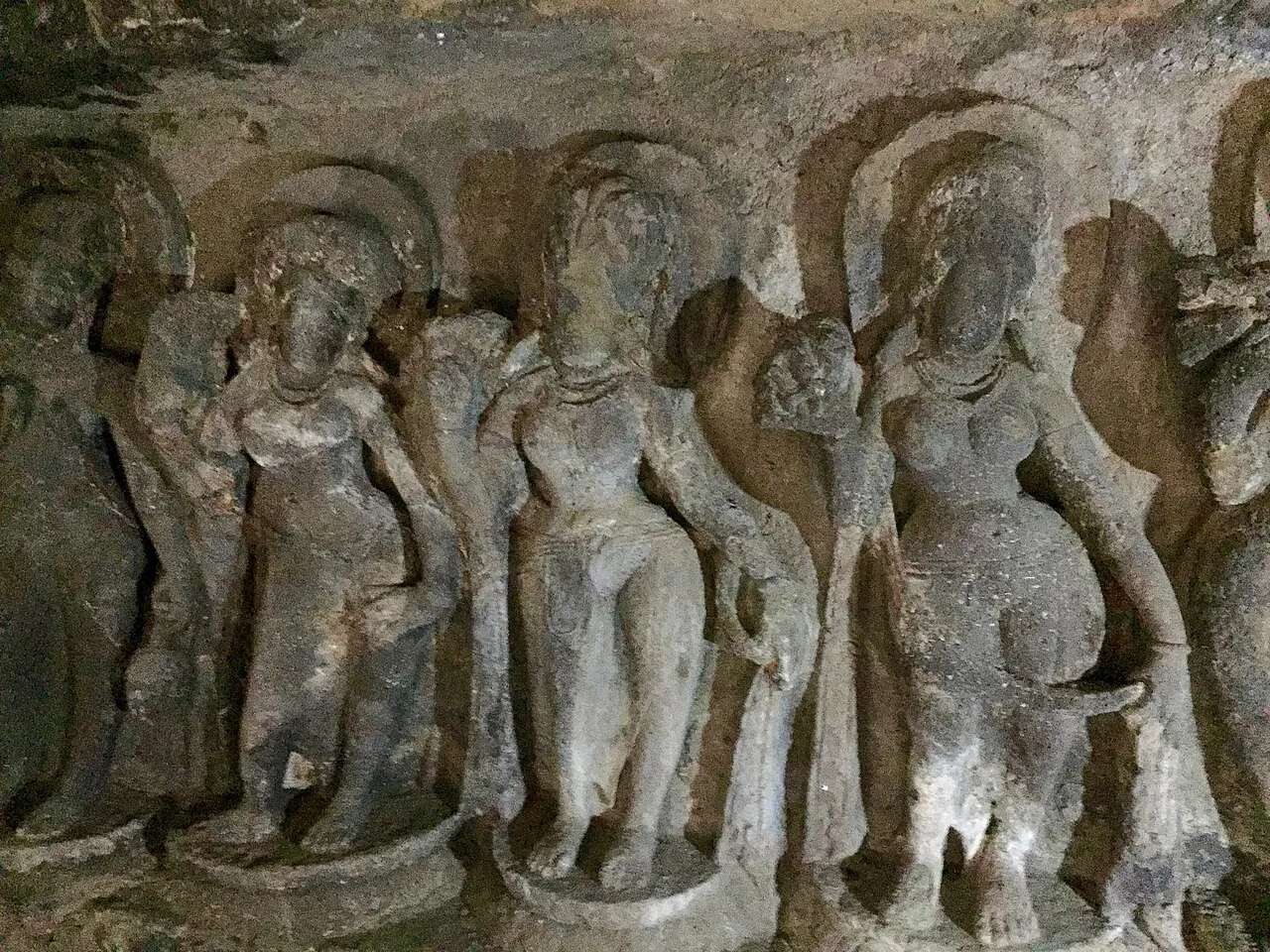
Aurangabad Caves

Near Aurangabad in Maharashtra, this hill complex contains twelve Buddhist sanctuaries excavated in basalt. Visitors explore its cave architecture and carvings, which represent several Buddhist traditions and include a range of deities.

Bibi Ka Maqbara

129 km away · Chhatrapati Sambhajinagar district

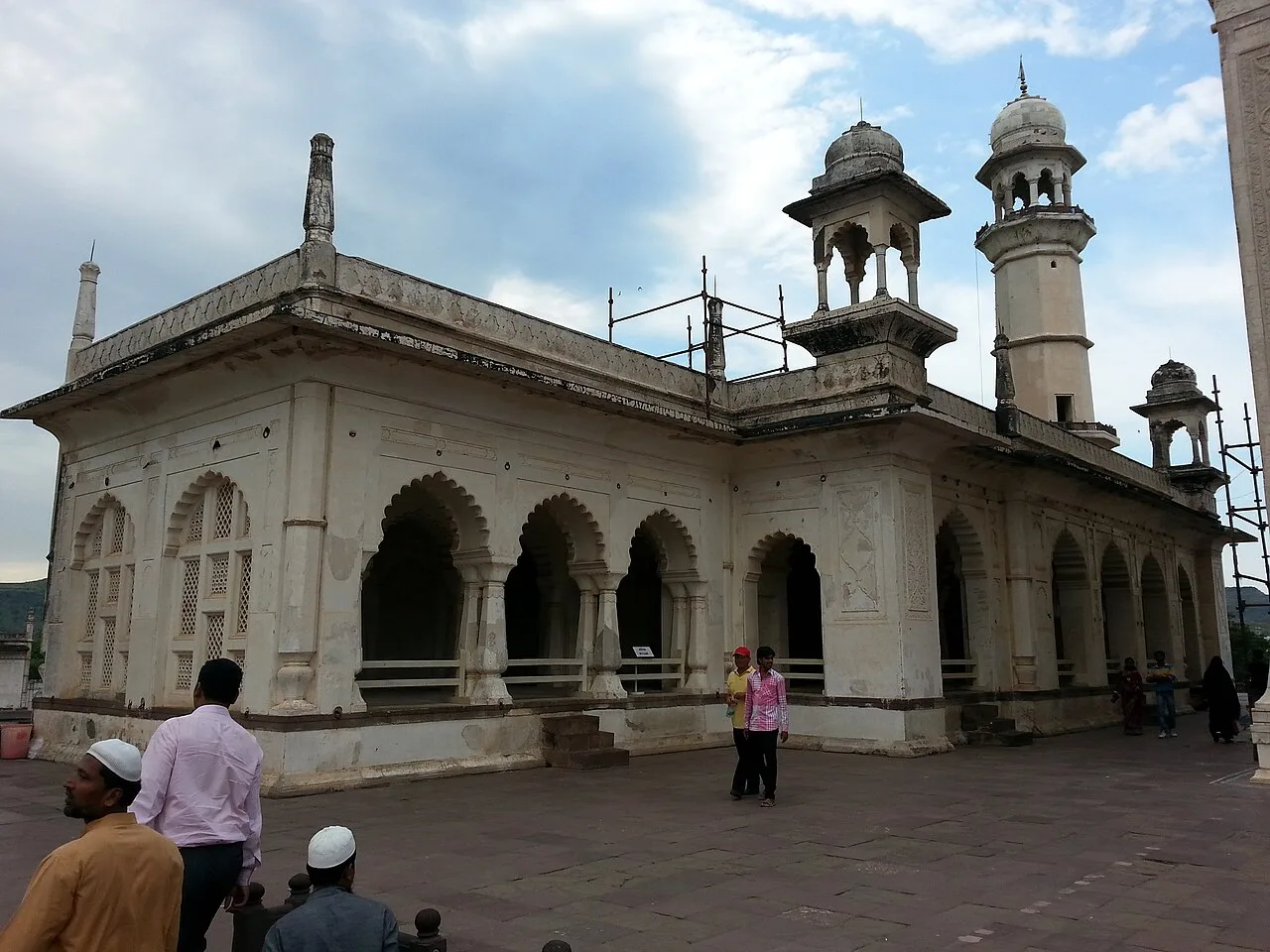
Bibi Ka Maqbara

Bibi Ka Maqbara is a Mughal mausoleum in Aurangabad, Maharashtra, built for Dilras Banu Begum. Visitors come to see its resemblance to the Taj Mahal and its place in the region’s history.

Saptashrungi

140 km away · Nashik district

Saptashrungi

Saptashrungi is a Hindu pilgrimage destination in Maharashtra, where the goddess is believed to dwell among seven peaks. Devotees visit its temple, which holds an important place in Shakti Peetha traditions.

Shirdi Sai Baba Temple

154 km away · Ahilyanagar district

Shirdi Sai Baba Temple

The Shirdi Sai Baba Temple is a pilgrimage destination in Maharashtra, visited because of its association with Sai Baba, the nineteenth-century Indian saint closely connected with the town.

Map

Amalner on the map

  1. 1Ajanta Caves
  2. 2Ellora Caves
  3. 3Ghrishneshwar Temple
  4. 4Daulatabad Fort
  5. 5Aurangabad Caves
  6. 6Bibi Ka Maqbara
  7. 7Saptashrungi
  8. 8Shirdi Sai Baba Temple

Maharashtra

Other cities to explore