Ghumoopedia — Explore, Discover, Experience
Sign in
Tadoba Andhari Tiger Reserve, near Warora

City guide · Maharashtra

Warora

Warora is a municipal town in Chandrapur district, in Maharashtra’s Vidarbha region. Its best-known institution is Anandwan, the community and rehabilitation centre established by social worker Baba Amte.

Famous for

  • Baba Amte’s Anandwan
  • Historic coal mining
  • Jamsetji Tata’s steel vision
  • Vidarbha regional markets

Why Warora matters

Warora is a municipal town in Chandrapur district, in Maharashtra’s Vidarbha region. Its best-known institution is Anandwan, the community and rehabilitation centre established by social worker Baba Amte. The centre’s work and history make Warora a place of interest to visitors concerned with social service, disability inclusion and community-led development, as well as to people exploring the wider Chandrapur district.

The town also has a place in the early history of Indian industry. During the British period it was associated with coal mining, and its coal was examined as part of Jamsetji Tata’s investigations into a possible steel plant near iron-ore deposits in the region. That plan did not proceed, but the story links Warora to an important chapter in India’s industrial ambitions. Today, Warora serves as a local centre for nearby communities, with rail and road connections to other parts of the district. Its appeal is less about a large sightseeing circuit than about Anandwan, its industrial past and its setting in eastern Maharashtra.
Famous for: crafts, trade & products

Warora is not widely known as a centre for a particular textile, handicraft or GI-tagged product. Its strongest association is instead with Anandwan, Baba Amte’s community and rehabilitation institution. Visitors interested in its work and history should make Anandwan their principal stop; access to particular facilities or programmes may depend on the institution’s arrangements.

The town’s other notable association is coal. Warora was a coal-mining centre during the British period, and local coal was once tested in connection with Jamsetji Tata’s early search for a suitable location and fuel for a steel plant. This is an important historical link, rather than a reason to expect a visitor-facing mining market or a current specialty trade. Warora’s central market and shops mainly serve everyday needs of residents and surrounding villages. Local retail and seasonal farm produce reflect the wider rural economy, but no single product or craft is especially identified with the town. For regional goods, visitors can browse the town’s ordinary shops and market rather than look for a designated craft district.

History

Warora’s history is closely connected with the coal resources of the Chandrapur region. Under British rule, the town was part of the Central Provinces and became a coal-mining centre. Its coal also entered the story of India’s early steel industry. In 1882, Jamsetji Tata considered iron-ore deposits near Lohara in Chandrapur district and examined coal from Warora as a possible fuel. The coal was tested in Germany and found unsuitable for the proposed project; restrictive mining terms also contributed to the plan being abandoned. Tata’s ambition to establish a steel industry in India continued, though the Warora-area proposal did not.

In the modern period, Warora became especially associated with Anandwan, founded by Baba Amte in 1949. The centre developed as a community for people affected by leprosy and grew into a broader programme of rehabilitation and self-reliance. Today, Warora is a municipal town in Chandrapur district, serving its surrounding area while retaining this distinctive social and industrial history.

Food, festivals & culture

Everyday food in Warora reflects the cooking of Vidarbha and Maharashtra. Meals commonly include bhakri or rice with lentils, vegetables and spicy curries; dishes and ingredients vary between households and eateries. Puran poli and other sweets may appear at festive times, while local restaurants and stalls offer familiar Maharashtrian snacks. There is no single dish that defines the town for visitors.

Marathi is the principal language of daily life, and Hindi is also commonly understood. Ganesh Chaturthi, usually celebrated in the monsoon season, and Navratri in autumn bring devotional gatherings; Diwali, Holi and Makar Sankranti are also observed. Religious life includes neighbourhood temples and other places of worship used by local communities. Devotional singing and regional folk performances may feature at celebrations, though Warora is not especially known for a distinct music or dance form. Anandwan adds another important dimension to local culture through its emphasis on community, dignity and participation.

Visiting the city

The cooler months, roughly October to February, are generally the most comfortable for visiting. Summer can be hot, while the monsoon brings rain. Warora railway station is the town’s main rail stop. The nearest major passenger airport is Dr. Babasaheb Ambedkar International Airport in Nagpur; onward travel can be arranged by road or rail.

Auto-rickshaws and local buses are useful for getting around, with taxis or hired vehicles offering more flexibility for Anandwan and places beyond the centre. Start with Anandwan, checking its visitor arrangements before setting out. The central market area gives a feel for everyday town life, while the railway-station surroundings are practical for arrivals and departures. Warora works well as a focused visit or as part of a wider journey through Chandrapur district rather than as a destination with a large cluster of attractions.

Trips from the city

Nearest places to visit from Warora

Our closest destination guides, by straight-line distance.

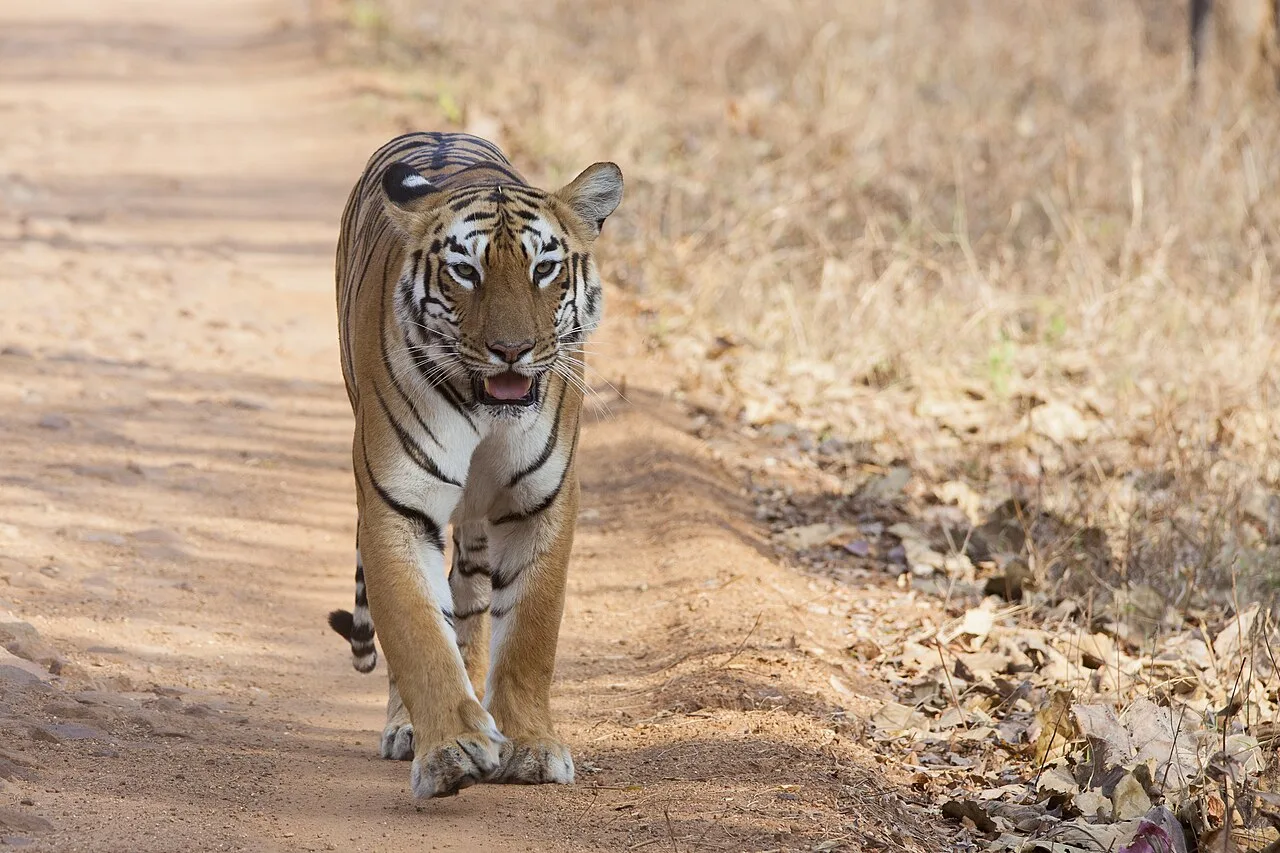
Tadoba Andhari Tiger Reserve

42 km away · Chandrapur district

Tadoba Andhari Tiger Reserve

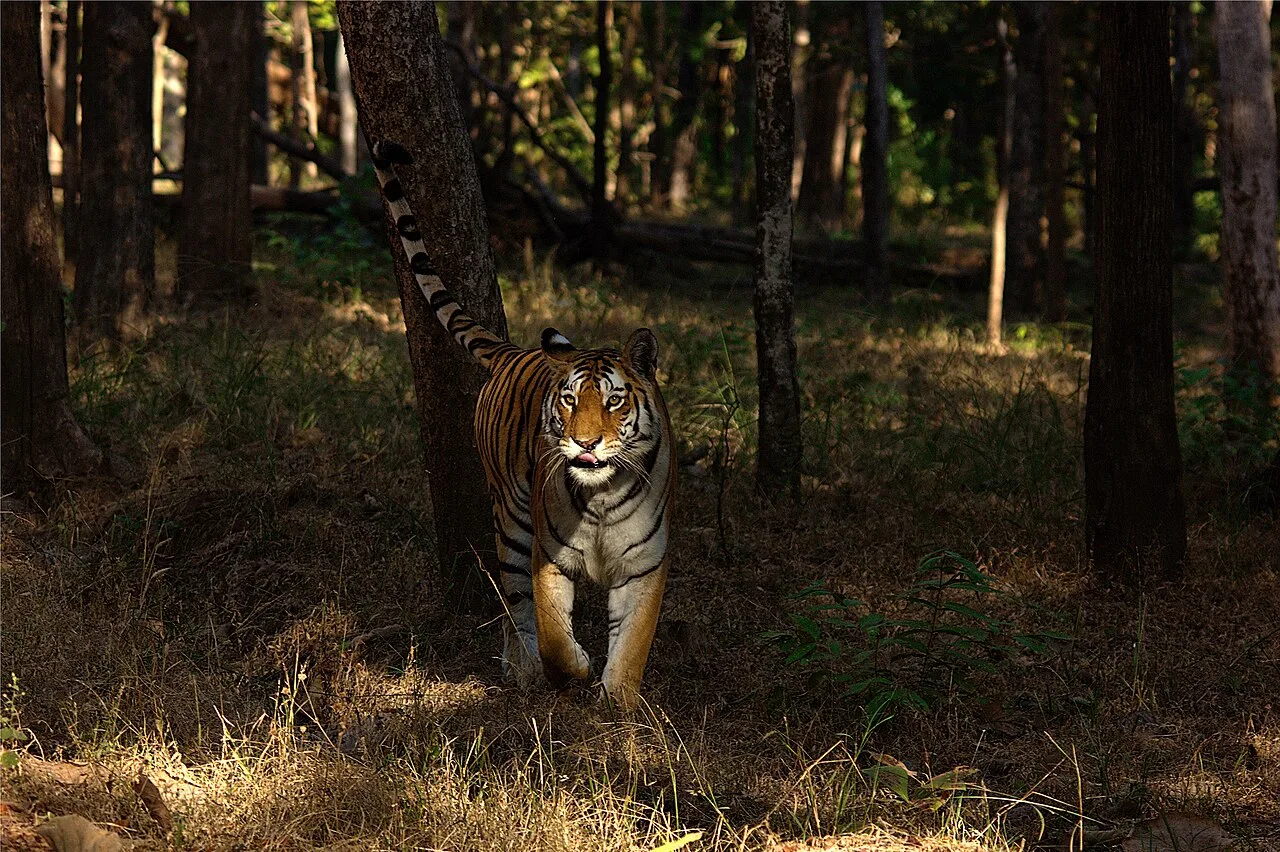
Set in Maharashtra’s Chandrapur district, Tadoba Andhari Tiger Reserve combines a national park and wildlife sanctuary within a protected area. Visitors come to experience its forests and wildlife.

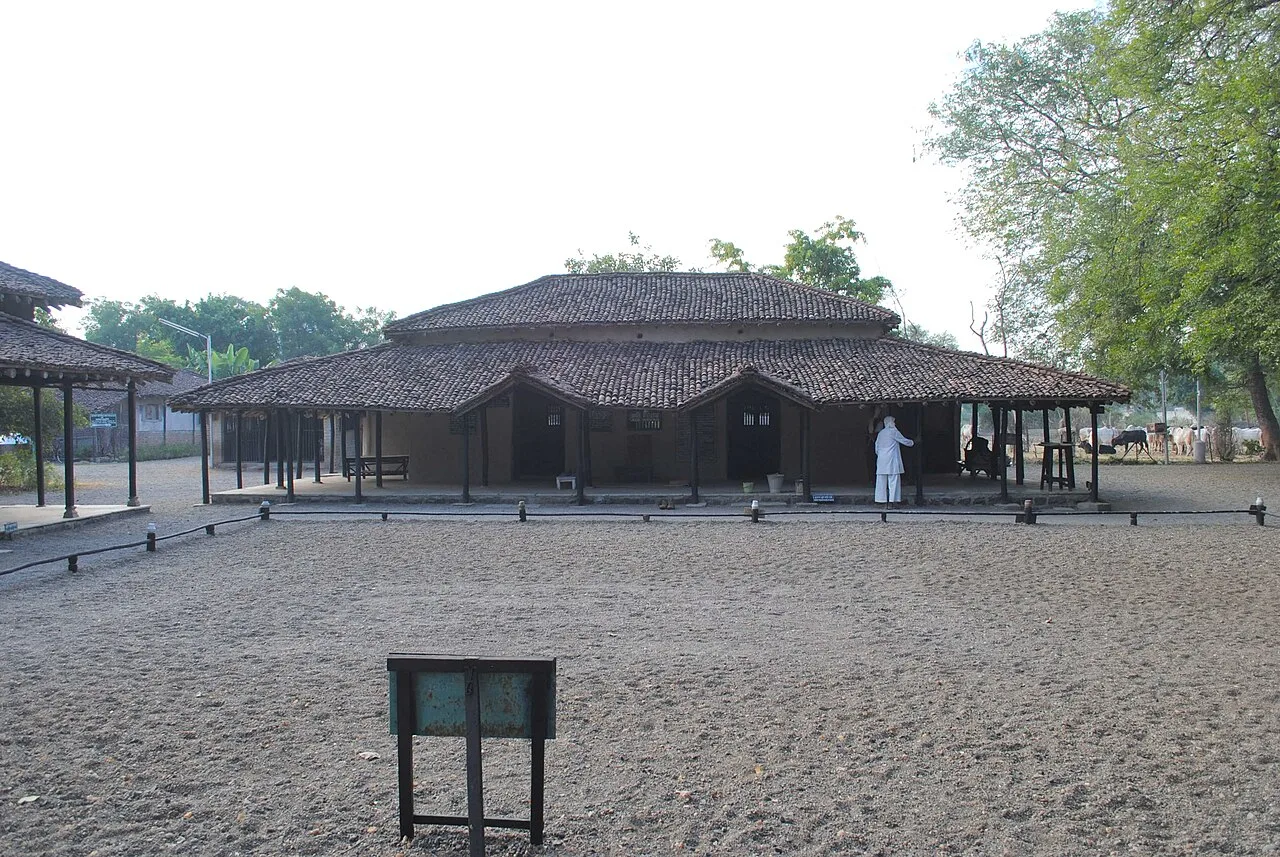
Sevagram Ashram

67 km away · Wardha district

Sevagram Ashram

Sevagram Ashram, in Wardha district, Maharashtra, is known as Mahatma Gandhi’s ashram and home from 1936 until his death in 1948. People visit for its connection with his life.

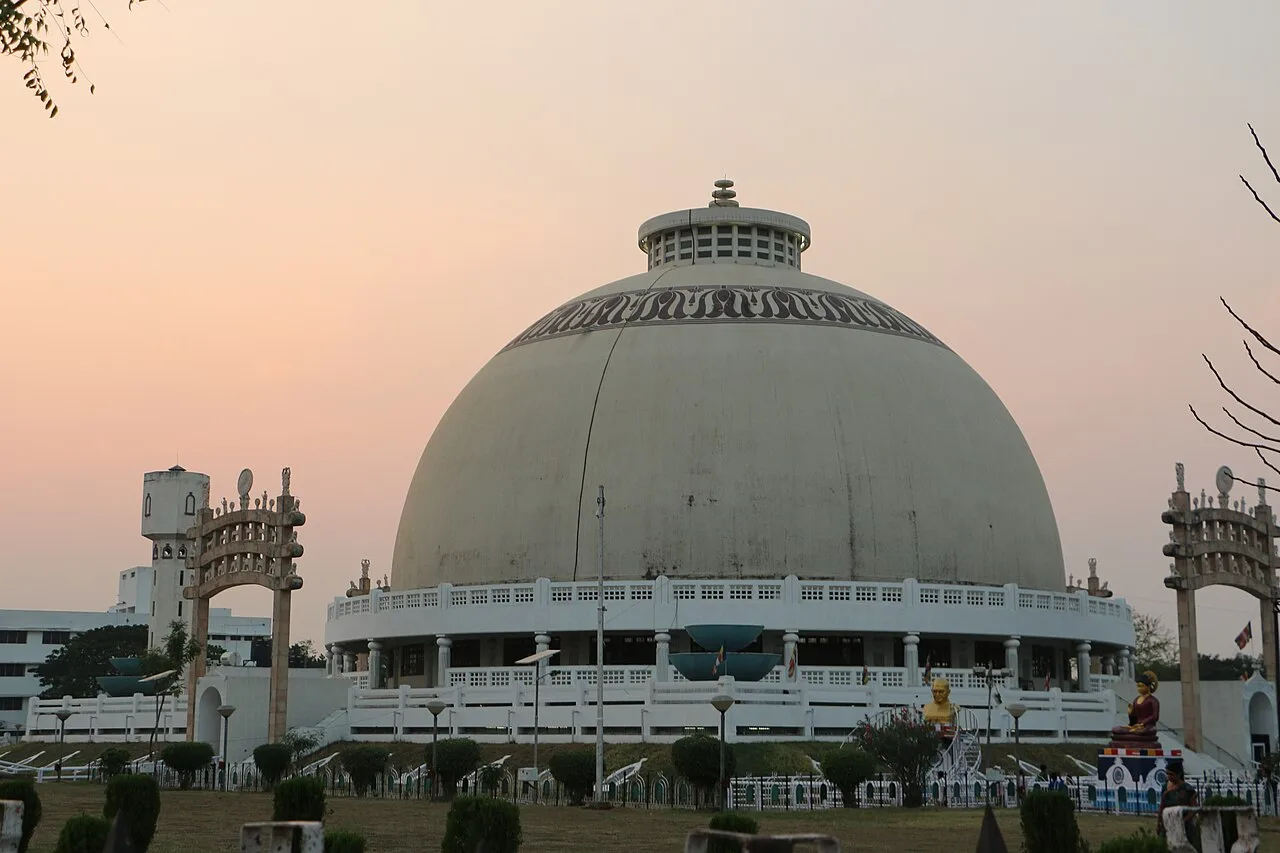
Deekshabhoomi

100 km away · Nagpur district

Deekshabhoomi

Deekshabhoomi is a Navayana Buddhist memorial in Nagpur, where B. R. Ambedkar and a vast following embraced Buddhism in 1956. Pilgrims visit to mark the conversion and its continuing significance.

Ramtek Fort Temple

134 km away · Nagpur district

Ramtek Fort Temple

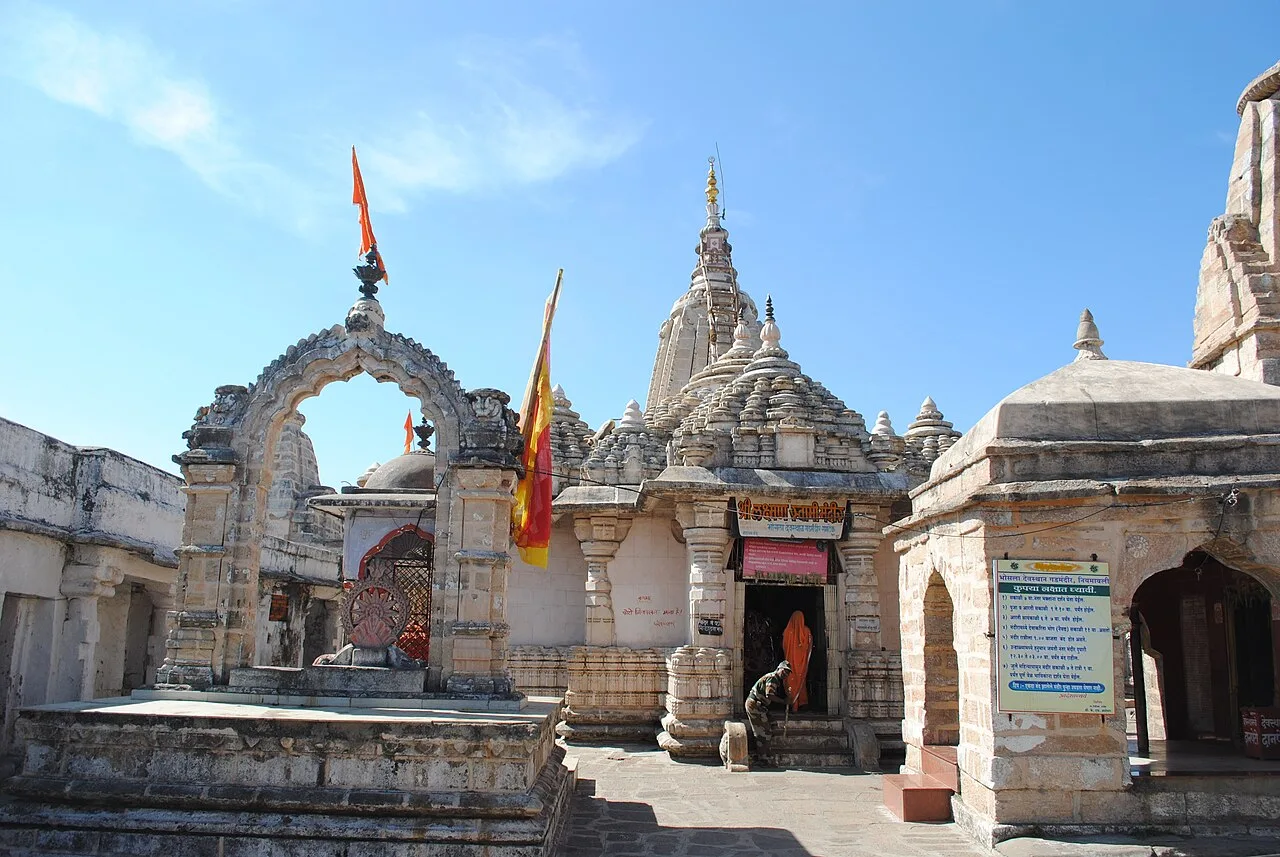
Ramtek Fort Temple is a Hindu pilgrimage site in Maharashtra, visited for its shrines on Ramtek Hill and its association with Rama and the Vakataka dynasty.

Navegaon National Park

144 km away · Gondia district

Navegaon National Park

Navegaon National Park is in Gondia district, Maharashtra, within the Arjuni Morgaon subdivision. Visitors are drawn by wintering migratory birds at its lake and the park’s varied forest cover.

Pench Tiger Reserve

165 km away · Nagpur district

Pench Tiger Reserve

Pench Tiger Reserve spans Madhya Pradesh and Maharashtra, with its Maharashtra section in Nagpur district. People visit to experience its protected landscape and wildlife.

Chikhaldara

172 km away · Amravati district

Chikhaldara

Chikhaldara is a hill settlement and municipal council in Maharashtra’s Amravati district. Visitors come for its highland setting, coffee-growing area and nearby wildlife at the Melghat Tiger Project.

Hazur Sahib

213 km away · Nanded district

Hazur Sahib

Takht Sachkhand Sri Hazur Abchalnagar Sahib is one of Sikhism’s five takhts, in Nanded, Maharashtra. Visitors come to worship and remember Guru Gobind Singh at the site associated with his death and cremation.

Map

Warora on the map

  1. 1Tadoba Andhari Tiger Reserve
  2. 2Sevagram Ashram
  3. 3Deekshabhoomi
  4. 4Ramtek Fort Temple
  5. 5Navegaon National Park
  6. 6Pench Tiger Reserve
  7. 7Chikhaldara
  8. 8Hazur Sahib

Maharashtra

Other cities to explore