Ghumoopedia — Explore, Discover, Experience
Sign in
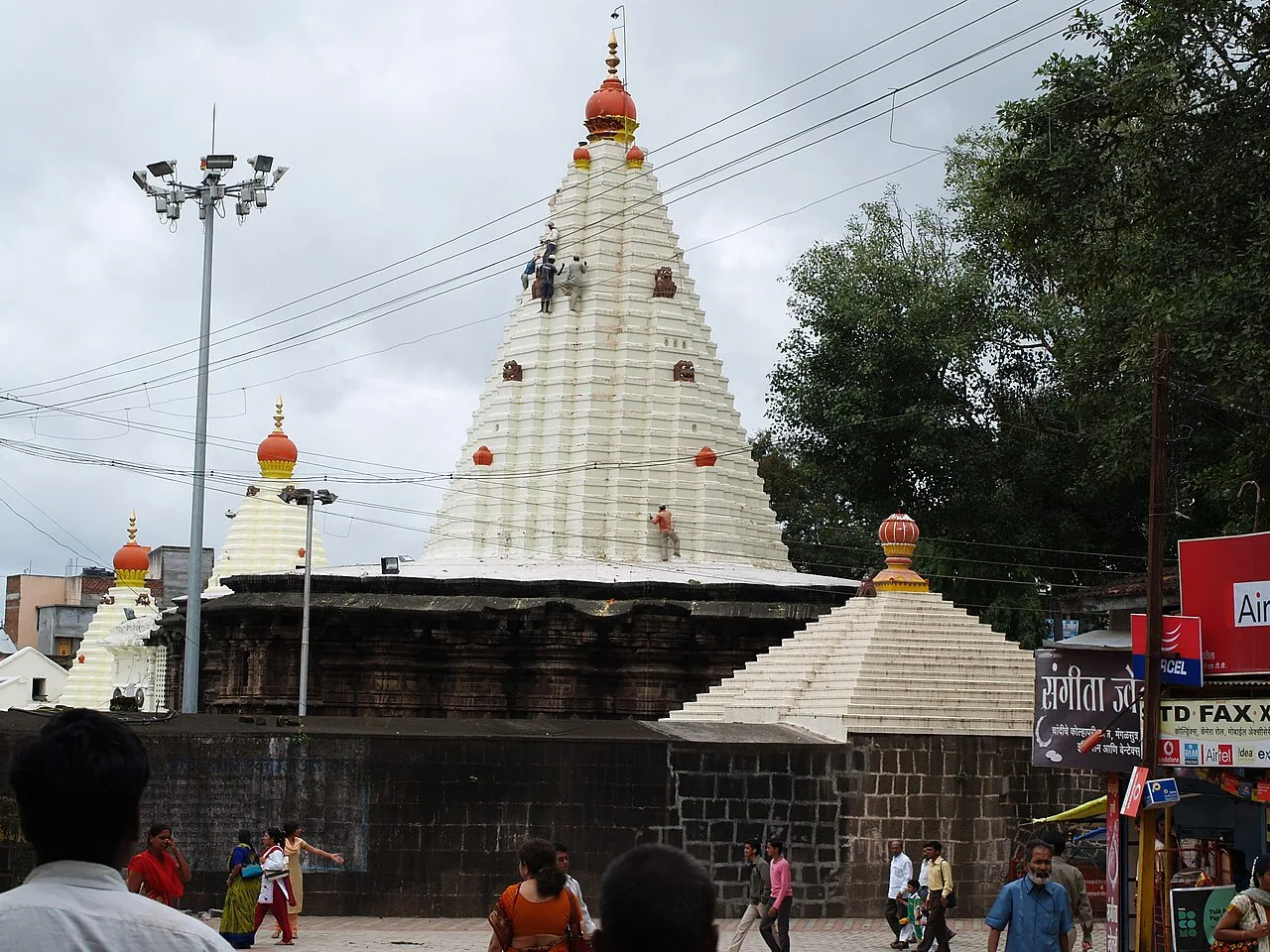
Mahalakshmi Temple, Kolhapur, near Hupari

City guide · Maharashtra

Hupari

Hupari is a town in Hatkanangle taluka of Maharashtra’s Kolhapur district, best known for its long-standing silver-working tradition. Its artisans make jewellery and decorative objects, and the craft remains an important part of local livelihoods and the town’s identity.

Famous for

  • Hupari silver anklets
  • Silver jewellery making
  • Family-run artisan workshops
  • Shri Ambabai temple

Why Hupari matters

Hupari is a town in Hatkanangle taluka of Maharashtra’s Kolhapur district, best known for its long-standing silver-working tradition. Its artisans make jewellery and decorative objects, and the craft remains an important part of local livelihoods and the town’s identity. This reputation has earned Hupari the name “Silver City.” Its silver anklets, recognised with a Geographical Indication (GI) tag in 2021, have helped bring wider attention to the town’s skills and products.

For visitors, Hupari offers a close look at a working craft centre rather than a destination built around large tourist attractions. Workshops and jewellery businesses are central to its character; respectful enquiries can offer a glimpse of the making and trading of silver ornaments. The Shri Ambabai (Mahalaxmi) temple is an important place of worship for residents and a focus of local religious life. Hupari also makes a useful stop for travellers exploring the craft traditions and towns of the Kolhapur region.
Famous for: crafts, trade & products

Hupari’s best-known products are silver ornaments, especially anklets, along with chains, bangles and traditional jewellery. The town’s anklets received a GI tag in 2021, recognising their connection with Hupari’s established craft tradition. Silver work is largely carried out through family-run businesses, where practical knowledge and techniques are passed between generations. The trade supplies customers and retailers beyond the town, linking local workshops to markets across India.

To see or buy the work, visitors can enquire at jewellery shops and artisan businesses in the town, particularly around its central commercial areas. Workshop access is not necessarily arranged for visitors, so it is best to ask first and follow the maker’s guidance. Hupari is known primarily for silver craft rather than for a documented range of textiles, food products or other GI-tagged goods. When buying, ask the seller about the item’s material, workmanship and whether it is represented as a Hupari GI-tagged anklet; the tag applies to the recognised product, not automatically to every silver ornament made in town.

History

Hupari’s history is most visible in its enduring silver-working tradition. The craft developed as a local trade supported by skilled makers and family businesses, with techniques and occupational knowledge handed down through generations. As demand for silver ornaments extended beyond the town, production connected Hupari to wider trading networks and helped make jewellery work an important part of its modern economy. The GI recognition of Hupari anklets in 2021 brought formal attention to this established association between place and craft.

Hupari lies within the wider Kolhapur region, whose political history includes Maratha rule and the princely state of Kolhapur, followed by the changes of British paramountcy and the post-independence reorganisation of states. A detailed, well-established account of Hupari’s own development under particular rulers or during the colonial period is not commonly available, so those regional events should not be treated as a town-specific chronology. Today Hupari is governed by a Municipal Council and is part of Hatkanangle taluka in Maharashtra. Its contemporary identity remains closely tied to silver manufacture and local religious life.

Food, festivals & culture

Marathi is the principal language of everyday life in Hupari. The town’s culture is shaped by its artisan households, commercial ties and religious observances. Shri Ambabai, also known as Mahalaxmi, is an important local temple and a place for worship and community gatherings. Ganeshotsav, usually celebrated in the monsoon season, and Navratri, generally observed in autumn, are among the major festivals in the wider region; Diwali is also widely celebrated. The scale and customs of celebrations can vary among neighbourhoods and families.

Food is broadly Maharashtrian, with everyday meals commonly centred on bhakri or rice, vegetables, lentils and spicy accompaniments. Kolhapur district is known for robustly seasoned cuisine, though individual menus and household tastes differ. Sweets and festive foods are enjoyed around religious occasions, but Hupari is not especially known for a distinct signature dish. Regional performance traditions such as Lavani and powada form part of Maharashtra’s wider cultural landscape; they should not be assumed to be unique to Hupari or staged regularly for visitors. The town’s most distinctive cultural expression is its continuing silver craft.

Visiting the city

The cooler months from October to February are generally comfortable for visiting Hupari. The monsoon brings rain, while the pre-monsoon summer can be hot. The nearest airport is Kolhapur Airport at Ujlaiwadi. Hatkanangale railway station is a useful rail point for the area; Kolhapur railway station is another option for travellers connecting through the district. Check current transport connections before setting out.

Local buses and auto-rickshaws can help visitors move around town, while walking is practical for nearby shops and the central area. Begin around the town centre to find jewellery businesses and ask about artisan workshops; access to working spaces depends on the individual maker. The Shri Ambabai temple area is another worthwhile stop. Hupari is compact, so it can be visited as a short craft-focused stop while exploring other towns in Kolhapur district. Dress respectfully at places of worship and ask permission before photographing people or workshop processes.

Trips from the city

Nearest places to visit from Hupari

Our closest destination guides, by straight-line distance.

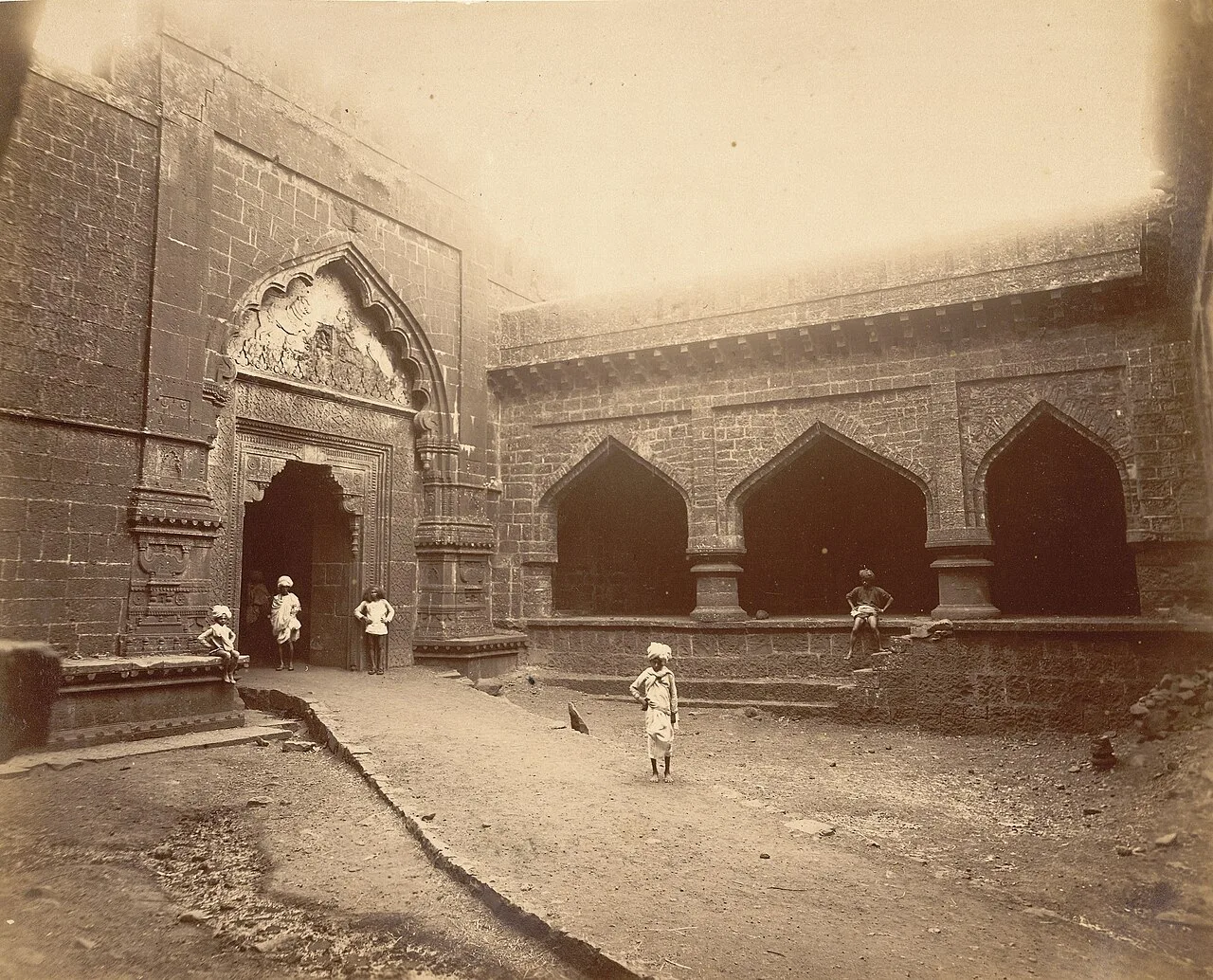
Mahalakshmi Temple, Kolhapur

20 km away · Kolhapur district

Mahalakshmi Temple, Kolhapur

The Mahalakshmi Temple, also called Ambabai Mandir, is a shrine in Kolhapur district, Maharashtra, dedicated to Goddess Mahalakshmi and visited as part of Hindu pilgrimage.

Rankala Lake

22 km away · Kolhapur district

Rankala Lake

Rankala Lake is a freshwater lake in Kolhapur, Maharashtra. Visitors can come to see a lake within the city and spend time beside its waters.

Jyotiba Temple

31 km away · Kolhapur district

Jyotiba Temple

Near Wadi Ratnagiri in Maharashtra’s Kolhapur district, Jyotiba Temple is a Hindu place of worship. People visit the shrine and its annual fair, held at full moon in Chaitra and Vaishakha.

Panhala Fort

38 km away · Kolhapur district

Panhala Fort

Panhala Fort is a hilltop stronghold in Kolhapur district, Maharashtra, overlooking a Western Ghats pass. Visitors come to see its surviving structures and explore its connections with Deccan conflicts and Tarabai.

Amboli

85 km away · Sindhudurg district

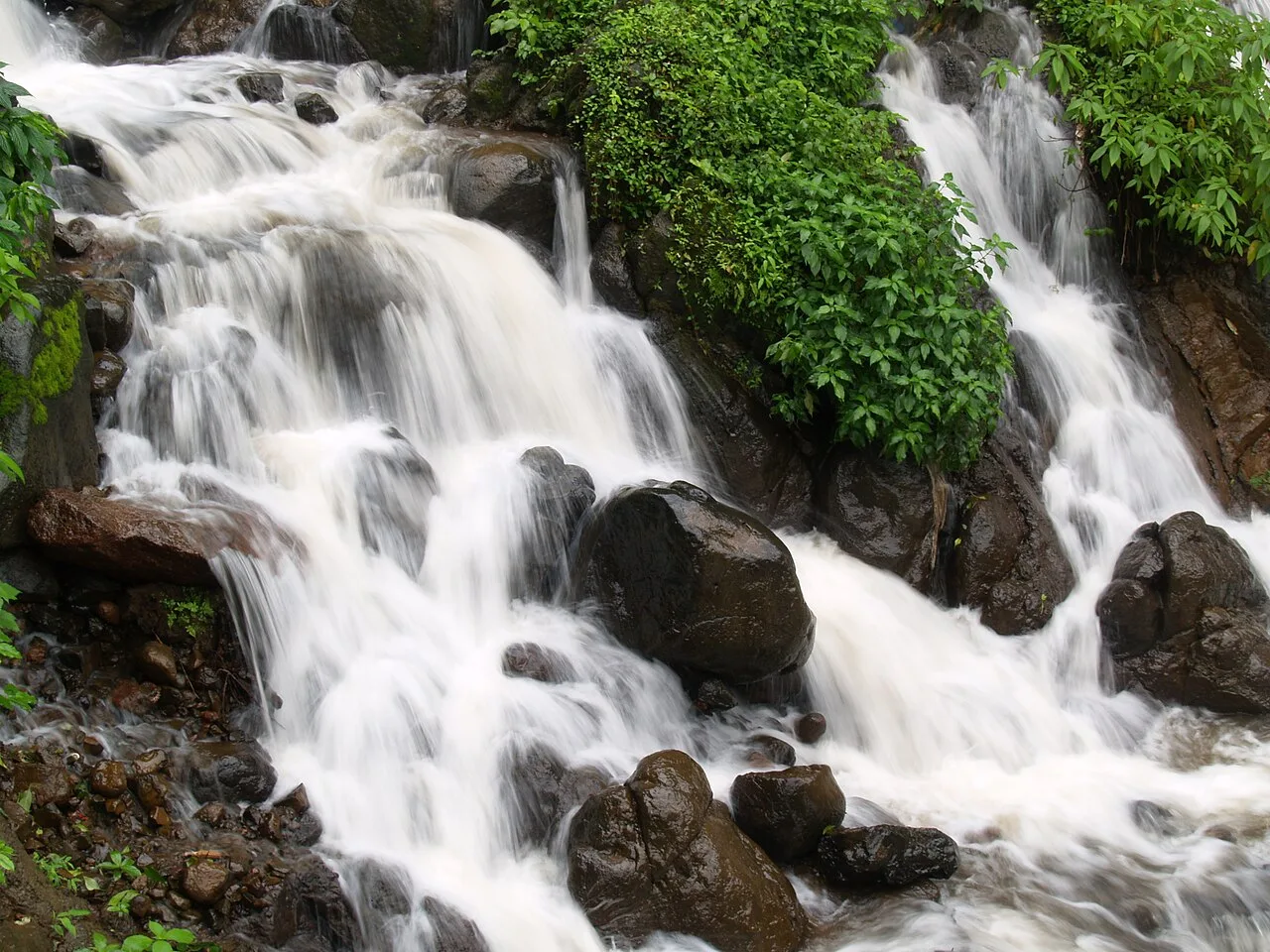
Amboli

Amboli is a village and hill resort in Maharashtra’s Sindhudurg district. Visitors come for its monsoon rain, waterfalls and mist, and for its setting in the Western Ghats.

Vijaydurg Fort

114 km away · Sindhudurg district

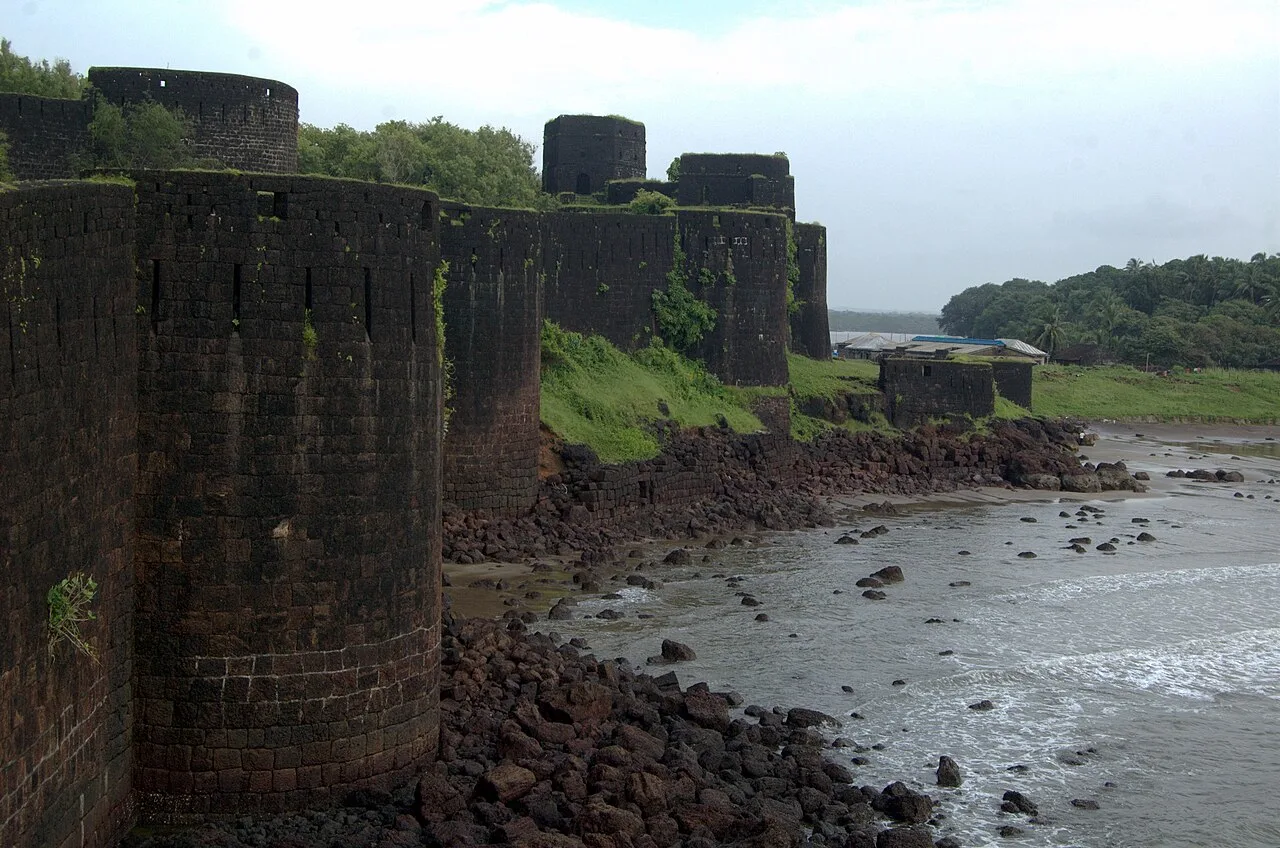
Vijaydurg Fort

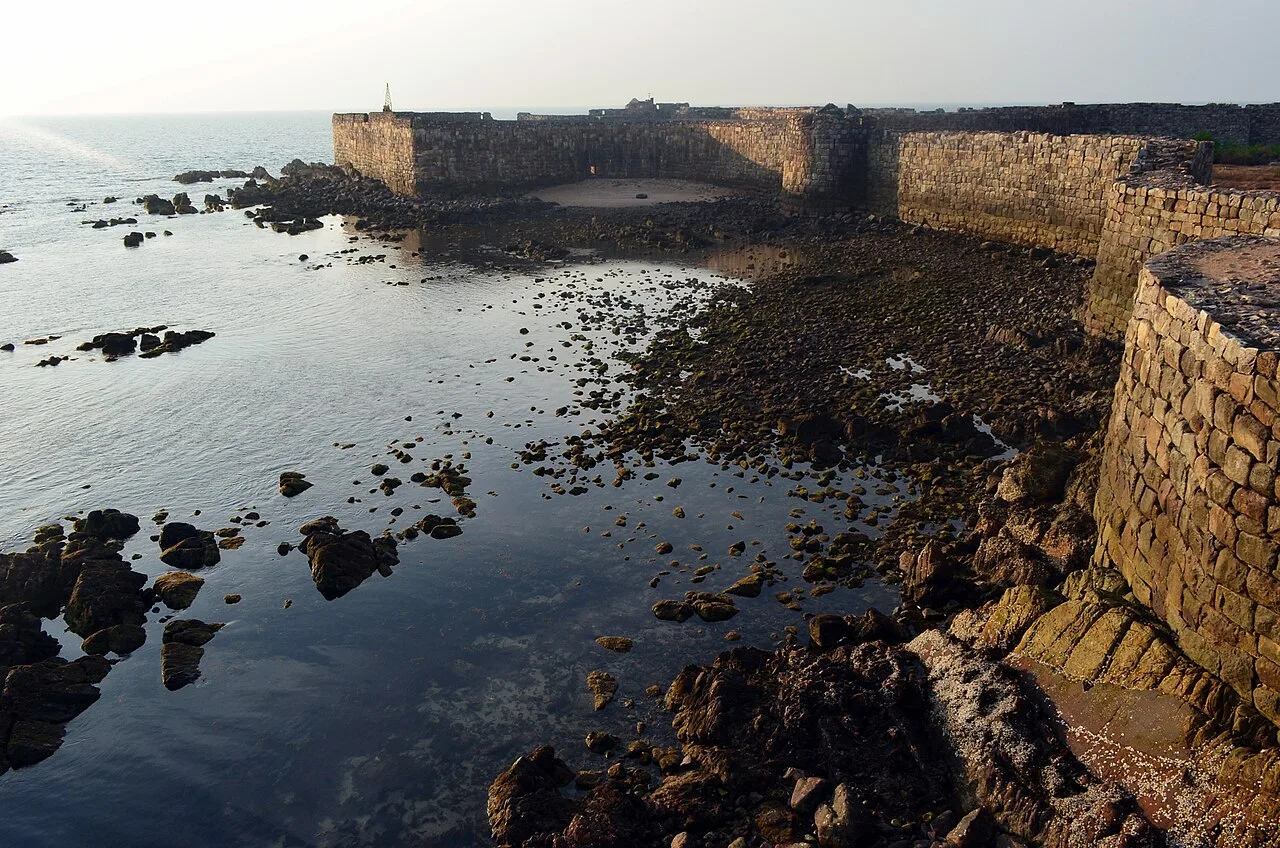
Vijaydurg Fort, in Maharashtra’s Sindhudurg district, is a coastal stronghold with a long history of Maratha use. Visitors come to explore its defences and strategic position beside the Waghotan/Kharepatan creek.

Tarkarli

118 km away · Sindhudurg district

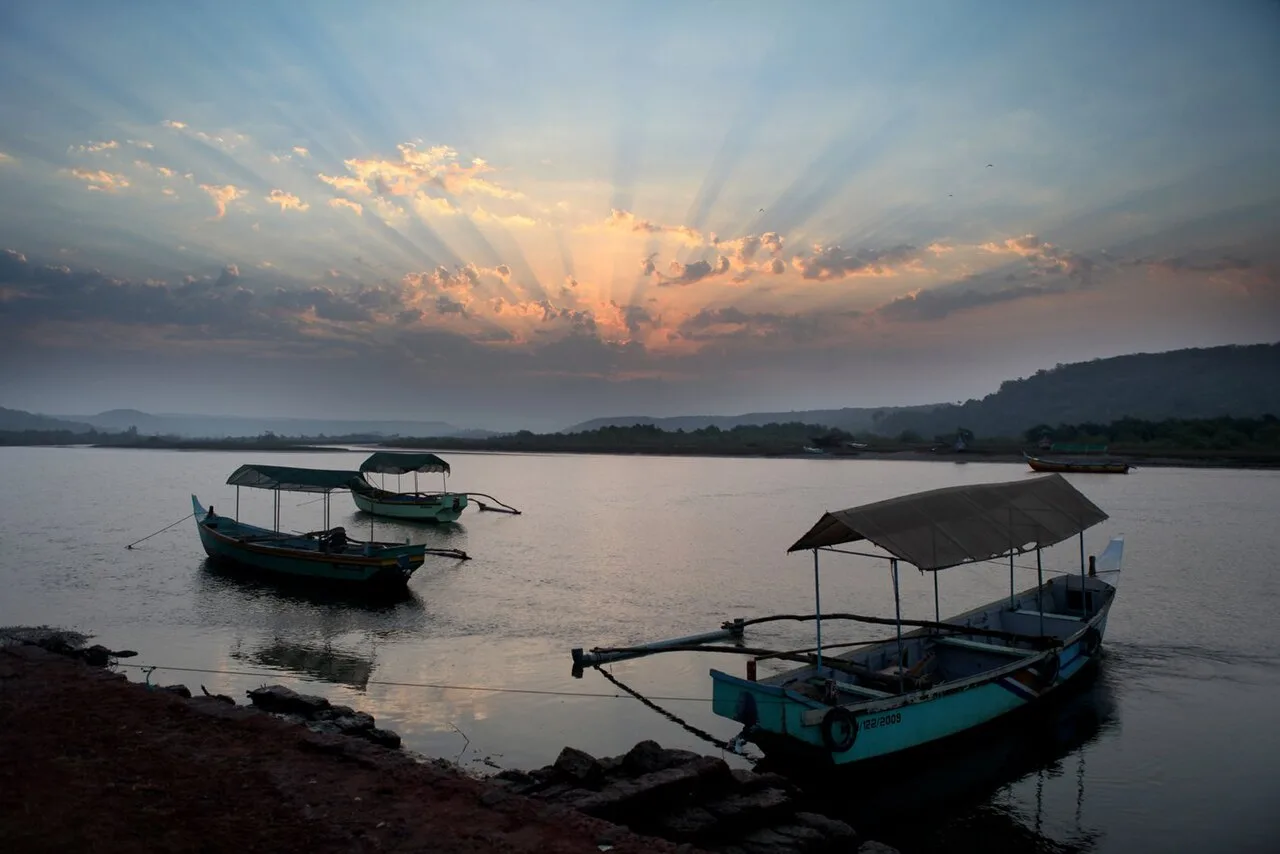
Tarkarli

Tarkarli is a village in Malvan taluka, Sindhudurg district, Maharashtra, known as a beach destination in the state’s south. Tarkarli Beach holds the Queen Beach designation for the Konkan region.

Sindhudurg Fort

119 km away · Sindhudurg district

Sindhudurg Fort

Off Maharashtra’s Konkan coast, Sindhudurg Fort is a historic maritime stronghold commissioned by Chhatrapati Shivaji. Visitors come for its history, and the Archaeological Survey of India protects it as a monument.

Map

Hupari on the map

  1. 1Mahalakshmi Temple, Kolhapur
  2. 2Rankala Lake
  3. 3Jyotiba Temple
  4. 4Panhala Fort
  5. 5Amboli
  6. 6Vijaydurg Fort
  7. 7Tarkarli
  8. 8Sindhudurg Fort

Maharashtra

Other cities to explore