Ghumoopedia — Explore, Discover, Experience
Sign in

City guide · Maharashtra

Nilanga

Nilanga is a town in Latur district, in Maharashtra’s Marathwada region, and serves as the headquarters of Nilanga taluka. Its importance is chiefly regional: government offices, shops, schools and everyday services make it a centre for nearby villages.

Famous for

  • Nilanga taluka headquarters
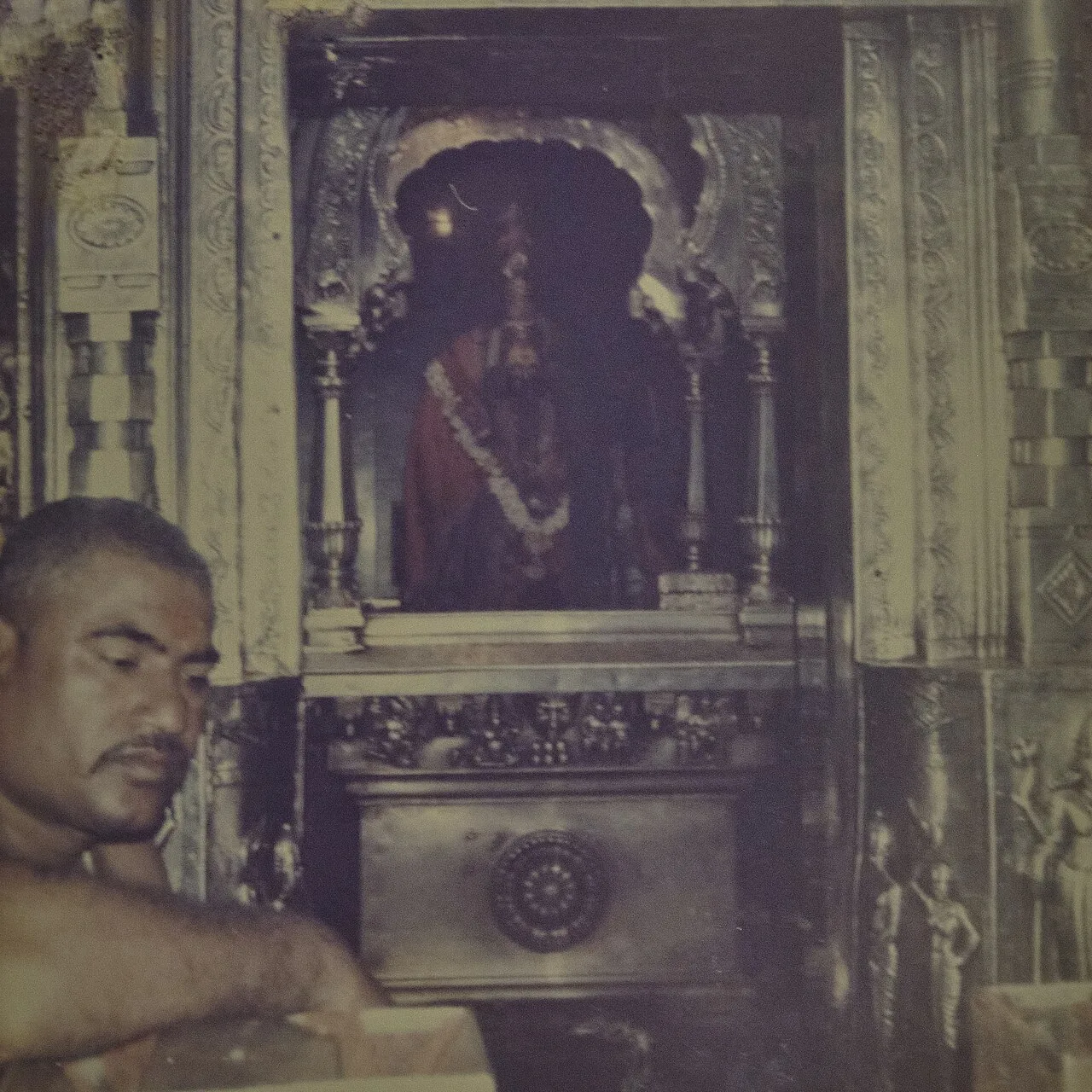
  • Historic Shiva worship
  • Marathwada agricultural markets
  • Regional civic services

Why Nilanga matters

Nilanga is a town in Latur district, in Maharashtra’s Marathwada region, and serves as the headquarters of Nilanga taluka. Its importance is chiefly regional: government offices, shops, schools and everyday services make it a centre for nearby villages. The town’s streets and bazaar are part of the routine journey for people coming in to trade, study or attend to administrative matters.

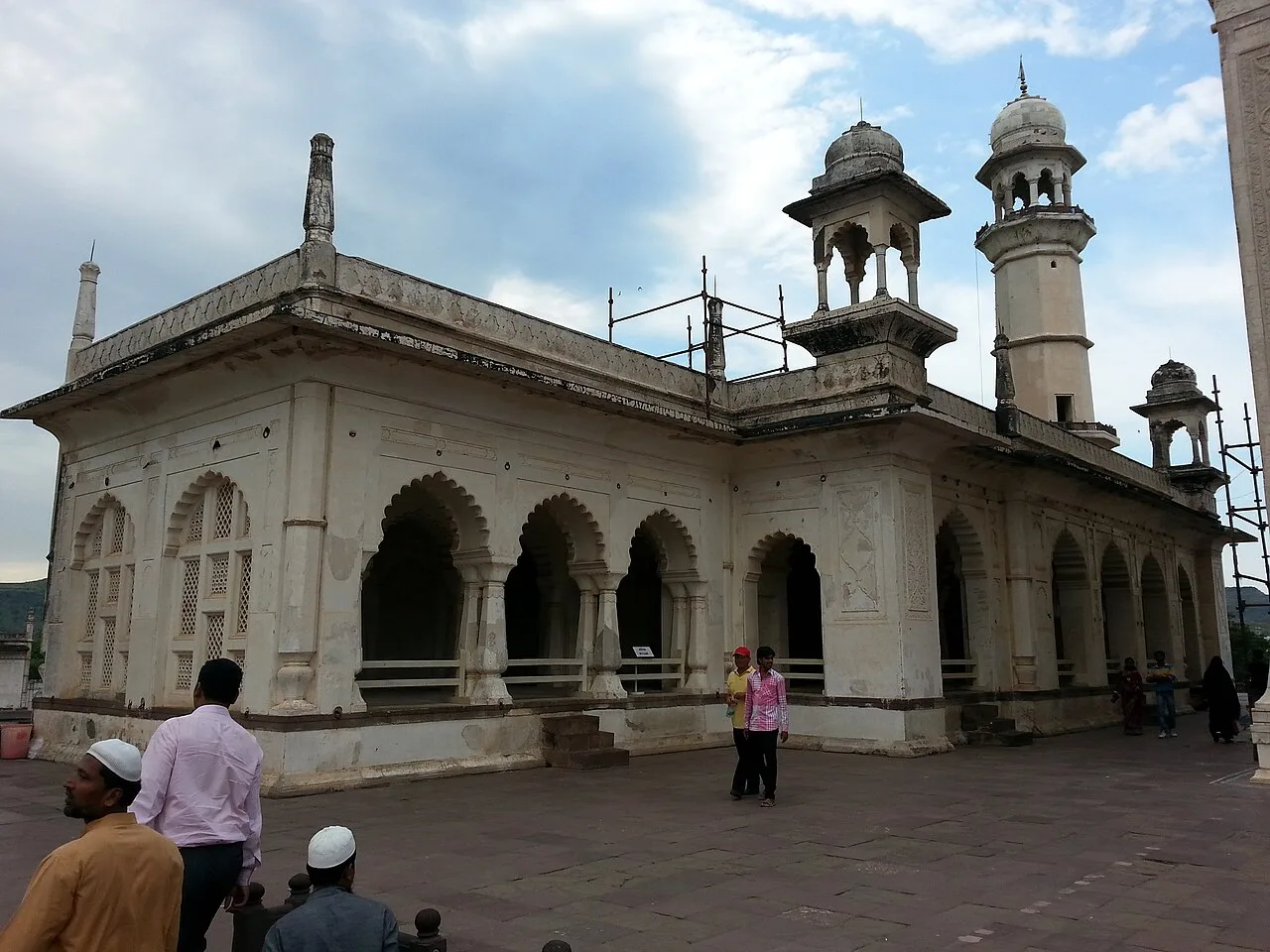
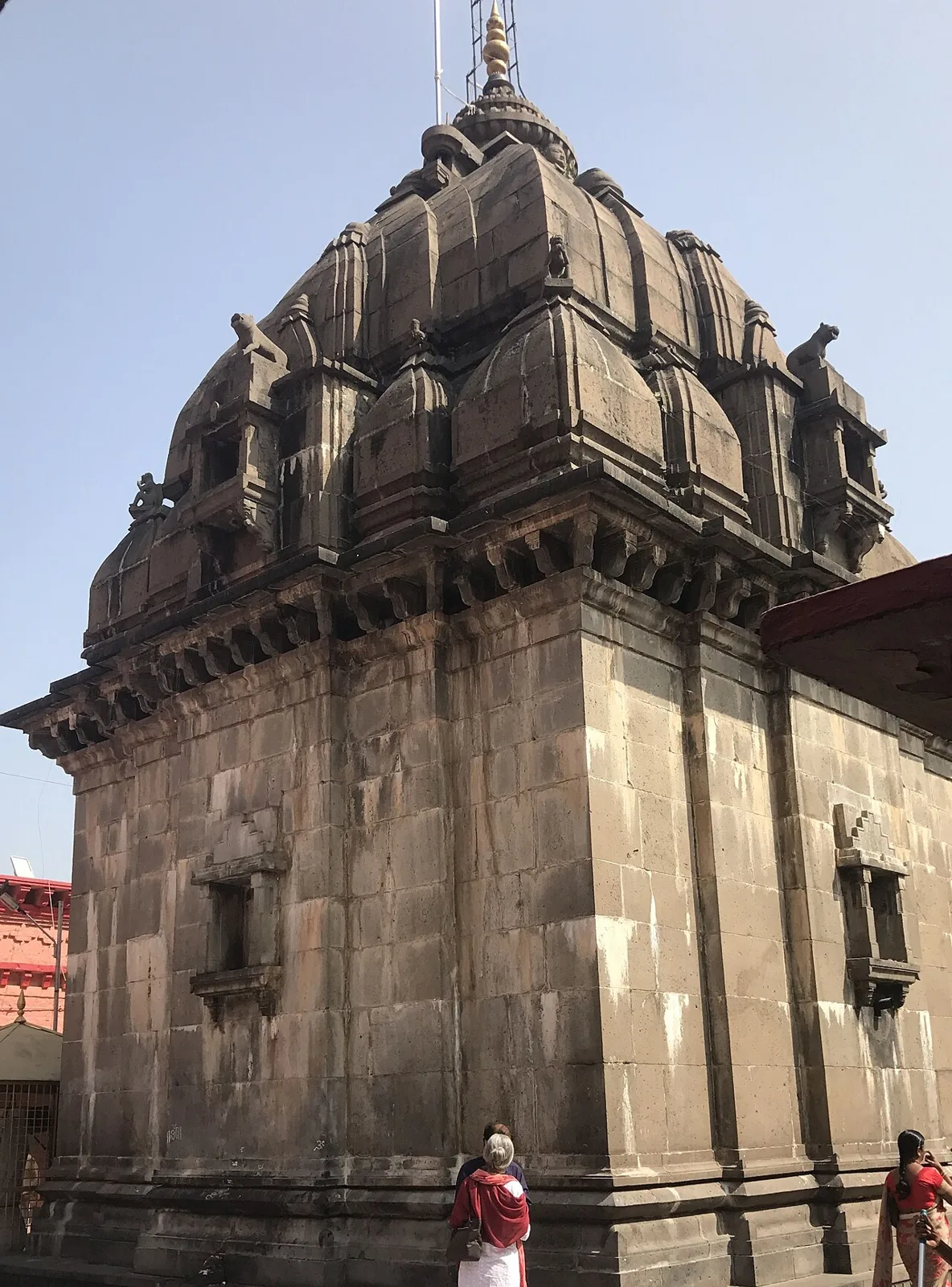
Visitors may be drawn by the area’s local places of worship and by the chance to experience a smaller Marathwada town beyond the better-known district centres. Nilanga is not widely associated with a major tourist industry or a nationally recognised craft; its appeal is more closely tied to local life and the surrounding agricultural landscape. The town’s identity reflects that of inland Maharashtra, where market activity, farming and community institutions shape the rhythm of daily life. It is a practical base for exploring the taluka, although travellers should plan transport and sightseeing around local arrangements rather than expect a large visitor infrastructure.
Famous for: crafts, trade & products

Nilanga is best understood as a local service and trading centre rather than a specialist manufacturing destination. Its bazaar serves residents of the town and surrounding villages, with everyday shops and traders dealing in groceries, clothing, household goods and farm-related supplies. Seasonal agricultural activity in the wider area supports the movement of grains, pulses and other farm produce through local trade. For visitors, the town’s central commercial streets are the most practical place to browse and buy ordinary goods or ask about produce available in season.

There is no widely established reputation for a particular Nilanga textile, saree, handicraft or GI-tagged product. Nor is the town especially known for a large industrial cluster. Its key institutions are civic and administrative: Nilanga’s municipal council and taluka-level offices serve the town and nearby settlements. Visitors looking for locally made items can ask shopkeepers about regional products, but should not expect a dedicated craft market or a specialised tourist shopping district. This modest profile is part of the town’s character: commerce here is closely connected to local needs and the surrounding countryside.

History

Nilanga’s history is best viewed in the wider context of the Deccan and Marathwada. The region experienced the influence of successive Deccan powers, and in the colonial period it formed part of the princely state of Hyderabad, ruled by the Nizams. This meant its political history differed from areas administered directly by the British, even as colonial-era changes affected trade, transport and administration across the subcontinent. Specific dates for Nilanga’s founding or for the construction of older local religious sites are not firmly established in commonly available accounts.

After Hyderabad state became part of India in 1948, the area entered the administrative framework that later became Maharashtra, formed in 1960. Nilanga’s modern growth has centred on its role as a municipal town and taluka headquarters. Public offices, education, local commerce and services for surrounding villages have shaped its development more than large-scale industry or tourism. Agriculture in the surrounding area remains an important influence on the town’s markets and everyday economy.

Food, festivals & culture

Daily life in Nilanga reflects the food and customs of Marathwada. Meals commonly draw on staples such as jowar bhakri, wheat roti, rice, lentils and seasonal vegetables; pithla, thecha and zunka are familiar regional preparations. Puran poli is often associated with festive meals, while local sweet shops offer customary Indian sweets rather than a dessert uniquely identified with the town. Recipes and availability vary between households and seasons.

Marathi is the principal language of public and community life. Urdu and other regional languages may also be heard, reflecting the wider linguistic mix of the district and its borderland setting. Hindu festivals such as Ganesh Chaturthi, Navratri, Diwali, Holi and Makar Sankranti are observed at their usual times in the Hindu calendar, alongside Muslim religious occasions and local celebrations. Worship at neighbourhood temples and mosques is part of community life. Music, devotional singing and folk performance are generally associated with festivals and gatherings; there is no single dance or performance tradition that defines Nilanga alone.

Visiting the city

The cooler months, roughly October to February, are usually more comfortable for exploring Nilanga; summer can be hot, while monsoon travel may be affected by rain. Latur Airport is the nearest local airfield, but it has limited commercial service, so check current flight options before planning. Latur railway station is a principal rail gateway for the area. From either point, onward travel is by road, with buses and hired vehicles serving Nilanga and nearby settlements.

Within town, local auto-rickshaws and short road journeys are practical ways to get around. The central bazaar is a good area to experience everyday commerce, while local places of worship and civic streets offer a sense of the town’s character. Nilanga is compact enough for a brief visit, but those hoping to explore the wider taluka should arrange transport in advance. Carrying water and planning outdoor visits for cooler parts of the day is sensible.

Trips from the city

Nearest places to visit from Nilanga

Our closest destination guides, by straight-line distance.

Tulja Bhavani Temple

67 km away · Dharashiv district

Tulja Bhavani Temple

Tulja Bhavani Temple is a 12th-century shrine to goddess Bhavani in Tuljapur, Maharashtra. It is counted among India’s 51 Shakti Pithas and the state’s four major Shakti shrines.

Shri Vaijnath Temple

84 km away · Beed district

Shri Vaijnath Temple

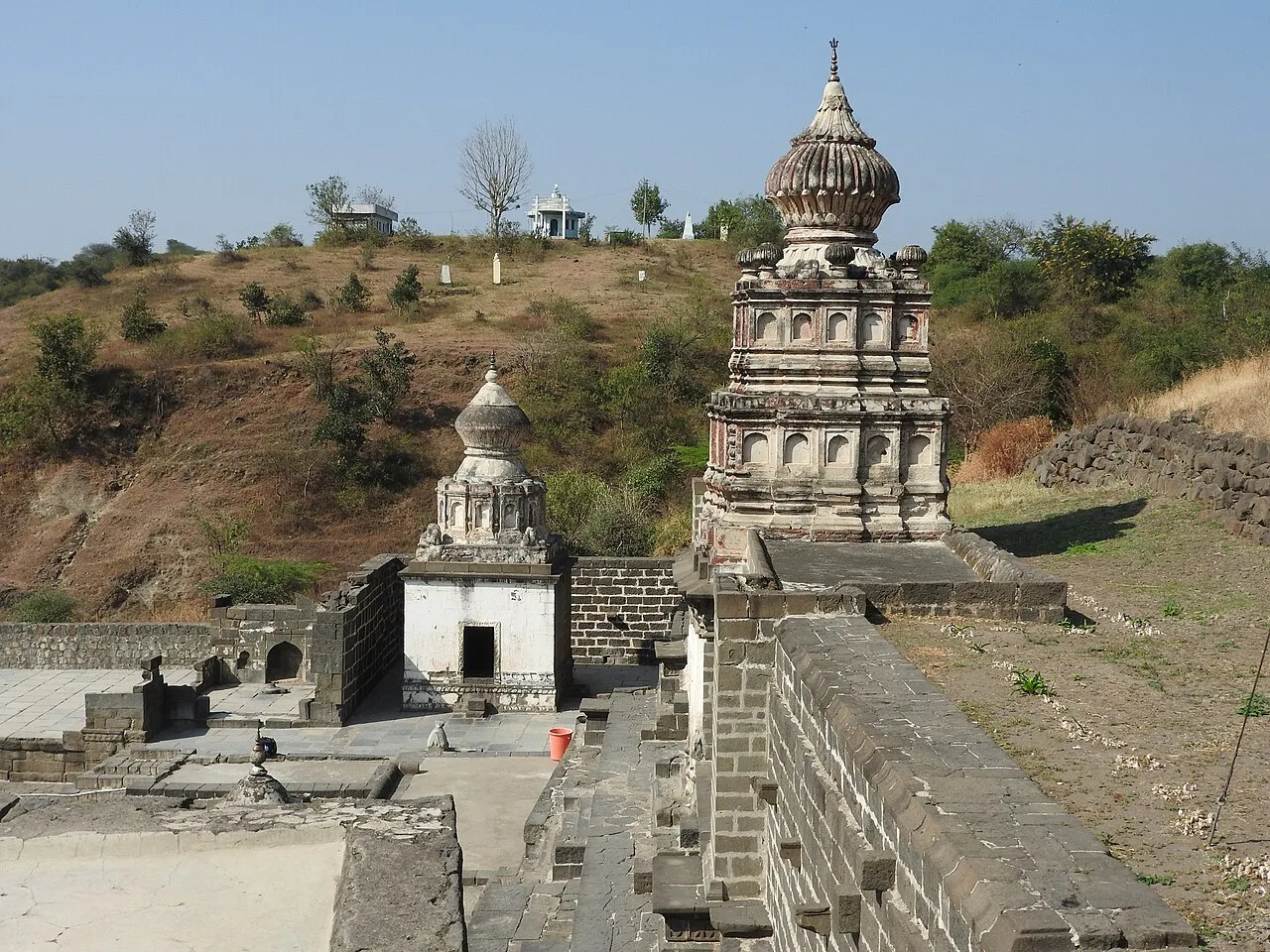
Shri Vaijnath Temple is a Shiva shrine at Parli Vaijnath in Maharashtra’s Beed district. Worshippers visit to perform abhishekam, and the temple is regarded as the fifth of Shiva’s twelve Jyotirlingas.

Hazur Sahib

130 km away · Nanded district

Hazur Sahib

Takht Sachkhand Sri Hazur Abchalnagar Sahib is one of Sikhism’s five takhts, in Nanded, Maharashtra. Visitors come to worship and remember Guru Gobind Singh at the site associated with his death and cremation.

Vithoba Temple

159 km away · Solapur district

Vithoba Temple

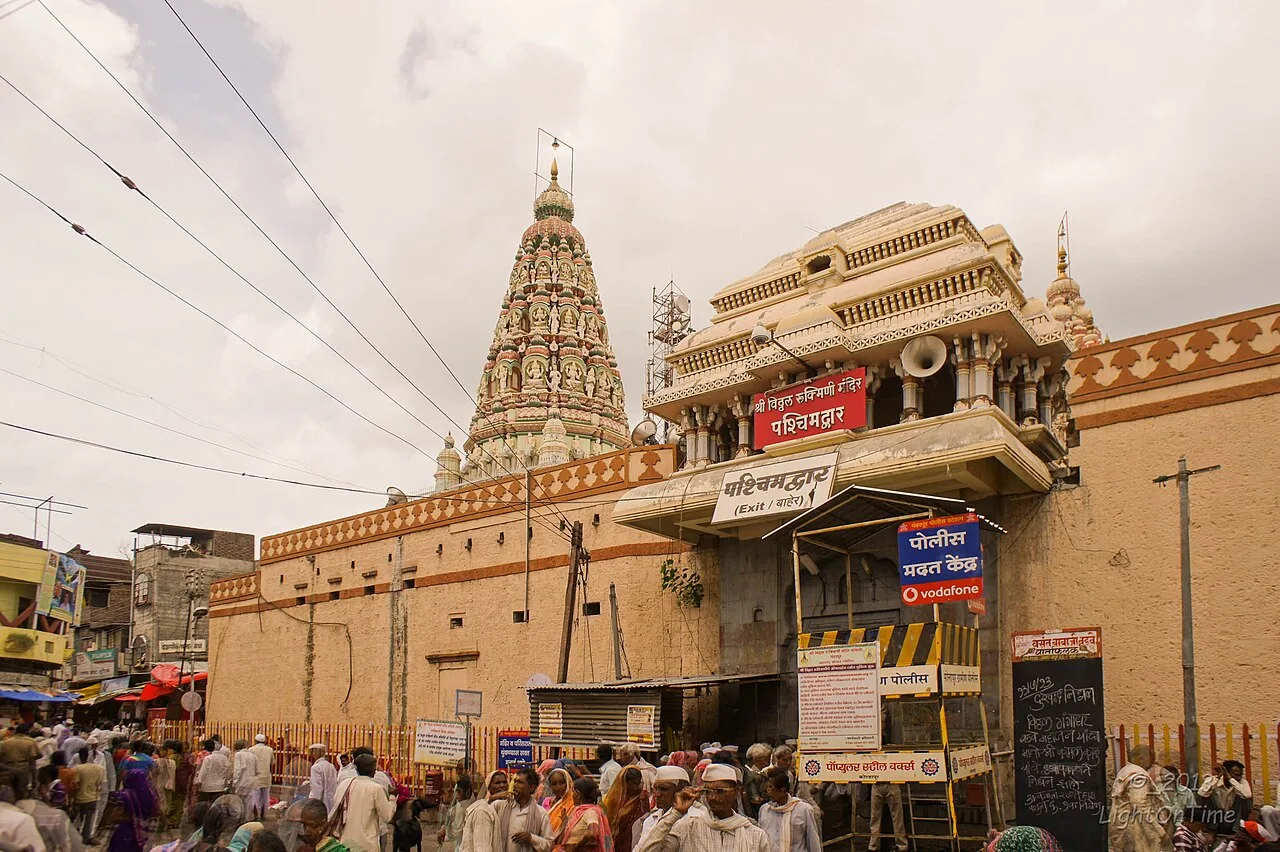
The Vithoba Temple, also called Shri Vitthal-Rukmini Mandir, is a Hindu shrine in Pandharpur, Maharashtra. Devotees visit to worship Vithoba and Rakhumai and join major Warkari pilgrimages.

Aundha Nagnath Temple

161 km away · Hingoli district

Aundha Nagnath Temple

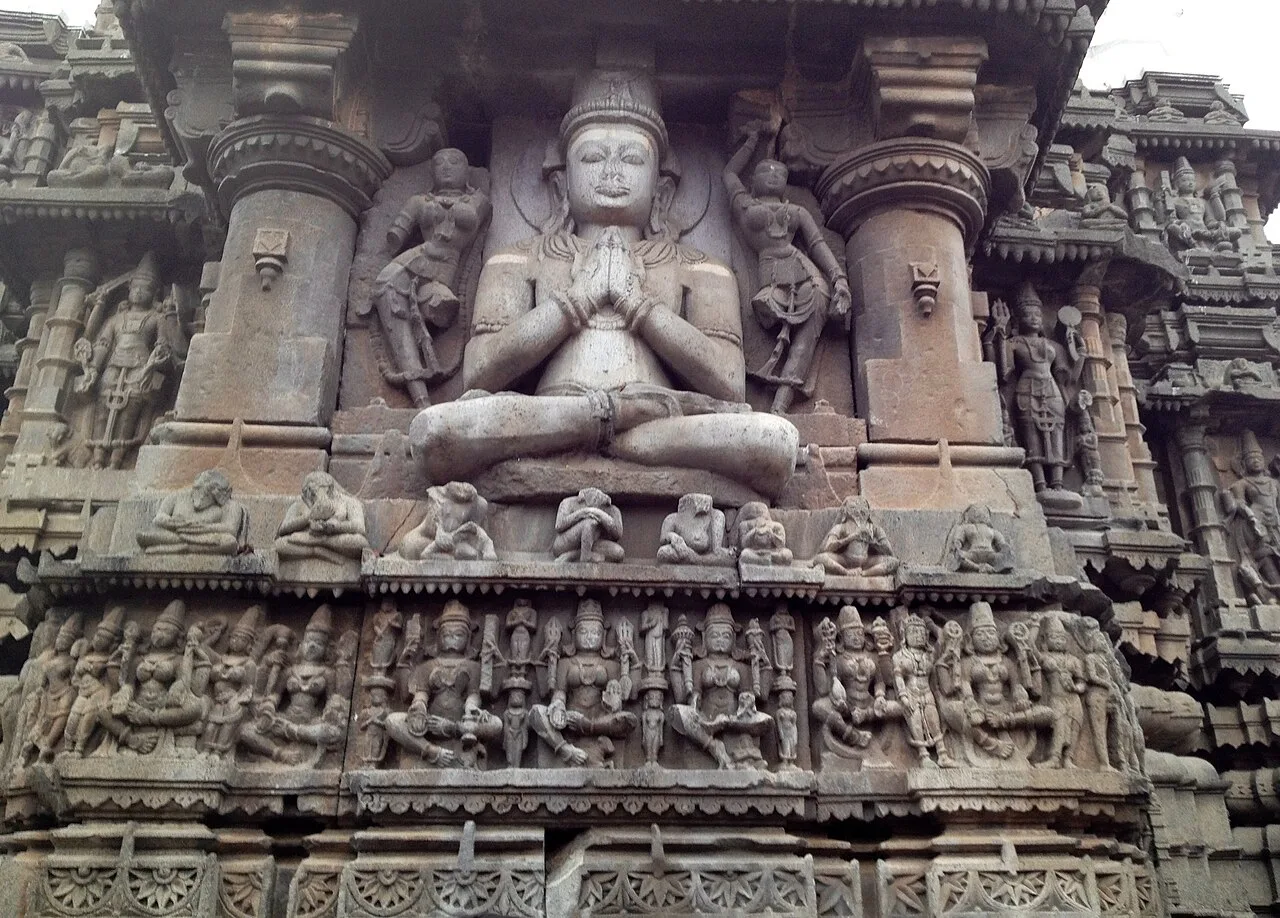
Aundha Nagnath Temple is an old Shiva shrine in Maharashtra’s Hingoli district, regarded as the eighth of the twelve Jyotirlinga shrines. Visitors come for its religious importance, historical associations and distinctive architecture.

Lonar Lake

208 km away · Buldhana district

Lonar Lake

Lonar Lake is a saline, soda-rich lake in Maharashtra’s Buldhana district, set within a meteorite-impact crater. Visitors come to see its unusual geological formation and recognised conservation status.

Ahmednagar Fort

237 km away · Ahilyanagar district

Ahmednagar Fort

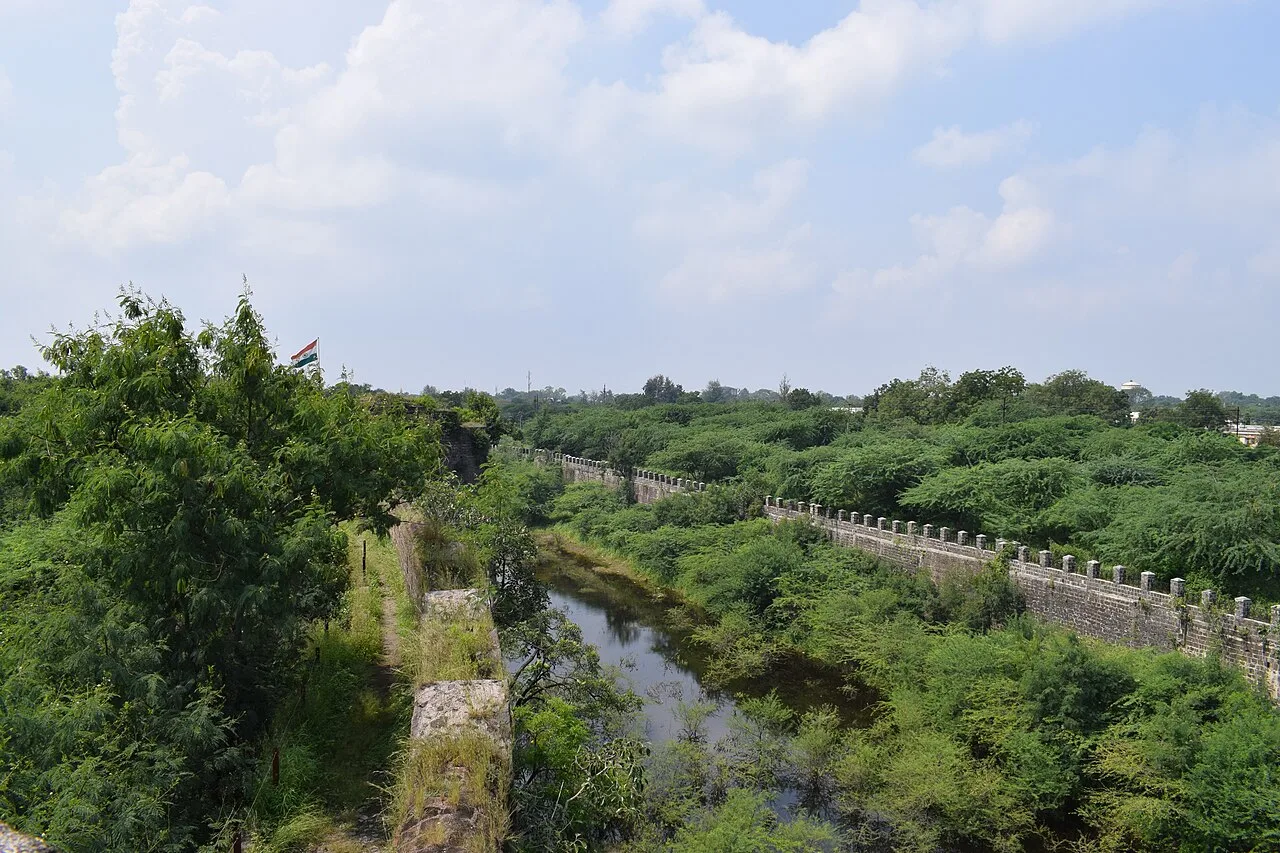
Ahmednagar Fort, in Maharashtra, is a historic stronghold associated with the Ahmednagar Sultanate, the 1803 Anglo-Maratha conflict and imprisonment under British rule, making it a point of historical interest.

Bibi Ka Maqbara

249 km away · Chhatrapati Sambhajinagar district

Bibi Ka Maqbara

Bibi Ka Maqbara is a Mughal mausoleum in Aurangabad, Maharashtra, built for Dilras Banu Begum. Visitors come to see its resemblance to the Taj Mahal and its place in the region’s history.

Map

Nilanga on the map

  1. 1Tulja Bhavani Temple
  2. 2Shri Vaijnath Temple
  3. 3Hazur Sahib
  4. 4Vithoba Temple
  5. 5Aundha Nagnath Temple
  6. 6Lonar Lake
  7. 7Ahmednagar Fort
  8. 8Bibi Ka Maqbara

Maharashtra

Other cities to explore