Ghumoopedia — Explore, Discover, Experience
Sign in
Jejuri, near Saswad

City guide · Maharashtra

Saswad

Saswad is a historic town in Pune district, set beside the Karha River on the route between Pune and the Deccan plateau. Its location has linked it to regional travel and trade for centuries; today, it serves as a local centre for surrounding villages and as a quieter base for exploring the Purandar area.

Famous for

  • Sant Sopan’s samadhi
  • Sangameshwar Temple
  • Peshwa-era heritage
  • Purandar Fort
  • Purandar figs

Why Saswad matters

Saswad is a historic town in Pune district, set beside the Karha River on the route between Pune and the Deccan plateau. Its location has linked it to regional travel and trade for centuries; today, it serves as a local centre for surrounding villages and as a quieter base for exploring the Purandar area. Pune’s expanding urban region is within reach, while Saswad retains a distinct small-town character.

Visitors come for its temples, the samadhi of the Varkari saint Sopan, and the remains of its Peshwa-era connections. Nearby Purandar Fort adds a major historical excursion, while the annual Dnyaneshwar Palkhi pilgrimage brings a particularly strong religious association. Saswad is also linked with writers and cultural figures, including Acharya Atre, who was born in nearby Kodit Khurd, and historian and storyteller Babasaheb Purandare. The town is not chiefly a shopping destination; its appeal lies in combining living pilgrimage traditions, Maratha history, riverbank setting and access to the countryside south-east of Pune.
Famous for: crafts, trade & products

Saswad’s identity rests more on history, pilgrimage and regional agriculture than on a specialist textile, handicraft or manufacturing industry. It is not widely known as a saree or craft-buying centre, and visitors should not expect a dedicated cluster of artisan shops. The town’s local markets serve residents and nearby villages, with everyday produce and goods rather than a nationally recognised product range.

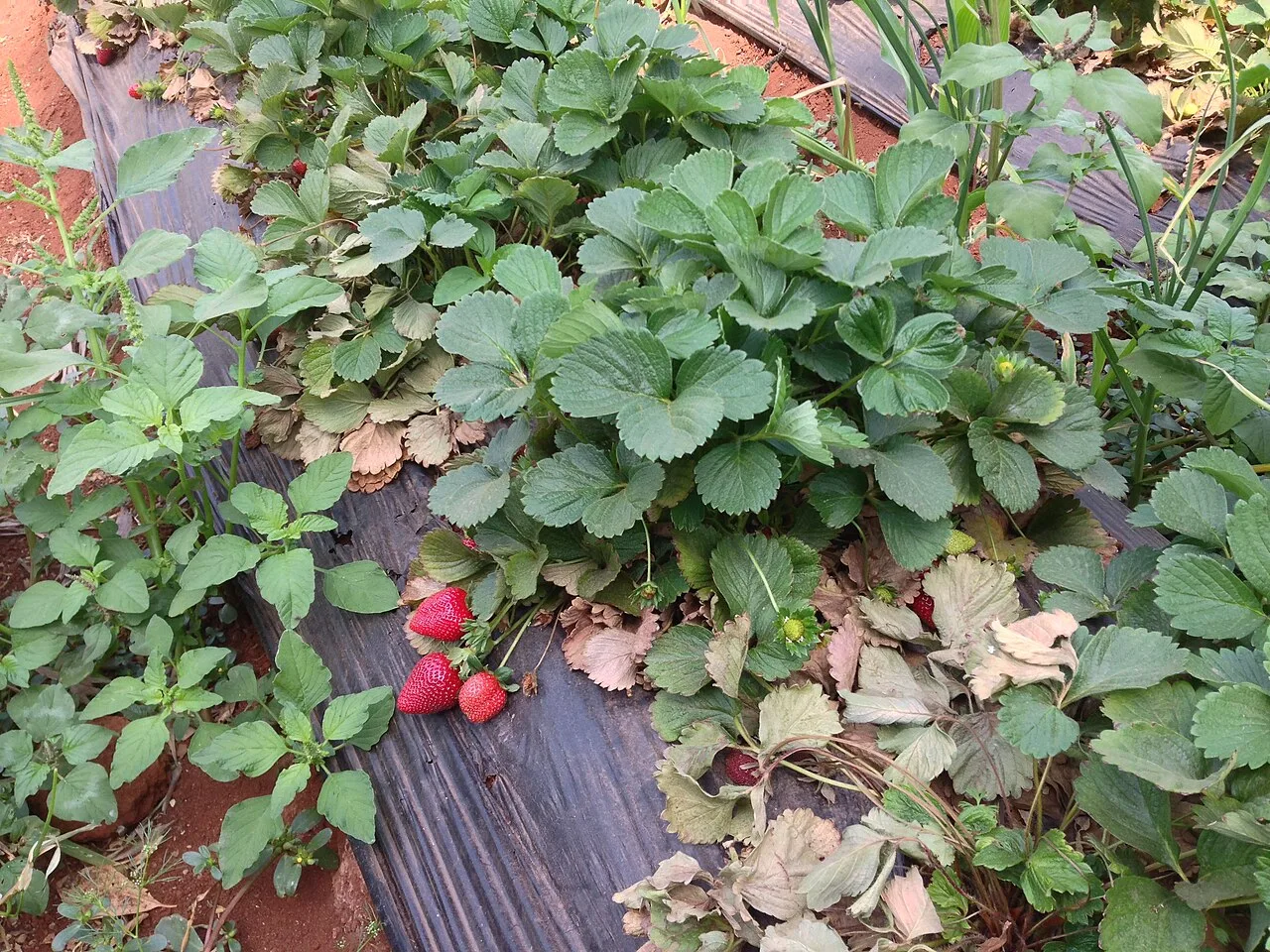
The wider Purandar region is associated with Purandar figs, a GI-tagged fruit. In season, visitors may find fresh figs or locally made fig products through shops and produce sellers in the area, though availability varies. Ask locally about the harvest and where the fruit is being sold; Saswad itself is not the only source. The town’s most distinctive heritage sites are its temples and old Peshwa-period structures, including Sangameshwar Temple and the Purandare wada. The wada is valued for its historical character, not as a regular commercial market, and access may be limited. For visitors, the best way to explore local commerce is to browse the town centre and ask about seasonal produce rather than look for a specialised craft bazaar.

History

Saswad grew beside the Karha River on an old route linking the Konkan coast with the Deccan interior. Movement along this corridor supported settlement and religious activity, including Buddhist monasteries. The town later became associated with Sant Sopan, a 13th-century Varkari saint whose samadhi remains an important place of pilgrimage.

Saswad’s political prominence increased during the Maratha and Peshwa periods. Balaji Vishwanath, the first Peshwa of the Bhat family, was based here; in 1720, his son Bajirao I shifted the family’s centre to Pune. The Peshwas built Sangameshwar Temple, while the Purandare family held an important position in Saswad and maintained a substantial residence. Nearby Purandar Fort is closely tied to Maratha history. Under British rule, Saswad continued as a regional town rather than a major political centre. In modern times it has developed as a municipal and service centre within Pune district, while retaining its historic sites and pilgrimage role. Acharya Atre, born in nearby Kodit Khurd, and Babasaheb Purandare are among its notable cultural associations.

Food, festivals & culture

Marathi is the principal language of everyday life, alongside Hindi and other languages heard in the Pune region. Meals are typical of the western Maharashtra countryside: bhakri or chapati with vegetables, lentils and seasonal ingredients. There is no single signature Saswad sweet or dish to seek out, but local eateries and shops offer familiar Maharashtrian snacks and festival foods.

Religious life centres on temples and the Varkari tradition. The Dnyaneshwar Palkhi procession from Alandi to Pandharpur stops in Saswad during the pilgrimage season, usually around June or July. Ganesh festival celebrations take place in late monsoon, while Diwali in autumn brings family observances and cultural programmes; a Diwali Pahat gathering is held at Acharya Atre Sanskrutik Bhavan. Sangameshwar, Vateshwar and Siddheshwar temples, as well as Karhabai Temple by the Karha, are notable places of worship. Marathi literary culture is also part of the town’s identity: Saswad hosted the Akhil Bharatiya Marathi Sahitya Sammelan in 2014.

Visiting the city

The cooler months from October to February are generally comfortable for exploring Saswad and nearby forts. The monsoon brings greener countryside, though rain can affect outdoor plans. Pune International Airport is the nearest major airport, and Pune Junction is the main railway station for rail connections. From Pune, visitors can continue by road; local travel is possible by auto-rickshaw, taxi or bus, with private transport useful for reaching sites outside town.

Explore the town centre and Karha riverbank, then visit its temples and the Sopan samadhi. The historic Purandare wada is worth noting, but check locally whether access is possible. Purandar Fort makes a rewarding nearby excursion and requires time for the approach and walk. Saswad is compact, but confirm local transport for outlying sites before setting off.

Trips from the city

Nearest places to visit from Saswad

Our closest destination guides, by straight-line distance.

Jejuri

16 km away · Pune district

Jejuri

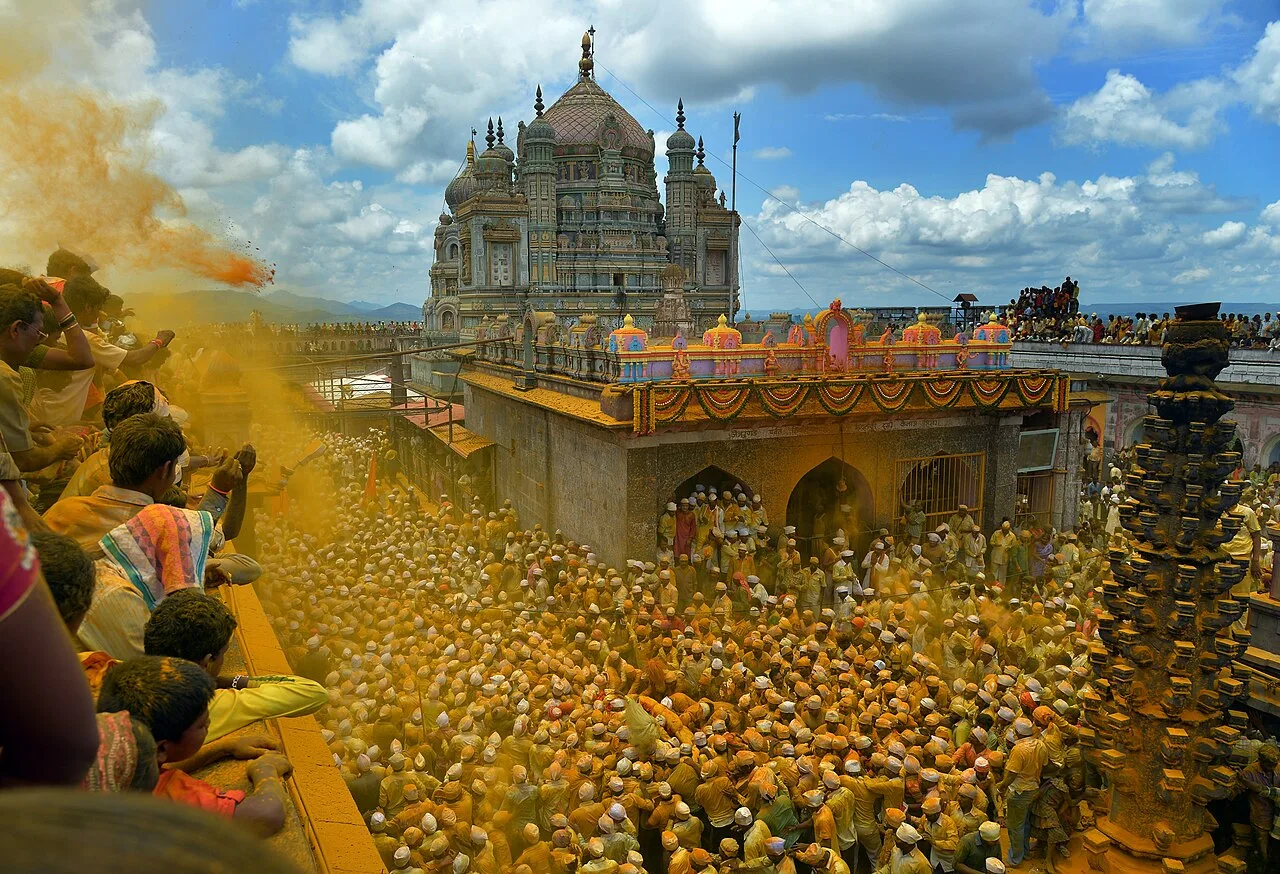
Jejuri, a city with a municipal council in Pune district, Maharashtra, is known for the Khandoba Mandir, an important Hindu pilgrimage site for communities across the state.

Raja Dinkar Kelkar Museum

26 km away · Pune district

Raja Dinkar Kelkar Museum

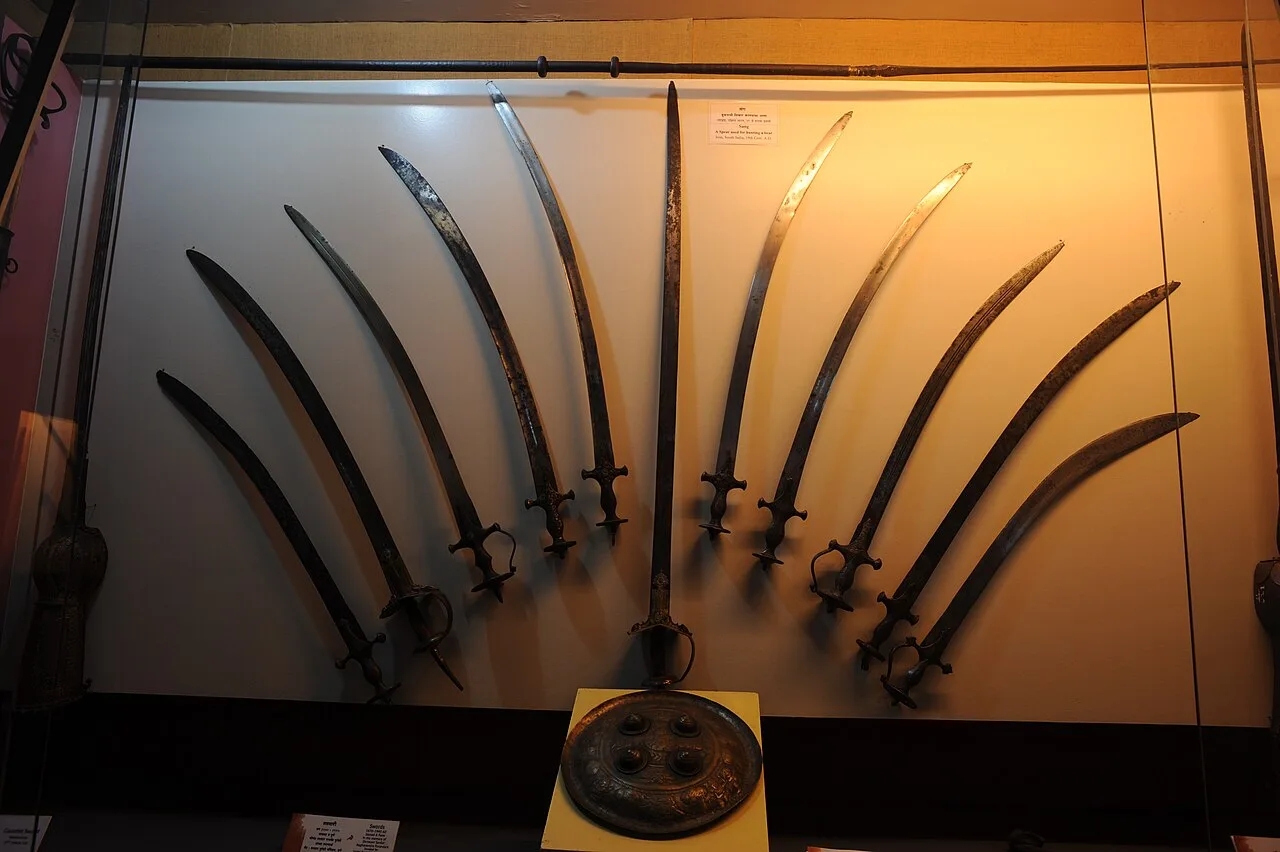
In Pune, Maharashtra, Raja Dinkar Kelkar Museum displays Dr. Dinkar G. Kelkar’s collection, attracting visitors interested in sculptures, musical instruments, ornaments, war weapons and vessels.

Aga Khan Palace

27 km away · Pune district

Aga Khan Palace

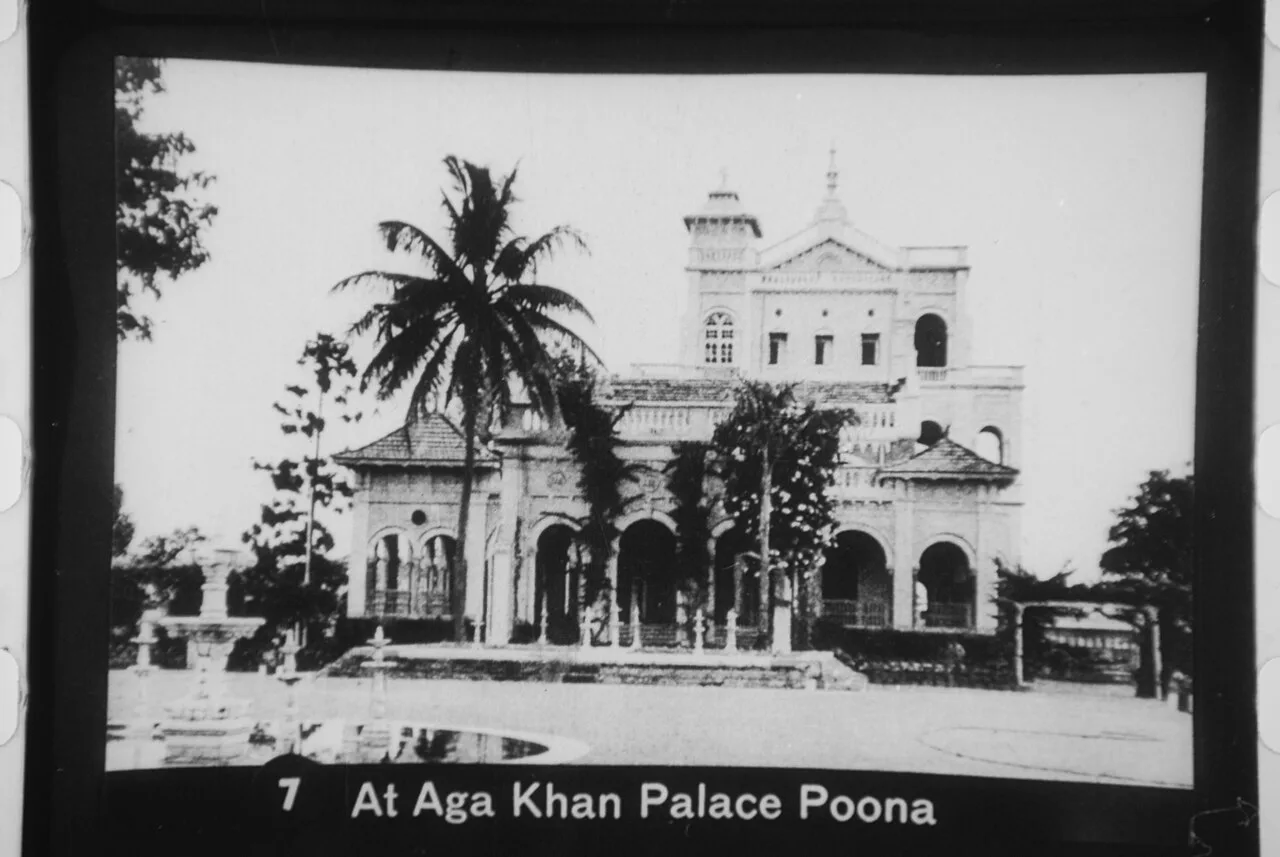
Aga Khan Palace is a historic building in Pune district, built by Sultan Muhammed Shah Aga Khan III. Visitors come for its connections to famine relief and the freedom struggle, as well as its architecture and greenery.

Dagadusheth Halwai Ganapati Temple

27 km away · Pune district

Dagadusheth Halwai Ganapati Temple

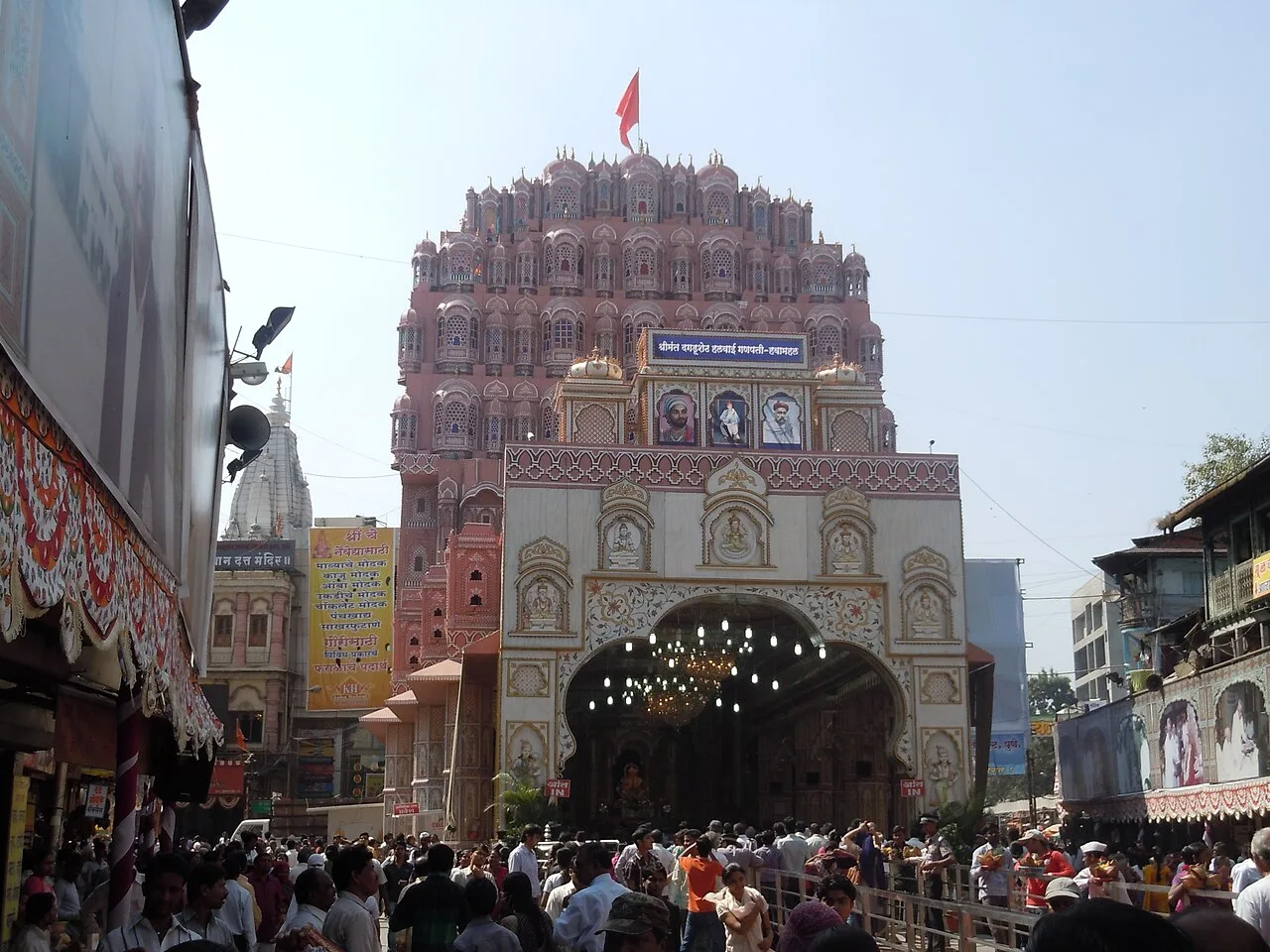
In Pune, Maharashtra, Dagadusheth Halwai Ganapati Temple honours Ganesha and draws devotees throughout the year, especially for the annual ten-day public Ganeshotsav celebration.

Shaniwar Wada

27 km away · Pune district

Shaniwar Wada

Shaniwar Wada is a historic fortification in Pune, linked to the Peshwas and the Maratha Confederacy. Visitors come to see the structures that remain after a major fire.

Sinhagad

29 km away · Pune district

Sinhagad

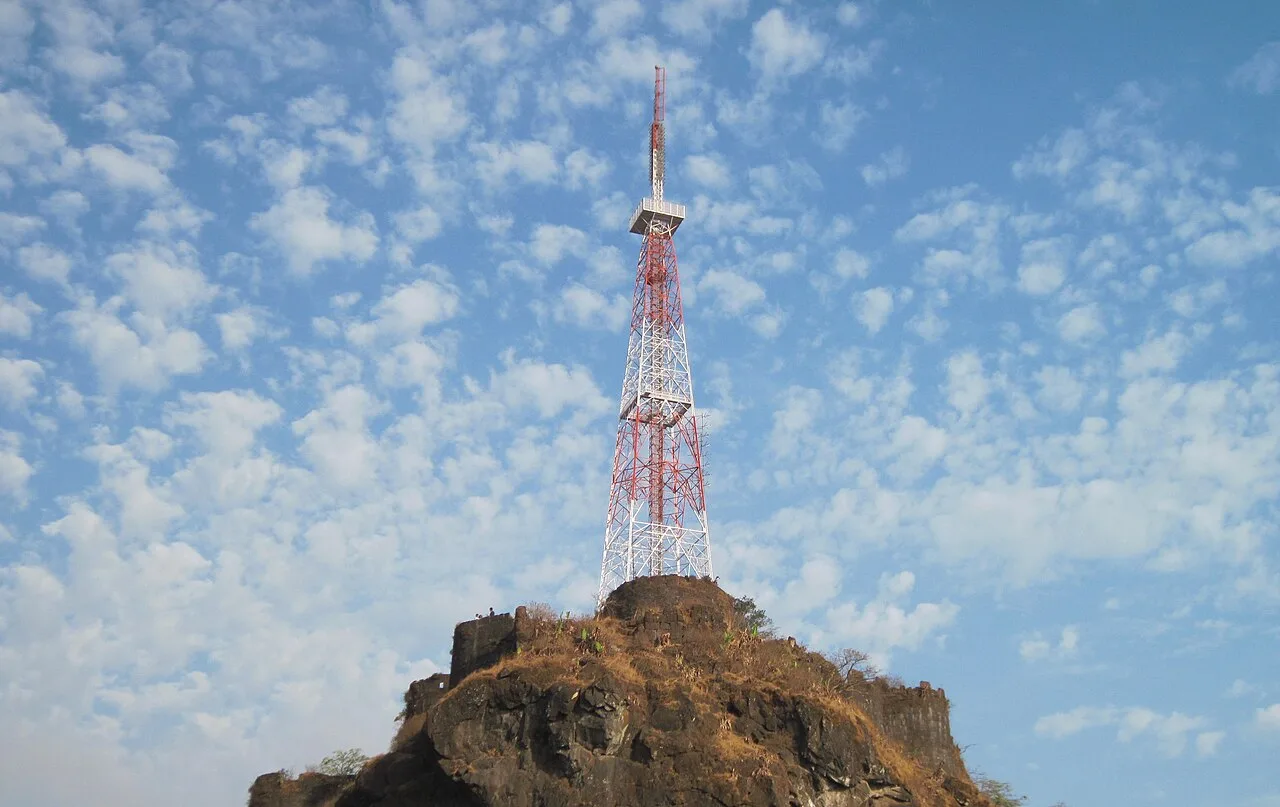
Sinhagad is an ancient hill fort near Pune, Maharashtra, valued for its history and as a destination for walks and weekend outings from the city.

Panchgani

53 km away · Satara district

Panchgani

Panchgani, also known as Paachgani, is a hill station in Maharashtra’s Satara district with municipal-council status. Visitors come throughout the year, and its many convent boarding schools are also well known.

56 km away · Satara district

Bhilar (Book Village)

Bhilar is a village in Maharashtra’s Satara district, known as the Book Village. Visitors may be drawn by its distinctive association with books.

Map

Saswad on the map

  1. 1Jejuri
  2. 2Raja Dinkar Kelkar Museum
  3. 3Aga Khan Palace
  4. 4Dagadusheth Halwai Ganapati Temple
  5. 5Shaniwar Wada
  6. 6Sinhagad
  7. 7Panchgani
  8. 8Bhilar (Book Village)

Maharashtra

Other cities to explore