Ghumoopedia — Explore, Discover, Experience
Sign in
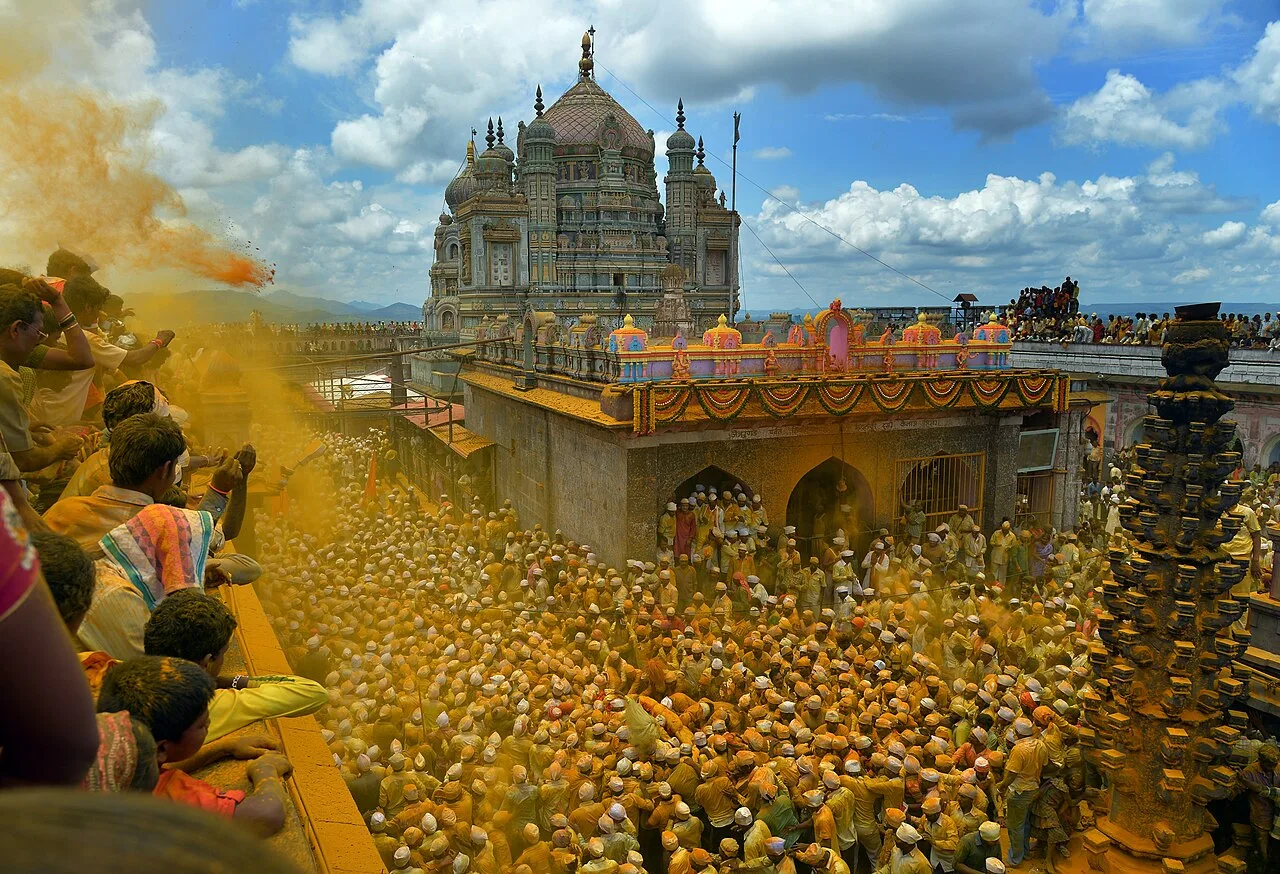
Jejuri, near Shirwal

City guide · Maharashtra

Shirwal

Shirwal is a town in Satara district, Maharashtra, on the banks of the Nira River. Its location between Pune and Satara gives it a practical role as a regional service and transport centre.

Famous for

  • Nira River setting
  • Pune–Satara travel corridor
  • Shirwal industrial area
  • Regional market-town character

Why Shirwal matters

Shirwal is a town in Satara district, Maharashtra, on the banks of the Nira River. Its location between Pune and Satara gives it a practical role as a regional service and transport centre. The town is close to the Pune–Satara highway corridor, making it a familiar stop for road travellers and a convenient base for reaching settlements in this part of the district.

Shirwal is known more for its location and industry than for a major monument or a single celebrated tourist attraction. The industrial area supports its modern economy, while shops and everyday services cater to residents, workers and people passing through. Visitors may find interest in the contrast between the busy road corridor and the quieter river landscape around town. Shirwal is best approached as a useful stop on a longer journey rather than a destination built around sightseeing. Its importance comes from connecting the Pune region with Satara district and from combining an established local-town character with newer commercial and industrial activity.
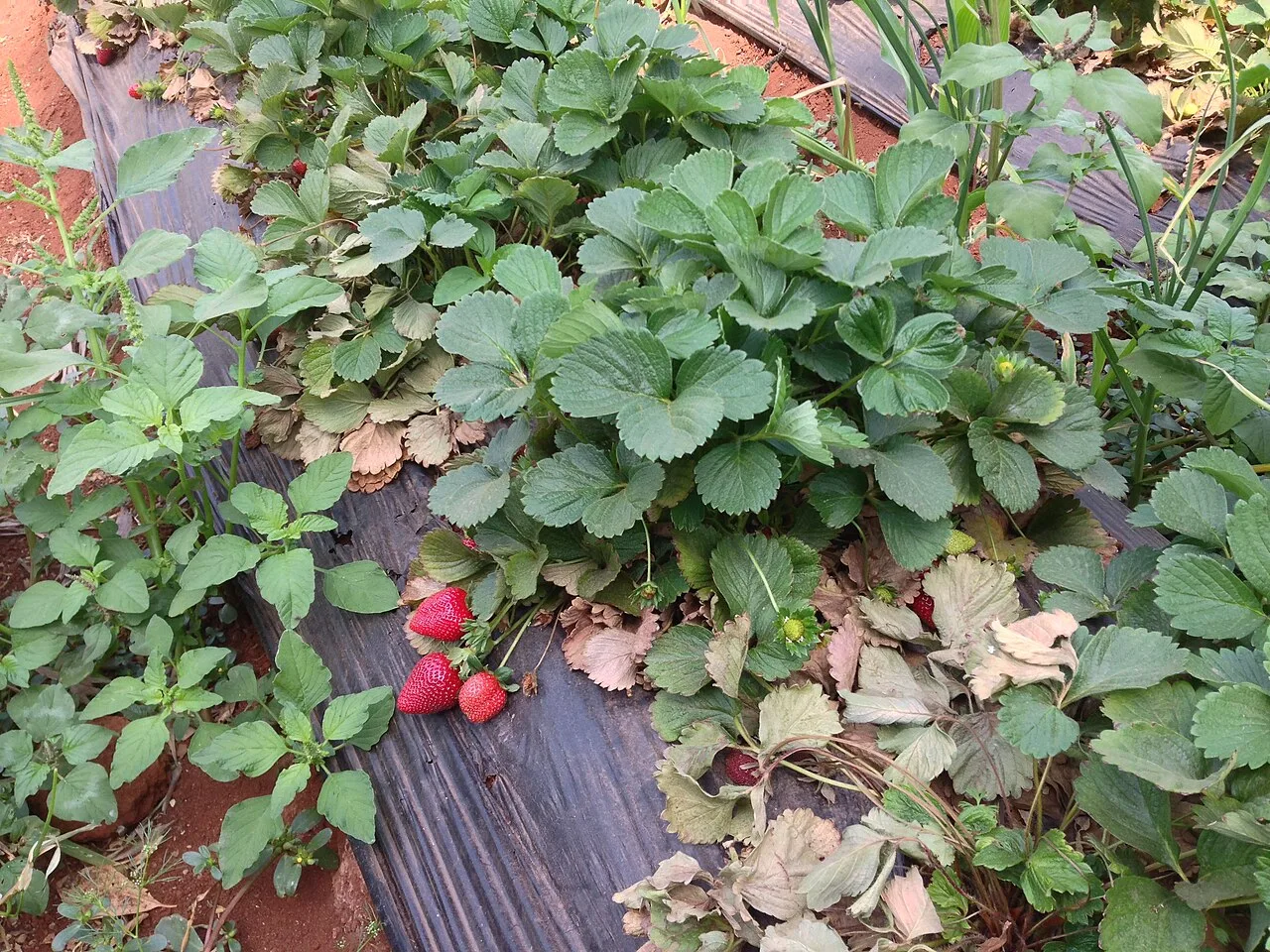
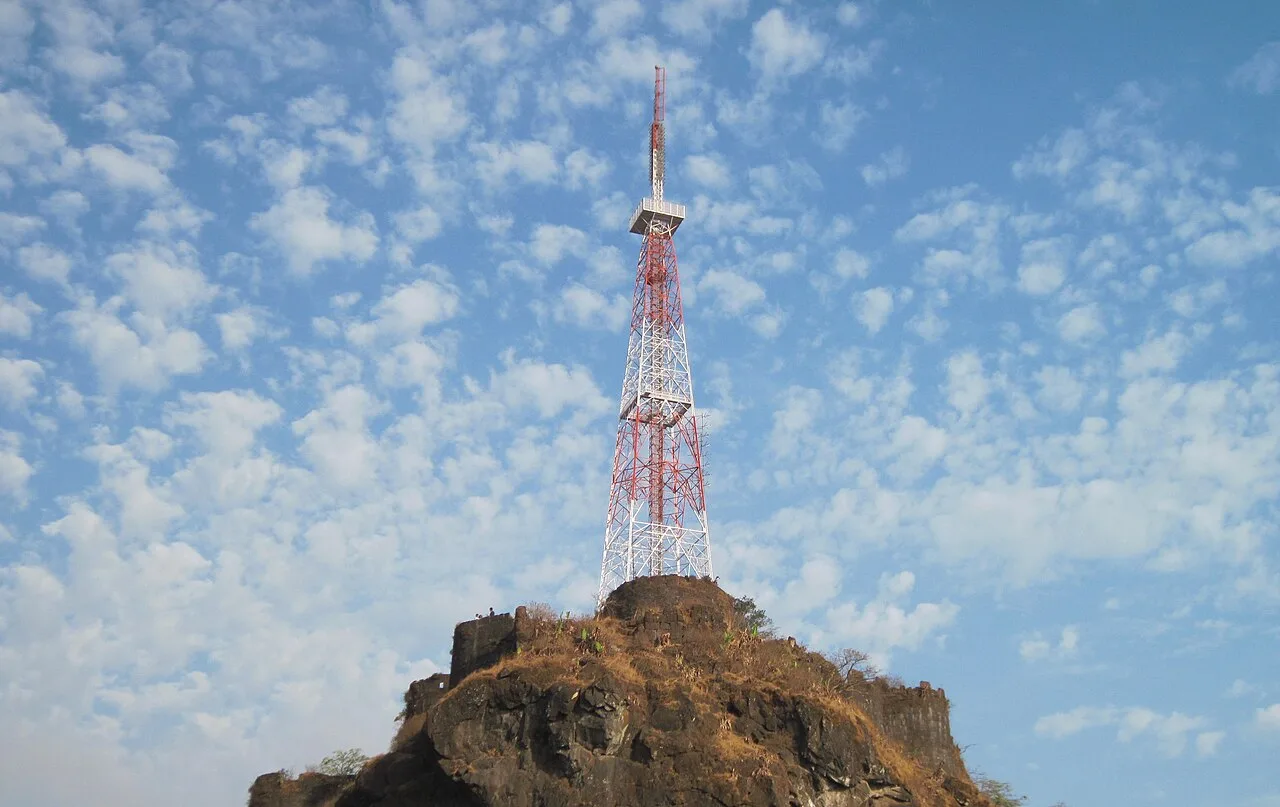
Famous for: crafts, trade & products

Shirwal’s best-known modern association is its industrial area, commonly referred to as Shirwal MIDC. Manufacturing and related businesses contribute to the town’s role along the Pune–Satara corridor, though the particular products available can vary by company. The area is primarily a place of work and commerce rather than a visitor-facing industrial attraction; access to individual premises may be restricted.

The town serves nearby communities through everyday shops, food businesses and local-market services. Travellers passing through can look around the central commercial streets for routine provisions and regional snacks, but Shirwal is not widely identified with a signature textile, handicraft or specialty shopping district. Nor is it especially known for a GI-tagged product. Visitors seeking Maharashtra-made crafts or distinctive regional goods may find a broader selection in larger nearby cities. In Shirwal, the most characteristic features are its practical market-town function, its industrial activity and its position beside the Nira River and the main road between Pune and Satara.

History

Shirwal’s development is closely tied to its location between Pune and Satara and its setting near the Nira River. It has the character of a settlement serving its surrounding countryside as well as people travelling through the region. Its history is less widely associated with grand royal monuments or a single well-known dynastic centre, so accounts of its growth are best understood through its local and transport role.

During the colonial and post-independence periods, road connections helped strengthen movement along the Pune–Satara route. In more recent decades, improved regional connectivity and the establishment of an industrial area have contributed to Shirwal’s expansion as a place of employment and commerce. This growth has added industrial and roadside activity to the town’s older role as a local service centre. The river remains an important part of its geographical setting, while modern development reflects Shirwal’s position between two larger urban centres. Specific details of local political history are not prominent in widely known accounts of the town.

Food, festivals & culture

Marathi is the main language of everyday life in Shirwal. Hindi and English may also be understood in commercial settings, especially along the busy road corridor. Local culture is rooted in the customs of Satara district and the wider Deccan region. There is no single widely recognized performance tradition that defines the town for visitors; music, devotional singing and community events are more likely to be encountered around festivals and places of worship.

Ganeshotsav, usually celebrated in the monsoon season, brings household and community observances. Navratri and Dussehra fall in autumn, while Diwali is celebrated in autumn or early winter; Gudi Padwa marks the Marathi New Year in spring. Hindu temples and neighbourhood shrines are part of local religious life, though Shirwal is not chiefly known as a major pilgrimage centre. Meals commonly reflect regional Maharashtrian cooking, with bhakri or chapati, vegetables, lentils and rice. Tea, savoury snacks and familiar Indian sweets are available from local eateries, but the town is not especially associated with a distinctive signature dish.

Visiting the city

The cooler, drier months from October to February are generally the most comfortable for a visit. The nearest major airport is Pune International Airport; Pune Junction is the principal railway station commonly used for reaching Shirwal. From either, continue by road and check current connections before setting out, as local transport options can vary. Buses, taxis and private vehicles use the Pune–Satara highway corridor.

In town, the central market streets are the most useful area to explore for shops and everyday food. The Nira River banks offer a quieter change of scene, although facilities for visitors may be limited. Shirwal’s industrial area is primarily a workplace, not a sightseeing zone, and access to business premises should not be assumed. Allow time for road traffic, particularly when travelling through the corridor.

Trips from the city

Nearest places to visit from Shirwal

Our closest destination guides, by straight-line distance.

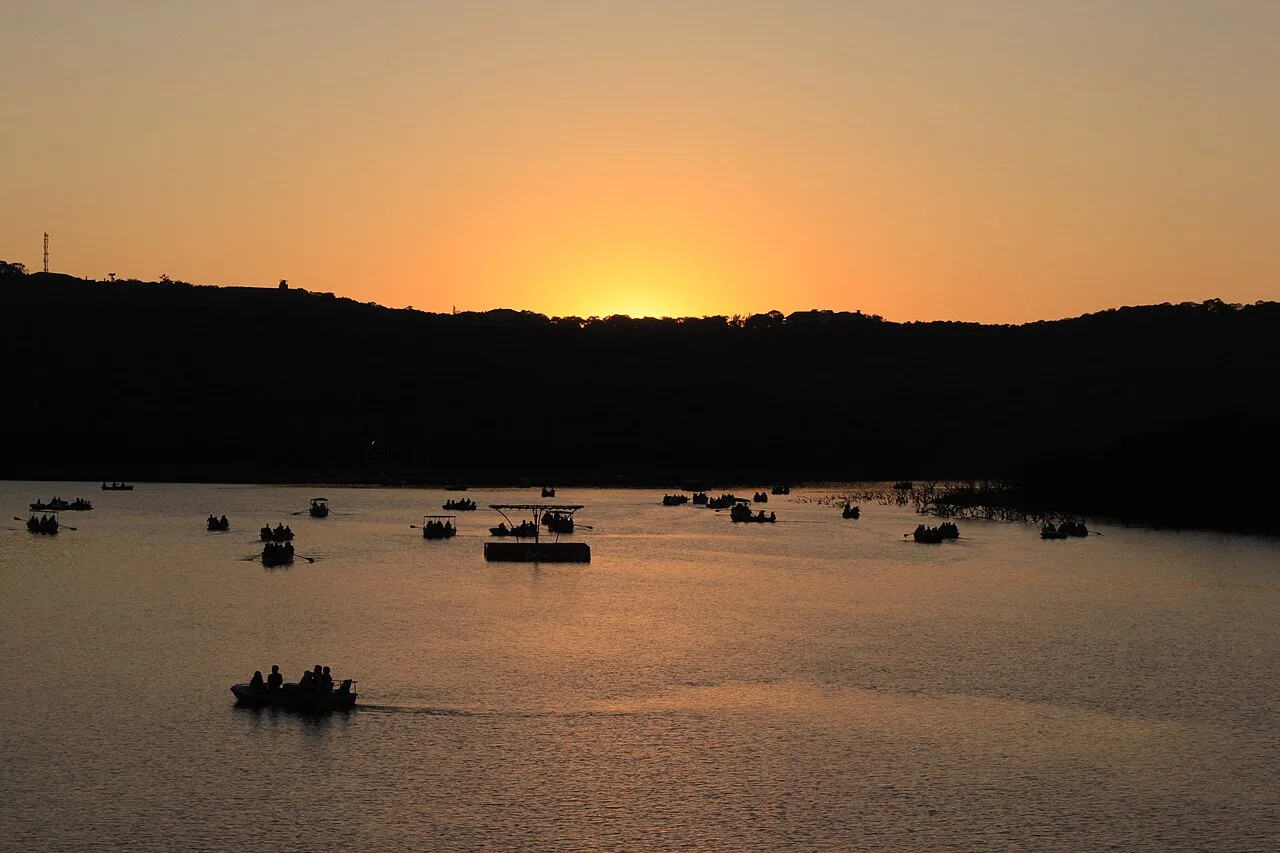
Jejuri

24 km away · Pune district

Jejuri

Jejuri, a city with a municipal council in Pune district, Maharashtra, is known for the Khandoba Mandir, an important Hindu pilgrimage site for communities across the state.

Panchgani

31 km away · Satara district

Panchgani

Panchgani, also known as Paachgani, is a hill station in Maharashtra’s Satara district with municipal-council status. Visitors come throughout the year, and its many convent boarding schools are also well known.

Sinhagad

34 km away · Pune district

Sinhagad

Sinhagad is an ancient hill fort near Pune, Maharashtra, valued for its history and as a destination for walks and weekend outings from the city.

35 km away · Satara district

Bhilar (Book Village)

Bhilar is a village in Maharashtra’s Satara district, known as the Book Village. Visitors may be drawn by its distinctive association with books.

Mahabaleshwar

42 km away · Satara district

Mahabaleshwar

Mahabaleshwar is a town and municipal council in Satara district, Maharashtra. People visit for its religious connection to the sacred Krishna River and five tributaries, as well as its history as a hill station.

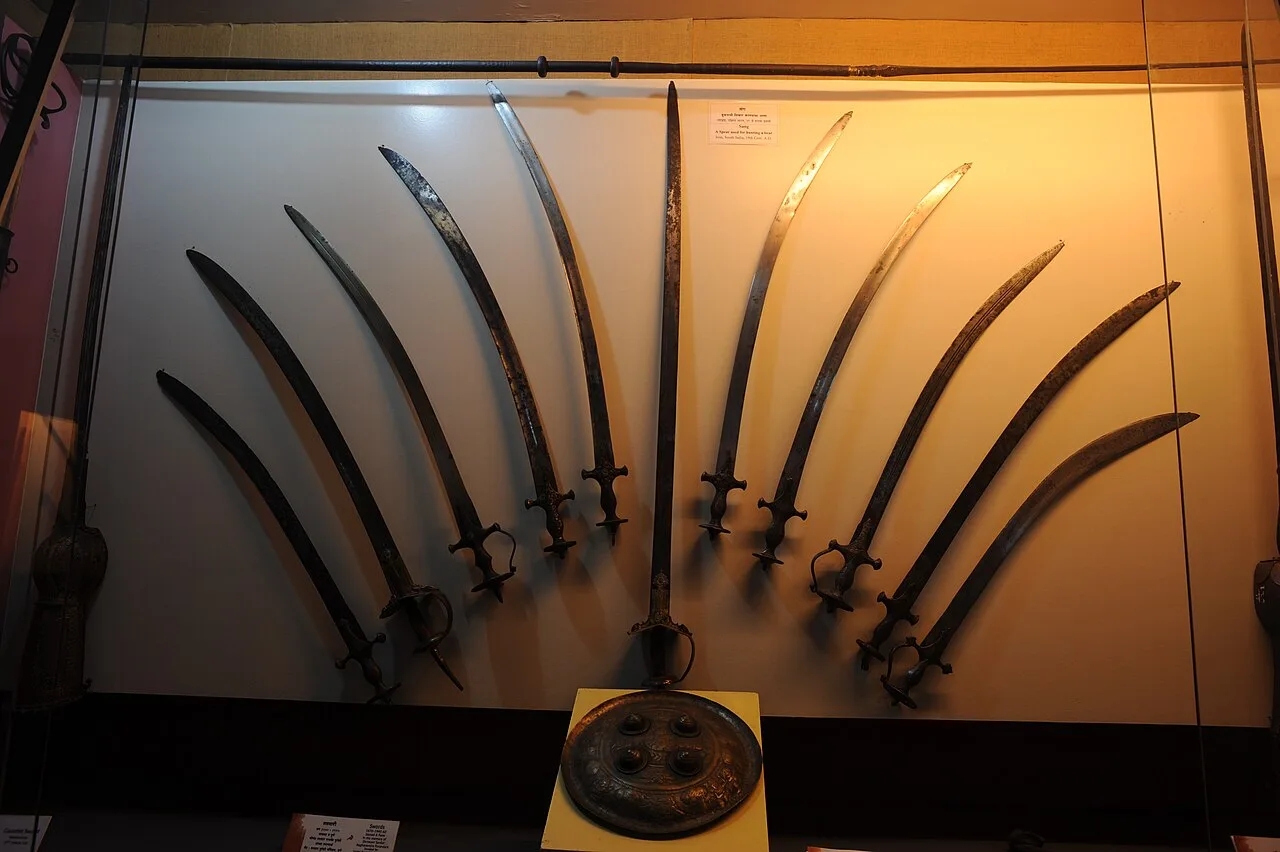
Raja Dinkar Kelkar Museum

42 km away · Pune district

Raja Dinkar Kelkar Museum

In Pune, Maharashtra, Raja Dinkar Kelkar Museum displays Dr. Dinkar G. Kelkar’s collection, attracting visitors interested in sculptures, musical instruments, ornaments, war weapons and vessels.

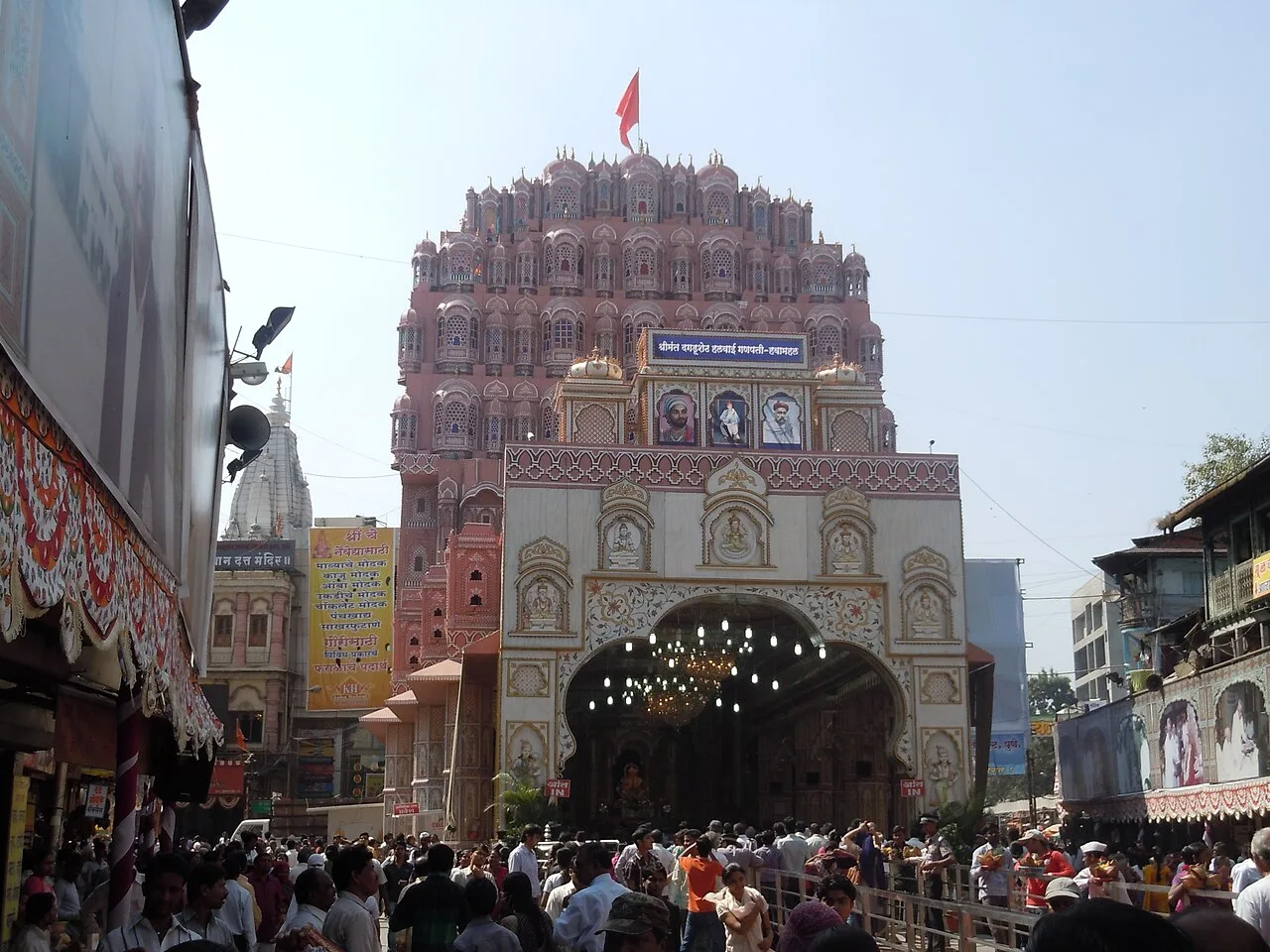
Dagadusheth Halwai Ganapati Temple

43 km away · Pune district

Dagadusheth Halwai Ganapati Temple

In Pune, Maharashtra, Dagadusheth Halwai Ganapati Temple honours Ganesha and draws devotees throughout the year, especially for the annual ten-day public Ganeshotsav celebration.

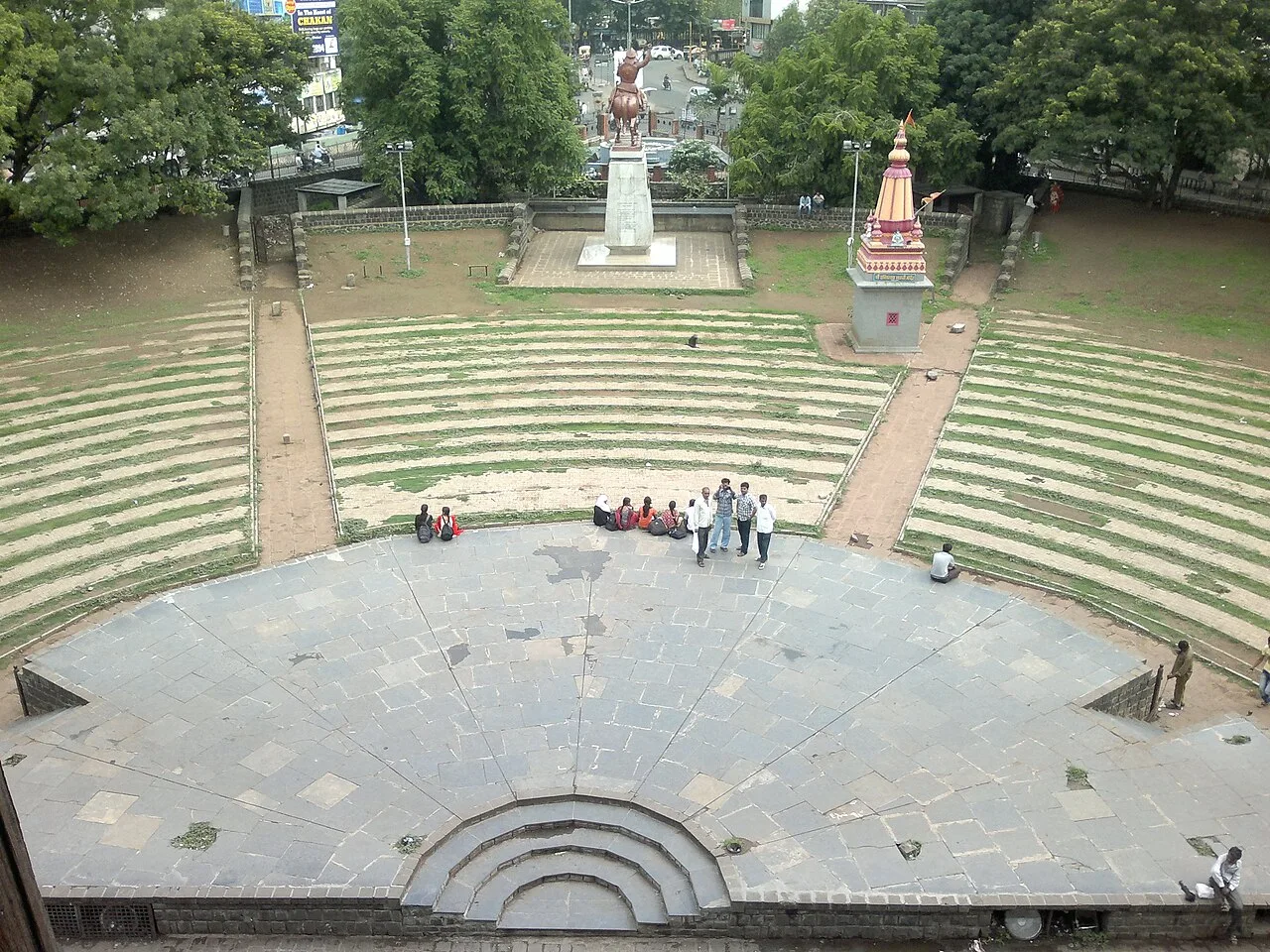
Shaniwar Wada

43 km away · Pune district

Shaniwar Wada

Shaniwar Wada is a historic fortification in Pune, linked to the Peshwas and the Maratha Confederacy. Visitors come to see the structures that remain after a major fire.

Map

Shirwal on the map

  1. 1Jejuri
  2. 2Panchgani
  3. 3Sinhagad
  4. 4Bhilar (Book Village)
  5. 5Mahabaleshwar
  6. 6Raja Dinkar Kelkar Museum
  7. 7Dagadusheth Halwai Ganapati Temple
  8. 8Shaniwar Wada

Maharashtra

Other cities to explore