
Ghumoopedia — Explore, Discover, Experience
Sign in
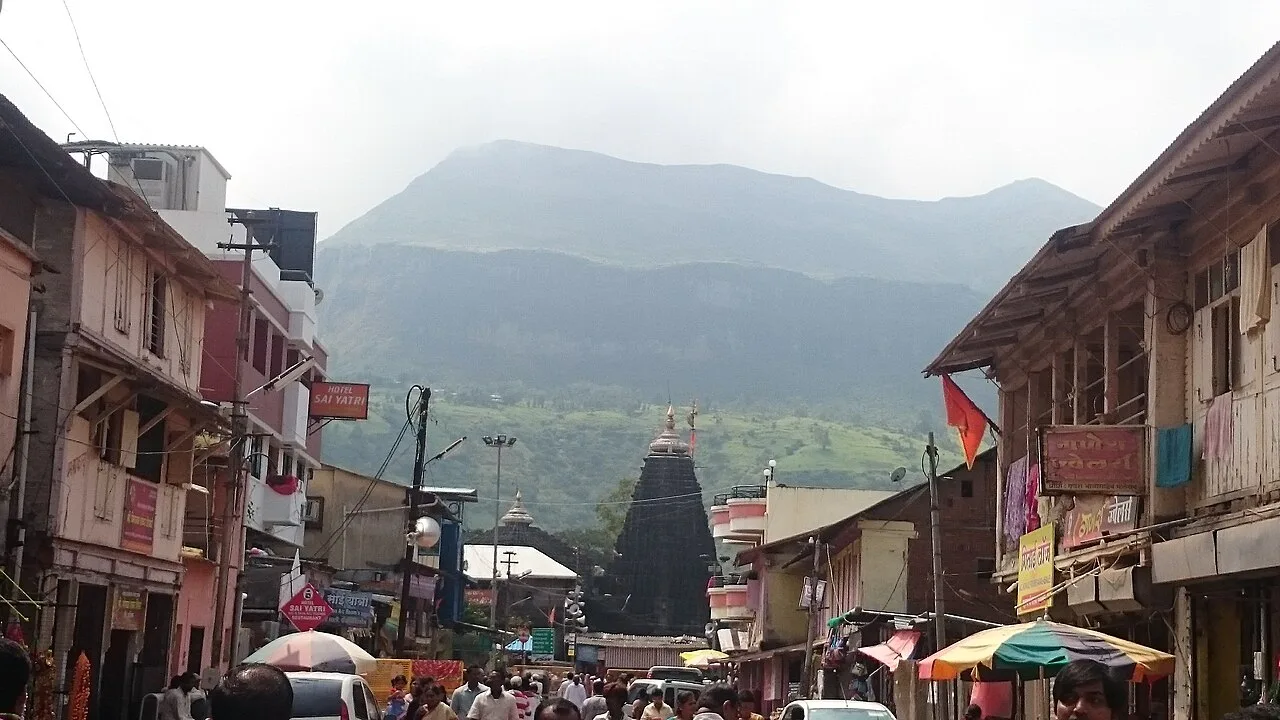
Trimbakeshwar Temple, near Trimbakeshwar

City guide · Maharashtra

Trimbakeshwar

Trimbakeshwar is a pilgrimage town in Nashik district, best known for its Shiva temple, one of the twelve Jyotirlingas revered by Hindus. Its religious importance also comes from its setting near Brahmagiri Hill, where the Godavari is believed to begin.

Famous for

  • Trimbakeshwar Shiva Temple
  • Godavari River source
  • Brahmagiri Hill
  • Simhastha Kumbh Mela
In the city
1
District
Nashik

Why Trimbakeshwar matters

Trimbakeshwar is a pilgrimage town in Nashik district, best known for its Shiva temple, one of the twelve Jyotirlingas revered by Hindus. Its religious importance also comes from its setting near Brahmagiri Hill, where the Godavari is believed to begin. At Kushavarta Kund, a sacred tank in town, pilgrims perform rituals connected with the river and their families’ religious observances. The town’s temples, kund and nearby hill paths make it a destination for worshippers as well as visitors exploring the Western Ghats foothills.

Trimbakeshwar remains closely connected to Nashik, around 30 kilometres away by road, but has its own identity as a centre of pilgrimage. It is associated with the Nashik–Trimbak Simhastha Kumbh Mela, held in a cycle of about twelve years, and attracts visitors throughout the year, especially during major Hindu festivals. The surrounding basalt hills, monsoon greenery and routes towards Brahmagiri add a natural dimension to a visit. Religious services and the needs of pilgrims are central to the town’s local life and economy.

Famous for: crafts, trade & products

Trimbakeshwar is not widely known as a centre for textiles, large-scale manufacturing or a distinctive handicraft tradition. Its best-known institutions and local trade are connected instead with pilgrimage. The Trimbakeshwar Shiva Temple draws worshippers for darshan and rituals, while Kushavarta Kund is an important place for ceremonies associated with the Godavari. The town is also known for Hindu genealogical registers maintained by priestly families; visitors seeking family records should make enquiries locally rather than expect these to function as a public archive.

Small shops and market lanes around the temple serve pilgrims with offerings, flowers, incense, devotional objects and everyday necessities. These are the most practical places to buy religious items and locally available refreshments. Ritual services, lodging and food businesses also support visitors, particularly during festival periods. Trimbakeshwar’s significance lies chiefly in its sacred sites and religious services, rather than in a particular GI-tagged product or signature commercial craft. For a broader range of regional goods and shopping, Nashik city is the nearby urban centre.

History

Trimbakeshwar’s history is closely tied to Shiva worship and the sacred landscape around Brahmagiri and the Godavari. The town’s name derives from Tryambaka, an epithet of Shiva meaning “three-eyed”. The temple has long drawn pilgrims, while its present structure reflects substantial Maratha-period patronage. The Peshwas supported the temple’s development; the black-stone building seen today is generally associated with eighteenth-century reconstruction under their rule.

Trimbak was also an early centre for the Nashik district’s Simhastha Kumbh gatherings. Following a dispute between Shaivite and Vaishnavite groups over bathing precedence in 1789, the Peshwa shifted the Vaishnavites’ bathing place to Ramkund in Nashik. Shaivites continued to regard Trimbak as the proper site for the gathering. The area passed from Maratha to British rule in the early nineteenth century. In modern times, the town has developed as a municipal centre whose public life and economy remain strongly shaped by temple pilgrimage, religious festivals and access to the surrounding hills.

Food, festivals & culture

Religious observance shapes much of daily life in Trimbakeshwar. Marathi is the principal local language; Hindi is also commonly understood by visitors and people working in pilgrimage services. The temple and Kushavarta Kund are central places of worship, with other shrines and ritual sites in and around town. Priests conduct ceremonies for pilgrims, including observances connected with the Godavari and family ancestry.

Maha Shivaratri, usually in February or March, brings worshippers to the Shiva temple. The Hindu month of Shravan, generally falling during the monsoon, is another important period for Shiva devotion. The Nashik–Trimbak Simhastha Kumbh Mela, held about every twelve years, draws especially large gatherings. Local food is typical of the region: visitors can find Maharashtrian meals, snacks such as misal and poha, and simple vegetarian fare near pilgrimage areas. Offerings and fasting practices influence what is eaten during festivals; there is no single sweet or dish that defines the town. Devotional singing and temple music are part of worship, while nearby Nashik offers a wider programme of cultural performances.

Visiting the city

October to February is generally the most comfortable season for visiting, with cooler conditions for temple visits and walks. The monsoon brings lush scenery around Brahmagiri, but trails can be slippery and rain may disrupt outdoor plans. Nashik Airport at Ozar is the nearest airport; services may be limited. Nashik Road is the main railway station for the area, with onward travel by road to Trimbakeshwar.

Buses and taxis connect the town with Nashik, and local auto-rickshaws can help with short trips. The temple precinct and Kushavarta Kund are best explored on foot. Allow time for the lanes and market around the shrine, and for the Brahmagiri area if conditions and fitness permit. Nashik makes a useful base for wider regional excursions.

Attractions

Places to visit in Trimbakeshwar

Sights within about 12 km of each other, even when they fall in different districts.

Map

Trimbakeshwar on the map

  1. 1Trimbakeshwar Temple

Maharashtra

Other cities to explore