Ghumoopedia — Explore, Discover, Experience
Sign in
Panchgani, near Bhor

City guide · Maharashtra

Bhor

Bhor is a small municipal town in Pune district, set amid the hill country south of Pune. Its location in the Sahyadri region gives it a quieter, rural character than the larger cities nearby, while its roads connect local villages and farming communities with Pune and other parts of the district.

Famous for

  • Bhor Rajwada palace
  • Bhatghar Dam
  • Rohida Fort
  • Sahyadri hill scenery
Plan a tripHotels near Bhor

Why Bhor matters

Bhor is a small municipal town in Pune district, set amid the hill country south of Pune. Its location in the Sahyadri region gives it a quieter, rural character than the larger cities nearby, while its roads connect local villages and farming communities with Pune and other parts of the district. The town also retains the legacy of Bhor’s former princely state, ruled by the Pant Sachiv family.

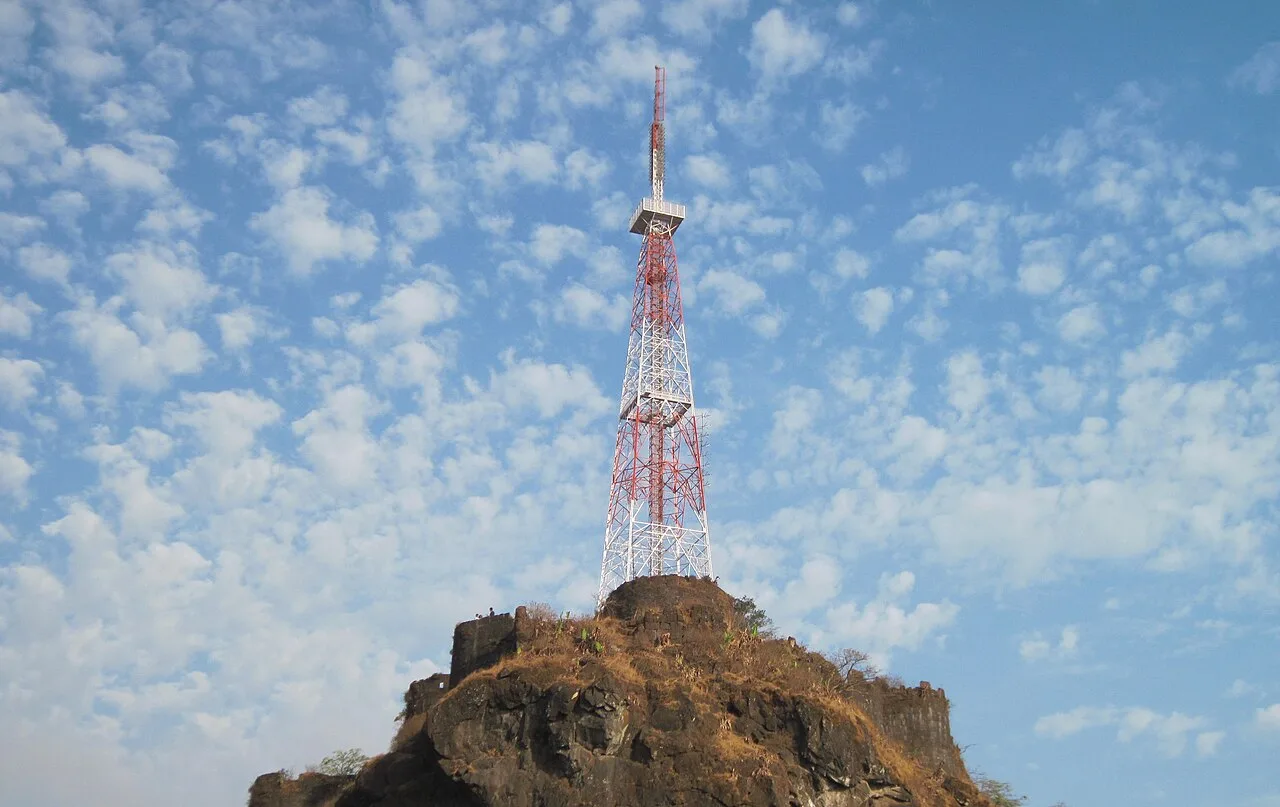
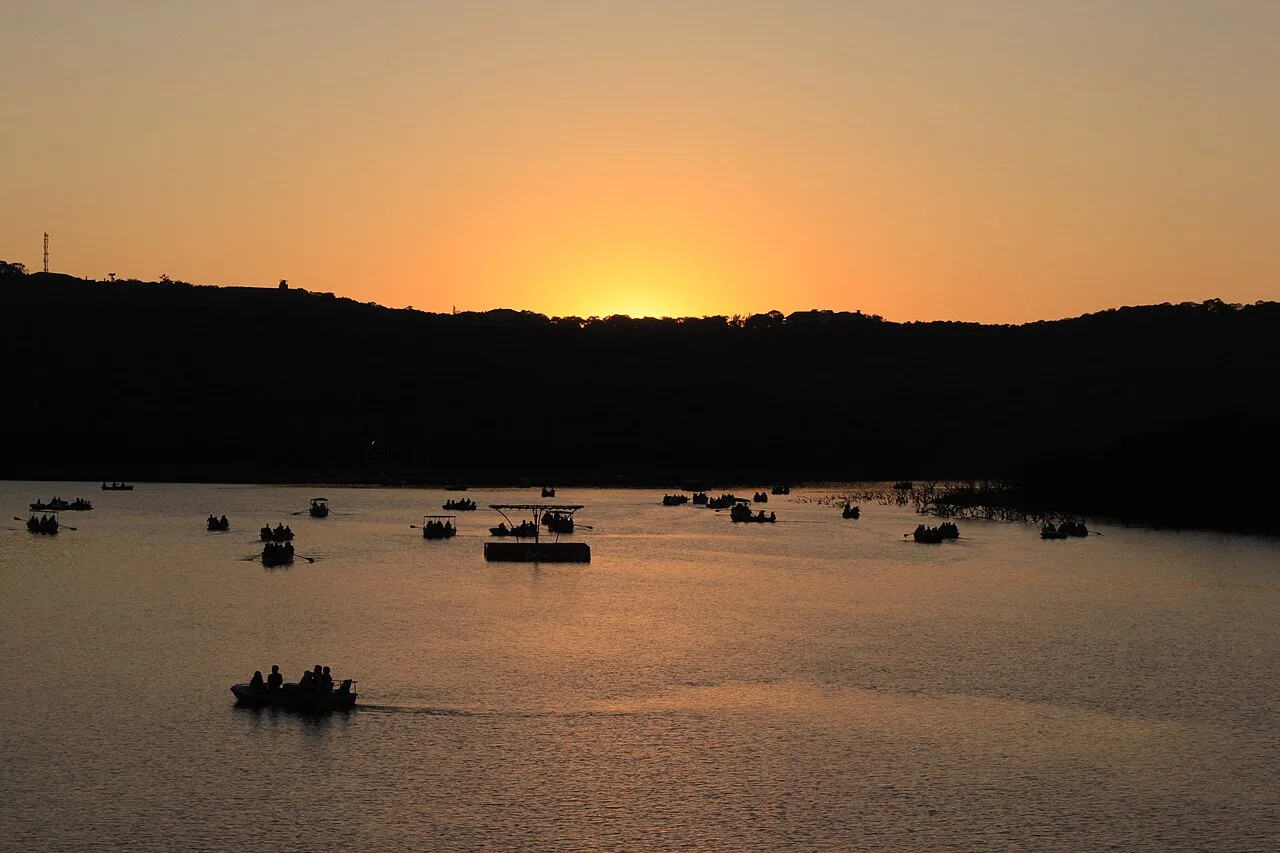
Visitors come for the historic Bhor Rajwada, the former rulers’ palace, and for nearby sights such as Bhatghar Dam and Rohida Fort. The surrounding landscape—green hills, valleys and reservoir views—is especially appealing during and after the monsoon, though conditions can be wet. Bhor is a useful base for short excursions rather than a major urban sightseeing centre. At an elevation of about 588 metres, it offers a change of pace from Pune, with local markets and everyday town life adding to the visit.
Famous for: crafts, trade & products

Bhor is best known for its historical and regional setting, not for a signature textile, handicraft or widely recognised GI-tagged product. The Bhor Rajwada is its most distinctive heritage landmark, while Bhatghar Dam and the surrounding countryside draw visitors interested in scenery and local excursions. Nearby Rohida Fort adds to the area’s appeal for people exploring Maratha-era sites and hill forts.

The town’s shops and bazaar primarily serve residents and nearby villages. Visitors can browse for everyday goods, snacks and locally used household items, but should not expect a specialist craft district or a large destination market. Agriculture and small-scale local commerce are part of the surrounding economy; Bhor is not generally known as a major manufacturing or textile centre. For a wider choice of branded goods, specialist crafts and larger retail outlets, Pune is the regional option. The town’s value for visitors lies chiefly in its heritage, access to the countryside and role as a service centre for the local area.

History

Bhor’s history is closely linked to the Pant Sachiv family, whose rulers governed the former princely state of Bhor. The family held an important administrative position in the Maratha political order, and the town developed as the state’s centre. The Bhor Rajwada, associated with the ruling household, remains a visible reminder of that period and of the town’s former political importance.

During British rule, Bhor continued as a princely state under British paramountcy rather than being administered as an ordinary district town. After Indian independence, the state joined the Indian Union in 1948 and was incorporated into the reorganised Bombay State; Bhor later became part of Maharashtra when the state was formed in 1960. In modern times, the town has developed as a municipal and market centre serving surrounding settlements. Its historic buildings and nearby forts and dams now contribute to local heritage and regional tourism.

Food, festivals & culture

Marathi is the principal language of daily life, with Hindi also understood by many people. Meals reflect familiar Maharashtrian home cooking: bhakri, pithla or zunka, vegetables, lentils and rice. Puran poli is commonly associated with festive meals, particularly around Holi and Gudi Padwa, while local eateries offer straightforward snacks and tea rather than a specialised food scene.

Ganesh Chaturthi, usually in August or September, is marked with household and community celebrations. Gudi Padwa in spring, Diwali in autumn and Navratri are also observed; temple gatherings and fairs may enliven the surrounding area. Religious life includes local Hindu temples as well as places of worship for other communities. Kirtan, bhajan and powada are part of the wider Marathi cultural tradition, while lavani and other folk forms are familiar across the region. Performances and celebrations are generally community-based rather than staged as a regular tourist programme.

Visiting the city

October to February is usually the most comfortable period for exploring Bhor and its nearby heritage sites. The monsoon, broadly from June to September, brings lush scenery but can mean heavy rain and slippery paths around hills and forts. Pune International Airport is the nearest major airport, and Pune Junction is the main railway station for rail connections; onward travel to Bhor is by road.

State transport buses, taxis and private vehicles connect Bhor with Pune and nearby towns. Auto-rickshaws are useful for short trips within town, though visitors may need to arrange a vehicle for outlying sights. Explore the old town and Rajwada area, then plan separate outings towards Bhatghar Dam or Rohida Fort. Check local road conditions before setting out, especially during the rains.

Trips from the city

Nearest places to visit from Bhor

Our closest destination guides, by straight-line distance.

Panchgani

25 km away · Satara district

Panchgani

Panchgani, also known as Paachgani, is a hill station in Maharashtra’s Satara district with municipal-council status. Visitors come throughout the year, and its many convent boarding schools are also well known.

Sinhagad

26 km away · Pune district

Sinhagad

Sinhagad is an ancient hill fort near Pune, Maharashtra, valued for its history and as a destination for walks and weekend outings from the city.

28 km away · Satara district

Bhilar (Book Village)

Bhilar is a village in Maharashtra’s Satara district, known as the Book Village. Visitors may be drawn by its distinctive association with books.

Mahabaleshwar

32 km away · Satara district

Mahabaleshwar

Mahabaleshwar is a town and municipal council in Satara district, Maharashtra. People visit for its religious connection to the sacred Krishna River and five tributaries, as well as its history as a hill station.

Jejuri

36 km away · Pune district

Jejuri

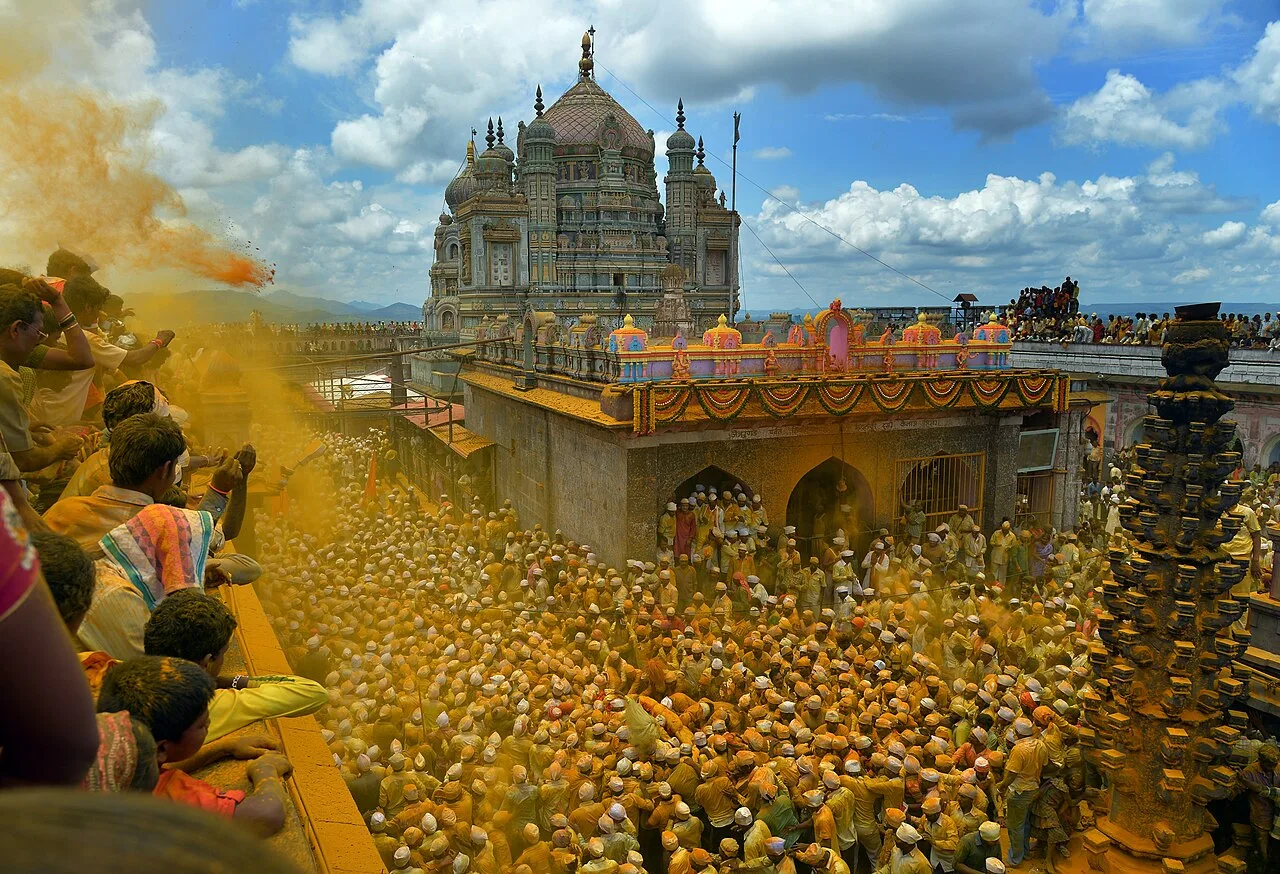
Jejuri, a city with a municipal council in Pune district, Maharashtra, is known for the Khandoba Mandir, an important Hindu pilgrimage site for communities across the state.

Pratapgad

37 km away · Satara district

Pratapgad

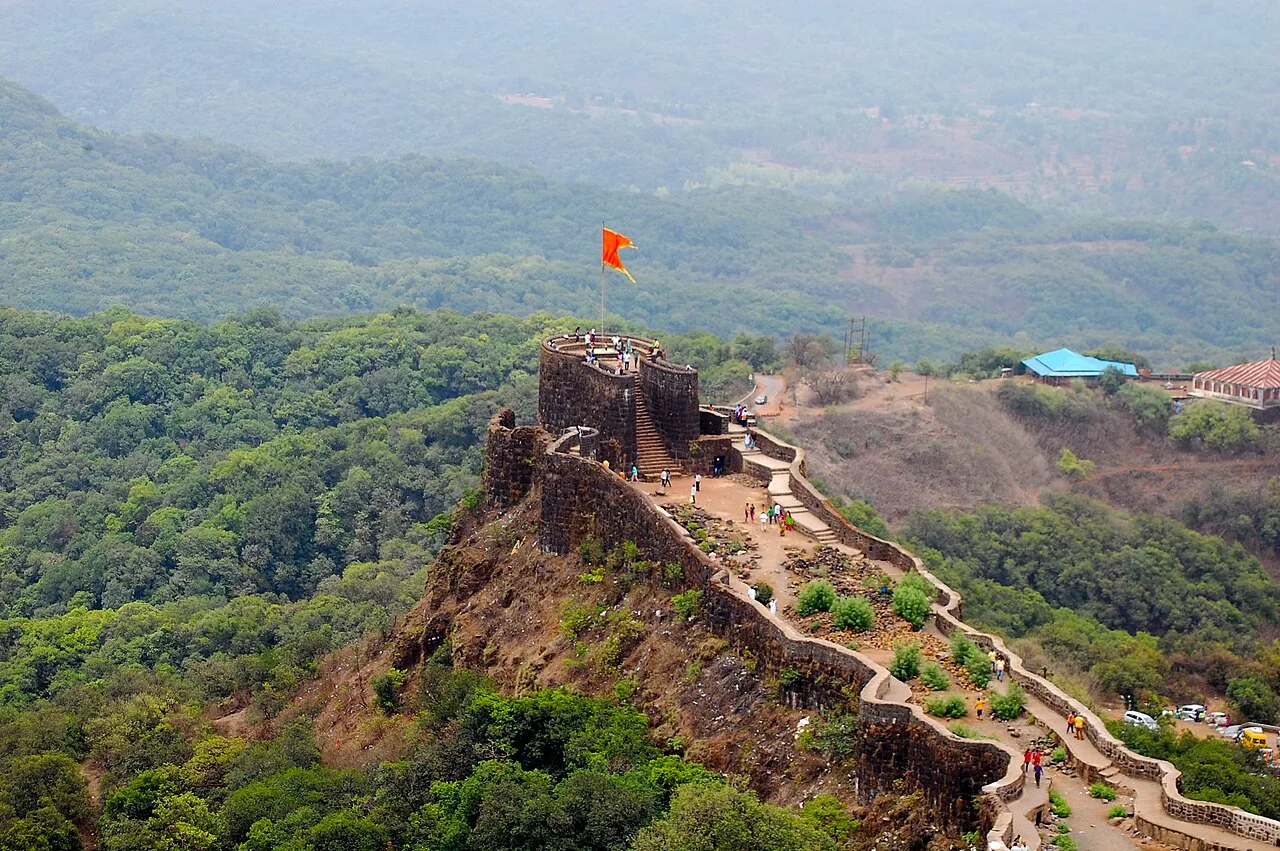
Pratapgad is a hilltop fort in Maharashtra’s Satara district, known for its part in the 1659 battle between Chatrapati Shivaji Maharaj and Afzal Khan and for its historic fortifications.

Raja Dinkar Kelkar Museum

40 km away · Pune district

Raja Dinkar Kelkar Museum

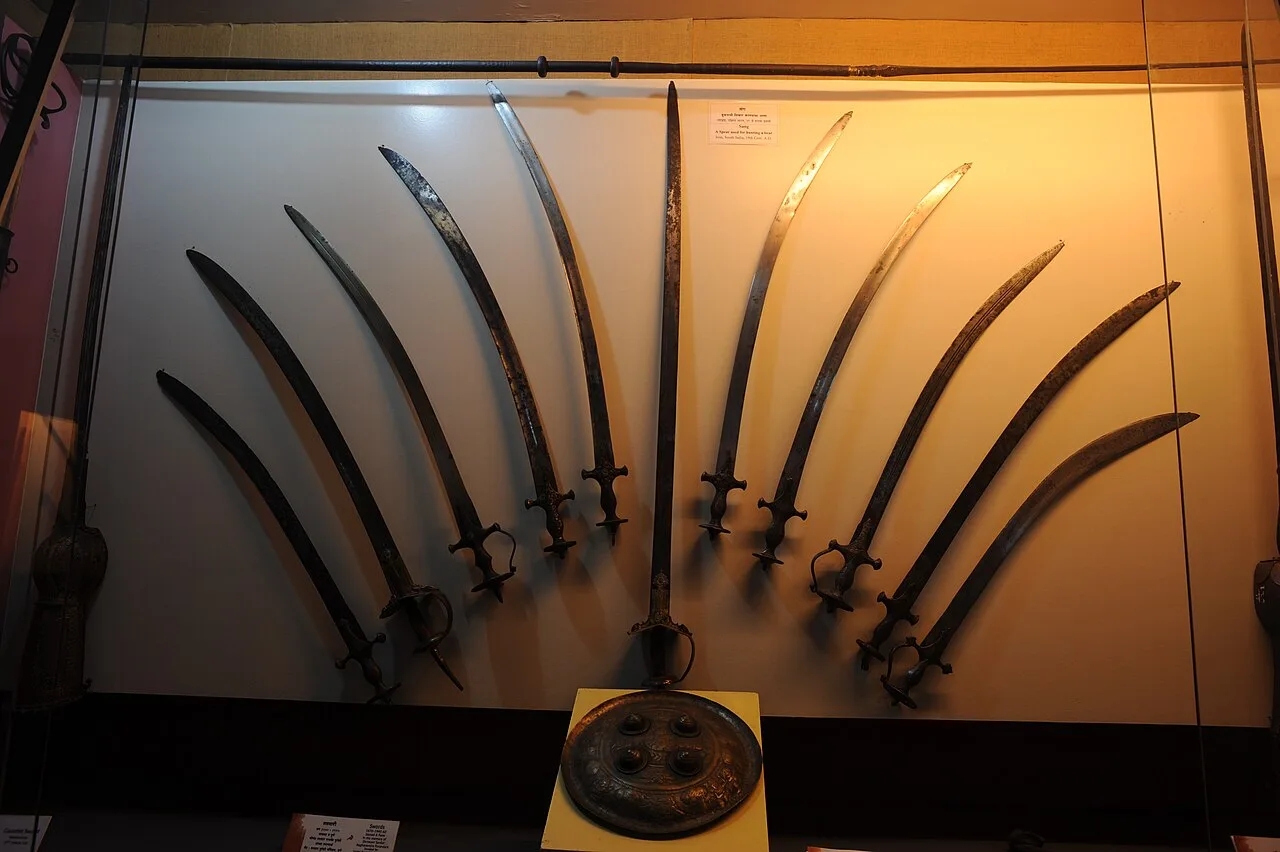
In Pune, Maharashtra, Raja Dinkar Kelkar Museum displays Dr. Dinkar G. Kelkar’s collection, attracting visitors interested in sculptures, musical instruments, ornaments, war weapons and vessels.

Dagadusheth Halwai Ganapati Temple

41 km away · Pune district

Dagadusheth Halwai Ganapati Temple

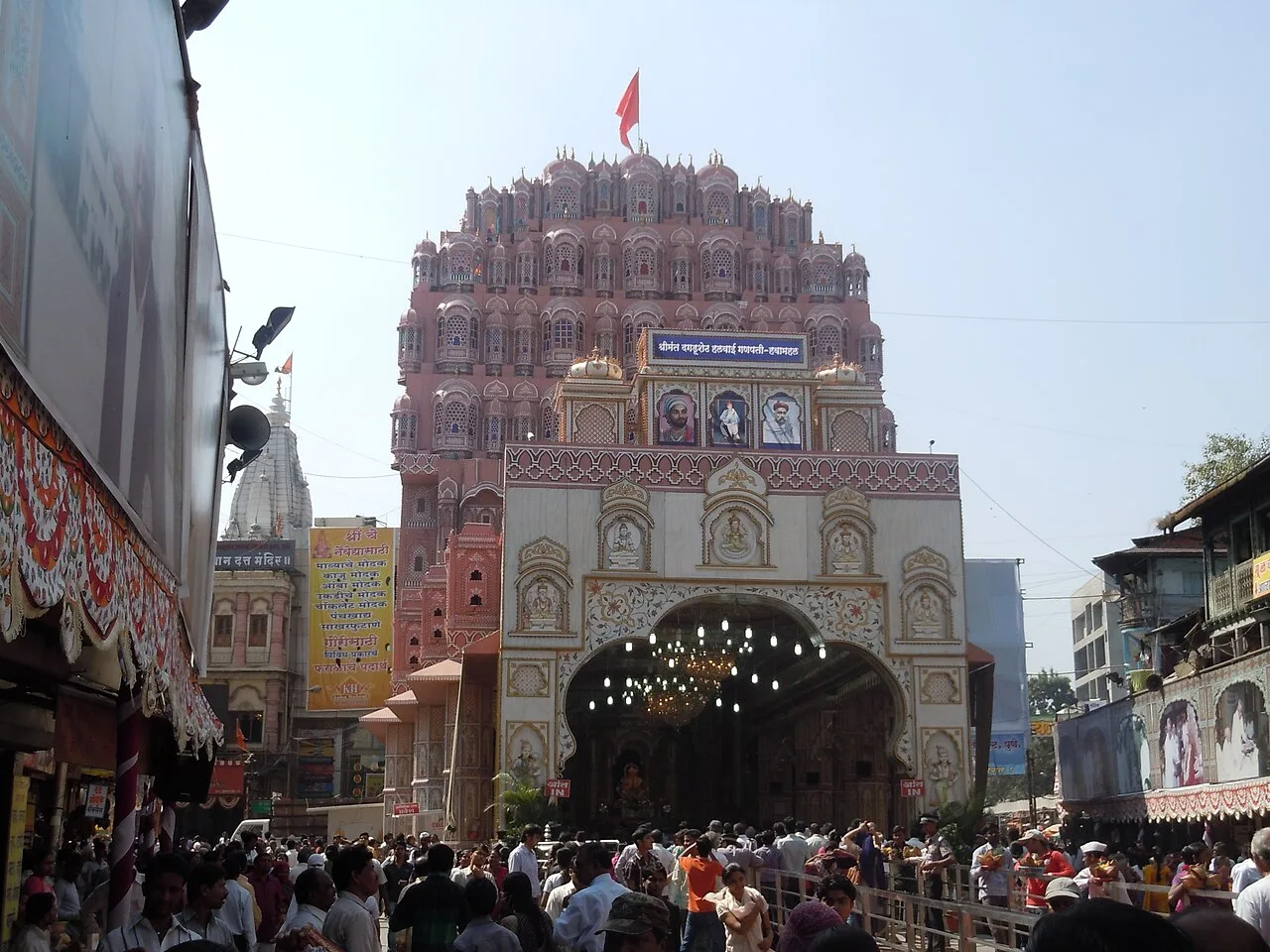
In Pune, Maharashtra, Dagadusheth Halwai Ganapati Temple honours Ganesha and draws devotees throughout the year, especially for the annual ten-day public Ganeshotsav celebration.

Map

Bhor on the map

  1. 1Panchgani
  2. 2Sinhagad
  3. 3Bhilar (Book Village)
  4. 4Mahabaleshwar
  5. 5Jejuri
  6. 6Pratapgad
  7. 7Raja Dinkar Kelkar Museum
  8. 8Dagadusheth Halwai Ganapati Temple

Maharashtra

Other cities to explore