Ghumoopedia — Explore, Discover, Experience
Sign in
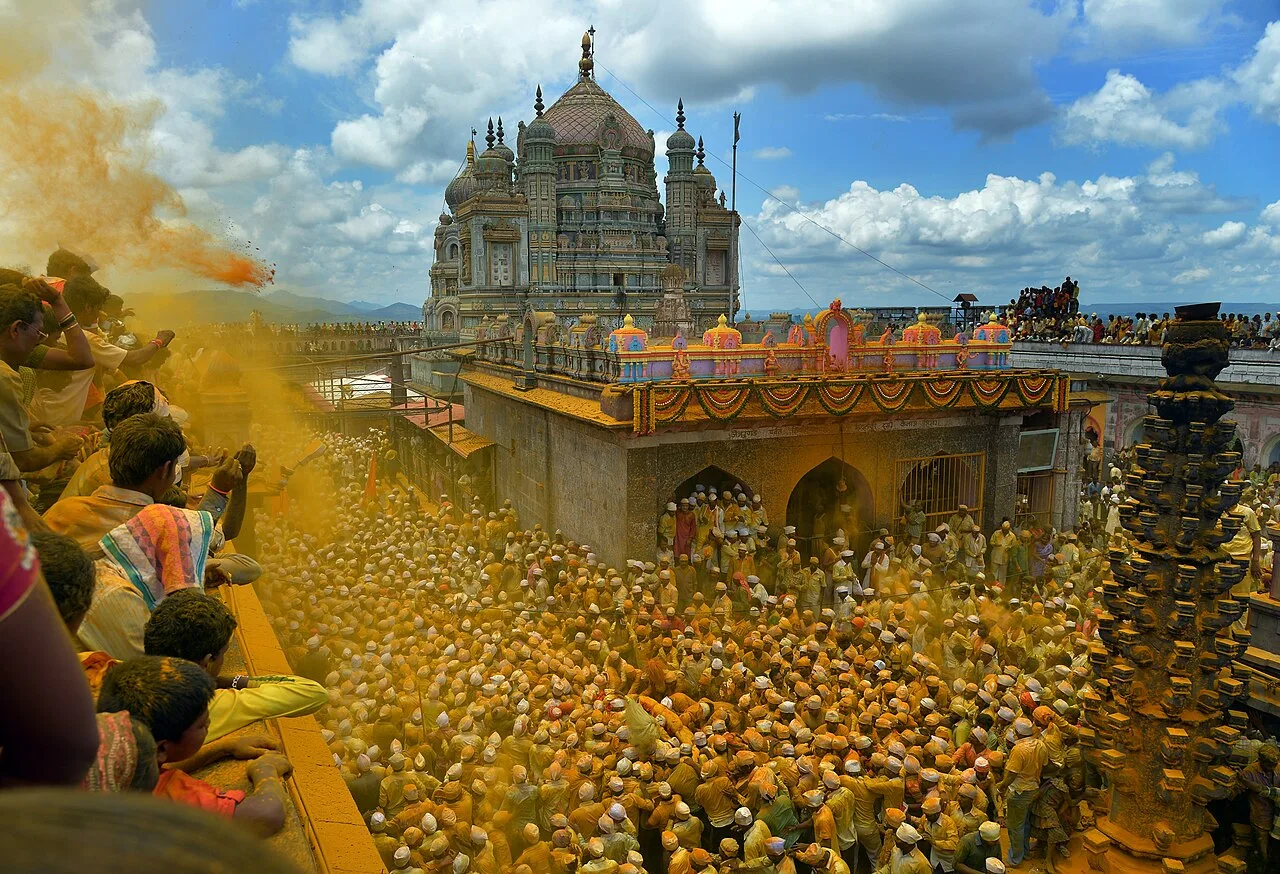
Jejuri, near Lonand

City guide · Maharashtra

Lonand

Lonand is a municipal town in Satara district, set near the boundary with Pune district. Its position between the Pune and Satara regions gives it a practical role as a local centre for travel, services and everyday trade.

Famous for

  • Khemavati river setting
  • Lonand railway junction
  • Pune–Satara regional connections
  • Satara–Pune district-border location

Why Lonand matters

Lonand is a municipal town in Satara district, set near the boundary with Pune district. Its position between the Pune and Satara regions gives it a practical role as a local centre for travel, services and everyday trade. The Khemavati river runs by the town, and its elevation of about 597 metres places it in the Deccan plateau landscape of western Maharashtra.

Lonand is best understood as a working regional town rather than a destination built around a large landmark or a nationally known craft. Its railway connection and road links make it a useful stop for people travelling between nearby towns, while visitors may use it as a base for exploring the surrounding countryside and settlements. Pune is about 81 kilometres away; Wai and Satara are each roughly 47 kilometres away, and Phaltan is about 30 kilometres away. The town’s appeal lies in this accessible location, its everyday Maharashtrian character and its riverside setting. Travellers should not expect a major cluster of tourist attractions, but can experience a quieter side of the Satara region.
Famous for: crafts, trade & products

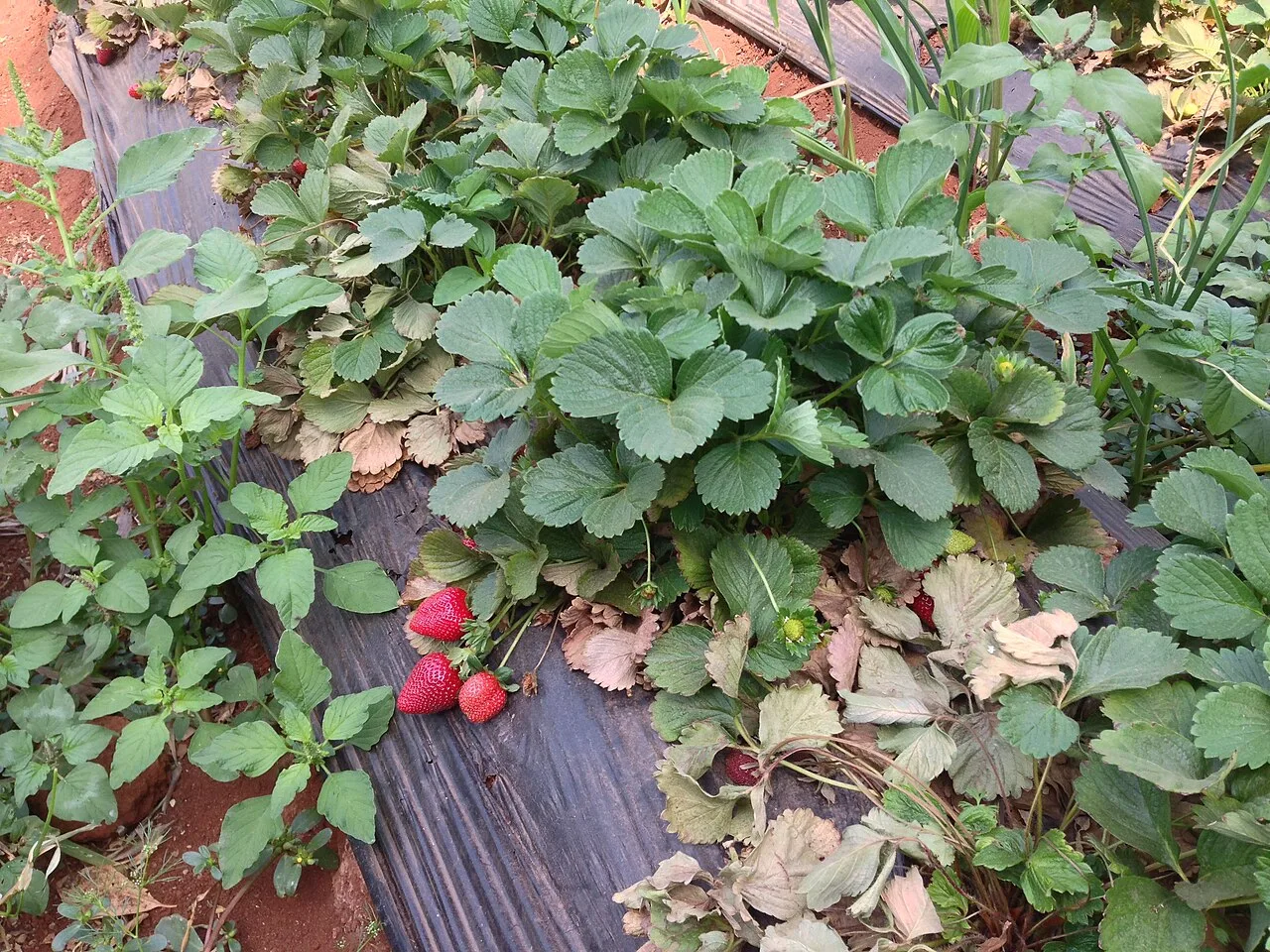
Lonand is not widely identified with a signature textile, handicraft or GI-tagged product. It is better known as a local service and trading town whose shops cater to residents and people from surrounding settlements. The town’s commercial activity is practical and everyday in character, rather than a specialist destination for luxury shopping or heritage crafts.

For daily goods and locally traded produce, explore the central bazaar and streets around the town centre and railway station. Small shops and market stalls are the likeliest places to find household supplies, snacks and seasonal items; availability varies. There is no established, well-documented craft quarter or dedicated market for a particular Lonand-made product, so visitors seeking recognised Satara-region specialties may need to ask local shopkeepers about current stock or look in larger nearby towns. The railway and road connections support Lonand’s role as a convenient stop for local commerce, but the town is not especially known for large-scale textile production or a distinct tourist-shopping scene.

History

Lonand lies in a region shaped by the political history of the Deccan and the nearby Satara area, including the Maratha period and later British administration.

Its development is more clearly understood through its role as a local settlement at the edge of Pune and Satara districts. Rail and road links strengthened its connections with surrounding towns and helped it serve as a convenient point for movement and commerce. The presence of a railway station at Lonand is an important part of that modern regional role. In contemporary times, municipal administration and local businesses support the town’s daily needs, while its location continues to connect smaller communities with larger centres such as Pune and Satara. Its history is therefore chiefly one of gradual growth as a transport-linked regional town, rather than a place defined by a single monument or recorded political event.

Food, festivals & culture

Marathi is the principal language of daily life in Lonand; Hindi is also understood by some residents and visitors. The town shares the food culture common across this part of Maharashtra. Everyday meals may include bhakri, pithla or zunka, vegetables, rice and thecha. Puran poli is associated with festive meals, while tea and simple savoury snacks are common throughout the day. These are regional favourites rather than dishes unique to Lonand.

Ganeshotsav, usually observed in the monsoon season, and Diwali in autumn are prominent occasions across Maharashtra. Makar Sankranti in January and Holi near the end of winter are also celebrated. Local observances vary by neighbourhood and year. Worship is part of everyday community life, with neighbourhood temples and other places of worship serving residents; visitors should dress respectfully and follow local customs. Marathi devotional music and popular film music are familiar parts of celebrations, while forms such as lavani belong to the wider cultural landscape of Maharashtra.

Visiting the city

The cooler months, roughly October to February, are generally the most comfortable for visiting. Monsoon brings seasonal rain, while summers can be hot. Pune International Airport is the nearest major airport for most travellers; onward travel to Lonand is by road or rail. The town’s main railway station is Lonand Junction. Check current connections before setting out, as routes and services can change.

Auto-rickshaws and local taxis are useful for short journeys, and buses connect Lonand with nearby towns. The station area and central bazaar offer a look at everyday town life. Visitors can also explore accessible stretches near the Khemavati river, taking care to check local conditions, especially after rain. Lonand is compact enough for brief visits, but a vehicle is useful for reaching attractions and settlements beyond the town.

Trips from the city

Nearest places to visit from Lonand

Our closest destination guides, by straight-line distance.

Jejuri

26 km away · Pune district

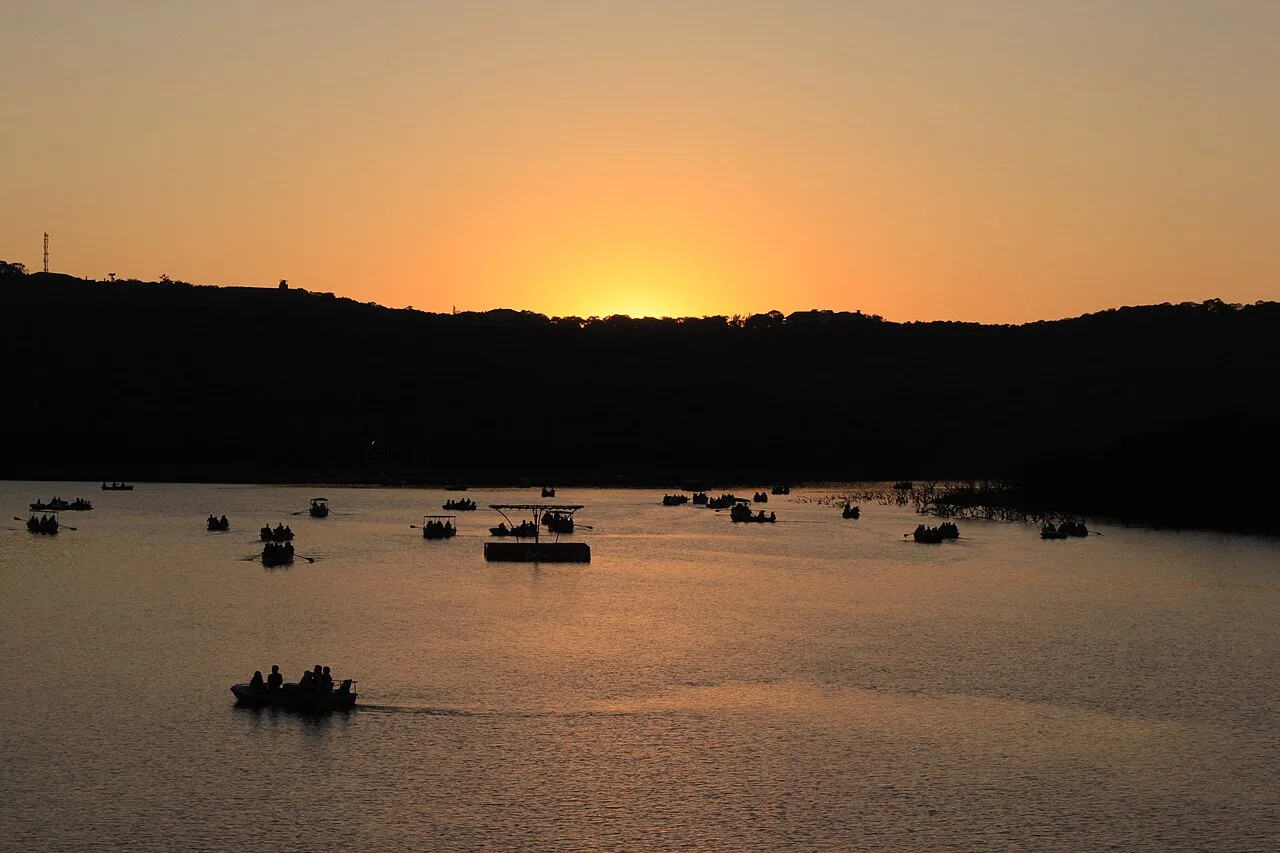
Jejuri

Jejuri, a city with a municipal council in Pune district, Maharashtra, is known for the Khandoba Mandir, an important Hindu pilgrimage site for communities across the state.

Panchgani

43 km away · Satara district

Panchgani

Panchgani, also known as Paachgani, is a hill station in Maharashtra’s Satara district with municipal-council status. Visitors come throughout the year, and its many convent boarding schools are also well known.

47 km away · Satara district

Bhilar (Book Village)

Bhilar is a village in Maharashtra’s Satara district, known as the Book Village. Visitors may be drawn by its distinctive association with books.

Kaas Plateau

53 km away · Satara district

Kaas Plateau

Kaas Plateau is a high basalt tableland and reserve forest in Maharashtra’s Satara district. Its seasonal wildflowers, endemic butterflies and distinctive plants make it a destination for nature visits, especially in August and September.

Mahabaleshwar

57 km away · Satara district

Mahabaleshwar

Mahabaleshwar is a town and municipal council in Satara district, Maharashtra. People visit for its religious connection to the sacred Krishna River and five tributaries, as well as its history as a hill station.

Sinhagad

58 km away · Pune district

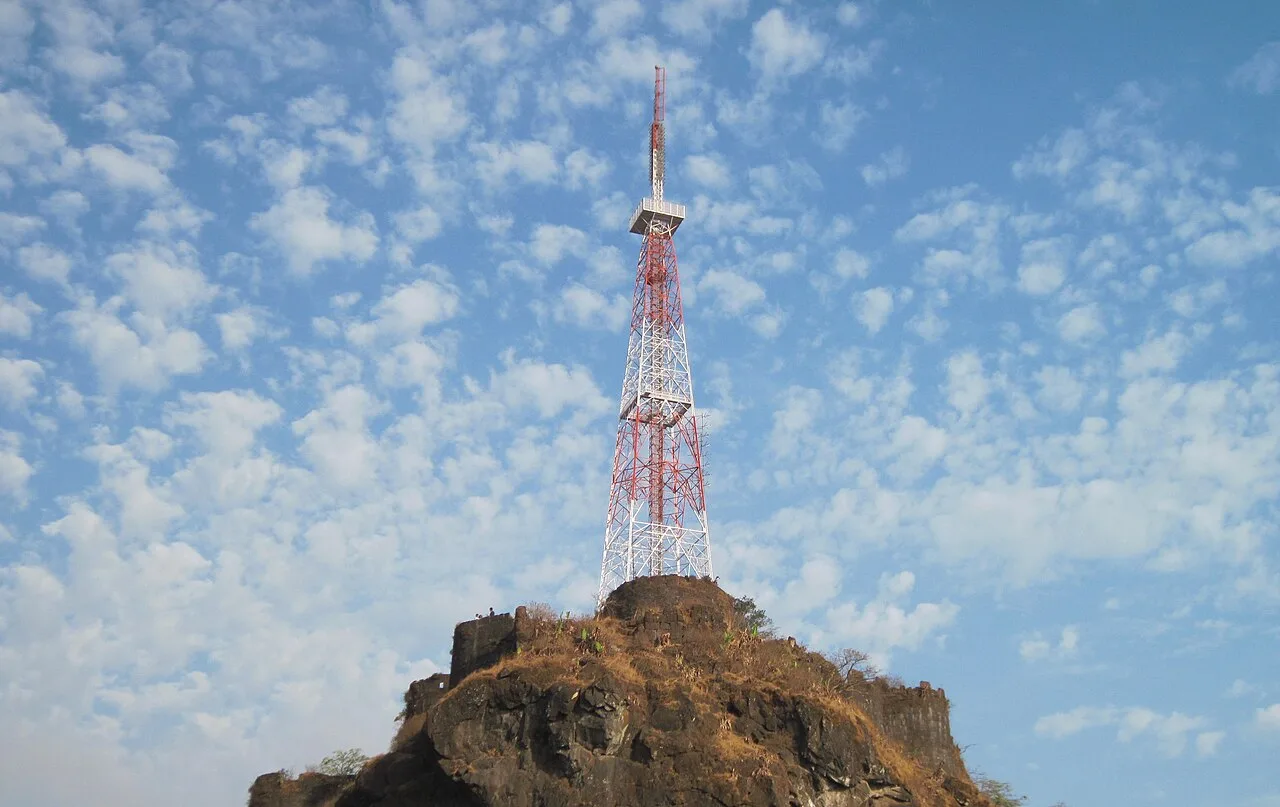
Sinhagad

Sinhagad is an ancient hill fort near Pune, Maharashtra, valued for its history and as a destination for walks and weekend outings from the city.

Thoseghar Falls

61 km away · Satara district

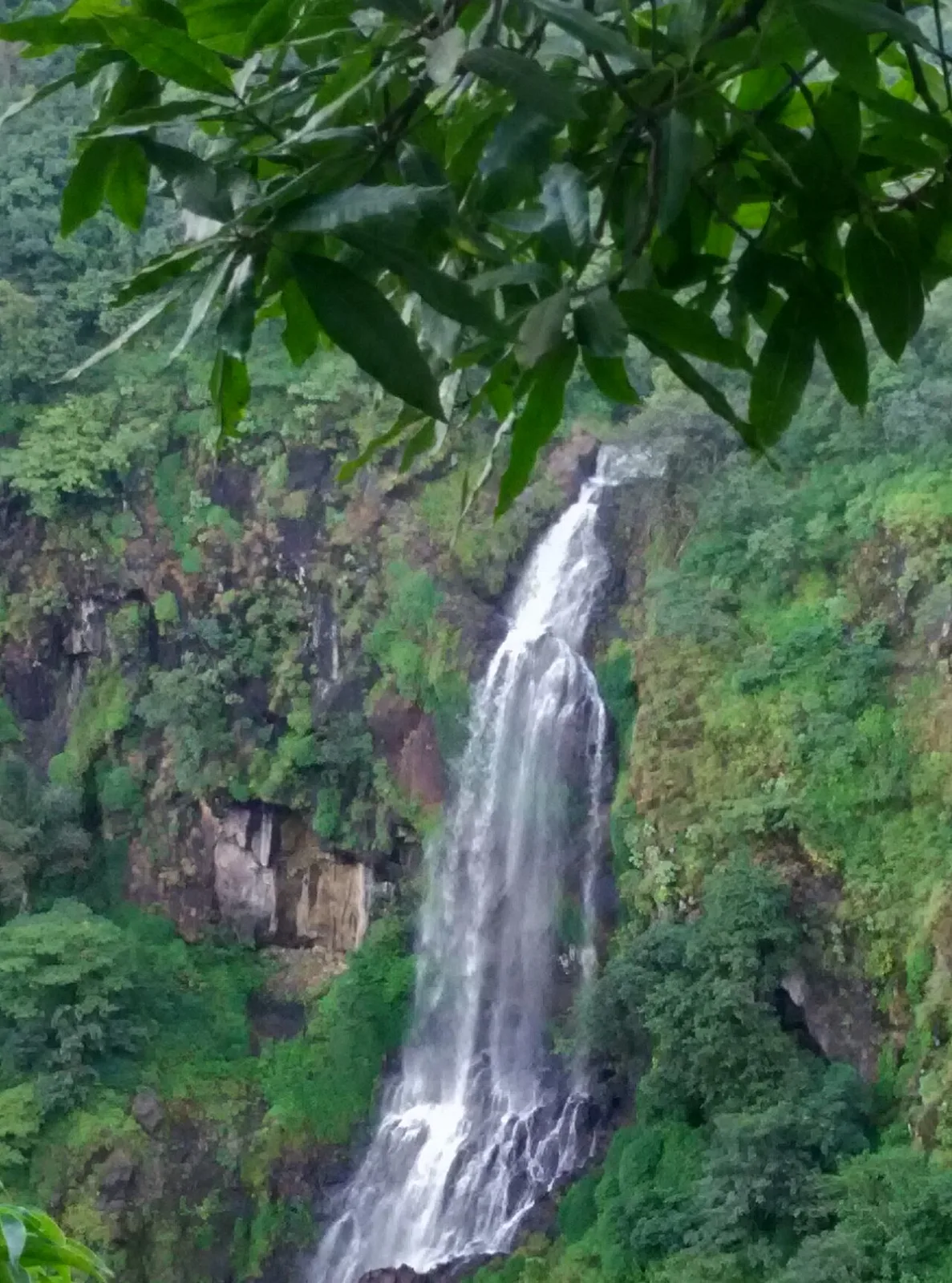
Thoseghar Falls

Thoseghar Falls is a series of cascades near Thoseghar village in Maharashtra’s Satara district. Visitors come to see the waterfalls, especially during the monsoon, when rainfall swells their flow.

Dagadusheth Halwai Ganapati Temple

63 km away · Pune district

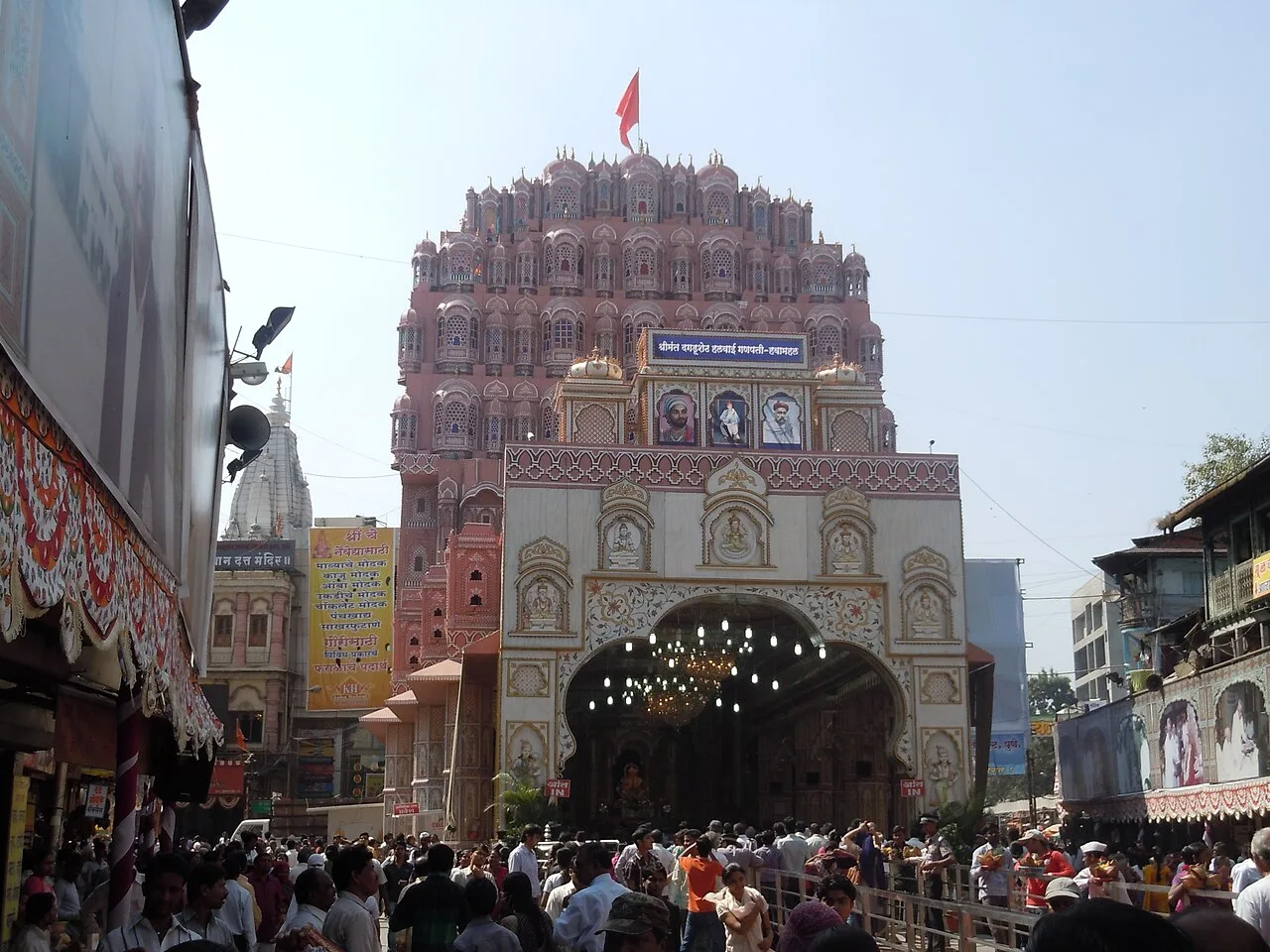
Dagadusheth Halwai Ganapati Temple

In Pune, Maharashtra, Dagadusheth Halwai Ganapati Temple honours Ganesha and draws devotees throughout the year, especially for the annual ten-day public Ganeshotsav celebration.

Map

Lonand on the map

  1. 1Jejuri
  2. 2Panchgani
  3. 3Bhilar (Book Village)
  4. 4Kaas Plateau
  5. 5Mahabaleshwar
  6. 6Sinhagad
  7. 7Thoseghar Falls
  8. 8Dagadusheth Halwai Ganapati Temple

Maharashtra

Other cities to explore