Ghumoopedia — Explore, Discover, Experience
Sign in
Shirdi Sai Baba Temple, near Vaijapur

City guide · Maharashtra

Vaijapur

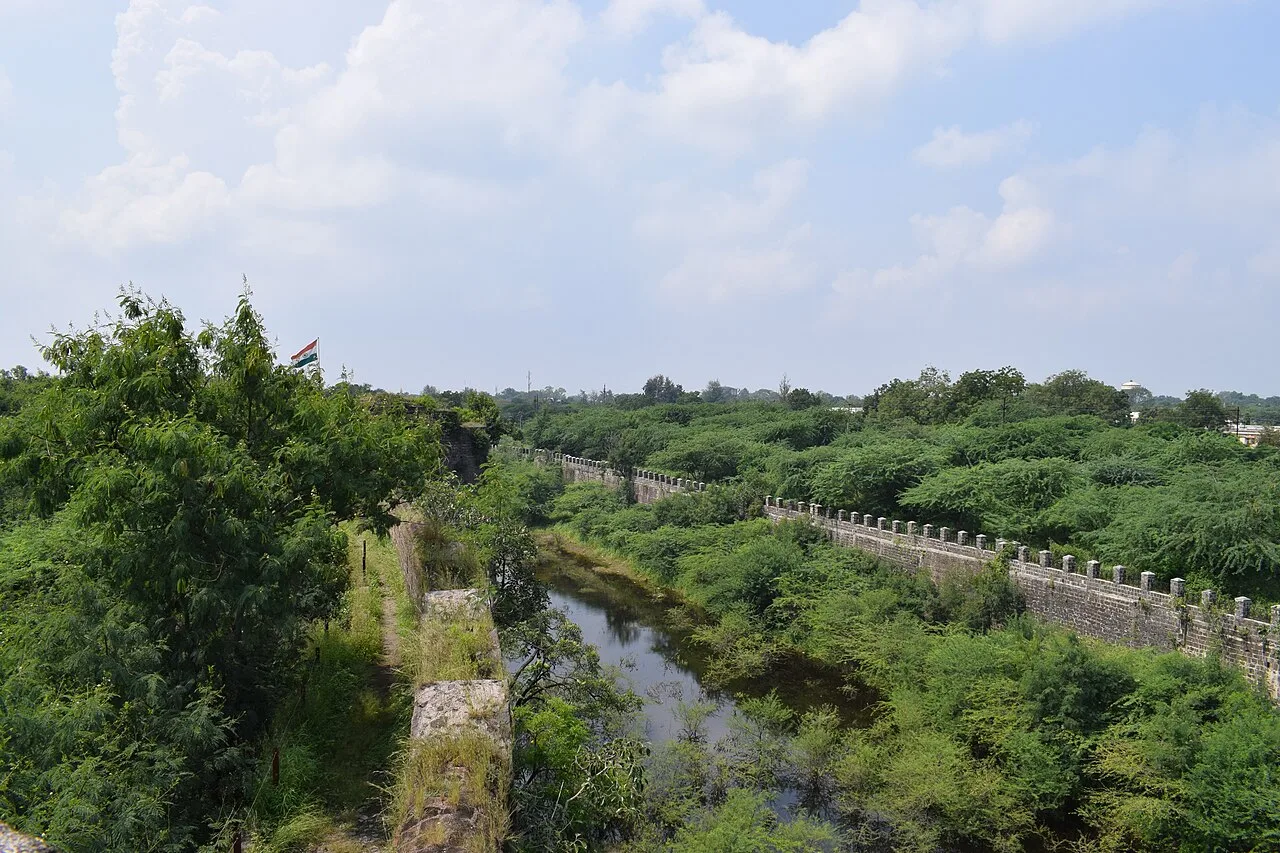
Vaijapur is a municipal town and tehsil headquarters in Maharashtra’s Chhatrapati Sambhajinagar district. Set on the western edge of the Deccan plateau, it is often described as a gateway to Marathwada: its position links the region with areas to the west, including Nashik district.

Famous for

  • Gateway to Marathwada
  • Battle of Palkhed
  • Narangi River setting
  • Vaijanath temple tradition
  • Historic stone merchant houses

Why Vaijapur matters

Vaijapur is a municipal town and tehsil headquarters in Maharashtra’s Chhatrapati Sambhajinagar district. Set on the western edge of the Deccan plateau, it is often described as a gateway to Marathwada: its position links the region with areas to the west, including Nashik district. Today, the town serves local communities through administration, trade and everyday services, while the surrounding countryside gives it the character of a regional market centre.

For visitors, Vaijapur’s appeal is quieter and more historical than that of a major tourist hub. Its strongest connection to wider Indian history is the Battle of Palkhed, fought in 1728 between the forces of the Nizam and the Marathas under Peshwa Bajirao. The Narangi River and the town’s older stone buildings add to its sense of place. A local tradition links the name Vaijapur with a shrine to Vaijanath, though it is not a widely promoted pilgrimage destination. Vaijapur can also serve as a base for exploring the broader Marathwada region.
Famous for: crafts, trade & products

Vaijapur is best understood as a local trading and service centre rather than a destination known for a signature textile, handicraft or GI-tagged product. There is no widely established Vaijapur-specific saree, craft or packaged food associated with the town. Its everyday commerce serves residents and the surrounding rural area, with shops and market activity centred on daily needs and agricultural trade.

Visitors can browse the central market area for ordinary household goods, clothing and seasonal farm produce, while keeping expectations in line with a working regional town rather than a specialist craft bazaar. The town’s older stone houses are a notable part of its built heritage: some traditional merchant residences use substantial stonework below and brickwork above. These buildings offer a glimpse of earlier local prosperity, although they are not presented as a formal shopping or heritage district. For distinctive crafts or well-known regional products, travellers may need to look in larger centres elsewhere in Maharashtra.

History

Vaijapur’s setting on routes across the western Deccan has given it a role as a local administrative and trading centre. Its name is associated in local tradition with a Vaijanath linga said to have been found while a field was being ploughed; another story connects it with a woman called Vaija. Older stone merchant houses reflect a period of local prosperity.

The area entered a major political contest during the 1720s, when the Nizam sought to consolidate power in the Deccan and the Marathas expanded their influence. In 1728, Bajirao’s forces compelled the Nizam to negotiate after the Battle of Palkhed, a turning point in their rivalry. The region later formed part of the Hyderabad State, which became part of India in 1948, and was incorporated into Maharashtra when the state was formed in 1960. Vaijapur became a municipality in 1944 and has continued to develop as the headquarters of its tehsil.

Food, festivals & culture

Everyday food in Vaijapur reflects the cooking of inland Maharashtra. Meals commonly draw on bhakri or other breads, lentils, rice and vegetable dishes; pithla and zunka are familiar regional choices. Sweets and snacks vary by household and season, and the town is not especially known for a single signature confection. The central market is a practical place to find everyday snacks and provisions.

Marathi is the principal language of the area; Hindi and Urdu are also used. Ganeshotsav, usually celebrated in the monsoon season, and the autumn festivals of Navratri and Diwali bring worship, gatherings and neighbourhood events. Holi is observed around the end of winter, while Muslim residents mark occasions including Eid. Temples and mosques serve as important places of worship and community life. Bhajans, kirtan and devotional singing are part of religious observances, while lavani and other Marathi folk forms belong to the wider cultural traditions of the region rather than being unique to Vaijapur.

Visiting the city

The cooler months, roughly November to February, are generally the most comfortable for exploring Vaijapur. Summers can be very hot, while the June-to-September monsoon brings rain. The nearest commercial airport is Chhatrapati Sambhajinagar Airport, formerly known as Aurangabad Airport. Vaijapur Railway Station serves the town; check current connections when planning a journey.

Auto-rickshaws and local road transport are useful for getting around, and the central market area is best explored on foot. A walk through the older town can reveal traditional stone houses and everyday market life; the Narangi River edge offers a sense of the town’s setting. Palkhed, associated with the historic battle, is an excursion in the surrounding region rather than a central city attraction. Vaijapur also works as a stop on a wider Marathwada itinerary.

Trips from the city

Nearest places to visit from Vaijapur

Our closest destination guides, by straight-line distance.

Shirdi Sai Baba Temple

31 km away · Ahilyanagar district

Shirdi Sai Baba Temple

The Shirdi Sai Baba Temple is a pilgrimage destination in Maharashtra, visited because of its association with Sai Baba, the nineteenth-century Indian saint closely connected with the town.

Ellora Caves

48 km away · Chhatrapati Sambhajinagar district

Ellora Caves

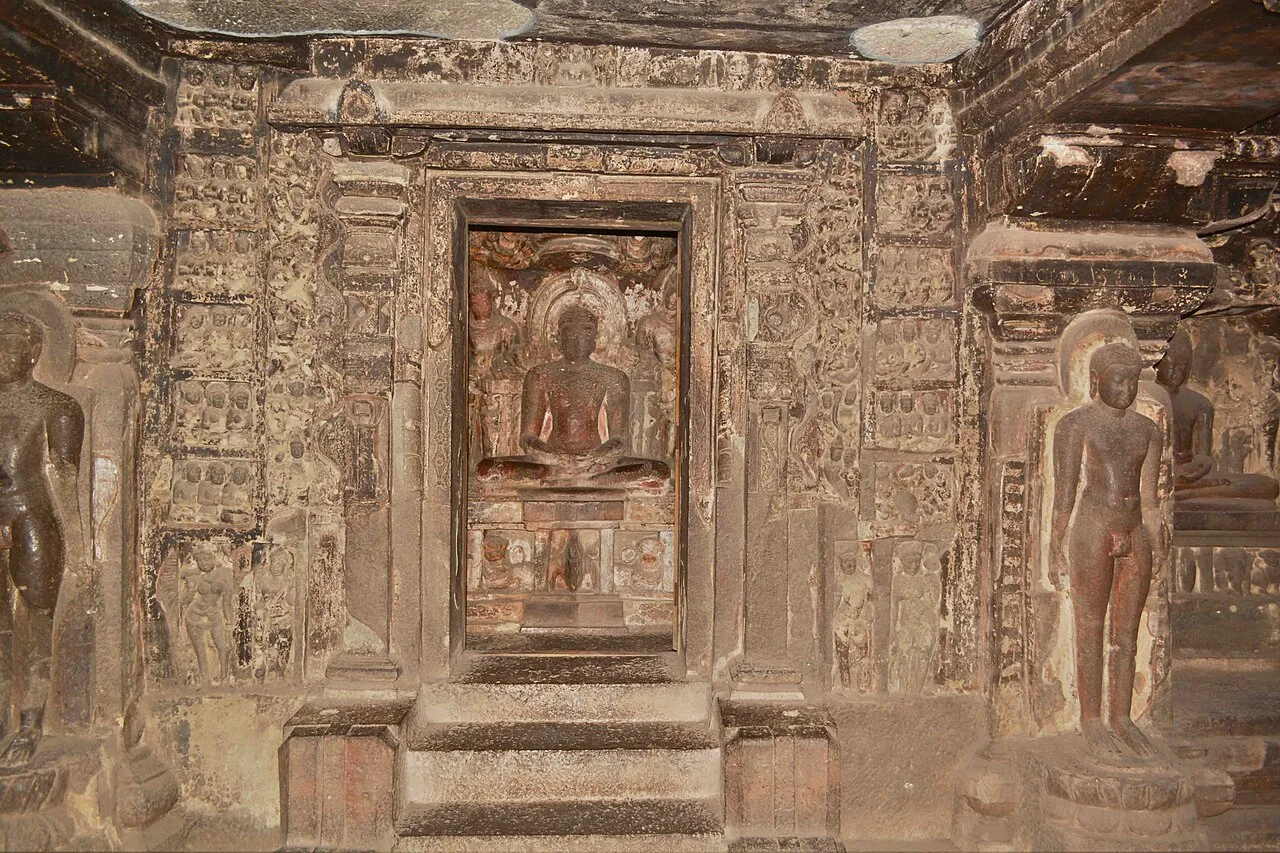
Ellora, in Maharashtra’s Chhatrapati Sambhajinagar district, is a UNESCO World Heritage Site. Visitors explore its Hindu, Buddhist and Jain monuments, including the remarkable Kailash temple carved from rock.

Ghrishneshwar Temple

48 km away · Chhatrapati Sambhajinagar district

Ghrishneshwar Temple

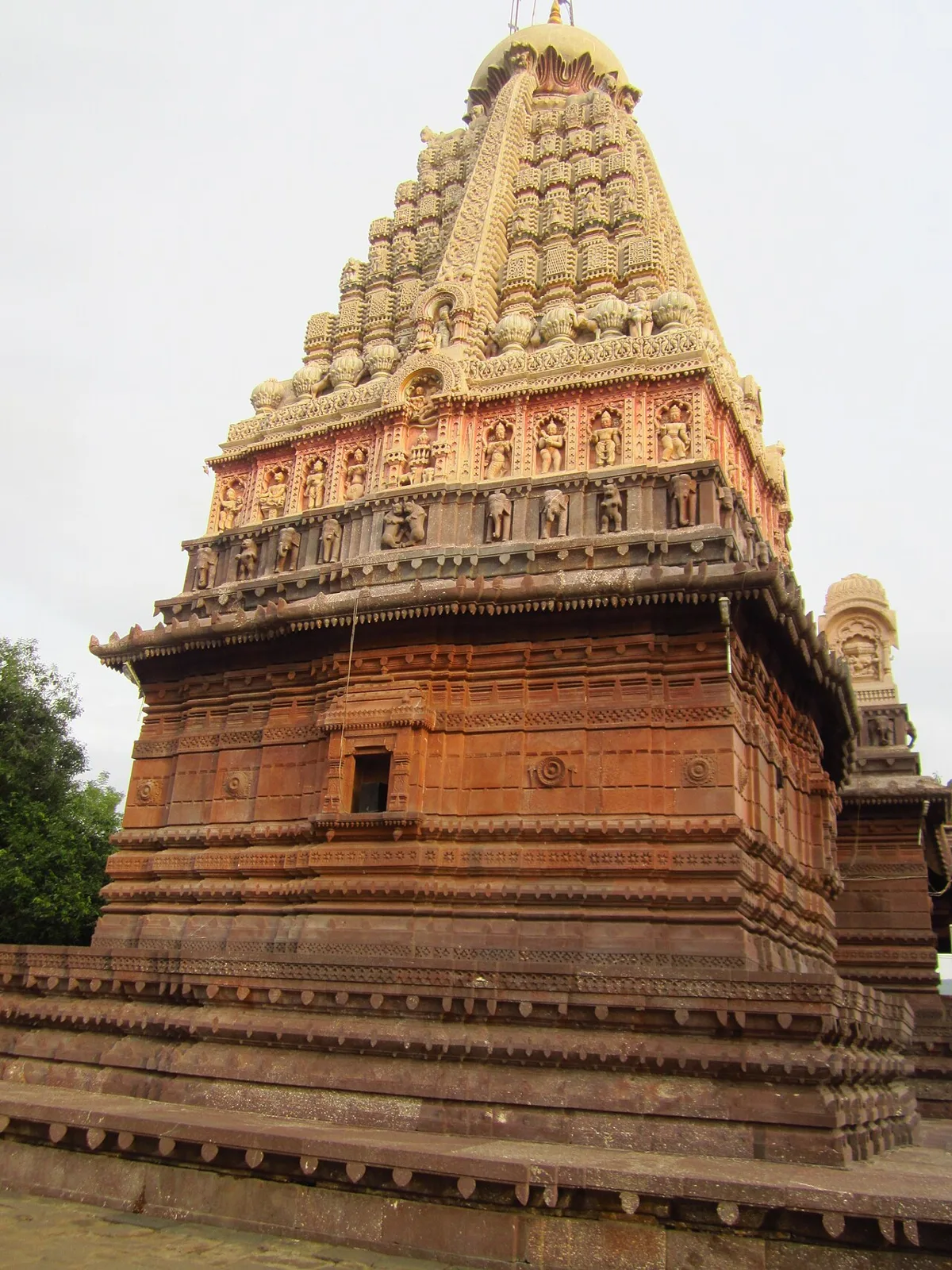
Ghrishneshwar Temple is a Shiva shrine in Verul, Maharashtra, and one of the twelve Jyotirlingas. Visitors come to worship Shiva at this nationally protected temple.

Daulatabad Fort

51 km away · Chhatrapati Sambhajinagar district

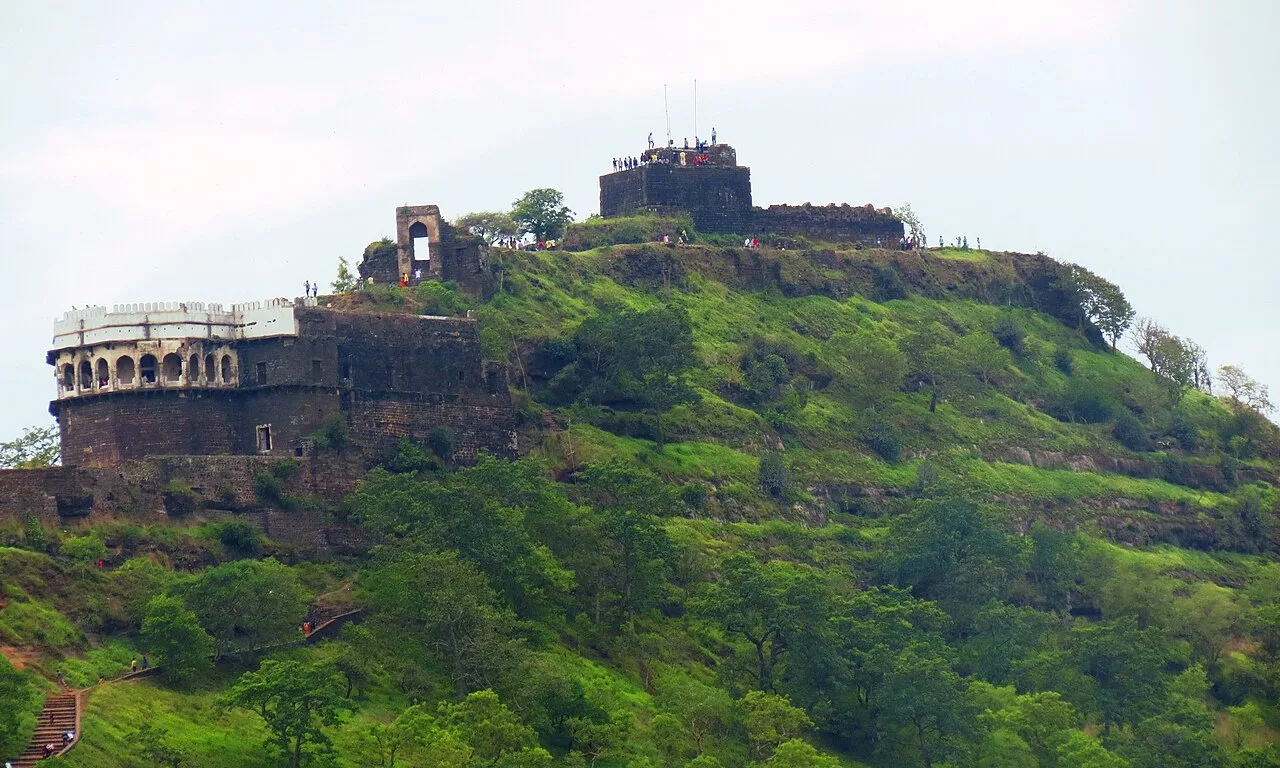
Daulatabad Fort

Daulatabad Fort is a historic stronghold in Maharashtra, first known as Devagiri. Visitors explore its history as a Yadava seat, briefly a Delhi Sultanate capital, and later an Ahmadnagar centre.

Shani Shingnapur

59 km away · Ahilyanagar district

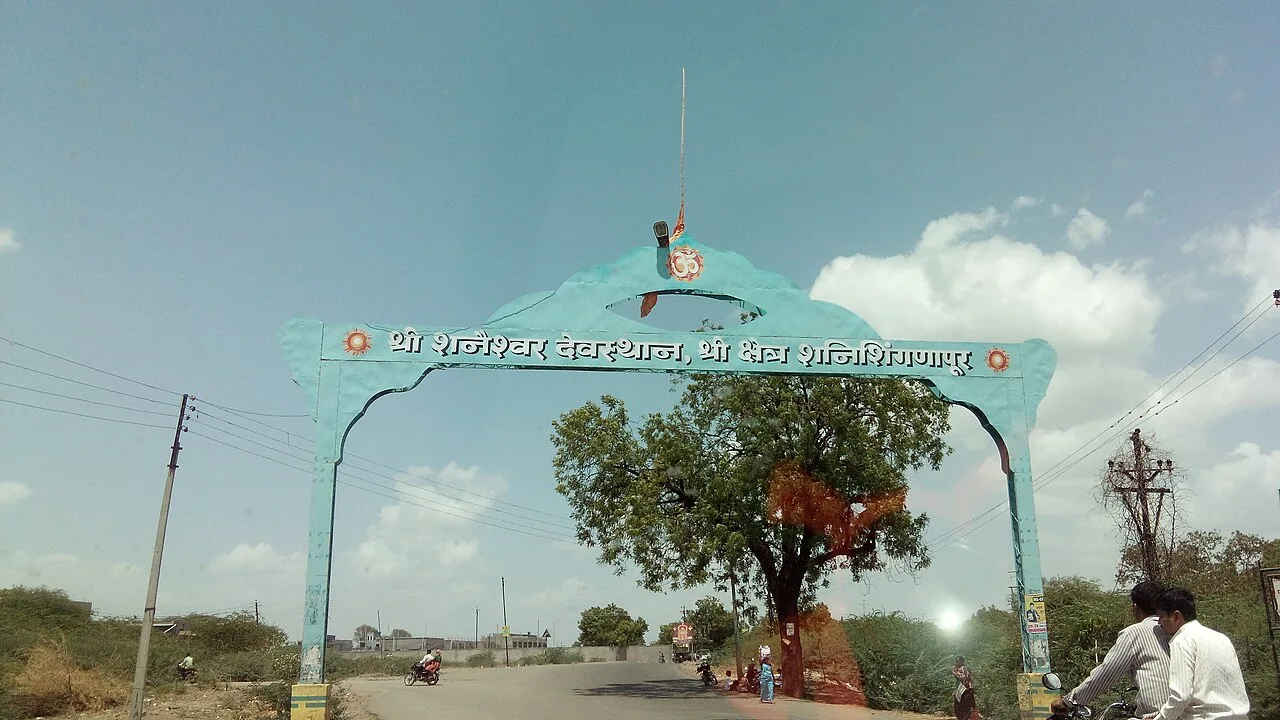
Shani Shingnapur

In Maharashtra, Shani Shingnapur is a village visited for its temple to Shani, the Hindu deity linked to the graha Saturn.

Aurangabad Caves

61 km away · Chhatrapati Sambhajinagar district

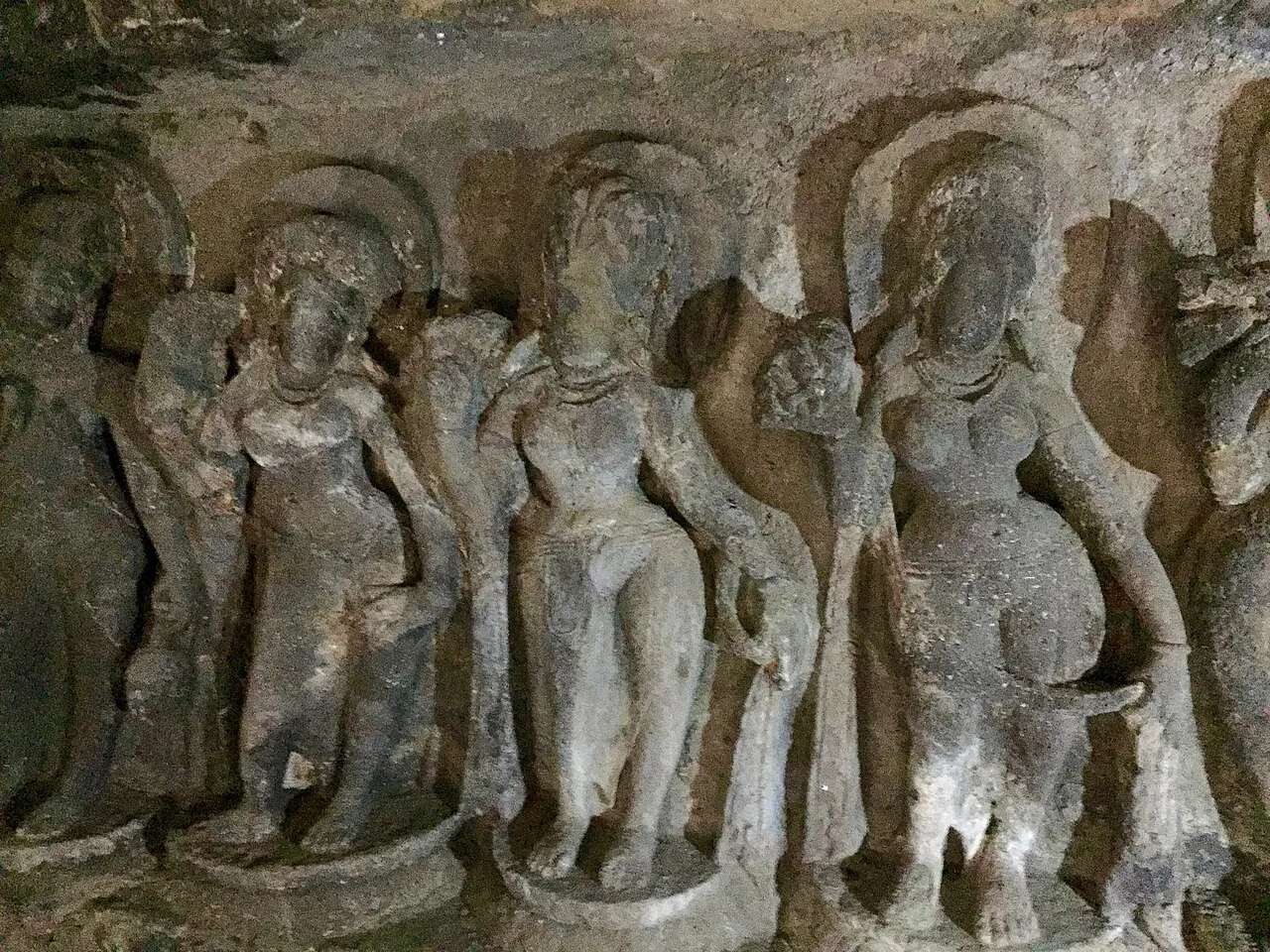
Aurangabad Caves

Near Aurangabad in Maharashtra, this hill complex contains twelve Buddhist sanctuaries excavated in basalt. Visitors explore its cave architecture and carvings, which represent several Buddhist traditions and include a range of deities.

Bibi Ka Maqbara

62 km away · Chhatrapati Sambhajinagar district

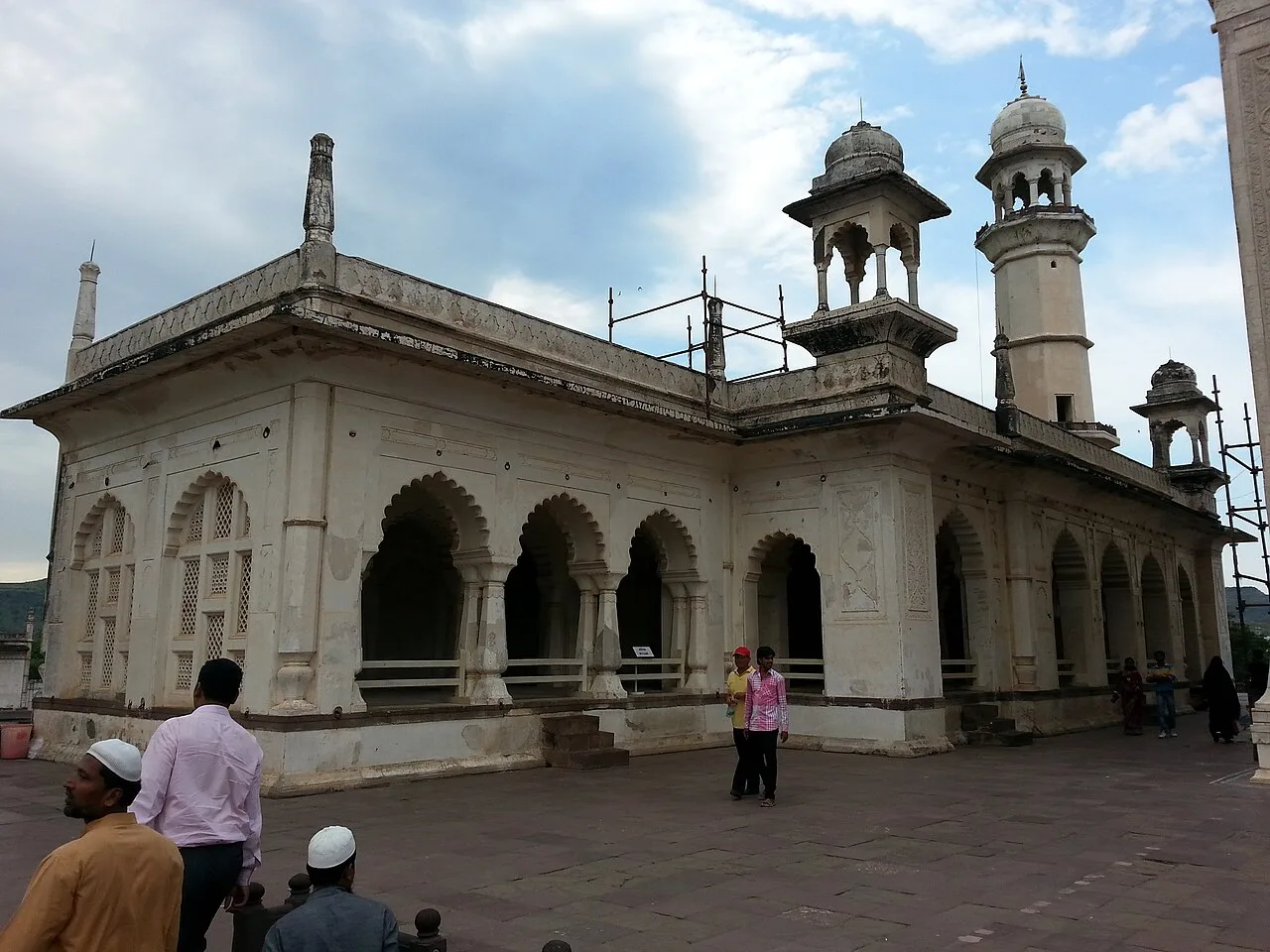
Bibi Ka Maqbara

Bibi Ka Maqbara is a Mughal mausoleum in Aurangabad, Maharashtra, built for Dilras Banu Begum. Visitors come to see its resemblance to the Taj Mahal and its place in the region’s history.

Ahmednagar Fort

93 km away · Ahilyanagar district

Ahmednagar Fort

Ahmednagar Fort, in Maharashtra, is a historic stronghold associated with the Ahmednagar Sultanate, the 1803 Anglo-Maratha conflict and imprisonment under British rule, making it a point of historical interest.

Map

Vaijapur on the map

  1. 1Shirdi Sai Baba Temple
  2. 2Ellora Caves
  3. 3Ghrishneshwar Temple
  4. 4Daulatabad Fort
  5. 5Shani Shingnapur
  6. 6Aurangabad Caves
  7. 7Bibi Ka Maqbara
  8. 8Ahmednagar Fort

Maharashtra

Other cities to explore