Ghumoopedia — Explore, Discover, Experience
Sign in
Deekshabhoomi, near Katol

City guide · Maharashtra

Katol

Katol is a municipal town in Nagpur district and the administrative headquarters of Katol taluka. About 56 km west of Nagpur, it serves the surrounding farming communities as a market and service centre.

Famous for

  • Orange trading
  • Maa Chandika Temple
  • Maa Saraswati Temple
  • Gond-era mud fort
  • Kuntalapur tradition

Why Katol matters

Katol is a municipal town in Nagpur district and the administrative headquarters of Katol taluka. About 56 km west of Nagpur, it serves the surrounding farming communities as a market and service centre. Its strongest present-day association is with the orange belt: growers and traders bring seasonal produce into the town, linking Katol to one of Vidarbha’s best-known agricultural trades.

Visitors can explore the old town’s places of worship, including the Maa Chandika and Maa Saraswati temples, and learn about local traditions that connect the area with the name Kuntalapur. The town also has a historic mud fort associated with the Gond period. Nearby Peth Budhwar, on the Jam River, forms part of Katol’s urban setting. Katol is a working regional town rather than a major sightseeing hub, but its temples, market activity and agricultural character offer a glimpse of everyday life in rural Nagpur district.
Famous for: crafts, trade & products

Katol’s clearest commercial identity is its orange trade. During the harvest season, local produce markets and trading yards are places to see the movement of oranges from nearby orchards; visitors can ask in town about current market activity and where fruit is being sold. Oranges and seasonal preparations made from them are the most recognisable local purchase, though availability varies through the year.

The wider area has also been associated with cotton cultivation, and cotton trade contributed to Katol’s older role as a market centre. The town is not especially identified with a signature saree weave, a major handicraft tradition or a widely documented GI-tagged product. Its everyday bazaars are better suited to browsing for groceries, household goods and regional snacks than for specialist craft shopping. Katol’s role as a taluka headquarters is another part of its identity, with local administrative services serving the town and nearby villages.

History

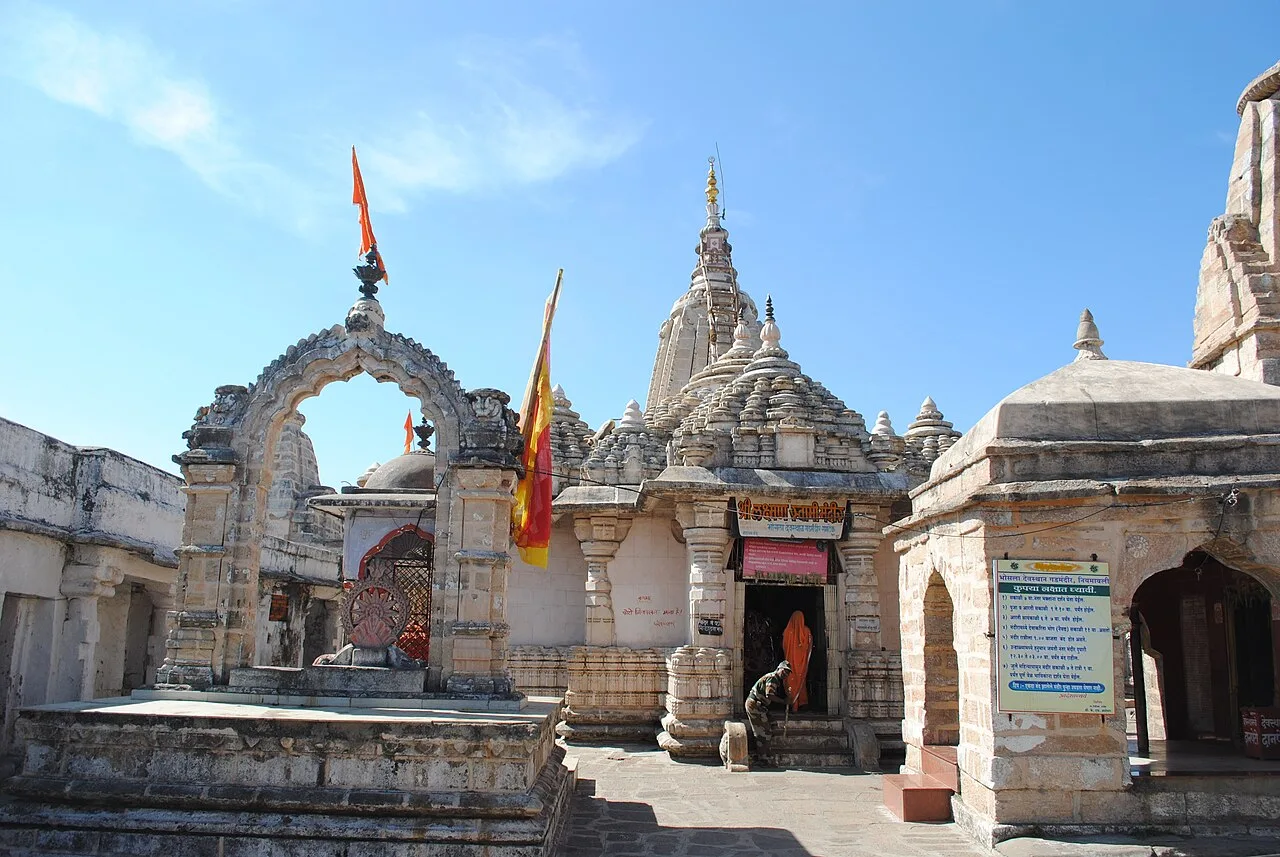
Local tradition gives Katol the older name Kuntalapur and connects it with Raja Chandrahasa and the Mahabharata’s Ashwamedh narrative. These are traditional associations rather than firmly established accounts of the town’s early history. The Maa Chandika and Maa Saraswati temples are described as Hemadpanthi in style; local stories link their construction to the time of Ravana and say they were built in a single night by demons.

A mud fort in Katol is associated with the Gond dynasty. In the colonial era, the town developed as a trading centre for a cotton-growing tract, with commercial activity and cotton factories contributing to its growth. Its position west of Nagpur helped connect local producers with a larger regional market. In modern Maharashtra, Katol has continued as a municipal town and the administrative headquarters of its taluka. The built-up area has extended beyond the older, lower town, while agriculture and produce trading remain important to its regional role.

Food, festivals & culture

Katol’s food reflects the wider Vidarbha region, where meals may include bhakri, pithla, lentils and boldly seasoned curries. Poha and other simple snacks are common choices at tea stalls. Oranges are central to the town’s seasonal identity and may appear as fresh fruit, juice or homemade preserves, although particular preparations are not unique to Katol.

Marathi is the principal language of daily life, alongside Hindi and regional Varhadi speech. Ganesh Chaturthi, usually celebrated in August or September, brings devotional gatherings; Navratri, around September or October, and Diwali, usually in October or November, are also widely observed. Holi in late winter and Makar Sankranti in January mark other points in the local calendar. Religious life centres on temples and community celebrations, including worship at Maa Chandika and Maa Saraswati. Devotional singing, festive drumming and regional folk performance may accompany celebrations, though Katol is not especially known for a distinct music or dance form.

Visiting the city

October to February is generally the most comfortable period to visit, with warmer conditions before the monsoon and hot weather in late spring. The nearest airport is Dr. Babasaheb Ambedkar International Airport in Nagpur. Katol has its own railway station; Nagpur Junction is the main regional rail hub. The town is about 56 km west of Nagpur by road, with the route passing through Kalmeshwar.

Auto-rickshaws and local road transport are useful for getting around town; arrange onward travel locally for nearby villages. Explore the older town and its temples, the market streets, and the Peth Budhwar side near the Jam River. The old mud-fort area is another point of historical interest, though visitors should check locally about access and what remains visible.

Trips from the city

Nearest places to visit from Katol

Our closest destination guides, by straight-line distance.

Deekshabhoomi

52 km away · Nagpur district

Deekshabhoomi

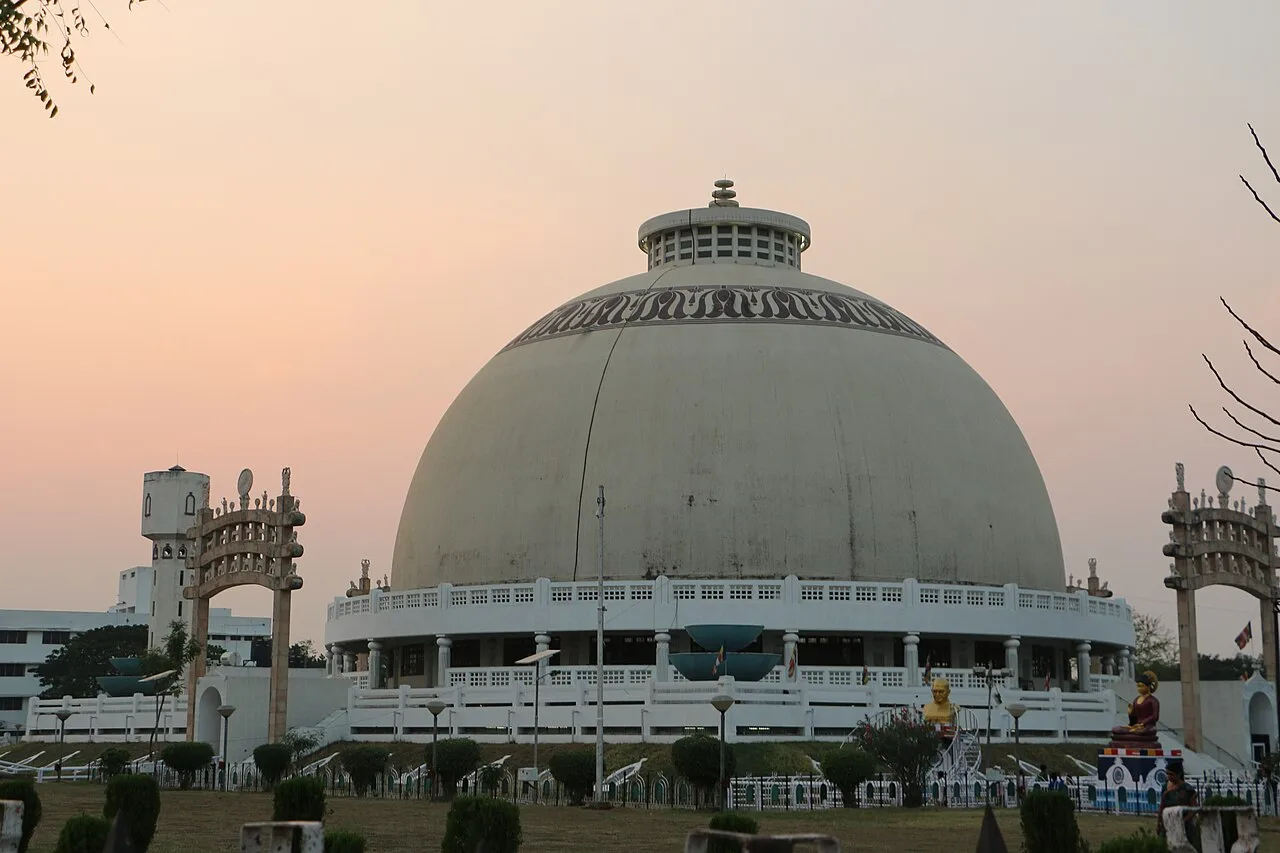
Deekshabhoomi is a Navayana Buddhist memorial in Nagpur, where B. R. Ambedkar and a vast following embraced Buddhism in 1956. Pilgrims visit to mark the conversion and its continuing significance.

Sevagram Ashram

60 km away · Wardha district

Sevagram Ashram

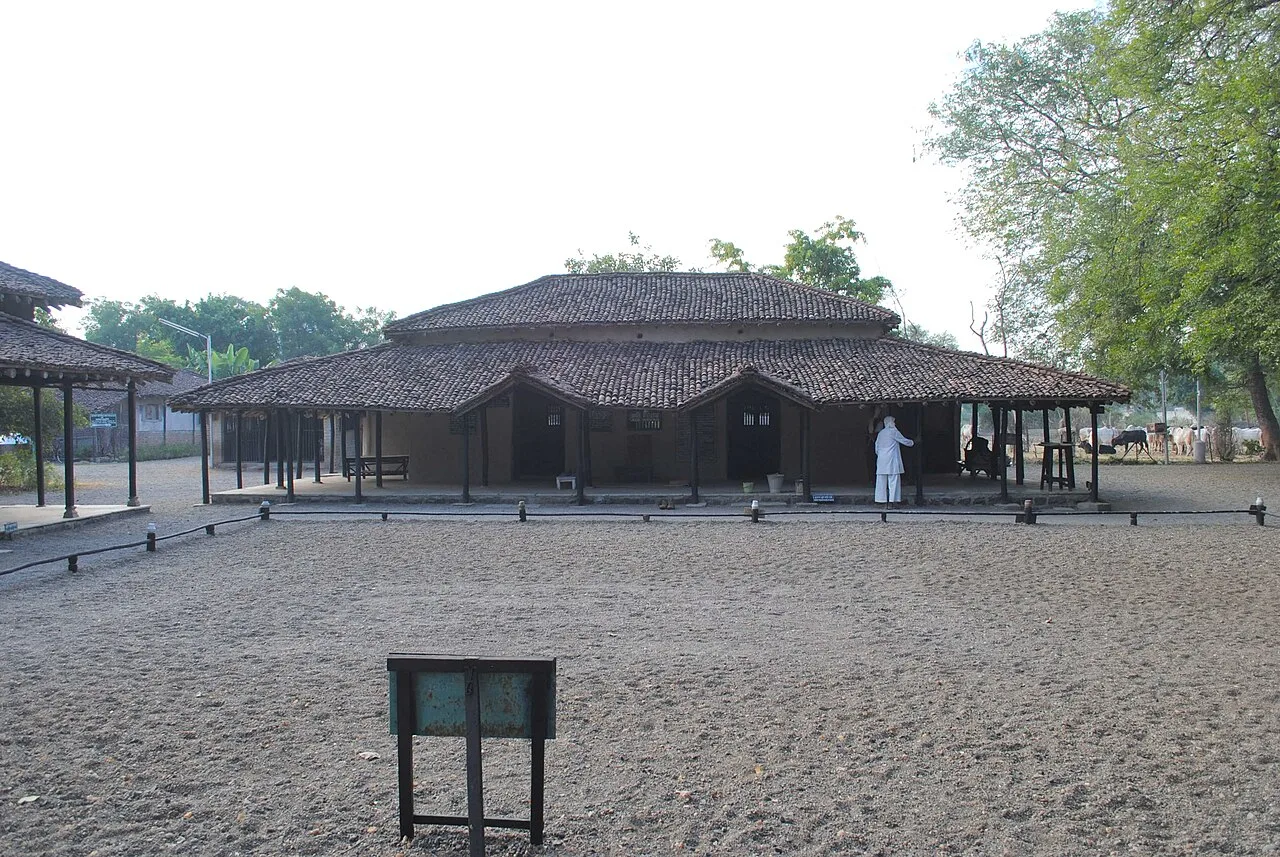
Sevagram Ashram, in Wardha district, Maharashtra, is known as Mahatma Gandhi’s ashram and home from 1936 until his death in 1948. People visit for its connection with his life.

Ramtek Fort Temple

78 km away · Nagpur district

Ramtek Fort Temple

Ramtek Fort Temple is a Hindu pilgrimage site in Maharashtra, visited for its shrines on Ramtek Hill and its association with Rama and the Vakataka dynasty.

Pench Tiger Reserve

83 km away · Nagpur district

Pench Tiger Reserve

Pench Tiger Reserve spans Madhya Pradesh and Maharashtra, with its Maharashtra section in Nagpur district. People visit to experience its protected landscape and wildlife.

Chikhaldara

90 km away · Amravati district

Chikhaldara

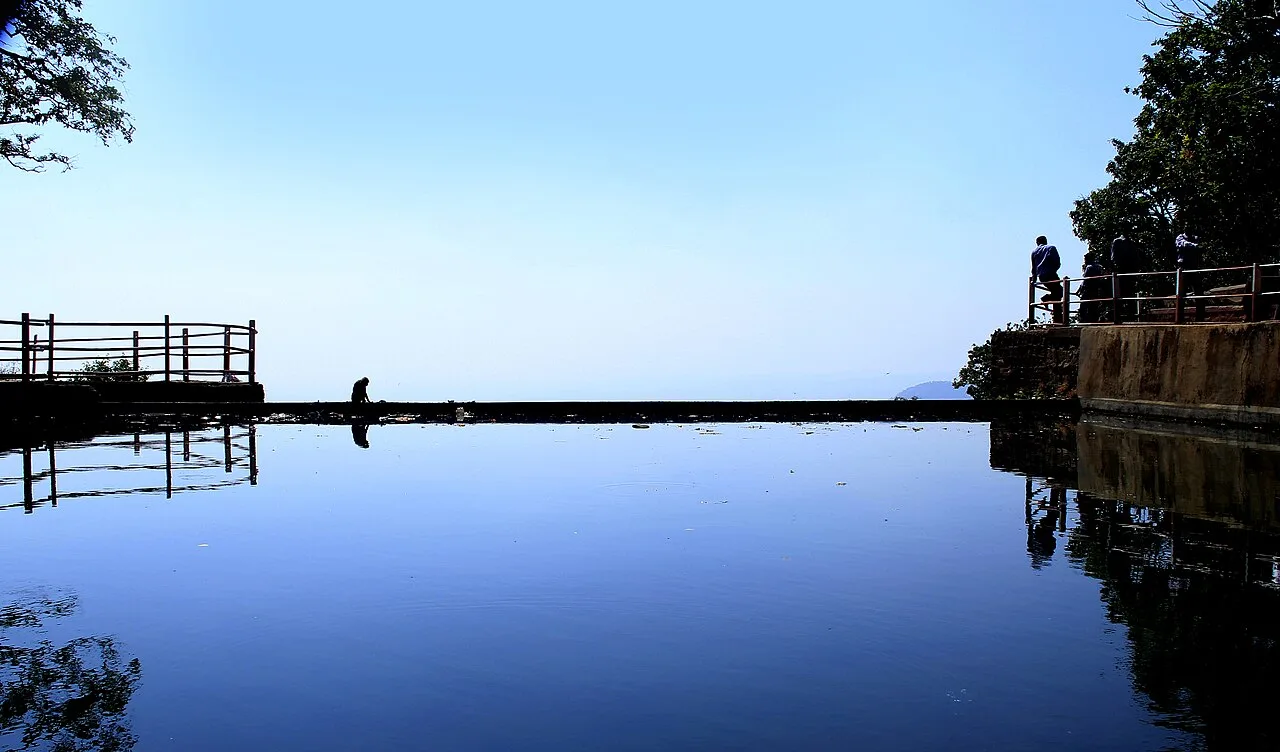
Chikhaldara is a hill settlement and municipal council in Maharashtra’s Amravati district. Visitors come for its highland setting, coffee-growing area and nearby wildlife at the Melghat Tiger Project.

Tadoba Andhari Tiger Reserve

140 km away · Chandrapur district

Tadoba Andhari Tiger Reserve

Set in Maharashtra’s Chandrapur district, Tadoba Andhari Tiger Reserve combines a national park and wildlife sanctuary within a protected area. Visitors come to experience its forests and wildlife.

Melghat Tiger Reserve

145 km away · Amravati district

Melghat Tiger Reserve

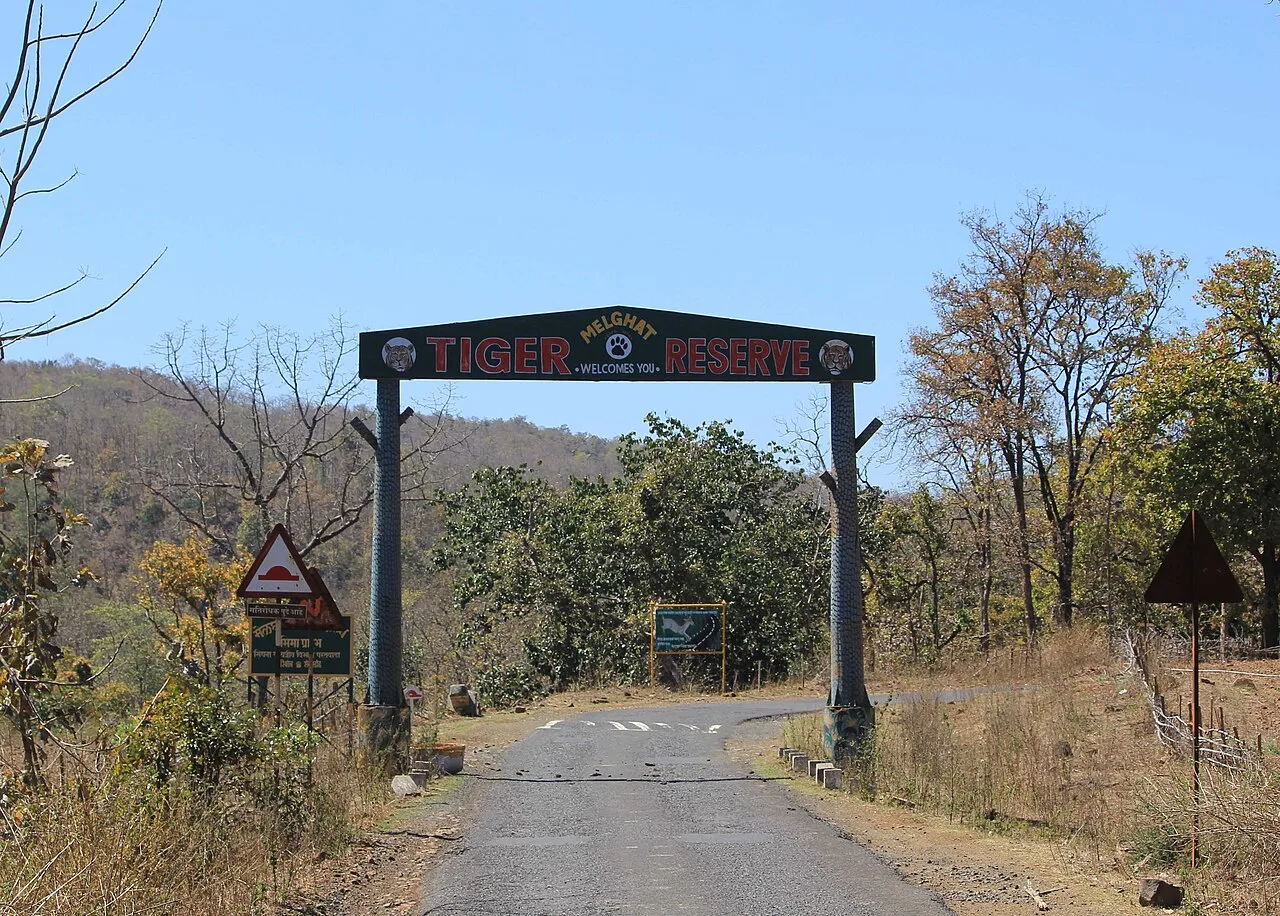
Melghat Tiger Reserve is a protected area in northern Amravati district, Maharashtra. Visitors come to experience its wildlife and learn about its place in India’s Project Tiger programme.

Navegaon National Park

168 km away · Gondia district

Navegaon National Park

Navegaon National Park is in Gondia district, Maharashtra, within the Arjuni Morgaon subdivision. Visitors are drawn by wintering migratory birds at its lake and the park’s varied forest cover.

Map

Katol on the map

  1. 1Deekshabhoomi
  2. 2Sevagram Ashram
  3. 3Ramtek Fort Temple
  4. 4Pench Tiger Reserve
  5. 5Chikhaldara
  6. 6Tadoba Andhari Tiger Reserve
  7. 7Melghat Tiger Reserve
  8. 8Navegaon National Park

Maharashtra

Other cities to explore