Ghumoopedia — Explore, Discover, Experience
Sign in
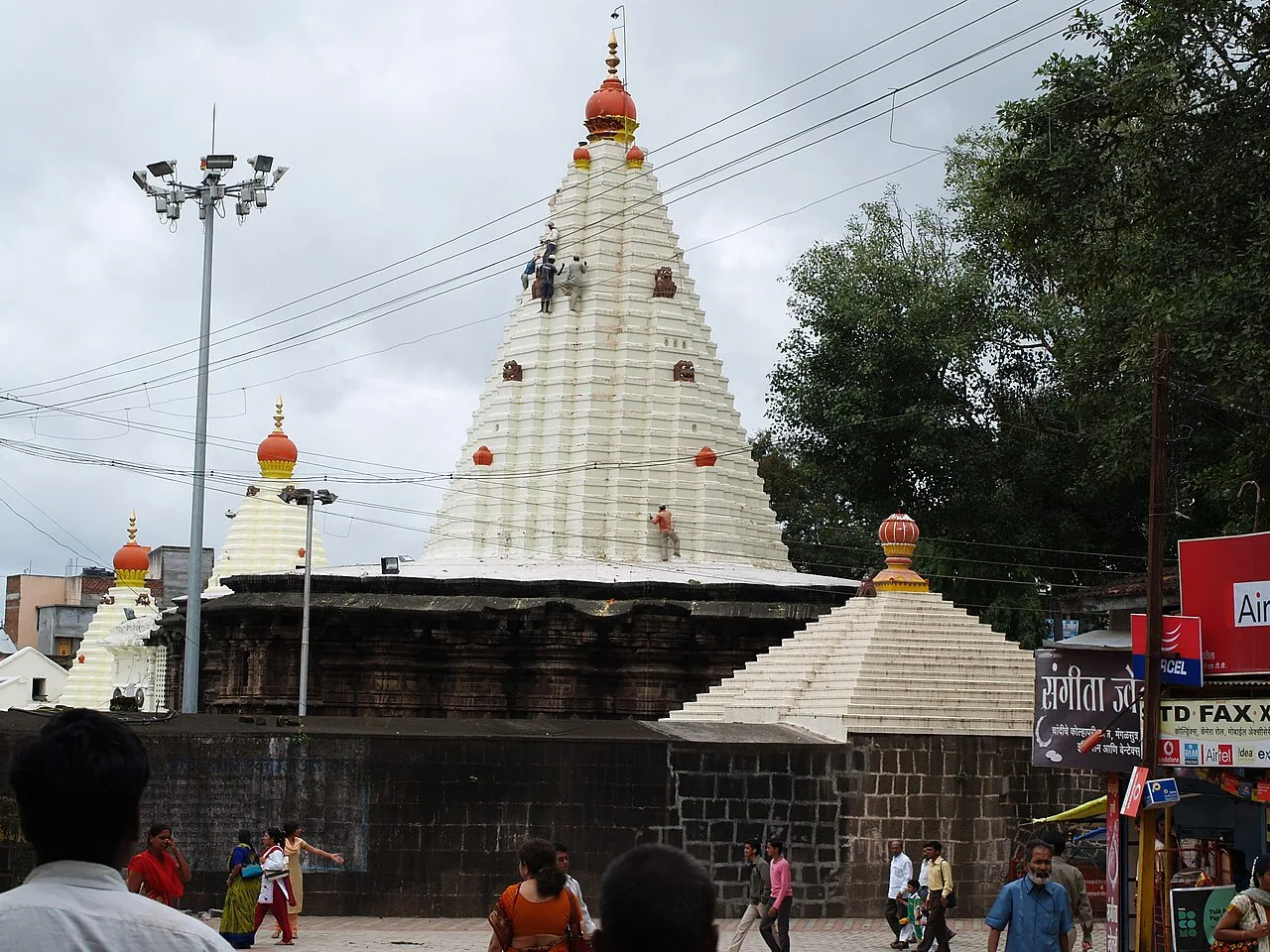
Mahalakshmi Temple, Kolhapur, near Sangli

City guide · Maharashtra

Sangli

On the banks of the Krishna River in south-western Maharashtra, Sangli is a district headquarters and an important centre for farming, trade, healthcare and education. Its turmeric market has given it the name “Turmeric City,” while grapes, raisins, jaggery and sugar are also closely tied to the surrounding agricultural economy.

Famous for

  • Turmeric trade
  • Sangli bhadang
  • Grapes and raisins
  • Sugar industry
  • Marathi theatre
  • Miraj musical instruments

Why Sangli matters

On the banks of the Krishna River in south-western Maharashtra, Sangli is a district headquarters and an important centre for farming, trade, healthcare and education. Its turmeric market has given it the name “Turmeric City,” while grapes, raisins, jaggery and sugar are also closely tied to the surrounding agricultural economy. Sangli and neighbouring Miraj form a connected urban hub, with Miraj especially known for musical-instrument making and healthcare services.

Visitors come for the city’s temples, its distinctive local food and its role as a gateway to places across the Krishna valley. In the city, the Ganapati temple and riverside Haripur offer quieter stops; nearby destinations include Audumbar and the wooded landscapes of Sagareshwar. Sangli also has a strong Marathi theatre heritage, earning the regional name Natya Pandhari. Its railway station and road links make it a practical base for exploring towns and pilgrimage sites in southern Maharashtra, as well as the wider Sangli district.
Famous for: crafts, trade & products

Turmeric is Sangli’s signature trade, handled through wholesale markets that connect growers and merchants with buyers well beyond the region. The district’s fertile, irrigated countryside also produces grapes, raisins and sugarcane; jaggery is another familiar local product. For visitors, market areas are the best places to get a sense of this agricultural commerce, though trading activity and retail availability vary by season. The region is also associated with wine production, including the Krishna Valley Wine Park.

A popular edible souvenir is bhadang, a boldly seasoned puffed-rice snack. Local shops and snack sellers are good places to look for it, while regional groceries and markets may stock raisins and jaggery. Sangli is not especially known for a signature saree or textile tradition; its identity is more strongly connected to agricultural commodities and food. In neighbouring Miraj, workshops are known for making and exporting musical instruments, including stringed instruments. The area’s colleges and medical institutions are also significant parts of its modern identity, with Miraj and Sangli together serving a broad regional catchment.

History

The wider region has older roots: Kundal, now a village about 40 kilometres from Sangli, is associated with the Chalukya period and is described as a capital in the 12th century. During the era of Chhatrapati Shivaji Maharaj, Sangli, Miraj and nearby territories were taken from Mughal control. Sangli was part of the Miraj estate until 1801, when it separated following a dispute within the Patwardhan family. The town subsequently developed as the centre of a princely state under the Patwardhans.

Under British rule, the surrounding territory formed part of the Bombay Presidency. After Indian independence, administrative boundaries were reorganised, and Sangli district was constituted in 1961, following the formation of Maharashtra. The city’s growth has since been shaped by its role as an agricultural trading centre, its railway and road connections, and the development of services in neighbouring Miraj. Its cultural history is also notable: Sangli is known as Natya Pandhari for its association with Marathi theatre, while Miraj built a reputation for musical-instrument making.

Food, festivals & culture

Marathi is the main language of everyday life. Sangli’s food reflects the agricultural region and its preference for robust flavours: bhadang, a spiced puffed-rice snack, is a local favourite, while bharla wangi—stuffed brinjal—often comes with bhakri. Seasonal produce, including grapes and raisins, features in markets and household cooking. Restaurants also serve familiar Maharashtrian meals and snacks.

Ganesh Chaturthi in the monsoon season, Navratri in autumn, and Diwali in autumn or early winter bring processions, decorations and family gatherings; Gudi Padwa marks the Marathi New Year in spring. Sangli’s theatre heritage is celebrated in its identity as Natya Pandhari, and the area has links to Marathi performers and writers. Miraj, its neighbouring city, is noted for instrument-making and musical traditions. Places of worship include the Ganapati temple in Sangli, Sangameshwar Shiva Temple at nearby Haripur, and religious sites across the wider region. The area also has Muslim places of worship, including dargahs in Miraj and nearby Nandre.

Visiting the city

The most comfortable time to visit is generally October to February, when days are warm and nights cooler; monsoon travel from June into October can bring rain. The nearest airport is Kolhapur Airport, while Pune and Belgaum airports are alternatives with broader connections. Sangli Railway Station is the main rail station serving the city; Vishrambag also has rail services. Check current connections before travelling.

Auto-rickshaws, taxis and local buses are useful for getting around, and MSRTC buses connect Sangli with cities across Maharashtra and Karnataka. Explore the older central areas and the Ganapati temple, then head to Vishrambag for its colleges and city amenities. Haripur, where the Krishna and Warana rivers meet, makes a nearby excursion; Miraj is worth visiting for its instrument-making heritage and religious sites. Audumbar and Sagareshwar are options for longer outings in the district.

Trips from the city

Nearest places to visit from Sangli

Our closest destination guides, by straight-line distance.

Mahalakshmi Temple, Kolhapur

39 km away · Kolhapur district

Mahalakshmi Temple, Kolhapur

The Mahalakshmi Temple, also called Ambabai Mandir, is a shrine in Kolhapur district, Maharashtra, dedicated to Goddess Mahalakshmi and visited as part of Hindu pilgrimage.

Jyotiba Temple

42 km away · Kolhapur district

Jyotiba Temple

Near Wadi Ratnagiri in Maharashtra’s Kolhapur district, Jyotiba Temple is a Hindu place of worship. People visit the shrine and its annual fair, held at full moon in Chaitra and Vaishakha.

Rankala Lake

42 km away · Kolhapur district

Rankala Lake

Rankala Lake is a freshwater lake in Kolhapur, Maharashtra. Visitors can come to see a lake within the city and spend time beside its waters.

Panhala Fort

49 km away · Kolhapur district

Panhala Fort

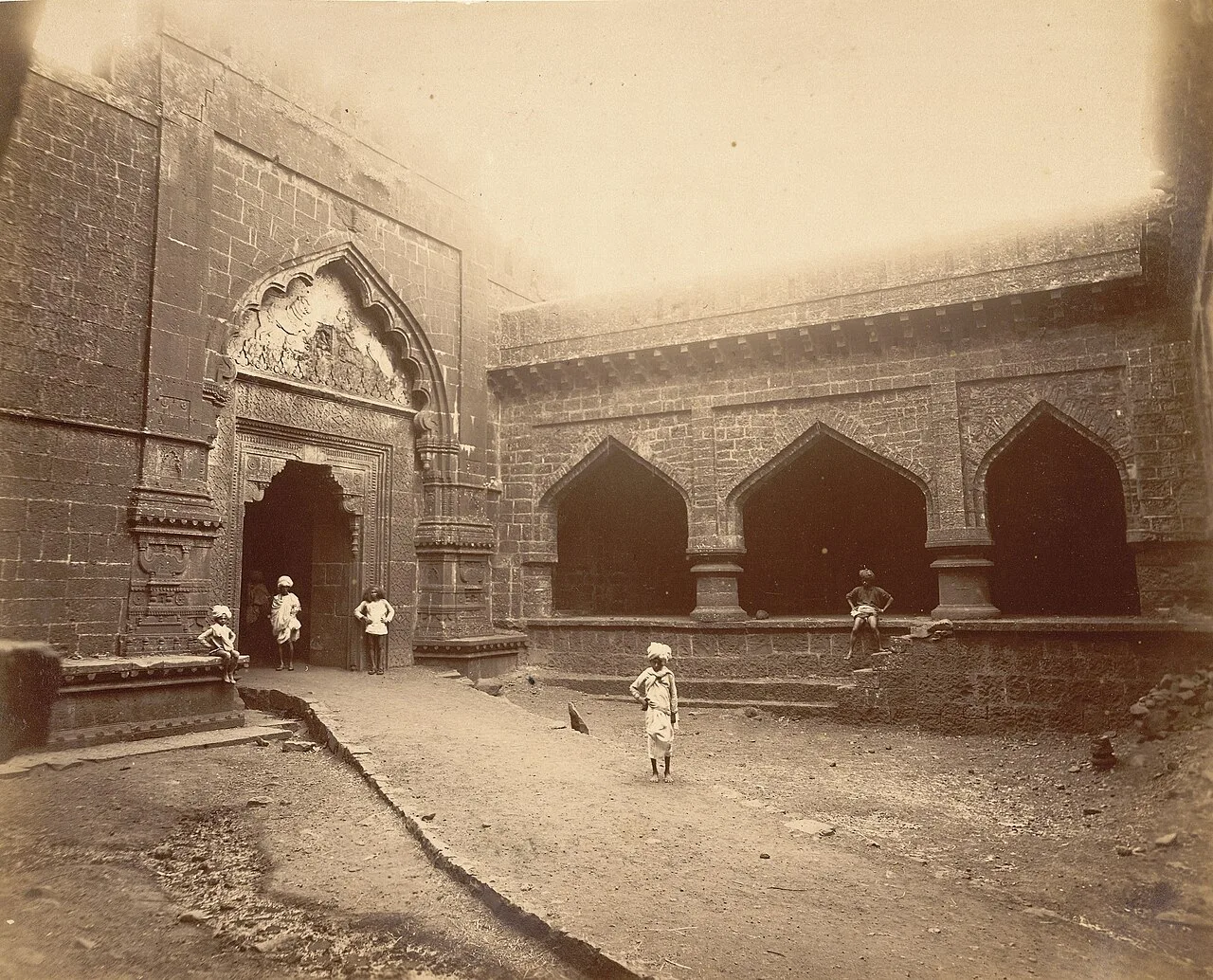
Panhala Fort is a hilltop stronghold in Kolhapur district, Maharashtra, overlooking a Western Ghats pass. Visitors come to see its surviving structures and explore its connections with Deccan conflicts and Tarabai.

Thoseghar Falls

112 km away · Satara district

Thoseghar Falls

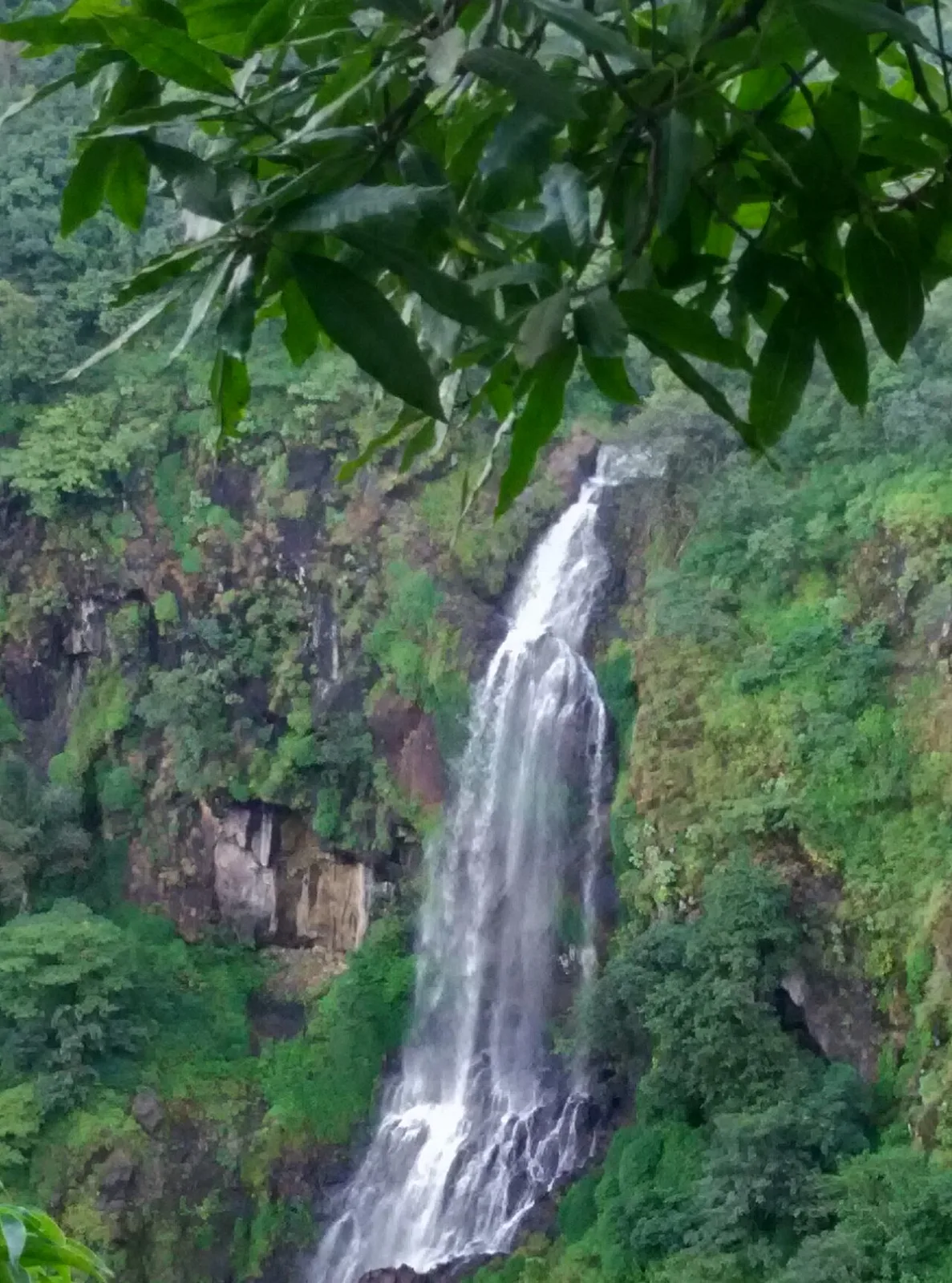
Thoseghar Falls is a series of cascades near Thoseghar village in Maharashtra’s Satara district. Visitors come to see the waterfalls, especially during the monsoon, when rainfall swells their flow.

Amboli

116 km away · Sindhudurg district

Amboli

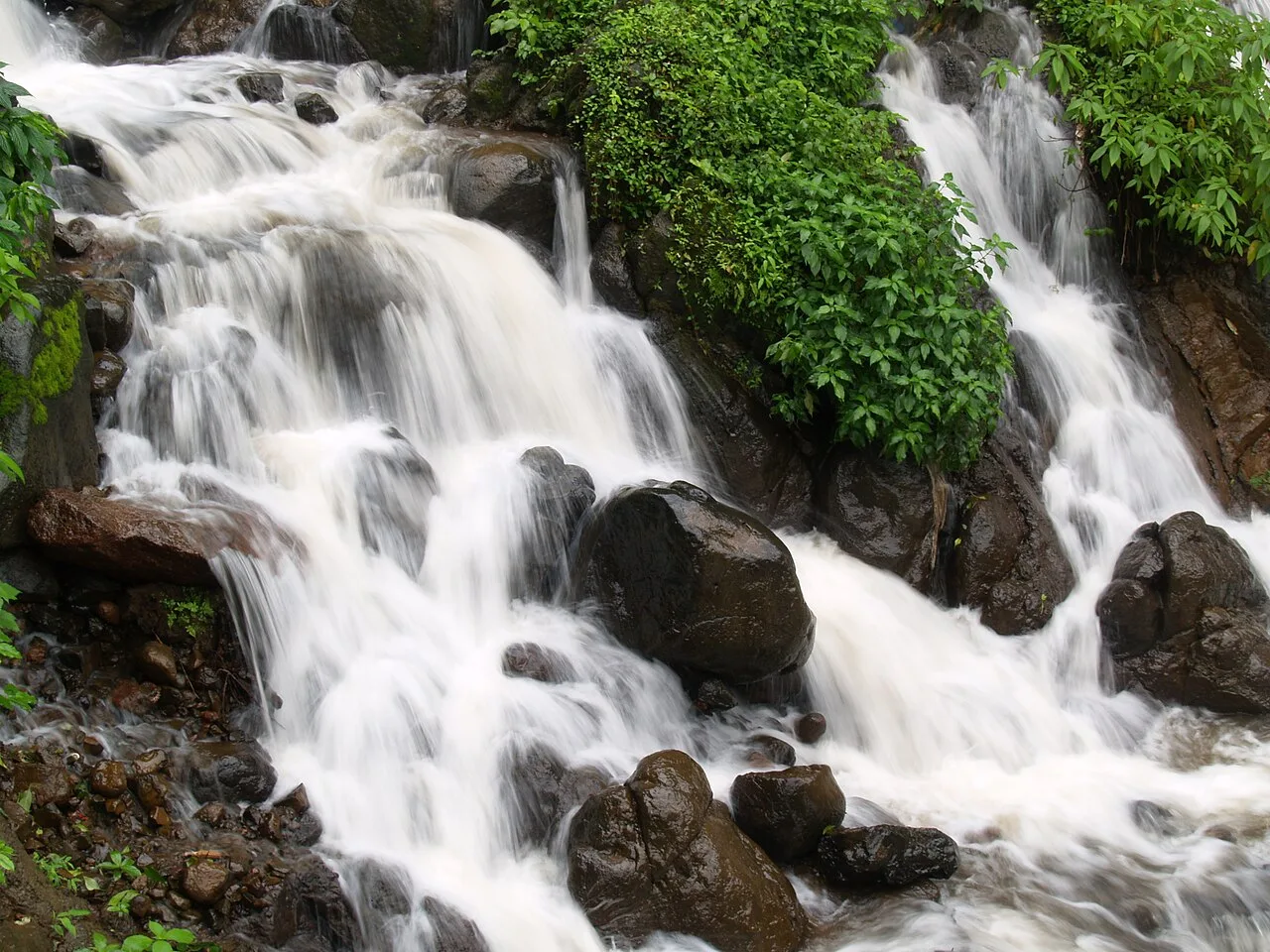
Amboli is a village and hill resort in Maharashtra’s Sindhudurg district. Visitors come for its monsoon rain, waterfalls and mist, and for its setting in the Western Ghats.

Vithoba Temple

122 km away · Solapur district

Vithoba Temple

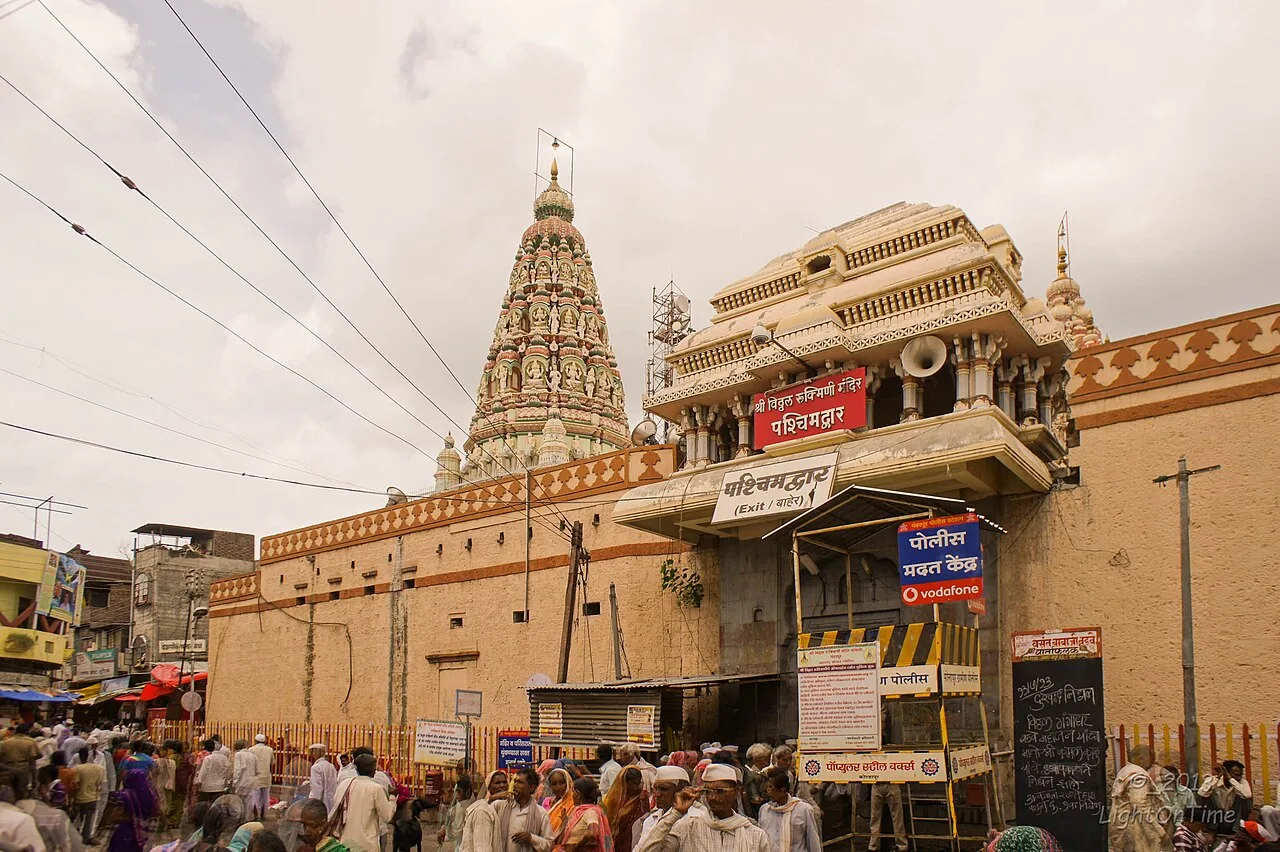
The Vithoba Temple, also called Shri Vitthal-Rukmini Mandir, is a Hindu shrine in Pandharpur, Maharashtra. Devotees visit to worship Vithoba and Rakhumai and join major Warkari pilgrimages.

Kaas Plateau

124 km away · Satara district

Kaas Plateau

Kaas Plateau is a high basalt tableland and reserve forest in Maharashtra’s Satara district. Its seasonal wildflowers, endemic butterflies and distinctive plants make it a destination for nature visits, especially in August and September.

Map

Sangli on the map

  1. 1Mahalakshmi Temple, Kolhapur
  2. 2Jyotiba Temple
  3. 3Rankala Lake
  4. 4Panhala Fort
  5. 5Thoseghar Falls
  6. 6Amboli
  7. 7Vithoba Temple
  8. 8Kaas Plateau

Maharashtra

Other cities to explore