Ghumoopedia — Explore, Discover, Experience
Sign in
Shri Vaijnath Temple, near Latur

City guide · Maharashtra

Latur

Latur is a key city in southern Marathwada and the headquarters of Latur district. It serves nearby towns and villages as a centre for education, healthcare, administration and agricultural trade, with connections to the Maharashtra–Karnataka border region.

Famous for

  • Latur tur dal
  • Kharosa Caves
  • Ganj Golai market
  • Rashtrakuta-era history
  • Agricultural trade
  • Education and coaching

Why Latur matters

Latur is a key city in southern Marathwada and the headquarters of Latur district. It serves nearby towns and villages as a centre for education, healthcare, administration and agricultural trade, with connections to the Maharashtra–Karnataka border region. Marathi is the main language, and the city’s schools and coaching institutions draw students from across Maharashtra.

Visitors use Latur as a base for exploring the region’s heritage. The nearby Kharosa Caves are a notable rock-cut monument, while forts and temples elsewhere in the district add to the area’s appeal. In the city, Ganj Golai is a distinctive central market and a lively place to see everyday commerce. Latur is also closely associated with the 1993 earthquake near Killari, which caused immense loss of life across the region and prompted changes to building standards. Today, the city’s identity combines a strong agricultural hinterland, a prominent educational role and a history that reaches back to the Deccan’s early kingdoms.

Famous for: crafts, trade & products

Latur is best known commercially for agriculture and the trade of pulses and oilseeds. Tur, also called toor dal, is closely associated with the district and has received geographical indication recognition. Soybean and other farm produce are important to the wider agricultural economy, supporting grain trading, dal mills and related food processing. Ganj Golai, the central market, is a useful place to browse everyday goods and local shops; wholesale grain and pulse trading takes place in the city’s market areas. Packaged local pulses are a practical choice to take home.

Latur is not widely identified with a signature handloom, saree or handicraft tradition, and its industrial base is more modest than its agricultural and education sectors. Its reputation as an education centre is sometimes summed up by the phrase “Latur pattern,” referring to the city’s schooling and exam-coaching culture. Visitors looking for locally made crafts should ask in central shops, but are more likely to find regional food products and ordinary market goods than a distinct craft bazaar.

History

Latur’s history is often linked to Lattaluru, an ancient name associated with the Rashtrakutas, who ruled much of the Deccan from the eighth to the tenth centuries. Tradition connects the first Rashtrakuta king, Dantidurga, with Lattaluru, and King Amoghavarsha is credited with developing the city. A twelfth-century inscription found at Papvinashak Temple refers to the settlement and its scholars.

In the nineteenth century, Latur was part of the princely state of Hyderabad under the Nizam. It became a tehsil in Osmanabad district in 1905. Following the integration of Hyderabad State into India in 1948, the area passed through the administrative changes that followed independence; it became part of Maharashtra when the state was formed in 1960. Latur remained within Osmanabad district until a separate Latur district was created in 1982. The 1993 earthquake near Killari profoundly affected the surrounding region and brought renewed attention to earthquake-resistant construction.

Food, festivals & culture

Marathi is the principal language of Latur. Hindi, Urdu and Kannada are also heard, reflecting the city’s diverse communities and its position near the Karnataka border. Everyday food is typical of Marathwada: jowar bhakri, pithla, lentils, spicy vegetable dishes and chutneys are common. Puran poli is a familiar festive sweet, while local shops and eateries offer other regional snacks and sweets rather than a single defining Latur delicacy.

Ganesh Chaturthi, usually in August or September, brings public celebrations, while Navratri and Dussehra are observed in September or October. Diwali, generally in October or November, and the spring festival of Gudi Padwa are also important. Religious life includes temples such as Papvinashak and Siddheshwar, alongside mosques and other places of worship. Bhajans, kirtan and Marathi devotional music are part of community observances; folk forms such as lavani and powada belong to the wider cultural life of the region.

Visiting the city

October to February is generally the most comfortable season to visit, with milder weather than the hot summer months. Monsoon travel is possible, but conditions can vary. Latur Airport is the nearest airfield; check current flight availability before planning around it, as services may be limited. Latur railway station is the city’s main station. Auto-rickshaws, local buses and hired cars are useful for getting around, while a car or taxi is convenient for visiting sites outside the city.

In town, explore Ganj Golai and the surrounding central-market streets, and visit local temples. Kharosa Caves make a rewarding excursion beyond the centre; forts elsewhere in Latur district can be added to a longer trip. Carry drinking water, particularly in hot weather, as the area is drought-prone.

Trips from the city

Nearest places to visit from Latur

Our closest destination guides, by straight-line distance.

Shri Vaijnath Temple

50 km away · Beed district

Shri Vaijnath Temple

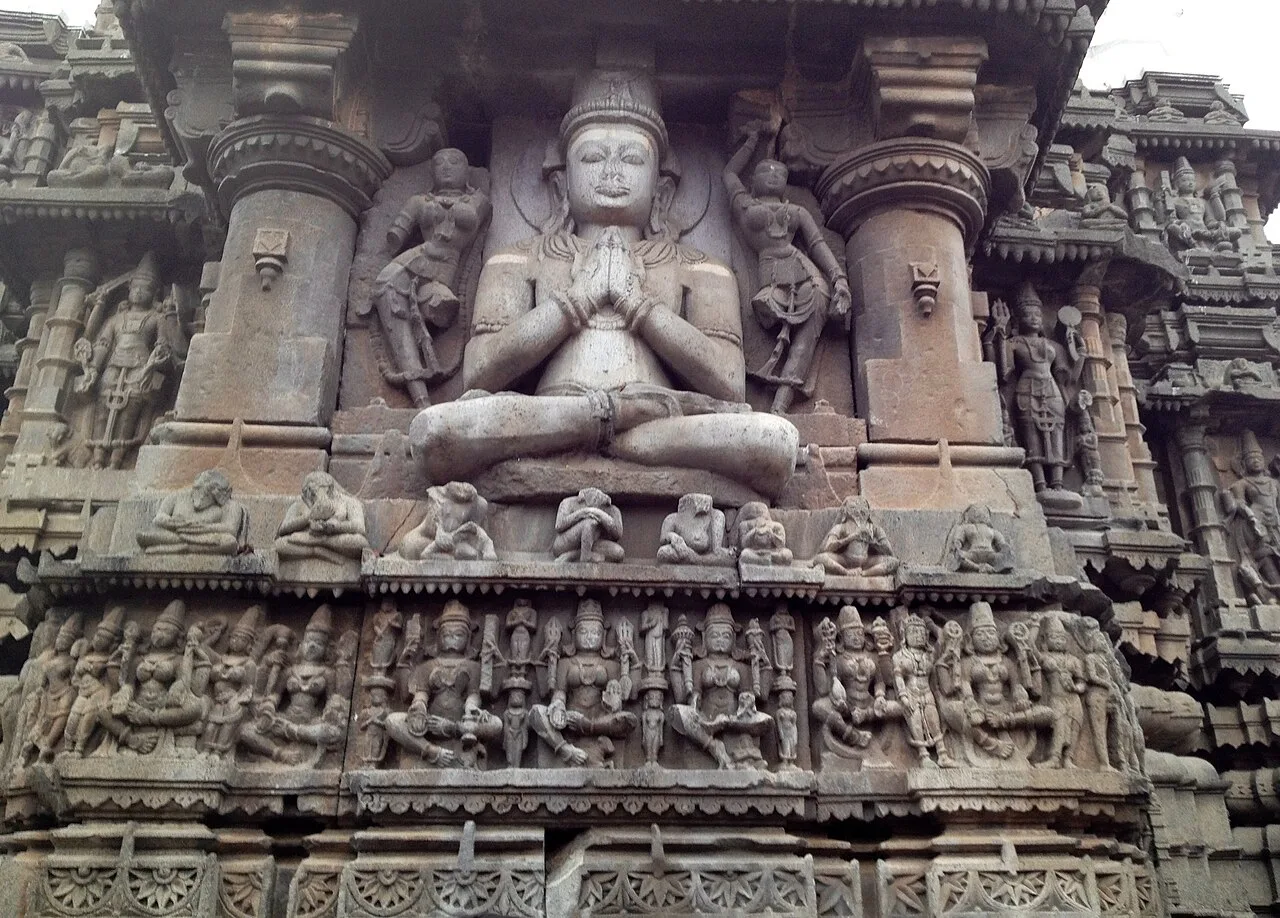
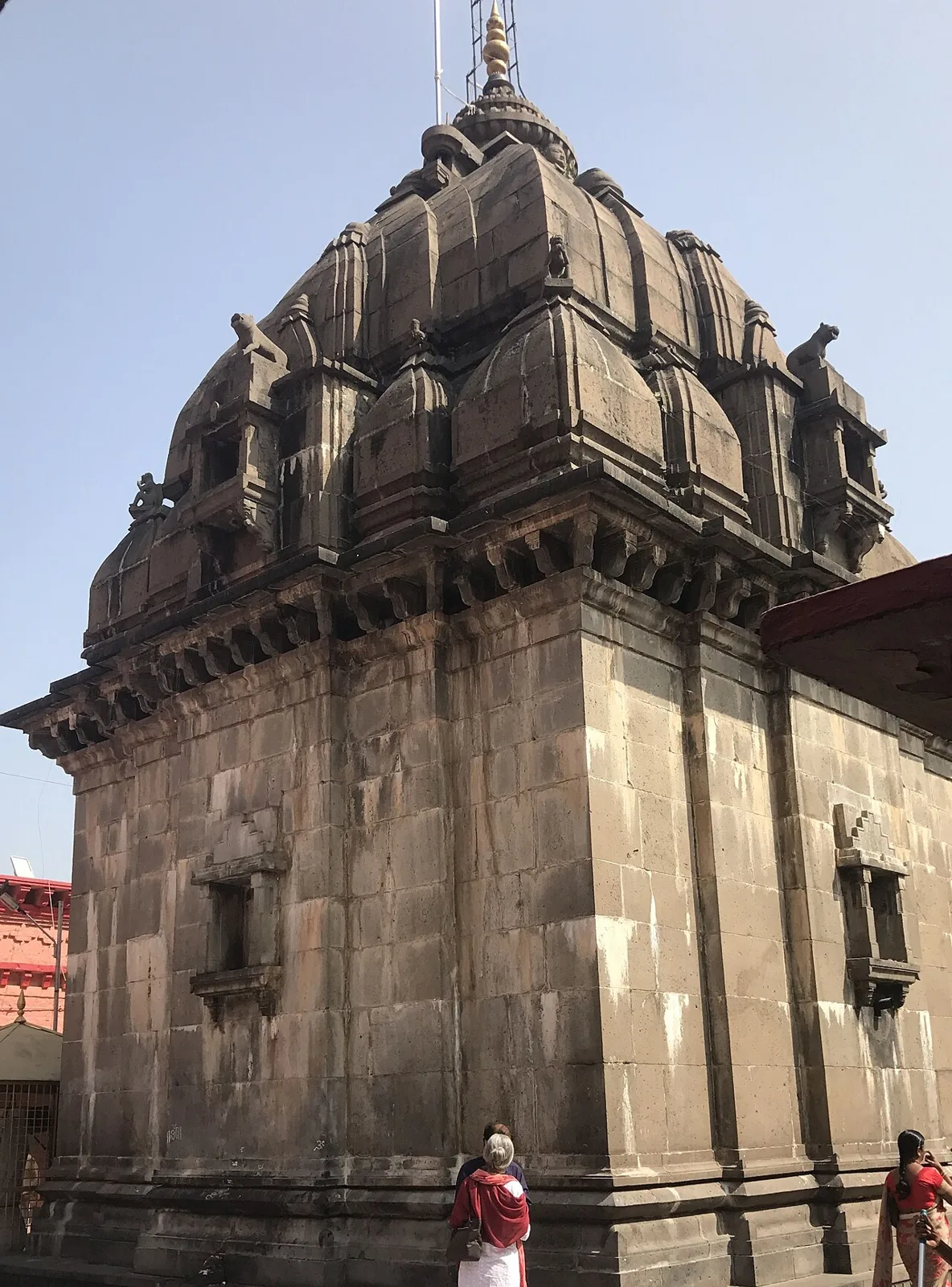
Shri Vaijnath Temple is a Shiva shrine at Parli Vaijnath in Maharashtra’s Beed district. Worshippers visit to perform abhishekam, and the temple is regarded as the fifth of Shiva’s twelve Jyotirlingas.

Tulja Bhavani Temple

63 km away · Dharashiv district

Tulja Bhavani Temple

Tulja Bhavani Temple is a 12th-century shrine to goddess Bhavani in Tuljapur, Maharashtra. It is counted among India’s 51 Shakti Pithas and the state’s four major Shakti shrines.

Hazur Sahib

115 km away · Nanded district

Hazur Sahib

Takht Sachkhand Sri Hazur Abchalnagar Sahib is one of Sikhism’s five takhts, in Nanded, Maharashtra. Visitors come to worship and remember Guru Gobind Singh at the site associated with his death and cremation.

Aundha Nagnath Temple

136 km away · Hingoli district

Aundha Nagnath Temple

Aundha Nagnath Temple is an old Shiva shrine in Maharashtra’s Hingoli district, regarded as the eighth of the twelve Jyotirlinga shrines. Visitors come for its religious importance, historical associations and distinctive architecture.

Vithoba Temple

154 km away · Solapur district

Vithoba Temple

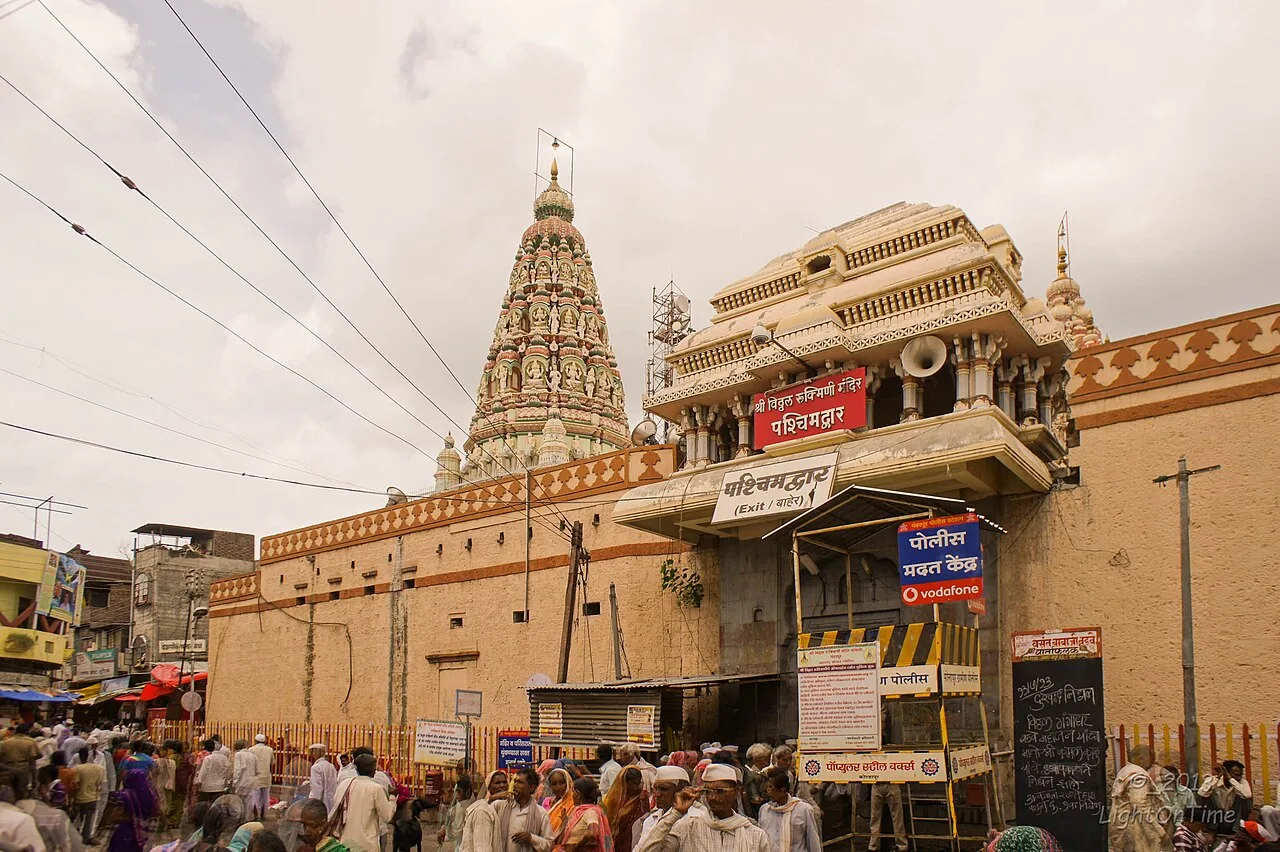
The Vithoba Temple, also called Shri Vitthal-Rukmini Mandir, is a Hindu shrine in Pandharpur, Maharashtra. Devotees visit to worship Vithoba and Rakhumai and join major Warkari pilgrimages.

Lonar Lake

176 km away · Buldhana district

Lonar Lake

Lonar Lake is a saline, soda-rich lake in Maharashtra’s Buldhana district, set within a meteorite-impact crater. Visitors come to see its unusual geological formation and recognised conservation status.

Ahmednagar Fort

206 km away · Ahilyanagar district

Ahmednagar Fort

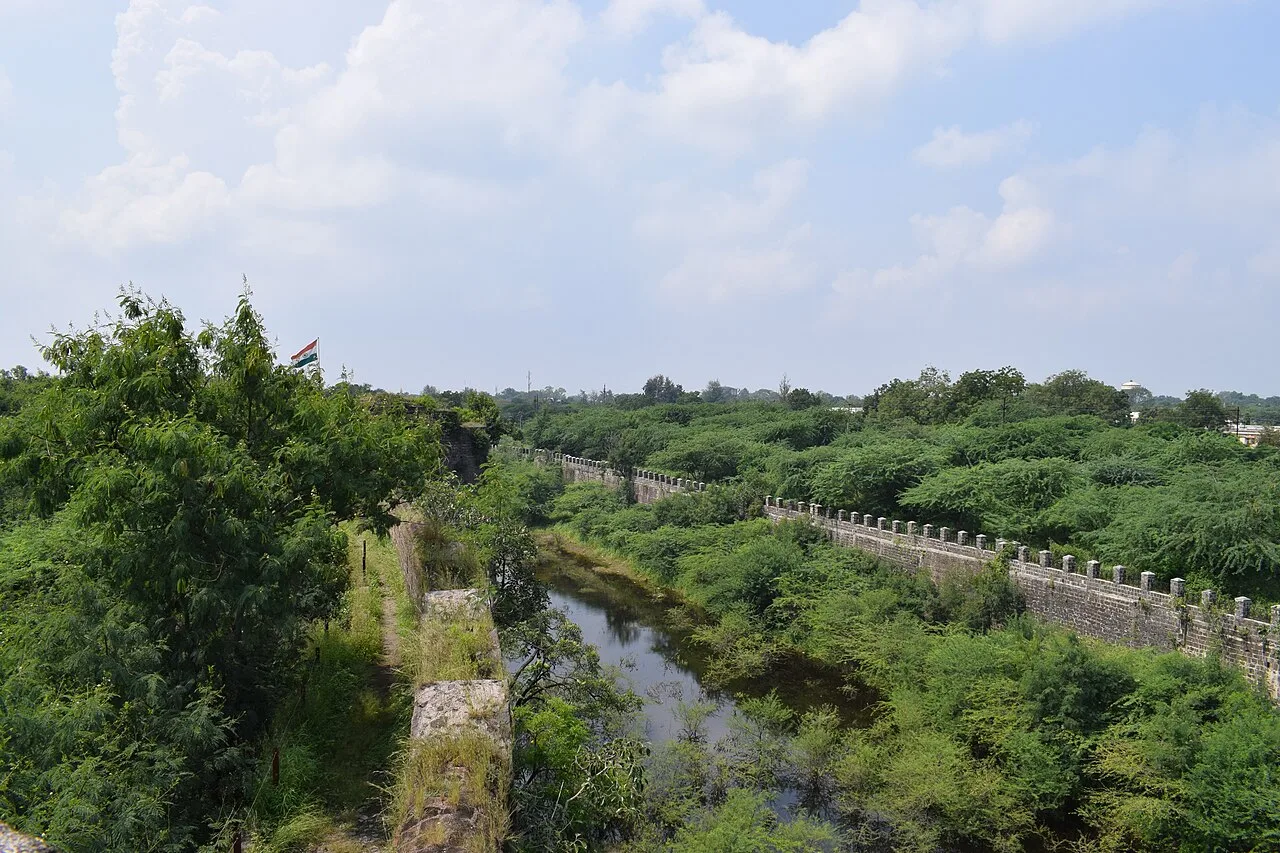
Ahmednagar Fort, in Maharashtra, is a historic stronghold associated with the Ahmednagar Sultanate, the 1803 Anglo-Maratha conflict and imprisonment under British rule, making it a point of historical interest.

Bibi Ka Maqbara

212 km away · Chhatrapati Sambhajinagar district

Bibi Ka Maqbara

Bibi Ka Maqbara is a Mughal mausoleum in Aurangabad, Maharashtra, built for Dilras Banu Begum. Visitors come to see its resemblance to the Taj Mahal and its place in the region’s history.

Map

Latur on the map

  1. 1Shri Vaijnath Temple
  2. 2Tulja Bhavani Temple
  3. 3Hazur Sahib
  4. 4Aundha Nagnath Temple
  5. 5Vithoba Temple
  6. 6Lonar Lake
  7. 7Ahmednagar Fort
  8. 8Bibi Ka Maqbara

Maharashtra

Other cities to explore