Ghumoopedia — Explore, Discover, Experience
Sign in
Alibag, near Pen

City guide · Maharashtra

Pen

Pen is a historic town in Raigad district, Maharashtra, valued for its central role in the district and its distinctive Ganesh-idol craft. Artisans here make idols for homes and public celebrations, and the town becomes especially lively in the lead-up to Ganeshotsav.

Famous for

  • Pen Ganesh idols
  • Ganeshotsav craftsmanship
  • Traditional salt cultivation
  • Historic Shiva temples
  • Bhogavati creek heritage
Plan a tripHotels near Pen

Why Pen matters

Pen is a historic town in Raigad district, Maharashtra, valued for its central role in the district and its distinctive Ganesh-idol craft. Artisans here make idols for homes and public celebrations, and the town becomes especially lively in the lead-up to Ganeshotsav. Visitors come to see the craft tradition, explore old temples and learn about a place shaped by both coastal trade and inland routes.

Set beside the Bhogavati creek and within reach of Mumbai and Pune, Pen has long connected the Konkan coast with the Deccan. Its past as a trading and salt-producing centre remains part of its identity, alongside the work of Aagri and Koli communities in the surrounding area. Today, Pen serves as a local centre for Raigad, with markets, transport links and religious sites drawing people from nearby villages. It offers a quieter introduction to the region’s living traditions than the major coastal resorts.
Famous for: crafts, trade & products

Pen is best known for its handmade Ganesh idols. Workshops produce figures in a range of sizes and styles, with activity rising before Ganesh Chaturthi. Visitors can ask at studios and shops around the town centre about viewing the craft or purchasing an idol; availability and workshop access vary by season. The tradition is an important local craft, not a GI-tagged product.

Salt cultivation is another longstanding livelihood, associated especially with Aagri and Koli communities in the wider area. Pen’s location also supported historic trade in rice and other goods between the coast and the Deccan. Today, the town’s everyday market is the practical place to look for local produce and household goods, while idol makers’ premises are the more relevant stop for craft. Pen is not primarily known for a particular textile or saree tradition, and visitors should not expect a dedicated handicraft bazaar. For a closer look at the town’s material heritage, combine a visit to an idol workshop with a walk through the older market area and a stop at one of its historic temples.

History

Pen’s name is sometimes linked to the Marathi word पेणे, meaning a place to rest, though its origin is uncertain. Its position near Bhogavati creek and on routes between the coast and Deccan helped it grow as a port and trading centre; Antora was associated with the historic port. The town’s prosperity also drew on salt production and rice exports.

From the ninth to twelfth centuries, the area was under the Silaharas of Shri Sthanak, before passing to the Yadavas. Later, Pen became a focus of Mughal–Maratha conflict. Mughal forces occupied local strongholds, and Maratha troops retook the area during Shivaji’s campaigns. Shivaji visited Pen in the seventeenth century. Temples and carved stones in and around town reflect older phases of religious and architectural life.

Improved links over the Bor pass helped Pen’s trade with Bombay and the Deccan in the nineteenth century. In modern times, roads and rail connections, regional commerce and the Ganesh-idol industry have sustained its role as a centre for Raigad.

Food, festivals & culture

Ganeshotsav, usually held in August or September according to the Hindu lunar calendar, is central to Pen’s public life and craft calendar. The town’s idol makers prepare for the festival months in advance, and neighbourhood celebrations bring processions, music and community gatherings. Navratri and Diwali are also observed, with dates varying each year. Dhol-tasha and lezim are familiar sounds at Maharashtrian celebrations; coastal folk songs and dance traditions are part of the wider Aagri and Koli cultural landscape.

Marathi is the main language, while Hindi is also understood in many public settings. Food reflects the Konkan and Maharashtrian setting: rice, fish and coconut feature in local and household cooking. Modak, closely associated with Ganesh worship, is especially enjoyed during Ganeshotsav. Pen and its surrounding villages have temples dedicated to Shiva and goddesses, including Rameshwar, Pataneshwar, Goteshwar and Vyaghreshwar, as well as Jagdumba at Vashi. These places of worship connect local religious practice with the area’s long history.

Visiting the city

October to February is generally the most comfortable period to visit, with milder weather than the hot season. The monsoon brings lush surroundings but also heavy rain, so allow for slower journeys. Ganeshotsav offers a vivid look at Pen’s idol-making tradition, though workshops can be particularly busy beforehand.

The nearest major airport is Chhatrapati Shivaji Maharaj International Airport in Mumbai. Pen Railway Station serves the town; Panvel is a larger nearby rail interchange. Local buses and auto-rickshaws are useful for getting around, while a hired vehicle can help reach temples and villages outside the centre. Explore the town centre and older market streets, visit local idol-making workshops, and set aside time for the historic temples. Bhogavati creek and the wider area around Vashi offer additional context for Pen’s coastal and religious heritage.

Trips from the city

Nearest places to visit from Pen

Our closest destination guides, by straight-line distance.

Alibag

25 km away · Raigad district

Alibag

Alibag is a coastal town and municipal council in Maharashtra’s Raigad district. Visitors come for its religious association with Padmakshi Renuka, revered as the goddess of Konkan.

Elephanta Caves

31 km away · Raigad district

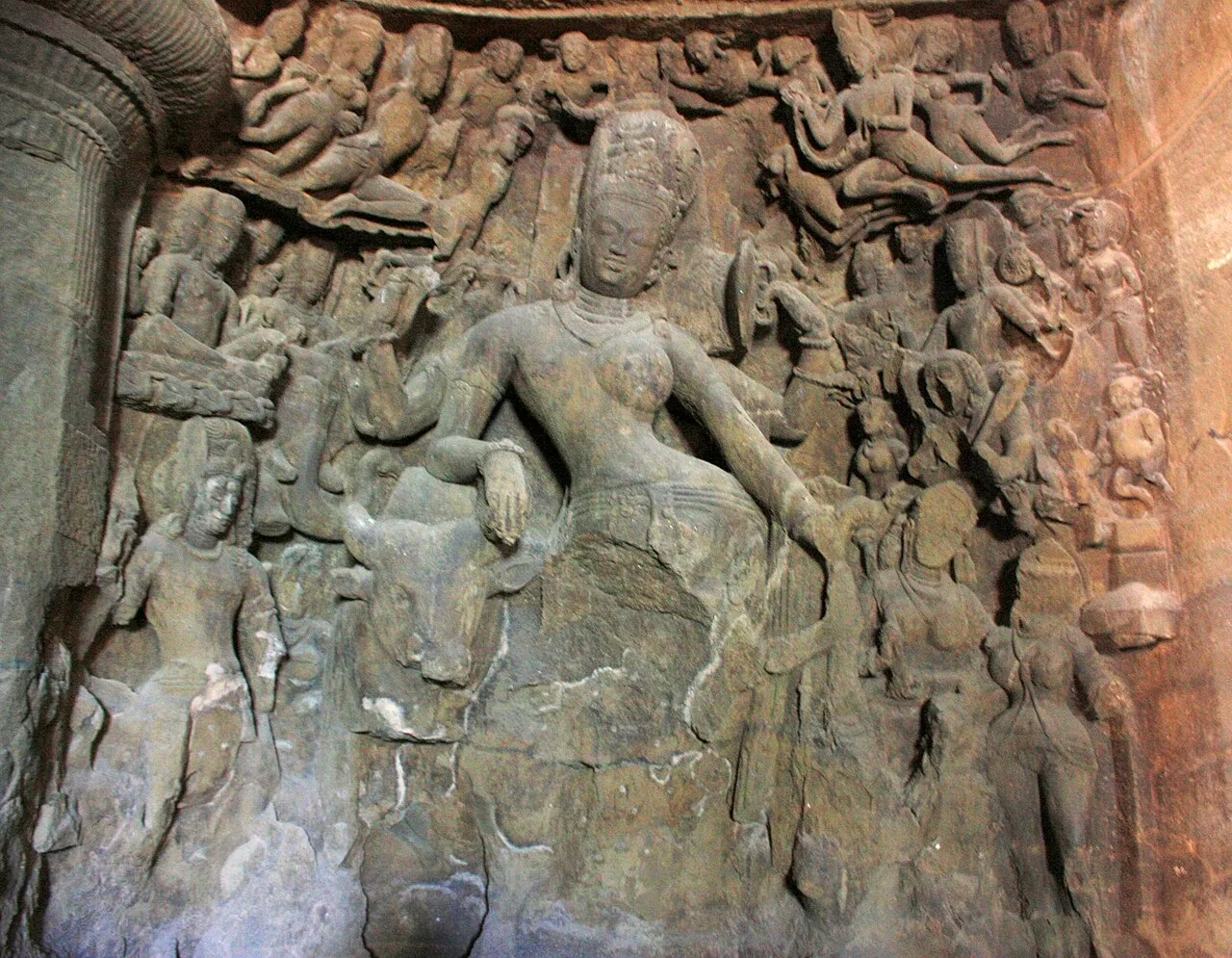
Elephanta Caves

Elephanta Caves is a group of rock-cut temples on Gharapuri Island, chiefly associated with Shiva. Visitors come to see its carved panels and monumental images, recognised by UNESCO as a World Heritage Site.

Lonavala

33 km away · Pune district

Lonavala

Lonavala, part of the Lonavala-Khandala hill station in Pune district, is a municipal council. People visit for its chikki and its location on rail and road routes between Mumbai and Pune.

Matheran

33 km away · Raigad district

Matheran

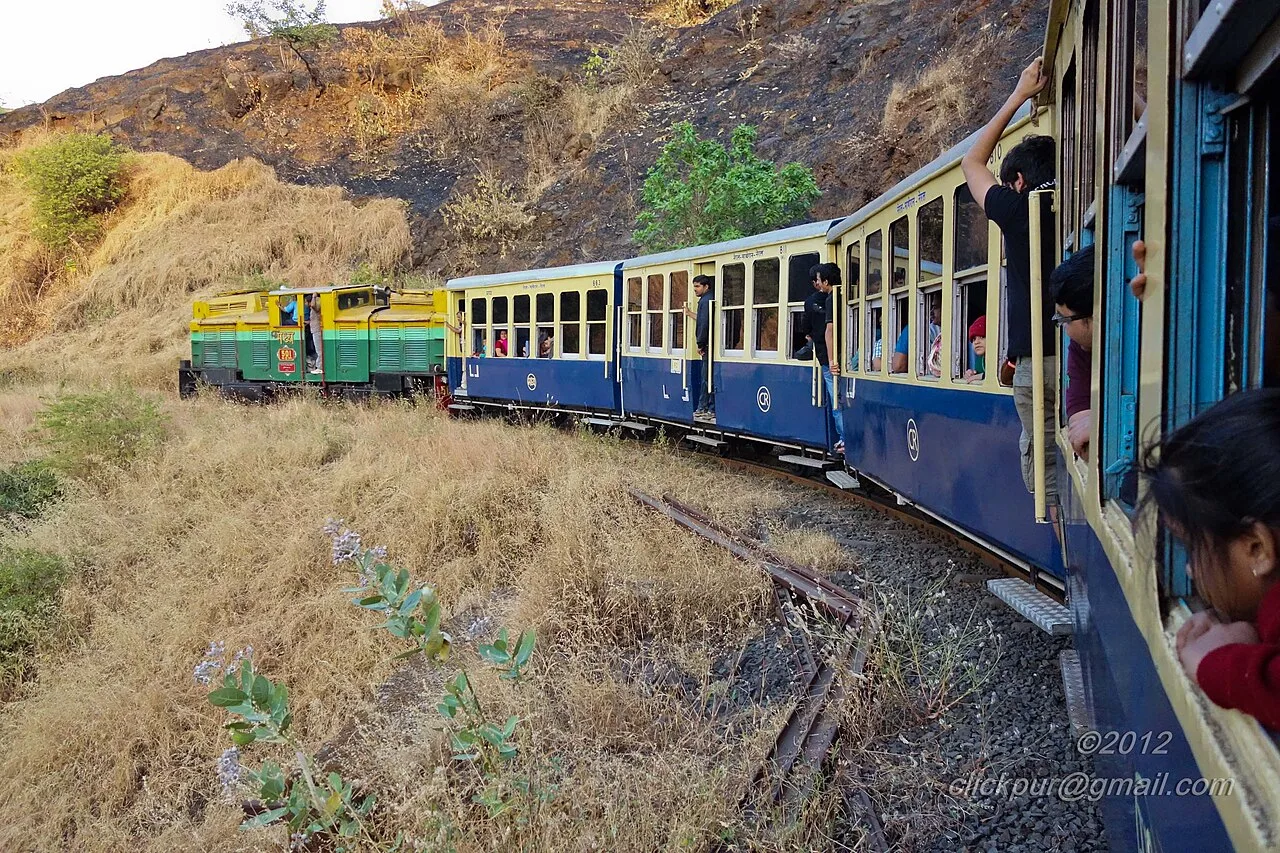
Matheran is a hill town in Maharashtra’s Raigad district, known for its limited motor traffic, Western Ghats setting and preserved colonial-era buildings.

Rajmachi

33 km away · Pune district

Rajmachi

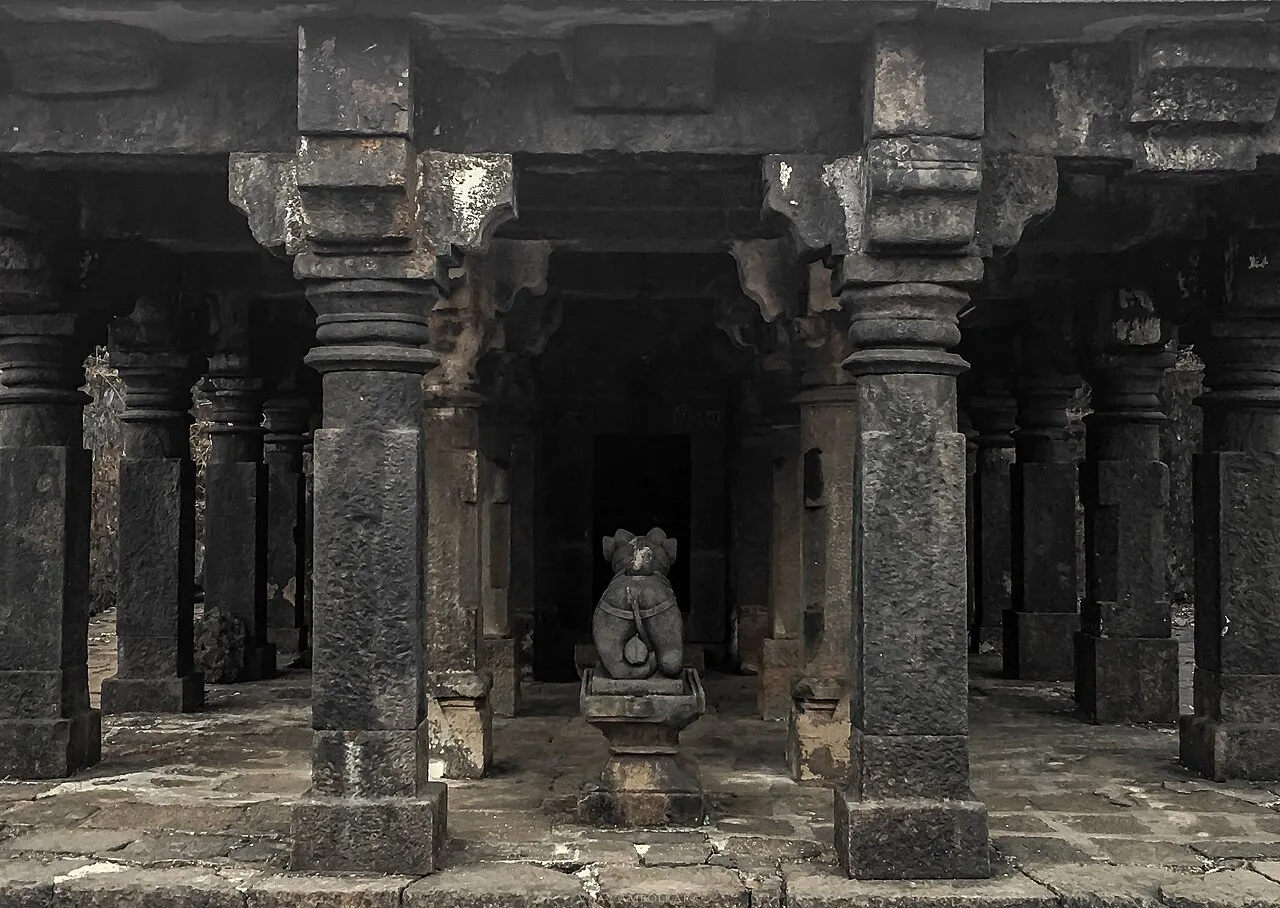
Rajmachi is a historic fort in Pune district, Maharashtra, set in the Sahyadri hills. Visitors come to see its paired strongholds, Shriwardhan and Manaranjan, and the surrounding plateau.

Gateway of India

34 km away · Mumbai City district

Gateway of India

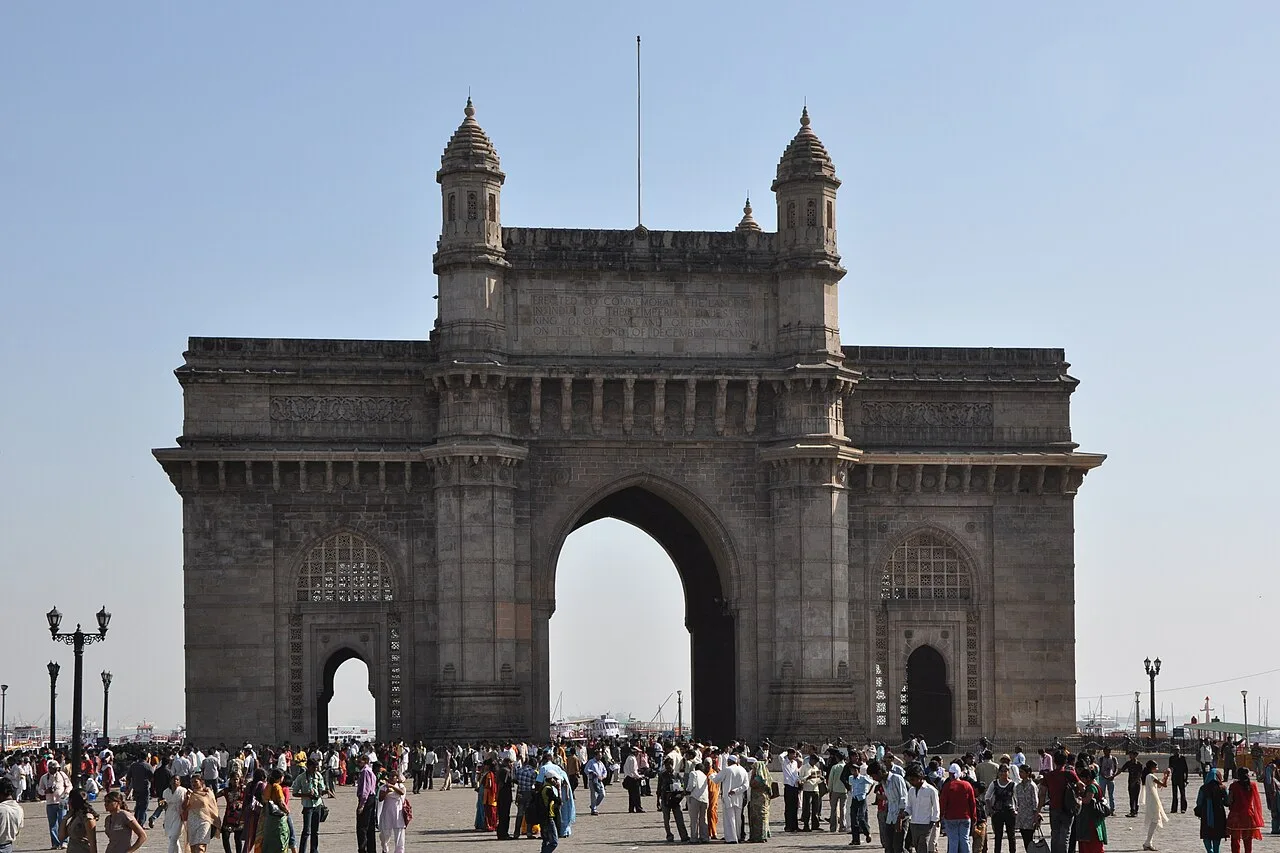
The Gateway of India is a basalt arch in Mumbai, built to mark King George V’s 1911 arrival. Visitors come to see its architecture, waterfront setting and place in the city’s history.

Chhatrapati Shivaji Maharaj Vastu Sangrahalaya

35 km away · Mumbai City district

Chhatrapati Shivaji Maharaj Vastu Sangrahalaya

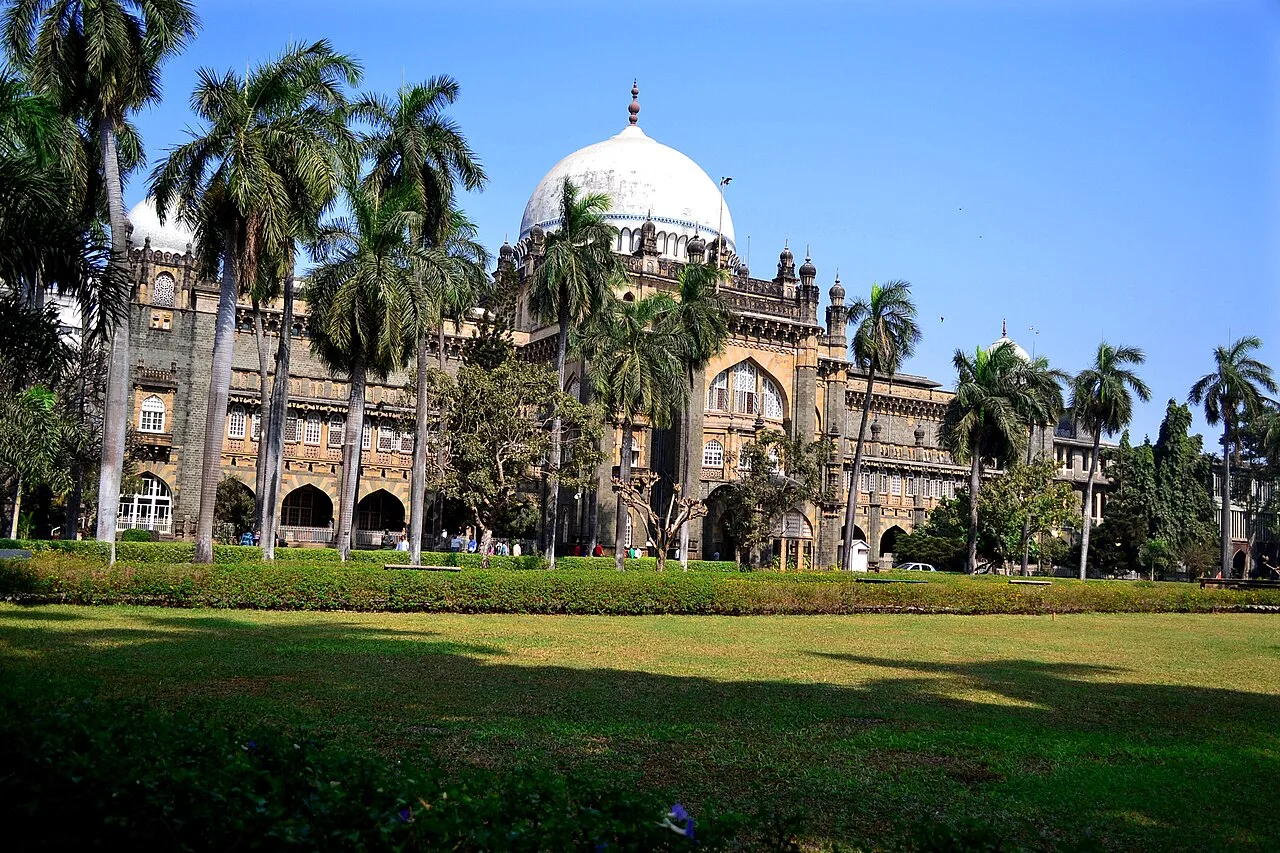
This Mumbai museum presents India’s history from prehistoric times to the modern era. Visitors explore collections spanning art, archaeology and natural history, including Indian artefacts and objects from abroad.

Chhatrapati Shivaji Terminus

35 km away · Mumbai City district

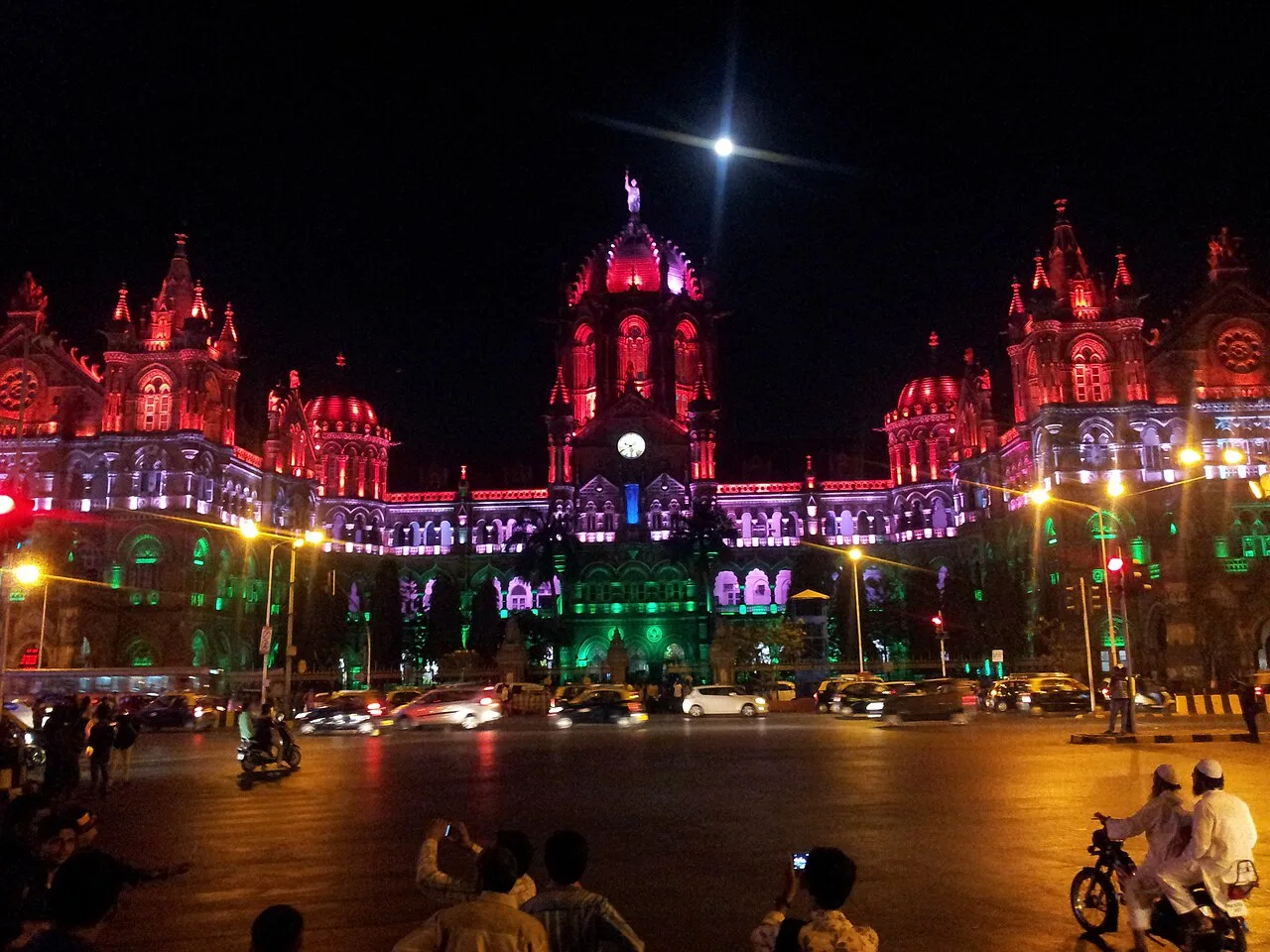
Chhatrapati Shivaji Terminus

Chhatrapati Shivaji Maharaj Terminus is a Mumbai railway hub and UNESCO World Heritage Site, visited for its Indo Gothic architecture and its place in the city’s railway history.

Map

Pen on the map

  1. 1Alibag
  2. 2Elephanta Caves
  3. 3Lonavala
  4. 4Matheran
  5. 5Rajmachi
  6. 6Gateway of India
  7. 7Chhatrapati Shivaji Maharaj Vastu Sangrahalaya
  8. 8Chhatrapati Shivaji Terminus

Maharashtra

Other cities to explore