Ghumoopedia — Explore, Discover, Experience
Sign in
Sanjay Gandhi National Park, near Bhiwandi

City guide · Maharashtra

Bhiwandi

Bhiwandi is an industrial and commercial city in Thane district, within the Mumbai Metropolitan Region. Its position northeast of Mumbai, near Thane and the Mumbai–Agra Highway, has made it an important link between the metropolitan area, inland markets and supply networks across India.

Famous for

  • Power-loom textiles
  • Textile wholesale trade
  • Warehousing and logistics
  • Mumbai–Agra Highway links

Why Bhiwandi matters

Bhiwandi is an industrial and commercial city in Thane district, within the Mumbai Metropolitan Region. Its position northeast of Mumbai, near Thane and the Mumbai–Agra Highway, has made it an important link between the metropolitan area, inland markets and supply networks across India. The city is best known for its power-loom textile industry and, increasingly, for the large warehouses and logistics operations that serve businesses across the region.

For visitors, Bhiwandi is more a working city than a conventional sightseeing destination. Its appeal lies in seeing the scale of its textile and distribution economy, and in exploring the busy commercial streets and everyday life of a diverse urban centre. Textile activity remains part of its identity, although the industry has faced difficult conditions and many units have closed. Warehousing, transport, services and trade now share the economic landscape. Bhiwandi is also the headquarters of its tehsil and is administered by the Bhiwandi-Nizampur City Municipal Corporation. It offers a useful view of how Mumbai’s economic reach extends beyond the city itself.

Famous for: crafts, trade & products

Bhiwandi’s defining product is woven fabric made in power-loom units. The city has long produced cloth for wider markets, including material used in garment and other textile supply chains. Production ranges across everyday fabrics rather than one signature weave or a single celebrated saree tradition. The sector has been under pressure in recent years, but textiles remain central to the city’s commercial identity. Buyers seeking fabric can enquire with local textile traders and wholesale businesses; many operate as trade suppliers rather than visitor-oriented shops, so it is sensible to confirm access and retail options before making a special trip.

The city is also known for its extensive godowns and distribution businesses. Warehouses serving e-commerce, retail and freight companies make Bhiwandi an important logistics base for Mumbai and beyond. Grocery trading and service businesses add to this economy. Bhiwandi is not chiefly identified with a particular GI-tagged product or a major handicraft tradition; its reputation is rooted in manufacturing, wholesale trade and storage. Commercial activity is spread across the city, with busy market and transport corridors best experienced as working districts rather than curated tourist markets.

History

Bhiwandi grew within the Thane–Kalyan hinterland, a region connected to the coastal lowlands and routes linking settlements around Mumbai with markets farther inland. Its history is less associated with grand royal monuments than with trade, local settlement and changing transport links. The wider region came under successive Indian powers and later British rule; as Bombay expanded under colonial administration, stronger connections to the city’s markets helped reshape nearby towns. Bhiwandi’s precise local history is not always visible in its modern streetscape.

In the twentieth century, textile production transformed the city. Power looms expanded, attracting workers and supporting a dense network of workshops, traders and related services. After independence, Bhiwandi became a major centre for cloth production and trade. More recently, its location and road links have also encouraged large-scale warehousing and logistics. The textile sector has faced a prolonged downturn, with closures affecting many units, while distribution and service industries have become increasingly prominent. This shift from loom town to mixed industrial and logistics centre continues to shape Bhiwandi today.

Food, festivals & culture

Bhiwandi’s culture reflects Maharashtra’s Konkani and wider Mumbai-region influences, alongside its diverse communities. Marathi, Hindi and Urdu are commonly heard, with other languages also present through migration and trade. Everyday food includes familiar Maharashtrian snacks and meals, such as vada pav, misal and thalis. Local eateries also serve dishes associated with Muslim cooking, including biryani and kebabs. During Eid, seviyan and sheer khurma are customary festive sweets; modak is associated with Ganesh Chaturthi. These are widely shared regional foods rather than products unique to Bhiwandi.

The calendar brings together Hindu and Muslim observances, including Ganesh Chaturthi, Navratri, Diwali, Eid al-Fitr and Eid al-Adha. Their timing varies with the religious calendar; Navratri and Diwali usually fall in autumn, while Eid dates move each year. Processions, devotional singing, dhol-tasha and community gatherings contribute to festival life. Temples, mosques and other places of worship serve neighbourhood communities, though Bhiwandi is not chiefly known as a pilgrimage destination. Its cultural character is most apparent in local markets, food shops and busy streets where residents’ languages and traditions meet.

Visiting the city

The cooler months, roughly November to February, are generally the most comfortable for visiting. The nearest major airport is Chhatrapati Shivaji Maharaj International Airport in Mumbai. Bhiwandi Road railway station, near Anjurphata, is the city’s main rail stop; visitors may also use larger regional stations such as Thane or Kalyan depending on their route. Auto-rickshaws, local buses and taxis are useful for getting around, though traffic can be heavy around commercial corridors.

Explore the older town streets and the active market areas to get a sense of local life. Dhamankar Naka and Anjurphata are busy commercial and transport areas, while Narpoli and nearby industrial districts show the city’s textile and warehousing character. Many workplaces are not tourist attractions, so ask locally before visiting a unit or warehouse. Plan the city as an urban and industrial visit rather than a monument-focused stop.

Trips from the city

Nearest places to visit from Bhiwandi

Our closest destination guides, by straight-line distance.

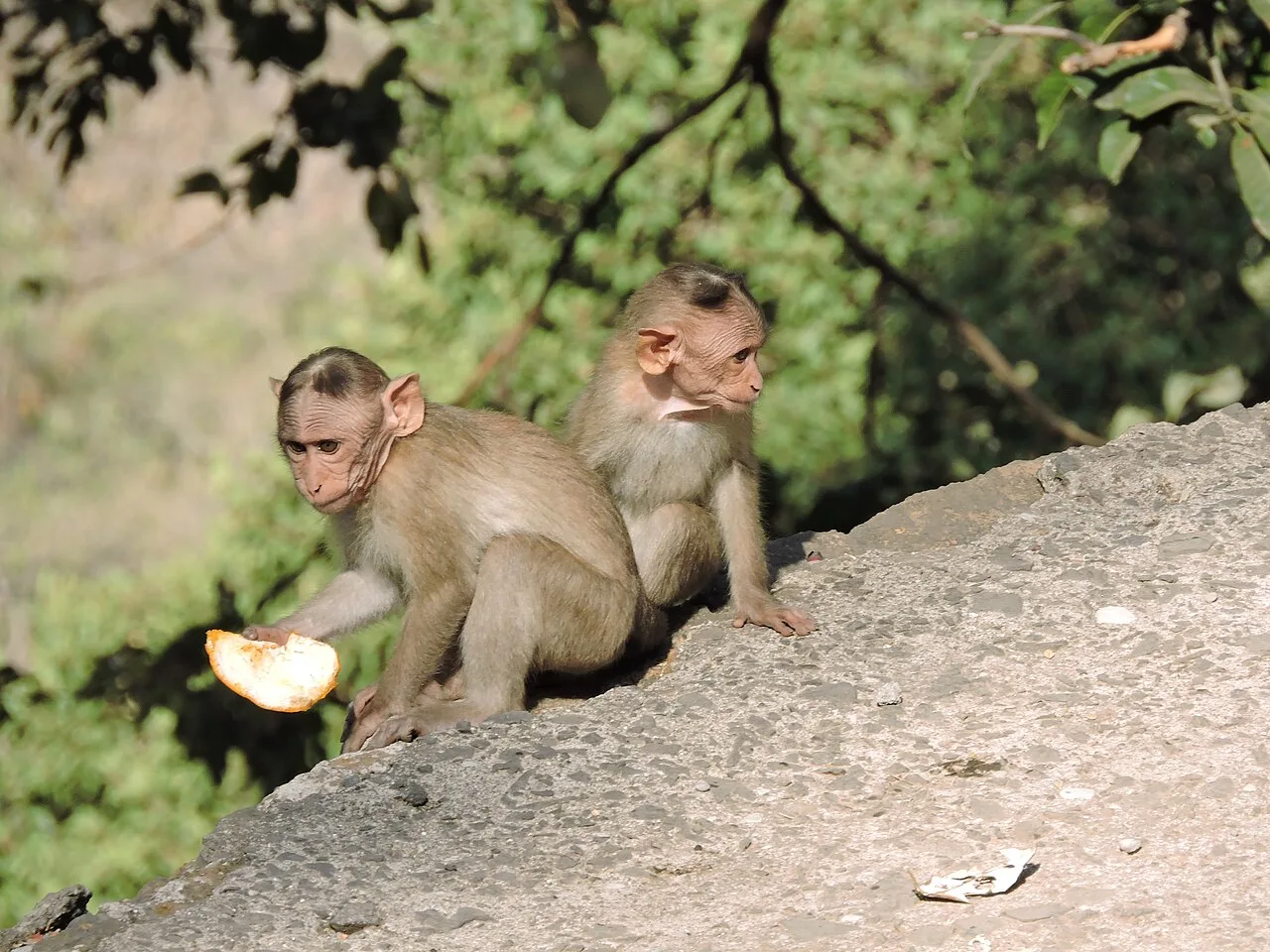
Sanjay Gandhi National Park

16 km away · Mumbai Suburban district

Sanjay Gandhi National Park

Covering 103.84 square kilometres in Mumbai, Sanjay Gandhi National Park is a protected area in Maharashtra. More than two million people visit it each year.

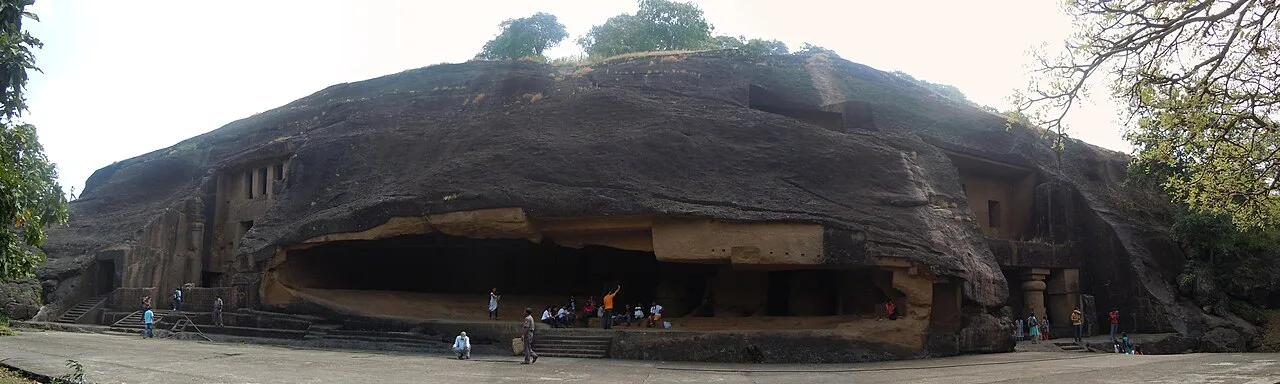
Kanheri Caves

19 km away · Mumbai Suburban district

Kanheri Caves

Kanheri Caves is a Buddhist monastic complex carved into a basalt hillside in Mumbai’s Sanjay Gandhi National Park. Visitors explore its caves, worship halls, sculptures and ancient water systems.

Powai Lake

25 km away · Mumbai Suburban district

Powai Lake

An artificial lake in Mumbai’s Powai suburb, Powai Lake is a popular local attraction, with major educational institutions and urban neighbourhoods nearby.

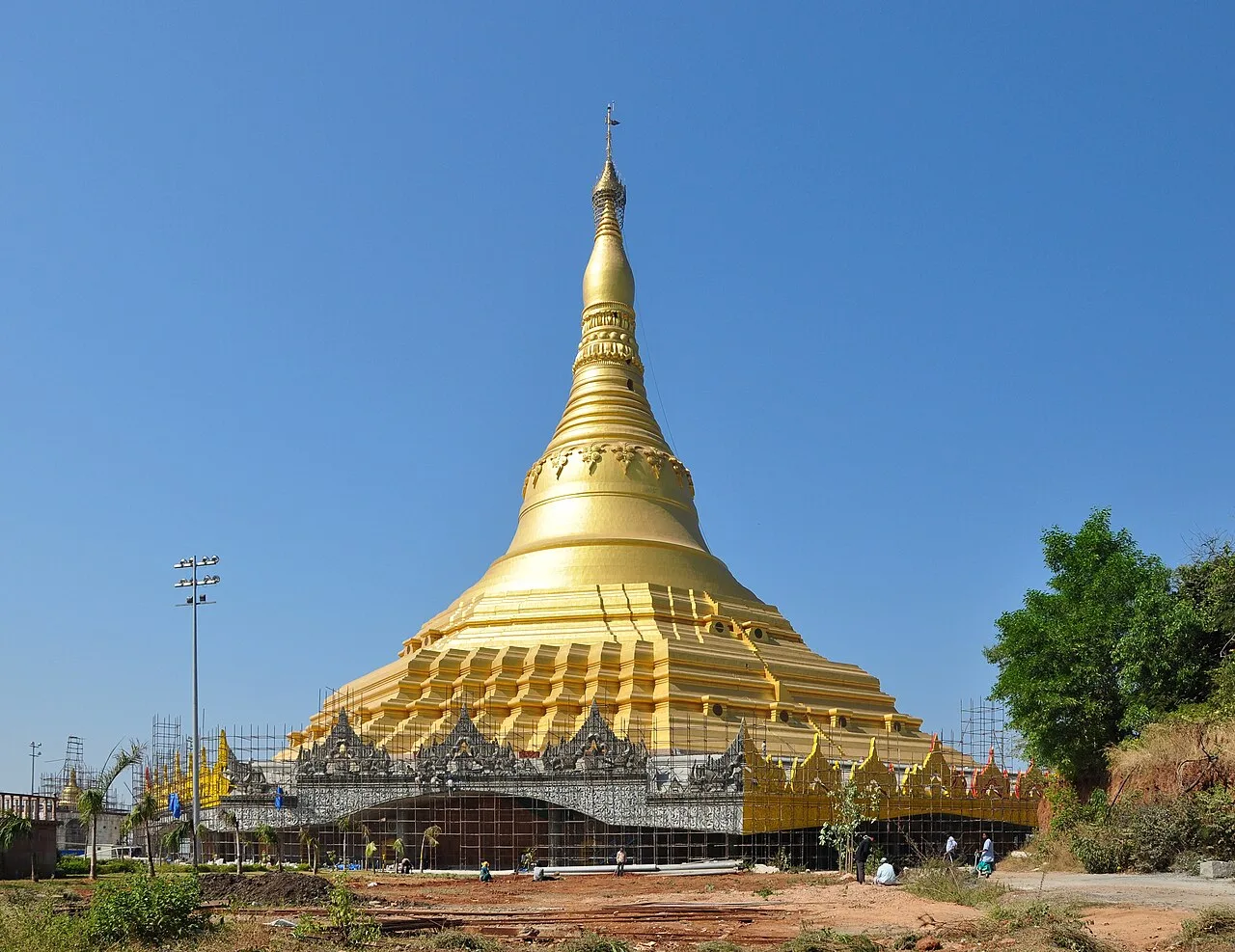
Global Vipassana Pagoda

28 km away · Mumbai Suburban district

Global Vipassana Pagoda

The Global Vipassana Pagoda is a large meditation centre near Gorai in north-west Mumbai. Visitors come to learn about Vipassana and the Buddha’s teachings, and to see its Burmese-inspired architecture.

Juhu Beach

33 km away · Mumbai Suburban district

Juhu Beach

Juhu is a coastal Mumbai suburb on Salsette Island, best known for its beach. People visit the shore, and the neighbourhood is also associated with Bollywood residents.

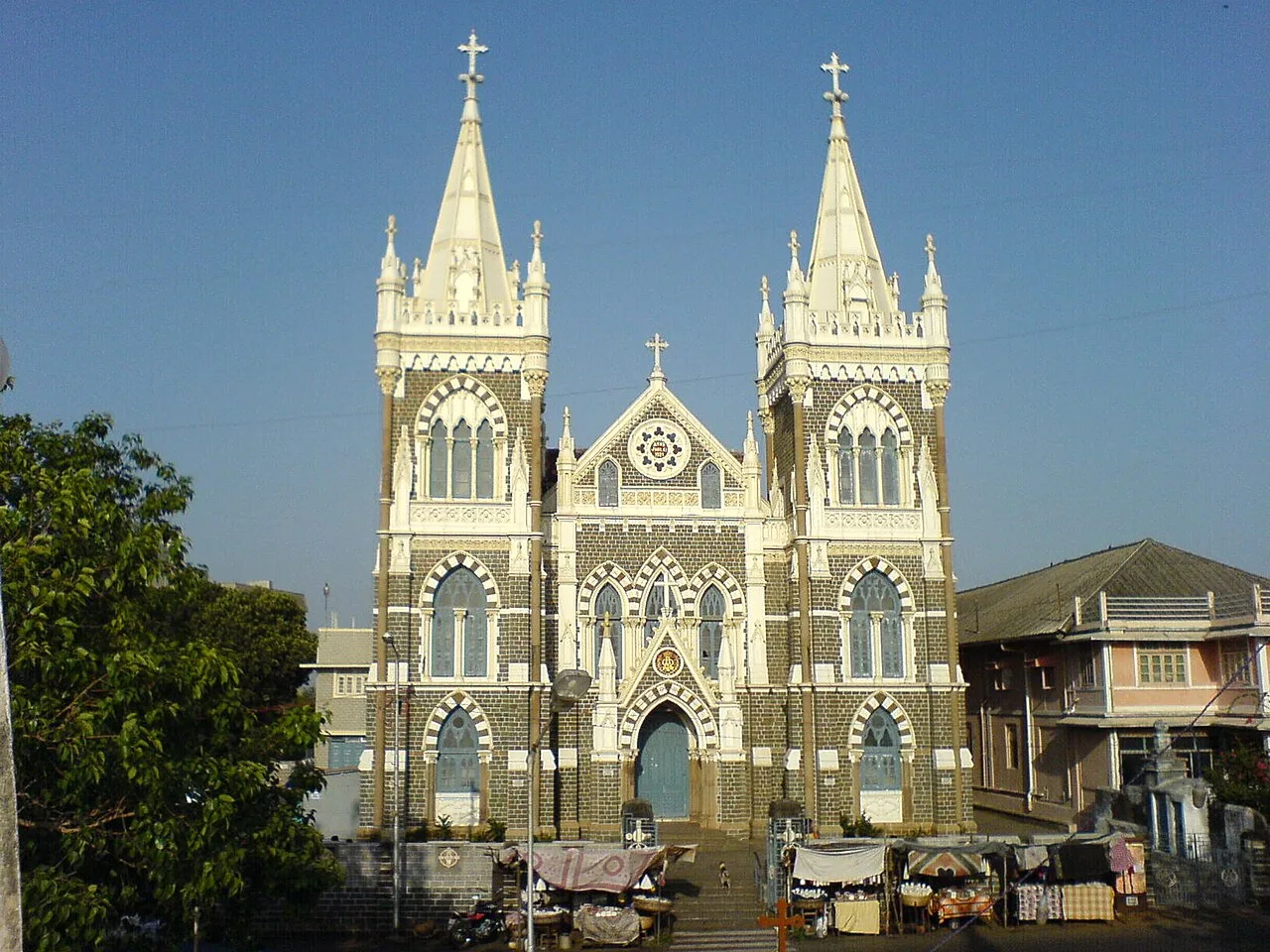
Basilica of Our Lady of the Mount

38 km away · Mumbai Suburban district

Basilica of Our Lady of the Mount

A Roman Catholic basilica and shrine in Mumbai’s Bandra neighbourhood, it draws visitors for the annual Marian feast and fair, as well as people hoping their mannat, or wish, will be fulfilled.

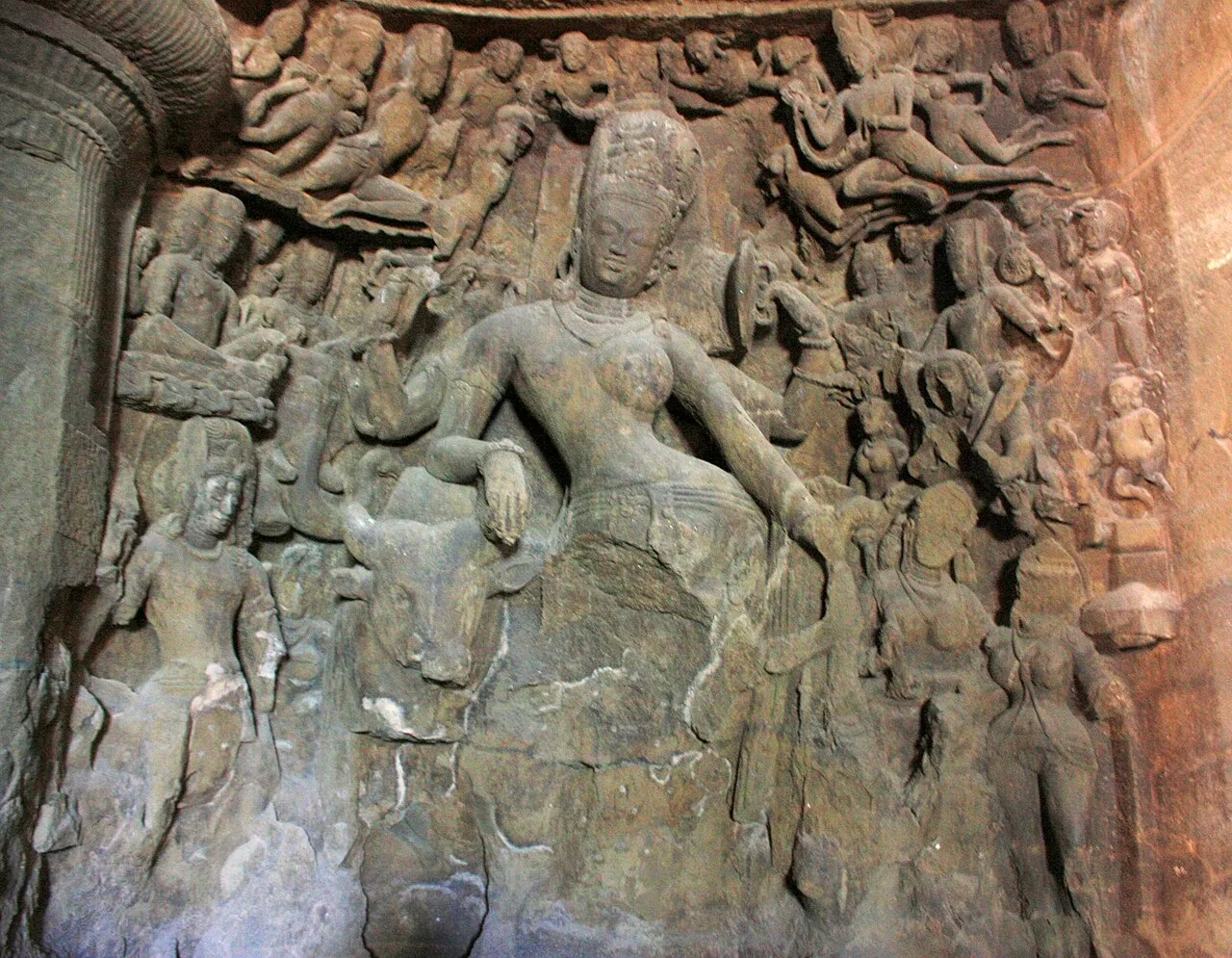
Elephanta Caves

40 km away · Raigad district

Elephanta Caves

Elephanta Caves is a group of rock-cut temples on Gharapuri Island, chiefly associated with Shiva. Visitors come to see its carved panels and monumental images, recognised by UNESCO as a World Heritage Site.

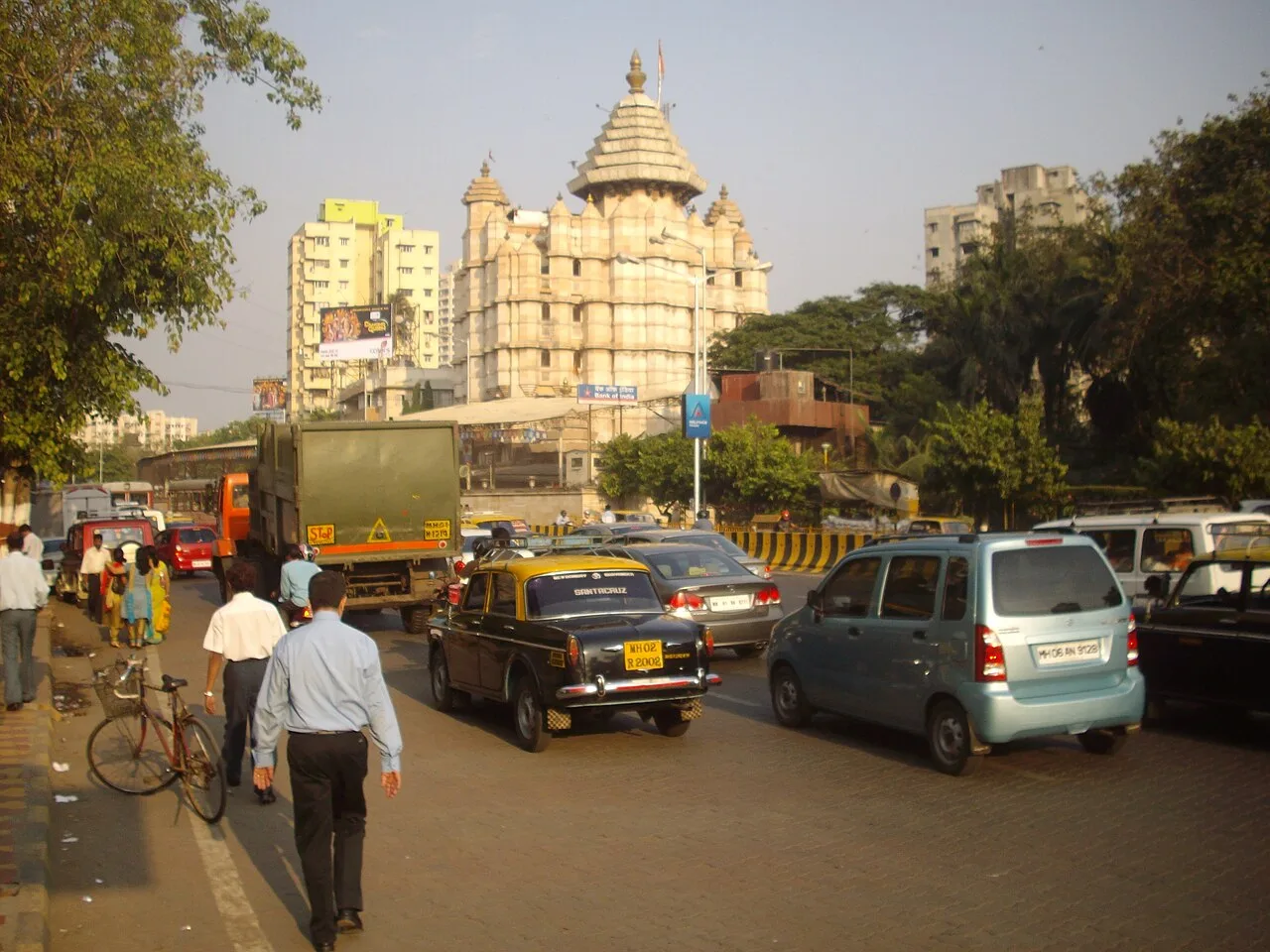
Siddhivinayak Temple

40 km away · Mumbai City district

Siddhivinayak Temple

Shri Siddhivinayak Ganapati Mandir is a Hindu temple in Mumbai’s Prabhadevi neighbourhood, centred on Ganesha. People visit to worship at the Siddhi Vinayak shrine, whose name is associated with granting wishes.

Map

Bhiwandi on the map

  1. 1Sanjay Gandhi National Park
  2. 2Kanheri Caves
  3. 3Powai Lake
  4. 4Global Vipassana Pagoda
  5. 5Juhu Beach
  6. 6Basilica of Our Lady of the Mount
  7. 7Elephanta Caves
  8. 8Siddhivinayak Temple

Maharashtra

Other cities to explore