Ghumoopedia — Explore, Discover, Experience
Sign in
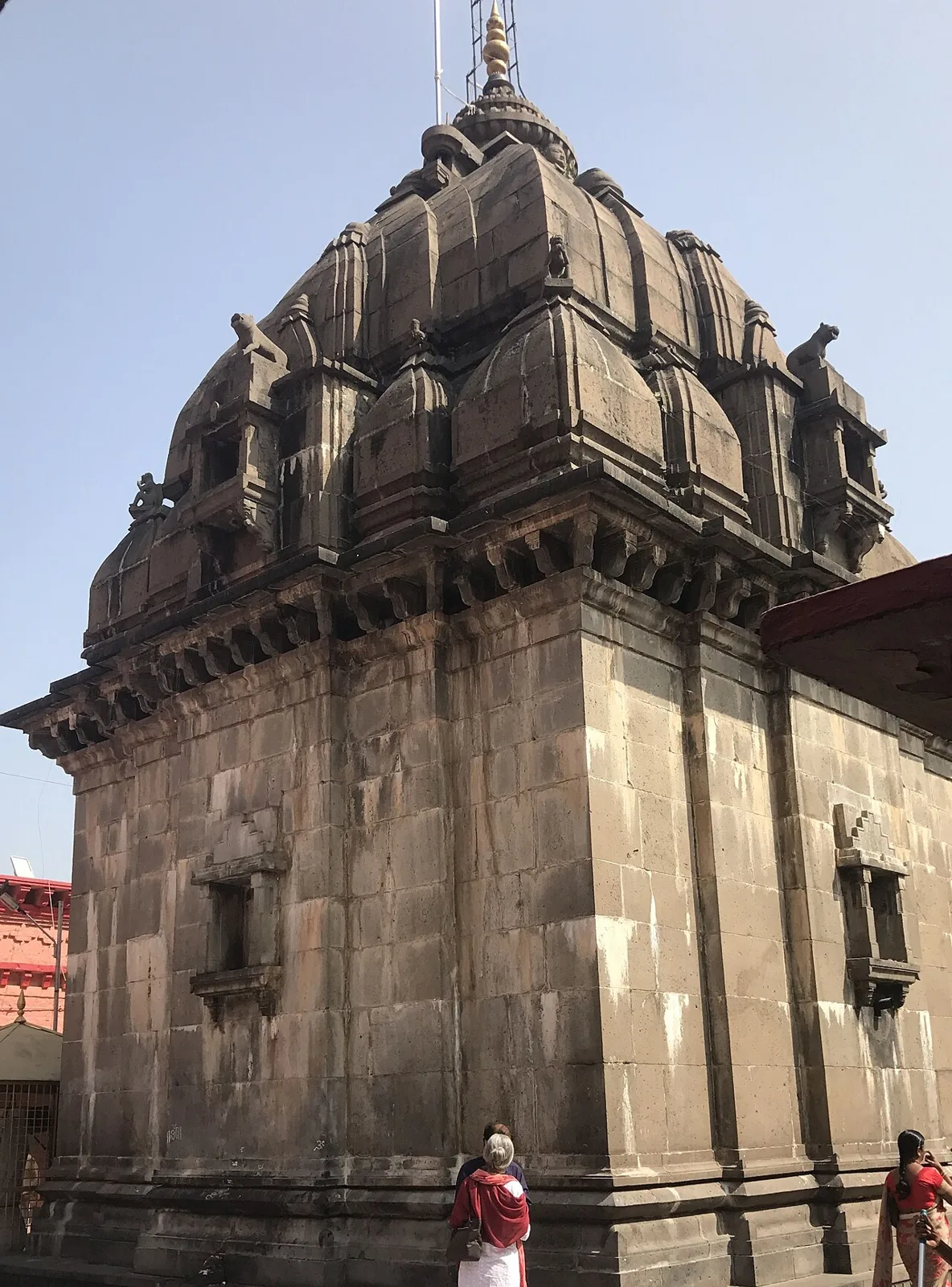
Shri Vaijnath Temple, near Kaij

City guide · Maharashtra

Kaij

Kaij is a small town in Beed district, in Maharashtra’s Marathwada region. Its main role today is as the headquarters of Kaij taluka, serving surrounding settlements with administrative services, local trade and everyday amenities.

Famous for

  • Kaij taluka headquarters
  • Marathwada regional centre
  • Historic temples and dargahs
  • Religious diversity
Plan a tripHotels near Kaij

Why Kaij matters

Kaij is a small town in Beed district, in Maharashtra’s Marathwada region. Its main role today is as the headquarters of Kaij taluka, serving surrounding settlements with administrative services, local trade and everyday amenities. It is about 32 kilometres west of Ambejogai and provides a useful point of reference for exploring this part of the district.

Visitors are drawn more by local life and religious heritage than by a large, purpose-built tourist circuit. Temples and dargahs form part of the town’s built and devotional landscape, reflecting the religious diversity of the region. Kaij also offers a glimpse of semi-arid Marathwada: its settlement patterns, community institutions and links with nearby towns. It is best approached as a modest regional centre rather than a destination known for major monuments or luxury tourism. Those interested in local history can explore its places of worship respectfully and ask locally about access, customs and nearby sites.
Famous for: crafts, trade & products

Kaij is not widely identified with a signature textile, handicraft, GI-tagged product or nationally known industry. Its importance is chiefly administrative and regional: as the taluka headquarters, it serves residents of Kaij and nearby villages. The town’s shops and market area cater to everyday needs, while local services support travel and commerce between surrounding settlements. Visitors looking for specialist craft workshops or a recognised product market should not assume these are established attractions.

For a sense of local trade, explore the central bazaar and streets around the town’s main commercial areas; ask shopkeepers about locally made goods and seasonal produce. The town’s temples and dargahs are more distinctive points of interest than a particular shopping product, though they are places of worship rather than commercial attractions. Kaij’s wider setting is shaped by the rural economy of Beed district, but specific crops, makers and market days can vary. Check locally before planning a visit around a particular product or event.

History

Kaij’s history is best understood within the wider story of Marathwada, a region shaped by changing political authorities and longstanding religious traditions. The town’s temples and dargahs point to a varied devotional landscape, although a detailed, well-documented chronology of Kaij itself is not readily established. It is therefore more accurate to describe its heritage through its local institutions and regional setting than to assign it to a particular dynasty or ruler without evidence.

Before independence, Marathwada formed part of the princely state of Hyderabad, rather than the directly administered British provinces. The state joined the Indian Union in 1948, and the region became part of Maharashtra when the state was formed in 1960. In modern times Kaij has developed chiefly as an administrative centre, serving as the headquarters of its taluka. Its role in local governance and services continues to connect the town with surrounding villages and the wider Beed district.

Food, festivals & culture

Marathi is the principal language of everyday life in Kaij; Urdu and Hindi may also be heard. The town’s religious diversity is visible in its temples and dargahs, where visitors should follow local customs, dress respectfully and seek permission before photographing worshippers or interiors. Community life is shaped by both Hindu and Muslim observances, alongside the rhythms of the agricultural year.

Ganeshotsav and Navratri are generally celebrated during the monsoon and early autumn, while Diwali falls in autumn. Eid celebrations follow the Islamic lunar calendar, so their season shifts from year to year; Muharram is also observed by some residents. Local devotional singing, bhajans and festival processions may be part of community celebrations, though events vary by neighbourhood and year. Food is broadly associated with Marathwada and Maharashtra: meals may include bhakri, vegetables, lentils and spicy preparations, with sweets served during festivals. These are regional food traditions, not specialties unique to Kaij.

Visiting the city

The cooler months, roughly October to February, are generally more comfortable for visiting; summers can be hot, and monsoon travel may be affected by rain. Kaij has no major airport of its own. Nanded Airport is a regional option, while Chhatrapati Sambhajinagar Airport is another air gateway; check current flight availability before choosing. Parli Vaijnath is a principal nearby railway station, with onward travel to Kaij by road.

Buses and hired vehicles connect Kaij with nearby towns, and local auto-rickshaws can be useful for short trips. The central bazaar and the areas around local temples and dargahs are natural places to explore on foot, with due respect for worship and local guidance. Kaij is compact, so confirm road connections and access to particular sites locally, especially outside the town centre.

Trips from the city

Nearest places to visit from Kaij

Our closest destination guides, by straight-line distance.

Shri Vaijnath Temple

51 km away · Beed district

Shri Vaijnath Temple

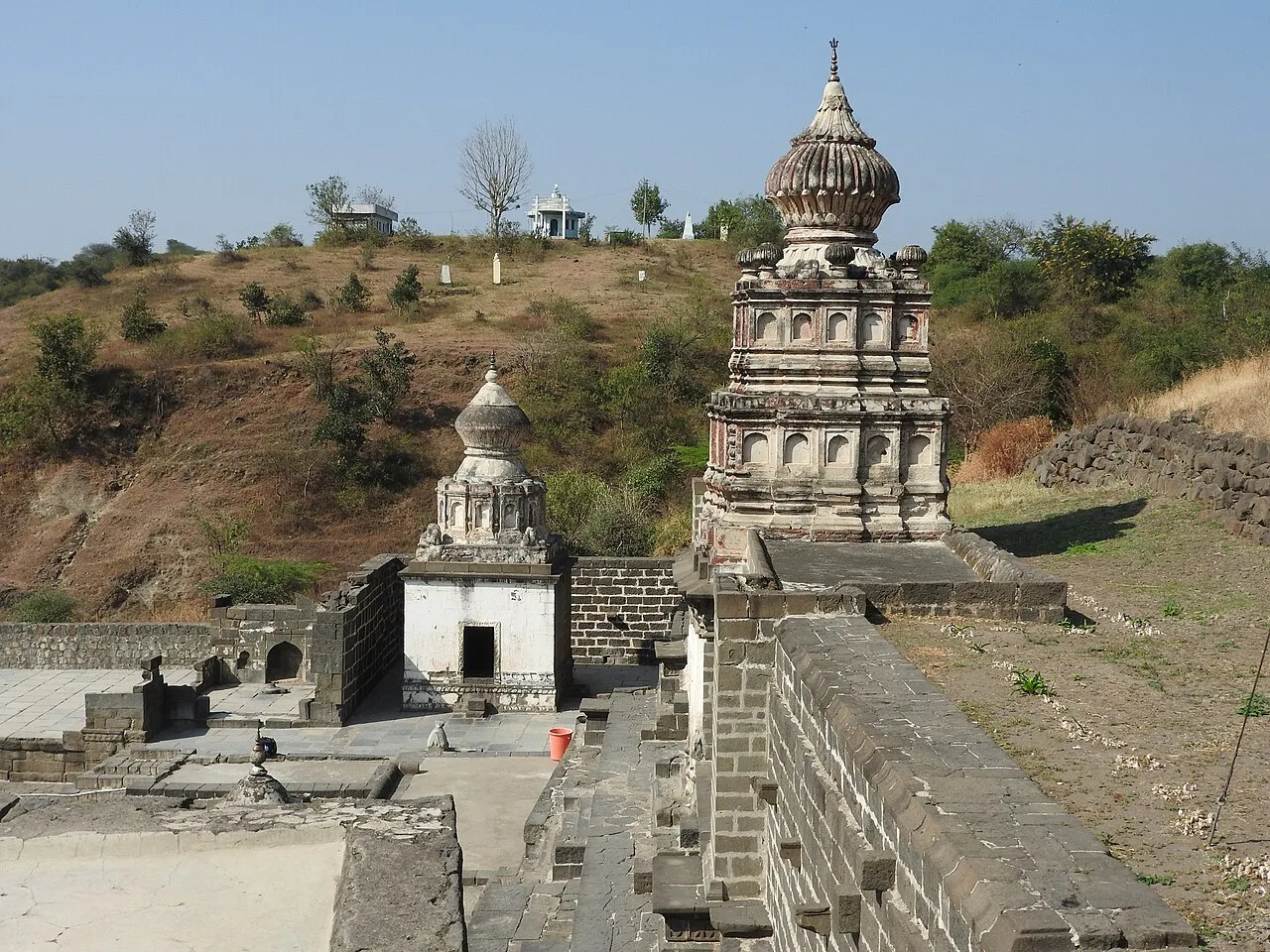
Shri Vaijnath Temple is a Shiva shrine at Parli Vaijnath in Maharashtra’s Beed district. Worshippers visit to perform abhishekam, and the temple is regarded as the fifth of Shiva’s twelve Jyotirlingas.

Tulja Bhavani Temple

78 km away · Dharashiv district

Tulja Bhavani Temple

Tulja Bhavani Temple is a 12th-century shrine to goddess Bhavani in Tuljapur, Maharashtra. It is counted among India’s 51 Shakti Pithas and the state’s four major Shakti shrines.

Aundha Nagnath Temple

137 km away · Hingoli district

Aundha Nagnath Temple

Aundha Nagnath Temple is an old Shiva shrine in Maharashtra’s Hingoli district, regarded as the eighth of the twelve Jyotirlinga shrines. Visitors come for its religious importance, historical associations and distinctive architecture.

Hazur Sahib

140 km away · Nanded district

Hazur Sahib

Takht Sachkhand Sri Hazur Abchalnagar Sahib is one of Sikhism’s five takhts, in Nanded, Maharashtra. Visitors come to worship and remember Guru Gobind Singh at the site associated with his death and cremation.

Vithoba Temple

140 km away · Solapur district

Vithoba Temple

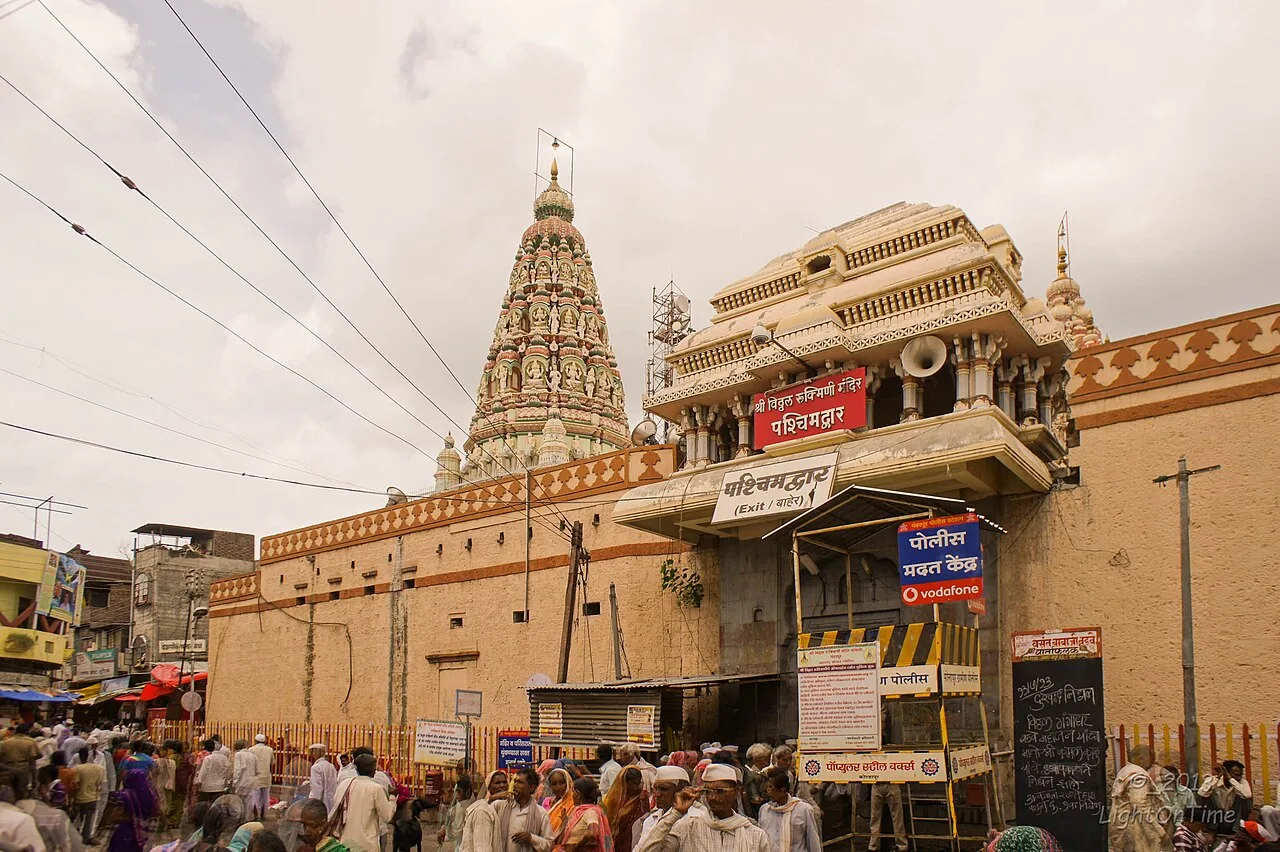
The Vithoba Temple, also called Shri Vitthal-Rukmini Mandir, is a Hindu shrine in Pandharpur, Maharashtra. Devotees visit to worship Vithoba and Rakhumai and join major Warkari pilgrimages.

Ahmednagar Fort

144 km away · Ahilyanagar district

Ahmednagar Fort

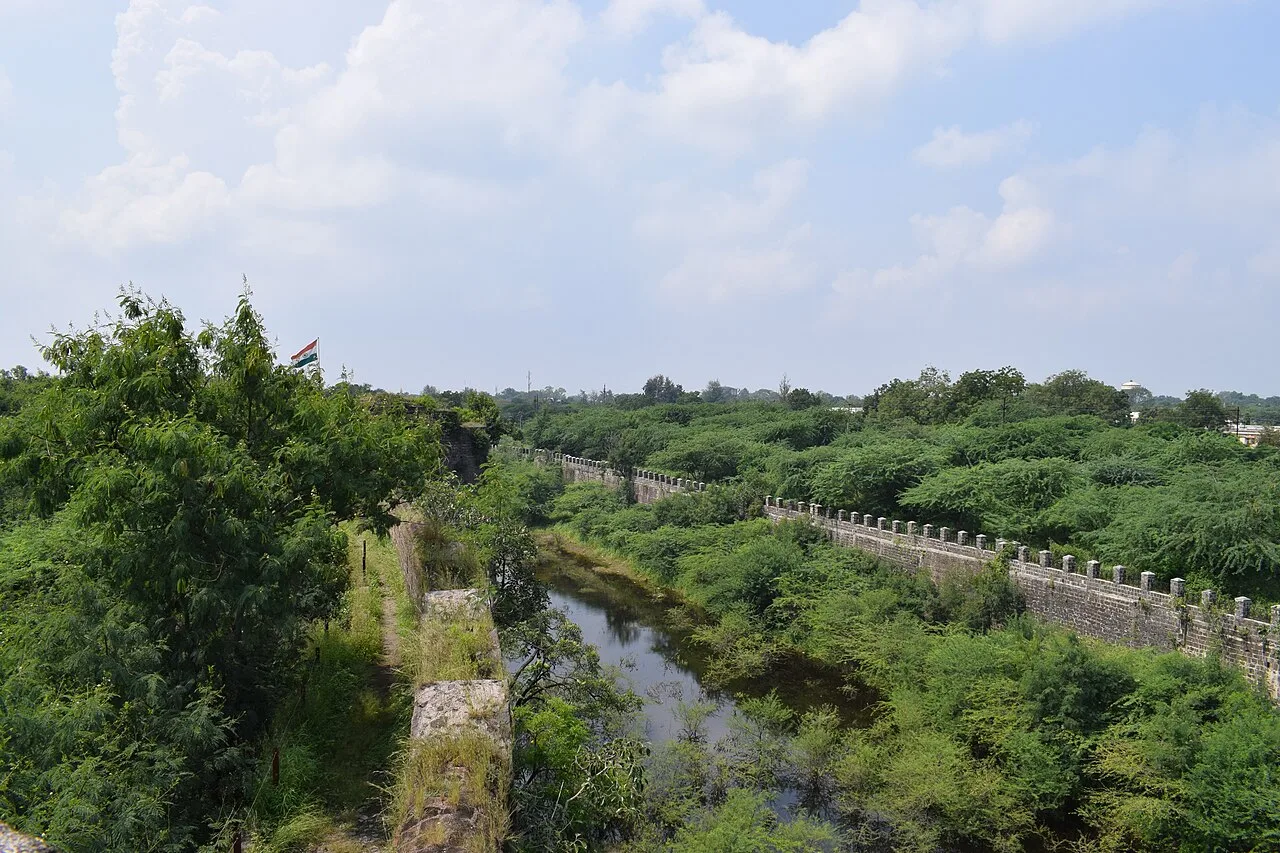
Ahmednagar Fort, in Maharashtra, is a historic stronghold associated with the Ahmednagar Sultanate, the 1803 Anglo-Maratha conflict and imprisonment under British rule, making it a point of historical interest.

Lonar Lake

148 km away · Buldhana district

Lonar Lake

Lonar Lake is a saline, soda-rich lake in Maharashtra’s Buldhana district, set within a meteorite-impact crater. Visitors come to see its unusual geological formation and recognised conservation status.

Shani Shingnapur

152 km away · Ahilyanagar district

Shani Shingnapur

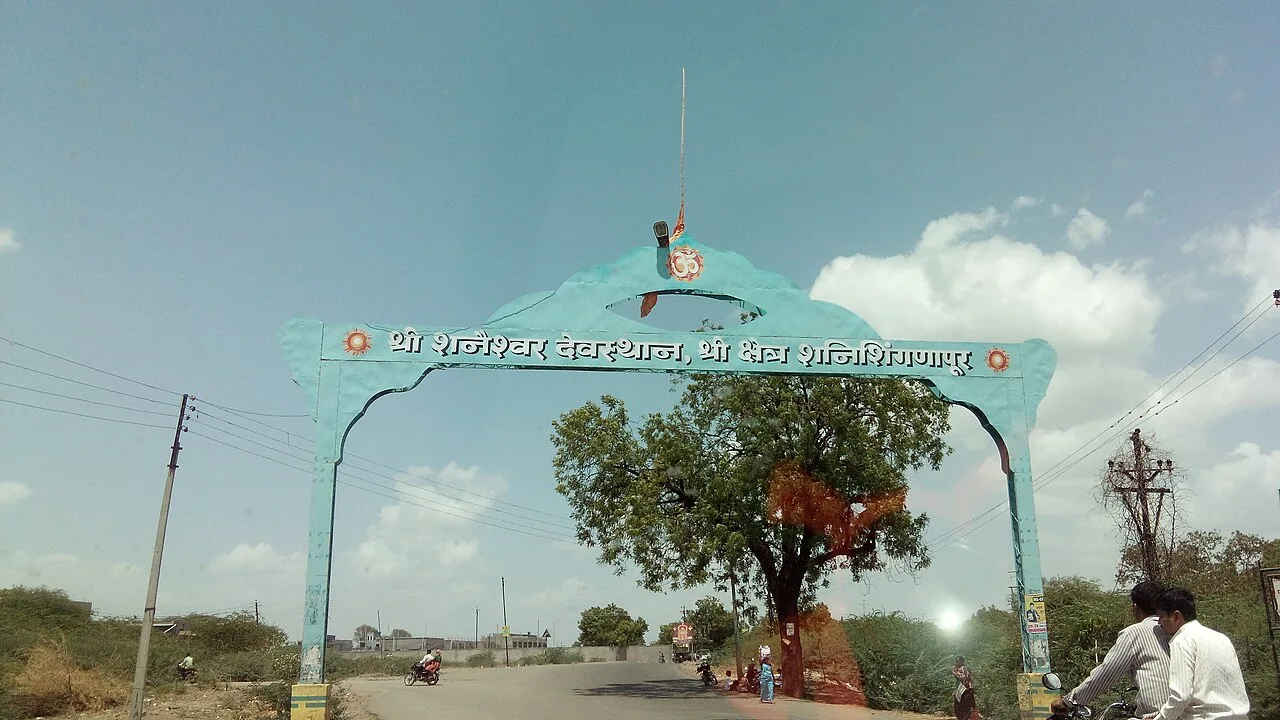
In Maharashtra, Shani Shingnapur is a village visited for its temple to Shani, the Hindu deity linked to the graha Saturn.

Map

Kaij on the map

  1. 1Shri Vaijnath Temple
  2. 2Tulja Bhavani Temple
  3. 3Aundha Nagnath Temple
  4. 4Hazur Sahib
  5. 5Vithoba Temple
  6. 6Ahmednagar Fort
  7. 7Lonar Lake
  8. 8Shani Shingnapur

Maharashtra

Other cities to explore