Ghumoopedia — Explore, Discover, Experience
Sign in

City guide · Maharashtra

Kallam

Kallam is a small town in Maharashtra’s Marathwada region and the administrative centre of a taluka in Dharashiv district. Its importance is chiefly regional: it serves surrounding villages with local administration, shops, transport connections and markets for farm produce.

Famous for

  • Marathwada agricultural trade
  • Regional grain markets
  • Rural pilgrimage routes
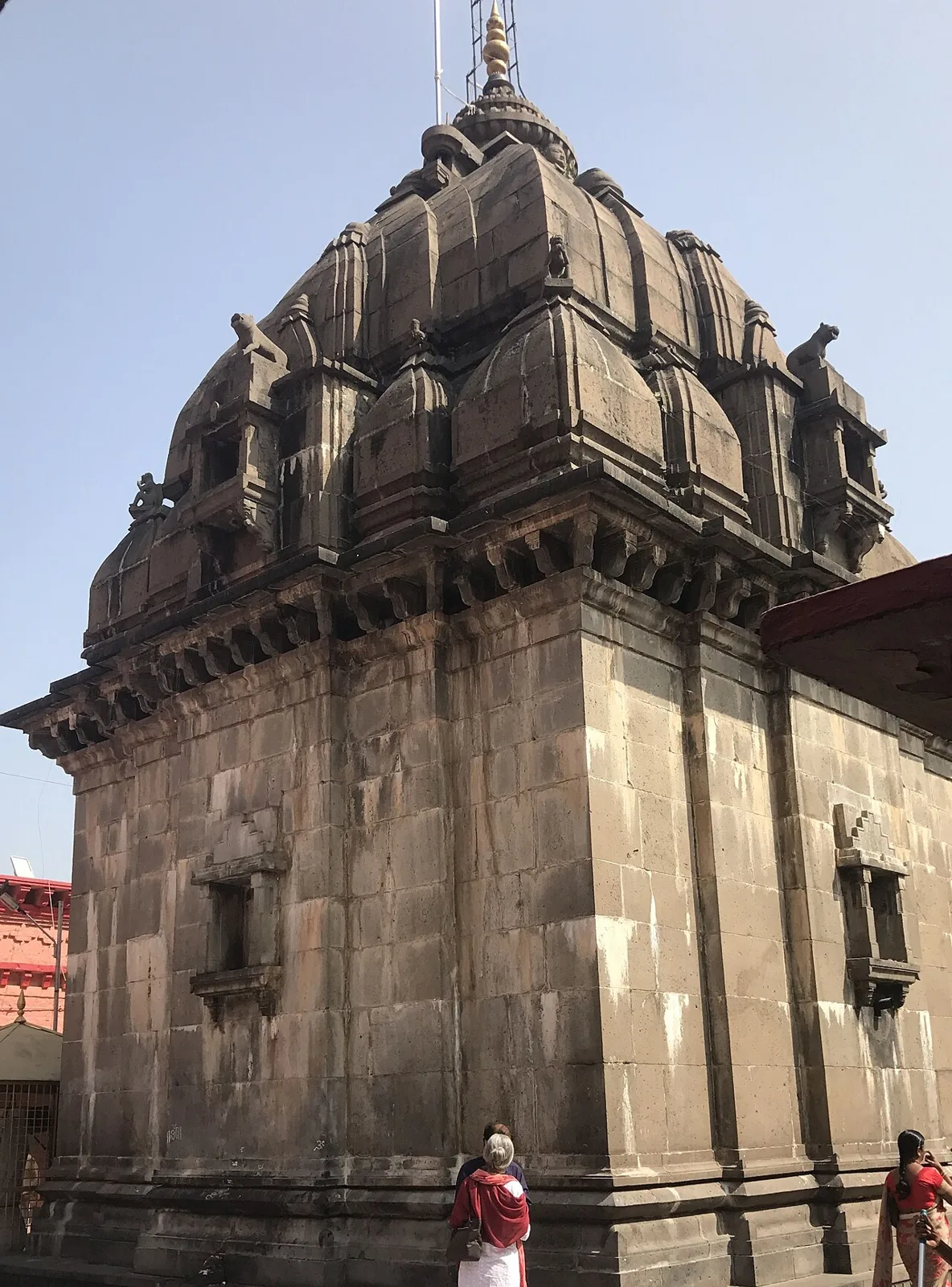
  • Yermala temple visits

Why Kallam matters

Kallam is a small town in Maharashtra’s Marathwada region and the administrative centre of a taluka in Dharashiv district. Its importance is chiefly regional: it serves surrounding villages with local administration, shops, transport connections and markets for farm produce. Rather than a major sightseeing destination, Kallam offers a useful glimpse of everyday life in an inland agricultural town.

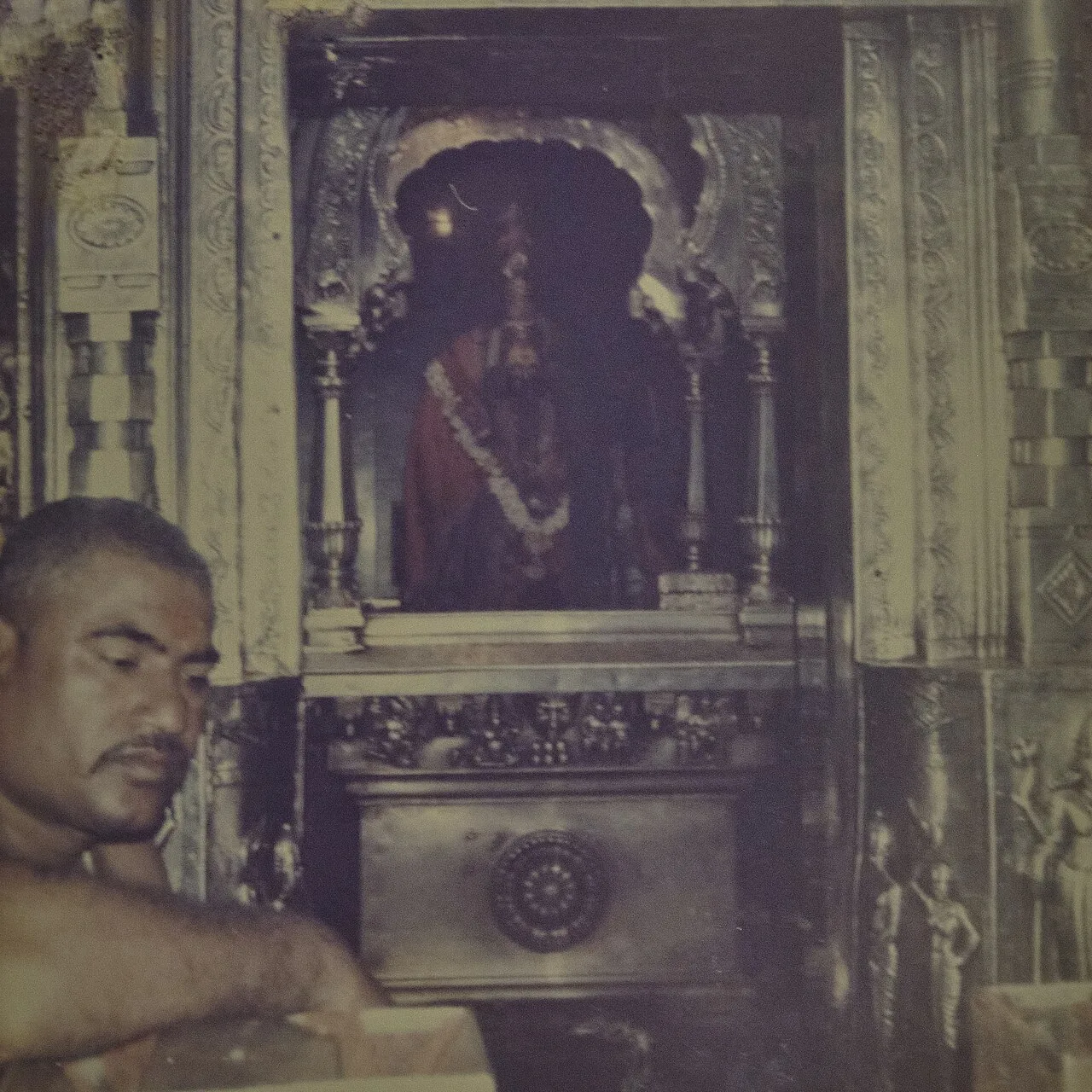
Visitors may use it as a base for exploring the surrounding countryside and nearby religious sites, including the Yedeshwari Devi temple at Yermala. Dharashiv town, with its historic caves and district services, is another regional point of interest. Kallam’s appeal lies less in a signature monument or luxury tourism and more in its market streets, local food and access to the wider Marathwada landscape. Marathi is the main language heard in daily life, alongside other languages used across the region. Those travelling through should expect a practical, unhurried town experience and plan longer excursions around road transport.
Famous for: crafts, trade & products

Kallam is best understood as a local agricultural trading centre, not as a specialised craft or textile hub. Farmers from nearby villages bring seasonal produce into the town’s markets, and grain and other farm goods shape much of its commerce. Crops grown across this part of Marathwada include jowar, pulses and soybean, though availability varies with the season and harvest.

There is no widely recognised GI-tagged product or nationally prominent handicraft specifically associated with Kallam. Visitors looking for locally made goods can browse the central market streets and everyday shops, where household items, snacks and seasonal produce are more likely finds than curated craft collections. For a broader selection of regional products, larger centres such as Dharashiv or Latur may be more useful. Ask locally about market days and what is in season; these are practical ways to encounter the town’s trade without assuming a fixed speciality or a dedicated tourist shopping district.

History

Kallam’s development has been shaped by its position among the villages and farming areas of Marathwada. Its role as a taluka centre and local market has made it a service point for administration, education, trade and transport. The town’s story is closely connected to the wider history of the region rather than to a widely documented royal court or a major colonial-era centre.

Marathwada was part of the princely state of Hyderabad before it became part of India in 1948. It was incorporated into Maharashtra when the state was formed in 1960. In recent decades, improved road links and the growth of local services have reinforced Kallam’s importance to nearby settlements. The surrounding district, now officially named Dharashiv, also preserves older religious and archaeological sites, including the Dharashiv caves. These regional landmarks provide a broader historical context for a town whose identity remains rooted in rural trade and administration.

Food, festivals & culture

Daily life in Kallam reflects the food and customs of Marathwada. Jowar bhakri is a familiar staple, often eaten with pithla, zunka, vegetables or thecha; lentils and rice are also common. Puran poli and other sweets may appear for festivals and family occasions, while local eateries and market stalls offer simple regional meals. Marathi is the principal language, with Hindi and Urdu also heard in the wider area.

Ganesh Chaturthi, Navratri, Diwali and Holi are observed through the year, while Eid is celebrated by Muslim residents. Navratri brings particular attention to goddess worship across the region. The Yedeshwari Devi temple at Yermala is a nearby place of pilgrimage. Bhajans, kirtan and gondhal form part of devotional life, alongside the broader folk traditions of Marathwada. The scale and style of celebrations vary between neighbourhoods and villages, so visitors can ask locally about community events during their stay.

Visiting the city

The cooler months from October to February are generally the most comfortable for exploring Kallam and the surrounding countryside. Monsoon brings greener scenery, but rain can affect rural road travel. Kallam is reached mainly by road. Dharashiv railway station, formerly called Osmanabad station, is a useful rail gateway for the area, with onward travel by road. Latur Airport is a nearby airfield, but scheduled services may be limited; check current connections before planning around it. Pune Airport is a larger option for regular commercial flights, though it requires a longer road journey.

Within town, walking and local road transport are practical for short trips. The central market area and streets around the bus stand give a sense of everyday town life. For a wider excursion, consider Yermala’s Yedeshwari Devi temple or the heritage sites around Dharashiv, arranging transport locally.

Trips from the city

Nearest places to visit from Kallam

Our closest destination guides, by straight-line distance.

Shri Vaijnath Temple

62 km away · Beed district

Shri Vaijnath Temple

Shri Vaijnath Temple is a Shiva shrine at Parli Vaijnath in Maharashtra’s Beed district. Worshippers visit to perform abhishekam, and the temple is regarded as the fifth of Shiva’s twelve Jyotirlingas.

Tulja Bhavani Temple

64 km away · Dharashiv district

Tulja Bhavani Temple

Tulja Bhavani Temple is a 12th-century shrine to goddess Bhavani in Tuljapur, Maharashtra. It is counted among India’s 51 Shakti Pithas and the state’s four major Shakti shrines.

Vithoba Temple

124 km away · Solapur district

Vithoba Temple

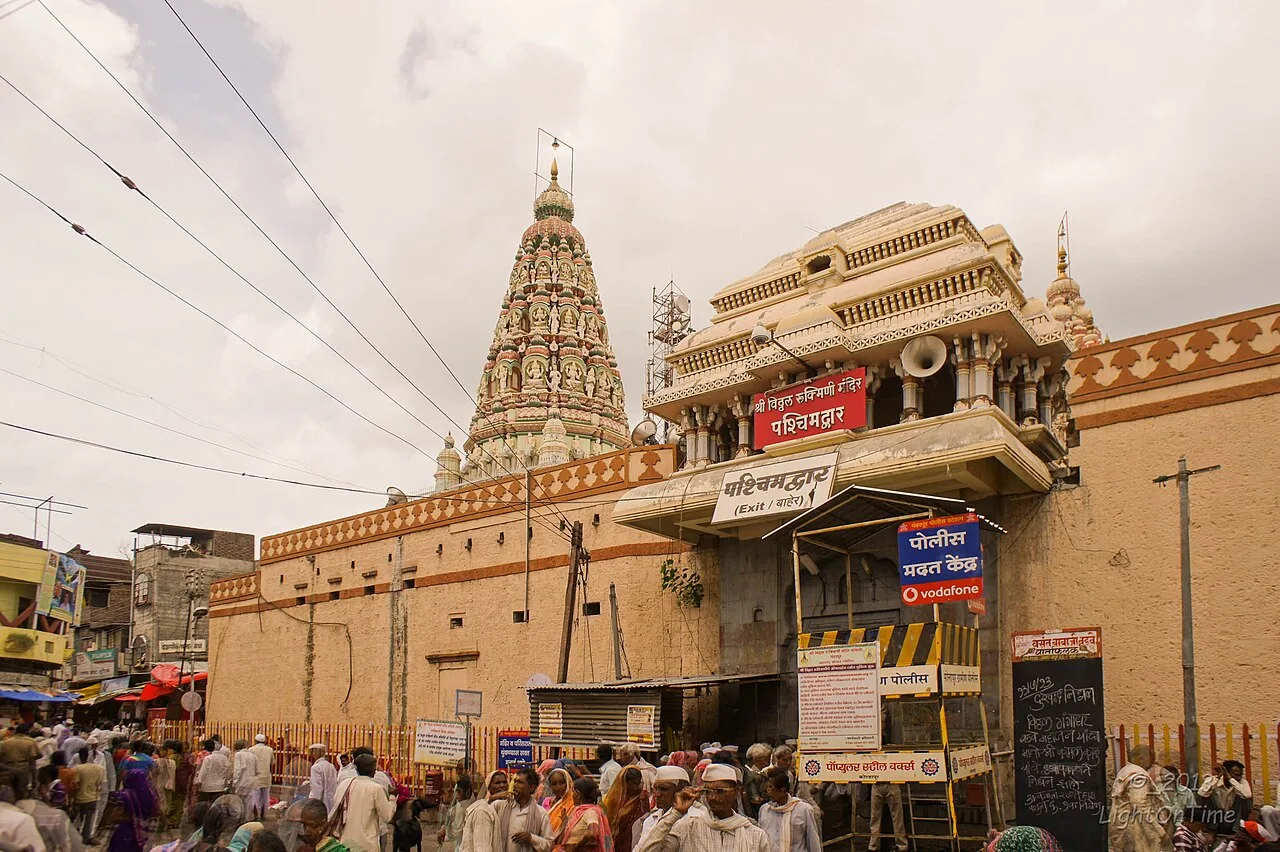
The Vithoba Temple, also called Shri Vitthal-Rukmini Mandir, is a Hindu shrine in Pandharpur, Maharashtra. Devotees visit to worship Vithoba and Rakhumai and join major Warkari pilgrimages.

Ahmednagar Fort

145 km away · Ahilyanagar district

Ahmednagar Fort

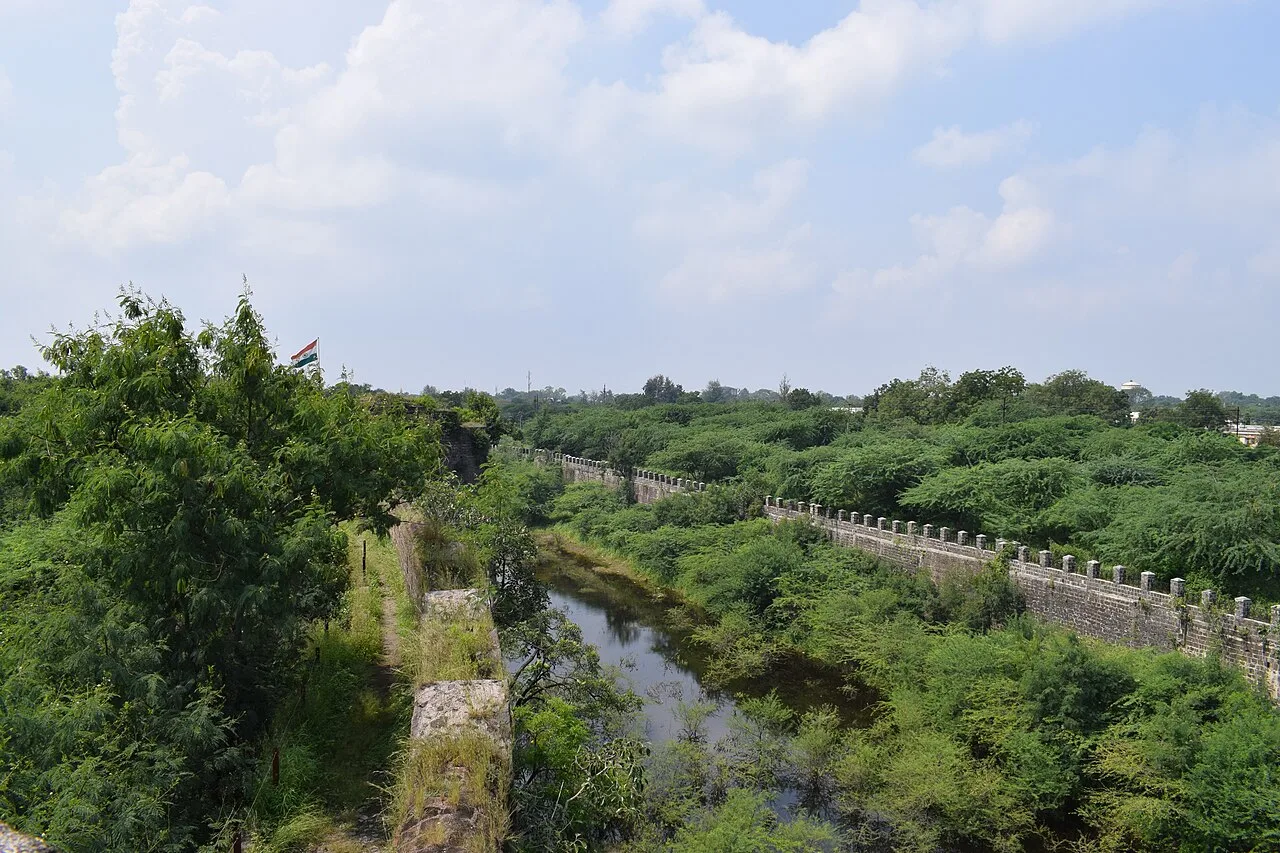
Ahmednagar Fort, in Maharashtra, is a historic stronghold associated with the Ahmednagar Sultanate, the 1803 Anglo-Maratha conflict and imprisonment under British rule, making it a point of historical interest.

Aundha Nagnath Temple

151 km away · Hingoli district

Aundha Nagnath Temple

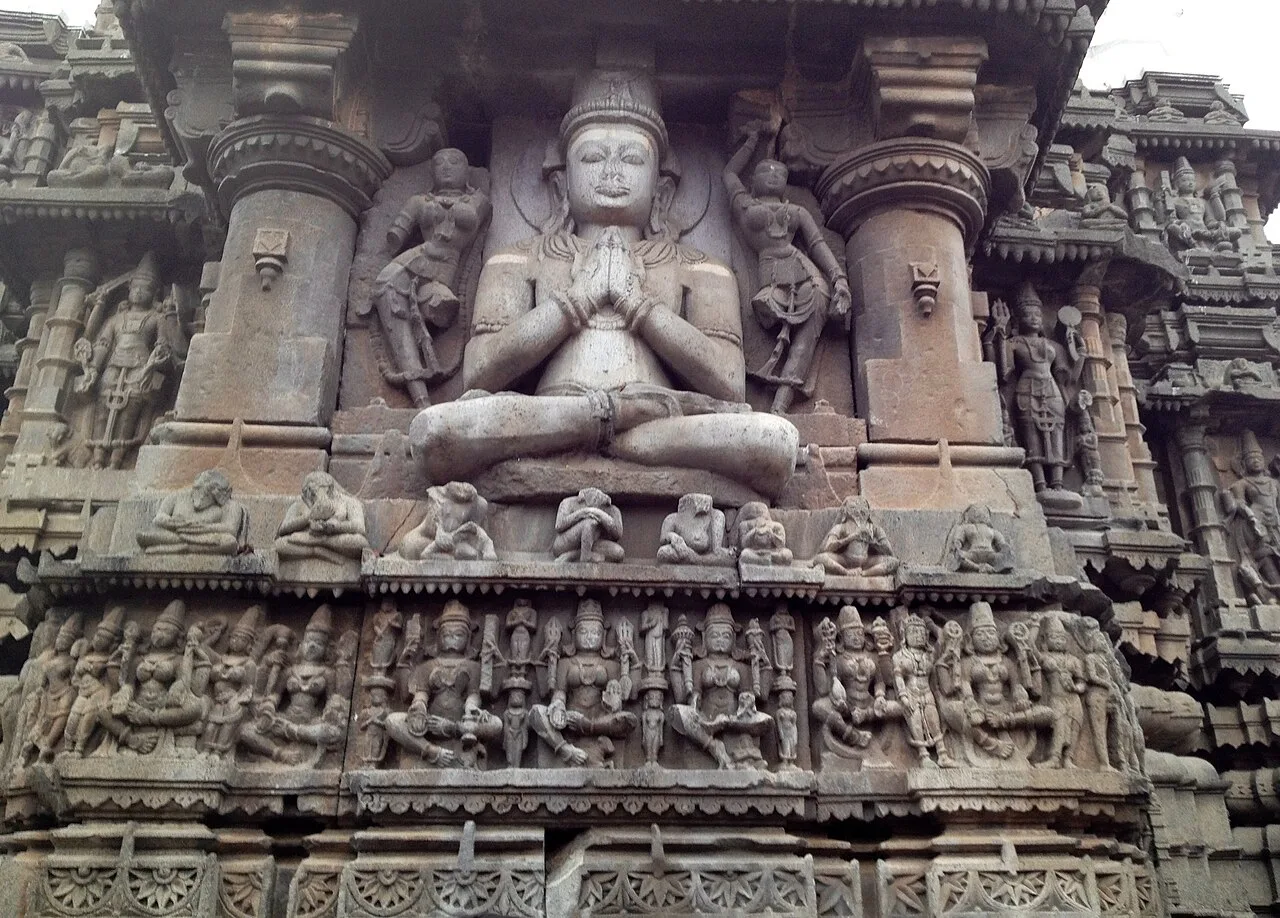
Aundha Nagnath Temple is an old Shiva shrine in Maharashtra’s Hingoli district, regarded as the eighth of the twelve Jyotirlinga shrines. Visitors come for its religious importance, historical associations and distinctive architecture.

Hazur Sahib

151 km away · Nanded district

Hazur Sahib

Takht Sachkhand Sri Hazur Abchalnagar Sahib is one of Sikhism’s five takhts, in Nanded, Maharashtra. Visitors come to worship and remember Guru Gobind Singh at the site associated with his death and cremation.

Shani Shingnapur

156 km away · Ahilyanagar district

Shani Shingnapur

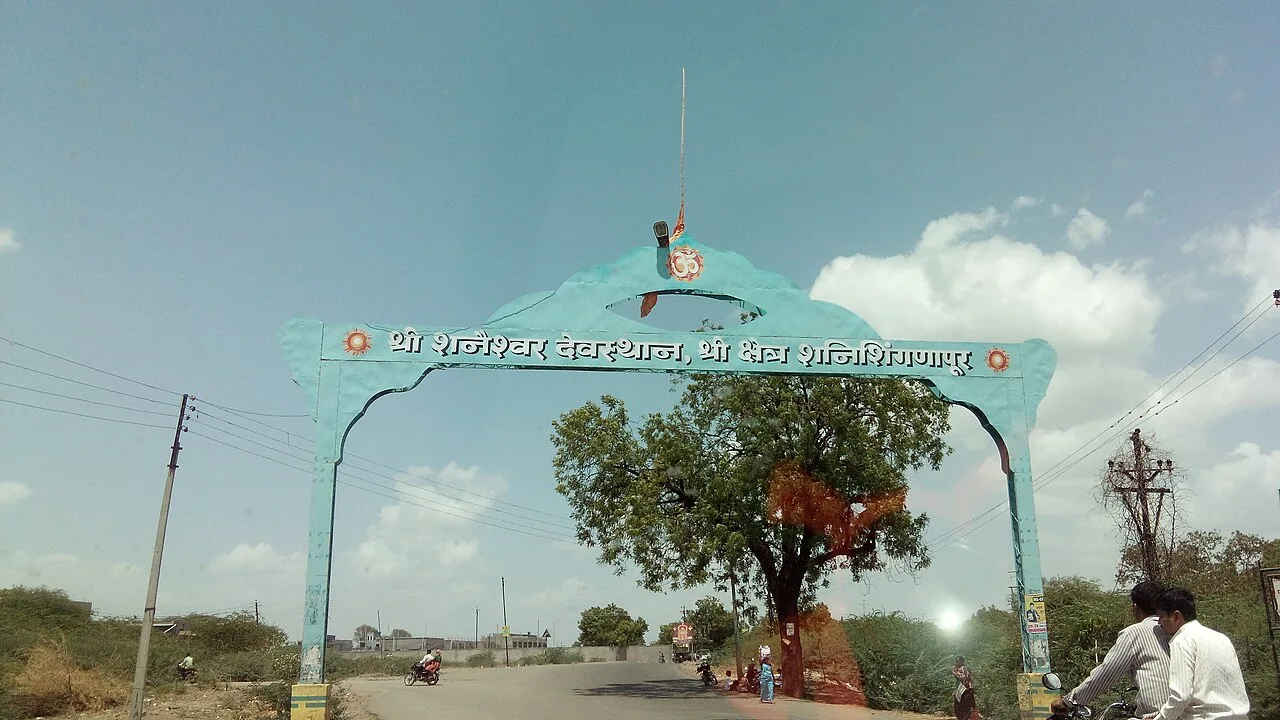
In Maharashtra, Shani Shingnapur is a village visited for its temple to Shani, the Hindu deity linked to the graha Saturn.

159 km away · Ahilyanagar district

Hiware Bazar

Hiware Bazar is a village in Maharashtra’s Ahmednagar district, known for its irrigation system and water-conservation efforts to tackle drought and drinking-water difficulties.

Map

Kallam on the map

  1. 1Shri Vaijnath Temple
  2. 2Tulja Bhavani Temple
  3. 3Vithoba Temple
  4. 4Ahmednagar Fort
  5. 5Aundha Nagnath Temple
  6. 6Hazur Sahib
  7. 7Shani Shingnapur
  8. 8Hiware Bazar

Maharashtra

Other cities to explore