Ghumoopedia — Explore, Discover, Experience
Sign in
Panchgani, near Wai

City guide · Maharashtra

Wai

Wai is a historic town on the Krishna River in Satara district, set among the Sahyadri hills and serving as a gateway to Panchgani and Mahabaleshwar. Its stone ghats and many temples give it the devotional nickname Dakshin Kashi.

Famous for

  • Krishna River ghats
  • Dholya Ganpati Temple
  • Krishnamai festival
  • Peshwa-era temples
  • Film locations
Plan a tripHotels near Wai

Why Wai matters

Wai is a historic town on the Krishna River in Satara district, set among the Sahyadri hills and serving as a gateway to Panchgani and Mahabaleshwar. Its stone ghats and many temples give it the devotional nickname Dakshin Kashi. The best-known landmark is Dholya Ganpati Temple, beside Ganpati Ghat, while other shrines line the riverfront and nearby lanes.

Visitors come for Wai’s riverside architecture, festivals and connections to Maratha-era history. The nearby village of Menavali has a historic wada associated with Nana Phadnavis, and the surrounding countryside includes Dhom Dam and hill routes. Wai and neighbouring villages have also become familiar as film locations, appearing in productions in several Indian languages. Today, the town is both a local service centre and a convenient stop on the road to the hill stations. Its appeal lies in the combination of living religious traditions, historic buildings and a rural landscape, rather than in a large resort or shopping district.
Famous for: crafts, trade & products

Wai is best known for its temples, riverfront ghats and heritage architecture, not for a signature textile, handicraft or manufactured product. No widely recognised GI-tagged product is specifically associated with the town. Its historic religious sites—including Dholya Ganpati and the temples around Brahmanshahi and other ghats—are the most distinctive local attractions for visitors interested in architecture and worship.

The town’s shops and market serve residents and travellers with everyday goods, local produce, snacks and basic travel needs. For a sense of local commerce, explore the central market streets and the lanes around the old town and riverfront; specialist craft shopping is limited. Wai is also known as a filming location, with productions shot in the town and nearby villages, though this is an aspect of its cultural profile rather than a product to buy. Pradnya Path Shala, a notable educational institution, and the town’s temples are among its enduring local institutions. Travellers looking for regional souvenirs may find items in ordinary shops, but should not expect a dedicated craft bazaar or a particular Wai-made speciality.

History

Wai’s position on the Krishna River and routes through the Sahyadri region helped it develop as a religious and trading town. Its temples and ghats took shape over many generations, with prominent local families, including the Rastes, Ranades and Phadnavises, supporting temple construction. The town became especially influential during the Peshwa era. Nana Phadnavis, a leading Maratha statesman, is associated with the nearby Menavali wada, while families connected with Wai also include those of Rani Lakshmibai and Gopikabai, wife of Nanasaheb Peshwa.

A local historical tradition holds that Afzal Khan halted at Wai before his campaign toward Pratapgad in the 17th century. Under British rule, Wai formed part of the Satara region of the Bombay Presidency. In modern times it has remained a regional market and service town. Dhom Dam, completed in 1982, reshaped parts of the surrounding valley, while road access and film production have brought new visitors and visibility to the area.

Food, festivals & culture

Marathi is the principal language of daily life; Hindi is also understood in many visitor-facing settings. Wai’s religious character is expressed in its Krishna River ghats, temples and devotional gatherings. The annual Krishnamai Utsav is celebrated at the ghats, with local observances lasting several days; dates vary. Janmashtami brings celebrations dedicated to Krishna, while village yatras and fairs, including those associated with Mandhardevi Kalubai, draw pilgrims from the wider region. Some local fairs follow the Hindu festival calendar, so their timing changes from year to year.

Food is broadly Maharashtrian rather than centred on a distinctive Wai speciality. Visitors can look for everyday dishes such as bhakri with vegetables or pithla, along with snacks and sweets commonly found in the region; availability varies between eateries. Bhajans, kirtan and temple worship are part of the town’s devotional life. The riverfront shrines—including Dholya Ganpati Temple and the temples along the ghats—are important places of worship as well as landmarks. Modest dress and respectful behaviour are appropriate at religious sites.

Visiting the city

October to February is generally comfortable for exploring Wai’s ghats, temples and nearby villages. The monsoon brings lush scenery but can mean heavy rain and slippery steps. Pune International Airport is the nearest major airport; Satara railway station is a useful railhead, with the onward journey to Wai made by road. Buses and taxis connect Wai with Satara, Pune and the hill stations, while local taxis or auto-rickshaws can help with short trips; some heritage areas are best explored on foot.

Start around Ganpati Ghat and the old riverfront, then explore the other temple-lined ghats and central market streets. Menavali is a worthwhile nearby excursion, as are Dhom Dam and the road toward Panchgani. Check local conditions before visiting dam-side or hill areas, especially during heavy rain.

Trips from the city

Nearest places to visit from Wai

Our closest destination guides, by straight-line distance.

Panchgani

10 km away · Satara district

Panchgani

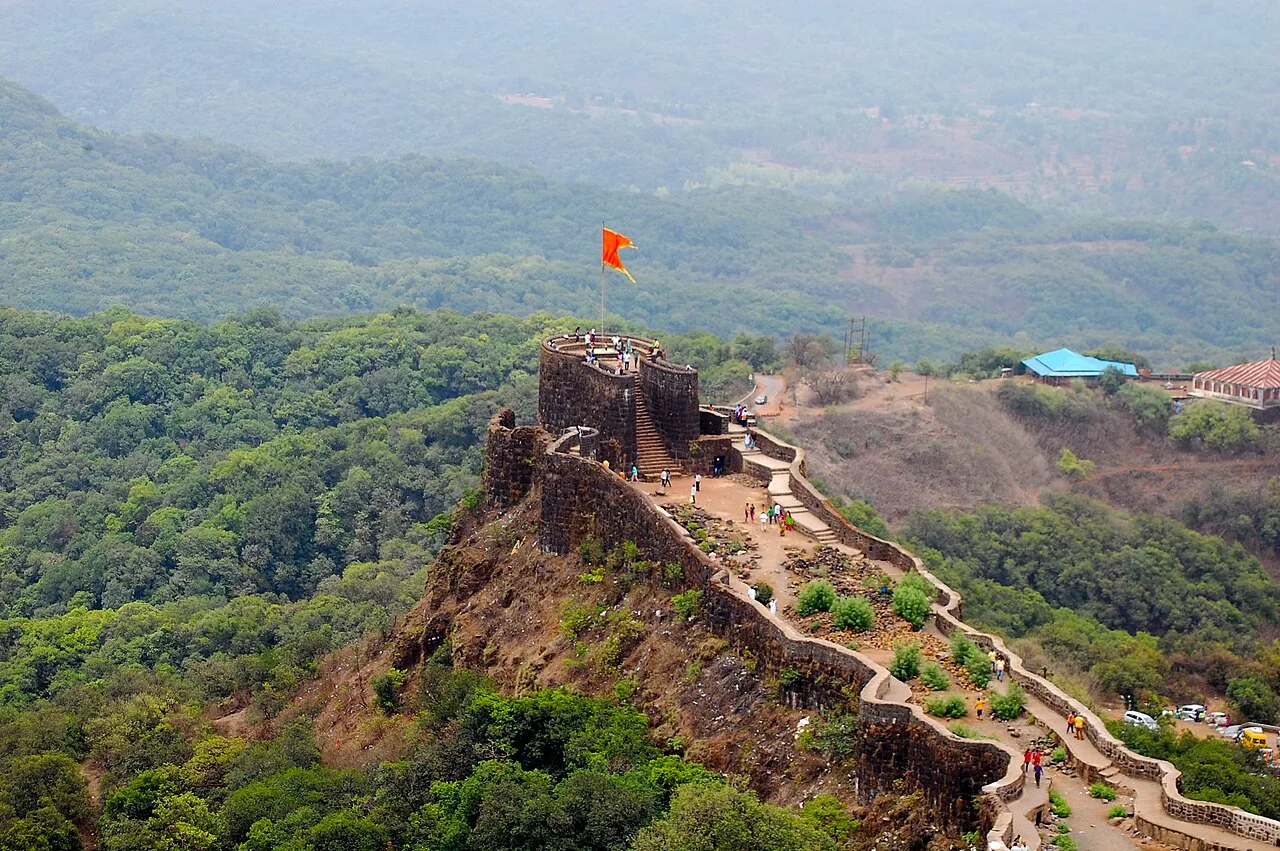
Panchgani, also known as Paachgani, is a hill station in Maharashtra’s Satara district with municipal-council status. Visitors come throughout the year, and its many convent boarding schools are also well known.

14 km away · Satara district

Bhilar (Book Village)

Bhilar is a village in Maharashtra’s Satara district, known as the Book Village. Visitors may be drawn by its distinctive association with books.

Mahabaleshwar

25 km away · Satara district

Mahabaleshwar

Mahabaleshwar is a town and municipal council in Satara district, Maharashtra. People visit for its religious connection to the sacred Krishna River and five tributaries, as well as its history as a hill station.

Kaas Plateau

27 km away · Satara district

Kaas Plateau

Kaas Plateau is a high basalt tableland and reserve forest in Maharashtra’s Satara district. Its seasonal wildflowers, endemic butterflies and distinctive plants make it a destination for nature visits, especially in August and September.

Pratapgad

33 km away · Satara district

Pratapgad

Pratapgad is a hilltop fort in Maharashtra’s Satara district, known for its part in the 1659 battle between Chatrapati Shivaji Maharaj and Afzal Khan and for its historic fortifications.

Thoseghar Falls

40 km away · Satara district

Thoseghar Falls

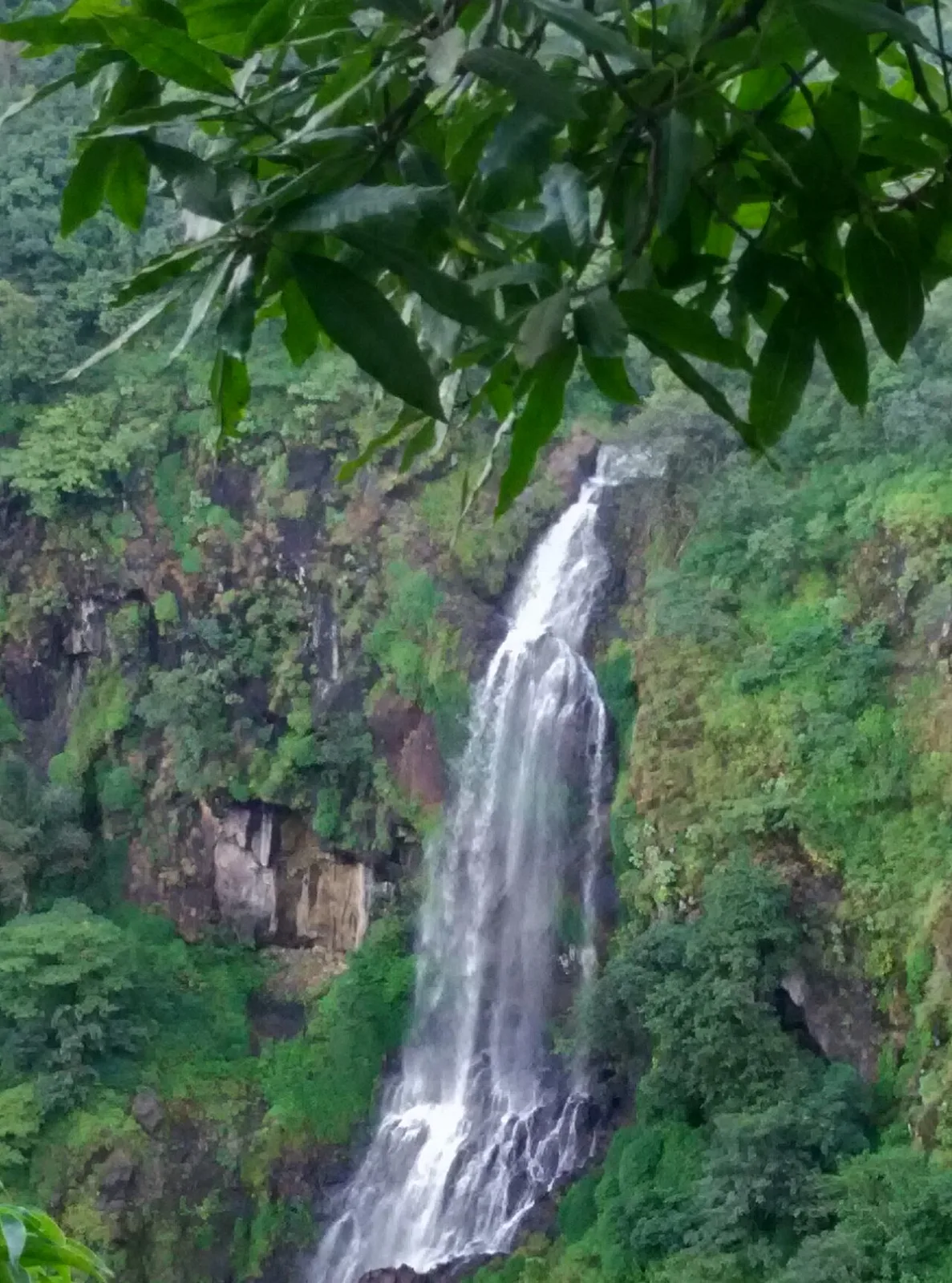
Thoseghar Falls is a series of cascades near Thoseghar village in Maharashtra’s Satara district. Visitors come to see the waterfalls, especially during the monsoon, when rainfall swells their flow.

Jejuri

46 km away · Pune district

Jejuri

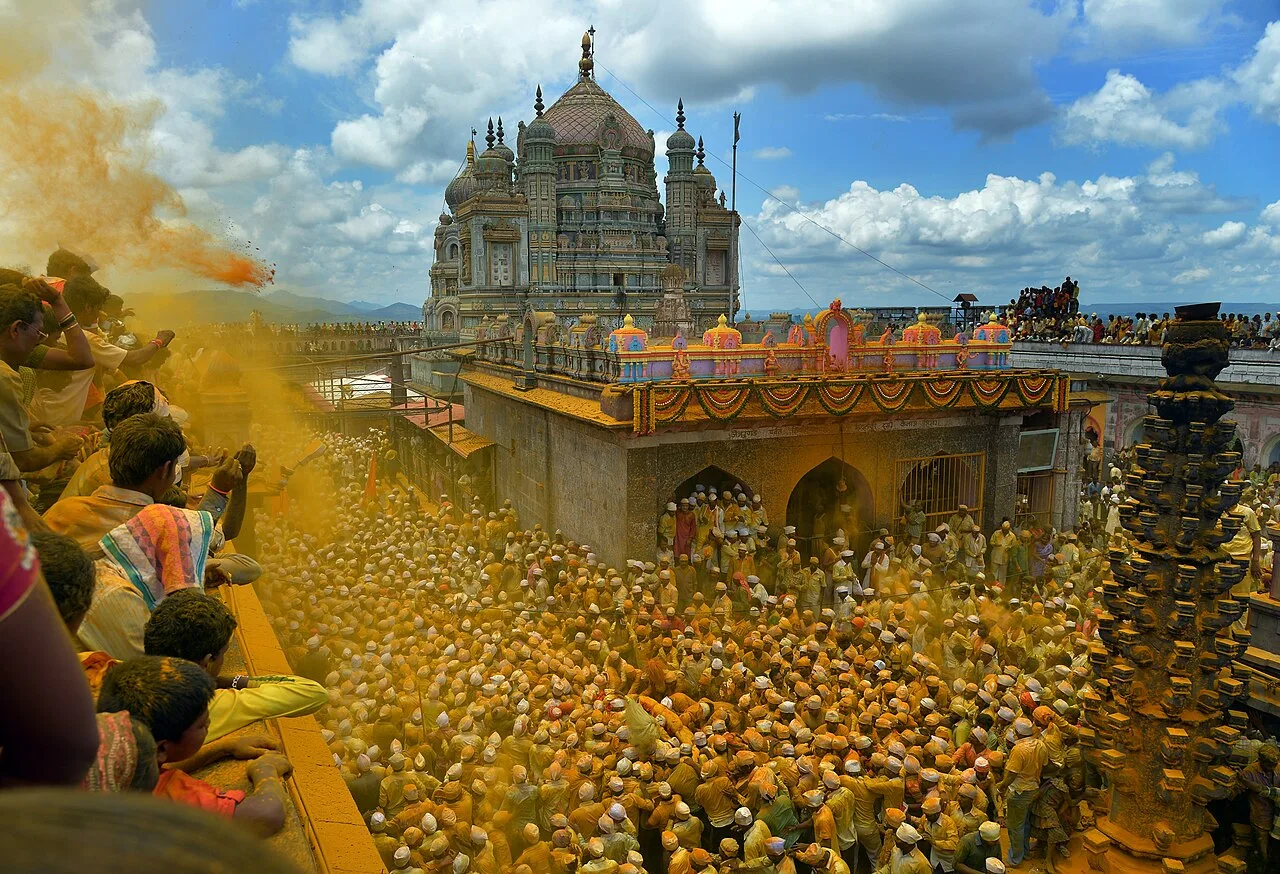
Jejuri, a city with a municipal council in Pune district, Maharashtra, is known for the Khandoba Mandir, an important Hindu pilgrimage site for communities across the state.

Sinhagad

48 km away · Pune district

Sinhagad

Sinhagad is an ancient hill fort near Pune, Maharashtra, valued for its history and as a destination for walks and weekend outings from the city.

Map

Wai on the map

  1. 1Panchgani
  2. 2Bhilar (Book Village)
  3. 3Mahabaleshwar
  4. 4Kaas Plateau
  5. 5Pratapgad
  6. 6Thoseghar Falls
  7. 7Jejuri
  8. 8Sinhagad

Maharashtra

Other cities to explore