Ghumoopedia — Explore, Discover, Experience
Sign in

City guide · Maharashtra

Nateputa

Natepute is a small market town in Malshiras taluka of Solapur district, in western Maharashtra. Its importance comes less from large monuments or urban attractions than from its role serving the surrounding agricultural villages.

Famous for

  • Siddhanath temple
  • Solapur pomegranate region
  • Sugarcane agriculture
  • Rural market trade

Why Nateputa matters

Natepute is a small market town in Malshiras taluka of Solapur district, in western Maharashtra. Its importance comes less from large monuments or urban attractions than from its role serving the surrounding agricultural villages. Local shops, services and markets connect residents and farmers with the wider Malshiras area and nearby towns such as Akluj and Phaltan.

The town is best known locally for the Siddhanath temple and for its position in a farming belt where sugarcane and other crops support rural livelihoods. The wider Solapur district is also associated with pomegranate cultivation, though the town itself is not a major craft or manufacturing centre. Visitors may stop here to experience everyday life in the countryside, visit the temple or use Natepute as a base for exploring nearby settlements. It offers a quieter, practical view of inland Maharashtra, where religious observances, road travel and agricultural commerce shape the rhythm of the town.
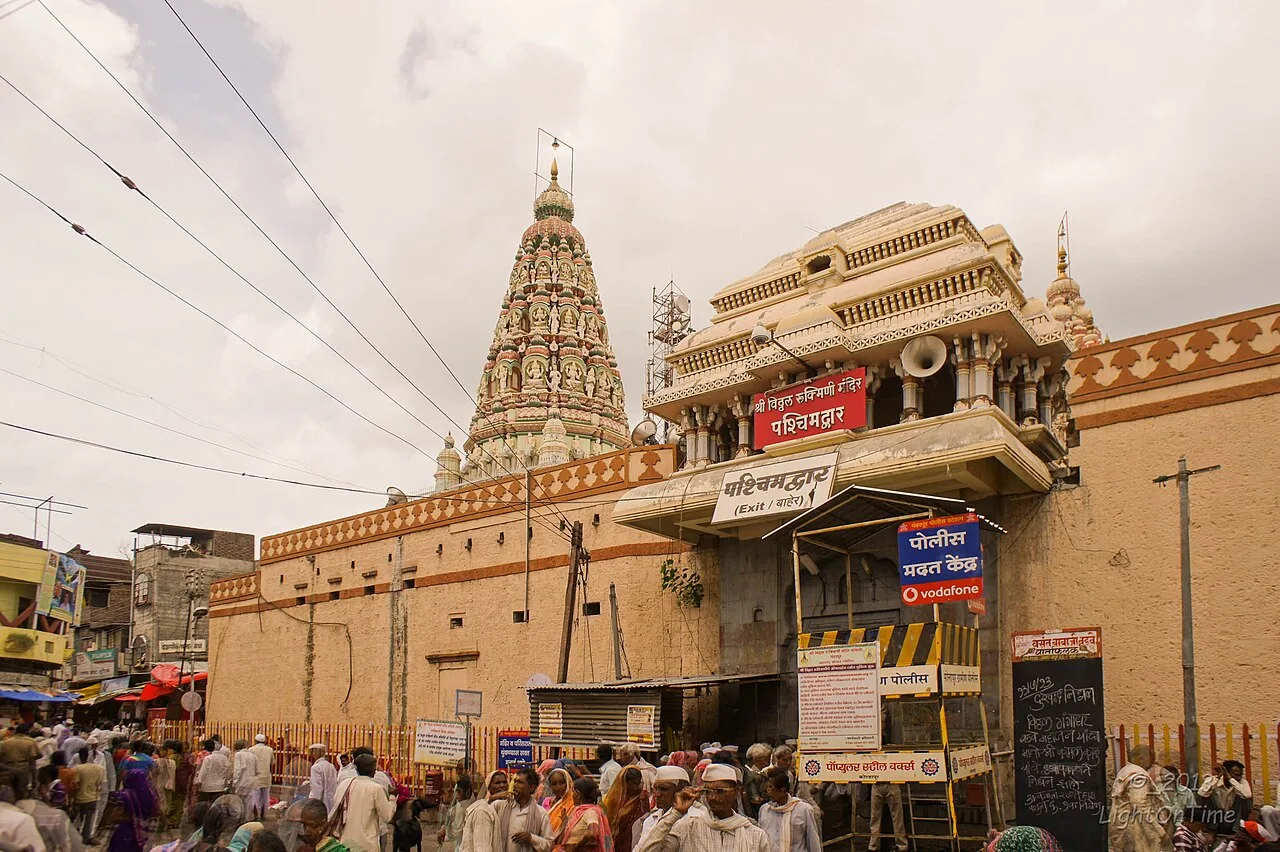
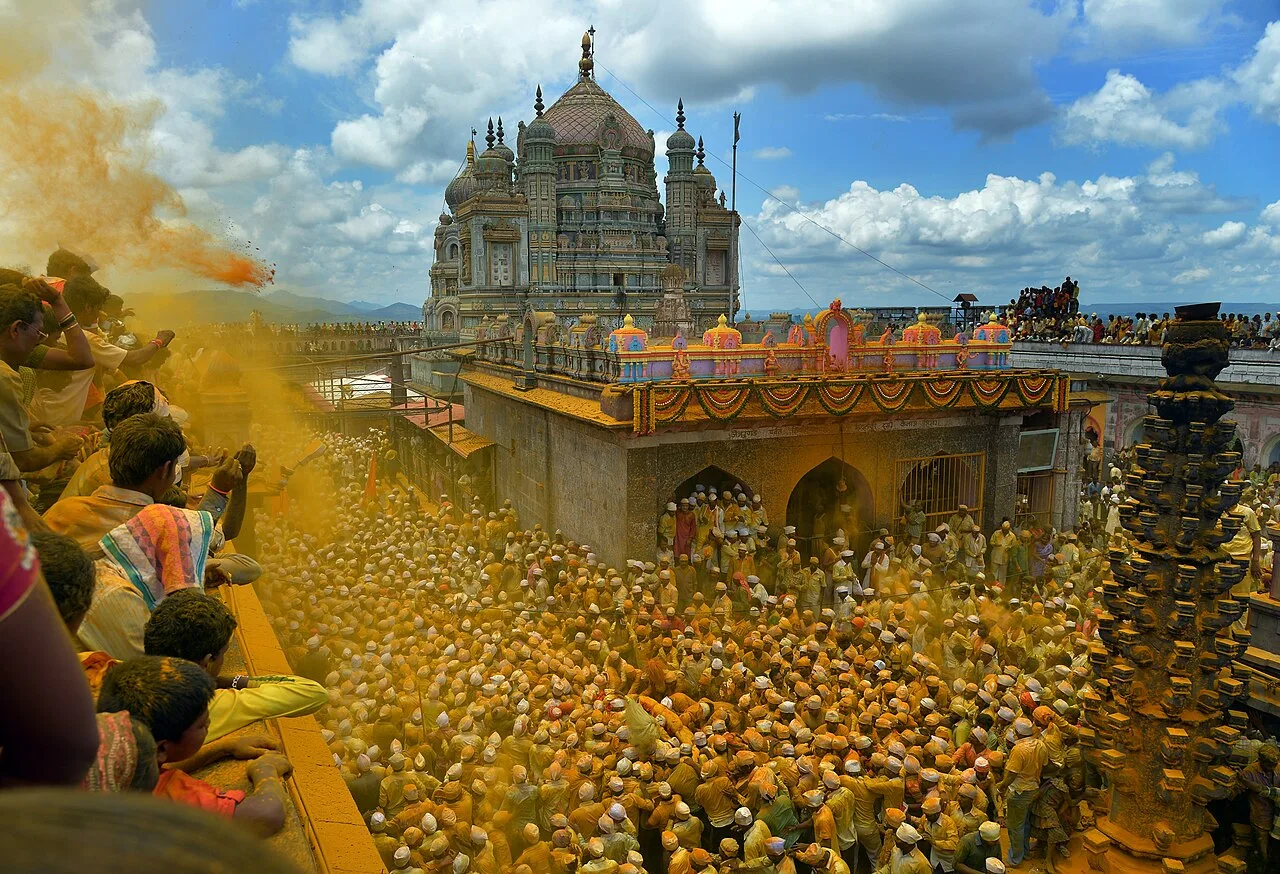
Famous for: crafts, trade & products

Natepute’s identity is primarily tied to farming and local commerce rather than to a signature textile, handicraft or industrial product. Sugarcane is an important crop in the surrounding agricultural belt, alongside other regionally grown produce. Solapur Pomegranate is a recognised regional product, but cultivation and trade are spread across the district; it should not be treated as a product made exclusively in Natepute. Seasonal produce is most likely to be encountered through local traders and markets rather than dedicated visitor outlets.

The town serves nearby villages with everyday shops and agricultural services. Its Siddhanath temple is a prominent local place of worship, rather than a commercial attraction. Visitors looking for produce can ask at the town’s market area about what is in season. For a broader selection of regional goods, larger nearby centres such as Akluj and Solapur offer more extensive shopping.

History

The wider Deccan region passed through successive periods of Sultanate, Maratha and British rule. During British rule, this part of present-day Maharashtra was administered within the Bombay Presidency; later state reorganisations placed Natepute in Maharashtra and Solapur district.

Like many small towns in the region, Natepute grew as a service and trading centre for nearby farming settlements. Roads, local commerce and the expansion of agricultural activity helped connect it with larger towns and district markets. Sugarcane cultivation and related rural economic activity have shaped the modern hinterland, while the temple remains an important focus of local religious life. Natepute has not developed the prominent textile, industrial or colonial-era profile associated with some larger Maharashtra cities. Its present character is that of a modest regional town whose importance rests on its surrounding villages, market functions and local institutions.

Food, festivals & culture

Marathi is the principal language of everyday life in Natepute. Hindi is also understood by some residents, particularly in commercial settings. Food reflects the rural cuisine of western Maharashtra: jowar bhakri, pithla, zunka, thecha and seasonal vegetable dishes are familiar staples. Puran poli and other sweets may be prepared for festivals and family occasions, though menus vary between households and eateries.

Ganesh Chaturthi, Diwali, Holi and Gudi Padwa are observed in the usual seasonal cycle, alongside religious events at local temples. The Siddhanath temple is a focus of worship for residents and visitors from surrounding villages; celebrations and gatherings are generally community-centred. The town lies within a region strongly connected to the devotional traditions of Maharashtra, including the pilgrimage culture associated with Pandharpur, although major pilgrimage events are centred there rather than in Natepute. Folk and devotional music are part of local celebrations, but the town is not especially known for a distinct performing-arts tradition.

Visiting the city

The cooler, drier months from October to February are generally the most comfortable for visiting. Summers can be hot, and the monsoon brings rain that may affect road travel. Solapur Airport is the closest airport by geography, while Pune Airport is often the more practical option for scheduled commercial flights. Phaltan is a nearby railway station; Kurduvadi Junction is a larger railhead serving the wider region. Check current connections before travelling.

Local movement is mainly by road, with taxis, auto-rickshaws and shared vehicles available depending on the day and route. The Siddhanath temple and the central market area are natural places to explore on foot. Natepute is also a useful stopping point for travellers moving between nearby towns and villages; for a fuller range of shops and services, consider Akluj or Solapur.

Trips from the city

Nearest places to visit from Nateputa

Our closest destination guides, by straight-line distance.

Vithoba Temple

66 km away · Solapur district

Vithoba Temple

The Vithoba Temple, also called Shri Vitthal-Rukmini Mandir, is a Hindu shrine in Pandharpur, Maharashtra. Devotees visit to worship Vithoba and Rakhumai and join major Warkari pilgrimages.

Jejuri

75 km away · Pune district

Jejuri

Jejuri, a city with a municipal council in Pune district, Maharashtra, is known for the Khandoba Mandir, an important Hindu pilgrimage site for communities across the state.

Kaas Plateau

100 km away · Satara district

Kaas Plateau

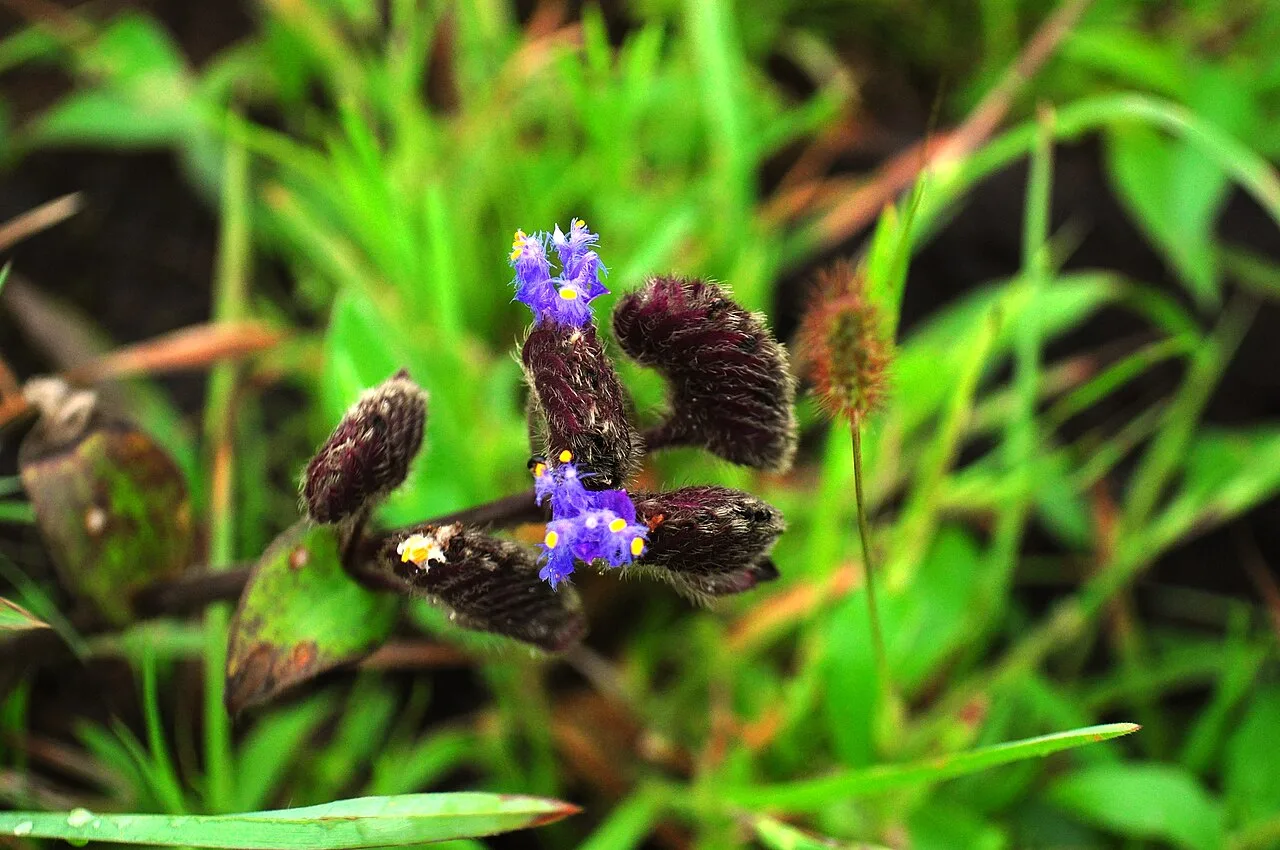
Kaas Plateau is a high basalt tableland and reserve forest in Maharashtra’s Satara district. Its seasonal wildflowers, endemic butterflies and distinctive plants make it a destination for nature visits, especially in August and September.

Panchgani

101 km away · Satara district

Panchgani

Panchgani, also known as Paachgani, is a hill station in Maharashtra’s Satara district with municipal-council status. Visitors come throughout the year, and its many convent boarding schools are also well known.

Thoseghar Falls

102 km away · Satara district

Thoseghar Falls

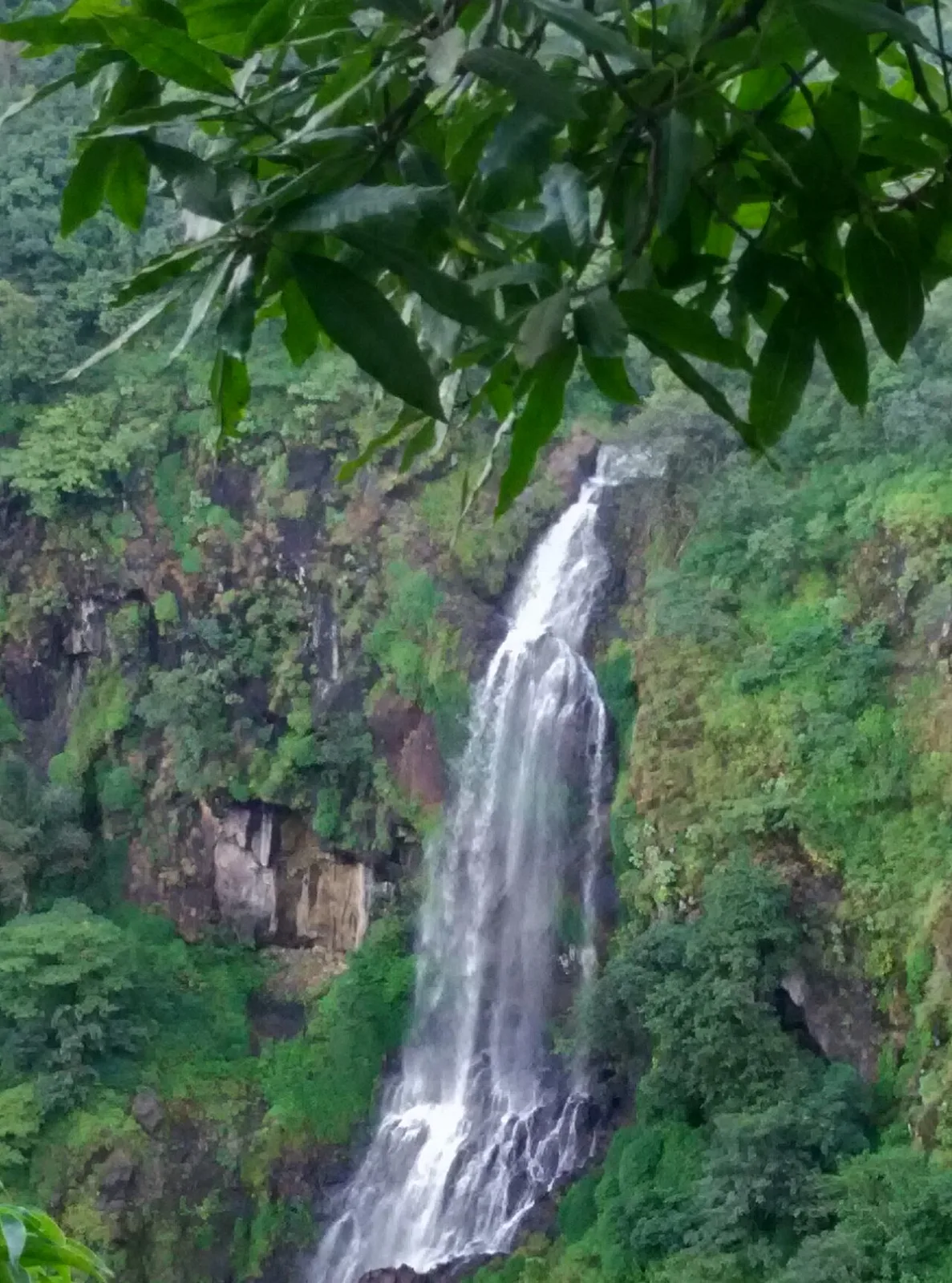
Thoseghar Falls is a series of cascades near Thoseghar village in Maharashtra’s Satara district. Visitors come to see the waterfalls, especially during the monsoon, when rainfall swells their flow.

105 km away · Satara district

Bhilar (Book Village)

Bhilar is a village in Maharashtra’s Satara district, known as the Book Village. Visitors may be drawn by its distinctive association with books.

Aga Khan Palace

116 km away · Pune district

Aga Khan Palace

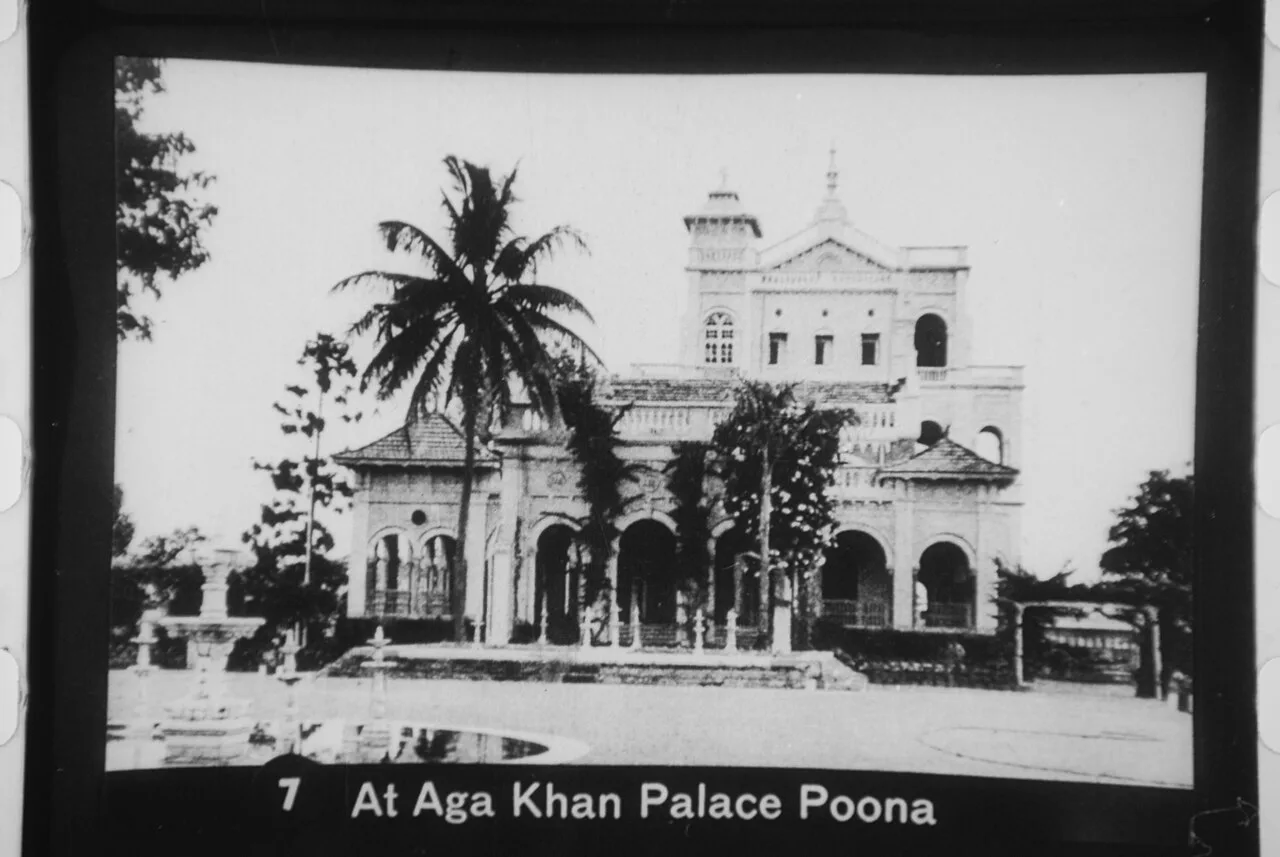
Aga Khan Palace is a historic building in Pune district, built by Sultan Muhammed Shah Aga Khan III. Visitors come for its connections to famine relief and the freedom struggle, as well as its architecture and greenery.

Mahabaleshwar

116 km away · Satara district

Mahabaleshwar

Mahabaleshwar is a town and municipal council in Satara district, Maharashtra. People visit for its religious connection to the sacred Krishna River and five tributaries, as well as its history as a hill station.

Map

Nateputa on the map

  1. 1Vithoba Temple
  2. 2Jejuri
  3. 3Kaas Plateau
  4. 4Panchgani
  5. 5Thoseghar Falls
  6. 6Bhilar (Book Village)
  7. 7Aga Khan Palace
  8. 8Mahabaleshwar

Maharashtra

Other cities to explore