Ghumoopedia — Explore, Discover, Experience
Sign in

City guide · Maharashtra

Ashti

Ashti, officially known as Ashti Dhotar Joda, is a major village in Partur taluka of Jalna district, in Maharashtra’s Marathwada region. Its importance is primarily local: it is a place of residence, trade and everyday services for people in the surrounding rural area, rather than a large urban centre or an established sightseeing destination.

Famous for

  • Ashti Dhotar Joda name
  • Partur taluka village
  • Jalna district setting
  • Marathwada rural life

Why Ashti matters

Ashti, officially known as Ashti Dhotar Joda, is a major village in Partur taluka of Jalna district, in Maharashtra’s Marathwada region. Its importance is primarily local: it is a place of residence, trade and everyday services for people in the surrounding rural area, rather than a large urban centre or an established sightseeing destination.

Visitors are most likely to come for family or business connections, local errands and an experience of village life in this part of Maharashtra. The nearby town of Partur and the district headquarters, Jalna, provide broader regional context and services. Its value lies in its local character and its place in the settled agricultural landscape of Marathwada.
Famous for: crafts, trade & products

It is best understood as a village serving its nearby community, where everyday buying and selling takes place through local shops and market activity. Visitors looking for household goods or routine supplies can ask locally about the bazaar and trading days; for a broader choice of goods and services, Partur and Jalna are more practical centres.

The village sits within a district where agriculture and related trade are important to regional life, but particular crops or processed foods should not be treated as Ashti specialties without local confirmation. There is no well-established visitor-facing craft market or named industrial attraction to recommend in the village. Ashti’s identity is therefore more closely tied to its role in the rural hinterland than to a signature commercial product.

History

A detailed, widely recorded history specific to Ashti Dhotar Joda is not readily established. Its story is best set within that of the wider Marathwada region, which was shaped by successive Deccan powers and later formed part of the princely state of Hyderabad under the Nizam. Hyderabad State joined the Indian Union in 1948, and Marathwada became part of Maharashtra when the state was formed in 1960.

Ashti is now part of Partur taluka in Jalna district. Jalna became a separate district in 1981, following its earlier administrative association with Aurangabad district. These changes brought the village within the present district and state framework, while everyday life continued to be centred on local settlement, farming and nearby market towns. The available regional history does not support assigning a particular ruler, colonial-era event or founding date to Ashti itself.

Food, festivals & culture

Daily life in Ashti reflects the Marathi-speaking culture of Marathwada. Marathi is the principal language visitors are likely to encounter; language use can vary between households and neighbouring communities. Food is rooted in the wider regional home-cooking tradition, where bhakri, lentils, vegetables and chutneys are common. These are general regional foods rather than dishes uniquely associated with Ashti, and local availability varies.

Hindu festivals such as Ganesh Chaturthi, Diwali and Holi are commonly observed across Maharashtra, while Muslim communities mark occasions including Eid. Their timing follows the relevant lunar or religious calendars, and celebrations are primarily community and family events. Local worship takes place in neighbourhood religious spaces, but no major pilgrimage site or widely known performance tradition is specifically associated with Ashti. Visitors should ask residents about local observances and customary etiquette, particularly when entering places of worship or attending community gatherings.

Visiting the city

The cooler months, roughly October to February, are generally the most comfortable for a visit. Summer can be very hot, while monsoon conditions from June to September may affect rural travel. Partur railway station is the practical nearby railhead; check current connections before travelling. The nearest major airport is Chhatrapati Sambhajinagar Airport, also known as Aurangabad Airport. From Partur or Jalna, continue by road using a local bus, taxi or other arranged transport, and confirm onward options locally.

Within Ashti, the village centre and local market area are the most useful places to explore on foot. The surrounding settlement and countryside offer a quiet look at rural life, rather than formal visitor attractions. For accommodation, dining and additional services, plan around Partur or Jalna.

Trips from the city

Nearest places to visit from Ashti

Our closest destination guides, by straight-line distance.

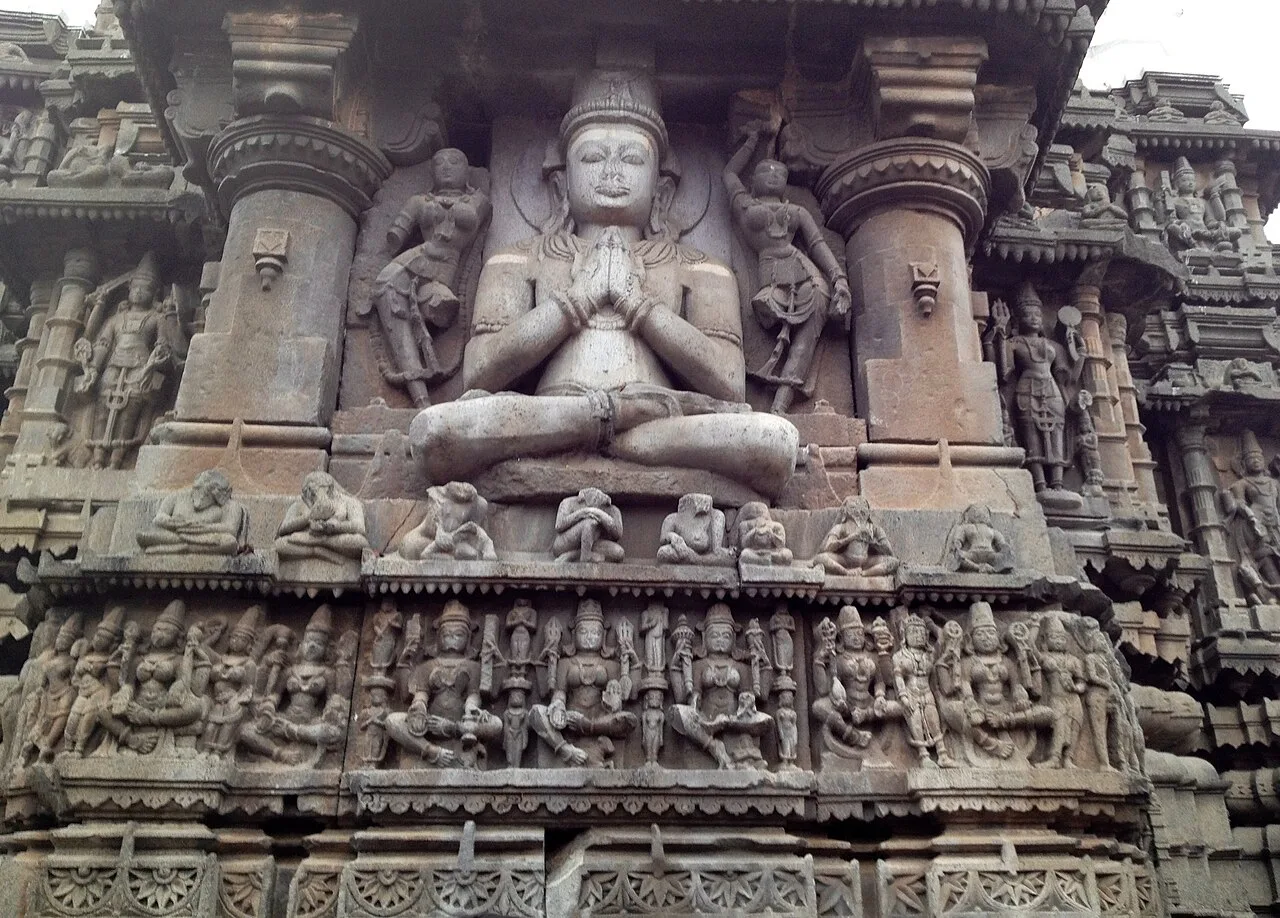
Shri Vaijnath Temple

68 km away · Beed district

Shri Vaijnath Temple

Shri Vaijnath Temple is a Shiva shrine at Parli Vaijnath in Maharashtra’s Beed district. Worshippers visit to perform abhishekam, and the temple is regarded as the fifth of Shiva’s twelve Jyotirlingas.

Lonar Lake

73 km away · Buldhana district

Lonar Lake

Lonar Lake is a saline, soda-rich lake in Maharashtra’s Buldhana district, set within a meteorite-impact crater. Visitors come to see its unusual geological formation and recognised conservation status.

Aundha Nagnath Temple

87 km away · Hingoli district

Aundha Nagnath Temple

Aundha Nagnath Temple is an old Shiva shrine in Maharashtra’s Hingoli district, regarded as the eighth of the twelve Jyotirlinga shrines. Visitors come for its religious importance, historical associations and distinctive architecture.

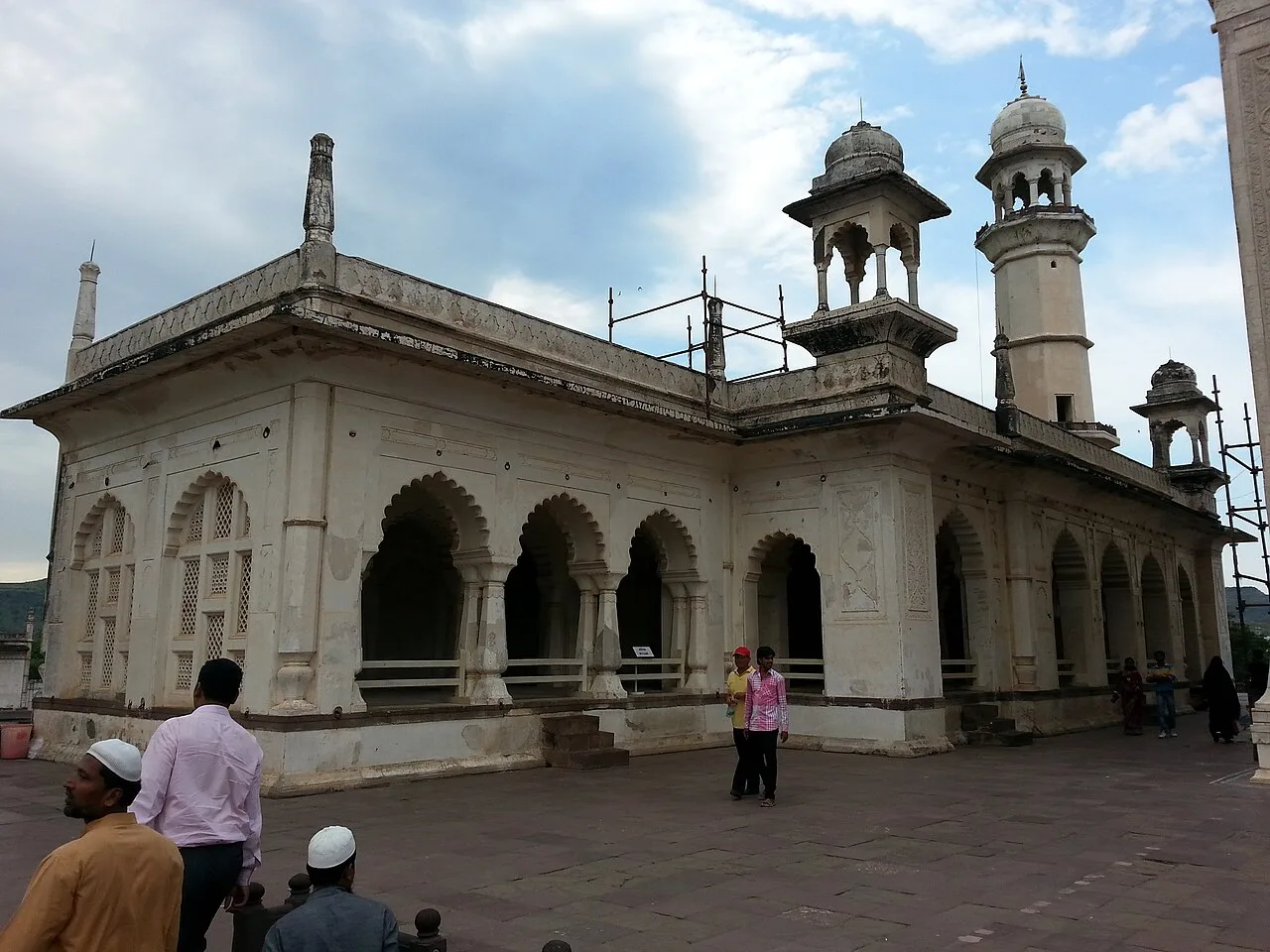
Bibi Ka Maqbara

111 km away · Chhatrapati Sambhajinagar district

Bibi Ka Maqbara

Bibi Ka Maqbara is a Mughal mausoleum in Aurangabad, Maharashtra, built for Dilras Banu Begum. Visitors come to see its resemblance to the Taj Mahal and its place in the region’s history.

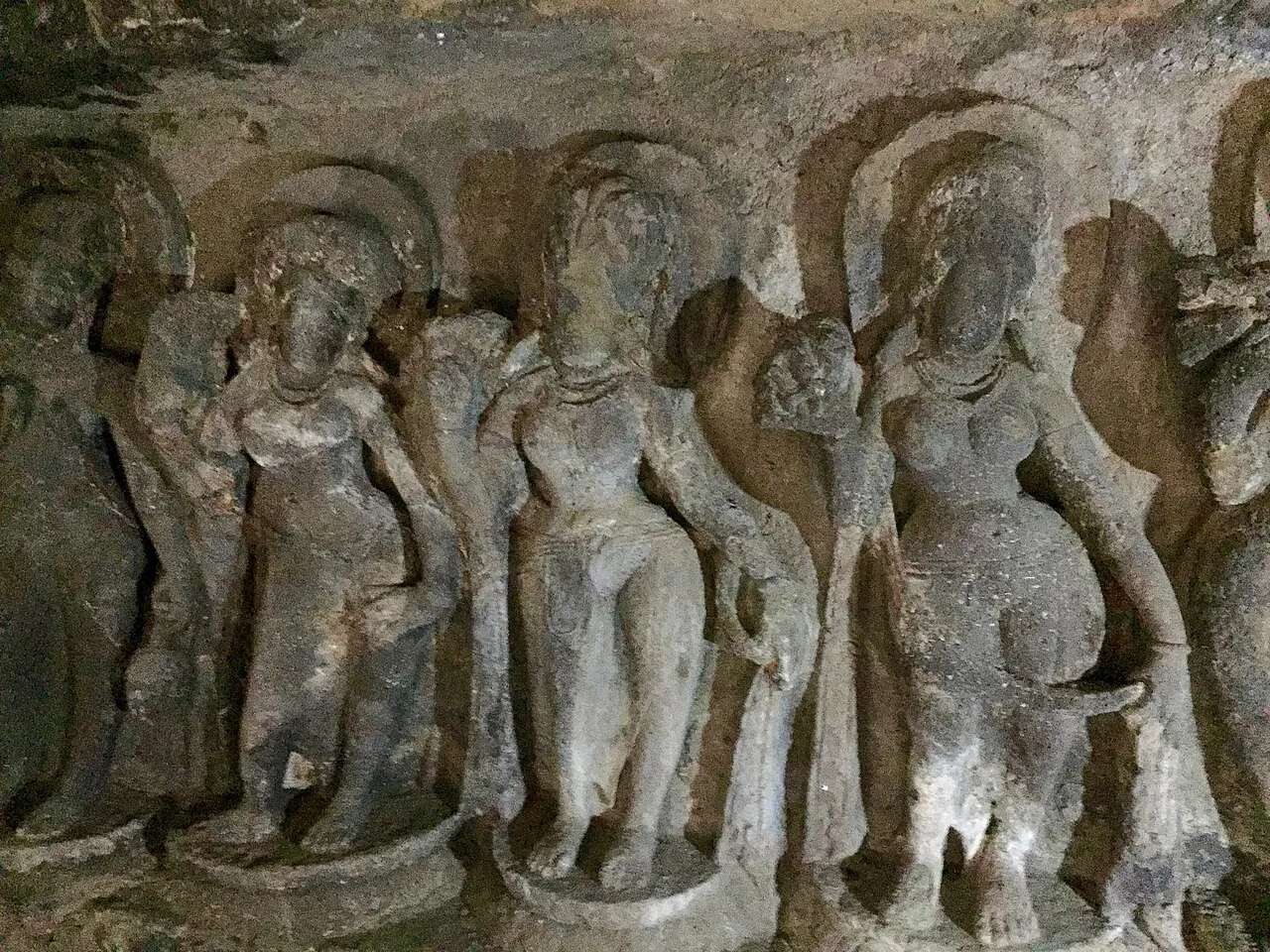
Aurangabad Caves

113 km away · Chhatrapati Sambhajinagar district

Aurangabad Caves

Near Aurangabad in Maharashtra, this hill complex contains twelve Buddhist sanctuaries excavated in basalt. Visitors explore its cave architecture and carvings, which represent several Buddhist traditions and include a range of deities.

Hazur Sahib

117 km away · Nanded district

Hazur Sahib

Takht Sachkhand Sri Hazur Abchalnagar Sahib is one of Sikhism’s five takhts, in Nanded, Maharashtra. Visitors come to worship and remember Guru Gobind Singh at the site associated with his death and cremation.

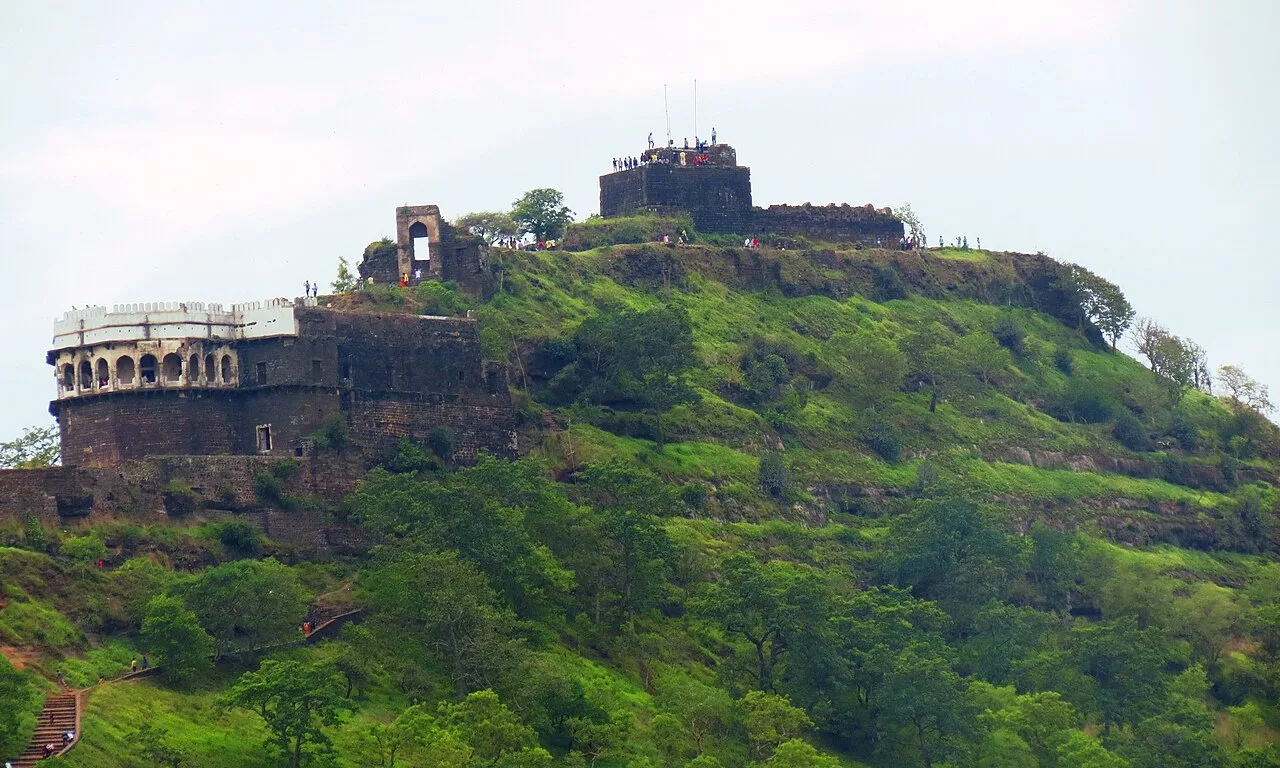
Daulatabad Fort

123 km away · Chhatrapati Sambhajinagar district

Daulatabad Fort

Daulatabad Fort is a historic stronghold in Maharashtra, first known as Devagiri. Visitors explore its history as a Yadava seat, briefly a Delhi Sultanate capital, and later an Ahmadnagar centre.

Ellora Caves

131 km away · Chhatrapati Sambhajinagar district

Ellora Caves

Ellora, in Maharashtra’s Chhatrapati Sambhajinagar district, is a UNESCO World Heritage Site. Visitors explore its Hindu, Buddhist and Jain monuments, including the remarkable Kailash temple carved from rock.

Map

Ashti on the map

  1. 1Shri Vaijnath Temple
  2. 2Lonar Lake
  3. 3Aundha Nagnath Temple
  4. 4Bibi Ka Maqbara
  5. 5Aurangabad Caves
  6. 6Hazur Sahib
  7. 7Daulatabad Fort
  8. 8Ellora Caves

Maharashtra

Other cities to explore