Ghumoopedia — Explore, Discover, Experience
Sign in
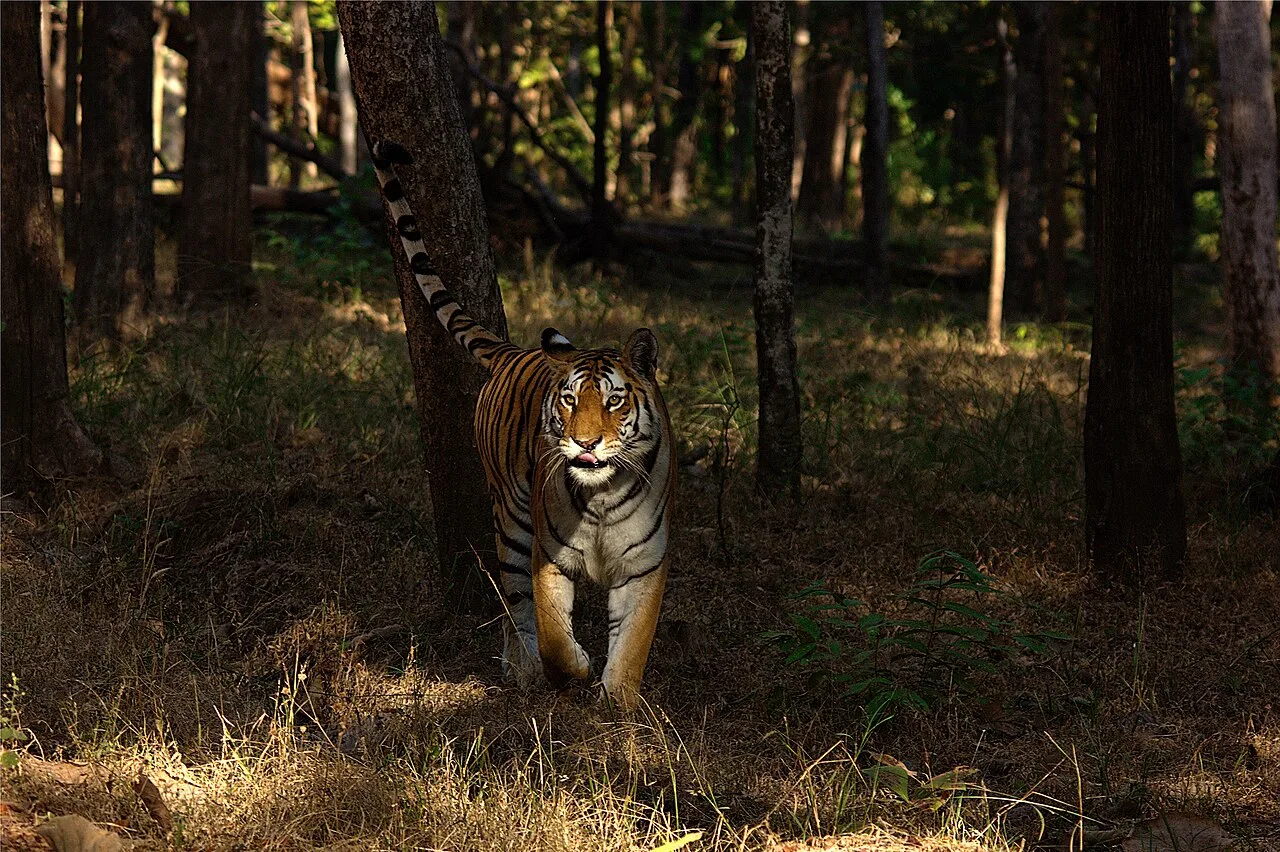
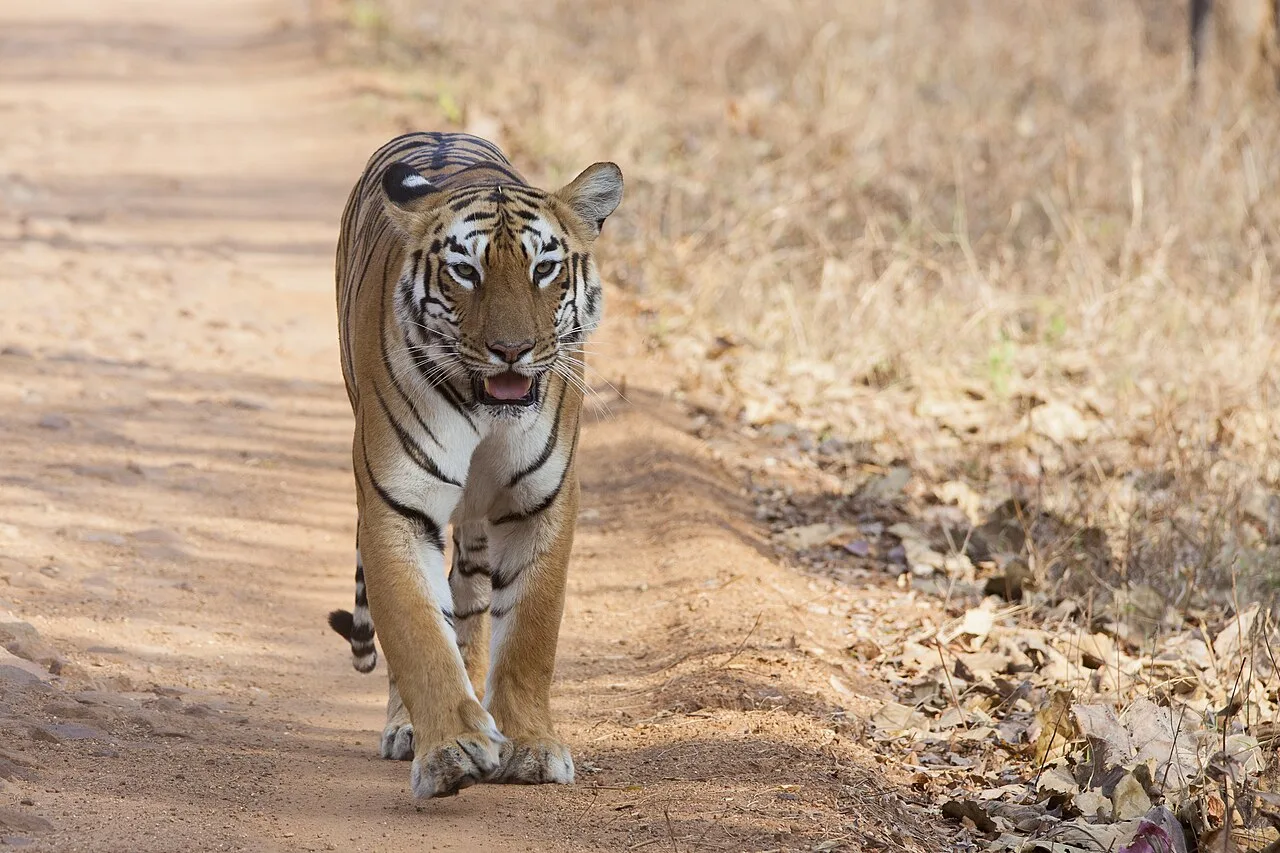
Tadoba Andhari Tiger Reserve, near Chandrapur

City guide · Maharashtra

Chandrapur

Chandrapur is an important regional centre in eastern Maharashtra: it is the headquarters of Chandrapur district and a hub for administration, transport, trade and industry. The city stands where the Erai and Zarpat rivers meet, in a landscape shaped by forests, mineral-rich ground and the history of the Gond kingdom.

Famous for

  • Black Gold City
  • Gond-era fort city
  • Mahakali Temple
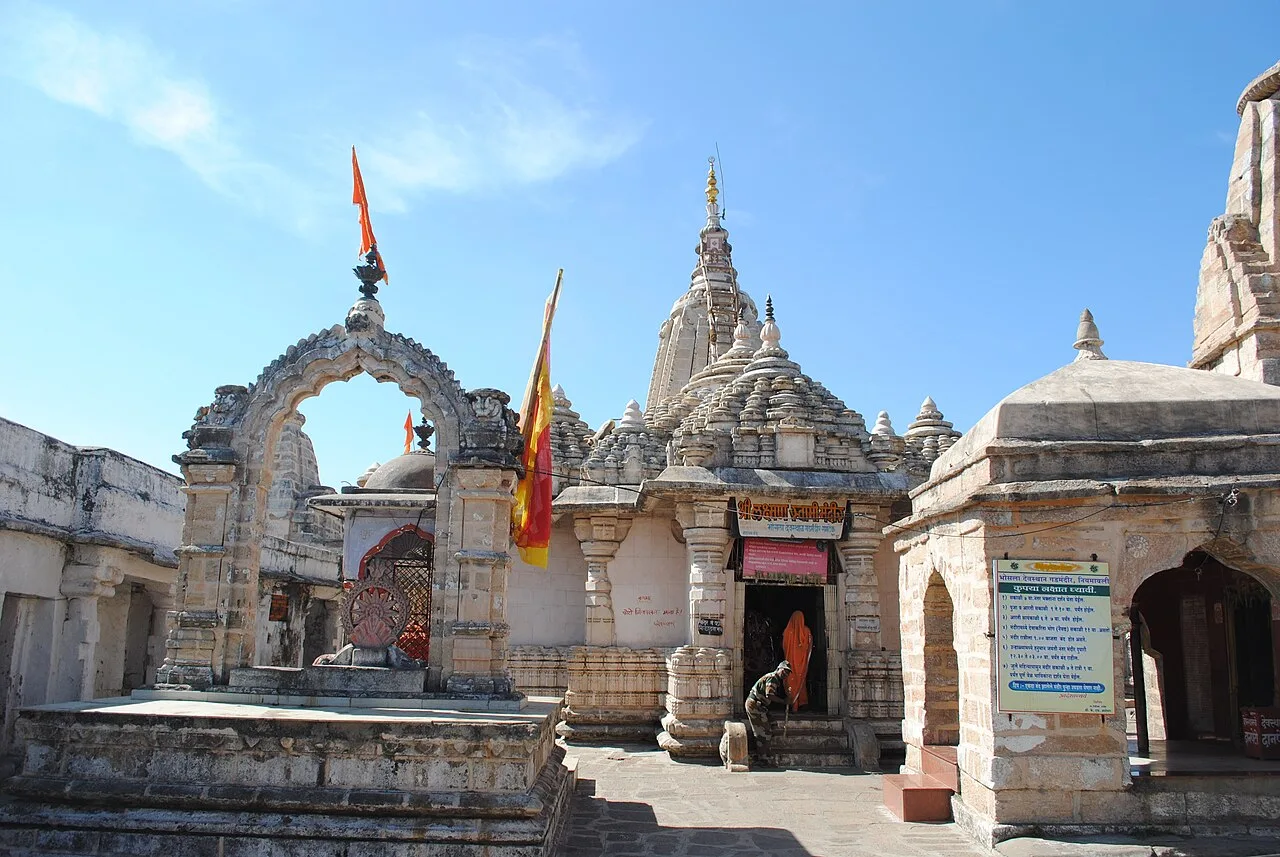
  • Achaleshwar Temple
  • Coal and power industries
  • Gateway to Tadoba

Why Chandrapur matters

Chandrapur is an important regional centre in eastern Maharashtra: it is the headquarters of Chandrapur district and a hub for administration, transport, trade and industry. The city stands where the Erai and Zarpat rivers meet, in a landscape shaped by forests, mineral-rich ground and the history of the Gond kingdom. Its coal deposits have earned it the nickname “Black Gold City,” while mining and power generation remain prominent parts of the local economy.

Visitors come to see the old fort setting, the Mahakali and Achaleshwar temples, and displays of local geology at the Suresh Chopane Rock Museum. Chandrapur is also a practical base for exploring the wider district, including Tadoba-Andhari Tiger Reserve, known for wildlife and forest landscapes. Its appeal lies in this mix of industrial activity, religious sites and access to central India’s natural and cultural heritage.
Famous for: crafts, trade & products

Chandrapur is best known commercially for coal and related industries rather than for a nationally prominent textile, saree or GI-tagged craft tradition. Coal mining, power generation and other industrial activity shape the city’s economy and give it its familiar “Black Gold City” identity. The Chandrapur Super Thermal Power Station is a major landmark of this industrial landscape. The city also serves as a district-level centre for government services, wholesale trade and everyday shopping.

Local markets are the most practical places to browse for clothing, household goods and regional food products, though particular craft or textile specialities are not a defining feature of the city. Tribal communities across the wider district have distinct cultural traditions; visitors interested in crafts should ask locally about current makers and authorised outlets rather than assume that products are made or sold in the city. For a different kind of local collection, the Suresh Chopane Rock Museum presents geological specimens, including rocks and fossils associated with the region. Nearby shops and market streets offer ordinary provisions for travellers heading onward to district towns or forest areas.

History

Chandrapur’s history is closely linked to the Gond kingdom of Chanda. Local tradition credits Gond ruler Khandkya Ballal Shah with establishing the fortified city after discovering a spring by the Zarpat River; the nearby Achaleshwar temple complex is associated with this founding story. The area had much older settlement, with archaeological discoveries in the district pointing to prehistoric activity. The city was once called Chanda, a name that remained in official use until 1964.

The Bhonsles of Nagpur took control in 1751. Following the death of Raghuji Bhonsle III in 1853, the territory was annexed by the British. During colonial rule, Chanda became a district centre, and the headquarters moved to the city in 1895. After Independence, the district became part of Bombay State and then Maharashtra in 1960. The city’s modern growth has been shaped by its role as a district headquarters and by the development of coal mining, power generation and related industries.

Food, festivals & culture

Everyday food reflects the wider Vidarbha region: rice, bhakri, lentils and vegetable dishes are common, alongside spicy curries and snacks found in local eateries. Some restaurants serve robust Saoji-style cooking, though menus vary. Local markets and small food shops are useful places to sample regional snacks and sweets; there is no single sweet that defines Chandrapur across the state.

Marathi is widely spoken, with Hindi also commonly understood; Gondi is spoken by Gond communities in the wider region. Ganesh Chaturthi, Navratri, Diwali and Holi bring seasonal public and household celebrations. The Mahakali Temple attracts worshippers, especially around its springtime festival period, while Achaleshwar Temple is another important place of worship. Religious life in the city also includes neighbourhood mosques and churches. Gond cultural traditions, including community music and dance, are part of the district’s wider heritage and may be encountered at local cultural events.

Visiting the city

The more comfortable time to visit is generally October to February, when days are milder. Summers can be intensely hot; the monsoon brings rain from June to September. The nearest major airport is Dr. Babasaheb Ambedkar International Airport in Nagpur. Chandrapur railway station is the city’s main rail station.

Auto-rickshaws, local buses and taxis are useful for getting around. Explore the old-city area and fort setting, visit Mahakali and Achaleshwar temples, and allow time for the Suresh Chopane Rock Museum. The central market streets offer everyday shopping and food. Chandrapur can also serve as a base for planning a visit to Tadoba-Andhari Tiger Reserve; check access arrangements for the reserve’s designated gates before setting out.

Trips from the city

Nearest places to visit from Chandrapur

Our closest destination guides, by straight-line distance.

Tadoba Andhari Tiger Reserve

37 km away · Chandrapur district

Tadoba Andhari Tiger Reserve

Set in Maharashtra’s Chandrapur district, Tadoba Andhari Tiger Reserve combines a national park and wildlife sanctuary within a protected area. Visitors come to experience its forests and wildlife.

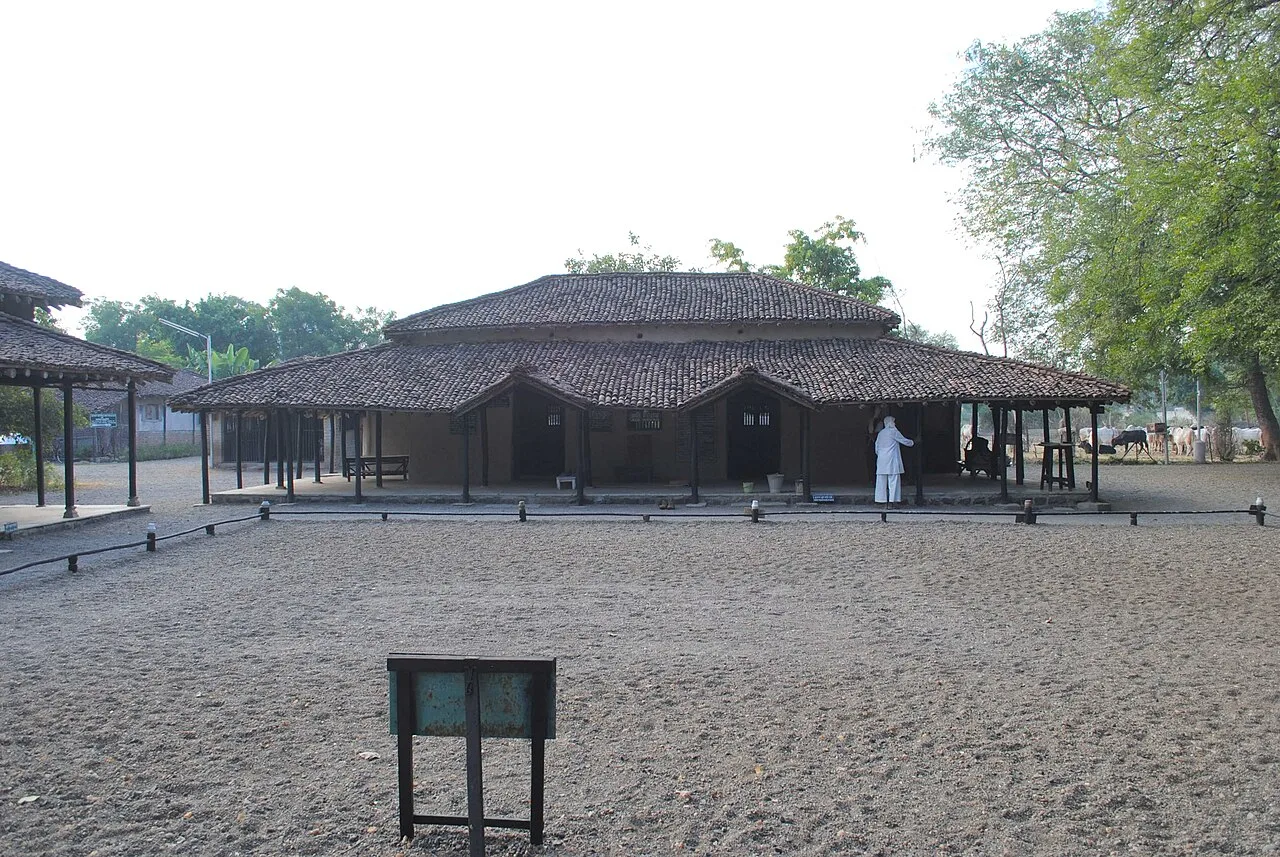
Sevagram Ashram

109 km away · Wardha district

Sevagram Ashram

Sevagram Ashram, in Wardha district, Maharashtra, is known as Mahatma Gandhi’s ashram and home from 1936 until his death in 1948. People visit for its connection with his life.

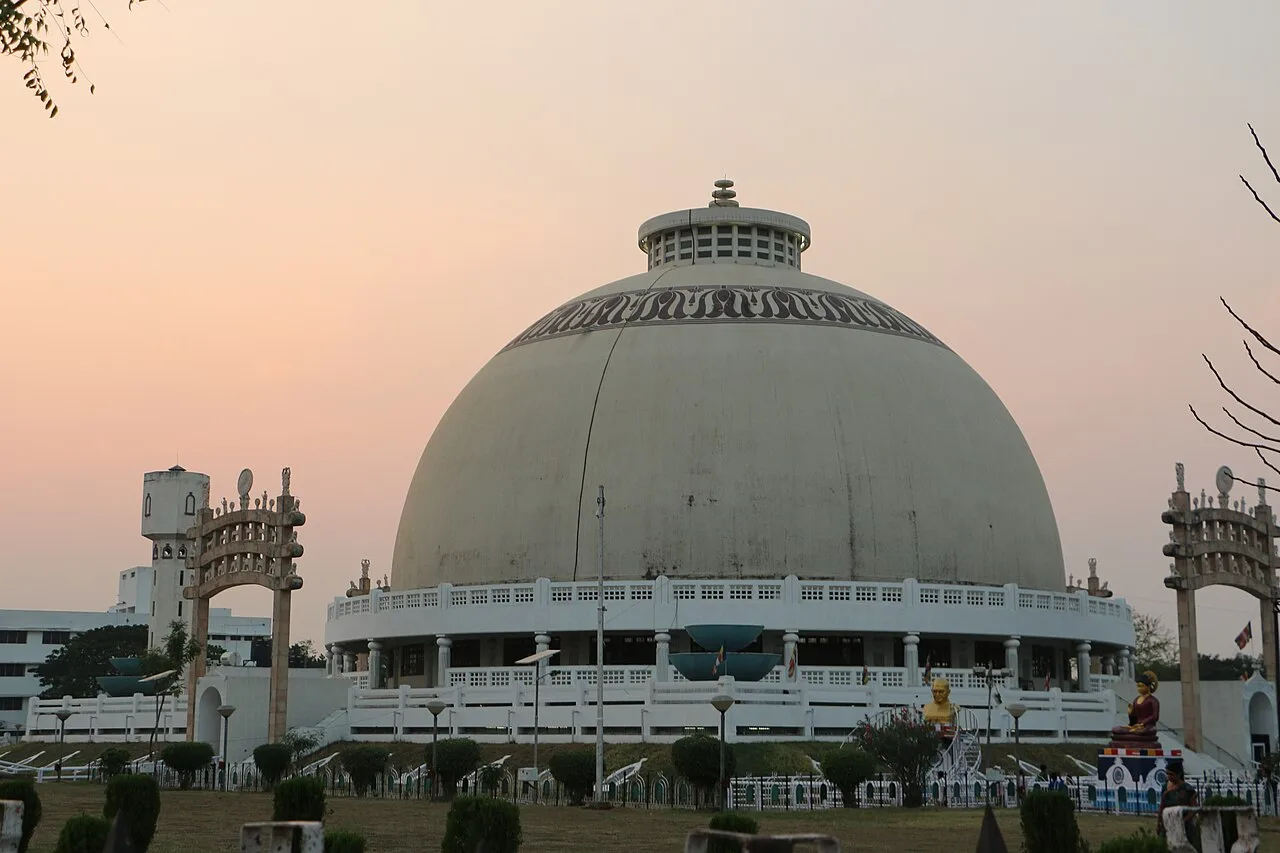
Deekshabhoomi

133 km away · Nagpur district

Deekshabhoomi

Deekshabhoomi is a Navayana Buddhist memorial in Nagpur, where B. R. Ambedkar and a vast following embraced Buddhism in 1956. Pilgrims visit to mark the conversion and its continuing significance.

Navegaon National Park

142 km away · Gondia district

Navegaon National Park

Navegaon National Park is in Gondia district, Maharashtra, within the Arjuni Morgaon subdivision. Visitors are drawn by wintering migratory birds at its lake and the park’s varied forest cover.

Ramtek Fort Temple

161 km away · Nagpur district

Ramtek Fort Temple

Ramtek Fort Temple is a Hindu pilgrimage site in Maharashtra, visited for its shrines on Ramtek Hill and its association with Rama and the Vakataka dynasty.

Pench Tiger Reserve

194 km away · Nagpur district

Pench Tiger Reserve

Pench Tiger Reserve spans Madhya Pradesh and Maharashtra, with its Maharashtra section in Nagpur district. People visit to experience its protected landscape and wildlife.

Chikhaldara

216 km away · Amravati district

Chikhaldara

Chikhaldara is a hill settlement and municipal council in Maharashtra’s Amravati district. Visitors come for its highland setting, coffee-growing area and nearby wildlife at the Melghat Tiger Project.

Hazur Sahib

225 km away · Nanded district

Hazur Sahib

Takht Sachkhand Sri Hazur Abchalnagar Sahib is one of Sikhism’s five takhts, in Nanded, Maharashtra. Visitors come to worship and remember Guru Gobind Singh at the site associated with his death and cremation.

Map

Chandrapur on the map

  1. 1Tadoba Andhari Tiger Reserve
  2. 2Sevagram Ashram
  3. 3Deekshabhoomi
  4. 4Navegaon National Park
  5. 5Ramtek Fort Temple
  6. 6Pench Tiger Reserve
  7. 7Chikhaldara
  8. 8Hazur Sahib

Maharashtra

Other cities to explore