Ghumoopedia — Explore, Discover, Experience
Sign in
Ganpatipule, near Devrukh

City guide · Maharashtra

Devrukh

Devrukh is a small town in Sangameshwar tehsil, Ratnagiri district, serving as the tehsil headquarters and a local centre for the surrounding Konkan countryside. Its setting between the Sahyadri hills and the coast gives it a markedly green landscape, especially during the heavy monsoon.

Famous for

  • Soljai Devi Temple
  • Saptalingi River temples
  • Alphonso mangoes
  • Rice and cashew
  • Marleshwar cave temple
  • Devrukh Shikshan Prasarak Mandal

Why Devrukh matters

Devrukh is a small town in Sangameshwar tehsil, Ratnagiri district, serving as the tehsil headquarters and a local centre for the surrounding Konkan countryside. Its setting between the Sahyadri hills and the coast gives it a markedly green landscape, especially during the heavy monsoon. Agriculture remains central to life here, with rice, cashew and Alphonso mangoes among the area’s prominent crops.

Visitors come for temples, river scenery and access to nearby hill and forest sites. Soljai Devi Temple is closely associated with the town’s local history, while the Saptalingi River is notable for the Shiva shrines along its banks. Marleshwar’s cave temple and the Hemadapanthi-style Karneshwar Temple are among the wider region’s draws. Devrukh also has a long-standing educational presence: Devrukh Shikshan Prasarak Mandal dates to 1927, and the town supports schools, healthcare and other services for nearby communities. Its appeal lies less in big-city attractions than in its religious heritage, rural landscape and role as a practical base for exploring this part of Ratnagiri district.
Famous for: crafts, trade & products

Devrukh is best known locally for agricultural produce rather than a distinctive textile or handicraft trade. Rice is an important crop, while cashew and Alphonso, or Hapus, mangoes are associated with the surrounding area. These seasonal products are most likely to be encountered through local shops and markets in town or through growers and sellers in nearby villages. Availability varies with the harvest, and Devrukh is not known as a major wholesale market for these goods.

There is no widely recognised local saree, craft tradition or GI-tagged product specifically associated with Devrukh. Visitors looking for regional produce can ask in the town bazaar for locally grown rice, cashews and mangoes when in season, rather than expecting a dedicated crafts district. The town’s other notable institutions are educational and civic: Devrukh Shikshan Prasarak Mandal, founded in 1927, runs schools and a junior college, while the Rajendra Mane College of Engineering and Technology is located a short distance away. These institutions, together with local services, form an important part of Devrukh’s identity as a centre for the surrounding rural area.

History

Devrukh’s history is closely connected with the routes that link the Konkan to the Sahyadri and the inland forts. Local accounts associate Chhatrapati Shivaji Maharaj with repeated visits to the town, particularly to Soljai Temple, during journeys between Raigad and Vishalgad. Chhatrapati Sambhaji Maharaj is also associated with Devrukh; Chousupi is remembered as a place used as a horse stable in his time. These connections place the town within the wider movement and political history of the Maratha period, though its everyday life remained rooted in the surrounding agricultural region.

Devrukh was the birthplace of social reformer Parvatibai Athavale. In modern times it developed as the administrative headquarters of Sangameshwar tehsil and as a local centre for education and services. Devrukh Shikshan Prasarak Mandal, established in 1927, became one of the region’s longstanding educational institutions. Schools, a junior college and nearby engineering education continue that role today. The town’s growth has been shaped more by regional administration, farming and education than by large-scale industry.

Food, festivals & culture

Daily life reflects Devrukh’s setting in the Konkan and its farming calendar. Rice is a staple crop, while cashews and Alphonso mangoes are among the area’s familiar seasonal produce. Local meals draw on rice and ingredients available across the coastal region; mangoes and cashews are especially associated with the warmer months and harvest season. The town is not particularly known for a signature sweet or a distinct food festival.

Marathi is the principal language of everyday life, and Konkani may also be heard in the broader region. Worship at village and Shiva temples is an important part of local religious culture. Ganesh Chaturthi is widely observed across the Konkan, while Dussehra has a particular local expression at Mahipat Fort, where villagers gather for the festival. Temple occasions and community celebrations may include devotional singing such as bhajans; specific programmes vary by year. Soljai Temple and the shrines along the Saptalingi River are meaningful places of worship as well as visitor attractions. The surrounding landscape and agricultural seasons remain central to the town’s cultural rhythms.

Visiting the city

The most comfortable time to explore is generally after the monsoon, from autumn through early spring, when conditions are less wet. The monsoon brings very heavy rain and lush scenery but can make outdoor travel difficult. Ratnagiri Airport is the nearest airport. For rail travel, Sangameshwar Road is the closest main station; Ratnagiri station is another option. From either station, continue by road. MSRTC buses connect Devrukh with Sangameshwar and other regional centres, and private vehicles also operate locally.

Devrukh is compact enough to explore by local road transport or private vehicle. Begin in the town centre and visit Soljai Temple, then follow the Saptalingi River area for its riverside shrines. Devrukh also makes a useful base for trips to Marleshwar, Karneshwar and hilltop Tikleshwar. Check locally about current river boating and road conditions before setting out, particularly during the rainy season.

Trips from the city

Nearest places to visit from Devrukh

Our closest destination guides, by straight-line distance.

Ganpatipule

38 km away · Ratnagiri district

Ganpatipule

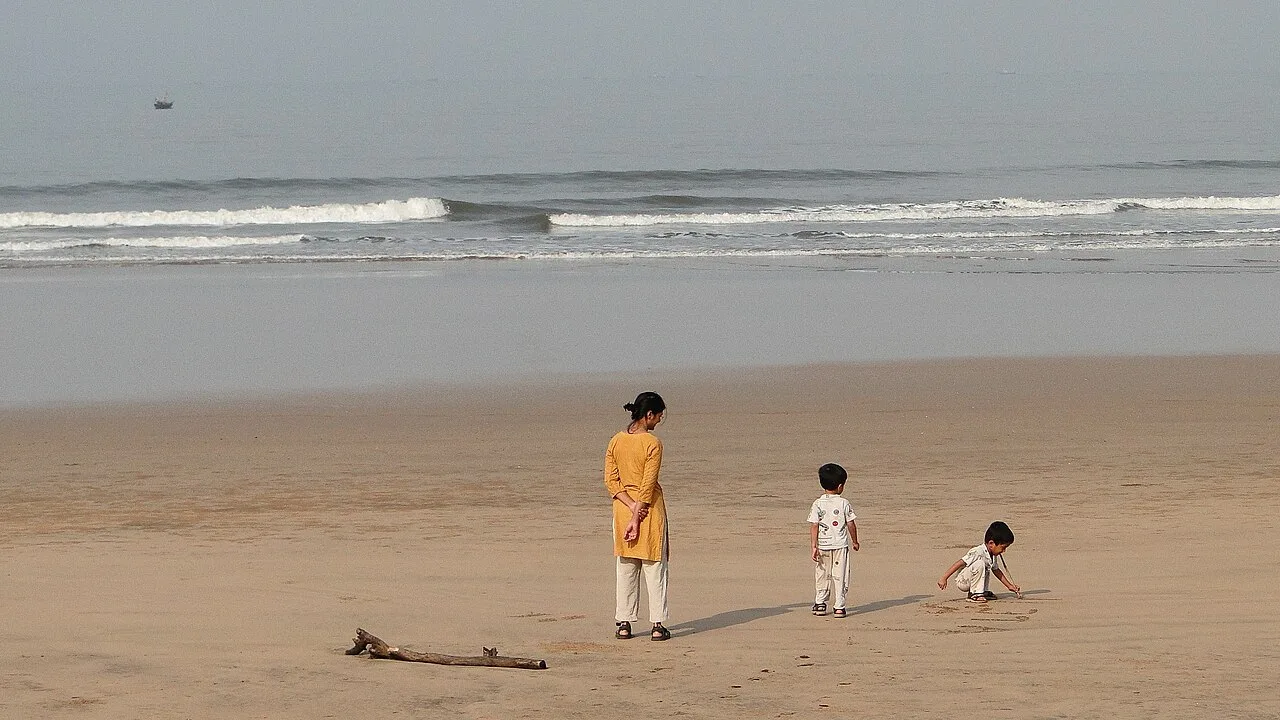
A coastal town in Maharashtra’s Ratnagiri district, Ganpatipule attracts Hindu pilgrims and tourists to its Ganpati mandir. It is near Ratnagiri city and north of Chiplun.

Ratnagiri Fort

38 km away · Ratnagiri district

Ratnagiri Fort

Ratnagiri Fort, also known as Ratnadurg Fort and Bhagawati Fort, stands two kilometres from Ratnagiri in Maharashtra and attracts visitors for the Bhagawati Temple within it.

Panhala Fort

60 km away · Kolhapur district

Panhala Fort

Panhala Fort is a hilltop stronghold in Kolhapur district, Maharashtra, overlooking a Western Ghats pass. Visitors come to see its surviving structures and explore its connections with Deccan conflicts and Tarabai.

Guhagar

63 km away · Ratnagiri district

Guhagar

Guhagar is a census town in Maharashtra’s Ratnagiri district. Visitors come for its beach and temples, while local produce and crafts include Alphonso mangoes, coconuts, betel nuts and coir goods.

Thoseghar Falls

64 km away · Satara district

Thoseghar Falls

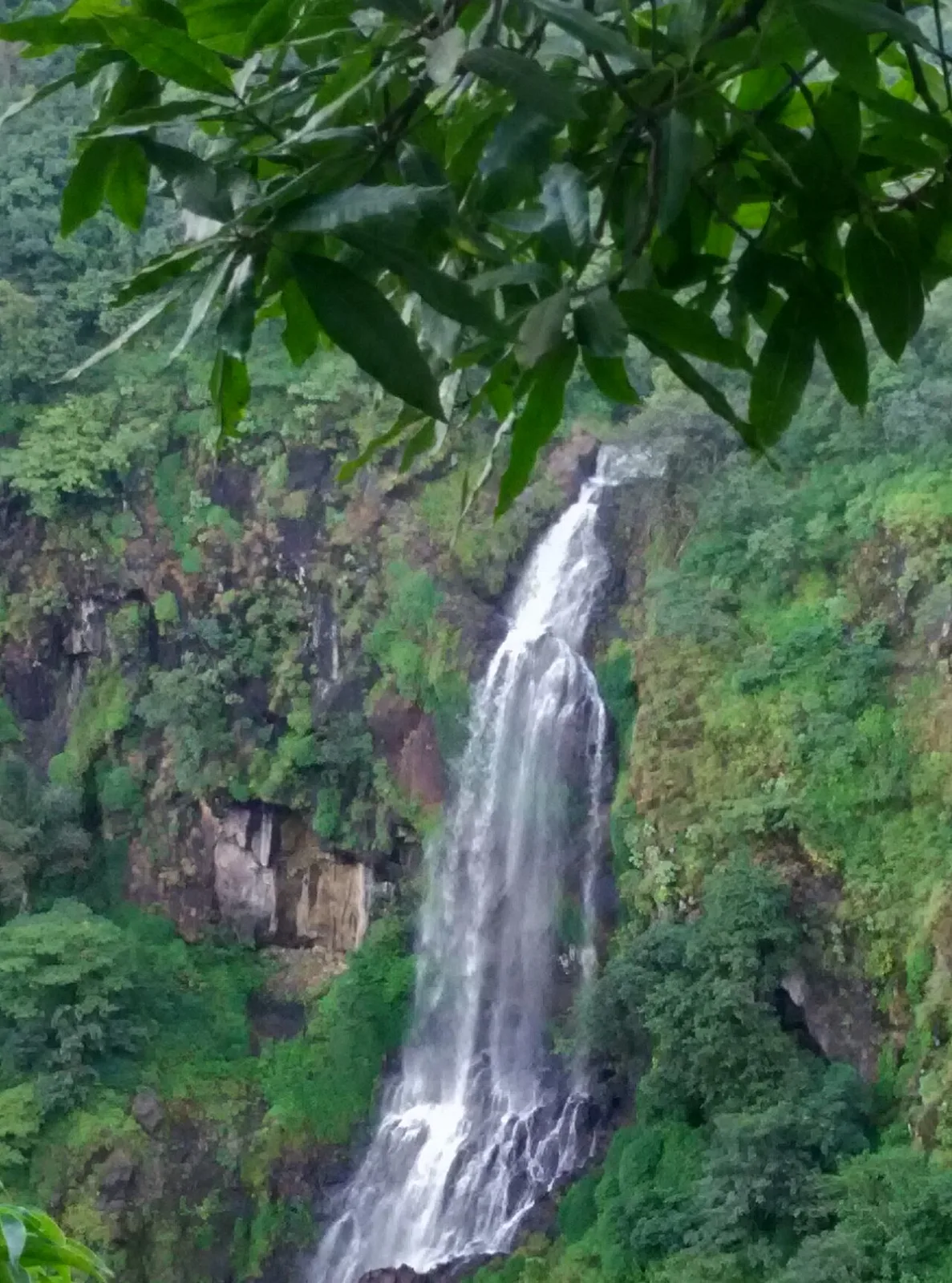
Thoseghar Falls is a series of cascades near Thoseghar village in Maharashtra’s Satara district. Visitors come to see the waterfalls, especially during the monsoon, when rainfall swells their flow.

Vijaydurg Fort

64 km away · Sindhudurg district

Vijaydurg Fort

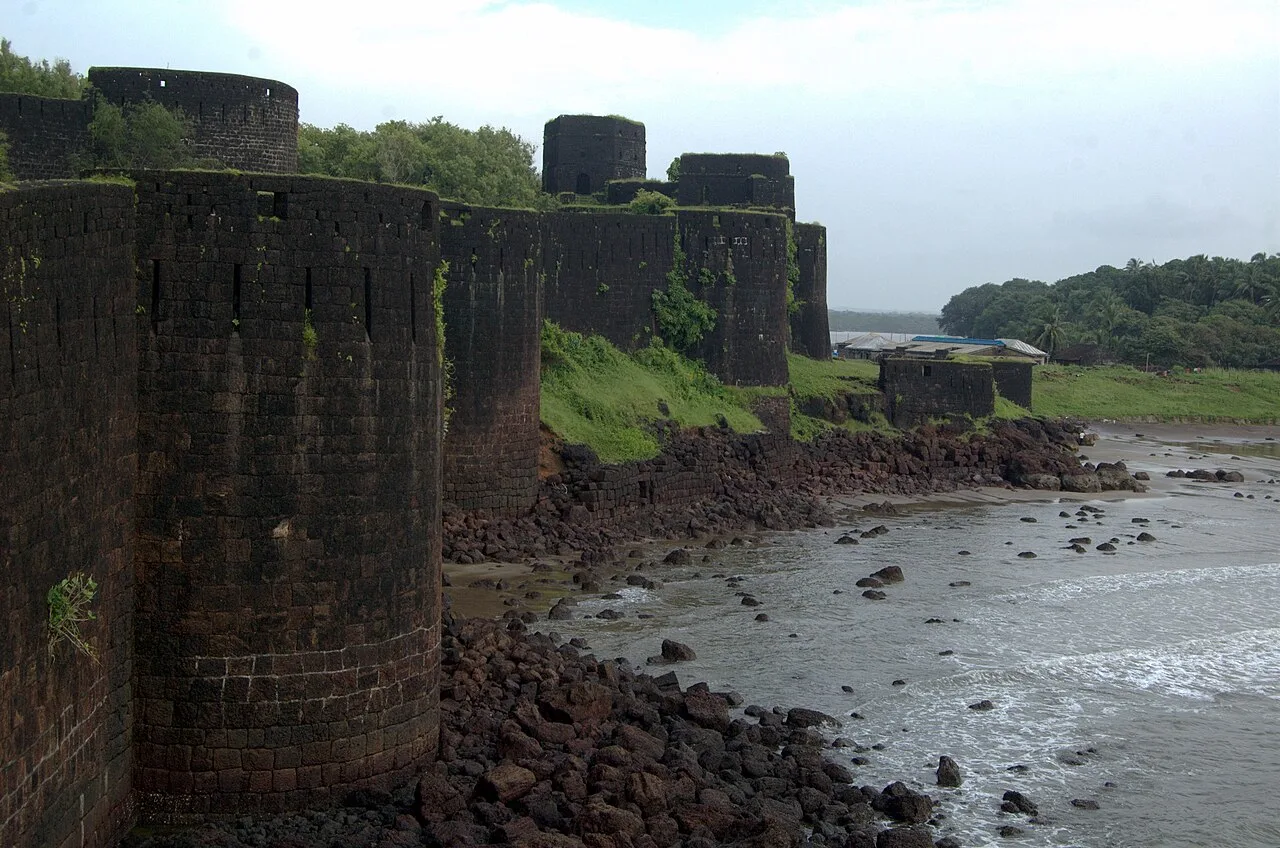
Vijaydurg Fort, in Maharashtra’s Sindhudurg district, is a coastal stronghold with a long history of Maratha use. Visitors come to explore its defences and strategic position beside the Waghotan/Kharepatan creek.

Jyotiba Temple

67 km away · Kolhapur district

Jyotiba Temple

Near Wadi Ratnagiri in Maharashtra’s Kolhapur district, Jyotiba Temple is a Hindu place of worship. People visit the shrine and its annual fair, held at full moon in Chaitra and Vaishakha.

Kaas Plateau

76 km away · Satara district

Kaas Plateau

Kaas Plateau is a high basalt tableland and reserve forest in Maharashtra’s Satara district. Its seasonal wildflowers, endemic butterflies and distinctive plants make it a destination for nature visits, especially in August and September.

Map

Devrukh on the map

  1. 1Ganpatipule
  2. 2Ratnagiri Fort
  3. 3Panhala Fort
  4. 4Guhagar
  5. 5Thoseghar Falls
  6. 6Vijaydurg Fort
  7. 7Jyotiba Temple
  8. 8Kaas Plateau

Maharashtra

Other cities to explore