Ghumoopedia — Explore, Discover, Experience
Sign in

City guide · Maharashtra

Karmala

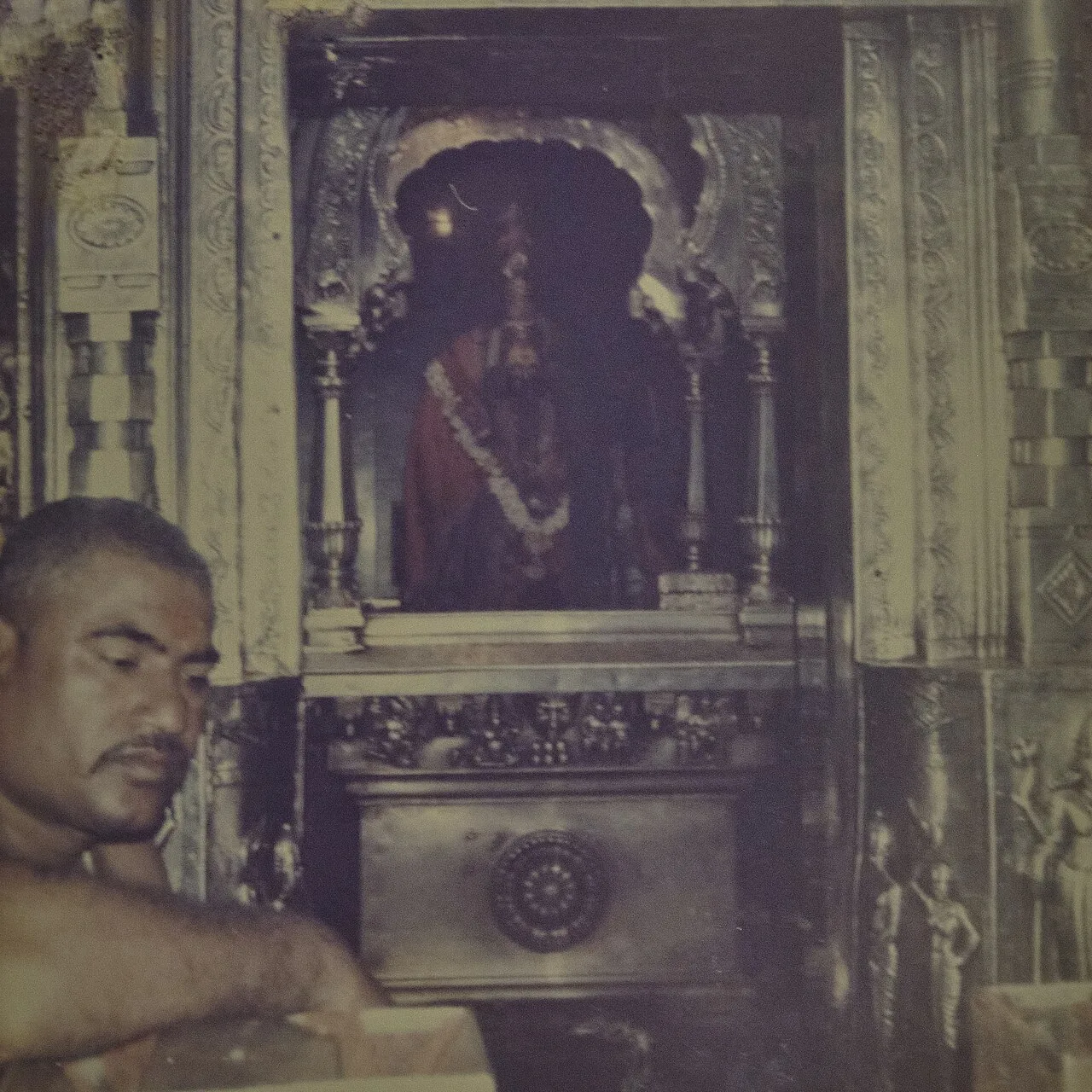
Karmala is a municipal town in Solapur district and the administrative headquarters of its taluka. Its best-known landmark is the Kamala Bhavani Temple, a place of worship associated with Tulaja Bhavani and regarded by devotees as a second seat of the goddess after Tuljapur.

Famous for

  • Kamala Bhavani Temple
  • Nimbalkar-era temple architecture
  • Temple’s 96-fold design
  • Navratri observances
  • Kartik festival yatra

Why Karmala matters

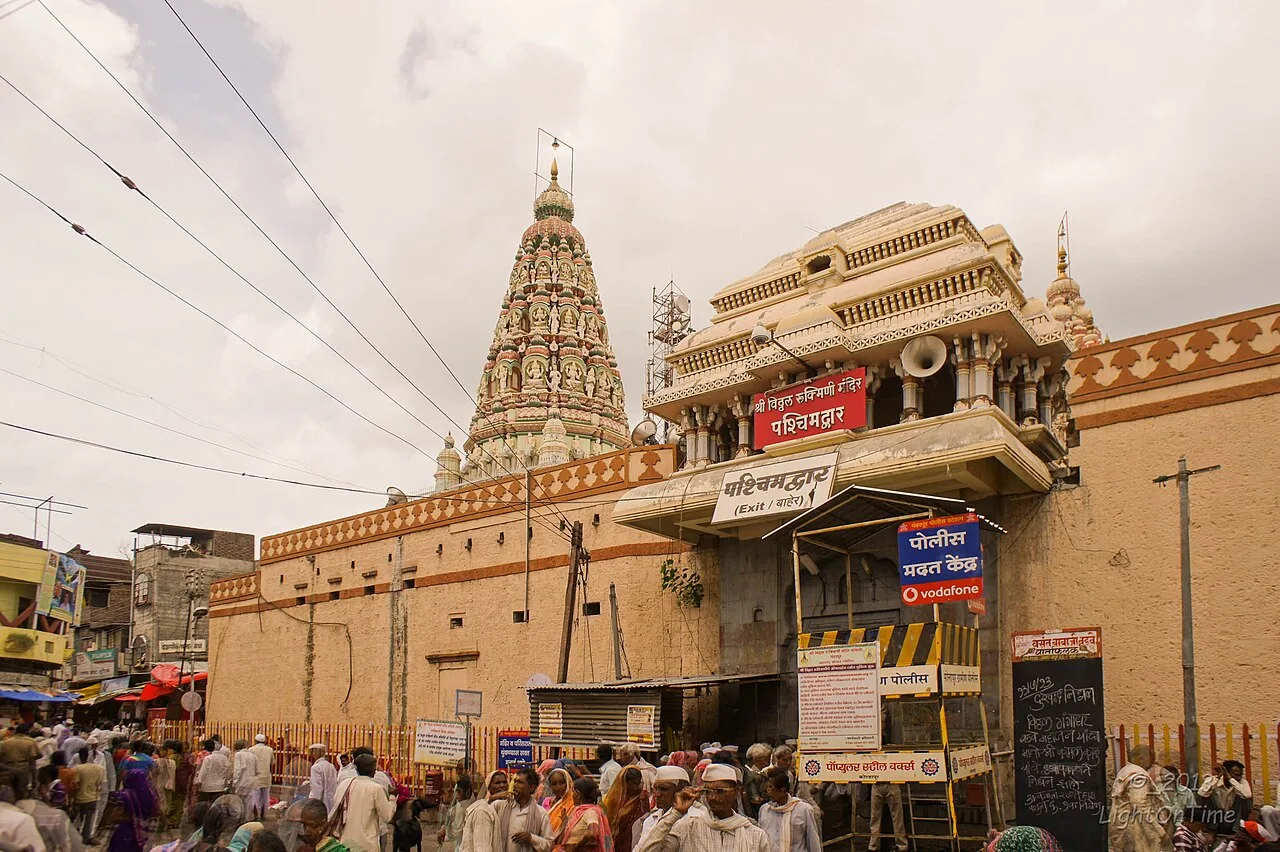
Karmala is a municipal town in Solapur district and the administrative headquarters of its taluka. Its best-known landmark is the Kamala Bhavani Temple, a place of worship associated with Tulaja Bhavani and regarded by devotees as a second seat of the goddess after Tuljapur. The temple draws visitors for its distinctive architecture and the recurring importance of the number 96: its design includes a 96-step well, 96 pillars, and 96 images and overyas on the upper part of the temple.

The temple is especially active during Navratri and the annual yatra held around Kartik Purnima and the following days. These occasions give Karmala a wider religious importance beyond its role as a local service and administrative centre. The town lies at an elevation of about 562 metres and is connected by road to Jeur, where the nearest railway station is about 19 kilometres away. For travellers, Karmala offers a quieter destination centred on a significant regional shrine rather than a large collection of urban attractions.
Famous for: crafts, trade & products

Karmala is chiefly known for the Kamala Bhavani Temple, not for a widely recognised textile, handicraft, or GI-tagged product. Its most distinctive local heritage is architectural: the Hemadpanthi-style temple is associated with Rao Raje Nimbalkar and was built in 1727. The repeated use of 96 in its pillars, well, images, and overyas is a notable feature for visitors interested in religious architecture.

As a taluka headquarters, Karmala has shops and everyday services for residents and people from surrounding settlements. The central town market is the most practical place to look for groceries, household goods, and locally available produce, but visitors should not expect a specialised craft bazaar or a signature regional product without checking locally. The temple area is the best place to focus on local religious heritage and, during festival periods, to observe the activity associated with worship and the yatra. No particular local textile or manufactured product is established as a defining attraction of the town.

History

Karmala’s best-known historical landmark is the Kamala Bhavani Temple, built in 1727 by Rao Raje Nimbalkar. Its Hemadpanthi-style construction and unusual concentration of architectural features built around the number 96 have made it the town’s most visible expression of its past. The shrine is linked in local religious tradition with Tulaja Bhavani of Tuljapur.

Karmala also developed as the headquarters of its taluka, serving as an administrative and commercial centre for nearby settlements. During the colonial period, the region was administered within the wider Bombay Presidency; the town’s most prominent documented heritage, however, is associated with the temple rather than a specific colonial-era event. In modern Maharashtra, Karmala remains a municipal town in Solapur district. Its civic role and local services support the surrounding area, while the temple and its festivals continue to bring visitors and worshippers to the town.

Food, festivals & culture

Religious life in Karmala centres on the Kamala Bhavani Temple. Navratri, generally observed in September or October, is celebrated with devotion, while the temple’s annual yatra takes place during the Kartik period, from Kartik Purnima to Chaturthi. The shrine’s association with Tulaja Bhavani connects local worship with a wider devotional tradition in Maharashtra. Marathi is the main language of daily life; Hindi is also understood by many visitors and residents.

Karmala does not have a widely documented signature dish. Visitors will generally find familiar Maharashtrian food, such as bhakri, pithla, and other simple regional meals, along with sweets and snacks available in local eateries and shops. Lavani and other Maharashtrian performance traditions are part of the broader regional culture, though they are not unique to Karmala. Around festival days, devotional singing and activity at the temple are a more immediate way to experience the town’s cultural life. Dress modestly and follow local customs when visiting places of worship.

Visiting the city

The cooler months, roughly October to February, are generally more comfortable for exploring Karmala; festival periods bring added activity around the temple. For scheduled commercial flights, Pune International Airport is a practical major airport for onward road travel. Jeur railway station, about 19 kilometres from town, is the nearest rail access; Solapur railway station is a larger regional station farther away.

Local buses, auto-rickshaws, and hired vehicles can help with travel between the town centre, the temple, and nearby settlements. Begin around Kamala Bhavani Temple, then explore the adjoining town streets and central market for a sense of everyday life. Karmala is compact, so the main town area can be visited without an elaborate itinerary. Check locally for transport options and any festival-related crowding before setting out.

Trips from the city

Nearest places to visit from Karmala

Our closest destination guides, by straight-line distance.

Vithoba Temple

83 km away · Solapur district

Vithoba Temple

The Vithoba Temple, also called Shri Vitthal-Rukmini Mandir, is a Hindu shrine in Pandharpur, Maharashtra. Devotees visit to worship Vithoba and Rakhumai and join major Warkari pilgrimages.

Ahmednagar Fort

89 km away · Ahilyanagar district

Ahmednagar Fort

Ahmednagar Fort, in Maharashtra, is a historic stronghold associated with the Ahmednagar Sultanate, the 1803 Anglo-Maratha conflict and imprisonment under British rule, making it a point of historical interest.

96 km away · Ahilyanagar district

Hiware Bazar

Hiware Bazar is a village in Maharashtra’s Ahmednagar district, known for its irrigation system and water-conservation efforts to tackle drought and drinking-water difficulties.

100 km away · Ahilyanagar district

Ralegan Siddhi

Ralegan Siddhi is a village in Maharashtra’s Ahmednagar District, noted for environmental conservation and renewable energy. Travellers may visit to see its measures for protecting soil, retaining rainwater and generating local power.

Tulja Bhavani Temple

108 km away · Dharashiv district

Tulja Bhavani Temple

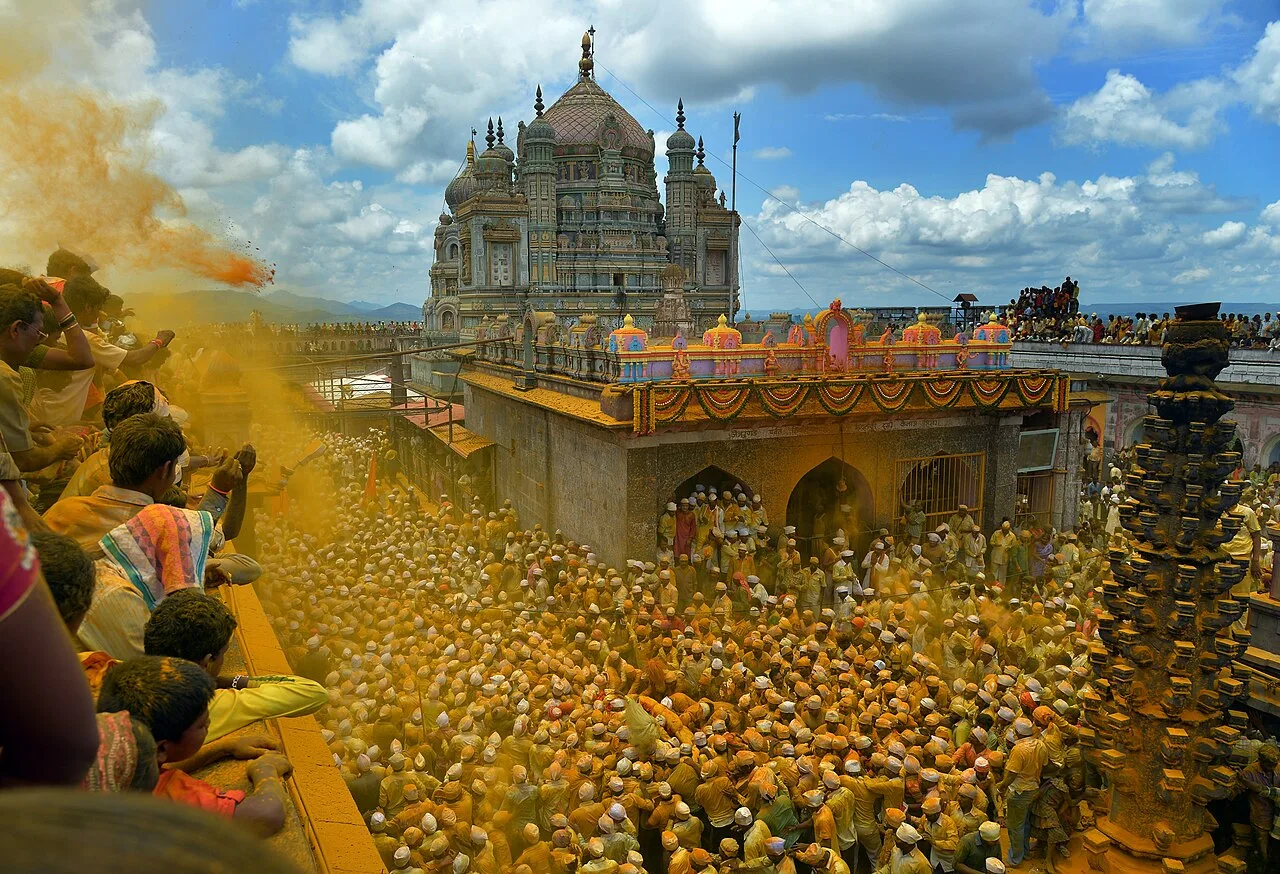
Tulja Bhavani Temple is a 12th-century shrine to goddess Bhavani in Tuljapur, Maharashtra. It is counted among India’s 51 Shakti Pithas and the state’s four major Shakti shrines.

Jejuri

110 km away · Pune district

Jejuri

Jejuri, a city with a municipal council in Pune district, Maharashtra, is known for the Khandoba Mandir, an important Hindu pilgrimage site for communities across the state.

Shani Shingnapur

117 km away · Ahilyanagar district

Shani Shingnapur

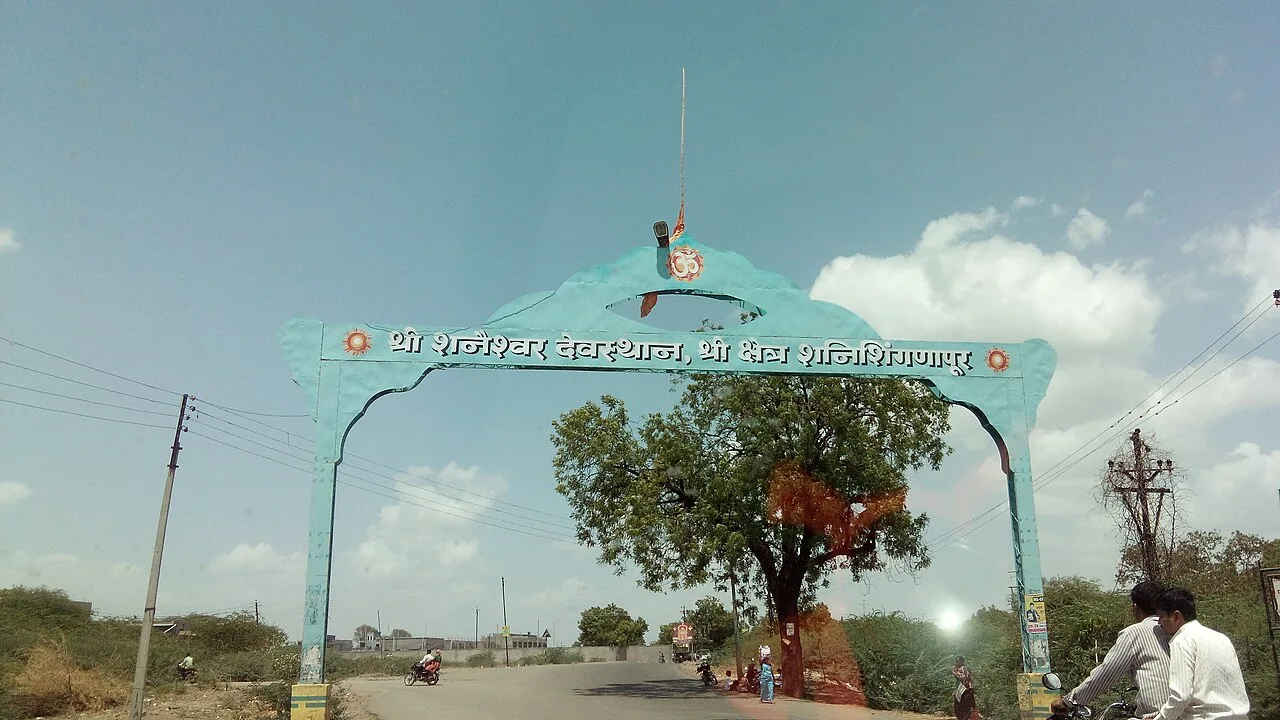
In Maharashtra, Shani Shingnapur is a village visited for its temple to Shani, the Hindu deity linked to the graha Saturn.

Aga Khan Palace

137 km away · Pune district

Aga Khan Palace

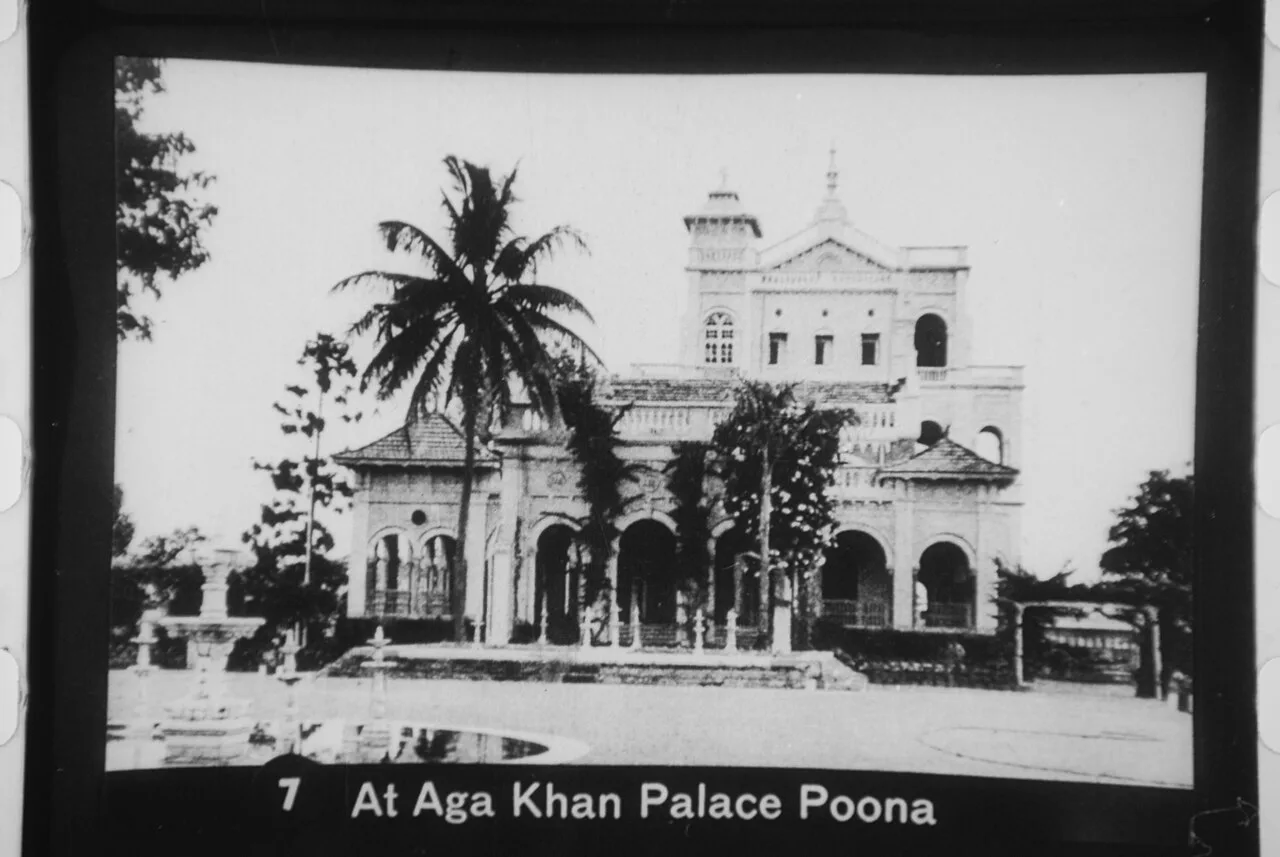
Aga Khan Palace is a historic building in Pune district, built by Sultan Muhammed Shah Aga Khan III. Visitors come for its connections to famine relief and the freedom struggle, as well as its architecture and greenery.

Map

Karmala on the map

  1. 1Vithoba Temple
  2. 2Ahmednagar Fort
  3. 3Hiware Bazar
  4. 4Ralegan Siddhi
  5. 5Tulja Bhavani Temple
  6. 6Jejuri
  7. 7Shani Shingnapur
  8. 8Aga Khan Palace

Maharashtra

Other cities to explore