Ghumoopedia — Explore, Discover, Experience
Sign in
Ajanta Caves, near Bhusawal

City guide · Maharashtra

Bhusawal

Bhusawal is an important railway and trading city in Jalgaon district, northern Maharashtra. Its position on the Tapti River and at the meeting point of major rail routes has made it a key connection between the region and destinations across India.

Famous for

  • Bhusawal railway junction
  • Central Railway division
  • Cotton and oil trade
  • Banana-growing hinterland
  • Tapti River setting

Why Bhusawal matters

Bhusawal is an important railway and trading city in Jalgaon district, northern Maharashtra. Its position on the Tapti River and at the meeting point of major rail routes has made it a key connection between the region and destinations across India. Bhusawal Junction is a major Central Railway station, and the city is also the headquarters of the railway division. The station, tracks and extensive railway facilities are central to the city’s identity and daily life.

Beyond the railway, Bhusawal serves the agricultural belt around it. Cotton, bananas, millet and groundnuts are among the products traded in the area, while oil processing contributes to local industry. Visitors may come through the junction, for business or to explore the wider Khandesh region. The city itself is a working commercial centre rather than a destination known for a large collection of monuments. Its riverside setting, busy markets and distinctive railway landscape offer a useful glimpse of everyday life in this part of Maharashtra.
Famous for: crafts, trade & products

Bhusawal’s commercial identity is closely linked to the crops grown across its hinterland. Cotton is an important regional trade, alongside bananas, millet and groundnuts. Oil processing is another established part of the local economy. These products can be encountered through the city’s general and wholesale trading areas, though market activity and availability vary by season. Local shops and bazaars also serve residents with everyday goods and regional food products.

The city is not especially known for a signature handloom or saree tradition, a distinctive handicraft industry, or a widely recognized GI-tagged product. Visitors looking for these should not assume that Bhusawal is a specialist craft-shopping destination. Instead, its strongest connections are agricultural commerce, railway services and food processing. The central bazaar area and the commercial streets around the station are practical places to browse for daily-use items and snacks; for a particular crop or product, ask locally about current wholesale trading. Bhusawal’s railway division and station are also major institutions, shaping employment, transport and the city’s links with the surrounding district.

History

Bhusawal lies in the historic Khandesh region, whose political control changed over time, including under the Faruqi rulers, the Mughals, the Marathas and, later, the British. Its modern growth, however, is especially connected to the railway. The British administration built the railway line and station during the second half of the nineteenth century, turning the settlement into a significant transport and operating centre.

Railway development brought workers, services and commerce, and the station’s facilities expanded as traffic through the region grew. Bhusawal later became the headquarters of a Central Railway division, reinforcing its role in passenger and goods movement. Agricultural trade and processing industries developed alongside this transport network, serving the cotton-growing and farming districts nearby. Today, the railway remains a defining part of the city’s economy and urban character, while Bhusawal also functions as an important commercial centre within Jalgaon district.

Food, festivals & culture

Everyday food in Bhusawal draws on the wider cooking traditions of northern Maharashtra. Meals commonly feature bhakri or other flatbreads, lentils, vegetables and rice; pithla, poha and spicy snacks are familiar regional choices. Tea stalls and small eateries around busy commercial streets and the railway station cater to residents and travellers. Sweets and snacks vary by shop, and visitors can ask locally for seasonal or freshly made specialities rather than expect one celebrated city-specific dish.

Marathi is widely spoken, with Hindi and Urdu also heard in the city. Ganesh Chaturthi, Gudi Padwa and Navratri are observed during the Hindu festival calendar, while Diwali brings household and market celebrations; Eid and other Muslim festivals are also part of the city’s diverse public life. Community events may include devotional music, bhajans and regional forms such as lavani or lezim performances. Places of worship serving different communities are found across town, though Bhusawal is better known for its working railway and trading life than for a single major pilgrimage site.

Visiting the city

The cooler months, roughly from November to February, are generally the most comfortable time to visit. Summers can be intensely hot, and the monsoon brings rain that may affect outdoor plans. The nearest airport is Jalgaon Airport; check current flight connections before relying on it. Bhusawal Junction is the main railway station and a major arrival point for the city.

Auto-rickshaws, taxis and local buses can help with trips around town; confirm the route with the driver before setting out. The station precinct is convenient for onward connections and everyday services, while the central bazaar streets offer a feel for local shopping and food. The Tapti riverfront and accessible riverside stretches are worth considering for a change of pace. Bhusawal also works as a practical base for exploring other places in Jalgaon district, though onward transport should be planned locally.

Trips from the city

Nearest places to visit from Bhusawal

Our closest destination guides, by straight-line distance.

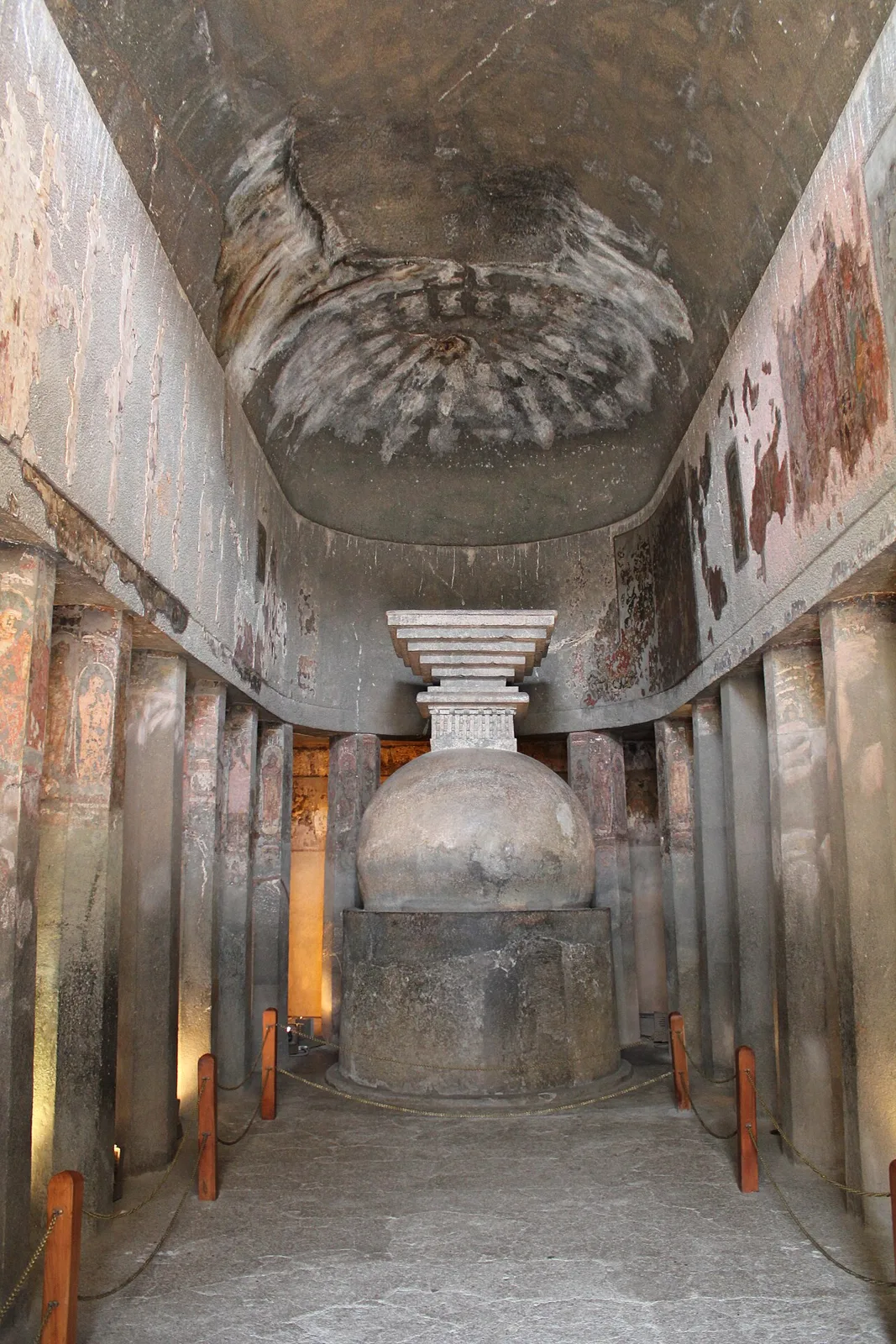
Ajanta Caves

55 km away · Chhatrapati Sambhajinagar district

Ajanta Caves

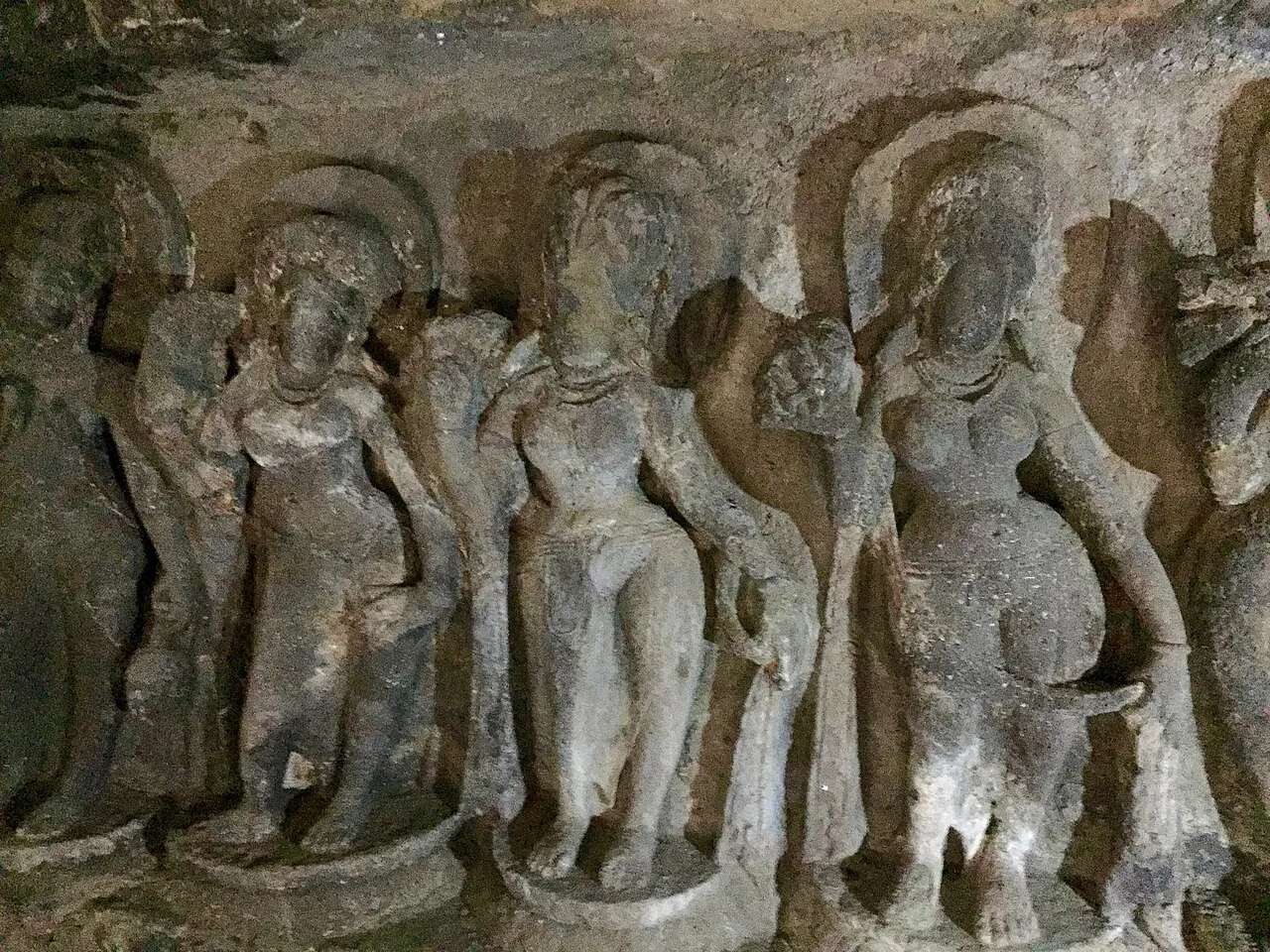
Ajanta is a group of 30 Buddhist caves in Maharashtra, known for its ancient paintings, sculptures and religious architecture. Visitors come to explore the site’s artistic and monastic heritage.

Ellora Caves

130 km away · Chhatrapati Sambhajinagar district

Ellora Caves

Ellora, in Maharashtra’s Chhatrapati Sambhajinagar district, is a UNESCO World Heritage Site. Visitors explore its Hindu, Buddhist and Jain monuments, including the remarkable Kailash temple carved from rock.

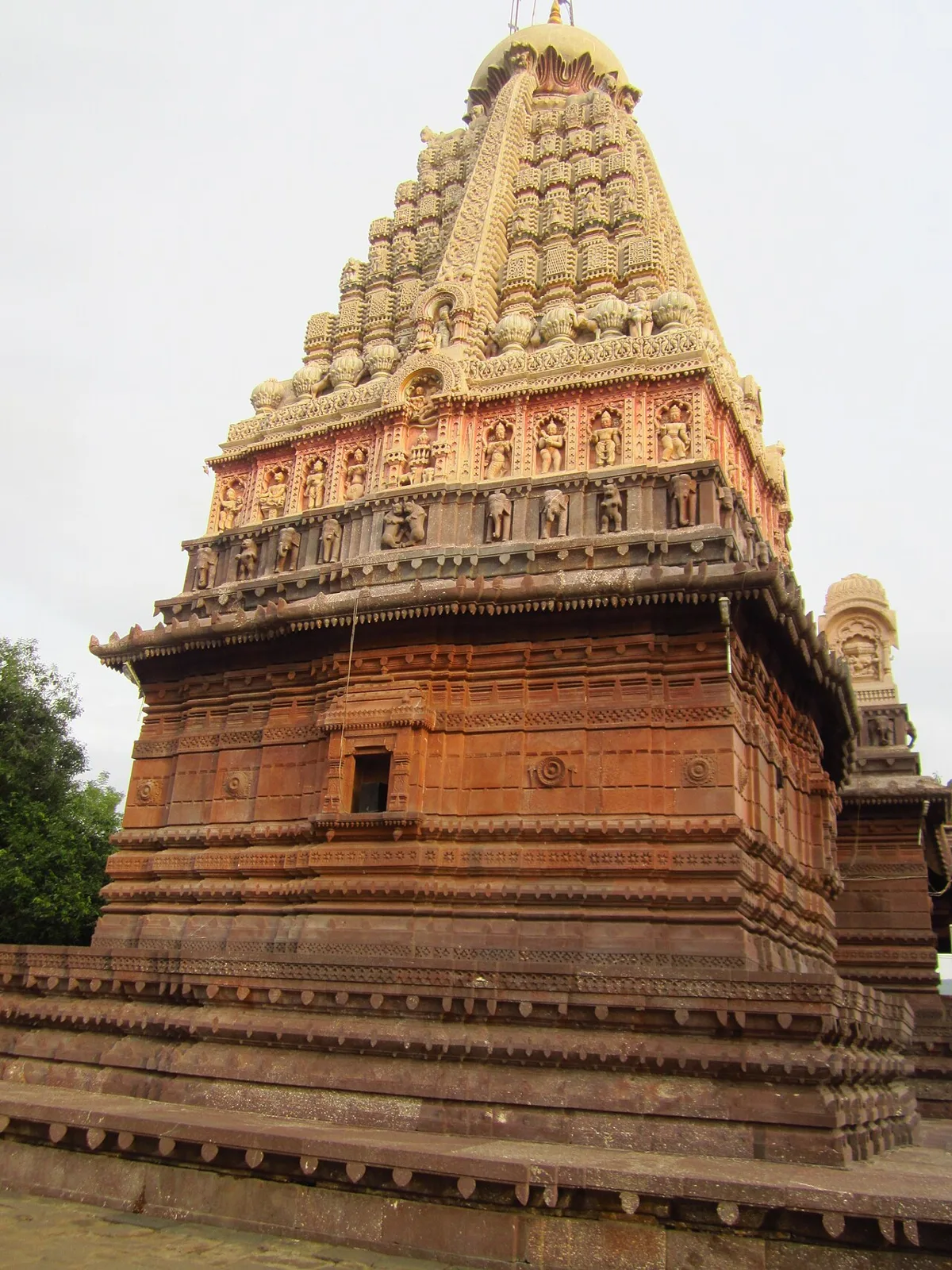
Ghrishneshwar Temple

130 km away · Chhatrapati Sambhajinagar district

Ghrishneshwar Temple

Ghrishneshwar Temple is a Shiva shrine in Verul, Maharashtra, and one of the twelve Jyotirlingas. Visitors come to worship Shiva at this nationally protected temple.

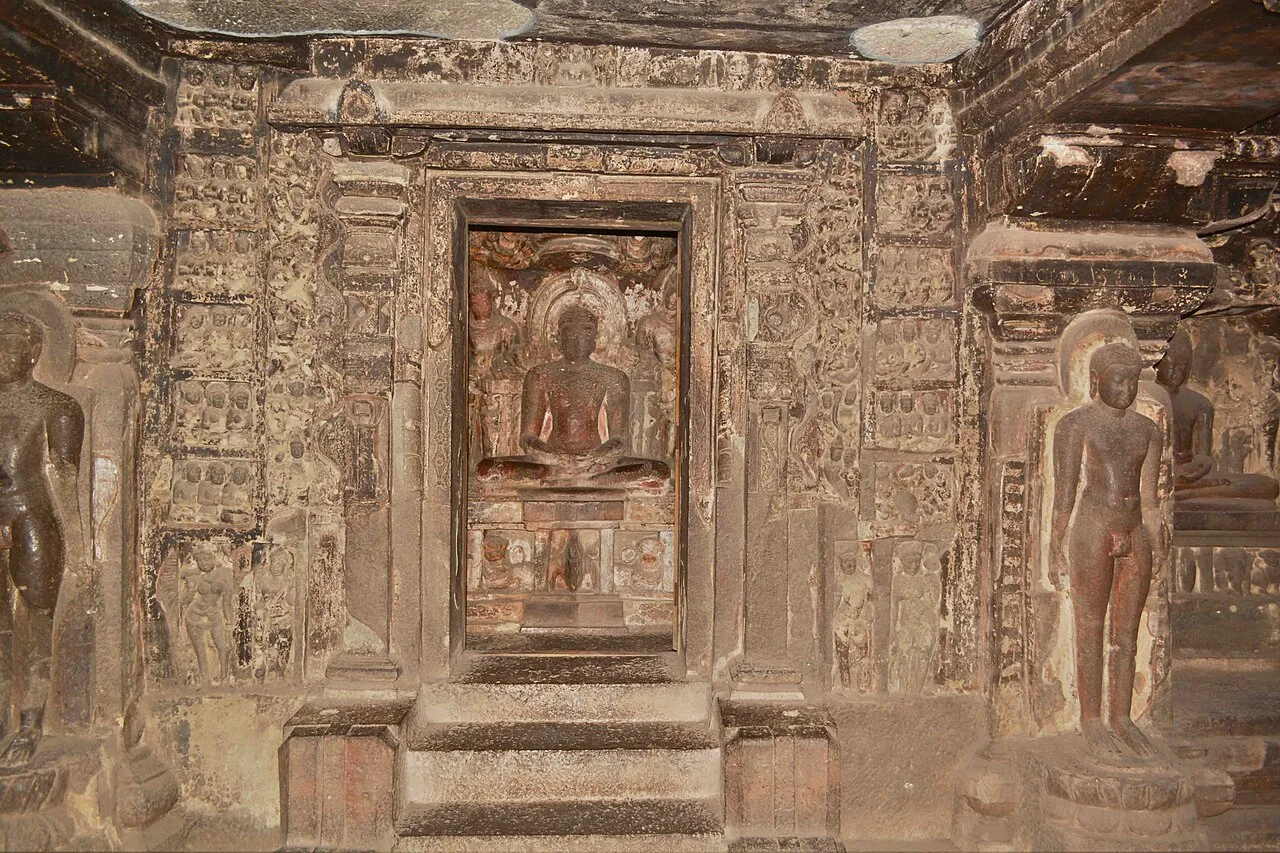
Aurangabad Caves

135 km away · Chhatrapati Sambhajinagar district

Aurangabad Caves

Near Aurangabad in Maharashtra, this hill complex contains twelve Buddhist sanctuaries excavated in basalt. Visitors explore its cave architecture and carvings, which represent several Buddhist traditions and include a range of deities.

Bibi Ka Maqbara

136 km away · Chhatrapati Sambhajinagar district

Bibi Ka Maqbara

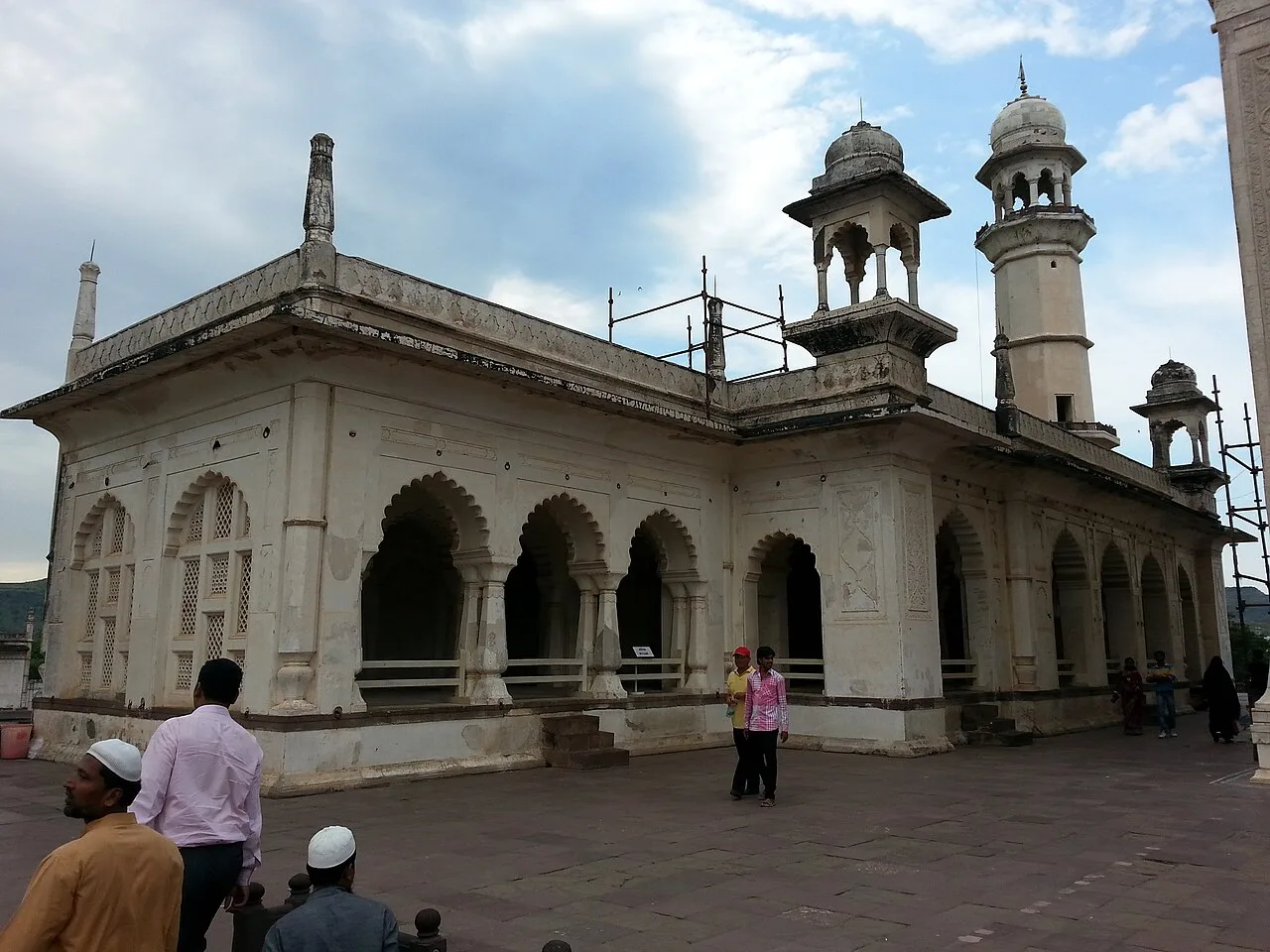
Bibi Ka Maqbara is a Mughal mausoleum in Aurangabad, Maharashtra, built for Dilras Banu Begum. Visitors come to see its resemblance to the Taj Mahal and its place in the region’s history.

Daulatabad Fort

136 km away · Chhatrapati Sambhajinagar district

Daulatabad Fort

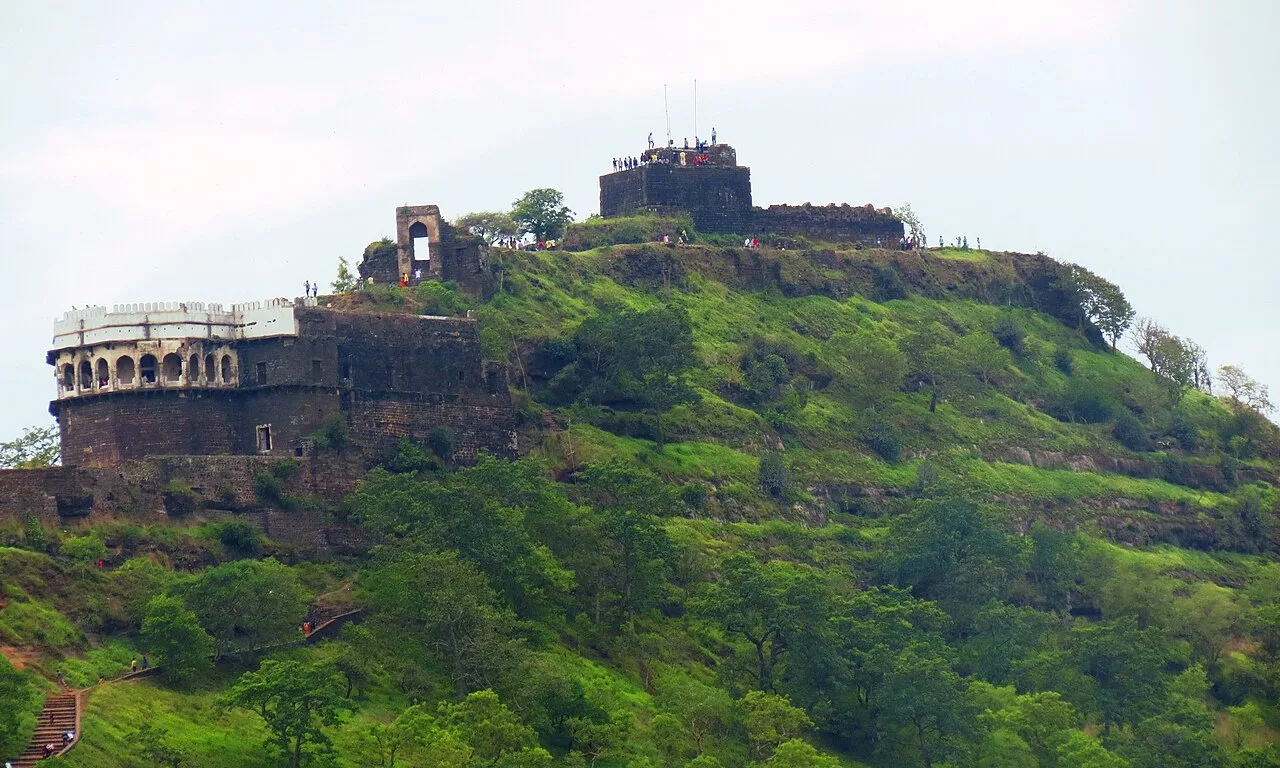
Daulatabad Fort is a historic stronghold in Maharashtra, first known as Devagiri. Visitors explore its history as a Yadava seat, briefly a Delhi Sultanate capital, and later an Ahmadnagar centre.

Lonar Lake

141 km away · Buldhana district

Lonar Lake

Lonar Lake is a saline, soda-rich lake in Maharashtra’s Buldhana district, set within a meteorite-impact crater. Visitors come to see its unusual geological formation and recognised conservation status.

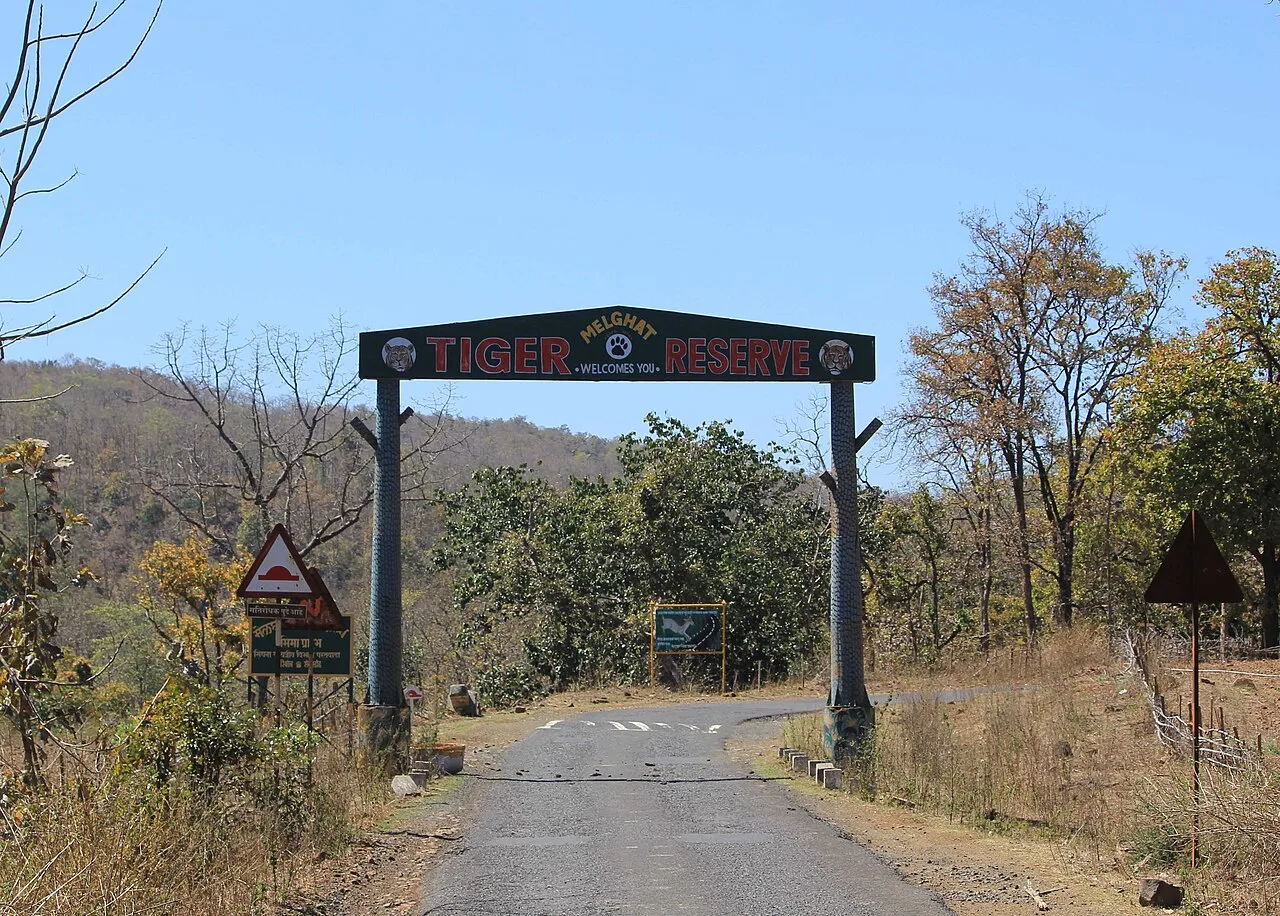
Melghat Tiger Reserve

153 km away · Amravati district

Melghat Tiger Reserve

Melghat Tiger Reserve is a protected area in northern Amravati district, Maharashtra. Visitors come to experience its wildlife and learn about its place in India’s Project Tiger programme.

Map

Bhusawal on the map

  1. 1Ajanta Caves
  2. 2Ellora Caves
  3. 3Ghrishneshwar Temple
  4. 4Aurangabad Caves
  5. 5Bibi Ka Maqbara
  6. 6Daulatabad Fort
  7. 7Lonar Lake
  8. 8Melghat Tiger Reserve

Maharashtra

Other cities to explore