Ghumoopedia — Explore, Discover, Experience
Sign in
Saptashrungi, near Chandwad

City guide · Maharashtra

Chandwad

Chandwad is a historic town and tehsil in Nashik district, set among hills on the route linking Nashik with northern Maharashtra. Its position along the Mumbai–Agra road has made it a useful regional stop and a centre for transport, roadside trade and services.

Famous for

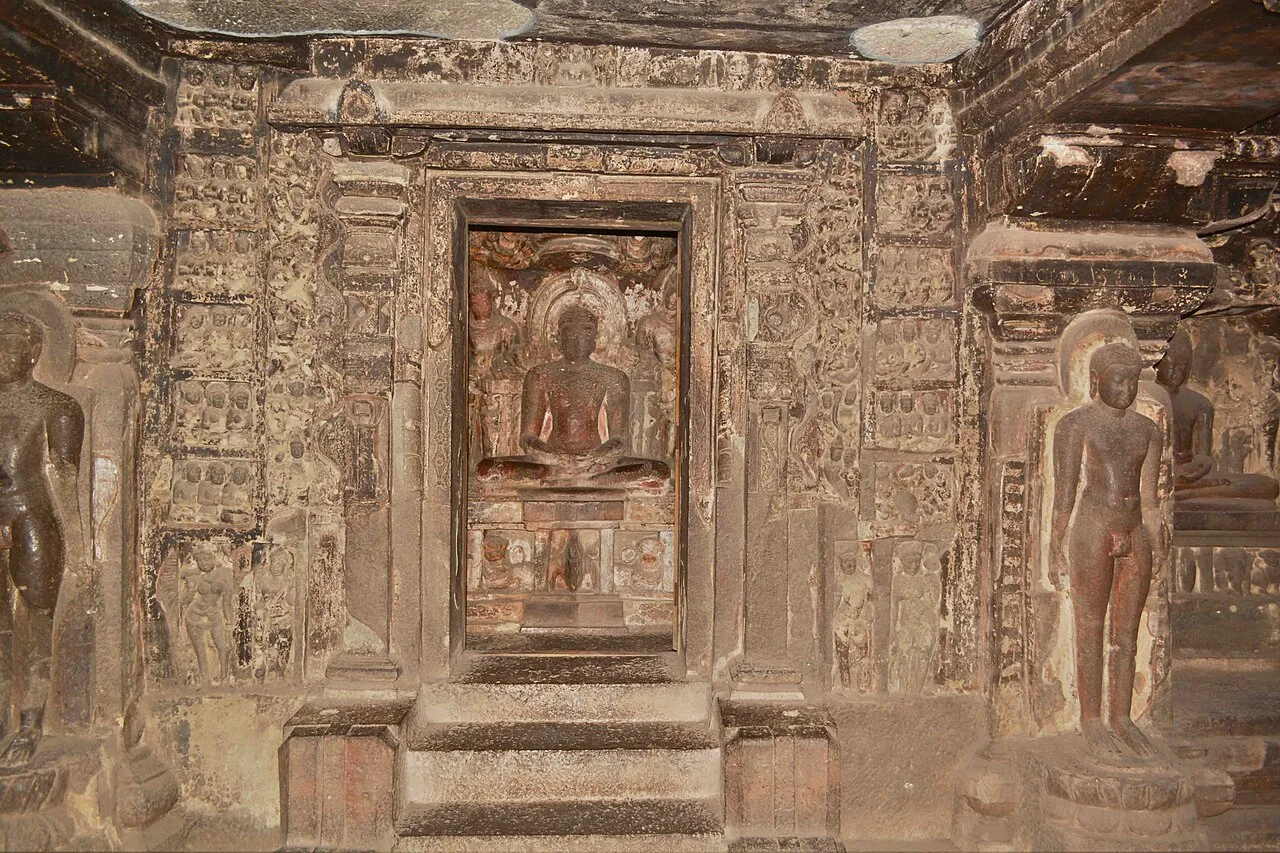
  • 11th-century Jain caves
  • Rangmahal Holkar Wada
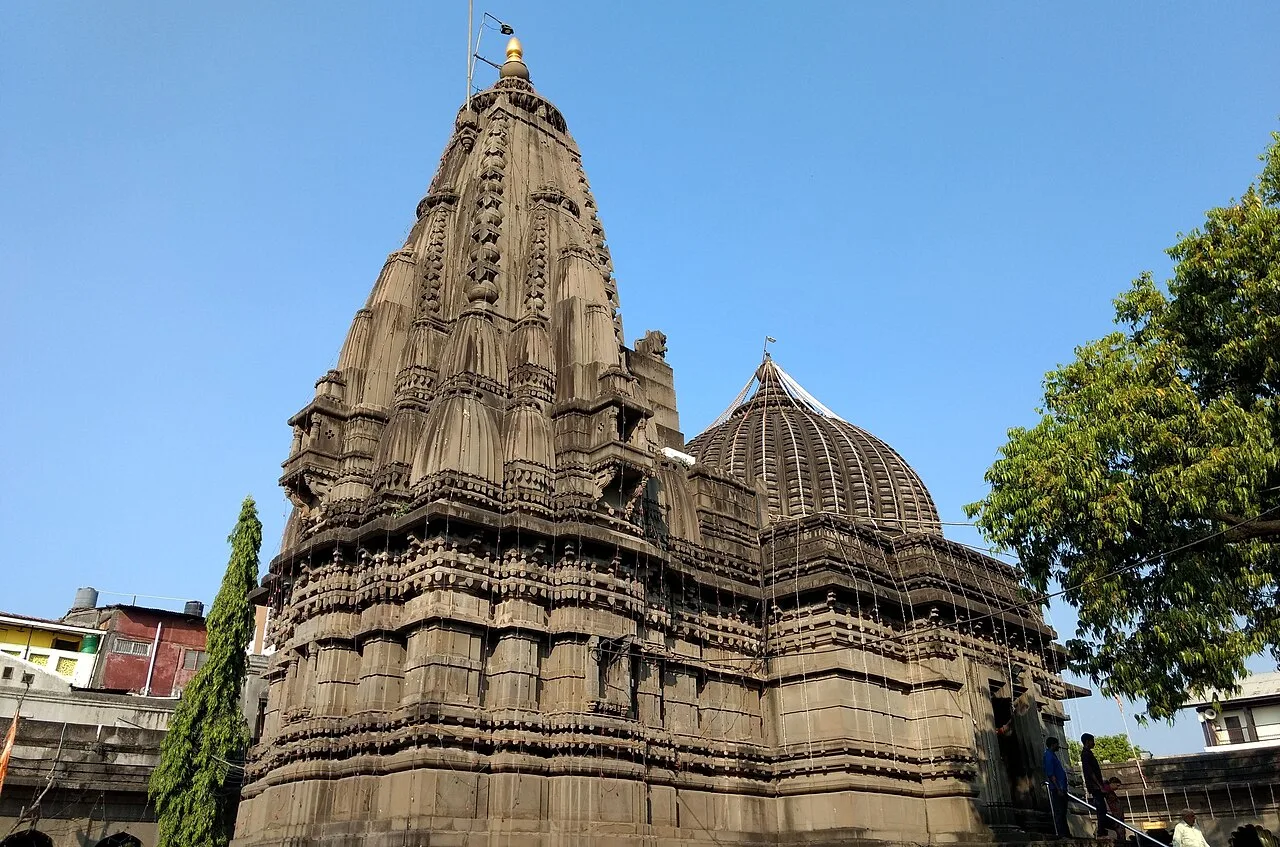
  • Chandreshwar Mahadev Temple
  • Renuka Mata Temple
  • Hilltop forts and shrines

Why Chandwad matters

Chandwad is a historic town and tehsil in Nashik district, set among hills on the route linking Nashik with northern Maharashtra. Its position along the Mumbai–Agra road has made it a useful regional stop and a centre for transport, roadside trade and services. Visitors come for a compact mix of religious heritage, hill scenery and Holkar-era architecture rather than a single landmark alone.

The town’s best-known attractions include 11th-century Jain caves associated with the Tirthankara Chandraprabha, the fortress-like Rangmahal built under Queen Ahilyadevi Holkar, and the hilltop Chandreshwar Mahadev temple. Renuka Mata’s temple, local dargahs and nearby forts add to the area’s varied pilgrimage and heritage character. Chandwad also serves surrounding villages and travellers moving towards Manmad and other parts of the region. Its colleges and local institutions contribute to its role beyond tourism, while Ganeshotsav brings residents together in a prominent town-wide celebration. The combination of roadside accessibility, sacred sites and rugged landscape makes Chandwad a worthwhile cultural detour in Nashik district.
Famous for: crafts, trade & products

Chandwad is better known for its heritage and road-linked trade than for a major textile, craft or packaged-food industry. Handloom weaving once had a place in the town’s economy, but that activity had largely disappeared by the late 20th century. There is no widely established local GI-tagged product or signature saree associated with Chandwad, so visitors should not expect a dedicated craft bazaar or a specialised textile-shopping district.

Today, the town’s commercial life centres on everyday shops and services for local residents, nearby villages and people travelling the main highway. Small businesses serve transport and road traffic, including eateries, garages and general retail. For practical purchases, explore the central market streets and shops along the main road; these are more useful for daily necessities and regional provisions than for distinctive souvenirs. The Rangmahal is an important historic landmark, but it also accommodates government offices and a school rather than functioning as a craft market. Chandwad’s educational presence includes SNJB’s College of Engineering and associated professional colleges, making education another part of its contemporary identity. For locally made keepsakes, ask in town about current artisans and products, as a lasting specialist market is not well established.

History

Chandwad’s heritage brings together Jain, Hindu and Muslim places of worship, alongside stories preserved in local tradition. The Jain caves, associated with Tirthankara Chandraprabha, date to the 11th century and point to the area’s historical importance for Jain devotees. Chandreshwar Mahadev temple stands on a nearby hill; local accounts connect it with the ruler Chandradev, though the temple’s early history is best treated as tradition rather than settled chronology. Stories of Parashurama and Renuka are also linked to the town’s Renuka Mata shrine.

A defining landmark is Rangmahal, a fortified residence associated with Queen Ahilyadevi Holkar. The Holkars supported public works and religious institutions, and local accounts credit Ahilyadevi with building a lake and improving routes connecting the region. Chandwad lay on an important corridor between Indore and Trimbakeshwar, and later remained connected to the wider Nashik region under British administration. In modern times, its highway junction, tehsil functions, transport businesses and colleges have shaped its role as a service centre for surrounding settlements.

Food, festivals & culture

Marathi is the principal language of everyday life, with Hindi also commonly useful to visitors. Chandwad’s religious landscape includes Jain caves, Hindu temples and Muslim dargahs, reflecting a range of local devotional traditions. At temples, worship may include aarti, prayers and bhajans; the hilltop shrines also draw visitors seeking both worship and views across the surrounding terrain.

Ganeshotsav is a major town-wide celebration, usually held during the monsoon season. Community festivities bring neighbourhoods together for worship and cultural programmes. Other Hindu festivals, including Navratri and Diwali, are observed in the area, while the town’s shrines and dargahs are places of worship throughout the year. Chandwad is not especially known for a distinct local dance or music genre. Food is characteristic of the wider Nashik and northern Maharashtra region: everyday meals may include bhakri, vegetables, lentils and other familiar Maharashtrian dishes, while highway eateries offer convenient regional fare. There is no firmly established signature sweet or food product that defines the town, so visitors can explore local eateries for seasonal and household-style specialities.

Visiting the city

The cooler, drier months from October to February are generally comfortable for exploring Chandwad’s temples, caves and hill sites. Summer can be hot, while monsoon rains bring greener scenery but may make some hill routes less convenient. The nearest airport serving the area is Nashik Airport at Ozar; Manmad Junction is the main nearby railway station for many onward journeys. Chandwad is also accessible by road on the Mumbai–Agra corridor.

Auto-rickshaws and local road transport can help with short trips, while a hired vehicle is useful for reaching hilltop temples, caves and forts. Begin around Rangmahal and the central town, then visit the Jain caves and Chandreshwar or Renuka Mata shrines. Allow extra time for nearby forts and viewpoints, and check local conditions before setting out on steep or less-developed routes.

Trips from the city

Nearest places to visit from Chandwad

Our closest destination guides, by straight-line distance.

Saptashrungi

36 km away · Nashik district

Saptashrungi

Saptashrungi is a Hindu pilgrimage destination in Maharashtra, where the goddess is believed to dwell among seven peaks. Devotees visit its temple, which holds an important place in Shakti Peetha traditions.

Kalaram Temple

59 km away · Nashik district

Kalaram Temple

Kalaram Temple is a Hindu shrine in Nashik, Maharashtra, devoted to Rama. Visitors come to worship at the temple, whose inner sanctuary also contains images of Sita and Lakshmana.

Shirdi Sai Baba Temple

67 km away · Ahilyanagar district

Shirdi Sai Baba Temple

The Shirdi Sai Baba Temple is a pilgrimage destination in Maharashtra, visited because of its association with Sai Baba, the nineteenth-century Indian saint closely connected with the town.

Pandavleni Caves

68 km away · Nashik district

Pandavleni Caves

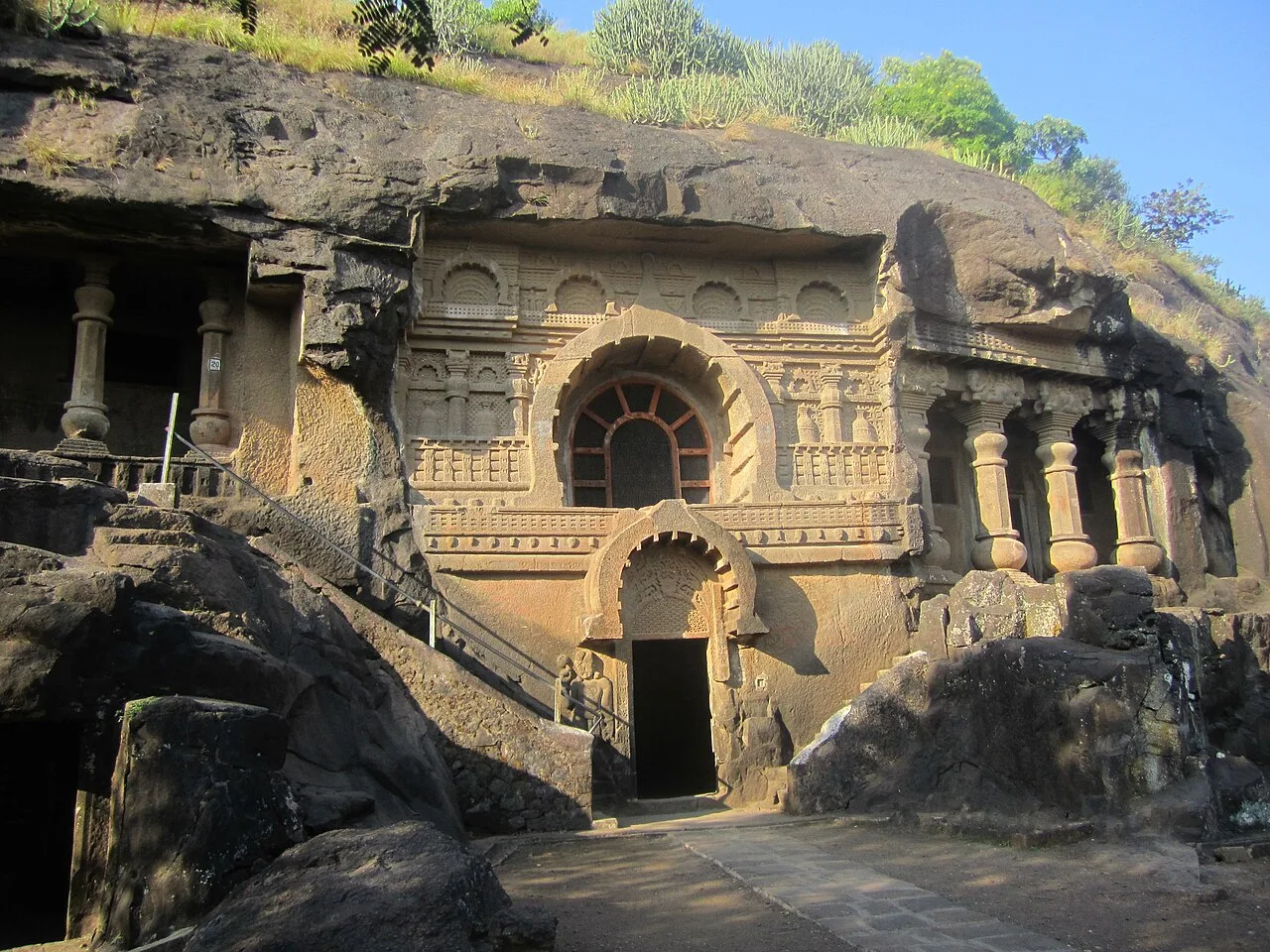
Pandavleni, also called the Trirashmi and Nashik Caves, is a Buddhist and Jain complex near Nashik, drawing visitors to its religious chambers and distinctive cave architecture.

Trimbakeshwar Temple

87 km away · Nashik district

Trimbakeshwar Temple

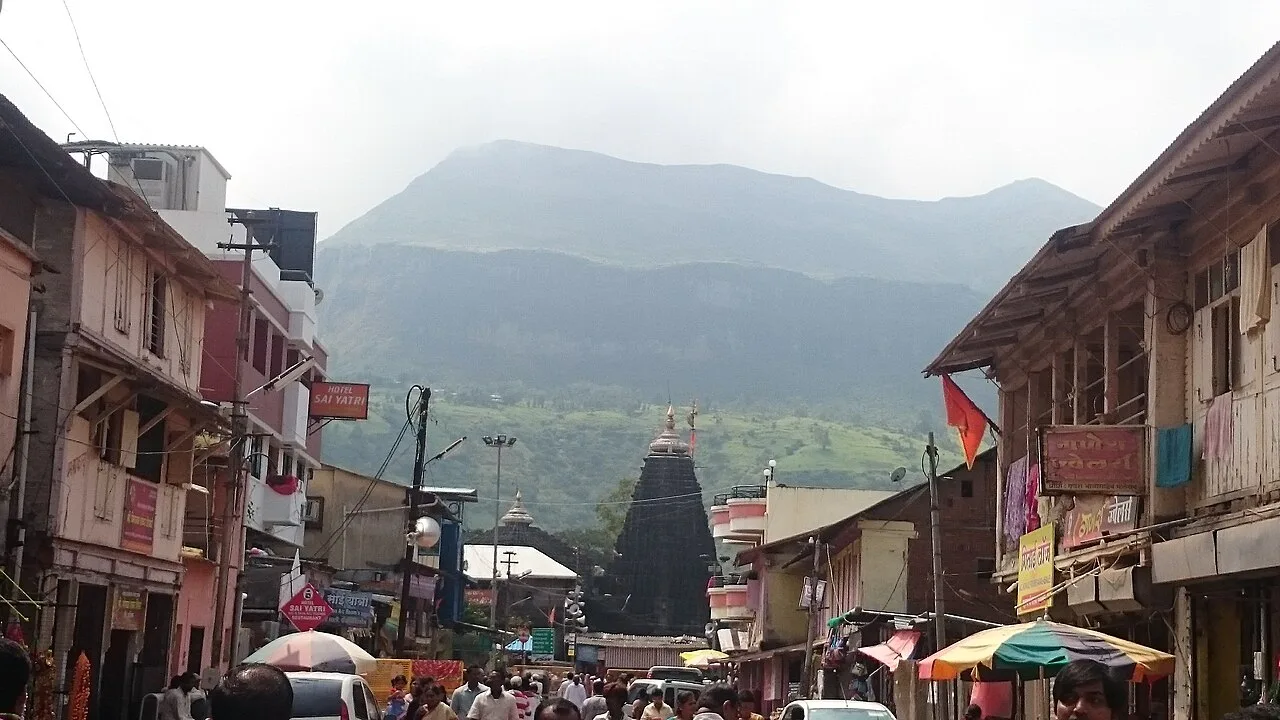
Trimbakeshwar Temple is a Shiva shrine in Maharashtra’s Nashik district and one of the twelve jyotirlingas. Visitors come to worship, perform Hindu rites and connect with the Godavari’s beginnings.

Ghrishneshwar Temple

102 km away · Chhatrapati Sambhajinagar district

Ghrishneshwar Temple

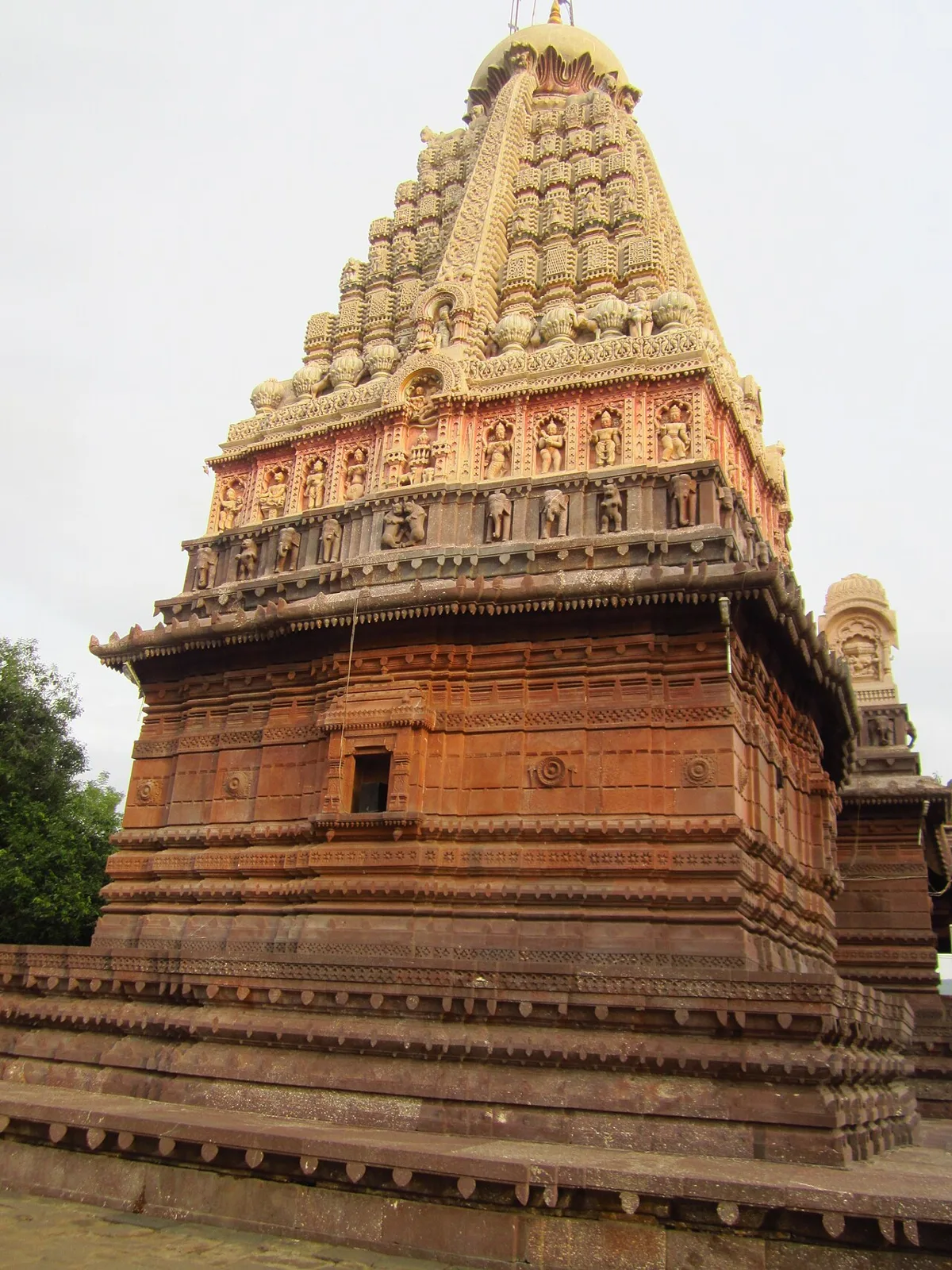
Ghrishneshwar Temple is a Shiva shrine in Verul, Maharashtra, and one of the twelve Jyotirlingas. Visitors come to worship Shiva at this nationally protected temple.

Bhandardara

103 km away · Ahilyanagar district

Bhandardara

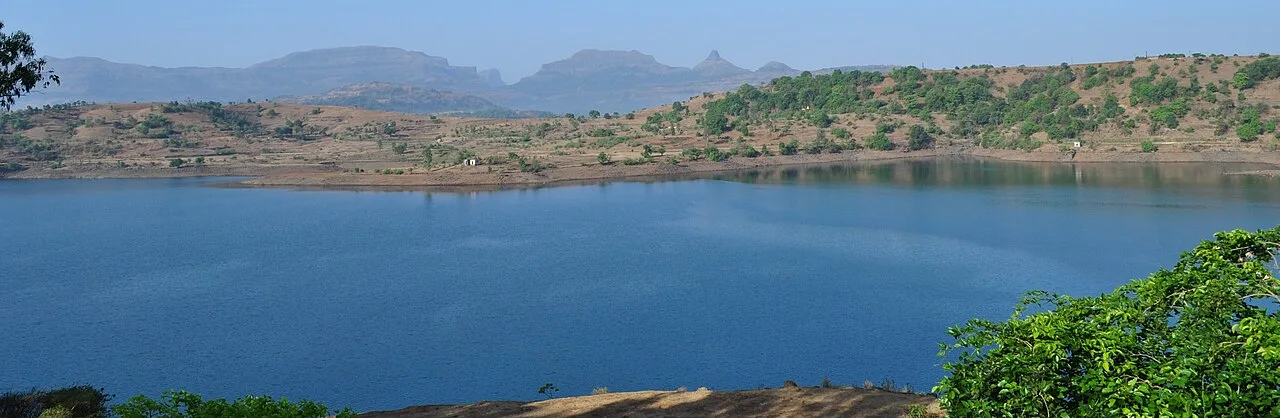
Bhandardara is a village in Maharashtra’s Ahilyanagar district, beside the Pravara River in the Western Ghats. Visitors come for Wilson Dam and Arthur Lake, as well as nearby forts and Mount Kalsubai.

Ellora Caves

103 km away · Chhatrapati Sambhajinagar district

Ellora Caves

Ellora, in Maharashtra’s Chhatrapati Sambhajinagar district, is a UNESCO World Heritage Site. Visitors explore its Hindu, Buddhist and Jain monuments, including the remarkable Kailash temple carved from rock.

Map

Chandwad on the map

  1. 1Saptashrungi
  2. 2Kalaram Temple
  3. 3Shirdi Sai Baba Temple
  4. 4Pandavleni Caves
  5. 5Trimbakeshwar Temple
  6. 6Ghrishneshwar Temple
  7. 7Bhandardara
  8. 8Ellora Caves

Maharashtra

Other cities to explore