Ghumoopedia — Explore, Discover, Experience
Sign in

City guide · Maharashtra

Parola

Parola is a town in Jalgaon district, northern Maharashtra, with a history closely linked to the Newalkar family of Jhansi. Its best-known landmarks are Shree Balaji Temple and Parola Fort, while its association with Rani Lakshmibai gives the town a place in the wider story of India’s nineteenth-century history.

Famous for

  • Shree Balaji Temple
  • Parola Fort
  • Newalkar family heritage
  • Anand Rao’s birthplace

Why Parola matters

Parola is a town in Jalgaon district, northern Maharashtra, with a history closely linked to the Newalkar family of Jhansi. Its best-known landmarks are Shree Balaji Temple and Parola Fort, while its association with Rani Lakshmibai gives the town a place in the wider story of India’s nineteenth-century history. Anand Rao, later known as Damodar Rao and adopted son of Lakshmibai, was born here.

Today, Parola serves as a local centre for nearby communities and lies on the national highway connecting the Surat region, Dhule and Kolkata. The route makes it a practical stop for travellers crossing northern Maharashtra, though most visitors come for its heritage and places of worship rather than a large tourism infrastructure. The fort site and Balaji Temple offer a compact introduction to the town’s past and devotional life. Parola is also a useful base for experiencing the smaller towns and rural landscapes of Jalgaon district. A visit is best approached as a short cultural stop, with time to explore the town centre and its historic associations.
Famous for: crafts, trade & products

Parola is not widely identified with a particular textile tradition, handicraft, or GI-tagged product. Its strongest associations are historical and religious: the fort linked to the Newalkar family and the Shree Balaji Temple. Visitors looking for locally made souvenirs should keep expectations modest; the town’s shops mainly serve everyday needs rather than a specialist craft trade.

The central bazaar is the most practical place to browse general shops and find daily-use goods, snacks, and seasonal produce. As in many district towns, small retailers and market stalls cater primarily to residents from Parola and nearby villages. There is no single documented product or dedicated craft district that defines the town’s shopping identity. For regional goods with a wider selection, travellers may find more options in larger commercial centres elsewhere in Jalgaon district. In Parola, shopping is best treated as part of an ordinary town-centre walk rather than a separate craft-focused excursion. The city’s principal visitor draw remains its heritage, especially the fort’s connection to Jhansi and the temple’s place in local worship.

History

Parola’s history is associated with the Newalkars, a family whose members held jagir rights in the town and later became linked with Jhansi. Sadashiv Rao Damodar Newalkar built Parola Fort in 1726. The town is remembered as part of the family’s heritage and is associated with Rani Lakshmibai; her adopted son Anand Rao, later known as Damodar Rao, was born in Parola. This connection is an important part of the town’s historical identity, although Lakshmibai herself was born elsewhere.

In 1859, after the upheavals of the 1857–59 period, the British government confiscated the town and fort, which belonged to a member of the Jhansi family. The fort was dismantled, diminishing the physical remains of the stronghold. Parola continued as a local settlement and later developed municipal administration; its municipal council was established during British rule, before Indian independence. In modern times, the town’s position on a major highway has sustained its role as a service and trading centre for surrounding communities.

Food, festivals & culture

Marathi is the main language of everyday life in Parola, and Hindi is also understood by many residents. The town’s cultural calendar follows the wider customs of Maharashtra. Ganesh Chaturthi, usually celebrated in the monsoon season, brings devotional gatherings, while Navratri in autumn, Diwali in autumn, and Holi near the end of winter are observed with family and community celebrations. Shree Balaji Temple is a central place of worship and a natural focus for visitors interested in local religious life.

Meals are generally rooted in Maharashtrian home cooking. Visitors may find staples such as bhakri or other breads, dal, rice, vegetable dishes, and snacks familiar across the region; menus vary between homes and eateries, so no single dish should be treated as uniquely Parola’s. Tea stalls and small restaurants around the town centre are convenient places for a simple meal. Bhajans and kirtans form part of devotional observance, particularly around temples and religious occasions. The town’s cultural experience is quiet and local in character, shaped more by worship, festivals, and everyday community life than by a large performance scene.

Visiting the city

The cooler months, roughly from October to February, are generally the most comfortable for exploring Parola. Summers can be hot, while the monsoon brings rain and greener countryside. Jalgaon Airport is the nearest named airport; check current flight connections before planning around it. Amalner Railway Station is a nearby railhead, while Jalgaon Junction offers broader rail connections farther away.

Parola is accessible by road along the highway linking the Surat region, Dhule, and Kolkata. Within town, local auto-rickshaws and taxis can help with short trips; confirm availability locally. Start in the town centre, where shops and everyday activity are concentrated, then visit Shree Balaji Temple and the historic fort site. Allow time to learn about the Newalkar connection, while keeping in mind that the fort was dismantled. Parola works well as a brief heritage stop or as part of a wider journey through Jalgaon district.

Trips from the city

Nearest places to visit from Parola

Our closest destination guides, by straight-line distance.

Ajanta Caves

71 km away · Chhatrapati Sambhajinagar district

Ajanta Caves

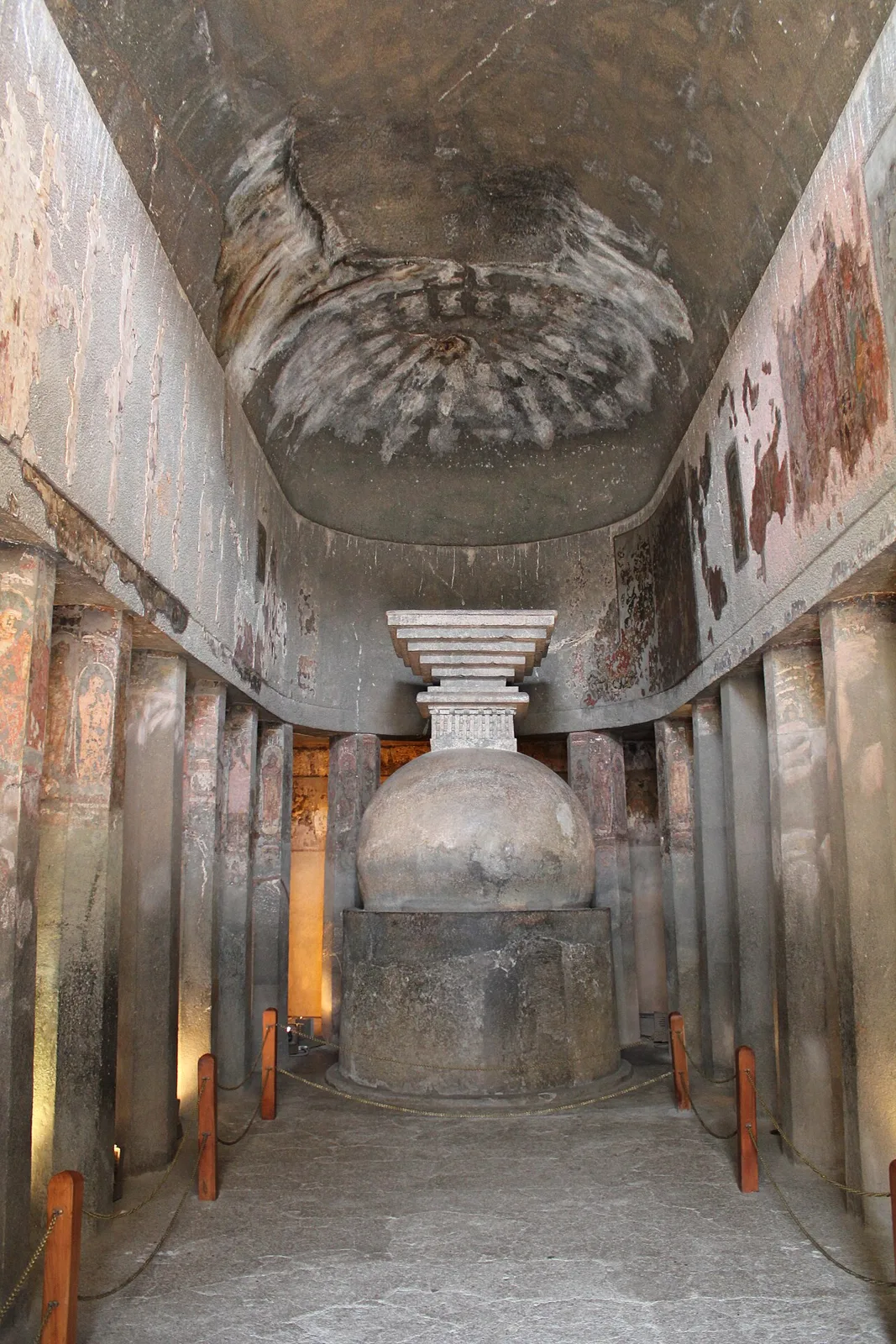
Ajanta is a group of 30 Buddhist caves in Maharashtra, known for its ancient paintings, sculptures and religious architecture. Visitors come to explore the site’s artistic and monastic heritage.

Ellora Caves

95 km away · Chhatrapati Sambhajinagar district

Ellora Caves

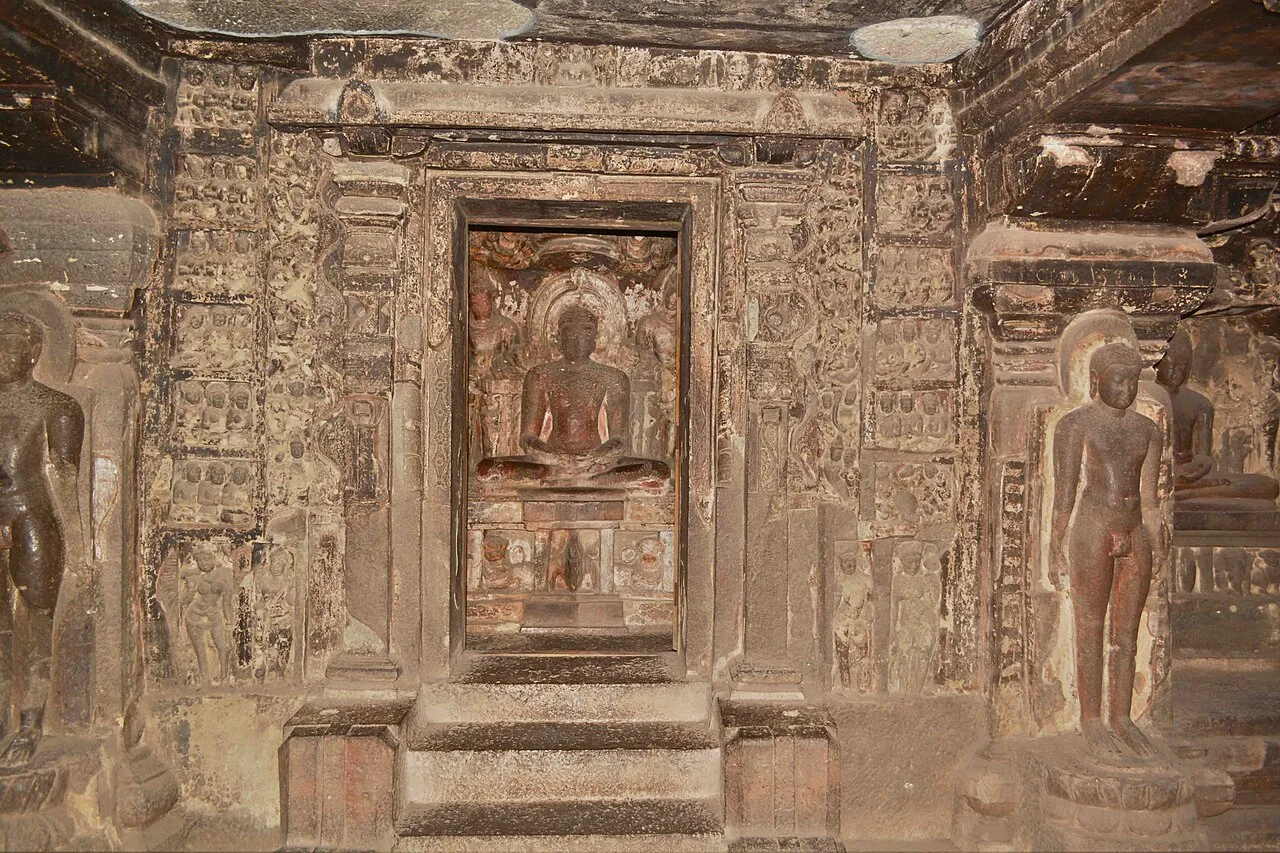
Ellora, in Maharashtra’s Chhatrapati Sambhajinagar district, is a UNESCO World Heritage Site. Visitors explore its Hindu, Buddhist and Jain monuments, including the remarkable Kailash temple carved from rock.

Ghrishneshwar Temple

95 km away · Chhatrapati Sambhajinagar district

Ghrishneshwar Temple

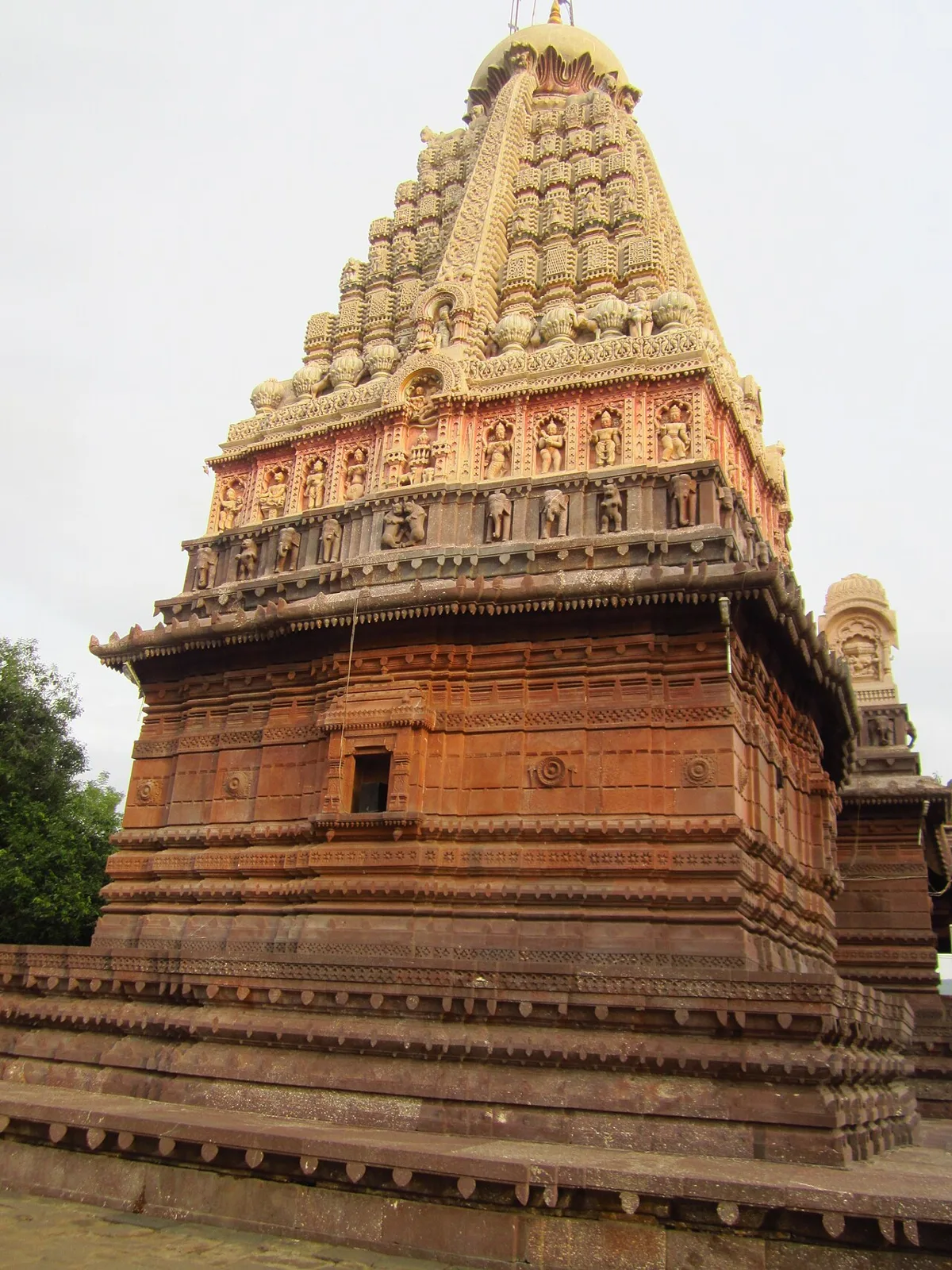
Ghrishneshwar Temple is a Shiva shrine in Verul, Maharashtra, and one of the twelve Jyotirlingas. Visitors come to worship Shiva at this nationally protected temple.

Daulatabad Fort

105 km away · Chhatrapati Sambhajinagar district

Daulatabad Fort

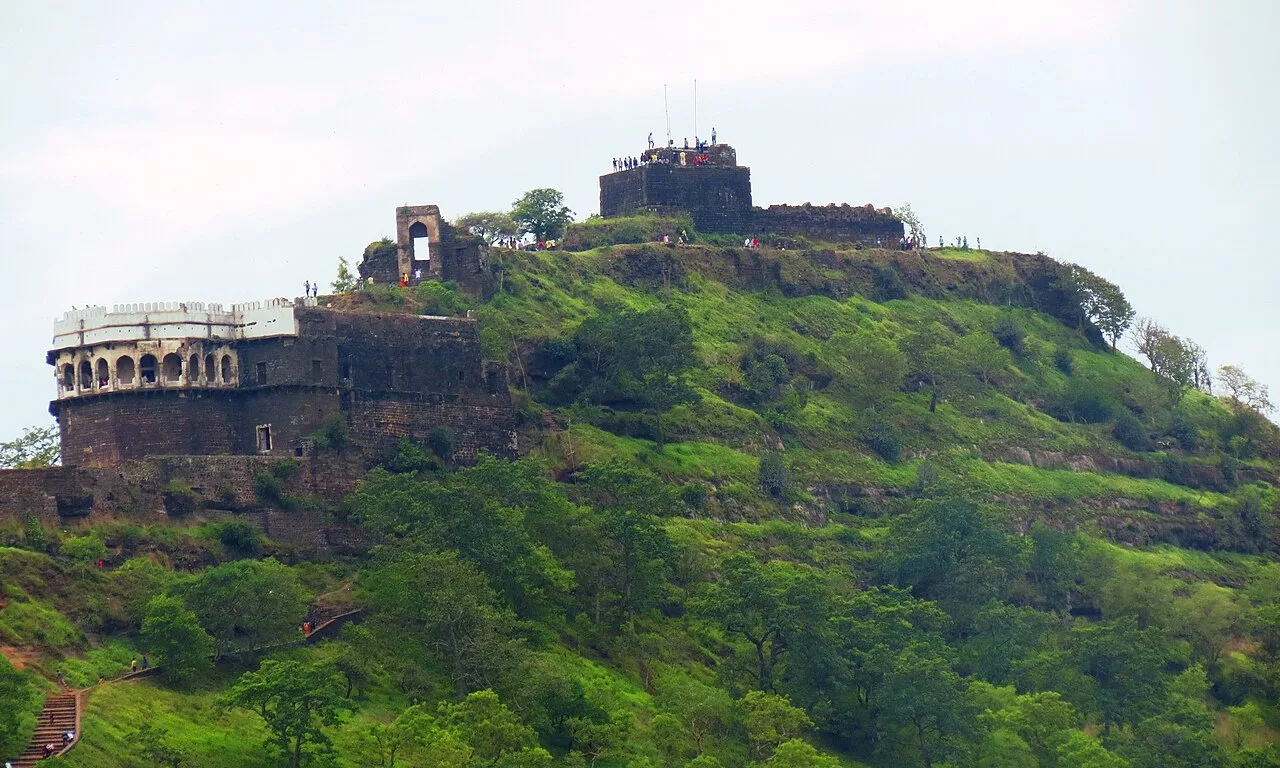
Daulatabad Fort is a historic stronghold in Maharashtra, first known as Devagiri. Visitors explore its history as a Yadava seat, briefly a Delhi Sultanate capital, and later an Ahmadnagar centre.

Aurangabad Caves

109 km away · Chhatrapati Sambhajinagar district

Aurangabad Caves

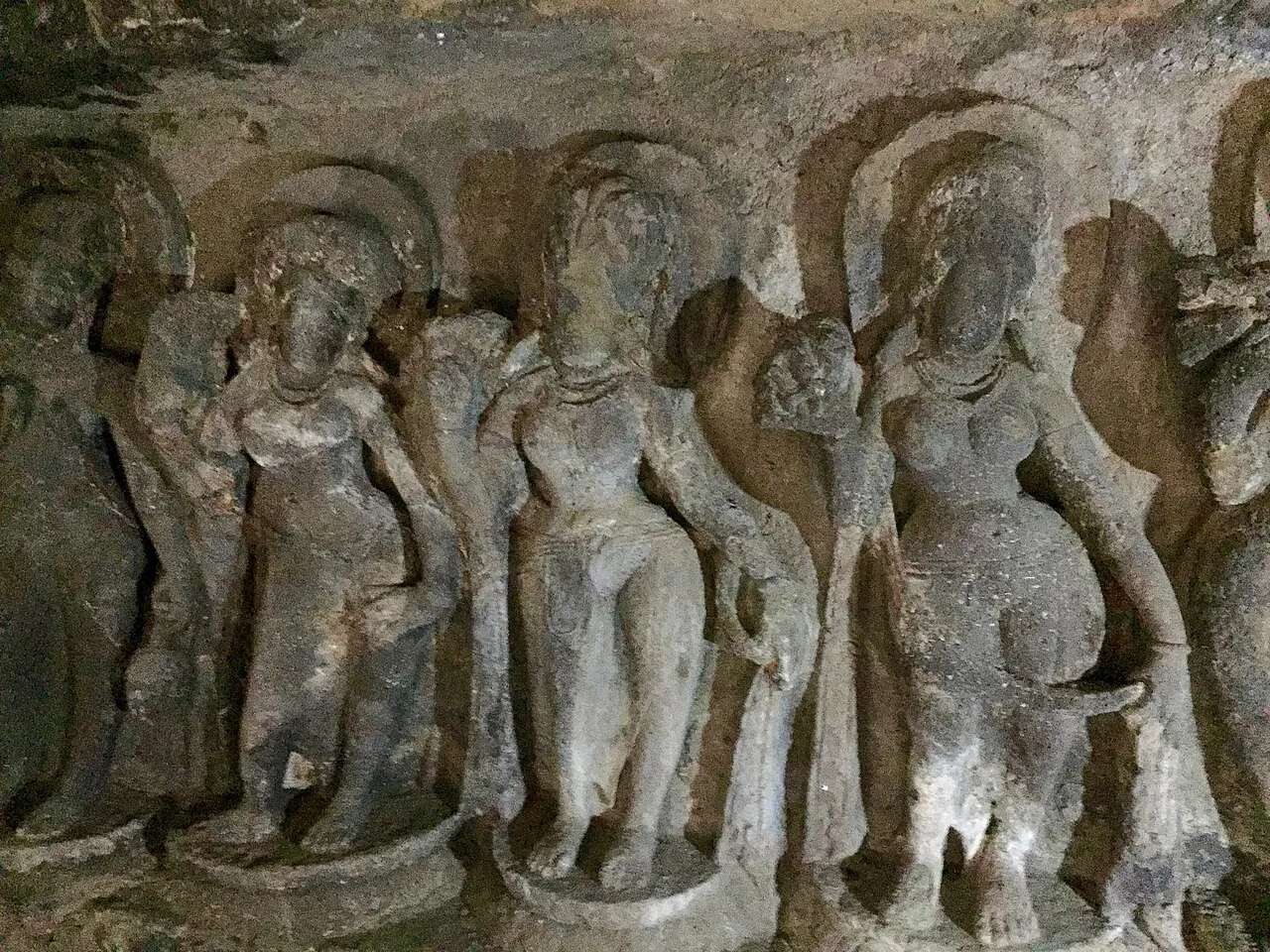
Near Aurangabad in Maharashtra, this hill complex contains twelve Buddhist sanctuaries excavated in basalt. Visitors explore its cave architecture and carvings, which represent several Buddhist traditions and include a range of deities.

Bibi Ka Maqbara

111 km away · Chhatrapati Sambhajinagar district

Bibi Ka Maqbara

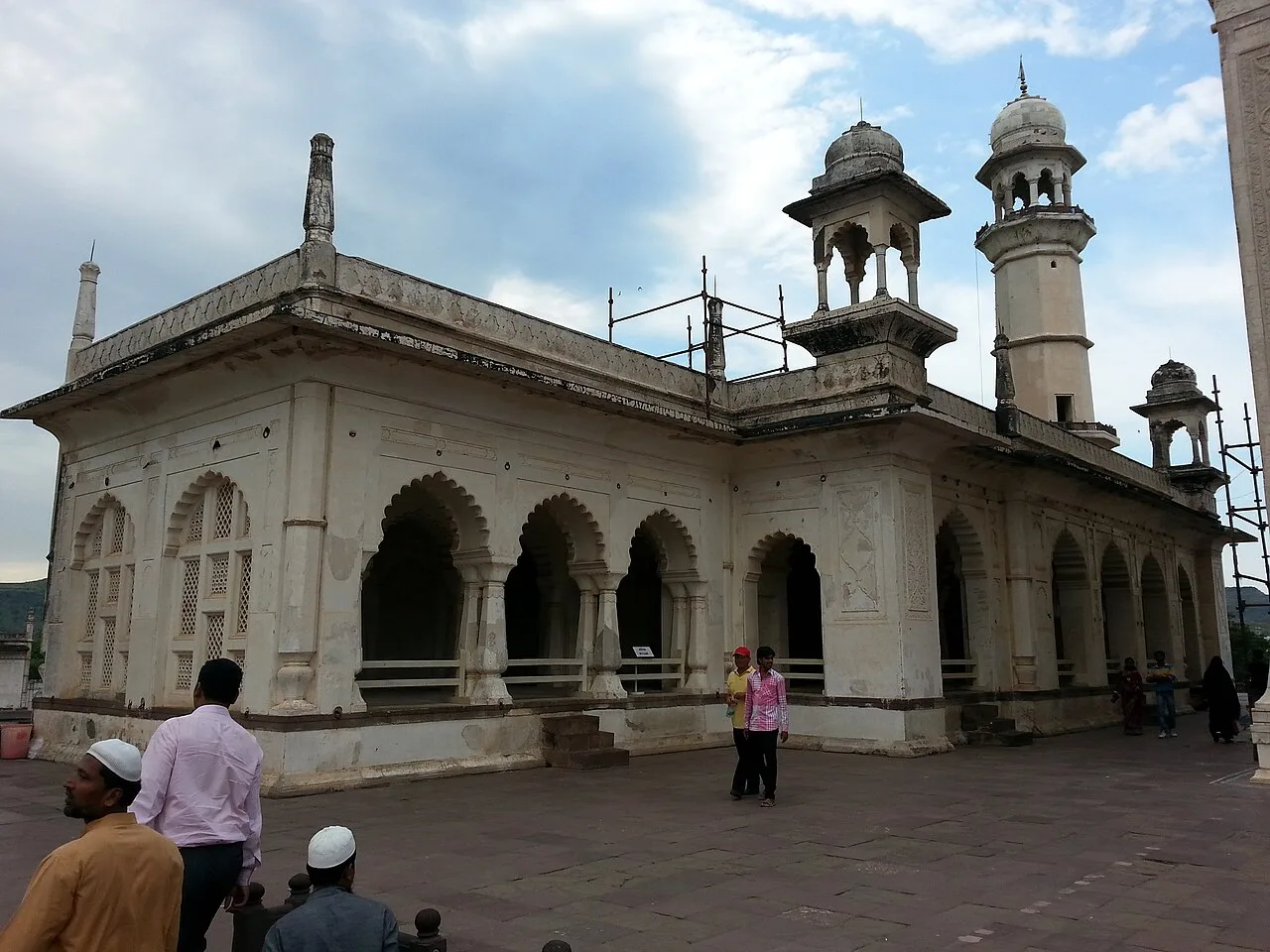
Bibi Ka Maqbara is a Mughal mausoleum in Aurangabad, Maharashtra, built for Dilras Banu Begum. Visitors come to see its resemblance to the Taj Mahal and its place in the region’s history.

Saptashrungi

137 km away · Nashik district

Saptashrungi

Saptashrungi is a Hindu pilgrimage destination in Maharashtra, where the goddess is believed to dwell among seven peaks. Devotees visit its temple, which holds an important place in Shakti Peetha traditions.

Shirdi Sai Baba Temple

140 km away · Ahilyanagar district

Shirdi Sai Baba Temple

The Shirdi Sai Baba Temple is a pilgrimage destination in Maharashtra, visited because of its association with Sai Baba, the nineteenth-century Indian saint closely connected with the town.

Map

Parola on the map

  1. 1Ajanta Caves
  2. 2Ellora Caves
  3. 3Ghrishneshwar Temple
  4. 4Daulatabad Fort
  5. 5Aurangabad Caves
  6. 6Bibi Ka Maqbara
  7. 7Saptashrungi
  8. 8Shirdi Sai Baba Temple

Maharashtra

Other cities to explore